
Roses typically bloom from late spring to midsummer, with timing varying by region and variety. Proper care, climate, and planting time influence their peak bloom periods.
Table of Contents
This guide covers general blooming periods for roses based on regional climate zones and rose varieties but does not specify exact bloom dates for specific locations. Cooler regions may see roses bloom from late June to July, while warmer areas could experience bloom as early as March or April, with some varieties like climbers flowering into fall. To optimize care, gardeners should consider local frost dates, temperature fluctuations, and sunlight hours that influence bud development and flowering. Adjusting watering, fertilization, and pruning practices to regional conditions can extend the blooming season and improve flower quality. Consulting local gardening sources or climate zone maps can help determine precise timing and best practices tailored to specific geographic locations.
This guide explains regional blooming times, factors affecting rose season, and best practices for planting and caring for roses to maximize their blooms throughout the appropriate season.
When Do Roses Bloom Seasonally and Regionally
Understanding the timing of rose blooms requires considering both the specific rose variety and the regional climate conditions. Typically, most roses tend to bloom from late spring through early fall, but this window can vary significantly depending on geographic location and climate zone. Gardeners, landscapers, and enthusiasts aiming for extended or well-timed blooms should pay close attention to regional temperature patterns, length of daylight, and local seasonal changes that influence bud development and flowering cycles.
1. Understanding the Typical Bloom Window
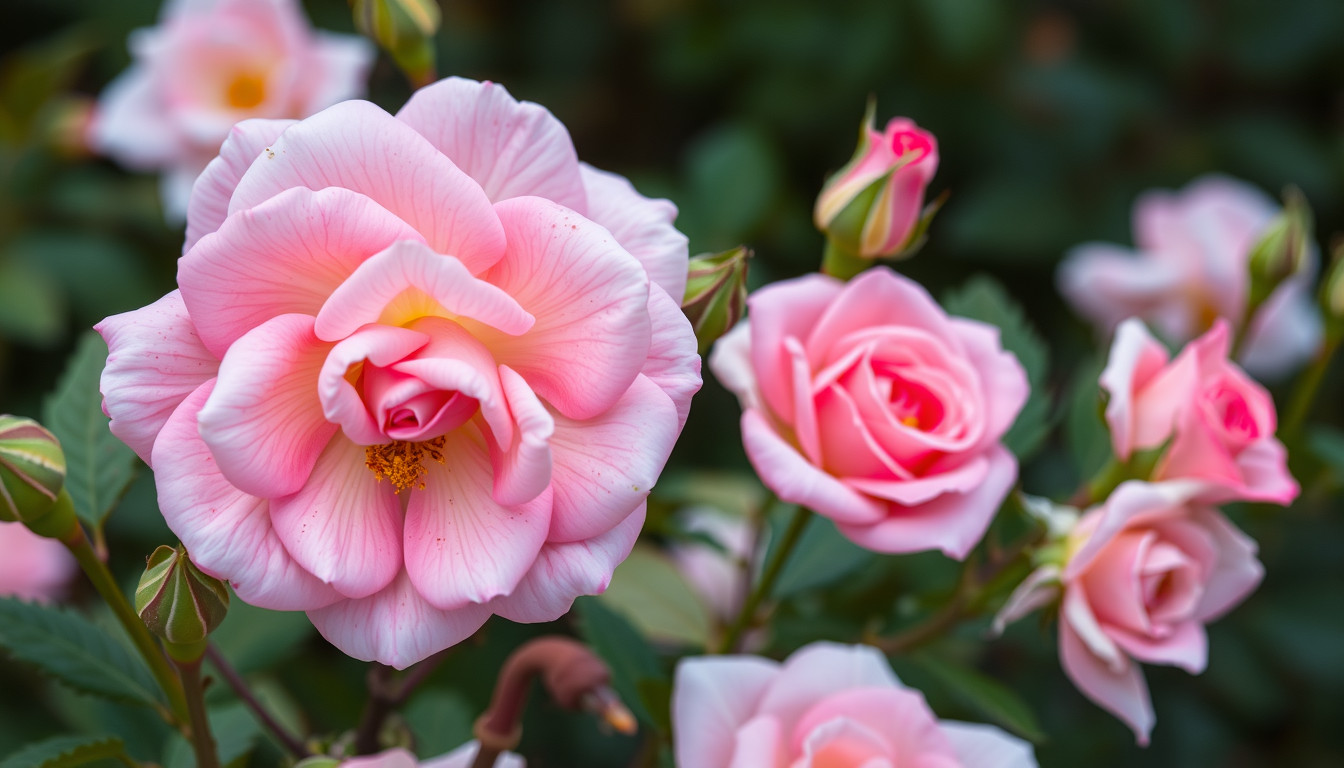
Most common rose varieties initiate bloom cycles in late spring, often around May in many temperate zones, with peak flowering occurring through June and July. Hybrid Tea roses generally bloom from May to June, providing a concentrated period of large, elegant flowers. Floribundas, on the other hand, tend to have a more extended bloom period from June to September, offering multiple wave-after-wave of color. The exact timing of these periods depends on environmental factors like temperature and sunlight, which trigger flowering responses.
2. Regional Variability in Bloom Periods
Regional climate plays a pivotal role in defining the start and end of rose blooming periods. In warmer zones, such as USDA Hardiness Zones 9 and 10, roses can begin blooming as early as March and continue into late fall, sometimes beyond October. Conversely, in cooler zones—Zone 3 or 4—blooming might be compressed into late June and July, with a shorter overall season. For example, in Mediterranean climates with mild winters and hot summers, roses may bloom almost year-round, while in continental climates, cold snaps can delay or shorten the flowering window. Understanding local frost dates, average temperatures, and seasonal daylight hours helps gardeners anticipate and plan for optimal blooming periods and extend flowering cycles where possible.
In summary, while most roses have a general blooming window extending from late spring to early fall, regional climate and specific rose types influence the exact timing and duration. Recognizing these regional and varietal differences aids in gardening decisions and enhances the visual display of roses throughout the season.
How Rose Varieties Influence Bloom Cycles
The blooming patterns of roses vary significantly depending on their specific variety. Flowering periods are directly linked to the botanical traits and genetic makeup of each rose type, which determine when and how often they bloom. Understanding these differences allows gardeners to select the right variety for desired bloom times and to plan their garden’s aesthetic throughout the growing season.
1. Specification Table
| Rose Variety | Bloom Cycle |
|---|---|
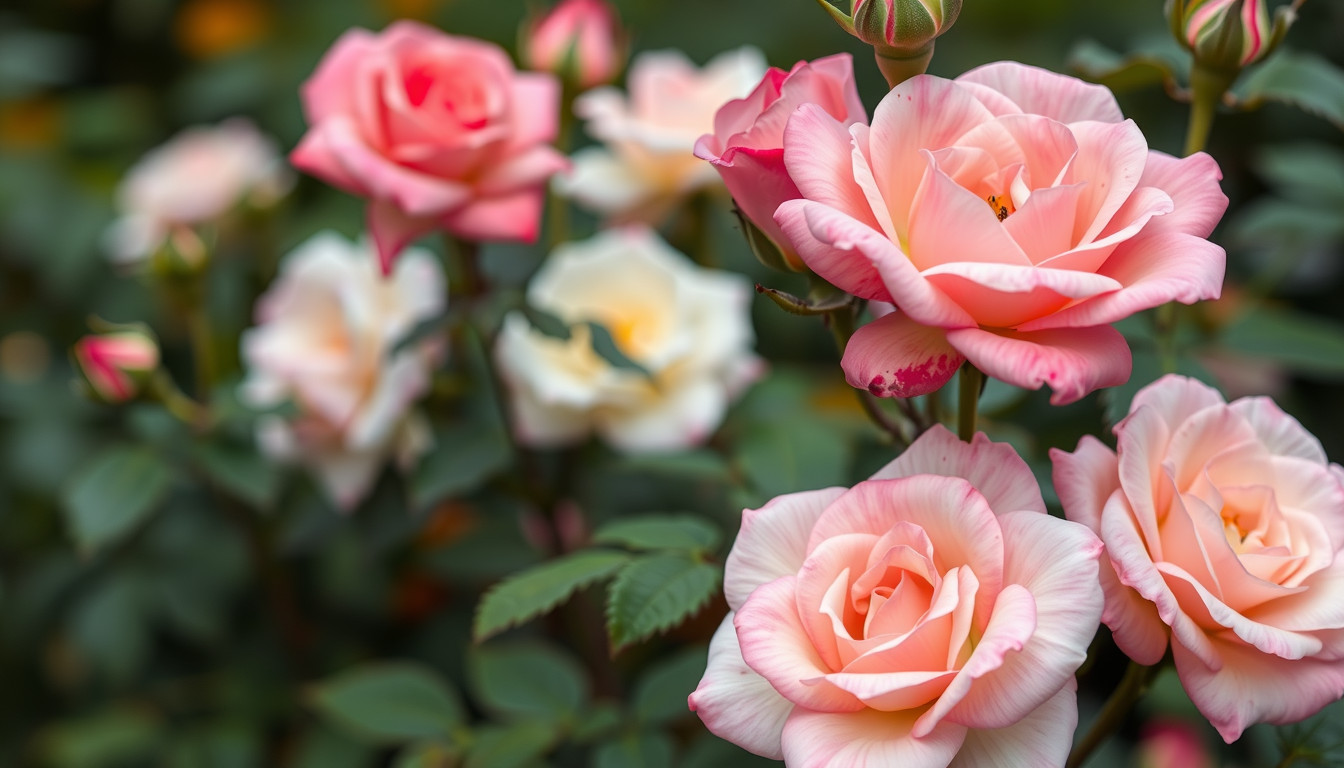
| Hybrid Tea roses | Late spring to early summer, generally May to June |
| Floribunda and climbing roses | June to September, often extending into fall |
| Once-blooming roses | Spring, with a single, intensive bloom period |
| Repeat-blooming roses | Occurs multiple times from late spring through fall |
2. Hybrid Tea Roses
Hybrid Tea roses are renowned for their large, elegant blooms and typically have a single, prominent bloom period. They usually bloom from late spring to early summer, especially in temperate zones, with a peak around May and June. Their bloom cycle is strongly influenced by the length of daylight and temperature, with flowering often ceasing by mid-summer if conditions are too hot or dry.
3. Floribunda and Climbing Roses
Floribundas and climbing roses tend to have a more extended blooming period, often from June through September. These varieties are prolific bloomers, repeating their display multiple times across the season. Climbers, in particular, can produce flowers over a large vertical space, with bloom cycles triggered by longer daylight hours and consistent watering and fertilization schedules.
4. Once-Blooming vs. Repeat Bloom Types
Some roses are classified as once-blooming varieties, which produce a burst of flowers during a specific period, usually in late spring. These are best for seasonal display but do not provide ongoing color throughout the growing season. Conversely, repeat-blooming roses are genetically programmed to bloom multiple times from late spring to early fall. Gardeners aiming for continuous color should favor these types, although they may require more meticulous pruning and care to promote ongoing flowering cycles.
Optimizing Planting and Seasonal Care for Bloom Success
Achieving abundant and long-lasting rose blooms hinges on timing and diligent seasonal maintenance. By understanding the optimal planting windows tailored to your regional climate and implementing timely care practices, gardeners can significantly boost their roses’ flowering performance. Proper planning involves selecting the right planting season for your area—whether it’s bare-root roses in early spring or container-grown specimens whenever conditions are favorable. Seasonal activities like pruning, watering, and fertilizing further influence bloom quality and duration. Consistent, targeted care ensures roses remain healthy and continue to produce vibrant blossoms throughout their bloom cycle.
1. Ideal planting windows by region
The timing for planting roses varies according to climate zones. In temperate regions, early spring—just before the onset of bud break—is optimal for bare-root roses, typically between late March and early April. This period allows roots to establish before the heat or cold stresses set in. For container roses, planting can occur throughout the growing season as long as the temperatures remain above 50°F (10°C). Warmer zones might enable fall planting, but gardeners should ensure the plant has enough time to establish before winter dormancy. Consulting regional gardening resources can help pinpoint the best windows for your specific locale, preventing early or late planting that could hinder growth or bloom production.
2. Seasonal pruning, watering, fertilizing
Seasonal pruning aims to promote vigorous growth and stimulate abundant flowering. Early spring pruning, just as new growth begins, should focus on removing dead or crossing branches and shaping the plant. After flowering, light pruning encourages new blooms for subsequent flushes. Watering practices should be adjusted with the seasons—deep watering during dry spells in spring and summer promotes healthy roots, while reducing watering in late fall supports dormancy. Fertilization is crucial, with roses benefiting from balanced, slow-release fertilizers or specific rose formulas applied during the care season, typically from early spring through midsummer. Regular feeding throughout the active growth period sustains bloom production, while eliminating excess nutrients late in the season prepares the plant for winter dormancy, reducing winter injury and ensuring robust blooms the following year.
Handling Exceptions and Special Conditions
While roses generally follow predictable blooming periods, various environmental factors and microclimates can cause deviations from typical schedules. Understanding these exceptions helps gardeners optimize care and extend the flowering period or enjoy off-season blooms. Factors such as extreme weather events, localized climate variations, and microclimates can significantly influence when roses bloom and how long their bloom cycles last. Recognizing how to respond to these conditions ensures healthier plants and more consistent floral displays.
1. Extreme weather impacts
- Drought conditions: Prolonged dry spells can delay blooming or cause roses to produce fewer flowers. Drought-stressed roses often conserve water, which inhibits flower development. Adequate watering and mulching can mitigate some of these effects, encouraging timely blooms.
- Frost during blooming period: Late spring or early fall frosts can shorten the blooming window by damaging flower buds or blossoms. Protecting roses with frost cloths or covering them during cold snaps can sometimes prevent damage and prolong the blooming cycle.
- Heatwaves: Excessively high temperatures, especially above 85°F (29°C), may cause roses to drop buds prematurely or reduce bloom vigor. Providing afternoon shade and ensuring consistent watering helps maintain bloom quality during heat extremes.
2. Unusual blooming in microclimates
- Microclimates: Small areas within a garden, like south-facing walls or sheltered spots, can create warmer conditions conducive to off-season blooming. Roses in these microclimates might bloom earlier in spring or continue flowering later into fall, defying typical regional schedules.
- Terrain and elevation: Elevated or sheltered locations tend to retain heat longer, encouraging extended or premature blooms. Conversely, shaded or cooler microclimates may delay bloom initiation, shifting the usual blooming period.
3. Managing irregular bloom cycles
- Protection and care: Applying mulch, using frost protection measures, and adjusting watering schedules can help extend blooming periods or trigger additional flushes of flowers. Regular pruning after the first bloom cycle encourages new growth that may produce secondary blooms, especially in climates where roses tend to have multiple flushes.
- Correct timing and fertilization: Applying balanced fertilizers at appropriate times supports healthy flower production. Over-fertilizing, however, can promote excessive leaf growth at the expense of blooms, so adjustments based on the plant’s response are crucial.
- Monitoring and adaptation: Keeping an eye on weather patterns and microclimate conditions allows gardeners to anticipate irregular blooms and implement protective or supportive measures promptly to manage deviations effectively.
Using Bloom Calendar Tools and Regional Guides
Effective planning of your rose blooming season relies heavily on understanding your local climate and planting timing. Using bloom calendar tools and regional guides can help gardeners synchronize their planting schedules with natural blooming periods, ensuring the best possible display of flowers. These resources provide zone-specific and region-specific data, which helps determine when roses are most likely to bloom based on your location’s average last frost date and typical weather patterns. By aligning planting times with regional bloom windows, gardeners can maximize bloom duration and health of their roses. Additionally, tracking weather trends and adjusting schedules accordingly allows for more precise management of rose bushes, which can vary significantly even within the same climate zone.
1. Online Regional Guides
Many local gardening centers and horticultural organizations publish online regional guides that include detailed planting and blooming schedules. These guides typically factor in climatic variables such as frost dates, temperature ranges, and rainfall patterns. For example, a region with a late last frost date may recommend planting roses in late spring, whereas areas with an earlier last frost can plan for earlier planting. Consulting these guides provides a practical framework for timing rose planting to ensure they bloom during their natural peak periods.
2. Planting and Bloom Schedules
Creating a comprehensive planting and bloom schedule helps gardens stay on track. This schedule should specify the optimal planting windows—often after the danger of frost has passed—and incorporate regional blooming periods, which vary for different rose varieties. For example, hybrid teas may bloom from late spring through early summer, while floribundas could bloom from early summer into early fall. By tracking key milestones, gardeners can make informed decisions about watering, fertilizing, and pruning to support continuous and healthy blooms.
3. Tracking Software and Charts
Modern tracking software and printable charts enhance bloom management by providing visual timelines and reminders. These tools often include features for recording local weather conditions, frost dates, and bloom responses, allowing gardeners to refine their schedules over seasons. Using such software helps identify trends, such as earlier or later blooming in certain years, and adjust planting strategies accordingly. In practice, gardeners can update their charts with observed data, ensuring more accurate predictions for future blooms and optimizing the overall length of the flowering period.
In summary, leveraging regional guides and bloom calendar tools helps tailor gardening practices closely to local conditions. This approach minimizes guesswork, prevents premature or delayed planting, and ultimately results in a more vibrant and prolonged rose season.
Frequently Asked Questions
1. When do most roses start blooming in my region?
Most roses begin blooming in late spring, around May in temperate zones, but earlier or later depending on local climate and specific rose varieties.
2. How long does the typical rose bloom last?
In favorable conditions, a typical bloom lasts from one to three weeks, with some varieties repeating their bloom cycle throughout the season.
3. Can roses bloom twice in a year?
Yes, many repeat-blooming varieties can produce flowers multiple times from late spring through fall, especially with proper pruning and care.
4. What climates delay or shorten bloom cycles?
Cooler climates with late frosts or hot, dry summers can postpone or shorten bloom periods; extreme cold can also prevent flowering altogether.
5. Which rose varieties bloom earlier or later?
Hybrid Tea roses typically bloom earlier, around late spring, while Floribundas and climbers tend to flower later, extending into late summer or fall.
6. How can I extend the blooming period?
Regular deadheading, strategic pruning, proper watering, and fertilizing promote prolonged flowering in repeat-blooming rose varieties.
7. What seasonal care activities support better blooms?
Seasonal practices like early spring pruning, consistent watering, mulching, and fertilizing help maintain health and maximize bloom output throughout the season.