
Sampaguita, a small yet fragrant flower, holds a special place in many cultures. Its beauty and symbolism make it a fascinating subject to explore, especially its English name, origin, and various translations. Read Interesting article: Money Tree Light: Requirements For Perfect Plant Placement
Table of Contents
Overview of Sampaguita
What is Sampaguita?
When I first encountered the Sampaguita, I was struck by its delicate, star-shaped white petals and sweet fragrance. Also known as Jasminum sambac, this flower belongs to the olive family and is native to Southeast Asia. It thrives in warm climates and is often found adorning gardens and pathways. The plant typically grows as a shrub, reaching heights of up to three feet, and produces clusters of small blooms that are not only beautiful but also intoxicatingly fragrant. I remember walking through a local market in the Philippines, where the scent of Sampaguita filled the air, creating a serene ambiance that I can still recall vividly.
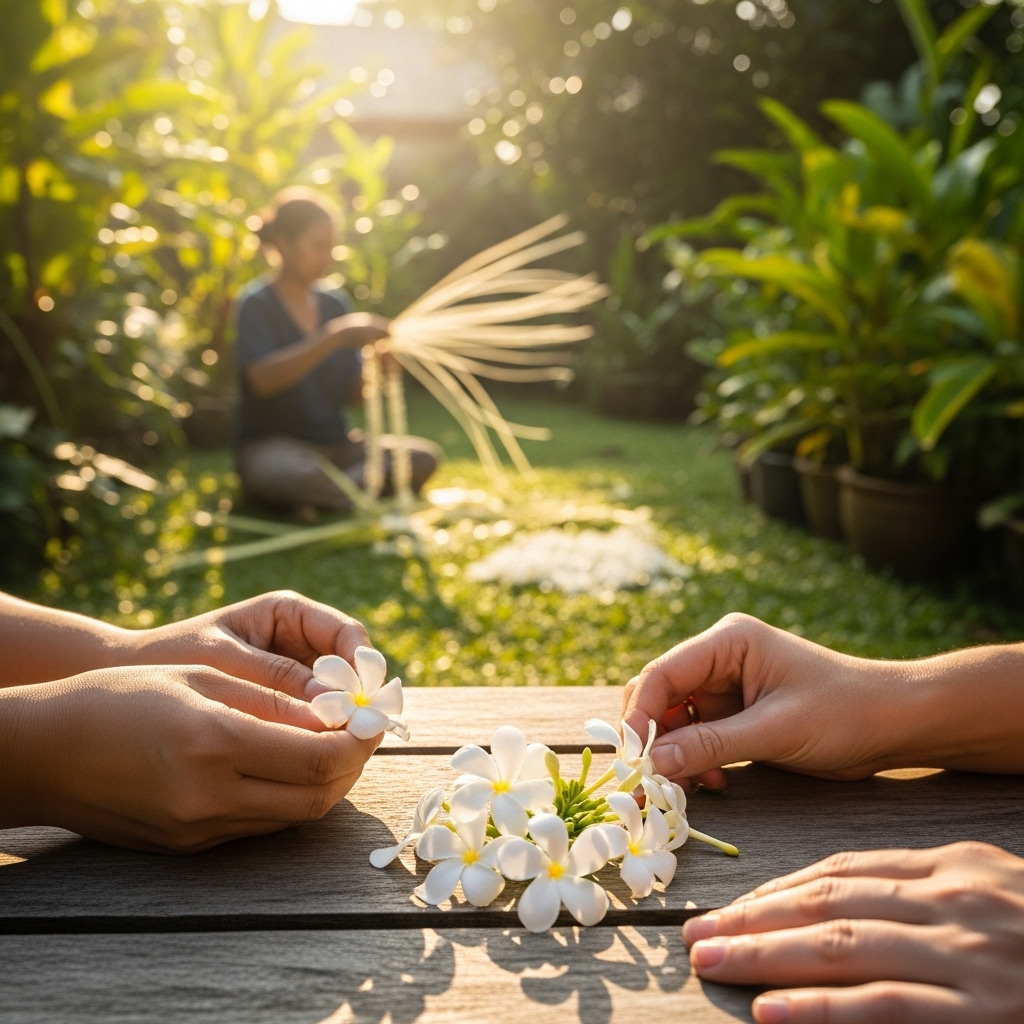
Common Uses and Cultural Significance
The Sampaguita is much more than just a pretty flower; it carries deep cultural significance, especially in the Philippines. I learned that it is often used in garlands, which are presented during special occasions like weddings, birthdays, and festivals. The act of giving a Sampaguita garland is a gesture of love and respect, making it a cherished part of Filipino traditions. I’ve seen families proudly display these garlands in their homes, where they serve as symbols of purity and devotion.
In addition to its aesthetic appeal, Sampaguita plays a significant role in traditional medicine. I came across stories of herbalists using its leaves for various ailments, including headaches and respiratory issues. While I haven’t tried these remedies myself, it’s a testament to the flower’s versatility and the respect it commands in various cultures. Read Interesting article: Sweet Gumball Tree Problems? Here’s How to Handle Them Like an Expert
Translation of Sampaguita
English Translation of Sampaguita
In English, Sampaguita is often referred to as “Arabian Jasmine.” I was surprised to learn this, as I always associated it with its Filipino name. The term “Arabian Jasmine” reflects its aromatic qualities and the regions where it is commonly found. I think it’s fascinating how a flower can have different names in various cultures, each name telling a different part of its story. It’s like when I travel—every place has its own unique way of sharing its beauty, just as the Sampaguita does through its many names.
Alternative Names in Different Languages
Searching for alternative names for Sampaguita opened up a world of cultural connections for me. In India, it’s known as “Motiya” or “Chameli,” while in Indonesia, it’s referred to as “Melati.” Each name evokes the specific significance the flower holds in these cultures. I remember being in a garden in Bali, where locals shared how they decorated their temples with Melati flowers, connecting their rituals to nature. It’s moments like these that deepen my appreciation for the Sampaguita and its presence across different cultures.
Origin of Sampaguita
Botanical Classification and Species
Diving into the botanical classification of Sampaguita, I discovered that it belongs to the genus Jasminum, which includes around 200 species of flowering plants. I found it interesting how the Sampaguita is closely related to other jasmine species, sharing not only its sweet scent but also its significance across cultures. The plant’s adaptability to various climates and soils speaks volumes about its resilience—something I admire in nature.
Geographical Distribution
Sampaguita thrives in tropical and subtropical regions, and it’s primarily found in Southeast Asia, India, and even parts of Africa. I’ve seen it grow abundantly in the warm, humid climates of the Philippines, where it often becomes a staple in gardens. The plant’s ability to flourish in different regions is truly remarkable, showcasing nature’s diversity. Exploring these geographical nuances has helped me appreciate how the flower’s presence can vary yet remain beloved wherever it grows.
Historical Background and Cultural Roots
Historically, the Sampaguita has deep roots in various cultures, particularly in Southeast Asia. I learned that it has been cultivated for centuries, cherished not only for its beauty but also for its fragrance. The flower symbolizes purity, simplicity, and innocence, which I think resonates with its soft appearance. In my experience, understanding the historical context adds layers to how we perceive and appreciate plants like the Sampaguita. I remember reading about how it was used in royal garlands in ancient times, which made me realize how intertwined our lives can be with nature’s creations.
Symbolism and Cultural Importance
Sampaguita in Filipino Culture
The Sampaguita holds a unique place in Filipino culture, and its significance goes beyond mere decoration. I remember attending a local festival where the air was thick with the aroma of these beautiful flowers. Sampaguita is often referred to as the national flower of the Philippines, symbolizing purity, simplicity, and humility. During my travels across the islands, I noticed how Filipinos incorporate Sampaguita into their daily lives, whether it’s through wearing flower crowns or using them in religious ceremonies. The flower serves as a reminder of the strong connection between nature and spirituality, a bond that resonates deeply with many in the country.
One of the most poignant memories I have is of a family gathering where our host presented us with a Sampaguita garland. It was a simple yet meaningful gesture that expressed unity and respect. This experience helped me realize that the flower is not just an object; it carries emotions and stories that are integral to Filipino identity. Through these interactions, I’ve come to appreciate how Sampaguita embodies the spirit of the Filipino people, reflecting their warmth and hospitality.
Significance in Weddings and Celebrations
Weddings in the Philippines often feature Sampaguita prominently, and I’ve seen how its presence elevates these joyful occasions. I recall attending a wedding where the bride wore a stunning bouquet adorned with Sampaguita, and it added an enchanting touch to her gown. The flower symbolizes love and fidelity, making it a perfect choice for such a momentous event. I learned that during the ceremony, it’s common for couples to exchange Sampaguita garlands, signifying their commitment and devotion to one another.
Celebrations like Christmas and New Year’s also see the use of Sampaguita, where families create beautiful floral displays in their homes. The flower’s fragrance fills the air, creating an atmosphere of joy and festivity. I’ve always been fascinated by how traditions evolve around such flowers, turning them into symbols of love, hope, and new beginnings. Whether it’s a wedding or a holiday gathering, Sampaguita brings a sense of beauty and sacredness to our celebrations.
Role in Traditional Medicine
Beyond its aesthetic and cultural significance, Sampaguita has a long-standing history in traditional medicine. I was intrigued to learn that it’s used in various herbal remedies, particularly in Southeast Asia. For instance, I heard stories of people brewing tea with its leaves to relieve headaches or using its extracts for respiratory ailments. While I haven’t delved deeply into these remedies myself, I find it inspiring how communities harness the power of nature to support their health.
Exploring the medicinal uses of Sampaguita added another layer of appreciation for this flower. It not only beautifies our surroundings but also serves as a source of healing. I’ve seen families passing down this knowledge through generations, emphasizing the importance of plants in their daily lives. The fact that something as simple as a flower can have such diverse applications is a testament to nature’s gifts, and I think we could all benefit from reconnecting with these natural remedies. Read Interesting article: Young Fig Tree Pruning for Quick and Early Fruiting
Growing and Caring for Sampaguita
Ideal Climate and Soil Conditions
If you’re considering growing Sampaguita, there are some key factors to keep in mind. I discovered that these flowers thrive in warm, tropical climates, making them perfect for regions with plenty of sunshine and humidity. I remember when I first tried my hand at gardening; I chose a small patch in my backyard, ensuring it received ample sunlight throughout the day. The plant loves well-drained soil rich in organic matter, which is crucial for its growth. I gradually learned that the right conditions can make all the difference in how beautifully the flowers bloom.
Planting and Propagation Techniques
When it comes to planting Sampaguita, I found that starting from cuttings is an effective way to propagate. During my gardening journey, I took a few cuttings from a healthy plant and placed them in a pot with moist potting mix. To my delight, they rooted quickly, and I could see new growth sprouting within weeks. It’s a rewarding experience to nurture these plants from cuttings to full bloom. I recommend ensuring the cuttings are taken from healthy, established plants to increase the chances of successful growth.
Maintenance and Care Tips
Maintaining Sampaguita can be quite straightforward. I learned that regular watering is essential, especially in dry spells. When I first started, I tended to overwater, thinking that more was better, but I quickly realized that it’s crucial to let the soil dry between watering sessions. Pruning is another important aspect of care; I found that trimming back the plant helps promote new growth and keeps it looking tidy. Fertilizing every few months with a balanced fertilizer can also encourage healthy blooms. Taking care of Sampaguita has taught me patience and the joy of watching something flourish under my care.
Common Misconceptions About Sampaguita
Confusion with Other Flower Species
One of the most interesting things I’ve learned about Sampaguita is how easily it can be confused with other flowers. Many people mistakenly think that it’s the same as other jasmine varieties, but I found out that there are distinct differences. For instance, while both Sampaguita and common jasmine share a sweet scent, their appearances and growth habits can vary significantly. I remember a friend showing me a picture of a plant they believed was Sampaguita, but upon closer inspection, it was actually a different type of jasmine altogether. This experience made me realize how important it is to familiarize ourselves with the specific characteristics of plants we admire.
Another common misconception is that all jasmine flowers are the same in terms of fragrance and use. I’ve met people who assumed that if one jasmine variety is popular in their culture, then all must be equally significant. However, each type of jasmine has its own unique smell and cultural relevance. The nuances can be quite fascinating! Recognizing the specific attributes of Sampaguita, such as its smaller size and distinct fragrance, can help us appreciate what makes it special compared to its cousins.
Misunderstandings Regarding Uses and Benefits
There are also several misunderstandings about the uses and benefits of Sampaguita. Some might think that its only role is ornamental, but I’ve discovered that it has far-reaching implications in various aspects of life. For example, many people don’t realize that Sampaguita is often used in herbal medicine. I remember a time when I shared with someone how Sampaguita leaves are brewed into tea for medicinal purposes, and they were genuinely surprised. They had only known it as a decorative flower, and it sparked a fascinating conversation about how plants can serve multiple roles in our lives.
Additionally, people sometimes underestimate the emotional and symbolic weight that Sampaguita carries. While it’s widely appreciated for its beauty and aroma, I feel that many overlook how deeply intertwined it is with cultural identity and traditions. I’ve seen how Sampaguita is used in ceremonies and rituals, representing deep-seated beliefs and values. When I attended a local gathering where Sampaguita was present, I could feel the energy shift as people shared stories about what the flower means to them. It struck me then that the flower is so much more than just a pretty bloom; it’s a vessel for cultural expression and connection.
Popular Varieties of Sampaguita
Common Varieties in Gardens
As I explored Sampaguita further, I discovered a few popular varieties that are commonly found in gardens. The classic Jasminum sambac is the most recognized variety, known for its petite white flowers and intoxicating fragrance. I’ve often seen it cultivated in home gardens, and it never fails to catch my attention with its beauty. My neighbor has a thriving Sampaguita bush, and I love visiting during the blooming season when the air is filled with its sweet aroma.
Another variety I learned about is the “Grand Duke of Tuscany,” which features larger blooms and a rich, sweet scent. I remember the first time I came across this variety at a botanical garden—it was a showstopper! The size of the flowers and their vibrant scent captivated everyone walking by. It made me appreciate how even within one species, there can be such diversity in form and fragrance.
Hybrid Varieties and Their Features
In my quest to understand Sampaguita, I also stumbled upon hybrid varieties that have been developed for ornamental purposes. These hybrids often boast unique colors or larger blooms, appealing to gardeners looking for something a bit different. I was fascinated by a hybrid called “Sampaguita Bella,” which has stunning white flowers with a hint of lavender at the edges. It’s amazing how cultivators can combine characteristics from different plants to create something new and beautiful.
These hybrid varieties often come with specific care requirements, making it important for gardeners to research before planting. I’ve learned that some hybrids may be less hardy than their traditional counterparts, requiring more attention and care. This added complexity makes gardening with Sampaguita an exciting journey, as each variety presents its own challenges and rewards. It reminds me of how every plant we choose to nurture can teach us valuable lessons about patience, care, and the beauty of diversity.
Uses of Sampaguita in Modern Context
In Perfumes and Fragrances
One of the most delightful uses of Sampaguita that I’ve come across is in the world of perfumes and fragrances. Its sweet, heady scent has made it a favorite among perfumers. I remember the first time I encountered a perfume that featured Sampaguita as a key note; it transported me back to that bustling market in the Philippines, surrounded by the flowers’ enchanting aroma. The use of Sampaguita in modern fragrances showcases its timeless appeal, connecting people with nature through scent.
Many high-end and artisanal brands incorporate Sampaguita into their products, allowing consumers to experience the essence of this flower in a more luxurious form. I believe that scent plays a crucial role in evoking memories and emotions, and Sampaguita does just that. It’s amazing to think that something so simple can have such a profound impact on our senses and experiences.
In Culinary Applications
Aside from its use in perfumes, Sampaguita also finds its way into culinary applications. I was intrigued to learn that in some cultures, the flowers are used as garnishes or flavoring in certain dishes. For example, I came across recipes where the petals are steeped in coconut milk or used to flavor rice. I’ve yet to try cooking with Sampaguita myself, but it sounds like a wonderful way to incorporate the flower’s flavor into a meal. It makes me want to experiment and see how this floral addition can elevate a dish.
As a Decorative Plant
Lastly, Sampaguita’s role as a decorative plant cannot be overlooked. Its small size and lovely flowers make it perfect for container gardening or as an indoor plant. I’ve seen people use Sampaguita in window boxes or as part of floral arrangements, bringing a touch of nature into their homes. I remember visiting a friend’s house and being greeted by the sight and sweet scent of Sampaguita on their porch. It created such a warm, inviting atmosphere, which made me realize how plants can enhance our living spaces.
Whether in a garden, a bottle of perfume, or a dish at dinner, Sampaguita continues to weave its magic in our lives. I feel that embracing the diverse uses of this flower not only enriches our experiences but also strengthens our connection to nature and the cultures that celebrate it.
Frequently Asked Questions
What is Sampaguita?
Sampaguita, also known as Jasminum sambac, is a small, fragrant flower with delicate, star-shaped white petals. It is native to Southeast Asia and belongs to the olive family, typically growing as a shrub that reaches heights of up to three feet.
What are the cultural significances of Sampaguita in the Philippines?
Sampaguita holds deep cultural significance in the Philippines, often used in garlands during special occasions like weddings, birthdays, and festivals. It symbolizes love, respect, purity, and devotion, making it a cherished part of Filipino traditions.
What is the English translation of Sampaguita?
In English, Sampaguita is commonly referred to as “Arabian Jasmine,” which reflects its aromatic qualities and the regions where it is found.
What are some alternative names for Sampaguita in different languages?
In India, Sampaguita is known as “Motiya” or “Chameli,” while in Indonesia, it is referred to as “Melati.” These names reflect the specific significance the flower holds in these cultures.
What is the ideal climate for growing Sampaguita?
Sampaguita thrives in warm, tropical climates with plenty of sunshine and humidity. It prefers well-drained soil rich in organic matter for optimal growth.
How can Sampaguita be propagated?
Sampaguita can be effectively propagated from cuttings taken from healthy, established plants. The cuttings should be placed in moist potting mix, where they will root quickly and begin to grow.
What role does Sampaguita play in traditional medicine?
Sampaguita has a history in traditional medicine, with its leaves being used in herbal remedies for various ailments, including headaches and respiratory issues. It is often brewed into tea for these purposes.
What are some popular varieties of Sampaguita?
The classic variety is Jasminum sambac, known for its petite white flowers and fragrance. Another variety is the “Grand Duke of Tuscany,” which features larger blooms and a rich scent. Hybrid varieties like “Sampaguita Bella” offer unique colors and sizes.
How is Sampaguita used in modern contexts?
Sampaguita is used in perfumes and fragrances for its sweet scent, in culinary applications as garnishes or flavoring, and as a decorative plant for container gardening or indoor arrangements.
What misconceptions exist about Sampaguita?
Many people confuse Sampaguita with other jasmine varieties, underestimating its unique characteristics. Additionally, there are misunderstandings regarding its uses, as some only see it as ornamental without recognizing its medicinal and cultural significance.