
Sampaguita, known as the national flower of the Philippines, is more than just a beautiful bloom. Its rich history and deep symbolism resonate with themes of purity, love, and devotion, making it a cherished part of Filipino culture. Sampaguita in English: Name, Origin & Translation provides further insights into its significance.
Understanding Sampaguita: The National Flower of the Philippines
Origin and History of Sampaguita
When I first encountered the Sampaguita flower, I was struck not only by its delicate beauty but also by its cultural significance. The Sampaguita, or Jasminum sambac, is native to Southeast Asia and has a long history intertwined with Filipino traditions. It’s believed that the flower was introduced to the Philippines in the early 18th century by traders and travelers from the Indian subcontinent. Over the years, it has become emblematic of Filipino identity, so much so that it was declared the national flower in 1934. The flower’s name comes from the Spanish word “sampaguita,” derived from the Tagalog phrase “sumpa kita,” which means “I promise you.” This phrase captures the essence of the flower as a symbol of love and commitment.
Botanical Characteristics of Sampaguita
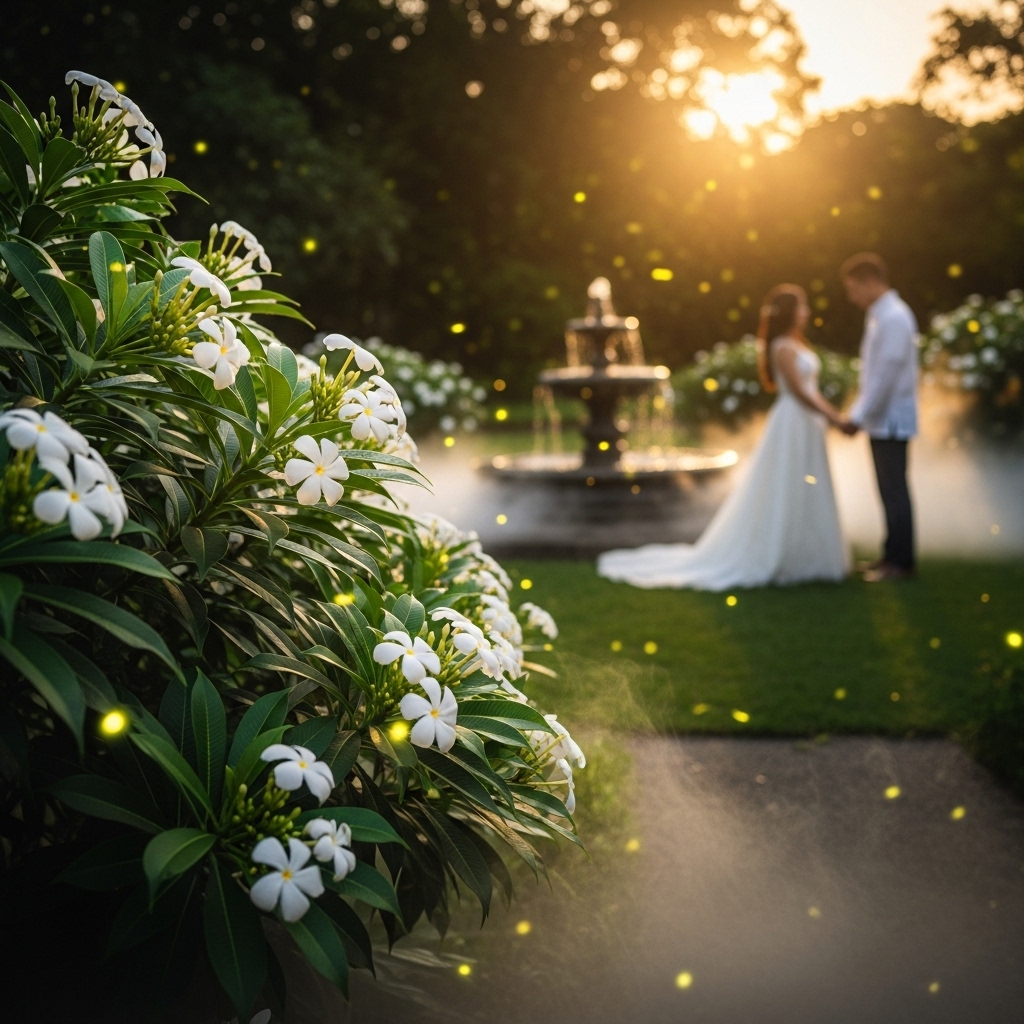
As I learned more about the Sampaguita, I discovered its fascinating botanical traits. This small, white, star-shaped flower blooms throughout the year, often releasing a sweet, intoxicating fragrance that is simply enchanting. The plant itself is a woody shrub, typically growing between three to six feet tall, and it can be trained to climb if given support. The leaves are dark green, glossy, and oval-shaped, which beautifully contrasts with the striking white flowers. One of my favorite aspects of the Sampaguita is how it thrives in a variety of conditions—whether in gardens, pots, or even as part of a landscape design, it manages to flourish with minimal care. This resilience mirrors the enduring nature of the sentiments it represents, such as unwavering love and devotion.
The Meaning of Sampaguita
Symbolism of Purity
The Sampaguita’s pure white petals represent innocence and purity. I’ve often found myself reflecting on how this symbolism resonates with various aspects of life. In many cultures, white flowers are associated with peace and new beginnings, and Sampaguita is no exception. For me, the flower evokes a sense of calmness and clarity. Its delicate fragrance is a reminder of the beauty found in simplicity. In Filipino culture, the flower is often used in religious ceremonies and rituals, signifying the purity of faith and devotion to God. When I see Sampaguita adorning altars or homes during special occasions, I can’t help but appreciate its role in fostering a sense of spiritual purity among the people. This connection to purity is why Sampaguita is frequently used in celebrations like First Communions and baptisms, where its presence adds an extra layer of sanctity. For a deeper understanding of its meanings, you can explore Sampaguita Flower Symbolism in Filipino Culture.
Symbolism of Love
For many Filipinos, Sampaguita is synonymous with love. I remember attending a beautiful wedding where the couple exchanged Sampaguita garlands, a traditional practice that symbolizes their commitment and love for one another. The flower’s association with love is deeply rooted in its name, which translates to a promise. It’s not uncommon for lovers to give each other Sampaguita flowers as tokens of affection. I’ve often seen these flowers woven into intricate garlands that adorn homes and vehicles, symbolizing not just romantic love but also familial love and friendship. It’s heartwarming to see how this small flower encapsulates such profound emotions, bridging connections across generations. To learn more about its romantic significance, check out Sampaguita: Unveiling the Symbolism of Love.
Symbolism of Devotion
Devotion is another significant aspect of the Sampaguita’s meaning. In my experience, this flower embodies loyalty and steadfastness, qualities that are integral to many relationships. The way the blooms remain vibrant despite challenging conditions speaks volumes about enduring commitment. In Filipino culture, Sampaguita is often associated with prayer and spirituality. People use it in offerings, believing that its presence can elevate their prayers to the divine. I’ve personally participated in various rituals where Sampaguita played a vital role, whether it was during a family gathering or a community celebration. The act of offering these flowers is a beautiful expression of devotion, reflecting a deep-seated connection with one’s faith and community.
Cultural Significance of Sampaguita
Sampaguita in Filipino Culture
When I think about Sampaguita, I can’t help but draw connections to countless memories in Filipino culture. This flower is woven into the very fabric of our society. Growing up, I remember how the scent of Sampaguita would greet me whenever I visited my grandmother’s house. She had a small garden filled with these flowers, and she often picked them to create beautiful garlands. These garlands were more than just pretty decorations; they embodied warmth, hospitality, and affection, which are integral parts of Filipino culture. It’s common to see Sampaguita used in various cultural practices, from everyday life to grand celebrations, symbolizing a shared identity and heritage that I feel deeply connected to.
Role in Religious Practices
The connection between Sampaguita and spirituality is profound. I’ve witnessed how this flower plays a significant role in various religious activities. For many Filipinos, Sampaguita offerings are a common practice in churches, especially during the Holy Week. I recall participating in the tradition of bringing Sampaguita to church as an offering, a gesture of devotion aimed at seeking blessings. The flowers are often placed at altars, symbolizing prayers and the purity of one’s intentions. Their delicate beauty seems to amplify the sincerity of the prayers offered. It’s also heartwarming to see how children learn this tradition from their parents, passing it down through generations, ensuring that the symbolism of devotion and love remains alive in our culture.
Sampaguita in Weddings and Celebrations
Weddings in the Philippines are vibrant and full of rich traditions, and Sampaguita has a special place in these celebrations. I remember attending a friend’s wedding where the couple exchanged Sampaguita garlands as part of the ceremony. This act was more than just a beautiful gesture; it represented their commitment to each other and their shared journey ahead. It’s a romantic symbol, linking the couple’s love to the deep roots of Filipino culture. Additionally, Sampaguita is often incorporated in bridal bouquets, adding elegance and a touch of tradition. Beyond weddings, I’ve seen Sampaguita used in various celebrations—birthdays, anniversaries, and even festivals—where its presence adds a layer of joy and festivity, embodying love, happiness, and togetherness.
Uses of Sampaguita
Traditional Uses in Garlands and Decorations
One of my favorite things about Sampaguita is its versatility in decoration. This flower is often strung together to create beautiful garlands, which are used in various ways across Filipino culture. I remember my mother making Sampaguita garlands for special occasions, and we would hang them around our home or wear them during festivities. These garlands not only serve as decorations but also carry the fragrance of love and celebration. They are often seen adorning homes, altars, and even vehicles during festivals, creating a sense of unity and festivity. I’ve also noticed that during the Christmas season, Sampaguita garlands are quite popular, adding a unique touch of nature to holiday decorations.
Medicinal Properties of Sampaguita
Beyond its beauty and cultural significance, Sampaguita also holds a place in traditional medicine. I was surprised to learn that this flower is used in various herbal remedies. From my experience, many older generations in my family have relied on Sampaguita for its supposed healing properties. The flowers are often brewed into teas or used in poultices to treat ailments like headaches and respiratory issues. I’ve personally tried a simple Sampaguita tea during a cold, and while it may not have been a miracle cure, the warm infusion certainly felt soothing. The idea that such a delicate flower could hold such benefits is truly fascinating, and it highlights how closely intertwined nature is with our everyday lives.
Perfume and Aromatherapy Uses
The enchanting fragrance of Sampaguita is something I believe everyone should experience. I remember visiting a local market where artisans crafted perfumes and essential oils from Sampaguita flowers. The scent is sweet and intoxicating, making it a popular choice among those who appreciate natural fragrances. I’ve even dabbled in creating my own essential oils at home, mixing Sampaguita with other scents to create a unique blend. The calming aroma is perfect for relaxation and meditation, making it a delightful addition to aromatherapy practices. I find that using Sampaguita in my daily routine, whether through perfumes or diffusers, adds a touch of serenity to my busy life.
How to Grow and Care for Sampaguita
Ideal Growing Conditions
Growing Sampaguita has been a rewarding experience for me. This flower thrives in warm climates, making it perfect for tropical environments like the Philippines. I’ve noticed that Sampaguita loves sunlight, so I recommend placing it in an area where it can soak up plenty of rays—at least six hours a day. In my garden, I’ve found that a spot with morning sun and afternoon shade works wonders. The soil should be well-draining, rich in organic matter, and slightly acidic to neutral. When I first planted my Sampaguita, I mixed in some compost to give it a nutritious start, and it flourished beautifully. Regular watering is essential, especially during the dry season, but be careful not to overwater, as this can lead to root rot. From my experience, a good rule of thumb is to let the top inch of soil dry out before watering again.
Propagation Techniques
Propagating Sampaguita is something I’ve enjoyed experimenting with. The most common method is through cuttings. I’ve successfully taken cuttings from a healthy Sampaguita plant, ensuring each cutting is about six inches long and has a few leaves. After cutting, I dip the end in rooting hormone—this isn’t strictly necessary, but I’ve found it helps with root development. I then plant the cutting in a pot filled with a mix of potting soil and perlite to ensure good drainage. Keeping the soil moist and covering the pot with a plastic bag creates a mini-greenhouse effect, which helps the cutting root faster. After a few weeks, I’ve noticed roots starting to form, and then I can transplant them into larger pots or my garden! It’s so fulfilling to see a new plant grow from a simple cutting.
Common Pests and Diseases
Caring for Sampaguita also means being vigilant about pests and diseases. I’ve encountered a few pests that seem to fancy this lovely flower. Aphids are a common nuisance, and I’ve dealt with them by spraying a mixture of water and a few drops of dish soap directly onto the affected areas. It’s amazing how effective this simple solution can be! Occasionally, I’ve noticed mealybugs, which can be more stubborn. In those cases, I carefully wipe them off with a cotton swab dipped in rubbing alcohol. Keeping the plants healthy and stress-free helps prevent infestations. As for diseases, overwatering can lead to root rot, which I mentioned before. If I ever notice yellowing leaves or wilting, I check the soil moisture immediately. Regularly inspecting my plants has become a habit, and it’s made a significant difference in their overall health.
Popular Myths and Folklore Surrounding Sampaguita
Mythological Stories Associated with Sampaguita
The Sampaguita is steeped in mythology and folklore, which adds another layer of richness to its story. I remember listening to my grandmother recount tales about the flower during family gatherings. One popular legend tells of a young woman whose love was unrequited. Heartbroken, she prayed to the gods for solace. In response, the gods transformed her tears into Sampaguita flowers, granting her a form of eternal beauty and love. This story resonates with me because it reflects the deep emotions tied to the flower. Sampaguita has come to symbolize not just love but also the pain that can accompany it. The idea that these flowers hold such a powerful story makes them even more special in Filipino culture.
Folklore and Superstitions
In addition to myths, Sampaguita is surrounded by various superstitions. I’ve often heard that keeping Sampaguita in your home can bring good luck and positive energy. This belief is something I’ve cherished, especially when celebrating special occasions. There’s a saying that if you weave a Sampaguita garland and hang it in your home, it will attract love and harmony among family members. I’ve tried this myself, and it always adds a lovely touch to our gatherings. It’s fascinating how a simple flower can embody such profound beliefs and traditions. Many Filipinos also believe that giving Sampaguita as a gift signifies good intentions and a sincere heart, which I think is a beautiful sentiment that continues to thrive in our culture.
Sampaguita in Art and Literature
Representation in Filipino Art
Art is another realm where Sampaguita shines brightly. I’ve seen how this flower often appears in paintings, sculptures, and even textiles, serving as an inspiration for many Filipino artists. The delicate petals and enchanting fragrance make it a favorite subject in various art forms. I remember visiting an art exhibit where several pieces featured Sampaguita, capturing its beauty and symbolism in unique ways. Many artists use the flower to represent love, devotion, and purity in their work, reflecting its significance in Filipino culture. For me, seeing Sampaguita portrayed in art feels like a celebration of our identity and heritage, connecting us through shared experiences and emotions.
Sampaguita in Poetry and Literature
Literature also showcases the Sampaguita’s rich symbolism. I’ve found that poets often use this flower as a metaphor for love and longing. In reading various poems, I’ve come across verses that depict Sampaguita blooming in the moonlight as a symbol of love’s endurance. It’s heartwarming to see how this little flower has inspired countless writers to express their feelings and stories. I often find myself reflecting on how the beauty and fragility of Sampaguita mirror our human experiences—how love can be both uplifting and heart-wrenching. The presence of Sampaguita in literature serves as a reminder of our shared cultural narratives and emotions, bridging the past with the present.
Final Thoughts
Reflecting on the journey I’ve taken with Sampaguita, I can’t help but feel a deep appreciation for this flower and everything it represents. Its beauty has always captivated me, but it’s the stories, traditions, and the love intertwined with the Sampaguita that truly resonate. In my experience, the flower serves as a reminder that nature holds the power to connect us to our roots, our history, and our loved ones. Each time I encounter a Sampaguita blossom, I am reminded of the celebrations, religious rituals, and quiet moments of reflection that have marked my life.
The enduring legacy of Sampaguita extends beyond its physical presence; it embodies the spirit of Filipino culture and the emotions that accompany our shared experiences. From family gatherings to community celebrations, Sampaguita has a way of weaving itself seamlessly into the fabric of our lives, enhancing our connection to one another. I believe that as more people learn about this flower, they will come to appreciate not just its beauty, but also its rich history and the profound meanings it carries.
For anyone looking to deepen their understanding of Filipino culture, exploring the significance of Sampaguita is a wonderful starting point. Whether it’s through growing the plant in your own garden, incorporating it into your celebrations, or simply enjoying its fragrance, the Sampaguita offers a tangible link to love, purity, and devotion. I find it comforting to know that this little flower continues to flourish in the hearts of many, just as it has in mine.
As I look ahead, I hope to see the Sampaguita’s legacy continue to thrive, inspiring future generations to embrace the beauty and meaning behind this national treasure. In an ever-changing world, it’s heartwarming to know that some things, like the love symbolized by the Sampaguita, remain constant. So the next time you see a Sampaguita flower, take a moment to appreciate the journey it represents and the emotions it evokes. After all, it’s more than just a flower; it’s a piece of our collective soul.
Frequently Asked Questions
What is Sampaguita known for in the Philippines?
Sampaguita is known as the national flower of the Philippines and symbolizes purity, love, and devotion in Filipino culture.
What is the origin and history of Sampaguita?
Sampaguita, or Jasminum sambac, is native to Southeast Asia and believed to have been introduced to the Philippines in the early 18th century. It was declared the national flower in 1934 and its name is derived from the Spanish word “sampaguita,” which comes from the Tagalog phrase “sumpa kita,” meaning “I promise you.”
What are the botanical characteristics of Sampaguita?
Sampaguita is a small, white, star-shaped flower that blooms throughout the year and has a sweet fragrance. The plant is a woody shrub, typically growing three to six feet tall, with dark green, glossy, oval-shaped leaves.
What does Sampaguita symbolize in Filipino culture?
Sampaguita symbolizes purity, love, and devotion. Its pure white petals represent innocence, while its name reflects love and commitment. It is often used in religious ceremonies and special occasions.
How is Sampaguita used in weddings and celebrations?
In Filipino weddings, Sampaguita is exchanged in garlands as a symbol of commitment. It is also commonly used in bridal bouquets and during various celebrations, adding joy and festivity to events such as birthdays and anniversaries.
What are some traditional uses of Sampaguita?
Sampaguita is used to create garlands for decoration and is popular during festivals and holidays. It also has medicinal properties, being used in herbal remedies like teas and poultices for ailments.
How can one grow and care for Sampaguita?
Sampaguita thrives in warm climates and requires at least six hours of sunlight daily. It needs well-draining, nutrient-rich soil and regular watering, ensuring the top inch of soil dries out between waterings.
What pests and diseases should one be aware of when growing Sampaguita?
Common pests include aphids and mealybugs. Overwatering can lead to root rot. Regular inspection and simple remedies, such as soapy water for pests, can help maintain plant health.
What myths and folklore are associated with Sampaguita?
One legend tells of a young woman whose tears became Sampaguita flowers, symbolizing eternal beauty and love. There are also superstitions that keeping Sampaguita at home brings good luck and harmony.
In what ways is Sampaguita represented in art and literature?
Sampaguita appears frequently in Filipino art and literature, symbolizing love and devotion. It inspires artists and poets alike, reflecting its significance in Filipino identity and culture.