
Sampaguita, the delicate white flower beloved in many cultures, carries tales of love, purity, and deep-rooted traditions. Its enchanting fragrance and beauty have woven it into the fabric of folklore and history, making it a cherished symbol across the globe. Sampaguita: The National Flower of the Philippines highlights its significance in various cultures.
Overview of Sampaguita
Scientific Classification and Characteristics
Sampaguita, known scientifically as *Jasminum sambac*, is a small, evergreen shrub belonging to the olive family, Oleaceae. I remember the first time I encountered this lovely flower while visiting the Philippines. The tiny, star-shaped blooms are usually white or pale yellow, and they exude a sweet and intoxicating fragrance that often fills the air. Each flower is about one inch across, and they typically bloom in clusters. The leaves are dark green, glossy, and oval-shaped, creating a beautiful contrast against the delicate blossoms.
What I find fascinating is that the Sampaguita plant is quite resilient. It thrives in tropical and subtropical climates, preferring well-drained soil and plenty of sunlight. I’ve learned that gardeners often cultivate them in pots, making them a popular choice for balconies and gardens alike. The plant can grow to about 3 to 6 feet in height, with a bushy appearance that makes it an attractive addition to any landscape.
Historical Significance in Various Cultures
The history of Sampaguita is rich and varied, intertwining with several cultures across Asia, especially in the Philippines, where it is the national flower. I didn’t realize until I dug deeper that this flower has been revered for centuries, symbolizing love, fidelity, and purity. In many parts of Southeast Asia, it’s often used in religious ceremonies and traditional practices.
In India, for example, Sampaguita is called “Mogra” and is often used in garlands for brides. I was amazed to find out that in Hindu culture, it is associated with the deity of love and is frequently offered at temples as a sign of devotion. The flower has made its way into various cultural practices, signifying more than just beauty but also respect and commitment. Sampaguita Meaning & Symbolism: Purity, Love & Devotion explores these themes further.
Interestingly, during the colonial period in the Philippines, Sampaguita became a symbol of resistance and resilience for the Filipinos. It was worn by revolutionaries as a badge of honor, representing their fight for freedom and identity. I discovered that even today, it holds a significant place in Filipino hearts, often worn by brides on their wedding day as a symbol of eternal love.
The Cultural Importance of Sampaguita
Sampaguita in Philippine Culture
For me, exploring the cultural importance of Sampaguita in the Philippines is like peeling back layers of history and love. It’s not just a flower; it embodies the spirit of the Filipino people. In my travels through the islands, I’ve noticed that Sampaguita is often sold by street vendors, woven into garlands that are offered to loved ones, especially on special occasions.
The plant’s fragrance is often associated with home and warmth. In many Filipino households, it symbolizes family ties, and it’s common to see Sampaguita adorning altars during religious celebrations. I remember visiting a local church where a beautiful arrangement of Sampaguita was displayed, celebrating a special feast day. The aroma filled the air, creating a serene atmosphere that spoke to the flower’s deep-rooted significance in Filipino spirituality.
Symbolism of Love and Purity
Sampaguita’s symbolism of love and purity is something that resonates with many. I often think about how the flower’s simple beauty reflects the uncomplicated yet profound nature of true love. In Filipino tradition, it is customary for couples to exchange Sampaguita garlands during their wedding ceremonies. This act symbolizes their commitment and fidelity to one another, making it a cherished part of matrimonial customs. Sampaguita Flower Symbolism in Filipino Culture further elaborates on these traditions.
Moreover, I’ve come across stories that illustrate how Sampaguita is intertwined with the concept of romantic love. It’s said that if a couple exchanges Sampaguita, it strengthens their bond and promises everlasting love. I feel that this belief adds a layer of magic to the flower, making it a beautiful representation of relationships forged in sincerity and trust.
Sampaguita in Other Cultures
While Sampaguita is most prominently celebrated in the Philippines, its significance extends beyond the archipelago. In countries like Indonesia and Malaysia, the flower is often used in traditional ceremonies and is seen as a token of affection. I once attended a wedding in Malaysia where Sampaguita garlands were generously used, and the fragrance created a romantic ambiance that was simply enchanting.
In the Middle East, Sampaguita is known for its medicinal properties and is often incorporated into herbal remedies. I learned that it is believed to have calming effects, making it a popular choice for teas and essential oils. Its versatility as both a symbol of beauty and a source of healing truly showcases the flower’s cultural depth.
As I explore the different meanings of Sampaguita across cultures, I can’t help but appreciate how one simple flower can connect so many people through shared values of love, purity, and devotion. It’s a reminder of how nature can inspire and unite us, regardless of our backgrounds.
Myths and Legends Surrounding Sampaguita
Folklore of the Sampaguita Flower
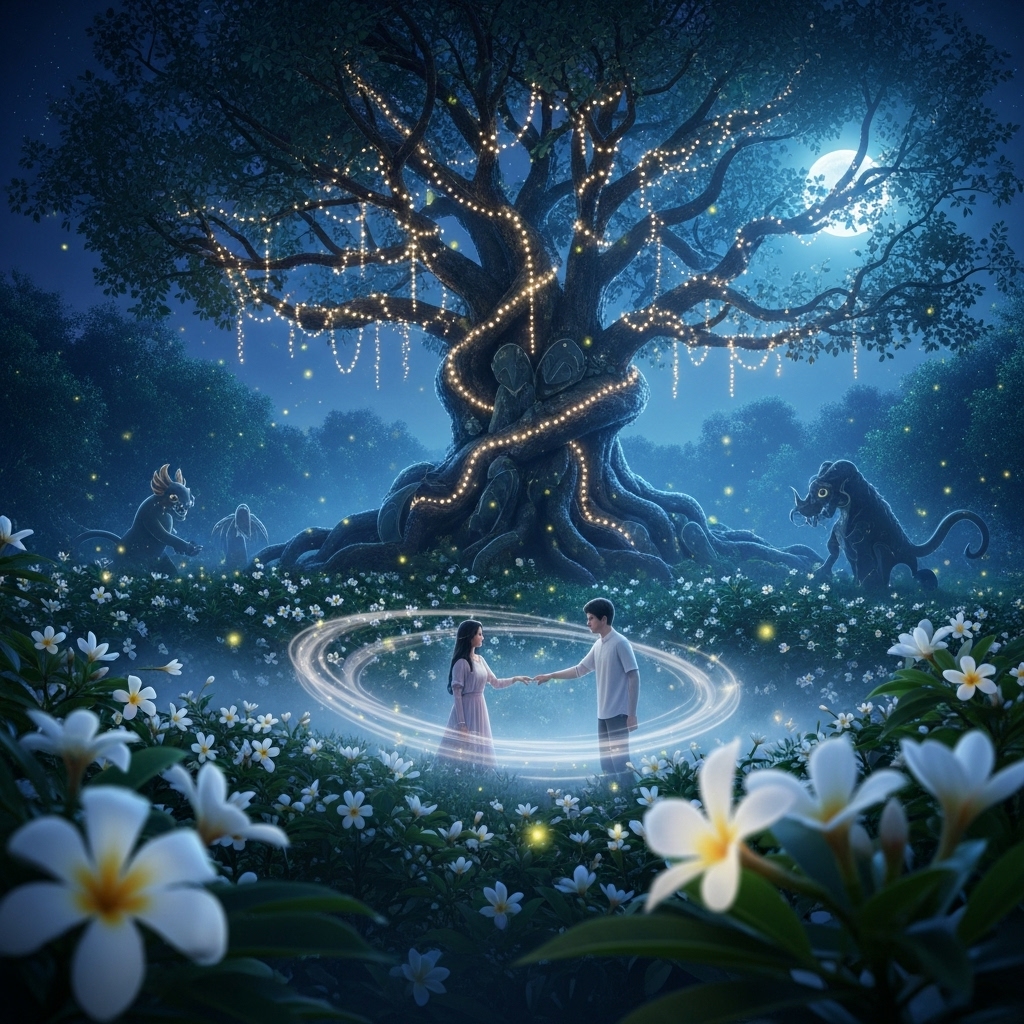
As I immersed myself in the stories surrounding Sampaguita, I discovered a treasure trove of myths and legends that paint a vivid picture of its significance. One of the most enchanting tales I came across originated from the Philippines, where the flower is said to embody the spirit of a young maiden named Maria. Legend has it that Maria was deeply in love with a young man who sought her hand in marriage. However, due to circumstances beyond their control, they were never able to be together. In her sorrow, Maria transformed into the beautiful Sampaguita flower, forever symbolizing undying love and devotion.
What struck me most about this tale is how it reflects the bittersweet nature of love. It’s not just about joy; it also encompasses longing and sacrifice. I can’t help but feel that every time I see the flower, it carries with it the essence of Maria’s story. This folklore adds a layer of depth to Sampaguita’s already rich cultural tapestry, reminding us that love can transcend even the barriers of life and death.
Legends of Love Associated with Sampaguita
The Sampaguita is often woven into romantic legends that resonate deeply with many cultures. One particularly moving story that I’ve heard involves a couple who were torn apart by their families. They promised to remain faithful to one another, using the Sampaguita as their token of love. They would each wear a Sampaguita flower daily, believing it would keep their bond strong. Over time, their love endured despite the trials they faced, and it is said that they were eventually reunited because of their unwavering commitment, symbolized by the flower.
From my perspective, these legends illustrate how Sampaguita serves as a powerful emblem of love’s resilience. The flower’s ability to bloom in harsh conditions parallels the strength of love that persists despite challenges. I often think about how such stories can inspire couples today, reminding them of the power of loyalty and faith in one another.
Spiritual and Religious Connections
In many cultures, Sampaguita is not just seen as a flower; it holds spiritual significance. For instance, in Hinduism, the flower is offered to deities as a symbol of love and devotion. I’ve had the privilege of witnessing this during a festival in India, where devotees presented Sampaguita garlands at temples, believing that their offerings would bring blessings and good fortune. The sight of countless Sampaguita flowers adorning the sacred spaces was breathtaking and filled the atmosphere with a sweet fragrance that seemed to elevate the spiritual experience.
Moreover, I learned that in various spiritual practices, Sampaguita is associated with calming energies and is often used in meditation spaces. The belief is that its aroma can help clear the mind and open the heart. I can attest to the soothing effect of its fragrance; whenever I encounter it, I feel a sense of peace wash over me. This connection to spirituality adds yet another layer to the flower’s already rich meaning, emphasizing how nature can play a role in our spiritual journeys.
Traditional Uses of Sampaguita
In Weddings and Festivals
When it comes to weddings and festivals, Sampaguita is practically indispensable in Filipino culture. I’ve attended several weddings where the couple exchanged garlands made of Sampaguita, and the sight was beautiful. The fragrance filled the air, creating an atmosphere of romance and joy. I remember one particular wedding where the entire venue was adorned with Sampaguita flowers, and the scent was simply divine. It seemed to enhance the happiness of the occasion, wrapping everyone in a warm embrace of love and celebration.
During festivals, Sampaguita often plays a central role, featured in decorations and as part of traditional performances. It’s common to see vibrant street parades with floats decorated with these delicate flowers, symbolizing the joy and unity of the community. In my experience, these celebrations not only honor the flower itself but also highlight its significance in bringing people together.
Medicinal Uses in Folk Medicine
Beyond its beauty and symbolism, Sampaguita has also found a place in folk medicine. I learned that various parts of the plant are used in traditional remedies across Southeast Asia. The flowers are believed to possess calming properties and are often used in teas to alleviate stress and anxiety. I remember trying a Sampaguita tea during my travels, and I found it surprisingly soothing. Some people even use the essential oil derived from the flowers in aromatherapy, believing it promotes relaxation and emotional healing.
This medicinal aspect gave me a newfound appreciation for Sampaguita. It’s intriguing to think that such a lovely flower can also contribute to our well-being. In this way, it not only beautifies our surroundings but also nurtures our health—adding yet another layer to its already rich significance.
Crafts and Artistry: Garlands and Decorations
Creating garlands and decorations from Sampaguita is a cherished tradition in many cultures. I’ve had the opportunity to make my own garland, and it was a delightful experience. The process of stringing the flowers together felt almost meditative. I was surprised by how delicate the blooms are, yet they hold together beautifully when woven into garlands.
Garlands made from Sampaguita are often used in various ceremonies, from welcoming guests to adorning altars. I’ve seen them draped around statues during religious observances, symbolizing honor and respect. It’s heartwarming to know that something so simple can carry such profound meaning. Through this artistry, Sampaguita becomes not only a floral decoration but also a heartfelt expression of love and reverence.
Sampaguita in Literature and Art
Representation in Philippine Literature
When I think about Sampaguita, I can’t help but recall the many times it has made an appearance in Philippine literature. This flower is much more than a mere decorative element; it often symbolizes deeper themes of love, sacrifice, and cultural identity. I remember reading poetry that weaved the presence of Sampaguita into narratives of longing and devotion. It’s as if the authors captured the essence of the flower and transformed it into a metaphor for their characters’ emotions.
One of my favorite collections of poems features Sampaguita as a recurring motif, illustrating how it connects different generations. The imagery used to describe the flower often evokes a sense of nostalgia and warmth, making the reader feel a sense of belonging to a larger cultural tapestry. I find it fascinating how a simple flower can be a powerful symbol within stories, representing not just beauty, but the enduring spirit of the Filipino people.
Influence in Visual Arts
Sampaguita’s influence doesn’t stop at literature; it spills over into visual arts as well. While visiting galleries in the Philippines, I noticed several paintings that prominently featured Sampaguita blooms. The artists often portray them in vibrant colors and intricate arrangements that celebrate their beauty. I’ve seen artwork where the flowers are juxtaposed against cultural scenes—like weddings or traditional festivals—which adds layers of meaning to the pieces.
In many cases, the presence of Sampaguita in art serves as a reminder of cultural heritage and identity. It’s heartwarming to see how contemporary artists continue to draw inspiration from this flower, using it as a way to connect with their roots while also expressing their personal experiences. The art scene is alive with interpretations of Sampaguita, showcasing not just its beauty but also its deep cultural significance.
Music and Poetry Inspired by Sampaguita
Music is another medium where Sampaguita shines brightly. I’ve discovered countless songs that mention the flower, often capturing the essence of love and romance. One of the most popular Filipino love songs references Sampaguita, likening a loved one’s beauty to the flower’s delicate charm. It’s a lovely metaphor that resonates with many, creating an emotional connection to the flower through melody and lyrics.
Additionally, the flower is often celebrated in traditional poetic forms, with poets using it to convey emotions ranging from joy to heartbreak. I was particularly moved by a poem that described a lover’s longing, with Sampaguita symbolizing both the beauty of cherished memories and the pain of separation. The combination of music and poetry creates a rich tapestry that keeps the legacy of Sampaguita alive and relevant, reminding us of its timeless nature.
Modern Interpretations and Popularity of Sampaguita
Contemporary Symbol of Love
Today, Sampaguita continues to be embraced as a contemporary symbol of love across various cultures. I’ve noticed that in modern weddings, couples often incorporate Sampaguita into their ceremonies, sometimes using it in bouquets or as part of their wedding decor. This practice not only honors tradition but also adds a touch of elegance and fragrance to their special day. It’s heartwarming to see how this flower has maintained its significance in representing love and commitment.
Moreover, social media has played a role in elevating Sampaguita’s status as a romantic symbol. Posts featuring Sampaguita often receive an outpouring of admiration, with couples sharing their experiences and love stories connected to the flower. This modern-day appreciation helps keep the essence of Sampaguita alive, ensuring that newer generations understand its beauty and symbolism.
Global Recognition and Use
While Sampaguita is deeply rooted in Filipino culture, its recognition has spread across the globe. I’ve seen this flower featured in various international floral arrangements and events. For instance, during cultural festivals in different countries, Sampaguita is often showcased as part of a broader representation of Southeast Asian culture. It’s wonderful to witness how the flower has transcended borders and is appreciated by people from diverse backgrounds.
In some places, Sampaguita is used in perfumery and cosmetics due to its captivating fragrance. I remember coming across a perfume that highlighted the scent of Sampaguita, which made me feel nostalgic and connected to my experiences in the Philippines. This global recognition only adds to the flower’s allure and allows more people to appreciate its significance.
Current Trends in Sampaguita Cultivation
As I explore the current trends in Sampaguita cultivation, I’ve learned that many gardeners and horticulturists are increasingly interested in growing this flower. With its rising popularity, more varieties are being developed, making it accessible to a wider audience. I’ve also seen urban gardeners adopting Sampaguita, cultivating it in small spaces and balconies, which allows them to enjoy its beauty and fragrance even in city environments.
There’s a growing movement towards sustainable gardening practices, and Sampaguita is often included in discussions about native plants that thrive with minimal care. Many gardeners appreciate its resilience and adaptability, making it an excellent choice for eco-friendly gardens. This trend not only preserves the flower’s cultural significance but also promotes biodiversity in our environments.
Frequently Asked Questions
What is Sampaguita scientifically classified as?
Sampaguita is scientifically known as Jasminum sambac, and it belongs to the olive family, Oleaceae.
What does the Sampaguita flower symbolize?
The Sampaguita flower symbolizes love, fidelity, and purity across various cultures, particularly in the Philippines.
How is Sampaguita significant in Filipino culture?
In Filipino culture, Sampaguita is the national flower and symbolizes family ties and love. It is often sold by street vendors in garlands and used in religious celebrations.
What traditional uses does Sampaguita have in weddings?
During weddings, Sampaguita is commonly used for garlands exchanged by couples, symbolizing their commitment and fidelity to each other.
Are there any medicinal uses for Sampaguita?
Yes, Sampaguita is used in folk medicine for its calming properties. Its flowers are often made into teas to alleviate stress and anxiety.
What role does Sampaguita play in spiritual practices?
Sampaguita holds spiritual significance, especially in Hinduism, where it is offered to deities as a symbol of love and devotion, and is associated with calming energies in meditation spaces.
What stories or legends are associated with Sampaguita?
One legend tells of a maiden named Maria who transformed into the Sampaguita flower, symbolizing undying love and devotion after being separated from her lover.
How is Sampaguita represented in Philippine literature?
Sampaguita often symbolizes themes of love, sacrifice, and cultural identity in Philippine literature, appearing in poetry that evokes nostalgia and emotional depth.
What modern trends are observed in Sampaguita cultivation?
Current trends in Sampaguita cultivation include a growing interest among gardeners, with more varieties being developed and urban gardening practices promoting its cultivation in small spaces.
How is Sampaguita recognized globally?
Sampaguita has gained global recognition and is featured in international floral arrangements, cosmetics, and perfumery, showcasing its captivating fragrance beyond Filipino culture.