
The Sampaguita plant, known for its enchanting fragrance and delicate blooms, holds a special place in many cultures. If you’re curious about its care and uses, you’re in for a delightful journey!
Overview of the Sampaguita Plant
What is Sampaguita?
Sampaguita, scientifically named Jasminum sambac, is a beautiful flowering plant that belongs to the olive family, Oleaceae. Often celebrated for its small, white, star-shaped flowers, this plant is not only visually appealing but also highly fragrant. In many countries, especially in the Philippines, Sampaguita is a symbol of purity and simplicity, frequently used in religious ceremonies and festivals. I remember the first time I encountered a Sampaguita garland at a local market; the sweet scent was simply irresistible, drawing me closer to its delicate blooms. For more on its significance, you can check out the Sampaguita Meaning & Symbolism: Purity, Love & Devotion.
Botanical Characteristics
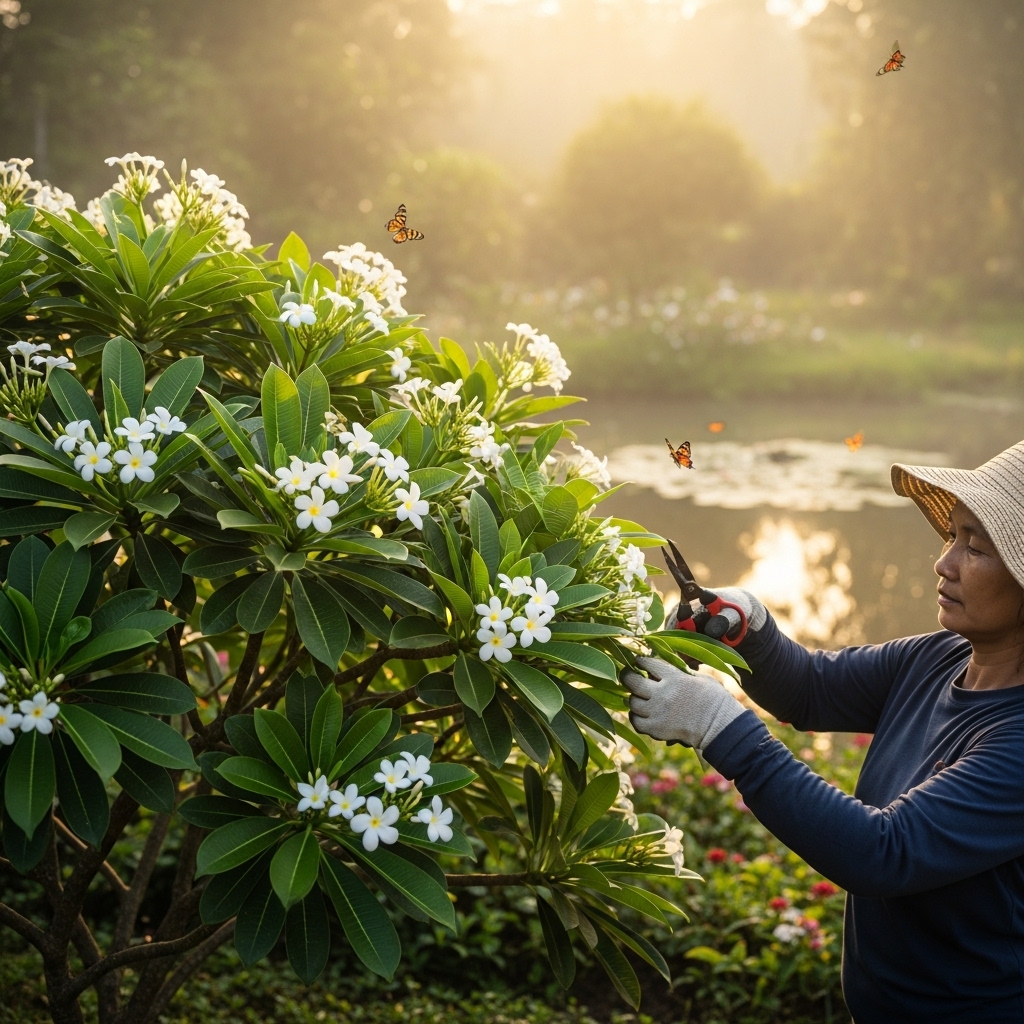
Botanically, the Sampaguita is a woody shrub that can grow between 3 to 6 feet tall. Its leaves are dark green, glossy, and ovate, creating a lush backdrop for its striking flowers. The blossoms, which bloom year-round in warm climates, are typically about an inch wide and emit a strong, sweet scent, especially in the evening. I’ve often found myself captivated by how the fragrance fills the air, making evenings in the garden particularly special. The plant also produces small, round berries after the flowers have been pollinated, adding to its botanical charm.
Origin and Distribution
The Sampaguita plant is native to Southeast Asia, particularly in regions like the Philippines, Thailand, and Indonesia. Its name comes from the Spanish word “sampaguita,” which is derived from the Tagalog word “sampaguita,” meaning “little flower.” Over the years, it has spread to various parts of the world, including tropical and subtropical areas, where it thrives in warm climates. I’ve learned that its adaptability makes it a favorite in many gardens across different countries. I recall visiting a botanical garden where they showcased a variety of plants, but the Sampaguita stood out for its enchanting fragrance and delicate beauty. For a deeper understanding of its name and translation, visit Sampaguita in English: Name, Origin & Translation.
Cultivation and Care of Sampaguita
Ideal Growing Conditions
Cultivating Sampaguita requires understanding its ideal growing conditions. This plant loves warmth and humidity, making it best suited for USDA hardiness zones 9-11. I’ve found that planting it in a sheltered area, away from harsh winds, helps it thrive. If you live in a cooler climate, you might want to consider growing it in a pot so it can be brought indoors during winter.
Soil Requirements
When it comes to soil, Sampaguita prefers well-draining, fertile soil. A mix that contains organic matter works wonders. I usually recommend a potting mix with compost or well-rotted manure to provide the necessary nutrients. This not only helps the plant grow stronger but also enhances its flower production. During my gardening journey, I’ve noticed that too much water retention can lead to root rot, so good drainage is crucial.
Watering Needs
Watering is another vital aspect of Sampaguita care. This plant likes to be kept moist but not soggy. I typically water mine when the top inch of the soil feels dry to the touch. During the growing season, which usually spans from spring to fall, I find that more frequent watering is necessary, especially during dry spells. However, I always remind myself to scale back in winter when the plant enters a dormant phase.
Sunlight Exposure
Sampaguita thrives in full sun to partial shade. I’ve experimented with different light conditions and discovered that at least six hours of direct sunlight each day encourages the most blooms. If I notice the plant stretching towards the light or producing fewer flowers, I often move it to a sunnier spot. I’ve placed mine near a window where it can bask in the gentle morning sun, and the results have been rewarding!
Fertilization Tips
Fertilizing is essential to keep my Sampaguita healthy and blooming. I usually use a balanced liquid fertilizer every four to six weeks during the growing season. During my early gardening days, I made the mistake of over-fertilizing, which led to lush foliage but few flowers. Now, I apply a diluted fertilizer to strike the right balance. I also like to incorporate organic options, such as fish emulsion or seaweed extract, which seem to work wonders.
Pruning and Maintenance
Pruning is a task I look forward to each year. Not only does it help shape the plant, but it also encourages new growth and flowering. I usually prune my Sampaguita in early spring, cutting back any dead or overgrown branches. This not only revitalizes the plant but also makes it more manageable. I’ve found that keeping an eye on its shape helps to maintain an attractive look in the garden.
Propagation Techniques
Seed Propagation
When it comes to propagating Sampaguita, starting from seeds is one method I’ve explored. It’s a bit of a waiting game, but it can be quite rewarding. I usually begin by soaking the seeds in water for about 24 hours before planting. This helps to soften the outer shell, allowing for better germination. I find that using a seed-starting mix provides the right balance of drainage and moisture retention. Once I plant them about half an inch deep, I keep the soil moist and place them in a warm spot with indirect sunlight. After a few weeks, I’m often delighted to see those small seedlings sprouting, which is a reminder of the patience needed in gardening.
Cutting Propagation
Cutting propagation has become my go-to method for multiplying my Sampaguita plants. It’s so straightforward! I usually take cuttings from healthy stems, about 4 to 6 inches long, making sure they have at least a couple of leaves. After removing any flowers or buds, I dip the cut end in rooting hormone to encourage growth. I then plant these cuttings in moist potting soil, covering them lightly. Keeping them in a warm, humid environment, like a mini greenhouse or under plastic wrap, helps them root faster. I find that after a few weeks, new growth often appears, which is a fantastic feeling!
Layering and Other Methods
Layering is another propagation technique I’ve tried with Sampaguita, and it’s quite an interesting process. What I do is choose a low-growing branch and gently bend it to the ground, burying a portion of it in the soil while leaving the tip exposed. Over time, the buried section develops roots, and I can cut it away from the mother plant once it’s established. I’ve had success with this method, and it feels quite magical to see a new plant emerge from an existing one. Other methods, though less common, include air layering, where I wrap a portion of the stem with moist sphagnum moss to encourage root formation. Each method has its charm, and I enjoy experimenting to see which works best for me.
Common Pests and Diseases
Pest Identification and Control
No garden is complete without a few pesky visitors, and Sampaguita is no exception. I’ve encountered aphids and spider mites on my plants, and they can be quite a nuisance. To identify aphids, I look for clusters on the undersides of leaves and a sticky residue on the surface. For spider mites, I keep an eye out for fine webbing between the leaves. Both pests thrive in dry conditions, so I try to keep the humidity up around my plants. When I do notice these pests, I often use insecticidal soap or neem oil, which are effective and relatively safe. I’ve found that spraying the affected areas gently can help keep these pests at bay without harming the plant.
Disease Prevention and Treatment
While pests are a concern, diseases can also affect Sampaguita. Root rot, often caused by overwatering, is something I’ve personally dealt with. I learned the hard way to ensure good drainage and to only water when necessary. Another issue can be leaf spot, which presents as yellow or brown spots on the leaves. To combat this, I ensure I’m not watering the foliage directly and improve air circulation around my plants. If a plant becomes severely affected, I don’t hesitate to prune away the infected areas to prevent the spread. I believe that regular monitoring and good care practices can save my Sampaguita from most common diseases.
Uses of Sampaguita
Cultural Significance and Traditions
Sampaguita holds profound cultural significance, particularly in the Philippines. I was fascinated to learn that it is often associated with love and purity, making it a popular choice for wedding bouquets and religious offerings. During local festivals, I’ve seen beautiful garlands made of Sampaguita used to adorn statues and altars, filling the air with their sweet scent. This plant is not just a flower; it’s woven into the fabric of cultural rituals and traditions. I remember attending a local ceremony where Sampaguita garlands were presented as a sign of respect and devotion, which made me appreciate its role in connecting people and beliefs. For more on its symbolism of love, read Sampaguita: Unveiling the Symbolism of Love.
Medicinal Uses
Beyond its beauty, Sampaguita has several medicinal properties that I find intriguing. Traditionally, it has been used in herbal medicine to treat various ailments, including headaches and fever. I’ve read about its calming effects, which can help alleviate stress and anxiety. Some people even apply its leaves as poultices for skin irritations. While I haven’t tried these remedies personally, I believe it’s fascinating how plants like Sampaguita can bridge beauty with wellness. I enjoy exploring these traditional uses as it adds another layer of appreciation for this remarkable plant.
Fragrance and Perfume Industry
The enchanting fragrance of Sampaguita has also carved a niche in the perfume industry. I’ve often been captivated by its rich, floral aroma, which seems to evoke memories of warm, breezy evenings. It’s no surprise that many perfumers seek out Sampaguita to use in their creations. I remember visiting a local perfumery where they showcased a blend that featured Sampaguita, and the scent was simply divine! The oil extracted from its flowers is known for its intoxicating fragrance, often associated with elegance and romance. It’s delightful to think that the Sampaguita I grow in my garden could play a role in crafting luxurious perfumes.
Ornamental Uses in Landscaping
In landscaping, Sampaguita is a standout choice for creating stunning focal points. I’ve seen it used in borders, hedges, and even as a centerpiece in garden beds. Its beautiful flowers and lush foliage add a touch of elegance to any outdoor space. I’ve planted mine near a patio, and it’s become a favorite spot for evening relaxation, surrounded by its sweet scent. Whether used in traditional gardens or modern landscapes, Sampaguita brings a timeless beauty that enhances the overall aesthetic. I find joy in sharing this plant with friends and family, encouraging them to include it in their gardens for its visual and aromatic appeal.
Environmental Benefits of Sampaguita
Air Purification Properties
I find it fascinating how certain plants not only beautify our spaces but also contribute to a healthier environment. Sampaguita, with its lush greenery and fragrant blooms, is one of those amazing plants. In my experience, having Sampaguita in my garden seems to enhance the air quality around me. Research suggests that plants like Sampaguita can help filter indoor air pollutants, which is something I always appreciate. I’ve noticed that when I spend time around my Sampaguita plants, the air feels fresher, almost like a mini-oxygen factory right at home. This adds an extra layer of joy, knowing that while I’m enjoying their beauty, they’re also playing a part in purifying the air I breathe.
Attracting Pollinators
Another wonderful benefit of Sampaguita is its ability to attract pollinators. I love watching bees and butterflies flit around my garden, drawn in by the sweet fragrance of the blooms. It’s like nature’s dance happening right before my eyes! Sampaguita serves as a food source for these vital creatures, contributing to the ecosystem’s health. I remember one summer when my garden was abuzz with activity thanks to the Sampaguita; the sight of bees happily visiting the flowers was delightful. By planting Sampaguita, I feel like I’m playing a small part in supporting our local pollinators, which is crucial for our food supply and biodiversity.
Frequently Asked Questions (FAQs)
Is Sampaguita a perennial or annual plant?
From my understanding, Sampaguita is classified as a perennial plant. This means that it can live for several years and come back each growing season. I’ve had my Sampaguita plants for quite a while now, and they continue to thrive, producing beautiful blooms year after year. It’s nice to know that I’m investing in a plant that can provide beauty and fragrance for a long time!
Can Sampaguita be grown indoors?
Absolutely! I used to think that Sampaguita could only flourish outdoors, but I’ve learned that it can thrive indoors as well. If you have a bright, sunny window, Sampaguita can be a lovely addition to your home. Just make sure to provide it with plenty of light, and keep an eye on watering to avoid overwatering. I’ve seen friends successfully grow Sampaguita in pots indoors, and it always amazes me how well they adapt to indoor conditions.
What are the best companion plants for Sampaguita?
When it comes to companion planting, I’ve discovered that Sampaguita pairs beautifully with other flowering plants that share similar light and water requirements. For example, I enjoy combining it with marigolds and petunias, which not only enhance the visual appeal of my garden but also attract beneficial insects. I’ve found that having a variety of plants around creates a vibrant ecosystem, making my garden a lively and colorful space.
How long does it take for Sampaguita to bloom?
Patience is key when growing Sampaguita! Typically, it takes about 3 to 4 years for Sampaguita to start blooming from seed. However, if you propagate through cuttings, you might see blooms in as little as one year. I remember eagerly waiting for my plants to flower, and when they finally did, it felt like a rewarding achievement. The wait is definitely worth it, especially when you can enjoy those beautiful, fragrant flowers.
Are there any toxic effects of Sampaguita?
One of the things I’ve appreciated about Sampaguita is that it is generally considered non-toxic. However, it’s always a good idea to be cautious, especially if you have pets or young children. While I haven’t encountered any issues in my experience, I believe it’s wise to supervise little ones around plants, just to be safe. The sweet fragrance and beauty of Sampaguita can be enjoyed without the worry of toxicity, which is a relief for many gardeners like myself.
Final Thoughts
Reflecting on my journey with the Sampaguita plant, I can’t help but feel a deep appreciation for its many facets. There’s something magical about nurturing this delicate beauty, from planting the seeds to watching the blooms unfold. Each fragrant flower tells a story of care, patience, and the joy that comes from gardening.
I’ve learned that Sampaguita isn’t just a plant; it’s a connection to culture, tradition, and nature. Its presence in my garden has not only enhanced its aesthetic but has also created a haven for pollinators. The bustling bees and fluttering butterflies remind me of the vital role we play in supporting our environment. By choosing to cultivate Sampaguita, I feel like I’m contributing to a larger ecosystem while enjoying the personal rewards of gardening.
As I sit in my garden surrounded by these fragrant blooms, I am often transported back to the vibrant markets where I first encountered Sampaguita. The memories of soft garlands wrapped around my wrist or the gentle smiles of vendors selling their flowers flood back. It’s these personal experiences that enrich my love for this plant. They remind me that gardening is not just about the plants but about the connections we make and the feelings we cultivate along the way.
Whether you’re a seasoned gardener or just starting, I hope the insights I’ve shared inspire you to explore the beauty of Sampaguita. Its enchanting fragrance and alluring blossoms are worth the effort. I believe everyone should experience the joy of nurturing such a remarkable plant. So, let’s keep our hands in the soil, our hearts open to new experiences, and our gardens filled with the sweet scent of Sampaguita.