
Scale on roses appears as shell-like bumps or tiny insects attached to stems, leaves, and buds. Early detection is crucial for effective management and treatment.
Effective management of scale on roses begins with accurate identification, which involves examining stems, leaves, and buds for small, shell-like bumps that may be brown, gray, or translucent. Using a hand lens helps distinguish scale insects from other issues. Light infestations, with only a few bumps, can often be managed through vigilant monitoring and targeted treatments like horticultural oils or insecticidal soaps. In cases of heavy infestation—characterized by numerous bumps, sticky honeydew, and sooty mold—mechanical removal through pruning and combined chemical controls become necessary. Preventive measures include maintaining optimal plant health, avoiding stressors like drought or damage, and promoting natural predators such as lady beetles. Recognizing early signs and understanding environmental influences help determine when to treat and how intensively to manage the infestation, reducing damage and increasing the likelihood of successful control.
This article provides practical tips for identifying signs of scale, differentiating them from plant diseases, and applying proven methods to control or eradicate infestations in outdoor and indoor settings.
Key Conditions That Change Scale On Roses
The appearance and management of scale on roses depend heavily on environmental and plant-specific conditions. Understanding these factors helps determine the best approach for identification and control, as the cause of infestations can vary with circumstances.

1. The factors with the biggest effect
Optimal growth conditions for roses—ample sunlight, proper watering, and healthy soil—can influence whether scale insects thrive or are naturally kept in check. Conversely, stress factors such as drought, poor nutrition, or damage from pruning can weaken roses and make them more attractive hosts for scale insects. These pests are particularly drawn to plants that already face health challenges, as their sap-sucking activity further diminishes the plant’s vigor.
Disclosure: As an Amazon Associate I earn from qualifying purchases.
When evaluating plant health and signs of scale, using appropriate diagnostic tools can be helpful. Shop suitable garden plant health tools on Amazon (affiliate link).
Table of Contents
Humidity levels also play a role. Higher humidity environments create favorable conditions for scale insects, especially those with shell-like coverings that trap moisture. In dry conditions, the insects may be less active or less successful in establishing colonies. The presence of competing pests or natural predators, like lady beetles and parasitic wasps, further influences scale populations.
2. What evidence or details to check
When observing roses for scale, look beyond the superficial shell-like bumps. Check the undersides of leaves, stems, and buds for clusters of tiny insects, which may be armored with waxy or shell-like coverings. The color and texture of these bumps can vary depending on the species of scale—in some cases, they appear as small, brown or gray nodules, while in others, they may be more translucent. If you notice sticky honeydew or sooty mold on the plant, it indicates a larger scale presence. Monitoring changes in leaf color, stiffness, or wilting can also signal underlying pest activity.
3. When the usual advice does not apply
In certain conditions, conventional methods, such as insecticidal soaps or horticultural oils, may be less effective. For example, dense foliage or thick bark can shield scale insects from contact-based treatments. Additionally, infestations in cold or very humid climates might require integrated pest management strategies tailored to local environmental pressures. Heavy infestations may also necessitate mechanical removal or pruning to physically eliminate some of the pests before using chemical controls. Recognizing these limits ensures that management remains targeted and avoids unnecessary treatment failures or damage to the plant.
How to Evaluate Scale On Roses Before Acting
Accurately assessing scale infestations on roses is essential to determine appropriate treatment strategies. Look for specific symptoms and signs that indicate the presence and extent of scale insects, and interpret what these clues reveal about the plant’s health and damage levels.
1. What to check first
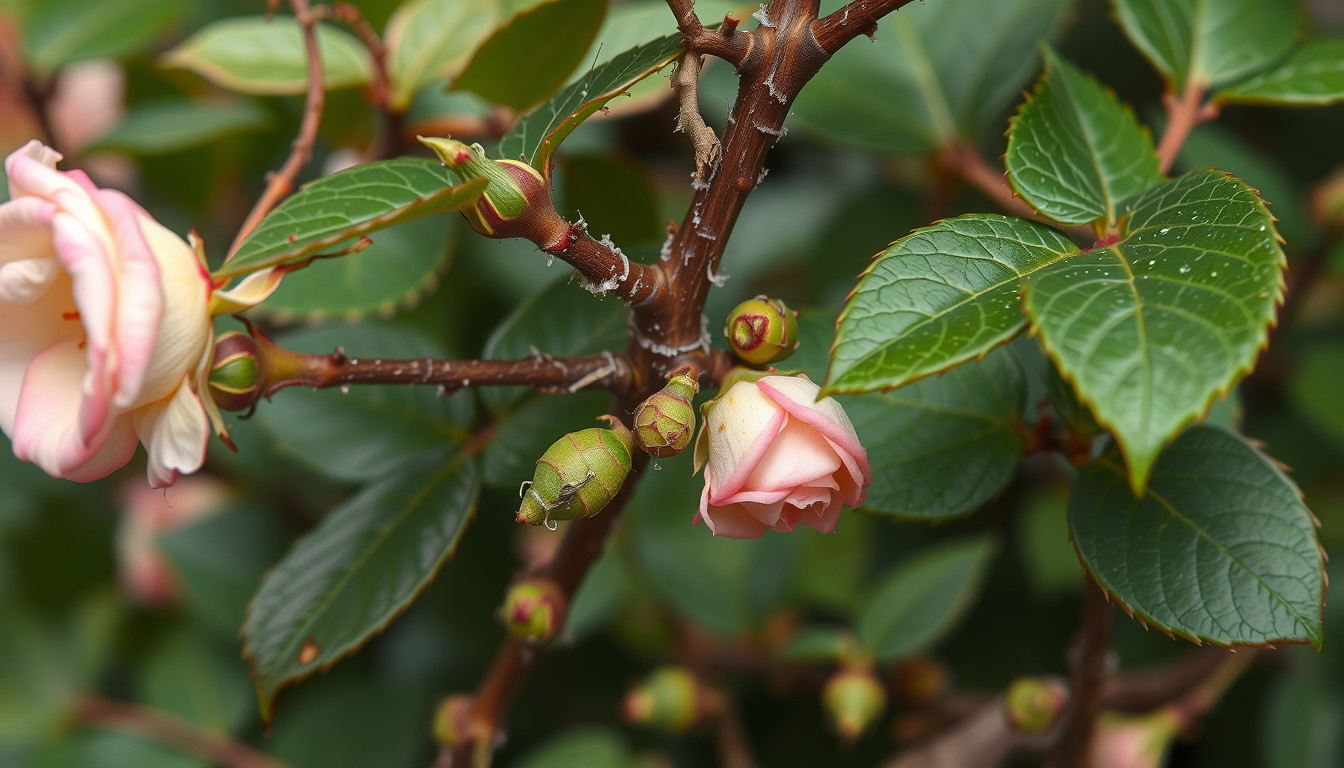
Begin by inspecting the stems, branches, and leaves of the rose bush. Scale insects often appear as small, shell-like bumps that may be brown, gray, or black. These bumps are usually firmly attached and do not easily come off when brushed lightly. Pay particular attention to areas where the bark is thick or the foliage is dense, as these conditions promote pest hiding spots. You may notice a sticky secretion called honeydew beneath the infestations, which can attract sooty mold fungi, further affecting the plant’s vigor.
A simple hand lens can assist in carefully inspecting the plant surface for early signs of infestation. Shop suitable hand lens for plant inspection on Amazon (affiliate link).
Observe the overall plant condition. Symptoms like stunted growth, leaf yellowing, or leaf drop are common when scale populations are significant. Check for discoloration, uneven leaf development, or abnormal curling. Heavy infestations can cause branch decline or dieback; signs include bark becoming brittle or showing signs of cracking.
2. How to interpret the result
If you find only a few small bumps on stems or under leaves, the infestation is likely light and may not require immediate aggressive treatment. In such cases, monitoring regularly may suffice until the pest population increases. Conversely, the presence of numerous bumps covering large sections of stems and branches indicates a severe infestation that can cause significant damage. Excessive honeydew accumulation and visible mold suggest that pest activity is disrupting the plant’s sap flow and overall health.
Heavy damage, including dieback of branches or stunted flowering, signals that intervention is necessary to prevent further decline. Recognizing whether scale presence is a consequence of environmental stress or prior poor cultural practices can help guide future preventive measures. Accurate identification and careful evaluation avoid unnecessary treatments and ensure targeted management, especially when conditions like dense foliage or bark protect pests from contact-based controls. Regular inspections and evidence-based judgment are key steps before deciding on control measures.
A Step-by-Step Approach to Scale On Roses
Controlling scale on roses requires understanding their life cycle stages and tailoring your management strategies accordingly. This approach ensures effective removal and prevents future infestations.
1. Prepare the essentials
Gather tools such as pruning shears, soft brushes, and insecticidal soap or horticultural oils. Identify the type of scale—whether armored or soft—since treatment methods can differ. Understand that scale insects progress through distinct growth phases: eggs, nymphs (crawlers), and adults, with the crawler stage being the most vulnerable to treatments. Recognizing these stages affects timing and method of control, as early intervention during the crawler phase prevents the establishment of a mature infestation.
Preparing the right tools ensures you can remove infested material effectively and safely. Shop suitable garden pruning shears on Amazon (affiliate link).
2. Take the first action
- Inspect your roses carefully for shell-like bumps, discolored or sticky areas, especially on stems and leaf joints.
- Manually remove visible scales using a soft brush or cloth, wiping away pests and their protective coverings. This is especially useful during early infestation stages when populations are low.
- Prune affected branches to remove heavily infested tissue, making sure to discard pruned material away from healthy plants to prevent spreading.
- Apply targeted treatments such as horticultural oils or insecticidal soaps, focusing on the underside of leaves and along stems where scales often reside.
- If necessary, consider a systemic insecticide that can be absorbed by the plant to kill scale insects during the crawler stage, especially in severe infestations.
3. Check the early result
After initial treatment, wait about a week and re-inspect the rose bushes. Look for reductions in scale presence and signs of new crawler activity. If scales persist or new crawlers appear, additional treatments may be necessary. Early intervention during the crawler stage can significantly improve results, as mature scales are protected by their shells and harder to eliminate.
4. Adjust for changing conditions
Adapt your approach based on plant response and environmental factors. If weather is humid and conducive to pest activity, increase inspection frequency and consider more frequent applications of oils or soaps. Dense foliage or bark crevices can shelter scales; in these cases, a more thorough pruning or layering of treatments might be required. Be mindful of the plant’s overall health—overuse of chemicals can stress roses, making them more vulnerable to pests and disease. Continuous monitoring and timely action form the core of effective scale management on roses.
Choosing the Right Approach for Your Situation
Deciding how to manage scale on roses depends on the severity of the infestation, environmental conditions, and your gardening goals. Each control method offers advantages and limitations that make it suitable for specific scenarios. Comparing these options can help select the most effective strategy for maintaining healthy roses.
1. When the simpler approach fits
For light infestations, manual removal combined with basic soap treatments can often suffice. Using horticultural soap or neem oil can manage small populations without stressing the plant. These methods are less invasive, readily available, and reduce chemical exposure. They work best when scale presence is limited, and environmental conditions favor natural pest suppression.
In cases of light infestation, a non-chemical approach could be appropriate to manage the issue. Shop suitable organic insecticidal soap on Amazon (affiliate link).
2. When a more involved approach is justified
Severe or widespread scale infestation may require systemic treatments like horticultural oils or insecticidal soaps applied thoroughly on stems, branches, and underside of foliage. In cases where scales are protected by shells or in dense bark crevices, mechanical removal through pruning combined with chemical controls ensures more comprehensive eradication. Environmental factors such as high humidity or dense foliage may necessitate repeated applications or targeted layering of treatments. Always consider the plant’s health and avoid overuse of chemicals, which can weaken roses over time.
3. Trade-offs to consider
| Control Method | Effectiveness | Invasiveness | Ease of Use | Best Conditions |
|---|---|---|---|---|
| Manual removal & soap sprays | Suitable for light infestations | Minimal | Easy | Small populations, early signs |
| Horticultural oils & insecticidal soaps | Moderate to high, depending on infestation | Moderate | Moderate | Moderate to severe infestations, accessible foliage |
| Pruning & mechanical removal | Effective for localized infestations | High | Labor-intensive | Dense bark areas, protective shells |
| Systemic insecticides | High, especially for mature scales | High | Requires careful application | Heavy, persistent infestations |
Choosing the right approach involves balancing effectiveness, invasiveness, and resource investment. Tailor interventions to infestation severity, plant health, and environmental conditions for optimal results.
Mistakes That Change the Result
Effective management of scale on roses depends greatly on both the timing of intervention and correct identification of symptoms. Common errors, such as mistaking a symptom for the actual cause of plant decline, can lead to ineffective treatment and further damage. Understanding when to control scale is crucial because applying treatments too early or too late can reduce their efficacy and potentially harm the plant. Additionally, skipping essential diagnostic steps or misinterpreting pest signs can result in persistent infestations. This section highlights typical mistakes and practical corrections that gardeners should consider to optimize their approach to scale management.
1. Mistaking a symptom for a cause
One frequent mistake is identifying leaf yellowing, wilting, or stunted growth as the primary issue, when in fact, these symptoms are often caused by scale insects secreting honeydew that fosters sooty mold or attracts other pests. If a gardener treats these symptoms without confirming the presence of scale insects, they may waste time and resources on incorrect solutions. Visual identification of scale involves looking for small, shell-like bumps on stems, branches, or leaves—these are often mistaken for fungal or bacterial infections. Correct diagnosis through careful observation is essential before applying insecticides or horticultural oils.
2. Skipping a critical condition
Another common error is neglecting the specific timing for treatment—often, the best window for control is when scale insects are in the crawler stage, which is more vulnerable to pesticides. Waiting until scales mature and produce waxy coverings can significantly reduce treatment success. The relationship between timing and effective intervention is crucial for managing scale on roses because immature crawlers are exposed and unable to hide beneath waxy shells, making them easier targets. Missing this window allows the infestation to expand, resulting in more extensive damage and increased difficulty in eradication.
To prevent these mistakes, it’s necessary to routinely inspect rose bushes, especially during early spring and late summer, when scale activity tends to peak. Correct identification through close visual examination, combined with understanding the plant’s biological cycle, improves the likelihood of successful control. Applying insecticides or horticultural oils at the right time—when crawlers are active—ensures better pest suppression and healthier roses.
When to Adapt or Seek More Help
Determining whether to continue current treatment methods or seek specialized assistance depends on the presence and nature of scale insects on roses. Accurately identifying the scale insects involved and understanding their relationship to the damage observed can guide your next steps.
1. Scale insects — identification features | Relationship: are the cause of scale on roses
Scale insects that cause scale on roses are tiny, sap-sucking pests with a shell-like appearance. They attach firmly to stems, branches, and sometimes leaves, feeding on plant sap and creating visible bumps or hardened clusters. These insects are responsible for the characteristic scaly appearance on roses, as opposed to fungal or bacterial infections which mimic similar symptoms but require different treatments.
If you notice small, immobile bumps that are shell-like, and they don’t wash off with water or simply scrub away, these are likely scale insects. Later stages involve mobile crawlers—immature nymphs—that are more vulnerable and easier to eradicate when detected early. Confirming the presence of scale insects is crucial because mistaking them for other issues may lead to ineffective treatments.
2. Next steps | Limitations
If initial inspections and treatments do not reduce the infestation, reassess your approach. Persistent scale on roses may indicate resistance to your current method, or misidentification of the pest. For example, if insecticidal soaps or oils do not seem to affect the pests, consider more targeted options, such as horticultural oils applied during crawler activity periods.
However, treatment timing is essential. Applying remedies when crawlers are dormant or hidden beneath waxy coverings limits effectiveness. Regular inspections during early spring and late summer help catch the infestation early when scale insects are most vulnerable.
Seek professional advice if the infestation persists despite your efforts. Experts can accurately diagnose whether you face scale insects or a different issue, and recommend the most effective control strategies. Misidentification or delayed action can allow scale populations to expand rapidly, complicating eradication and risking long-term damage to roses.
Frequently Asked Questions
1. How can I correctly identify scale insects on roses?
Look for shell-like bumps or tiny insects on stems, leaves, or buds, especially on the undersides, and check for sticky honeydew or sooty mold indicative of infestation.
2. What are the most effective treatments at different growth stages?
Eggs and crawlers are most vulnerable to contact treatments like horticultural oils, while adult scales may require systemic insecticides or manual removal.
3. When is the best time to start control measures for scale insects?
Apply treatments during the crawler stage when pests are most exposed, typically in early spring or late summer, depending on local climate and pest life cycle.
4. Are there safe organic options for treating living roses?
Yes, insecticidal soaps and horticultural oils are organic options that effectively target scale crawlers without harming the plant or beneficial insects.
5. How does poor airflow affect scale development?
Poor airflow creates humid, stagnant conditions that favor scale survival and reproduction, increasing infestation severity.
6. Can resistant rose varieties prevent infestations?
Some rose varieties bred for pest resistance may reduce susceptibility, but no variety is completely immune; integrated management is still necessary.
7. What common mistakes should I avoid during treatment?
Avoid over-wetting foliage, applying treatments during extreme sun or cold, or delaying treatment until severe damage occurs; early, targeted, and thorough application improves success.