
The Siberian elm tree offers rapid growth and adaptability but is often criticized for its invasive nature, brittle limbs, and significant seed production, making it a challenging choice for many landscapes.
Table of Contents
Siberian elm trees are known for their fast growth and resilience to various soil types. However, their invasive tendencies and maintenance challenges often lead to mixed opinions among homeowners and gardeners considering them for landscaping.
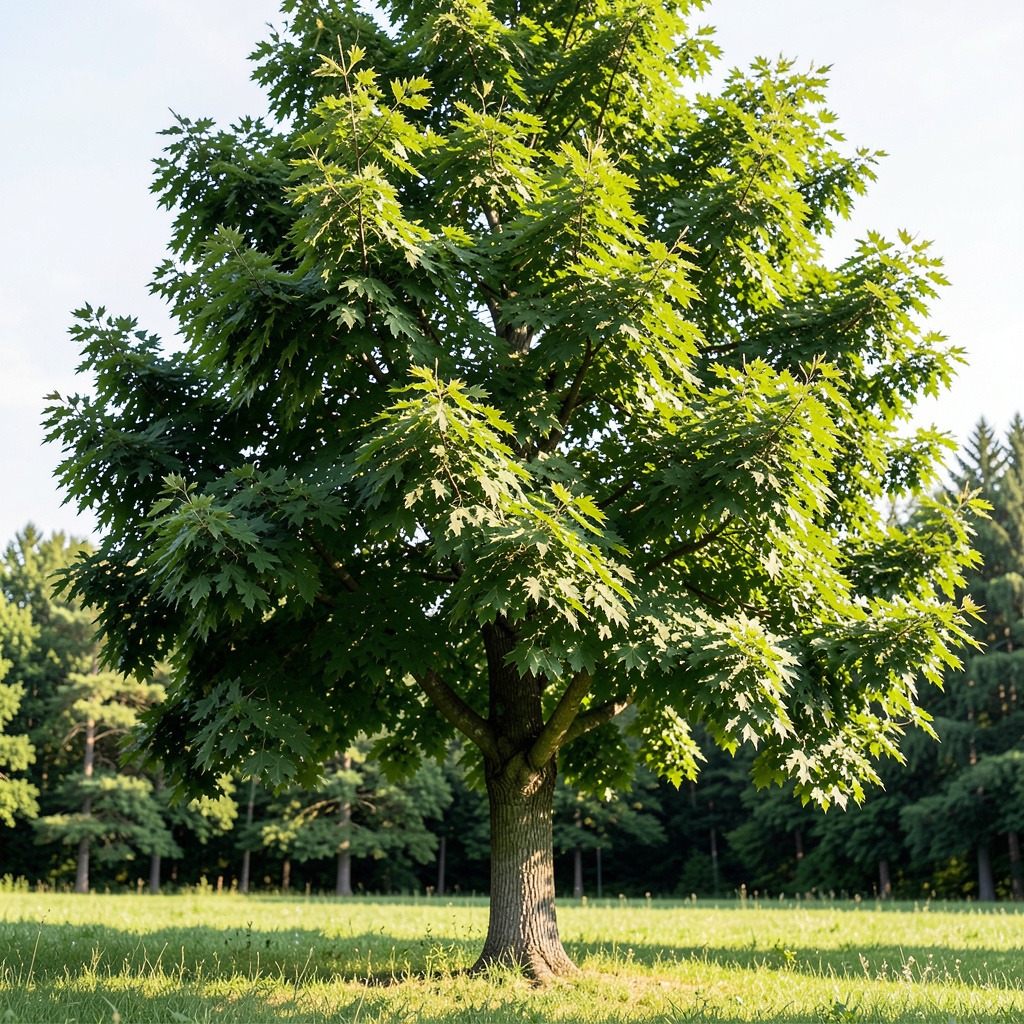
Understanding the Siberian Elm: Characteristics and Growth
The Siberian elm, or Ulmus pumila, is a versatile tree known for its rapid growth and adaptability. Understanding its unique features can help homeowners make informed decisions about incorporating it into their landscapes.
Native Origins and Growth Patterns
Siberian elms originate from the harsh climates of Siberia and Mongolia. This background enables them to thrive in a variety of conditions. They typically reach heights of 30 meters (98 feet) under ideal circumstances, but their growth can be stunted in less favorable environments.
Their growth pattern is characterized by:
- Fast Establishment: Siberian elms can grow quickly, providing shade in a short period.
- Height Variability: Commonly, they reach 2-3 meters (7-10 feet) in cultivated settings, depending on care and conditions.
- Branch Structure: The tree develops a broad canopy, making it suitable for landscapes needing quick coverage.
Adaptability to Different Soil Types
Siberian elms are remarkably adaptable. They can flourish in various soil types, from sandy loam to clay, as long as the soil retains some moisture.
Key adaptability traits include:
- Soil Tolerance: They thrive in both rich and poor soils, although they grow slower in less favorable conditions.
- Drought Resistance: While they prefer consistent moisture, Siberian elms can endure short periods of drought.
- Sunlight Requirements: They perform best in full sun but can tolerate partial shade.
Real-world examples show Siberian elms growing successfully in urban environments, where soil quality may vary significantly. Their resilience allows them to adapt to less-than-ideal conditions, making them a popular choice for quick landscaping solutions.
These characteristics highlight both the strengths and potential challenges of planting Siberian elms. Homeowners should weigh these factors carefully when considering them for their landscapes.
Pros of Planting Siberian Elm Trees

Siberian elm trees offer several advantages that make them an appealing choice for various landscapes. Their rapid growth, adaptability, and resilience to environmental stressors are key factors driving their popularity among homeowners and landscape designers.
Rapid Growth and Shade Provision
One of the most notable benefits of Siberian elm trees is their speed of growth. These trees can quickly reach heights of 50 feet or more, providing ample shade within just a few years. This rapid growth allows homeowners to establish a shaded area in their yards much sooner than other slower-growing species.
- Fast Establishment: Siberian elms can grow up to 3 feet per year under optimal conditions.
- Quick Coverage: They can provide shade and shelter for gardens and outdoor living spaces, enhancing comfort during warmer months.
Resilience to Environmental Stressors
Siberian elm trees are known for their ability to thrive in various environmental conditions. They are particularly well-suited for areas with poor soil quality and can withstand short periods of drought.
- Soil Versatility: They can grow in a wide range of soil types, from sandy to clay, making them adaptable to different landscapes.
- Drought Tolerance: While they prefer consistent moisture, Siberian elms can endure dry spells, reducing the need for frequent watering.
Testimonials from Landscape Designers
Landscape designers have observed successful implementations of Siberian elms in urban settings and residential landscapes. Many cite their ability to provide shade quickly and adapt to challenging conditions as major advantages.
For example, a local designer noted that “Siberian elms transformed a barren lot into a shaded oasis within just a few years, providing both aesthetic value and functional space for residents.”
This adaptability and rapid establishment make Siberian elms a strong candidate for those seeking immediate landscape impact.
Cons of Siberian Elm Trees: Challenges to Consider

While Siberian elm trees offer several advantages, they also present notable challenges. Understanding these potential downsides is crucial for anyone considering adding them to their landscape.
Invasive Growth and Seed Production
Siberian elm trees are known for their aggressive growth and prolific seed production. This can lead to several issues:
- Invasiveness: Siberian elms can spread rapidly, dominating local ecosystems. Their seeds can travel long distances, establishing new trees in unwanted areas.
- Competition: They often outcompete native species for resources, which can negatively impact biodiversity.
- Management Difficulty: Once established, controlling the spread of Siberian elms can be challenging and resource-intensive.
| Impact on Local Ecosystems | Native Alternatives |
|---|---|
| Aggressive spread can overwhelm native flora | Slower growth, but support local biodiversity |
| Competes for nutrients and water | Typically maintain ecosystem balance |
| Requires regular management interventions | Fewer invasive tendencies |
Weak Wood Structure and Maintenance Issues
Another significant drawback is the weak wood structure of Siberian elms. This characteristic can lead to various maintenance challenges:
- Brittle Branches: The branches are prone to breakage, especially during storms or heavy winds. This can pose safety risks in residential areas.
- Pruning Needs: Regular pruning is necessary to manage their shape and health. Failure to prune can lead to dense growth and potential hazards.
- Disease Vulnerability: Siberian elms can be susceptible to various diseases, including Dutch elm disease. Regular monitoring and care are essential to maintain tree health.
Understanding these challenges helps in making informed decisions about incorporating Siberian elms into your landscape.
Care and Maintenance for Siberian Elm Trees

Caring for Siberian elm trees involves specific practices that promote their health and longevity. Understanding their needs can help you manage their growth effectively.
Watering and Fertilization Needs
Siberian elms thrive in moderate moisture conditions. Here’s how to manage their watering and fertilization:
- Watering:
- Keep the soil consistently moist, especially during dry spells.
- Avoid waterlogging; Siberian elms do not tolerate standing water.
- Water deeply to encourage root development, aiming for at least once a week in dry conditions.
- Fertilization:
- Fertilize in early spring before new growth begins.
- Use a balanced, slow-release fertilizer. Avoid over-fertilizing, as this can lead to weak growth.
Pruning Techniques for Healthier Growth
Regular pruning is essential for maintaining the shape and health of Siberian elms. Follow these guidelines:
- Timing:
- Prune in early spring or late fall to shape the tree and prepare it for seasonal changes.
- Techniques:
- Remove dead or diseased branches to promote good air circulation.
- Thin out dense growth to prevent overcrowding and improve light penetration.
- Frequency:
- Aim to prune at least twice a year, especially if using the tree as a hedge.
Seasonal Care Calendar
To streamline your maintenance efforts, consider this seasonal care checklist:
| Season | Task |
|---|---|
| Spring | Fertilize, prune dead branches |
| Summer | Water regularly, monitor for pests |
| Fall | Final pruning and prepare for winter |
| Winter | Inspect for damage, plan spring care |
By adhering to these care practices, you can enhance the growth and health of your Siberian elm trees while mitigating potential issues associated with their invasive nature.
Alternatives to Siberian Elm for Landscaping
When considering landscaping options, it’s essential to explore trees that offer similar benefits to the Siberian elm without its invasive traits. Here are some native species and non-invasive alternatives to consider.
Non-Invasive Tree Options
1. Red Maple (Acer rubrum)
- Growth Rate: Moderate to fast (1-2 feet per year)
- Maintenance Needs: Requires regular watering and occasional pruning.
- Environmental Impact: Provides excellent shade and supports local wildlife.
2. Eastern Redbud (Cercis canadensis)
- Growth Rate: Moderate (1-2 feet per year)
- Maintenance Needs: Minimal; prefers well-drained soil.
- Environmental Impact: Attractive flowers in spring, beneficial for pollinators.
3. Sweetgum (Liquidambar styraciflua)
- Growth Rate: Fast (2-3 feet per year)
- Maintenance Needs: Regular watering; less pruning required.
- Environmental Impact: Offers vibrant fall color, supports diverse ecosystems.
Benefits of Choosing Native Species
Opting for native trees carries significant advantages:
- Adaptability: Native species are already adapted to local conditions, offering resilience against pests and diseases.
- Biodiversity: They support local wildlife, providing habitat and food sources.
- Lower Maintenance: Native trees often require less care once established, reducing overall landscape management efforts.
Comparison Chart of Tree Options
| Tree Species | Growth Rate | Maintenance Needs | Environmental Impact |
|---|---|---|---|
| Siberian Elm | Fast (3-5 feet/year) | Moderate; regular pruning needed | Invasive, can dominate areas |
| Red Maple | Moderate (1-2 feet/year) | Regular watering; occasional pruning | Supports wildlife, excellent shade |
| Eastern Redbud | Moderate (1-2 feet/year) | Minimal; prefers well-drained soil | Attracts pollinators |
| Sweetgum | Fast (2-3 feet/year) | Regular watering; low pruning | Vibrant fall color |
By selecting these alternatives, you can achieve a beautiful landscape while mitigating the risks associated with the invasive nature of the Siberian elm.
Frequently Asked Questions
These quick answers cover the most common questions about this topic, including key details, practical tips, and common concerns.
Is a Siberian elm a good tree?
The Siberian elm is a fast-growing tree that can provide quick shade and adapt to various soil types. However, it is often considered invasive due to its aggressive growth and prolific seed production, which can overwhelm local ecosystems. Weighing its rapid establishment against its potential for invasiveness is crucial in deciding if it’s the right tree for your landscape.
How far should an elm tree be from a house?
When planting a Siberian elm, it is recommended to keep it at least 20 to 30 feet away from your house. This distance helps prevent potential damage from falling branches, as the tree can grow quite large. Additionally, maintaining this distance can minimize issues related to root encroachment and shading on your home.
What is the lifespan of a Siberian elm?
Siberian elms typically have a lifespan of 30 to 50 years. However, their longevity can be affected by factors such as disease, environmental conditions, and maintenance practices. Regular care and monitoring can help extend their life and maintain their health.
How big can a Siberian elm get?
Under optimal conditions, Siberian elms can reach heights of up to 50 feet and spread 30 to 40 feet wide. Their rapid growth rate allows them to achieve significant size within just a few years, making them suitable for providing shade in a relatively short time.
What, exactly, is so bad about Siberian Elm (Ulmus pumila)?
Siberian elm is considered invasive because it can quickly spread and dominate local ecosystems, outcompeting native species for resources. Its seeds can travel long distances, leading to unwanted growth in gardens and natural areas. Additionally, the brittle wood structure makes it prone to breakage, posing safety risks during storms.
How do I control the spread of Siberian elm?
Controlling the spread of Siberian elm involves regular monitoring and management. You can prevent unwanted growth by removing seedlings as soon as they appear and implementing physical barriers, such as root barriers. Regular pruning can also help manage the tree’s size and reduce its seed production.
What are better tree options for landscaping?
If you’re looking for non-invasive alternatives to Siberian elm, consider trees like Red Maple, Eastern Redbud, or Sweetgum. These species provide similar benefits, such as shade and aesthetic appeal, while supporting local wildlife and ecosystems without the invasive tendencies of Siberian elm.
When is the best time to plant a Siberian elm?
The best time to plant a Siberian elm is in early spring or fall when temperatures are moderate. This timing allows the tree to establish roots before the heat of summer or the cold of winter. Ensure that the soil is moist and well-drained to promote healthy growth during the establishment phase.