
Silver Maple (Acer saccharinum) requires full sun, moist soil, and regular pruning to thrive.
Silver Maple, known for its fast growth and striking silver undersides of leaves, is a popular choice for landscaping. Proper care is essential to maintain its health and beauty while addressing its unique challenges, such as weak wood and aggressive roots.
Understanding Silver Maple: Characteristics and Growth Habits
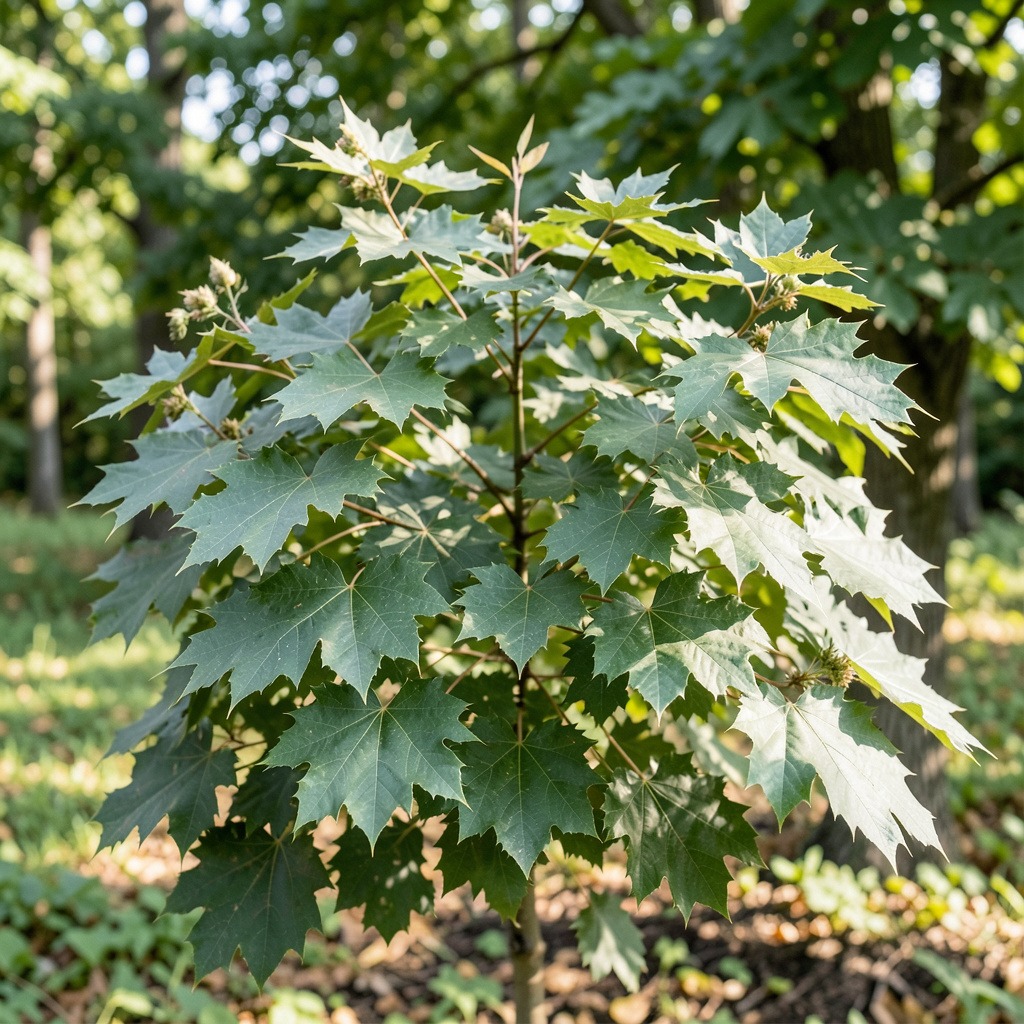
The Silver Maple (Acer saccharinum) is renowned for its rapid growth and adaptability. Understanding its characteristics and preferred habitats can significantly enhance its care and maintenance.
Characteristics of Silver Maple
Silver Maples stand out due to their distinctive features:
- Size: Mature trees can reach heights of 50 to 80 feet (15-24 m) and spread 40 to 60 feet (12-18 m).
- Leaves: The deeply lobed leaves have silvery-white undersides, creating a shimmering effect in the wind.
- Growth Rate: This species is one of the fastest-growing maples, achieving growth rates of 3 to 7 feet (90-210 cm) annually.
These traits not only make the Silver Maple visually appealing but also contribute to its ecological significance.
Growth Rate and Lifespan
Silver Maples are celebrated for their quick growth. They can thrive in a variety of conditions, making them suitable for diverse landscapes.
- Lifespan: While they grow rapidly, they generally have a shorter lifespan compared to other trees, living around 30 to 50 years.
- Optimal Conditions: Full sun and adequate moisture are ideal for maximum growth. They can tolerate some shade, but growth may be less vigorous in low-light conditions.
Native Habitats and Adaptability
Silver Maples are native to eastern and central North America, often found in wet habitats such as floodplains and along riverbanks. Their adaptability is one of their key strengths.
Table of Contents
- Soil Types: They thrive in wet, loamy soils but can adapt to a range of soil conditions, including clay and sandy soils.
- Ecological Role: These trees provide vital habitats for wildlife. They serve as an early-season pollen source for bees and support various insect species, contributing to local biodiversity.
In practical terms, when planting Silver Maples, consider their preference for moist areas. Positioning them near water features or in rain gardens can enhance their growth and ecological benefits.
Essential Care Techniques for Silver Maple
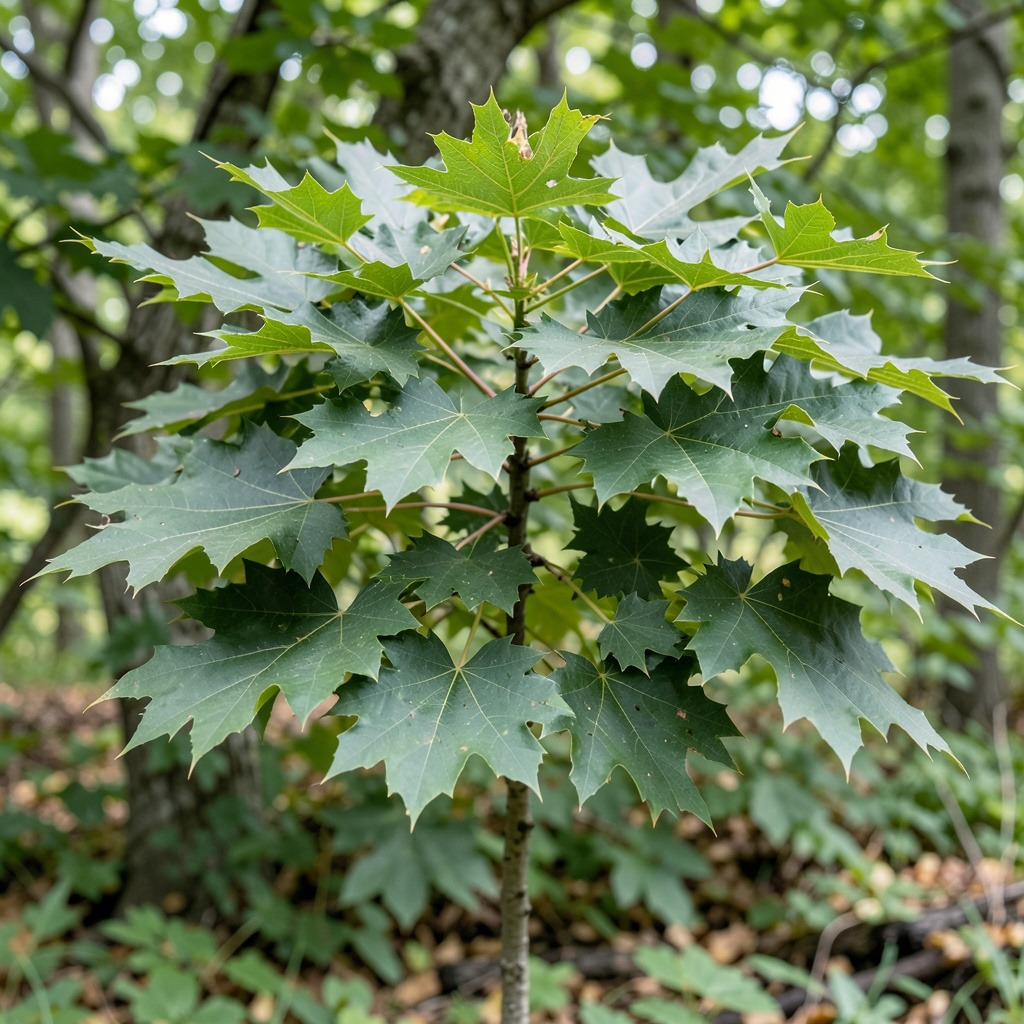
Proper care for Silver Maple trees (Acer saccharinum) ensures their vigorous growth and longevity. This section covers essential practices for watering, soil preferences, sunlight requirements, and fertilization.
Watering Requirements and Techniques
Silver Maple trees thrive in moist conditions but can adapt to drier environments once established.
- Young Trees: Water your young Silver Maple weekly for the first two years. A general rule is to provide 2 to 3 gallons of water per caliper inch of trunk diameter.
- Established Trees: Once established, these trees typically do not require supplemental watering. They can reach existing soil moisture and withstand moderate drought conditions.
Soil Preferences and Fertilization
Silver Maples are highly adaptable to various soil types, but certain conditions promote optimal growth.
- Soil Conditions: They flourish in wet, loamy soils and can tolerate poorly drained or compacted soils. Avoid planting in very dry, sandy, or gravelly soils.
- Fertilization: Generally, Silver Maples do not require heavy fertilization. If soil tests indicate deficiencies, a balanced fertilizer can be applied in early spring. Over-fertilizing can lead to rapid growth, resulting in weaker wood, so moderation is key.
Sunlight and Temperature Needs
Light exposure and temperature play crucial roles in the health of Silver Maples.
- Light Requirements: Plant your Silver Maple in an area that receives at least six hours of direct or indirect sunlight daily. While they can tolerate partial shade, they will not thrive in full shade.
- Temperature Tolerance: These trees are hardy and can withstand a range of temperatures, making them suitable for various climates, especially in zones 3 to 9.
Checklist for Silver Maple Care
- Ensure at least 6 hours of sunlight daily.
- Water young trees weekly for the first two years.
- Check soil moisture; avoid very dry or compacted soils.
- Fertilize only if soil deficiencies are identified.
- Monitor for pests and structural weaknesses.
By adhering to these care techniques, you can ensure the healthy growth of your Silver Maple, contributing not only to your landscape but also to local biodiversity.
Pruning Silver Maple: Best Practices and Timing
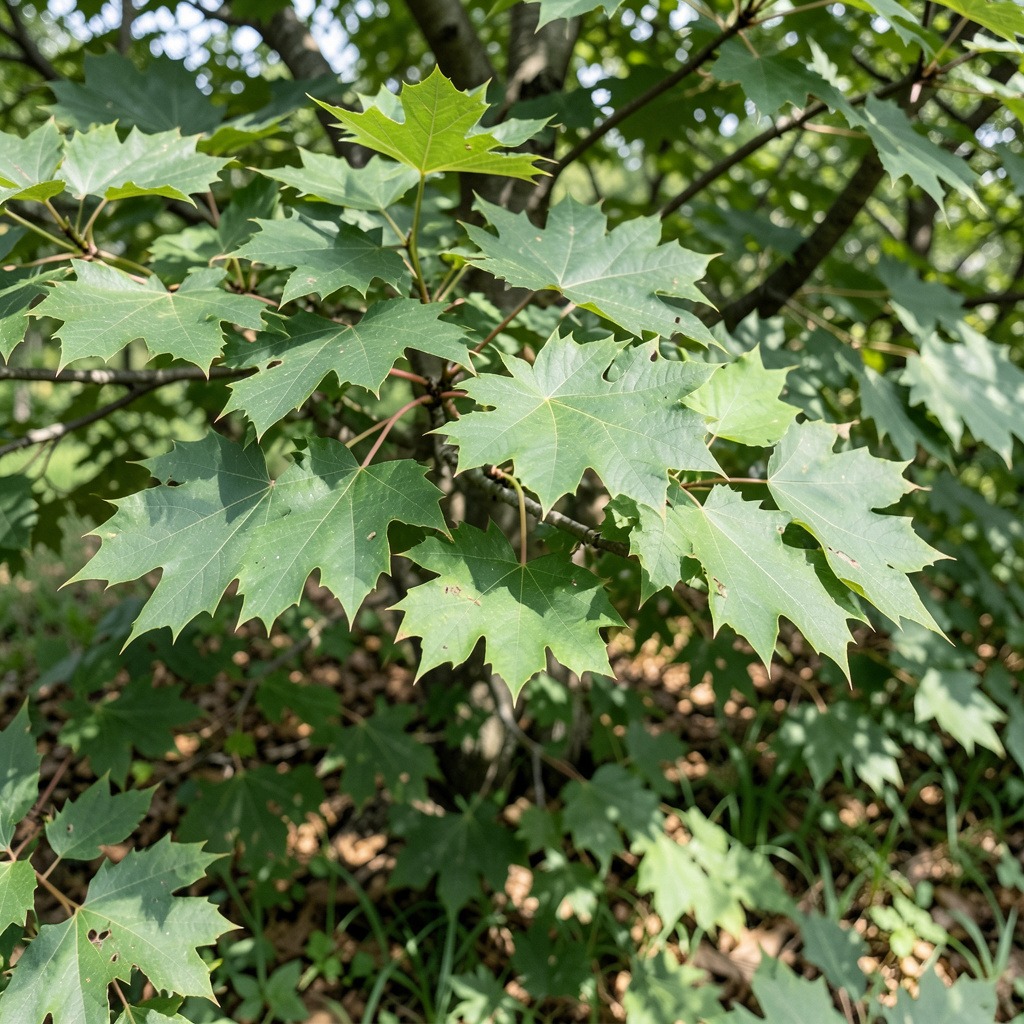
Pruning is crucial for maintaining the health and structural integrity of Silver Maple trees. Proper pruning techniques reduce the risk of wood damage and improve the tree’s overall resilience.
Why Pruning is Essential
Silver Maples are known for their rapid growth and expansive canopy. However, this growth can lead to weak wood and branch failure, especially in adverse weather. Regular pruning helps:
- Remove weak, damaged, or crossing branches.
- Prevent storm damage.
- Promote a strong central leader and well-spaced lateral branches.
By focusing on structural pruning, you enhance the tree’s durability and longevity.
When to Prune Silver Maple
Timing is vital for effective pruning. Silver Maples should be pruned during their dormant season. The best times are:
- Late Winter to Early Spring: Before new growth begins.
- Avoid Spring Pruning: During sap flow (February to April), as this can lead to excessive bleeding.
Regular maintenance should also include inspecting for dead or damaged branches throughout the growing season.
Techniques for Effective Pruning
Employing the right techniques can minimize wood damage and promote healthy growth. Here are key strategies:
- Remove Weak Branches: Cut back branches that show signs of weakness or damage.
- Maintain a Single Dominant Trunk: This helps prevent multiple weak sprouts that can emerge from topping.
- Use Proper Cuts: Make clean cuts at the branch collar to encourage rapid healing. Avoid tearing bark, which can invite disease.
Pruning Checklist
- Inspect the tree regularly for weak branches.
- Schedule pruning during the dormant season.
- Use sharp, clean tools to avoid tearing.
- Focus on maintaining a balanced canopy.
By following these guidelines, you can ensure the healthy growth of your Silver Maple while minimizing risks associated with wood damage.
Common Issues with Silver Maple and Solutions
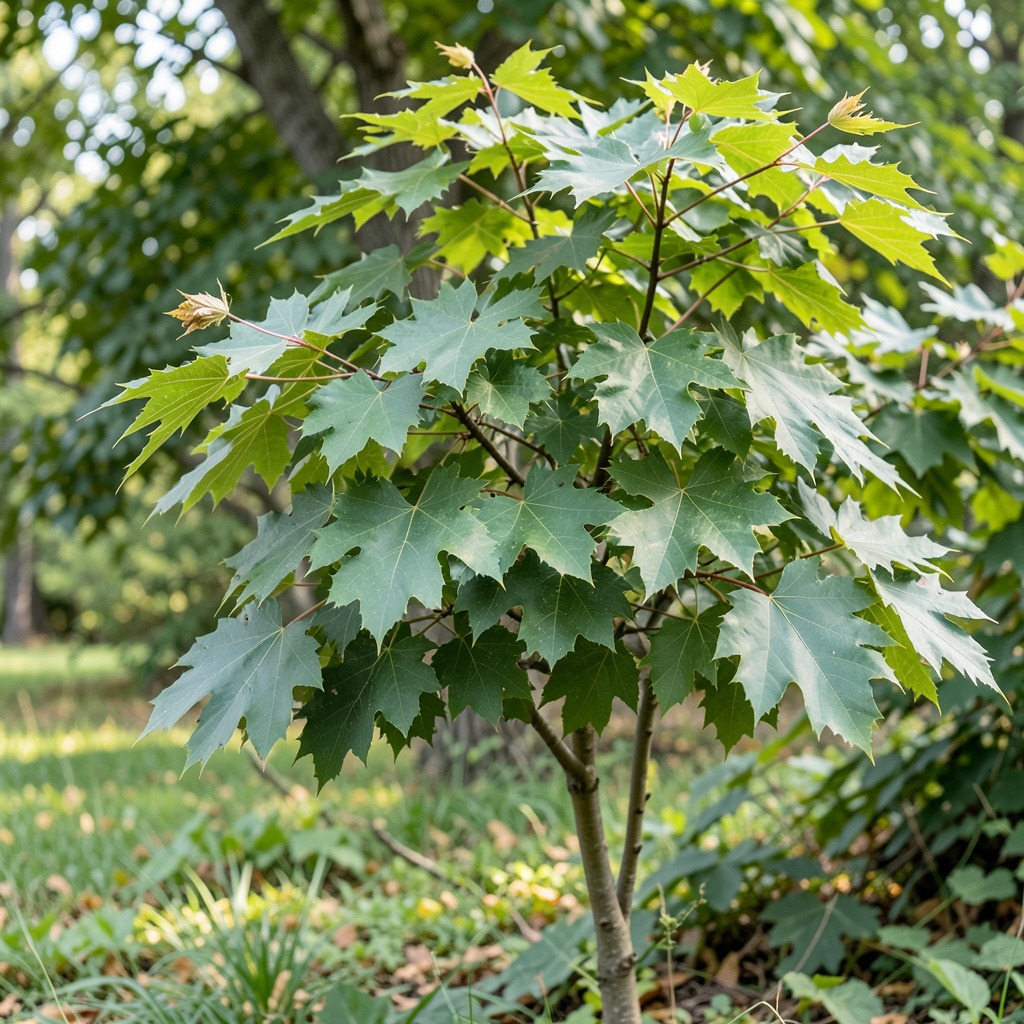
Silver Maples (Acer saccharinum) face specific challenges that can impact their health and growth. Understanding these issues and how to manage them is essential for maintaining a thriving tree.
Weak Wood and Structural Concerns
Silver Maples are known for their brittle wood and weak branch unions. This makes them susceptible to breakage during storms. To mitigate these risks:
- Early Formative Pruning: Regularly prune young trees to shape them. Focus on maintaining a single dominant trunk and remove any competing leaders.
- Monitor for Weak Branches: Inspect the tree for branches that appear weak or cracked. Prune these branches promptly to prevent storm damage.
- Avoid Topping: Topping can create multiple weak sprouts. Instead, make clean cuts at the branch collar to promote healthy growth.
Identifying and Managing Pests
Pests can pose significant threats to Silver Maples, though healthy trees can often withstand infestations. Common pests include:
- Aphids: These small insects suck sap from leaves, leading to yellowing. Control them using insecticidal soap or neem oil.
- Cottony Maple Scale: This pest can cover branches and cause dieback. Use horticultural oil for effective management.
- Gall Mites: While they cause galls on leaves, they typically do not harm the tree significantly. Monitor but do not treat unless numbers increase drastically.
To manage pests effectively:
- Regular Inspections: Check leaves and branches every few weeks during the growing season.
- Healthy Practices: Keep the tree well-watered and fertilized to enhance its resistance to pests.
Environmental Stress and Recovery
Silver Maples thrive in wet soils but can suffer from environmental stress if conditions fluctuate. Issues such as drought or poor soil drainage can lead to issues like chlorosis (yellowing leaves). To promote recovery:
- Adequate Watering: Ensure consistent moisture, especially during dry spells. Deep watering encourages strong root growth.
- Soil Health: Test soil pH and amend as necessary. Silver Maples prefer slightly acidic to neutral pH levels.
- Mulching: Apply organic mulch around the base to retain moisture and regulate soil temperature.
By proactively managing these common issues, you can ensure the health and longevity of your Silver Maple tree.
Comparing Silver Maple with Other Fast-Growing Trees
When considering fast-growing trees for wet areas, it’s essential to compare Silver Maple with its alternatives. Each species has unique characteristics, advantages, and disadvantages. This analysis will help you choose the right tree for your landscape needs.
Fast-Growing Tree Alternatives
Here are some notable fast-growing alternatives to Silver Maple, particularly suitable for wet environments:
- Bald Cypress (Taxodium distichum)
- Pros: Tolerates flooding, beautiful autumn color, strong wood.
- Cons: Requires a good deal of space; slower initial growth compared to Silver Maple.
- River Birch (Betula nigra)
- Pros: Attractive, peeling bark; adaptable to varying soil conditions; supports wildlife.
- Cons: May require more frequent pruning; susceptible to pests like the birch borer.
- Willow Trees (Salix spp.)
- Pros: Excellent for wet soils; rapid growth; provides shade and habitat.
- Cons: Weak wood can lead to breakage; invasive roots may damage nearby structures.
Pros and Cons of Silver Maple
Understanding the benefits and drawbacks of Silver Maple (Acer saccharinum) is crucial for effective care and maintenance.
- Pros:
- Fast growth rate (up to 3-7 feet per year)
- Beautiful silver-backed leaves
- Tolerates poor soil conditions, including wet soils
- Attracts wildlife, supporting local ecosystems
- Cons:
- Weak wood can break easily in storms
- Aggressive root system may disrupt infrastructure
- Shorter lifespan compared to some hardwoods
Best Use Cases for Silver Maple
Silver Maple is best suited for specific landscaping scenarios. Consider the following use cases:
- Shade Trees: Ideal for large yards or parks needing quick shade.
- Erosion Control: Effective in areas prone to soil erosion due to its extensive root system.
- Wildlife Habitat: Provides shelter and food for various bird and insect species.
When selecting a tree, assess your landscape’s specific conditions and needs. Silver Maple is an excellent choice for rapid growth and ecological benefits, but weigh its weaknesses against other fast-growing trees like Bald Cypress or River Birch.
Frequently Asked Questions
These quick answers cover the most common questions about this topic, including key details, practical tips, and common concerns.
What are the disadvantages of silver maple?
Silver Maple trees have several disadvantages, primarily due to their structural weaknesses. Their wood is brittle, making them prone to breakage during storms. Additionally, they have a vigorous root system that can damage nearby structures, sidewalks, and underground utilities. Their rapid growth can also lead to weak branch unions, increasing the risk of limb failure.
How often should a silver maple be pruned?
Pruning should be done annually, ideally during the late winter or early spring when the tree is dormant. Regular pruning helps maintain a strong structure and encourages healthy growth. Focus on removing weak or crossing branches to reduce the risk of storm damage and improve airflow through the canopy.
Where is the best place to plant a silver maple?
Silver Maples thrive in moist, loamy soils and prefer locations with full sun exposure. The best spots are near water features or in areas that can retain moisture. Avoid planting them in very dry or compacted soils, as this can hinder their growth and overall health.
What is the typical lifespan of a silver maple?
The typical lifespan of a Silver Maple is around 30 to 50 years. While they grow quickly, they generally have a shorter lifespan compared to other hardwood trees. Proper care, including regular watering and pruning, can help extend their longevity.
What common pests affect silver maple trees?
Silver Maples are susceptible to several pests, including aphids, cottony maple scale, and gall mites. Aphids can cause yellowing leaves, while cottony maple scale can cover branches and lead to dieback. Regular inspections and treatments, such as insecticidal soap or horticultural oil, can help manage these pests effectively.
How can I improve the soil for my silver maple?
To improve soil for your Silver Maple, ensure it is well-draining yet retains moisture. You can amend the soil with organic matter, like compost, to enhance its structure and nutrient content. Regular testing for pH levels is also beneficial, as Silver Maples prefer slightly acidic to neutral conditions.
Are you noticing any specific issues like branch drop or leaf spots?
If you observe branch drop, it may indicate weak wood or structural issues. Regular pruning can help reduce this risk. Leaf spots could be a sign of fungal infections or pest damage. Inspect the tree closely and consider treatments like fungicides or pest control measures to address these problems promptly.