
The Silver Maple tree (Acer saccharinum) typically grows at a rate of 3 to 7 feet per year under optimal conditions, making it one of the fastest-growing trees in North America.
Table of Contents
Silver Maples are renowned for their rapid growth and adaptability, making them a popular choice for landscaping. Understanding their growth rate is crucial for optimal planting and maintenance, ensuring these trees thrive in various environments.
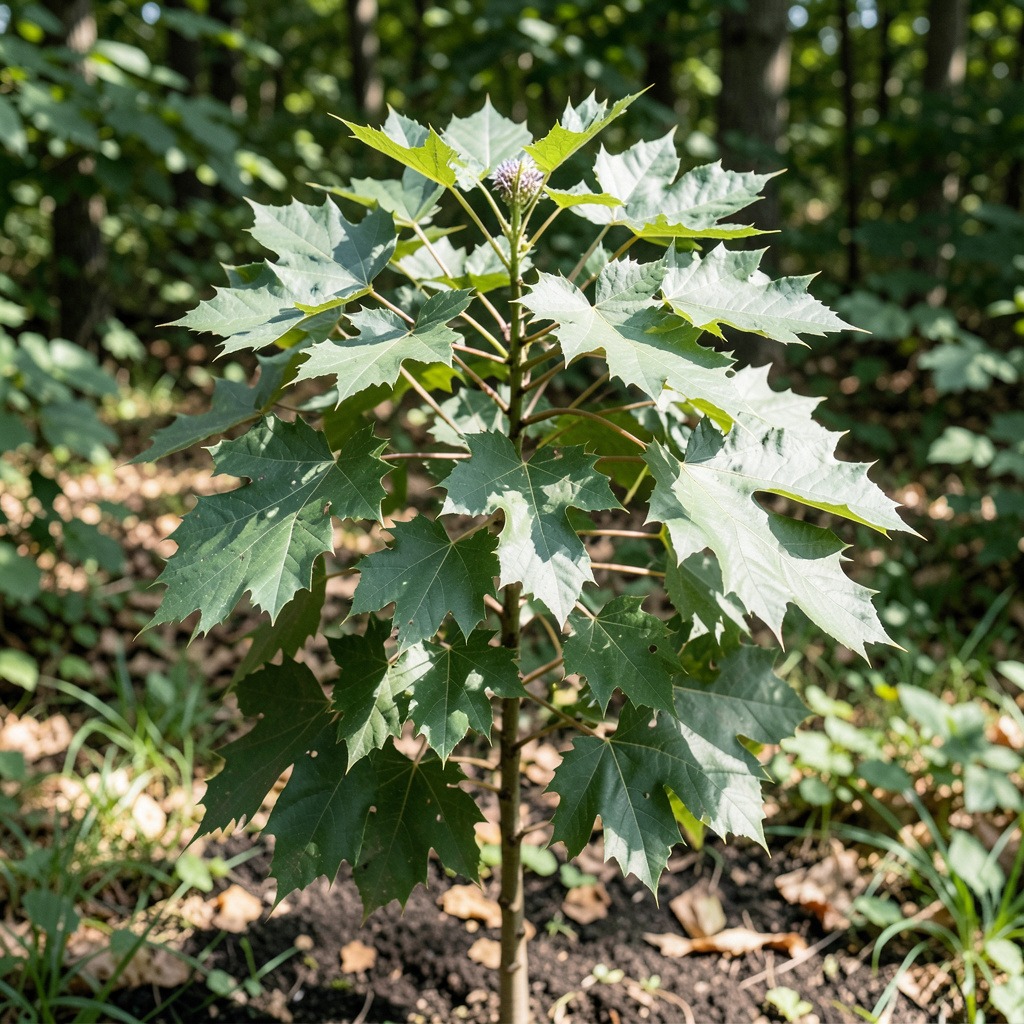
Silver Maple Growth Rate Overview
Silver Maple trees (Acer saccharinum) are celebrated for their swift growth. Understanding their growth rate and the factors that influence it is essential for effective cultivation and care.
Typical Growth Rate Under Optimal Conditions
Under optimal conditions, Silver Maples can grow up to 3 feet per year. This impressive growth allows them to reach heights of 50 to 70 feet within just a few years. Key characteristics include:
- Rapid establishment: Young trees can quickly develop a robust root system.
- Canopy expansion: They can achieve a full canopy within a decade, providing ample shade.
Factors Influencing Growth Rate
Several factors significantly affect the growth rate of Silver Maples:
- Soil Quality: Well-drained, loamy soil promotes healthy growth. Compacted or poor soil can stunt development.
- Water Availability: These trees thrive in moist environments, ideally near riverbanks or floodplains. Insufficient water can slow growth dramatically.
- Sunlight Exposure: Full sun conditions enhance growth rates. Limited light due to competition from surrounding plants can impede their development.
- Climate: Warmer climates with sufficient rainfall boost growth potential. Extreme temperatures can negatively impact their health.
Comparison with Other Fast-Growing Trees
When comparing growth rates, Silver Maples often outpace other common fast-growing trees, such as:
| Tree Species | Typical Growth Rate (Feet/Year) |
|---|---|
| Silver Maple | 3 |
| Red Maple | 1.5 |
| Eastern Cottonwood | 4 |
| Lombardy Poplar | 6 |
This comparison highlights the Silver Maple’s competitive edge, making it an excellent choice for quick landscaping solutions.
Optimal Conditions for Silver Maple Growth
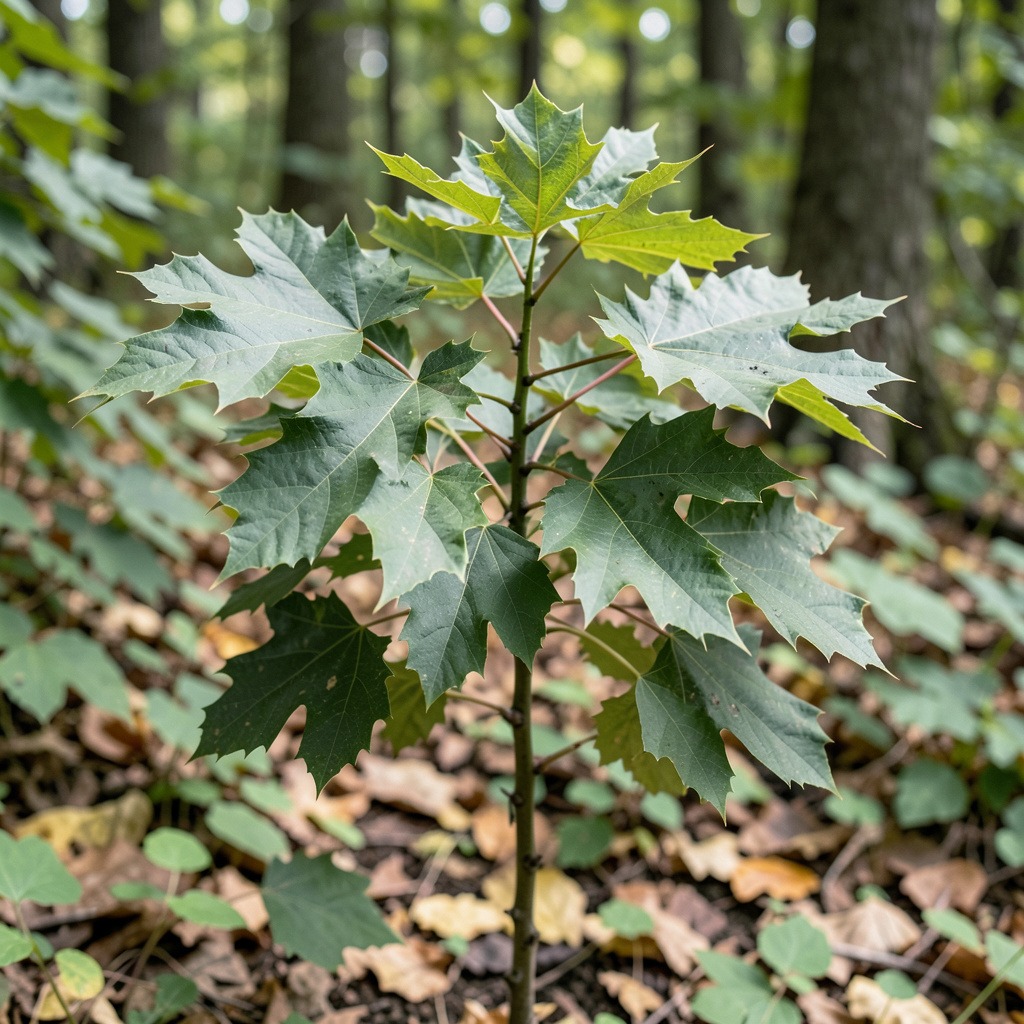
To achieve maximum growth rates, Silver Maple trees require specific environmental conditions. These include appropriate soil, sunlight, and climate. Understanding these factors can significantly enhance their growth potential.
Soil Requirements
Silver Maples thrive in a variety of soil types but prefer moist, well-drained soils. Here are key soil considerations:
- pH Level: Ideally between 6.0 and 7.5.
- Drainage: Good drainage is crucial to prevent root rot.
- Nutrient Content: Rich, organic matter enhances growth.
Sunlight and Water Needs
Silver Maples flourish in full sun but can tolerate partial shade. Optimal conditions include:
- Sunlight: At least 6 hours of direct sunlight daily.
- Watering: Regular moisture is essential, especially during dry spells. Soil should remain consistently damp but not waterlogged.
Climate Considerations
Silver Maples are adaptable but perform best in specific climates. Consider the following factors:
- Temperature: They thrive in USDA Hardiness Zones 3 to 9.
- Rainfall: Regular rainfall enhances growth; however, they can adapt to moderate drought conditions.
Checklist for Homeowners
When selecting a planting site for Silver Maples, consider the following checklist based on local climate:
- Does the area receive adequate sunlight?
- Is the soil well-drained and nutrient-rich?
- Is there access to water, especially during dry periods?
- What is the local climate zone?
By ensuring these conditions are met, homeowners can foster robust growth in Silver Maple trees, allowing them to reach their full potential.
Care and Maintenance for Silver Maples
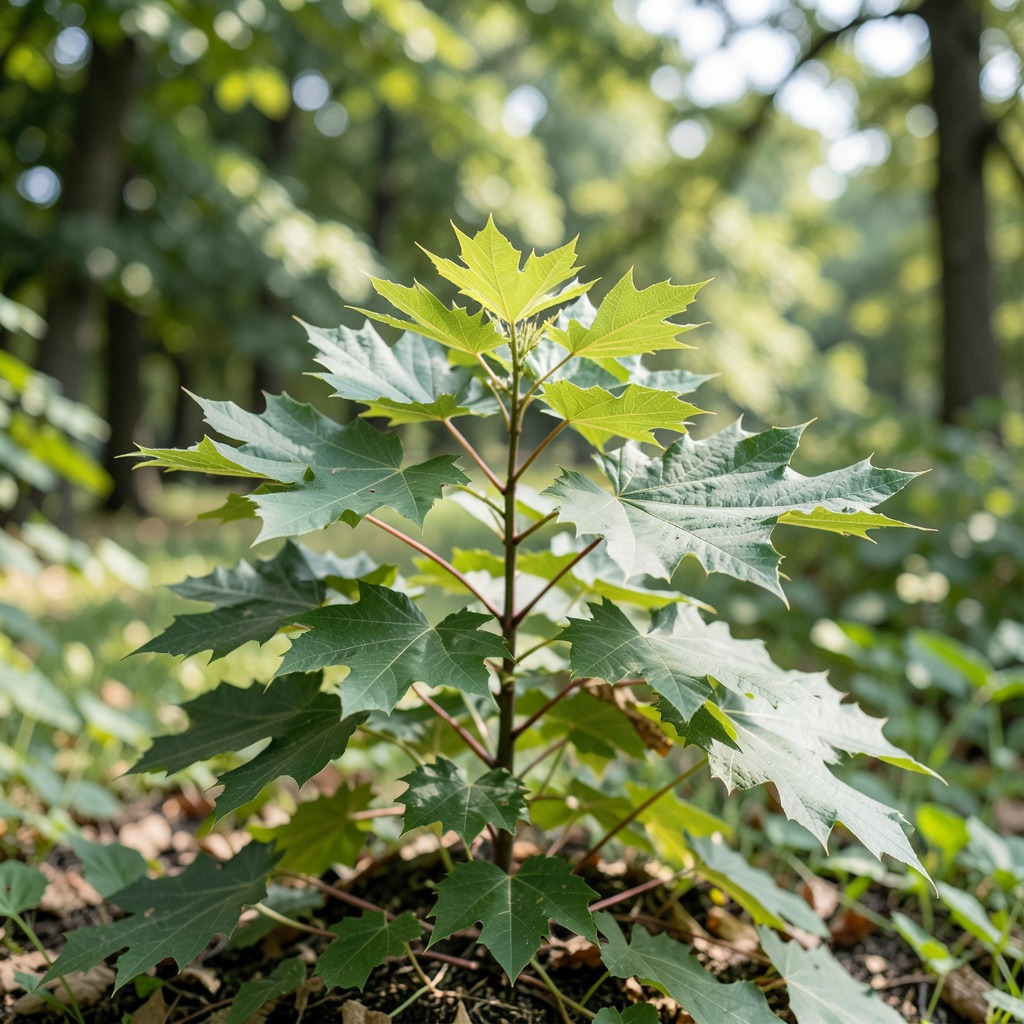
Proper care and maintenance are crucial for maximizing the growth rate and longevity of Silver Maple trees. By following specific practices, you can ensure these trees thrive in your landscape.
Watering Needs
Silver Maples require consistent moisture, especially during their early growth stages. The following guidelines will help you maintain adequate hydration:
- Frequency: Water deeply once a week during dry spells. Increase frequency in extreme heat.
- Soil Check: Ensure the soil remains moist but not waterlogged. Overwatering can lead to root rot.
- Mulching: Apply a layer of organic mulch around the base to retain moisture and regulate soil temperature.
Pruning Techniques and Timing
Regular pruning enhances the tree’s shape and encourages healthy growth. Here’s how to approach pruning:
- Timing: Prune in late winter or early spring before new growth begins. This timing reduces stress on the tree.
- Technique: Focus on removing dead or crossing branches. Aim for a balanced canopy to allow sunlight penetration.
- Frequency: Perform light pruning annually, with more substantial shaping every few years to maintain tree health.
Fertilization Guidelines
Fertilization supports robust growth and overall health. Follow these recommendations:
- Initial Fertilization: Apply a balanced, slow-release fertilizer at planting and again in early spring for young trees.
- Established Trees: For mature Silver Maples, fertilize every two to three years, focusing on nitrogen-rich options.
- Soil Testing: Conduct soil tests every few years to adjust nutrient application based on specific deficiencies.
Maintaining a detailed care schedule tailored to each growth stage can significantly impact the growth rate of Silver Maples. For example, a newly planted tree may need more frequent watering and fertilization than an established one.
By adhering to these care practices, you can foster a healthier environment for your Silver Maple, promoting its impressive growth rate and ecological benefits.
Ecological Benefits of Silver Maple Trees
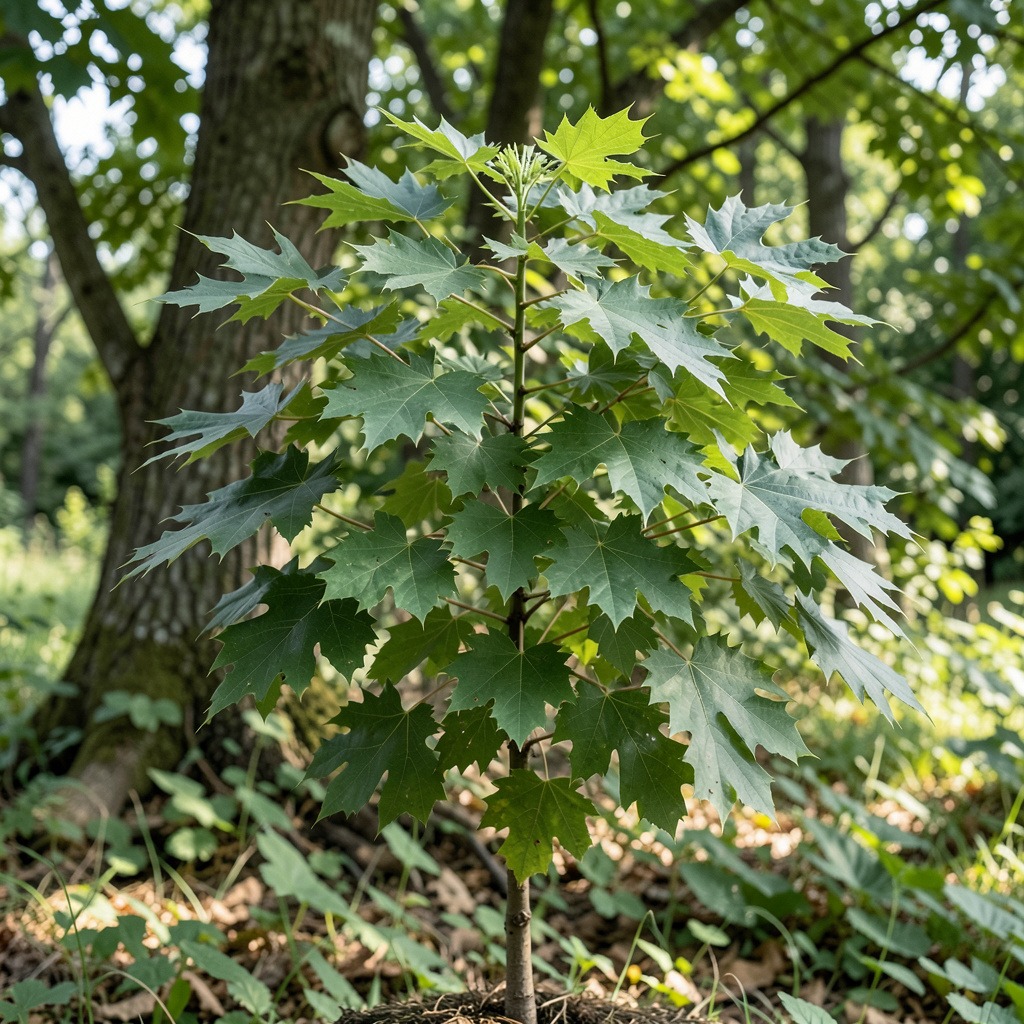
Silver Maple trees are not only valued for their rapid growth but also for their significant ecological contributions. They provide essential habitats and resources that support local wildlife and improve environmental health.
Wildlife Habitat and Food Source
Silver Maples create vital habitats for numerous species. Their large, expansive canopies offer shelter for birds and other wildlife. The tree’s buds and seeds serve as a food source for a variety of birds, including:
- Cardinals
- Goldfinches
- Robins
- Quails
These birds rely on Silver Maple trees during critical feeding periods. Studies indicate that their seeds are particularly nutritious, making them an important part of the local food web.
Erosion Control and Soil Improvement
The root systems of Silver Maples are extensive, helping to stabilize soil and prevent erosion. This is particularly beneficial in urban environments where soil degradation is common. Additionally, Silver Maples contribute to soil health by:
- Improving Soil Structure: Their roots aerate the soil, enhancing its ability to retain moisture and nutrients.
- Increasing Organic Matter: Leaf litter from Silver Maples enriches the soil, promoting microbial activity.
In areas prone to erosion, planting Silver Maples can be an effective strategy for maintaining soil integrity and promoting a healthier ecosystem.
In practical scenarios, homeowners can use Silver Maples to create natural barriers against soil erosion while simultaneously enjoying the tree’s rapid growth and lush foliage. This dual benefit makes Silver Maples an excellent choice for landscaping and environmental restoration projects.
Challenges and Disadvantages of Silver Maple
While Silver Maples offer rapid growth and aesthetic appeal, they also present several challenges, particularly in urban environments. Homeowners should consider these drawbacks before planting to ensure a successful landscape integration.
Weak Wood and Storm Damage
Silver Maples possess a reputation for having weak wood. This characteristic makes them susceptible to storm damage. High winds can easily break branches, posing risks to people and property. Homeowners in storm-prone areas should be mindful of this vulnerability. Regular inspections and pruning can help mitigate these risks.
Invasive Root Systems
Another significant challenge is the invasive nature of Silver Maple roots. They often spread aggressively, seeking water and nutrients. This behavior can disrupt sidewalks, driveways, and even sewer lines. Homeowners should assess their planting locations carefully. Maintaining a distance from hardscapes and underground utilities can prevent costly repairs.
Maintenance Challenges
Despite their rapid growth, Silver Maples require ongoing maintenance. Their large leaves generate considerable litter, particularly in autumn. This debris can clog gutters and create extra work for homeowners. Additionally, the tree’s fast growth might necessitate more frequent pruning to control size and shape. Establishing a routine care schedule is essential for keeping these trees healthy and manageable.
Key Maintenance Considerations:
- Pruning Frequency: Monitor growth and prune annually to prevent overextension.
- Debris Management: Plan for leaf collection in the fall to maintain property cleanliness.
- Root Management: Consider root barriers when planting near structures to minimize disruption.
By understanding these challenges, homeowners can make informed decisions about planting Silver Maples in their landscapes.
Conclusion: Is Silver Maple Right for Your Landscape?
Silver Maple (Acer saccharinum) is a fast-growing tree that offers many benefits but also presents certain challenges. Understanding its growth rate and care requirements is essential for homeowners considering this tree for their landscape.
Growth Rate and Ideal Conditions
Silver Maple is renowned for its rapid growth, often reaching heights of 50–80 feet in optimal conditions. It thrives in moist, well-drained soils and prefers full sun. However, its growth can be stunted in dry or compacted soils.
Care and Maintenance Needs
To ensure healthy growth, consider the following care tips:
- Pruning: Conduct annual pruning to manage size and shape.
- Watering: Ensure consistent moisture, especially during dry spells.
- Pest Management: Monitor for pests like aphids and caterpillars.
Suitability for Different Landscapes
Silver Maple is ideal for:
- Urban Areas: Provides quick shade and wildlife habitat.
- Wetlands: Thrives in waterlogged soils, aiding in erosion control.
However, it may not be suitable for:
- Small Yards: Its wide canopy can overshadow smaller landscapes.
- Areas with Infrastructure: Aggressive roots can damage sidewalks and sewer lines.
Decision Framework for Homeowners
Evaluate your landscape needs against the characteristics of Silver Maple with this checklist:
- Space: Do you have enough room for a large tree?
- Soil Type: Is your soil well-drained and moist?
- Maintenance Commitment: Are you prepared for regular pruning and pest control?
By assessing these factors, you can determine if Silver Maple is the right choice for your landscape.
Frequently Asked Questions
These quick answers cover the most common questions about this topic, including key details, practical tips, and common concerns.
What are the disadvantages of silver maple?
Silver Maples have several disadvantages that potential owners should consider. One major issue is their weak wood, which makes them prone to breakage in storms or high winds. This can pose safety risks and lead to property damage. Additionally, their aggressive root systems can disrupt sidewalks, driveways, and underground utilities, leading to costly repairs.
Another concern is the significant litter they produce, especially during autumn. The large leaves can clog gutters and create extra maintenance work. Homeowners should be prepared for regular clean-up and root management to mitigate these issues.
How tall is a 10-year-old silver maple?
A 10-year-old Silver Maple typically reaches a height of about 20 to 30 feet, depending on environmental conditions and care. Under optimal growth conditions, including sufficient sunlight and moisture, these trees can grow rapidly, averaging 3 to 7 feet per year during their early years. Regular maintenance and care can enhance their growth potential.
Is silver maple a good yard tree?
Silver Maple can be a good yard tree if you have ample space and the right conditions. They provide quick shade and are adaptable to various soil types. However, their aggressive roots and weak wood may pose challenges in urban settings or smaller yards. If you choose to plant a Silver Maple, ensure it is away from structures and pathways to minimize potential damage.
How long does it take for a silver maple tree to mature?
Silver Maples typically take around 10 to 15 years to reach maturity, where they can achieve their full height of 50 to 80 feet. During this time, proper care, including watering and pruning, is essential to support their growth. Mature trees can live for 30 to 50 years, making them a long-term investment for your landscape.
What common pests affect silver maple?
Silver Maples can be affected by several pests, including aphids, caterpillars, and borers. Aphids can cause leaf curling and yellowing, while caterpillars may defoliate the tree. Borers can weaken the tree by tunneling through the wood. Regular monitoring and appropriate pest management strategies, such as insecticidal soaps or natural predators, can help protect your tree.
When is the best time to prune silver maple trees?
The best time to prune Silver Maple trees is in late winter or early spring, just before new growth begins. This timing minimizes stress on the tree and allows for better healing. Focus on removing dead or crossing branches to maintain a balanced canopy and promote healthy growth.
How long for roots to form on a silver maple tree?
Silver Maple trees typically establish their root systems within the first year after planting. However, it can take several years for the roots to fully develop and spread out. Providing consistent moisture and proper care during this establishment phase is crucial for robust root growth, which supports the tree’s overall health and growth rate.