
Silver maples can be identified by their deeply lobed leaves with silvery undersides, shaggy bark, and large paired samaras.
Silver maples (Acer saccharinum) are distinctive trees known for their unique characteristics that set them apart from other maple species. Understanding their identification features is crucial for enthusiasts and landscapers alike, especially in areas where they’re commonly planted.
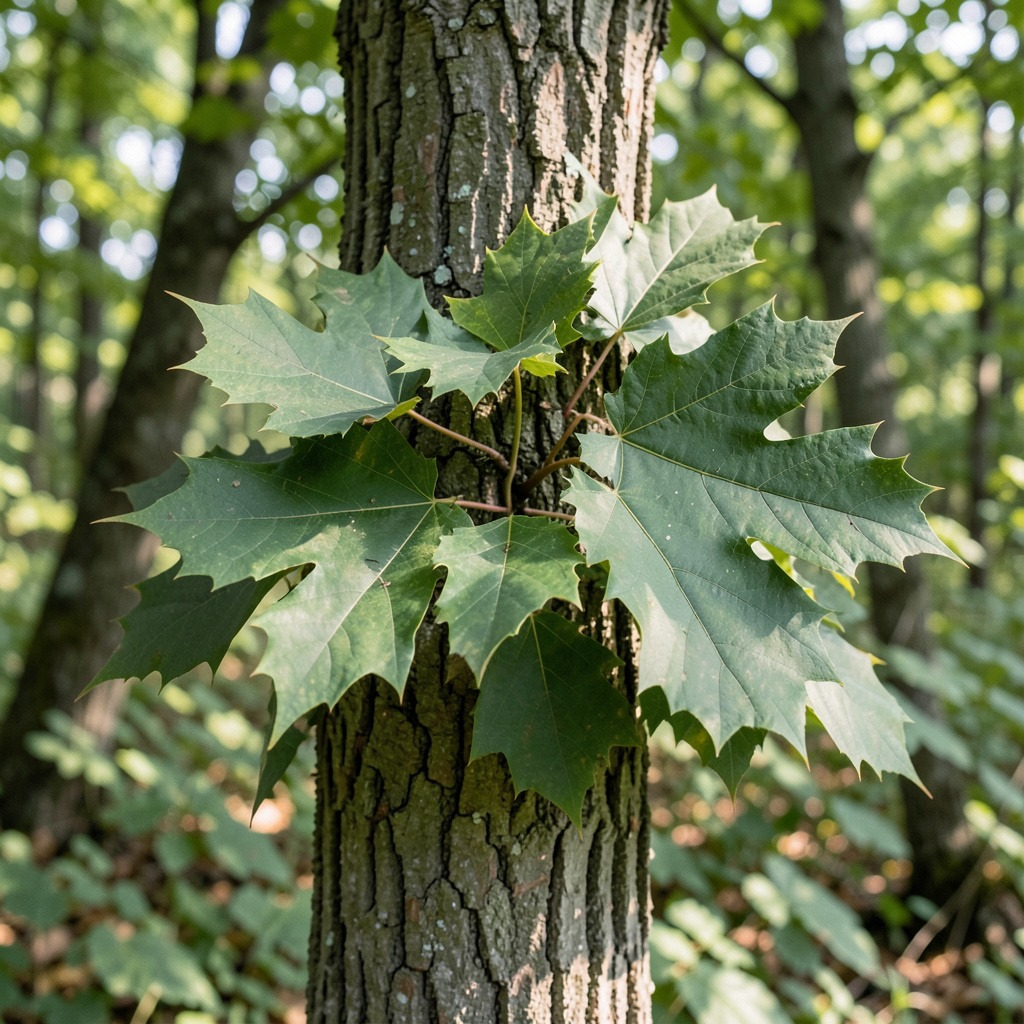
Key Identification Features of Silver Maple
Identifying silver maples (Acer saccharinum) involves examining their leaves, bark, and seeds. Each of these features provides crucial clues for accurate identification.
Distinctive Leaf Characteristics
Silver maple leaves are a primary identification feature. They possess the following traits:
- Shape: Deeply lobed, typically five lobes with sinuses extending nearly to the midrib.
- Color: The upper surface is a rich green, while the underside showcases a silvery-white or gray hue.
- Size: Leaves generally measure 5-6 inches long and 3-4 inches wide.
- Margin: The edges of the leaves have large, serrated teeth.
In comparison, both red and sugar maple leaves have shallower lobes and different undersides. Notably, sugar maple leaves are pale green underneath, while red maple leaves have more serrated edges.
Bark Texture and Color
The bark of silver maples evolves significantly with age:
- Young Trees: Smooth and light gray.
- Mature Trees: Dark gray, scaly, and often breaks into loose, shaggy plates. This differentiates them from Norway maples, which maintain tight bark with shallow ridges.
Understanding the bark’s texture and appearance helps in distinguishing silver maples from similar species.
Table of Contents
Seed Structure and Growth Habit
Silver maples produce distinctive samaras, or seeds:
- Shape: The seeds form a wide horseshoe shape, unlike Norway maples whose seeds spread nearly flat.
- Drop Time: Silver maple seeds drop in May, while Norway maple seeds fall in the fall.
In terms of growth, silver maples can reach up to 100 feet tall with an oval to obovoid crown. They tend to have large, upward-arching branches that develop early, making them unsuitable for lumber.
Checklist for Identification:
- Look for deeply lobed leaves with a silvery underside.
- Check the bark texture; mature trees will have shaggy plates.
- Observe the samaras for their distinctive horseshoe shape and early drop in spring.
By focusing on these characteristics, you can confidently identify silver maples and differentiate them from other maple species.
Comparing Silver Maple with Red and Sugar Maples
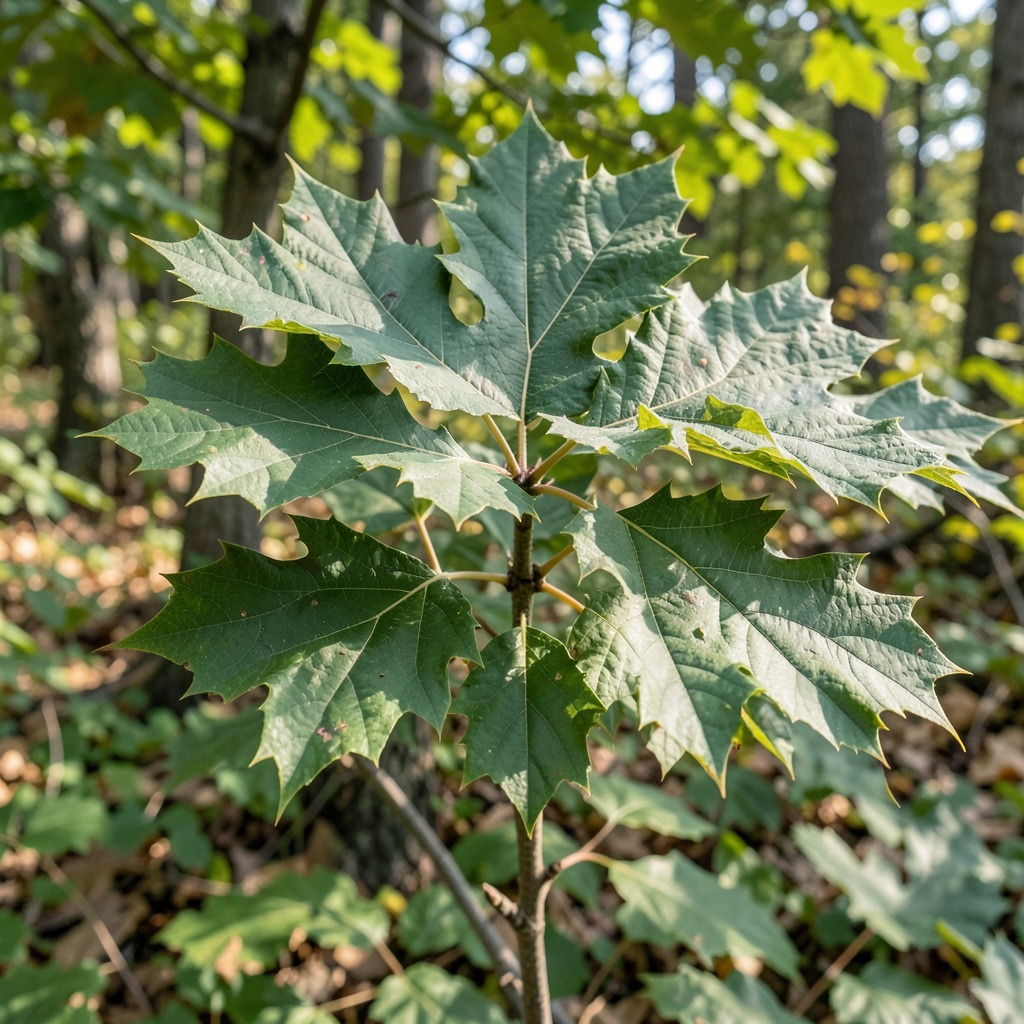
Understanding the differences between silver maple, red maple, and sugar maple is crucial for accurate identification. Each species has unique features that set them apart.
Leaf and Bark Comparison
The leaves and bark are primary identification features among these maples. Here’s a comparison:
| Feature | Silver Maple | Red Maple | Sugar Maple |
|---|---|---|---|
| Leaf Shape | Deeply lobed, silvery-white underside | Serrated edges, bright green | Broad, shallow lobes, green |
| Leaf Size | 4-6 inches wide | 2-5 inches wide | 3-5 inches wide |
| Bark Texture | Shaggy, grayish-brown plates | Smooth with thin, flat plates | Dark gray, rougher texture |
| Fall Color | Pale yellow to golden | Vivid reds, oranges, yellows | Bright yellow, orange, or red |
Silver maple leaves feature deep lobes that extend nearly to the midrib, making them easily distinguishable from the shallower lobes of sugar and red maples. The bark of silver maples is shaggy, while red maples display smooth, flat plates.
Growth and Habitat Differences
Each maple species has specific growth patterns and habitat preferences:
| Feature | Silver Maple | Red Maple | Sugar Maple |
|---|---|---|---|
| Height | Up to 100 feet | 40-60 feet | 60-75 feet |
| Crown Shape | Oval to obovoid | Rounded | Broad, dense |
| Habitat | Moist, well-drained soils | Wet, acidic soils | Rich, well-drained soils |
Silver maples thrive in moist environments and can reach significant heights, making them suitable for larger landscapes. Red maples prefer wetter soils, while sugar maples favor well-drained, rich soils.
Common Uses and Preferences
The uses of these maples vary based on their characteristics:
- Silver Maple: Common in urban landscapes due to rapid growth; often used for shade.
- Red Maple: Valued for its stunning fall color; used in parks and residential areas.
- Sugar Maple: Known for its sap used in syrup production; preferred for its strong wood.
When choosing a maple for landscaping, consider the growth habits and environmental needs. Silver maples are excellent for quick shade, while red and sugar maples offer aesthetic appeal and other benefits.
Environmental Impact and Care Requirements of Silver Maples
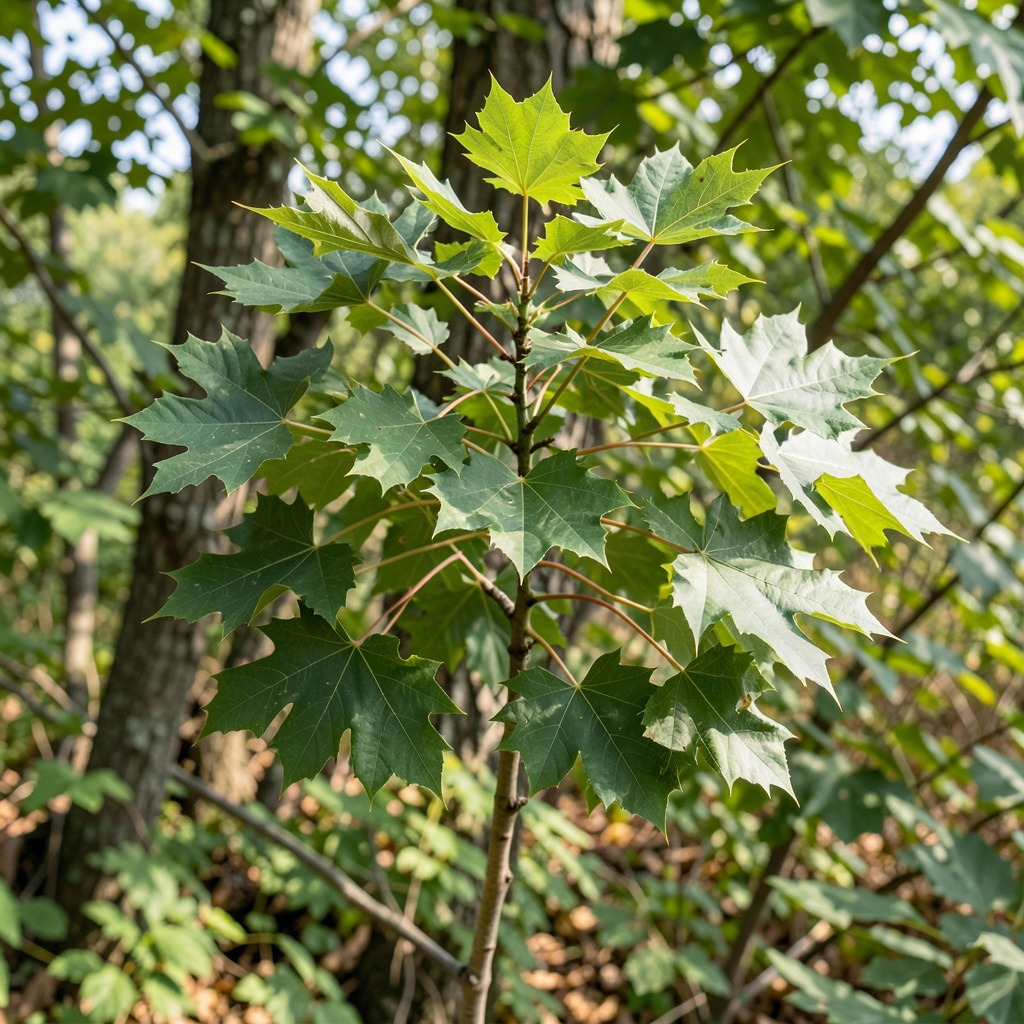
Silver maples play a crucial ecological role. They provide habitat and food for various wildlife. Their adaptability to different soil types makes them a common choice for urban landscaping. However, proper care is essential for optimal growth and longevity.
Adaptability to Soil and Conditions
Silver maples thrive in a variety of soil conditions. They prefer moist, well-drained soils but can tolerate wetland areas. Here are key points about their adaptability:
- Soil Types: They grow in sandy, loamy, and clay soils.
- Moisture: They excel in areas with high moisture, such as floodplains.
- pH Levels: They tolerate a wide range of soil pH, from acidic to alkaline.
- Urban Tolerance: Silver maples withstand urban pollution and compacted soils.
Common Pests and Diseases
While generally robust, silver maples are susceptible to certain pests and diseases. Awareness of these issues helps in maintaining their health:
- Pests: Common pests include aphids, scales, and borers.
- Diseases: Watch for leaf spot, root rot, and cankers.
- Management: Regular inspections and prompt treatment can mitigate these problems.
Care Tips for Homeowners
To ensure healthy growth, follow these care tips:
- Watering: Ensure adequate moisture, especially during dry spells.
- Pruning: Prune in late winter to remove dead or crossing branches.
- Fertilizing: Use a balanced fertilizer in early spring to promote growth.
- Mulching: Apply mulch around the base to retain moisture and suppress weeds.
When selecting a silver maple for your landscape, consider its rapid growth. This can provide quick shade but may also require more frequent maintenance due to its size and branch structure.
Common Issues and Downsides of Silver Maple Trees
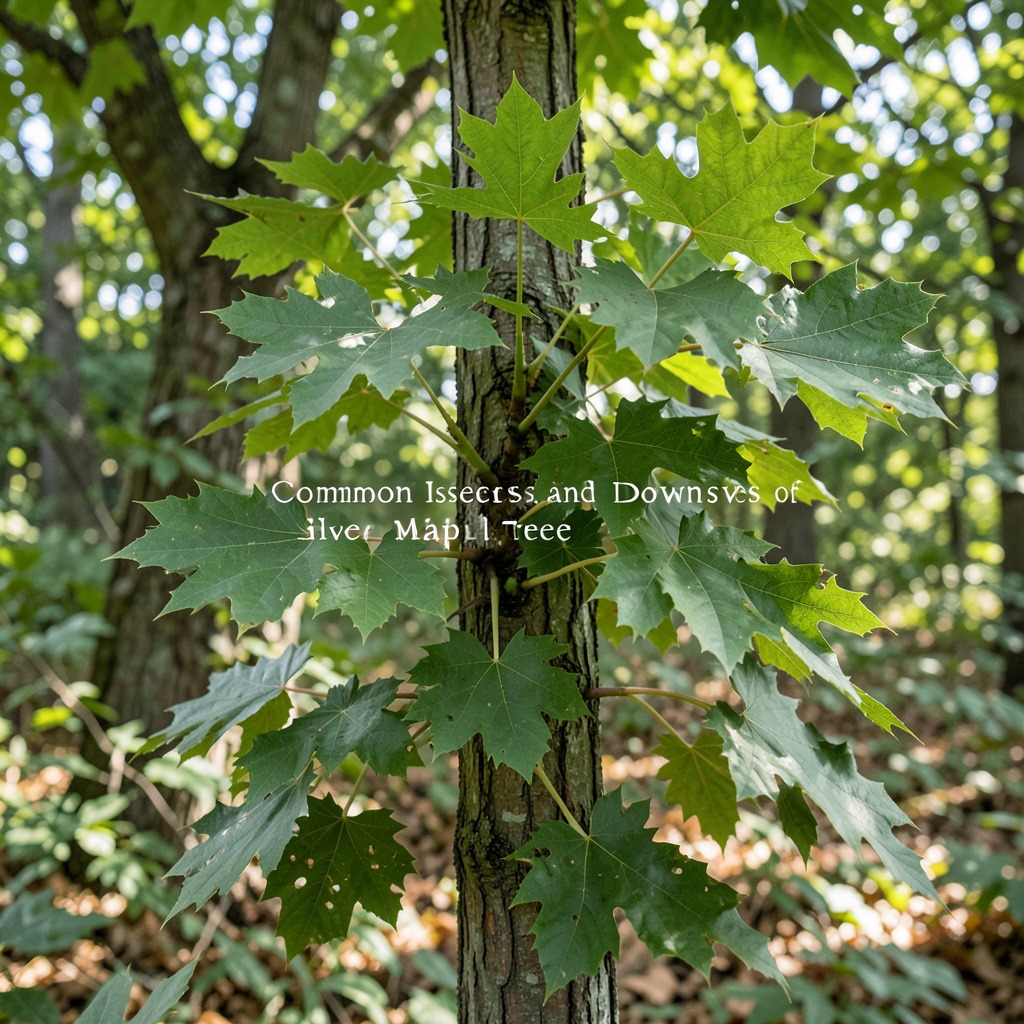
Silver maples are valued for their rapid growth and aesthetic appeal. However, they come with notable challenges that can impact their viability in various landscapes.
Structural Weaknesses
Silver maples grow quickly, which can lead to structural weaknesses in their wood. This rapid growth results in branches that may not be strong enough to withstand severe weather conditions.
- Brittle Wood: The wood is prone to breaking during storms, causing potential hazards.
- Pruning Needs: Regular pruning is necessary to manage weak branches and reduce risk.
Invasive Root Systems
The root systems of silver maples can be problematic, especially in urban settings. Their aggressive growth can disrupt nearby infrastructure.
- Foundation Damage: Roots can invade foundations, sidewalks, and sewer lines.
- Surface Roots: Shallow roots may create uneven surfaces, posing tripping hazards.
Environmental Concerns
While silver maples provide shade, their environmental impact can be significant. They are often considered less suitable in certain climates due to their specific needs.
- Water Consumption: Silver maples require ample water, which can strain local resources during dry periods.
- Invasive Species: In some regions, they may outcompete native species, altering local ecosystems.
Real-Life Consideration: Urban Planting
Consider a scenario where a homeowner chooses to plant silver maples along a city street. While they appreciate the immediate shade, they soon discover issues with branch breakage during storms and root encroachment into sidewalks. This scenario illustrates the need for careful consideration before planting silver maples in urban environments.
Checklist for Potential Planting
Before selecting silver maples for your landscape, evaluate these factors:
- Assess local soil and water availability.
- Consider potential structural issues with nearby buildings or sidewalks.
- Determine if you are equipped to manage aggressive pruning and maintenance.
By understanding these common issues, you can make informed decisions about silver maple identification and their suitability for your landscape.
Practical Tips for Identifying Silver Maples in Different Seasons
Identifying silver maples throughout the seasons ensures a comprehensive understanding of their unique characteristics. Each season offers distinct visual cues that aid in recognition.
Seasonal Leaf Changes
Silver maple leaves exhibit noticeable transformations throughout the year:
- Spring: New leaves emerge bright green with a silvery underside. The leaves are 3 to 6 inches wide, deeply lobed, and arranged oppositely on the stem.
- Summer: Leaves are fully developed, showcasing their characteristic silvery hue beneath. This shimmering effect becomes prominent as the wind rustles through the canopy.
- Fall: Foliage turns from green to pale yellow or golden. Unlike red maples, which display vibrant reds, silver maples provide a softer autumn palette.
Bark Appearance Over Time
The bark of silver maples also changes with age, aiding in identification:
- Young Trees: Smooth and grayish-brown bark.
- Mature Trees: Develops shallow fissures and a more rugged texture, often exhibiting a darker, scaly appearance.
Seed Production and Timing
Understanding the reproductive cycle of silver maples helps in identification:
- Samaras: The seeds, known as samaras, are larger than those of red maples and have a characteristic wing shape.
- Timing: Silver maple seeds typically ripen between April and May, about 3 to 6 weeks earlier than red maples. This can be critical for identifying the species in spring.
Quick Identification Checklist
To facilitate identification, consider the following checklist:
- Leaf Shape: Deeply lobed, opposite arrangements.
- Underleaf Color: Silvery-white, especially noticeable in the wind.
- Bark Texture: Smooth when young, becomes scaly and fissured with age.
- Seed Size: Larger samaras compared to red maple.
These characteristics will help you confidently identify silver maples in various seasons and settings.
Frequently Asked Questions
These quick answers cover the most common questions about this topic, including key details, practical tips, and common concerns.
Are there different types of silver maple trees?
Yes, there are variations within the silver maple species, primarily based on environmental adaptations. While Acer saccharinum is the main species, you may encounter cultivars that exhibit different growth habits or leaf shapes. However, these differences are generally subtle and do not constitute separate species.
What are the downsides of silver maple trees?
Silver maples have several drawbacks. They grow rapidly, which can lead to weak wood and brittle branches that break easily during storms. Additionally, their aggressive root systems can damage sidewalks, foundations, and underground utilities. Regular maintenance is often required to manage these issues.
How do I identify which type of maple tree I have?
To identify your maple tree, start by examining its leaves, bark, and seeds. Silver maples have deeply lobed leaves with a silvery underside, shaggy gray bark, and distinctive horseshoe-shaped samaras. Compare these features with those of red and sugar maples to determine the species.
How do silver maples compare to other maple species?
Silver maples differ from red and sugar maples in several ways. Silver maples have deeper lobes on their leaves and a silvery underside, while red maples feature serrated edges and vibrant fall colors. Sugar maples have broader, shallower lobes and are renowned for their syrup production. Each species also varies in growth habits and habitat preferences.
What are the downsides of planting silver maple trees?
Planting silver maples can lead to several challenges. Their rapid growth may result in weak branches that require frequent pruning. Additionally, their invasive root systems can disrupt nearby structures and landscaping. They also demand ample moisture, which can strain local water resources during dry spells.
When do silver maples drop their seeds?
Silver maples typically drop their seeds in late spring, around May. The seeds, known as samaras, have a unique wing shape that helps them disperse. This early seed drop can provide a competitive advantage over other tree species that drop seeds later in the year.
What care do silver maples require?
Silver maples thrive in moist, well-drained soils and require regular watering, especially during dry spells. They benefit from annual pruning to remove weak branches and promote healthy growth. Additionally, applying mulch around the base can help retain moisture and suppress weeds. Regular inspections for pests and diseases will also help maintain their health.