
The lifespan of a silver maple tree typically ranges from 100 to 130 years, with some specimens living over 150 years under optimal conditions, influenced by care, soil quality, and environmental factors.
Silver maples, known for their rapid growth and attractive foliage, can live between 100 to 130 years on average. However, various factors, including environmental conditions and maintenance practices, significantly impact their longevity.
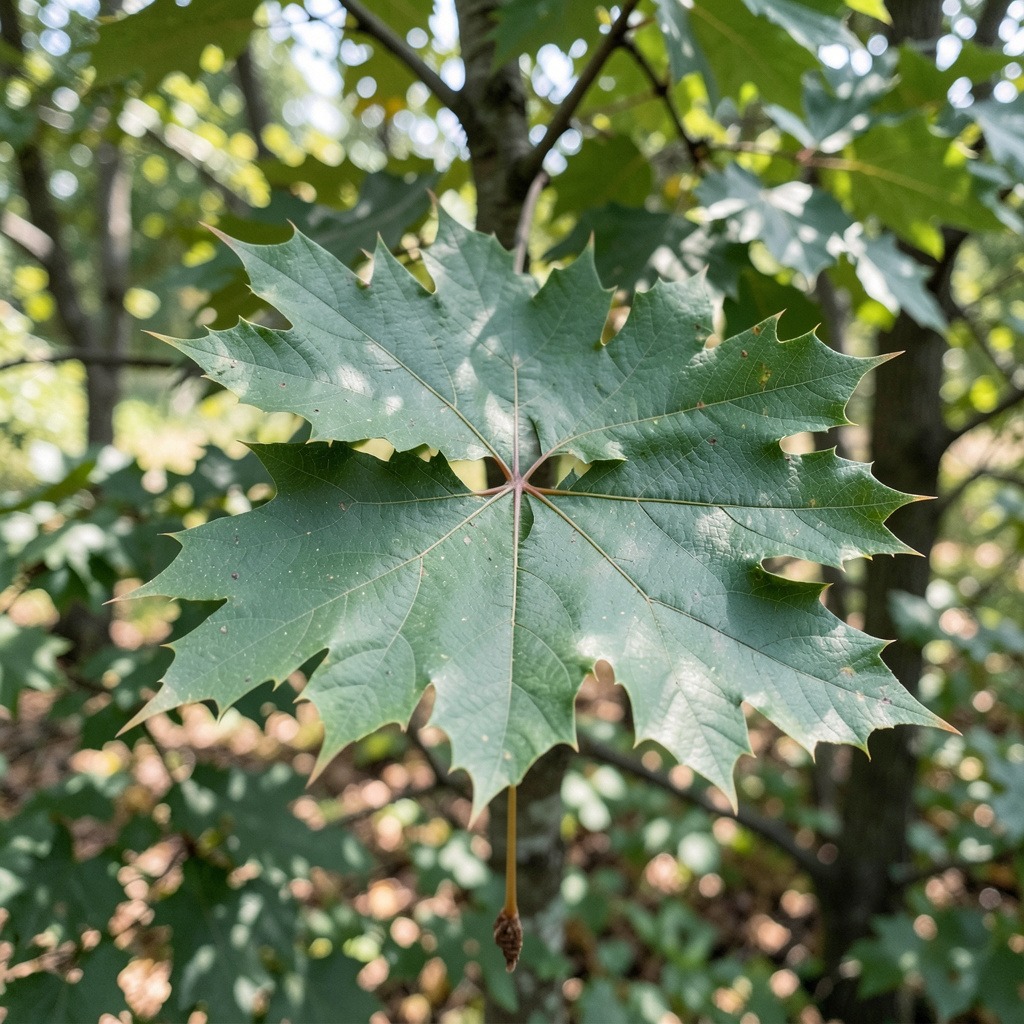
Overview of Silver Maple Lifespan
Silver maples (Acer saccharinum) typically have an average lifespan of 100 to 130 years. However, under optimal conditions, some may thrive for longer, reaching up to 150 years. Their longevity varies significantly based on environmental factors and maintenance practices.
Comparison with Other Maple Species
When compared to other maple species, silver maples tend to have a shorter lifespan than some of their counterparts. For instance:
- Sugar Maple (Acer saccharum): Often lives 200 to 300 years.
- Red Maple (Acer rubrum): Usually lives 80 to 120 years.
This difference highlights the unique growth dynamics and care needs of silver maples.
Factors Influencing Longevity
Several key factors can influence the lifespan of a silver maple:
- Soil Quality: Silver maples prefer moist, well-drained soils. Poor drainage can lead to root rot and limit their lifespan.
- Environmental Conditions: Trees in urban settings may experience stress from pollution and compacted soil, negatively impacting their health.
- Pests and Diseases: Common threats include:
- Verticillium Wilt: A disease that can cause premature decline.
- Silver Maple Borer: An insect that can weaken the tree.
Care and Maintenance Tips
To enhance the longevity of silver maples, consider the following best practices:
Table of Contents
- Regular Pruning: Remove dead or diseased branches to promote healthy growth.
- Soil Amendments: Improve drainage and nutrient levels with organic matter.
- Watering: Ensure consistent moisture, especially during dry spells.
By implementing these strategies, you can help maximize the lifespan of your silver maple, allowing it to thrive for generations.
Key Factors Influencing Lifespan
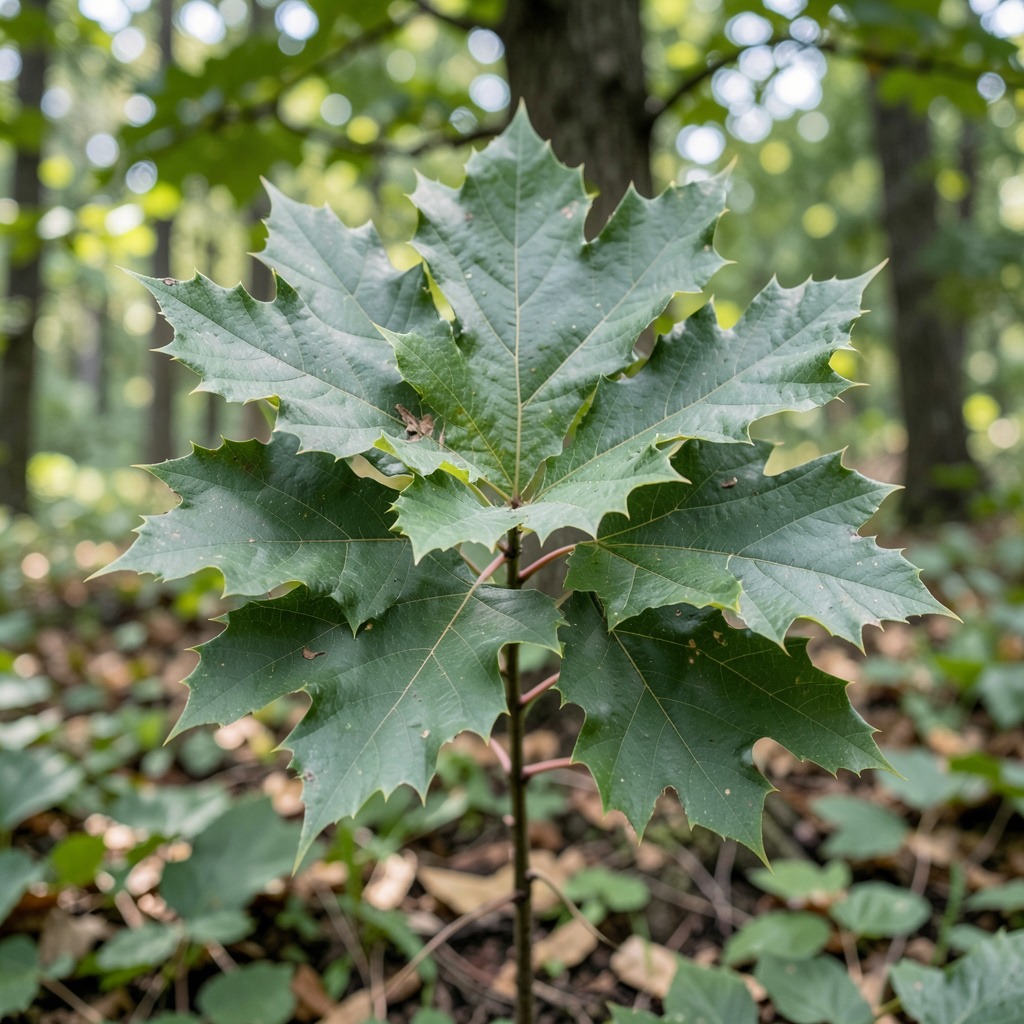
The lifespan of silver maples is significantly influenced by their environmental conditions, soil quality, and maintenance practices. Understanding these factors is essential for promoting longevity in these trees.
Environmental Conditions
Silver maples thrive in specific environments. They prefer locations near water sources, such as rivers and wetlands. These areas provide the moisture and nutrients necessary for healthy growth. In contrast, urban settings with compacted soil and limited access to water can shorten their lifespan.
Key Environmental Factors:
- Sunlight: Silver maples require full sun to thrive. Aim for at least six hours of direct sunlight daily.
- Moisture: Consistent moisture levels are crucial. Avoid planting in dry or drought-prone areas.
- Protection from Damage: Ensure trees are not exposed to excessive storm damage or physical stress from nearby structures.
Soil Quality and Water Access
Soil quality plays a pivotal role in the health of silver maples. They flourish in moist, fertile soils, typically found along floodplains. Poor soil quality can lead to stunted growth and a decreased lifespan.
Soil Conditions Checklist:
- Fertility: Use organic matter to enhance soil fertility. Compost and well-rotted manure are effective amendments.
- Drainage: Ensure the soil drains well. Heavy clay can suffocate roots, while sandy soils may dry out too quickly.
- pH Level: Ideal soil pH for silver maples ranges from 6.0 to 7.5. Test the soil and amend as necessary.
Proper Care and Maintenance
Regular maintenance is vital for maximizing the lifespan of silver maples. Implementing a proactive care routine can mitigate the risks of diseases and pests.
Care Practices for Longevity:
- Regular Pruning: Remove dead or diseased branches annually. This prevents disease spread and encourages healthy growth.
- Monitoring for Pests: Keep an eye out for common threats like the silver maple borer. Early detection can prevent severe damage.
- Adequate Watering: During dry spells, ensure the tree receives consistent moisture. Deep watering encourages root growth.
By adhering to these guidelines, you can enhance the longevity of your silver maple trees, allowing them to thrive in their environment.
Common Diseases and Pests Affecting Silver Maples
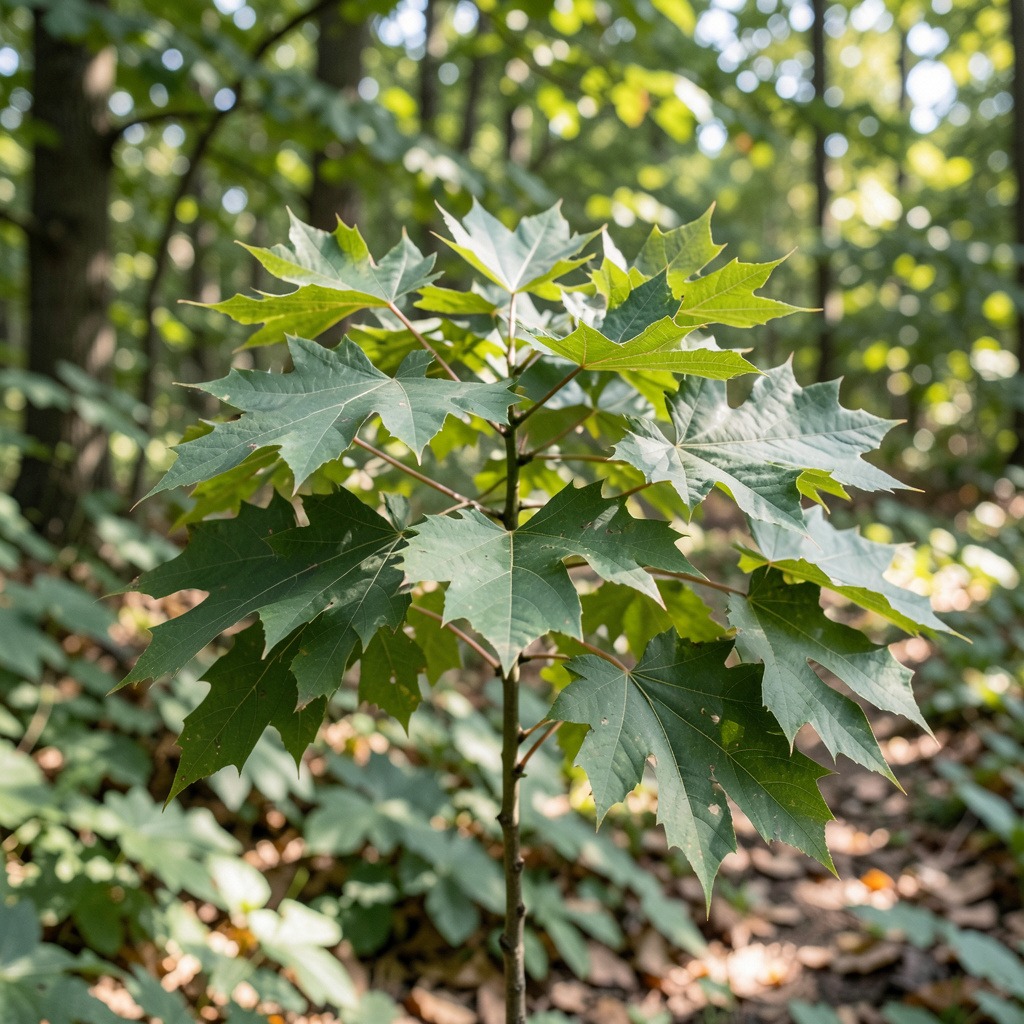
Silver maples, while resilient, are susceptible to various diseases and pests that can significantly shorten their lifespan. Recognizing these threats early is crucial for effective management.
Identifying Common Diseases
1. Verticillium Wilt
This fungal disease causes leaves to wilt and turn yellow. It often leads to branch dieback. Managing soil health and ensuring proper drainage can help mitigate this issue.
2. Tar Spot Fungus
Characterized by black, tar-like spots on leaves, this fungus can weaken the tree. Regular cleaning of fallen leaves and improving air circulation around the canopy can reduce its impact.
3. Canker Diseases
Cankers appear as sunken areas on branches and can lead to dieback. Pruning affected branches and maintaining tree health can prevent the spread.
Pest Management Strategies
1. Silver Maple Borer
This wood-boring insect can cause significant damage by tunneling through the trunk. Look for signs of sawdust around the base. Regular inspections and targeted insecticide applications can help control infestations.
2. Aphids
These small pests can cause leaf curling and weaken the tree. Beneficial insects, like ladybugs, can naturally control aphid populations.
3. Spider Mites
These tiny pests thrive in dry conditions and can lead to leaf discoloration. Increasing humidity around the tree and using insecticidal soap can effectively manage these pests.
Expert Insights on Integrated Pest Management
Implementing an integrated pest management (IPM) approach is essential for maintaining silver maples’ health. Monitor trees regularly for early signs of disease and pest activity. Use a combination of cultural, biological, and chemical controls to address issues without harming the tree or surrounding ecosystem.
For instance, one case study showed a silver maple recovering from severe verticillium wilt through improved soil aeration and timely pruning. This approach not only extended the tree’s lifespan but also restored its vigor.
By staying vigilant and proactive, you can significantly enhance the longevity of your silver maple trees.
Best Practices for Care and Maintenance
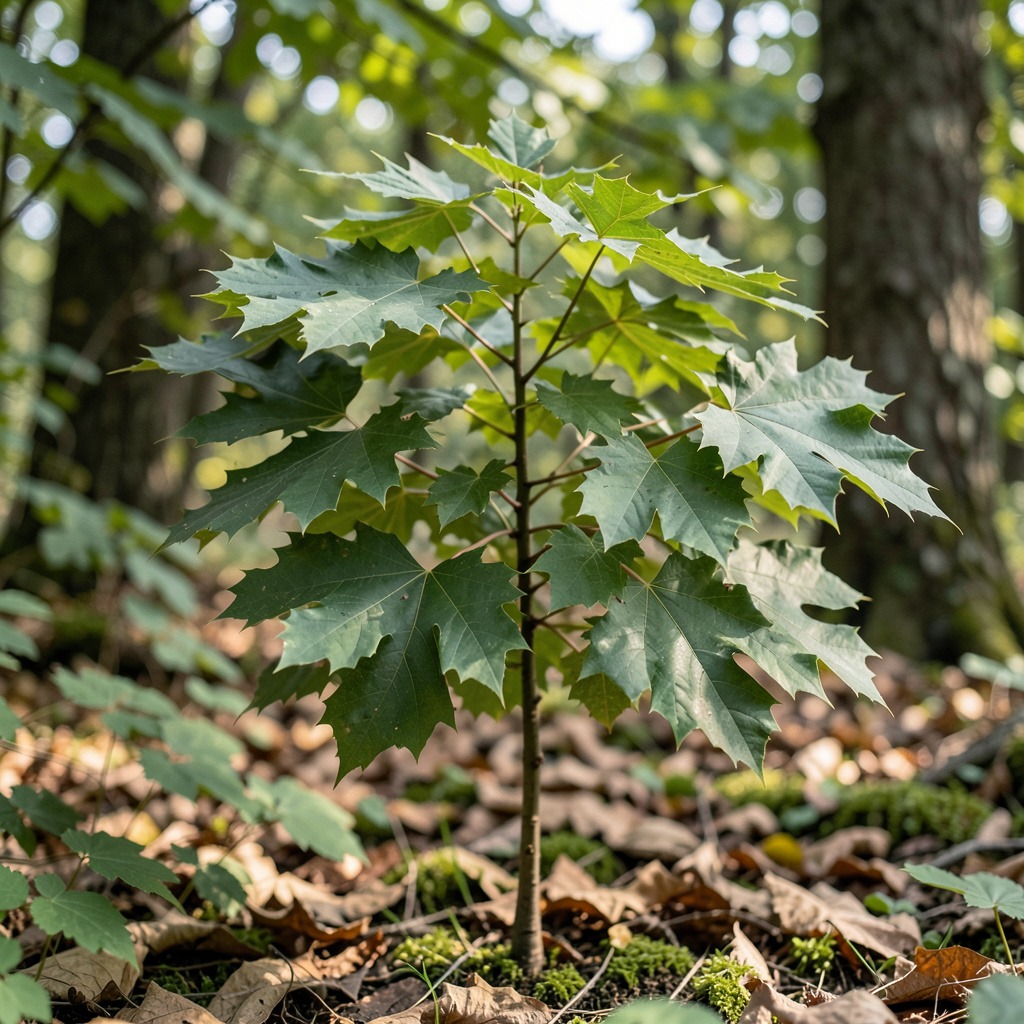
To extend the lifespan of silver maples, proper care techniques are essential. Focusing on pruning, watering, and monitoring for health issues can significantly enhance the health and longevity of these trees.
Pruning Techniques for Longevity
Regular pruning is vital for maintaining the structure and health of silver maples. Follow these guidelines for effective pruning:
- Timing: Prune in late winter or early spring while the tree is still dormant. Avoid heavy pruning during the sap flow in spring to prevent excessive bleeding.
- Technique: Remove weak, damaged, or crossing branches. This practice reduces the risk of storm damage and promotes structural integrity.
- Frequency: Conduct routine maintenance pruning every few years. This keeps the tree healthy and encourages robust growth.
Example Scenario:
Consider a 20-year-old silver maple in your yard. It has several weak branches that could pose a risk during storms. By pruning these branches now, you not only protect the tree but also promote healthier growth in the years to come.
Watering and Soil Amendments
Proper watering and soil care are crucial for silver maple longevity.
- Watering: Ensure consistent moisture, especially during dry spells. Deep watering encourages root development.
- Soil Quality: Silver maples thrive in well-drained, nutrient-rich soils. Amend compacted or poor soil with organic matter to improve drainage and nutrient retention.
Checklist for Optimal Watering:
- Water deeply once a week in dry conditions.
- Use mulch to retain soil moisture and regulate temperature.
- Test soil pH and nutrient levels annually, adjusting as needed.
Monitoring Tree Health
Regular monitoring helps detect issues early, which is essential for extending the lifespan of silver maples.
- Signs of Stress: Look for yellowing leaves, stunted growth, or visible pests. These can indicate underlying problems.
- Disease Awareness: Be vigilant for common diseases like verticillium wilt. Early intervention can prevent spread and promote recovery.
Decision Rule:
If you notice more than 20% of the tree showing signs of distress, consult an arborist. They can provide tailored advice for your specific situation and help you implement a management plan.
By following these best practices for care and maintenance, you can significantly improve the lifespan and health of your silver maple trees.
Silver Maple vs. Other Maple Species
When considering the lifespan and growth characteristics of silver maple, it’s essential to compare it with other common species like sugar maple and red maple. Each species has distinct traits that influence their longevity and suitability for various environments.
Lifespan Comparison
| Maple Species | Average Lifespan | Growth Rate | Preferred Conditions |
|---|---|---|---|
| Silver Maple | 30-50 years | 3-7 feet/year | Wet soils, full sun |
| Sugar Maple | 100-300 years | 1-2 feet/year | Well-drained soils, partial shade |
| Red Maple | 60-80 years | 2-3 feet/year | Varied soils, full sun to partial shade |
Growth Characteristics
- Silver Maple (Acer saccharinum): Known for its rapid growth, the silver maple can reach heights of 50 to 80 feet. It thrives in wet environments but is less durable due to its softer wood. This can limit its lifespan to about 30 to 50 years.
- Sugar Maple (Acer saccharum): This species is much longer-lived, often reaching up to 300 years. It grows more slowly, making it a stable choice for landscapes needing longevity and resilience.
- Red Maple (Acer rubrum): Similar to silver maple in adaptability, red maples grow quickly but have a longer lifespan of about 60 to 80 years. They can thrive in various soil types, which contributes to their longevity.
Care and Maintenance Needs
- Silver Maple: Requires regular pruning to manage its aggressive growth and reduce the risk of disease. Avoid planting near structures due to invasive roots.
- Sugar Maple: Prune sparingly. This tree benefits from monitoring soil quality and moisture levels to ensure healthy growth.
- Red Maple: Similar to silver maple, red maples need regular pruning and thrive with proper soil conditions. They are more resistant to pests and diseases compared to silver maples.
Understanding these differences can help you make informed decisions about which maple species best suits your landscape and longevity goals. For example, if you prioritize quick growth but can manage the associated risks, silver maple may be suitable. Conversely, for long-term investment in your landscape, sugar maple offers durability and a longer lifespan.
Urban Planting Considerations for Silver Maples
Planting silver maples in urban environments presents unique challenges and advantages. Understanding these factors is crucial for maximizing their lifespan and health.
Root Management Challenges
Silver maples have aggressive root systems that can disrupt urban infrastructure. Their shallow, fibrous roots can invade septic systems, crack sidewalks, and damage foundations. Effective root management strategies are essential to mitigate these issues:
- Choose Planting Location Wisely: Select a location that offers ample space away from sidewalks and underground utilities. Large yards or park areas are ideal.
- Use Root Barriers: Installing root barriers can help direct root growth downward, reducing surface disruption.
- Monitor Tree Growth: Regularly inspect the growth pattern of the tree. Early intervention can prevent root-related issues.
Space Considerations
The size and growth rate of silver maples necessitate adequate space to thrive. Their rapid growth can lead to overcrowding in smaller urban plots. Here are some key considerations:
- Ensure Sufficient Canopy Space: Aim for a planting area that allows for a full canopy spread of 40 to 60 feet.
- Plan for Height: Given that they can reach heights of 50 to 80 feet, ensure there are no overhead obstructions such as power lines.
- Consider Neighboring Trees: Plant silver maples at least 20 to 30 feet away from other trees to reduce competition for nutrients and sunlight.
Expert Tips for Urban Care
Urban environments often impose additional stressors on silver maples, such as pollution and compacted soil. Expert advice can help improve their resilience:
- Regular Pruning: Pruning helps maintain a strong structure and reduces the risk of storm damage. Aim for light, annual pruning to remove weak branches.
- Soil Amendments: Enhance soil quality with organic matter to improve drainage and nutrient availability. This is particularly important in compacted urban soils.
- Water Management: Ensure consistent moisture, especially during dry spells. Silver maples thrive in moist conditions, so consider implementing a watering schedule.
By addressing these urban planting considerations, you can significantly enhance the longevity and health of silver maples in your landscape.
Frequently Asked Questions
These quick answers cover the most common questions about this topic, including key details, practical tips, and common concerns.
What are the disadvantages of silver maple?
Silver maples have a few notable disadvantages. They are known for their aggressive growth, which can lead to structural weaknesses. Their wood is relatively soft, making them more susceptible to storm damage compared to other hardwoods. Additionally, silver maples have invasive roots that can disrupt sidewalks, foundations, and underground utilities.
Another concern is their susceptibility to pests and diseases, such as the silver maple borer and verticillium wilt. These issues can significantly impact their health and lifespan, especially in urban environments.
How do I know if my silver maple tree is dying?
Signs that your silver maple may be dying include yellowing leaves, premature leaf drop, and wilting branches. You might also notice dead patches in the canopy or visible signs of pests, such as holes in the bark or sawdust at the base of the tree.
If you observe these symptoms, check the soil for moisture levels and signs of root rot. Consulting an arborist can provide a professional assessment and recommendations for care.
How tall is a 10-year-old silver maple?
A 10-year-old silver maple typically reaches a height of about 20 to 30 feet, depending on its growing conditions. These trees are known for their rapid growth rate, which can be as much as 3 to 7 feet per year under optimal conditions.
Factors such as soil quality, sunlight, and water availability significantly influence their height during this period.
How far should silver maple be from the house?
Silver maples should ideally be planted at least 20 to 30 feet away from your house. This distance helps prevent potential damage from their invasive root systems and minimizes the risk of branches interfering with the structure.
Proper spacing also allows the tree to grow to its full height and spread without obstruction, promoting better health and longevity.
What are the best practices for pruning silver maple?
To prune silver maples effectively, follow these best practices:
- Timing: Prune in late winter or early spring while the tree is dormant to minimize sap loss and stress.
- Technique: Remove dead, weak, or crossing branches to improve airflow and reduce disease risk. Focus on maintaining a strong central leader.
- Frequency: Conduct routine maintenance pruning every few years to keep the tree healthy and encourage robust growth.
By adhering to these guidelines, you can enhance the structural integrity and longevity of your silver maple.
How old is a silver maple tree with a 6-foot diameter?
A silver maple tree with a 6-foot diameter is typically around 30 to 40 years old. The growth rate of silver maples can vary based on environmental conditions, but they generally reach this diameter within a few decades.
To estimate age more accurately, you can measure the circumference of the trunk and use growth rate averages specific to your region.
What are common problems with silver maples?
Common problems with silver maples include susceptibility to diseases like verticillium wilt and pests such as the silver maple borer. These issues can lead to premature decline and affect the tree’s overall health.
Urban conditions, such as compacted soil and pollution, can exacerbate these problems. Regular monitoring and proactive care, including proper pruning and soil management, are essential for maintaining their health.