
Silver maple trees thrive in well-drained, moist soil and should be planted in a sunny location at least 30 feet away from structures to ensure healthy growth and minimize future issues.
Table of Contents
Silver maples are fast-growing trees valued for their aesthetic appeal and ecological benefits. This guide will walk you through the essential steps for planting and nurturing silver maples, ensuring they thrive in your landscape while addressing common concerns.

Understanding Silver Maple Trees
Silver maples, scientifically known as Acer saccharinum, are distinguished by their rapid growth and striking appearance. They are valued not only for their beauty but also for their ecological contributions. Understanding their characteristics and native range can help ensure their successful planting and care.
Characteristics of Silver Maple
Silver maples are large deciduous trees, typically reaching heights of 50 to 100 feet. They feature:
- Leaves: Green on the top with a silvery-white underside, serrated edges, and distinctive V-shaped sinuses.
- Bark: Gray-brown, with shallow furrows creating diamond-shaped patterns.
- Growth Rate: Known for being fast-growing, they can add significant height in just a few years.
These characteristics make the silver maple a popular choice among gardeners and landscapers.
Native Range and Adaptability
Silver maples are native to eastern and central North America. They thrive in a variety of environments, particularly in moist, well-drained soils near streams and floodplains. Their adaptability allows them to:
- Tolerate different soil types, including clay, sand, and loam.
- Flourish in full to partial sunlight, making them versatile for various landscapes.
When planting, selecting a location that mimics their natural habitat enhances growth and health.
Ecological Importance
Silver maples offer numerous ecological benefits:
- Wildlife Support: They attract various bird species and insects, providing essential habitats and food sources.
- Air Quality Improvement: Their ability to absorb carbon dioxide and filter pollutants contributes to better air quality.
- Erosion Control: Their root systems help stabilize soil, preventing erosion in vulnerable areas.
These benefits underscore the importance of incorporating silver maples into urban and suburban landscapes.
For those interested in planting, consider starting with healthy saplings. You can find quality options like Silver Maple Tree Seedlings to ensure robust growth.
Choosing the Right Planting Site for Silver Maple

Selecting the right site for planting silver maples is crucial for their growth and longevity. This tree thrives in conditions that promote strong roots and a healthy canopy.
Sunlight and Soil Requirements
Silver maples require full sun, ideally receiving at least six hours of direct sunlight daily. This exposure fosters robust growth and a vigorous root system.
- Soil Type: They adapt to various soil types but prefer well-drained soil. Avoid heavy clay that retains water, as it can lead to root rot. Sandy loam is ideal for drainage and nutrient retention.
- Moisture Tolerance: While they thrive in moist conditions, silver maples can tolerate occasional wet spots. They are well-suited for areas near ponds or low-lying regions that may retain water briefly after rain.
Spacing Considerations for Growth
Proper spacing is essential to accommodate the mature size of the silver maple.
- Minimum Clearance: Maintain at least 30 feet from buildings, sidewalks, and underground utilities. This distance helps prevent conflicts as the canopy and roots expand.
- Urban Settings: In cities, consider a buffer of up to 40 feet to accommodate rapid growth and reduce the need for pruning.
Microclimate Factors that Affect Growth
Microclimates can significantly influence the health of your silver maple.
- Wind Protection: Planting in sheltered spots can prevent branch breakage from strong winds. Use natural barriers like fences or walls for support.
- Temperature Considerations: In colder regions, choose a south-facing site to maximize sunlight during winter. In hotter climates, afternoon shade can protect the foliage from heat stress.
Site Assessment Checklist
When selecting a site for planting, consider the following checklist based on regional climate variations:
- Sunlight: Does the site receive at least six hours of direct sunlight?
- Soil Drainage: Is the soil well-drained but capable of retaining moisture?
- Spacing: Is there a minimum clearance of 30 feet from structures?
- Microclimate: Is the site sheltered from prevailing winds and extreme temperature fluctuations?
By following these guidelines, you can ensure that your silver maple establishes a strong foundation for growth and longevity. For those looking to plant, consider starting with healthy saplings. You can find quality options like Silver Maple Tree Seedlings to ensure robust growth.
Steps for Planting Silver Maple Trees
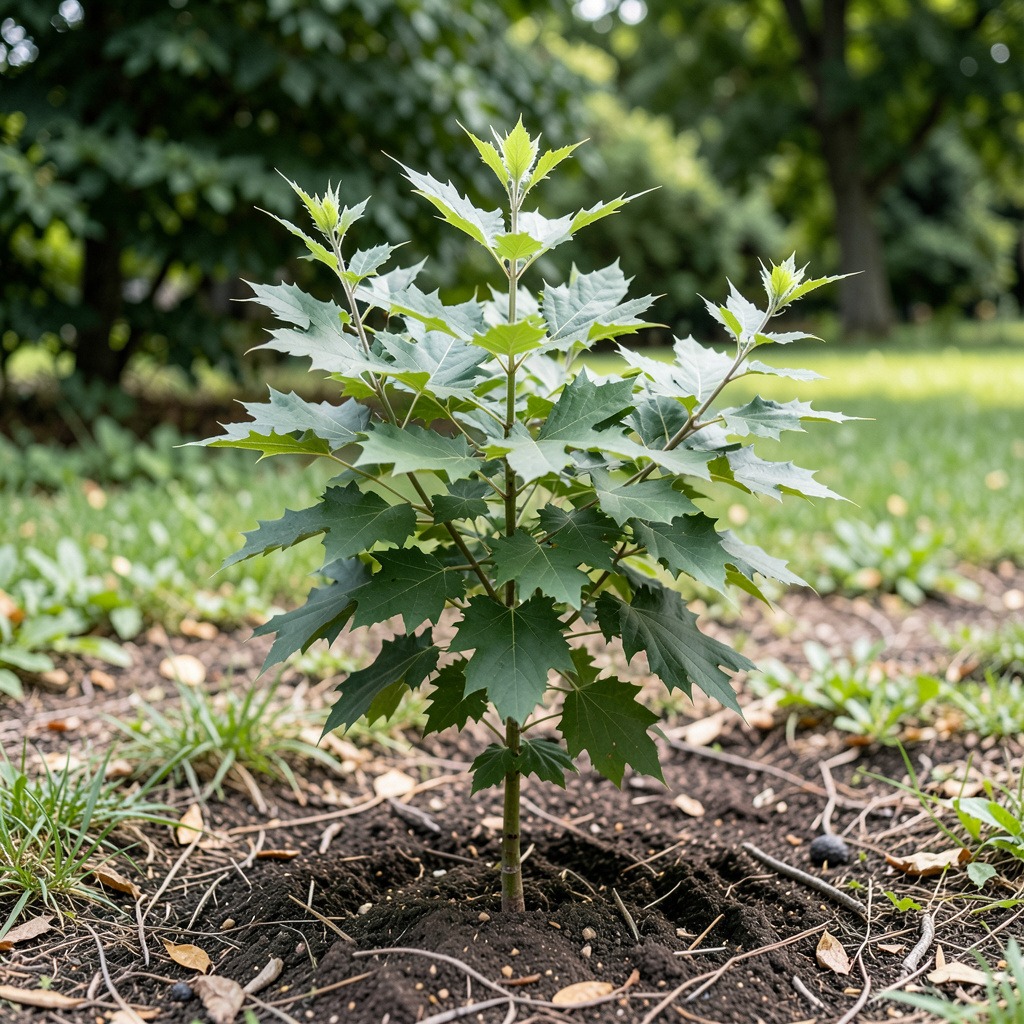
Planting silver maples requires careful attention to site selection and soil preparation. Follow these steps to ensure successful growth and establishment of your tree.
Preparing the Soil and Planting Hole
1. Choose the Right Location: Ensure the site receives at least six hours of sunlight daily. Silver maples thrive in well-drained, moist soil but can adapt to various soil types, including clay and sand.
2. Dig the Hole: Create a hole that is twice as wide as the root ball and slightly deeper than its height. This allows the roots to spread easily.
3. Soil Preparation: Remove any grass, weeds, or debris from the planting area. Loosen the soil at the bottom of the hole to promote root penetration.
Planting Techniques for Silver Maple
1. Place the Tree: Position the tree in the center of the hole. Ensure that the top of the root ball is level with or slightly above the surrounding soil.
2. Backfill the Hole: Gradually fill the hole with the original soil, tamping it down gently to eliminate air pockets. Avoid compacting the soil too tightly, as this can restrict root growth.
3. Spacing Guidelines: If planting multiple trees, maintain a distance of at least 30 feet between each silver maple to accommodate their mature size.
Initial Watering and Mulching
1. Water Generously: After planting, water the tree thoroughly. This helps settle the soil around the roots and provides moisture.
2. Apply Mulch: Spread a 2-3 inch layer of mulch around the base of the tree, leaving a few inches clear from the trunk. Mulch retains moisture, suppresses weeds, and regulates soil temperature.
3. Monitor and Adjust: Check soil moisture regularly during the first growing season. Water deeply if the top inch of soil feels dry.
Scenario-Based Example
Consider a scenario where a gardener plants a silver maple in their yard. They choose a sunny spot with moist soil, dig the proper hole, and place the tree correctly. However, they neglect to water adequately after planting. As a result, the tree struggles to establish. To avoid this pitfall, always prioritize initial watering to promote healthy root development.
By following these steps diligently, you can achieve successful planting and establish a robust silver maple tree that will thrive for years to come.
Caring for Your Silver Maple Tree

Caring for your silver maple is essential for its long-term health and growth. This section will cover watering, fertilization, and pruning techniques to ensure your tree thrives.
Watering and Nutritional Needs
Silver maples prefer consistently moist soil, especially during their initial growth phase. Here are key watering guidelines:
- Establishment Phase: Water weekly for the first two seasons after planting. Use 2 to 3 gallons of water per caliper inch of trunk diameter.
- After Establishment: Once established, silver maples typically do not require supplemental watering unless experiencing prolonged drought.
- Signs of Under-Watering: Look for wilting leaves or leaf drop, which indicate your tree needs more water.
For fertilization, silver maples generally require minimal intervention. However, if growth slows or leaves turn yellow, consider applying a balanced, slow-release fertilizer in early spring.
Pruning Techniques for Healthy Growth
Pruning your silver maple is crucial for maintaining its shape and health. Follow these practices:
- Timing: Prune during late winter or early spring before new growth begins.
- Techniques:
- Remove dead or damaged branches to promote healthy growth.
- Thin out crowded areas to improve air circulation.
- Avoid heavy pruning, as silver maples can be sensitive to aggressive cuts.
Regular maintenance helps prevent issues like weak branches and promotes a vigorous canopy.
Pest and Disease Management
Silver maples are susceptible to certain pests and diseases. Implement these strategies for effective management:
- Common Pests: Watch for aphids, spider mites, and scale insects. Use insecticidal soap or horticultural oil as a preventive measure.
- Diseases: Fungal infections, such as powdery mildew, can occur. Ensure proper spacing and air circulation to reduce humidity around the tree.
Quick Checklist for Ongoing Care
- Water regularly, especially for young trees.
- Fertilize if growth appears stunted.
- Prune annually to maintain structure and health.
- Monitor for pests and diseases, taking action promptly.
By following these care techniques, you can ensure your silver maple remains healthy and vibrant throughout its life.
Common Issues with Silver Maples
Silver maples (Acer saccharinum) can face various challenges that affect their growth and health. Understanding these issues and knowing how to address them is critical for successful planting and care.
Structural Weaknesses and Wood Quality
Silver maples are known for their weak wood, which can lead to structural problems. High winds and heavy snow can cause branches to break easily. To mitigate these risks:
- Choose the Right Location: Plant silver maples away from structures and areas prone to strong winds.
- Regular Pruning: Prune to maintain a strong structure. Remove weak or crossing branches annually.
- Monitor Tree Health: A healthy tree is less susceptible to breakage. Ensure it receives proper care.
Common Pests and How to Control Them
Several pests can affect silver maples, though most do not pose serious threats. Here’s how to manage them effectively:
- Aphids: Small, sap-sucking insects that can be controlled with insecticidal soap or neem oil.
- Spider Mites: Often thrive in dry conditions. Increase humidity around the tree and apply horticultural oil if necessary.
- Gall Mites: These pests create galls on leaves but usually do not harm the tree. Regular monitoring is sufficient; treatment is generally unnecessary.
Diseases Affecting Silver Maples
Silver maples can also suffer from specific diseases that may compromise their health. Key diseases include:
- Verticillium Wilt: This fungal disease causes wilting and dead branches. Prune out affected areas promptly. If the tree is severely infected, removal may be necessary.
- Powdery Mildew: This fungal infection manifests as a white powder on leaves. Improve air circulation by spacing trees properly and ensure adequate sunlight.
Decision Framework for Managing Issues
1. Identify the Problem: Regularly inspect leaves, branches, and overall tree structure.
2. Assess Severity: Determine if the issue is cosmetic or a threat to tree health.
3. Implement Solutions: Use the appropriate control methods for pests and diseases. Prune as needed to maintain structure.
4. Monitor Progress: After treatment, keep an eye on the tree’s recovery and adjust care as necessary.
By being proactive about these common issues, you can help ensure the long-term health and stability of your silver maple.
Conclusion: The Value of Silver Maple Trees in Landscaping
Planting silver maples brings numerous benefits to both your landscape and the environment. Their quick growth, ecological advantages, and aesthetic appeal make them an excellent choice for various settings.
Aesthetic and Environmental Benefits
- Shade Provider: Silver maples offer ample shade, which can cool outdoor spaces during hot months.
- Wildlife Habitat: They attract birds and beneficial insects, enhancing biodiversity.
- Air Quality Improvement: These trees absorb carbon dioxide and filter pollutants, contributing to cleaner air.
Practical Considerations for Landscaping
When considering silver maples for your landscape, keep these points in mind:
| Benefit | Description |
|---|---|
| Fast Growth | Can grow up to 100 feet tall in optimal conditions. |
| Low Maintenance | Requires minimal care once established. |
| Versatile Soil Tolerance | Thrives in various soil types, including clay and sand. |
By understanding these advantages, gardeners can effectively incorporate silver maples into their landscapes, enhancing both beauty and ecological resilience.
Frequently Asked Questions
These quick answers cover the most common questions about this topic, including key details, practical tips, and common concerns.
Where is the best place to plant a silver maple tree?
The best place to plant a silver maple is in a sunny location that receives at least six hours of direct sunlight daily. Choose an area with well-drained soil, as these trees thrive in moist conditions but can suffer from root rot in heavy clay. Ensure the tree is planted at least 30 feet away from structures to allow for its mature size and prevent future issues.
What are the downsides of silver maple trees?
Silver maples can be problematic due to their weak wood, which makes them susceptible to breakage in strong winds or heavy snow. They also have aggressive root systems that can damage sidewalks, foundations, and underground utilities. Additionally, their rapid growth can lead to a shorter lifespan compared to other tree species.
How quickly do silver maples grow?
Silver maples are known for their fast growth rate. They can grow anywhere from 3 to 5 feet per year under optimal conditions, reaching heights of 50 to 100 feet within just a few years. This rapid growth makes them a popular choice for immediate shade and landscaping impact.
What is the best month to plant silver maple trees?
The best time to plant silver maple trees is in early spring or fall. Planting in spring allows the tree to establish roots before the heat of summer, while fall planting gives the tree time to acclimate before winter. Avoid planting during the hottest months to reduce stress on the young tree.
How to grow a silver maple from seed?
To grow a silver maple from seed, collect the seeds in late spring or early summer, as they mature. Soak the seeds in water for 24 hours to enhance germination. Then, plant them in well-drained soil, about half an inch deep. Keep the soil moist and provide adequate sunlight. Germination typically occurs within a few weeks.
How do I know if my silver maple is healthy?
A healthy silver maple tree shows vibrant green leaves, a strong trunk, and a full canopy. Look for signs such as even leaf growth, no wilting or yellowing, and a well-defined bark texture. If you notice excessive leaf drop, discoloration, or dead branches, it may indicate underlying health issues.
Can silver maples be grown in pots?
While silver maples can be grown in pots, it is not ideal due to their large size and aggressive root systems. If you choose to grow one in a container, select a large pot with good drainage and be prepared to repot as the tree grows. Regular watering and fertilization will be necessary to support its growth in a confined space.
What should I do if my silver maple is not growing well?
If your silver maple is not growing well, first check the soil moisture and drainage. Ensure it is receiving enough sunlight and that there are no competing plants nearby. Look for signs of pests or diseases and address them promptly. If the tree appears stressed, consider applying a balanced fertilizer to provide necessary nutrients.