
Silver maples can present several issues, including weak wood, aggressive roots, messy seed production, and susceptibility to diseases and pests.
Table of Contents
Silver maples are prized for their rapid growth and attractive appearance, but they come with a unique set of challenges. This guide explores seven common problems associated with silver maples, providing insights on prevention and management strategies.

Understanding the Weak Wood Structure of Silver Maples
Silver maples are known for their rapid growth, but this characteristic leads to a significant drawback: weak wood structure. The soft wood is prone to breakage, particularly during severe weather events, posing risks to safety and property.
The Impact of Weak Wood on Tree Health
The rapid growth rate of silver maples, which can reach 3 to 7 feet per year, creates wood with lower density. This weakens the tree’s overall structure and makes it susceptible to damage. The wide-angle crotches where branches meet the trunk become critical failure points. When laden with snow, ice, or strong winds, these junctions often give way.
Example Scenario:
Consider a silver maple planted near a home. During a storm, the tree’s branches may break and fall onto the roof, causing significant damage. Homeowners should be aware that the risk of such incidents increases with the tree’s age and size.
Preventative Measures for Homeowners
To mitigate risks associated with weak wood, homeowners can take several proactive steps:
- Regular Pruning: Trim branches regularly to reduce weight and prevent breakage.
- Proper Placement: Avoid planting silver maples too close to structures. A distance of at least 30 feet from buildings is advisable.
- Monitoring Health: Keep an eye on the tree for signs of stress, such as yellowing leaves or dead branches. Addressing these issues early can strengthen the tree.
By understanding the implications of weak wood structure, homeowners can make informed choices regarding the care and management of silver maples.
The Aggressive Root System: Risks and Management
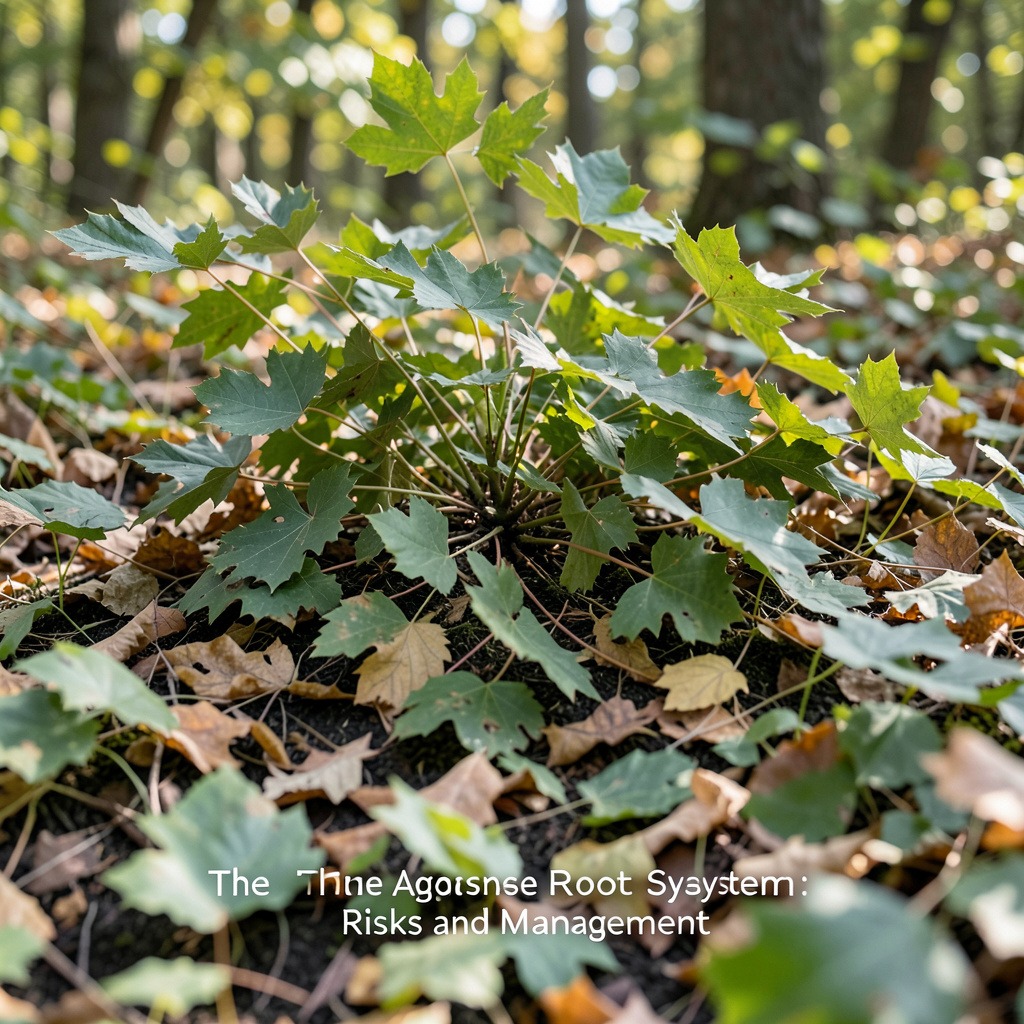
Silver maples possess a shallow and aggressive root system that can lead to significant issues for homeowners. Understanding these roots is essential for effective management and maintenance.
Root Growth Patterns and Their Effects
The root system of the silver maple (Acer saccharinum) tends to spread widely near the surface. This shallow growth can cause several problems:
- Structural Damage: Roots can lift sidewalks, driveways, and patios, resulting in cracks and uneven surfaces.
- Competition for Resources: Shallow roots compete with nearby plants for water and nutrients, often leading to poor growth in other landscaping plants.
- Uprooting Risks: During storms or heavy winds, silver maples are more susceptible to uprooting due to their shallow anchorage.
A practical guideline is to plant silver maples at least 30 feet away from structures. This distance helps mitigate potential damage while allowing the tree ample space to grow.
Strategies for Managing Silver Maple Roots
Homeowners can adopt several strategies to manage the aggressive root system of silver maples effectively:
- Root Barriers: Installing physical barriers can help redirect root growth away from sensitive areas such as foundations and sidewalks.
- Regular Monitoring: Keep an eye on the tree’s growth patterns. If roots begin to encroach on structures, take action promptly.
- Consider Alternative Species: If planting new trees, consider species with less invasive root systems. Trees like the red maple or sweetgum may provide similar benefits without the associated risks.
Additionally, homeowners should conduct regular assessments of their landscape. Look for signs of root interference, such as cracked pavement or struggling neighboring plants.
By employing these strategies, homeowners can enjoy the beauty of silver maples while minimizing their potential downsides.
Messy Seed Production: Cleanup Considerations

Silver maples are notorious for their heavy seed production, which can create substantial messes for homeowners. The seeds, also known as samaras or “helicopters,” fall in large quantities, leading to maintenance challenges each spring.
Understanding Samaras and Their Impact
Samaras are winged seeds that disperse from the tree in early spring. This phenomenon can overwhelm yards with litter, making regular cleanup essential. The following factors contribute to the messiness of silver maples:
- Abundant Seed Production: A single tree can produce thousands of samaras, leading to significant accumulation on lawns, driveways, and gutters.
- Seasonal Timing: Seed drop typically occurs from late April through May, coinciding with the peak growth season for many other plants. This can complicate yard maintenance as homeowners juggle multiple tasks.
- Seed Cleanup Challenges: The samaras can be difficult to rake due to their light weight and tendency to scatter. Regular attention is needed to prevent them from becoming a slippery hazard.
Effective Cleanup Strategies for Homeowners
Managing the mess from silver maple seed production requires a proactive approach. Here are effective strategies:
- Timing Your Cleanup: Plan to begin cleanup shortly after the seeds start falling in late April. This ensures that you can manage the mess before it becomes overwhelming.
- Using the Right Tools: Equip yourself with a leaf blower or a vacuum designed for yard debris. These tools can simplify the cleanup process, allowing you to efficiently gather samaras without excessive bending or raking.
- Creating a Cleanup Schedule: Establish a regular schedule during the peak seed drop period. For instance, aim to clear seeds every 1-2 weeks. This not only reduces the buildup but also makes the task more manageable.
- Alternative Uses for Samaras: Consider using collected samaras in compost or as mulch in garden beds. This can minimize waste and contribute to a healthier garden ecosystem.
By understanding the nature of silver maple seed production and employing these cleanup strategies, homeowners can effectively manage the challenges posed by this prolific tree.
Susceptibility to Diseases: Common Issues and Solutions
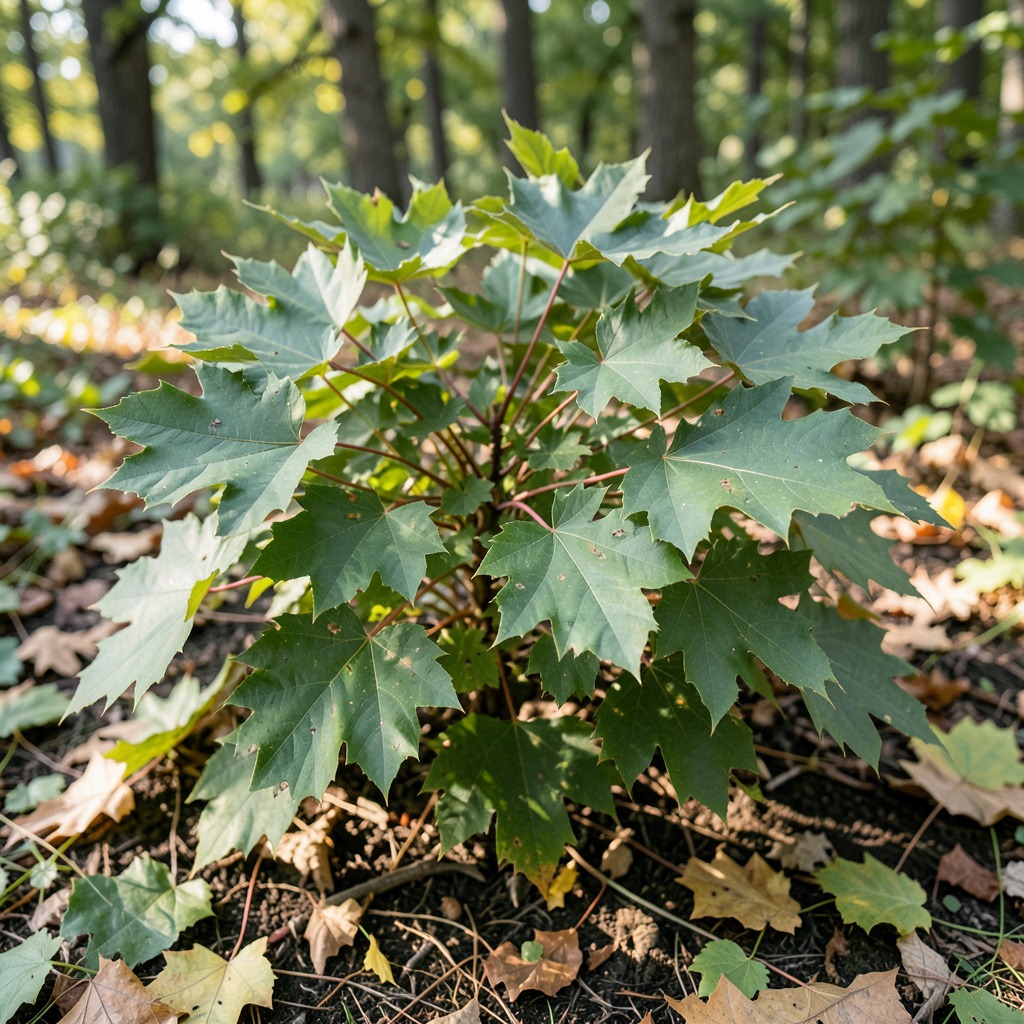
Silver maples, known scientifically as Acer saccharinum, are susceptible to various diseases that can impair their health and vitality. Understanding these diseases, their symptoms, and effective management strategies is crucial for maintaining the well-being of your silver maple.
Identifying Common Diseases in Silver Maples
Several diseases commonly affect silver maples. Recognizing the symptoms early can enhance treatment effectiveness. Here are the most prevalent diseases:
- Leaf Spot: Characterized by dark, circular spots on leaves. This disease can lead to defoliation if untreated.
- Tar Spot: Appears as raised, black spots on leaves. While not fatal, it can reduce the tree’s aesthetic appeal and energy production.
- Powdery Mildew: This fungal disease presents as a white, powdery coating on leaves. It usually thrives in warm, dry conditions and can weaken the tree over time.
- Verticillium Wilt: A serious condition that causes yellowing leaves and branch dieback. Infected trees often show a rapid decline in health.
Preventative Care and Treatment Options
Effective management of these diseases involves both preventative measures and treatment strategies. Here are key options:
- Regular Inspections: Conduct frequent checks for early signs of disease. This helps in timely intervention.
- Pruning: Remove affected branches to prevent the spread of disease. Ensure tools are sterilized to avoid cross-contamination.
- Fungicides: For fungal diseases like powdery mildew and leaf spot, apply appropriate fungicides. Follow label instructions for dosage and timing for optimal results.
- Water Management: Ensure proper drainage to prevent root rot and other moisture-related issues. Avoid overhead watering to reduce humidity around the foliage.
Comparative Analysis of Treatment Effectiveness
A case study involving multiple treatment methods for powdery mildew revealed varying effectiveness:
| Treatment Method | Effectiveness | Cost Estimate |
|---|---|---|
| Organic Fungicides | Moderate | $15-$25 |
| Chemical Fungicides | High | $20-$35 |
| Pruning and Removal | High | Variable |
- Organic fungicides showed moderate effectiveness but are safer for the environment.
- Chemical options provided high effectiveness but require careful handling.
- Pruning remains a cost-effective and highly effective strategy against many diseases.
By understanding the common diseases affecting silver maples and implementing these management strategies, homeowners can enhance the health and longevity of their trees.
Pest Problems: Identifying and Managing Infestations
Silver maples are susceptible to various pests that can compromise their health and structural integrity. Understanding these pests, their signs, and effective management strategies is essential for maintaining a robust silver maple.
Common Pests Affecting Silver Maples
Several pests commonly target silver maples, causing issues such as leaf discoloration, stunted growth, and weakened tree structure. Key pests include:
- Aphids: These small insects feed on leaf sap, leading to yellowing leaves and potential viral diseases. Look for sticky honeydew on leaves, which can attract sooty mold.
- Scale Insects: Often difficult to detect, these pests attach to branches and leaves. They can cause yellowing and wilting of foliage. Check for small, hard bumps on stems and leaves.
- Spider Mites: These tiny arachnids thrive in hot, dry conditions. They cause stippling on leaves, making them appear dusty or faded. Regular inspections are crucial for early detection.
- Borers: Wood-boring insects can damage the inner wood of the tree, leading to branch dieback. Look for holes or sawdust near the base of the tree.
- Root Weevils: These pests damage the root system, which can lead to yellowing leaves due to nutrient deficiency. Monitor for irregular feeding damage on leaves.
Integrated Pest Management Techniques
Effective management of pests involves an integrated approach that combines prevention, monitoring, and control strategies. Consider the following techniques:
1. Regular Inspections: Conduct routine checks of your silver maple for signs of pests. Early detection allows for timely intervention.
2. Cultural Practices: Maintain tree health through proper watering, fertilization, and mulching. A healthy tree is less susceptible to pest infestations.
3. Natural Predators: Encourage beneficial insects, such as ladybugs and lacewings, which prey on aphids and other harmful pests.
4. Insecticidal Soaps: For heavier infestations, consider insecticidal soaps or neem oil. These options are less harmful to beneficial insects and the environment.
5. Mechanical Removal: For scale insects or larger pests, manually removing them can be effective. Use a soft brush or cloth to wipe them off.
Pest Identification and Management Checklist
Use this checklist to assist in identifying and managing common pests on your silver maple:
- [ ] Inspect leaves for yellowing, stippling, or sticky residues.
- [ ] Check for visible pests or damage on branches and trunks.
- [ ] Water and fertilize appropriately to support tree health.
- [ ] Introduce or maintain a habitat for beneficial insects.
- [ ] Apply insecticidal soap or neem oil if infestations are detected.
- [ ] Monitor tree health regularly and adjust care as needed.
By implementing these strategies, homeowners can effectively manage pests and enhance the longevity of their silver maples.
Maintenance Strategies to Mitigate Silver Maple Problems
Silver maples, while beautiful, pose unique challenges that require proactive management. By implementing effective maintenance strategies, homeowners can mitigate common issues and enhance the health of their trees.
Pruning Techniques for Strength and Health
Pruning is essential for maintaining the structural integrity of silver maples. The tree’s weak wood and aggressive growth can lead to branch failures if not managed properly. Follow these guidelines for effective pruning:
- Timing: Prune in late winter or early spring before new growth begins. This minimizes stress on the tree.
- Technique: Use clean, sharp tools to make clean cuts. Remove dead or crossing branches to improve air circulation.
- Shape: Maintain a balanced canopy by trimming back excessive growth. Aim for a central leader to promote stability.
Regular pruning not only strengthens the tree’s structure but also enhances its aesthetic appeal.
Seasonal Care Routines to Follow
Establishing a seasonal care routine can significantly improve the health and longevity of your silver maple. Here’s a detailed care calendar:
| Season | Maintenance Task |
|---|---|
| Spring | Fertilize with a balanced slow-release fertilizer. Check for pests and diseases. Prune any dead branches. |
| Summer | Water deeply during dry spells, especially in the first few years. Monitor for signs of stress or pests. |
| Fall | Rake and dispose of fallen leaves to prevent disease. Apply mulch to retain moisture and regulate soil temperature. |
| Winter | Inspect for structural weaknesses and plan for necessary pruning. Protect the tree from snow and ice accumulation. |
Implementing these seasonal tasks will not only promote healthy growth but also minimize potential problems associated with silver maples, such as disease susceptibility and weak branch structure.
By adhering to these maintenance strategies, homeowners can effectively address the common issues faced by silver maples and enjoy their beauty for years to come.
Alternatives to Silver Maples: Choosing the Right Tree for Your Yard
If you are considering alternatives to silver maples, several tree species offer similar aesthetic and environmental benefits without the common drawbacks. These alternatives can enhance your landscape while minimizing maintenance challenges.
Evaluating Alternatives Based on Climate and Space
When selecting a tree, consider your climate and available space. Here are some alternatives to silver maples that are both attractive and functional:
- Red Maple (Acer rubrum)
- Pros: Fast-growing, vibrant fall color, and adaptable to various soil types.
- Cons: Can be susceptible to pests like aphids and scale.
- Sugar Maple (Acer saccharum)
- Pros: Known for stunning autumn foliage and strong wood structure.
- Cons: Slower growth rate and prefers well-drained soil.
- Eastern Redbud (Cercis canadensis)
- Pros: Beautiful spring blooms and compact size suitable for smaller yards.
- Cons: Shorter lifespan and may require more frequent pruning.
- American Hornbeam (Carpinus caroliniana)
- Pros: Tolerant of wet conditions and has a dense, attractive form.
- Cons: Slower growth and may develop issues with cankers.
Benefits of Choosing Non-Invasive Species
Selecting non-invasive tree species contributes positively to local ecosystems. Unlike silver maples, which can produce excessive seeds and disrupt native flora, these alternatives promote biodiversity.
- Serviceberry (Amelanchier spp.)
- Pros: Produces edible berries and provides spring flowers.
- Cons: Requires consistent watering during establishment.
- Black Gum (Nyssa sylvatica)
- Pros: Excellent fall color and attracts wildlife.
- Cons: Slow to establish and can be sensitive to drought.
- Sassafras (Sassafras albidum)
- Pros: Unique leaf shapes and fragrant leaves.
- Cons: May spread through root suckering, leading to a larger area than intended.
Decision Framework for Tree Placement
When choosing a tree, use the following decision framework:
1. Assess Your Space: Measure the area where the tree will be planted. Consider both height and spread.
2. Evaluate Soil Conditions: Test your soil type and drainage capabilities.
3. Consider Maintenance Needs: Determine how much time you can dedicate to care.
4. Wildlife Impact: Think about how the tree will affect local wildlife and plant diversity.
By carefully evaluating these factors, you can select a tree that enhances your landscape while avoiding the issues commonly associated with silver maples.
Frequently Asked Questions
These quick answers cover the most common questions about this topic, including key details, practical tips, and common concerns.
What are the signs that a silver maple tree is dying?
Signs of a dying silver maple include yellowing leaves, premature leaf drop, and dead branches. You may also notice a decrease in leaf size and overall vitality. If the tree has extensive dieback or visible cracks in the bark, it could indicate serious health issues.
Regularly inspect your tree for these symptoms. If you see multiple signs, consider consulting a tree care professional for a proper assessment.
What are the drawbacks of silver maple trees?
Silver maples have several drawbacks, including weak wood, aggressive root systems, and messy seed production. The weak wood can lead to branch breakage during storms, while their shallow roots can damage sidewalks and compete with nearby plants for nutrients.
Additionally, they produce large quantities of seeds, creating a maintenance challenge in the spring. These factors make silver maples less ideal for some residential areas.
Is a silver maple a good yard tree?
Silver maples can be good yard trees if you have enough space and are prepared for their maintenance needs. They grow quickly and provide ample shade, making them attractive for larger yards. However, their weak wood and invasive roots can cause problems if planted too close to structures or other plants.
Consider your landscape and potential maintenance before deciding. If you want a tree with less risk, you might explore alternatives like red or sugar maples.
How can I prevent my silver maple from becoming invasive?
To prevent your silver maple from becoming invasive, consider planting seedless cultivars or hybrids that do not produce excessive seeds. Regular pruning can also help manage growth and reduce the chance of unwanted seedlings sprouting in your yard.
Additionally, monitor the tree’s growth and root spread. If roots begin to encroach on other plants or structures, take action promptly to minimize damage.
When should I prune my silver maple?
The best time to prune a silver maple is during late winter or early spring, just before new growth begins. This timing minimizes stress on the tree and allows for better healing. Avoid pruning in the fall, as it can leave the tree vulnerable to winter damage.
Focus on removing dead or crossing branches to improve air circulation and overall health. Regular pruning also helps maintain the tree’s structural integrity, especially as it matures.
What should I do if my silver maple is dropping branches?
If your silver maple is dropping branches, first assess the tree for signs of disease or pest infestation. Look for yellowing leaves, visible pests, or damage to the bark. If you identify any issues, address them promptly with appropriate treatments.
Consider consulting a tree care professional if the branch drop is significant or if you cannot determine the cause. Regular pruning and maintenance can help prevent future branch drop and enhance the tree’s stability.
What are some alternative trees to plant instead of silver maple?
If you’re looking for alternatives to silver maple, consider trees like red maple, sugar maple, or eastern redbud. These species offer similar aesthetic benefits without the common issues associated with silver maples, such as weak wood and invasive roots.
When choosing an alternative, assess your space, soil conditions, and maintenance preferences. Selecting the right tree can enhance your landscape while minimizing potential problems.