
Silver maples are fast-growing shade trees but have drawbacks like brittle limbs and invasive roots.
Silver maples are popular for their rapid growth and beautiful foliage, making them a common choice for landscaping. However, potential planters should weigh their pros and cons to decide if this tree is the right addition to their yard.

Understanding Silver Maple: Overview and Characteristics
The silver maple (Acer saccharinum) is a deciduous tree known for its rapid growth and attractive foliage. Understanding its characteristics helps homeowners determine if it fits their landscaping needs.
Scientific Classification and Native Range
- Scientific Name: Acer saccharinum
- Family: Sapindaceae
- Native Range: Silver maples are primarily found in the Midwest and parts of Eastern North America, extending from Manitoba to Oklahoma and Georgia, and north to Maine and Southern Quebec.
This tree thrives in various environments, making it adaptable. However, its native range indicates that it performs best in regions with moderate temperatures and adequate moisture.
Growth Characteristics and Appearance
Silver maples are recognized for their:
- Height: 50 to 80 feet
- Width: 35 to 50 feet
- Growth Rate: 3 to 7 feet per year, making them one of the fastest-growing trees in North America.
They exhibit a vase-shaped growth habit with large, silver-green leaves. These leaves can confuse amateur botanists, especially when distinguishing between silver-red hybrids. The branches tend to be brittle, requiring careful consideration in storm-prone areas.
Common Uses in Landscaping
Silver maples serve various purposes in landscaping, including:
Table of Contents
- Shade Tree: Their broad canopy provides significant shade, making them ideal for parks and residential areas.
- Erosion Control: Their extensive root systems help stabilize soil and prevent erosion.
- Wildlife Habitat: They attract local wildlife, including birds and small mammals, thanks to their seeds.
However, homeowners should be mindful of their rapid growth, which may necessitate regular maintenance to manage their size and health.
Pros of Planting Silver Maple Trees
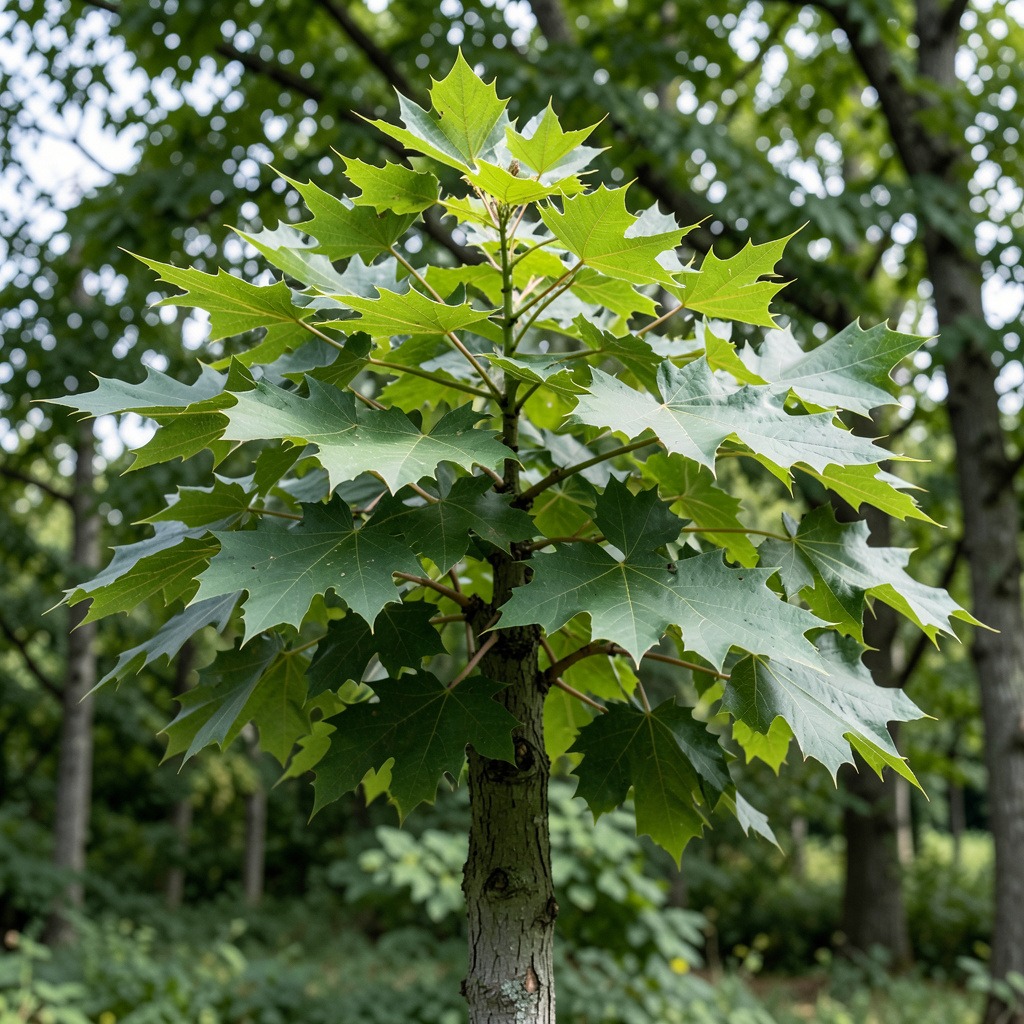
Silver maple trees (Acer saccharinum) offer several compelling advantages for homeowners. Their rapid growth, environmental benefits, and aesthetic appeal make them an attractive choice for landscaping.
Fast Growth Rate and Size
Silver maples are renowned for their exceptional growth rate. Under ideal conditions, they can grow up to 7 feet per year. This rapid maturation allows them to provide shade within as little as ten years. Homeowners seeking quick results in their landscaping will find this characteristic particularly beneficial.
| Growth Factor | Silver Maple | Other Common Trees |
|---|---|---|
| Growth Rate | Up to 7 ft/year | 2-3 ft/year (e.g., Red Maple) |
| Mature Height | 50-80 ft | 40-60 ft (e.g., Oak) |
| Width | 35-70 ft | 30-50 ft (e.g., Birch) |
Excellent Shade Provider
The broad, vase-shaped crown of the silver maple makes it an excellent shade tree. Its width can reach up to 70 feet, providing ample coverage for outdoor spaces. This feature is particularly advantageous in residential areas and parks, where shade enhances comfort and usability. Compared to slower-growing varieties like Pin Oak, the silver maple’s rapid formation of a dense canopy offers immediate relief from the sun.
Wildlife Habitat and Ecosystem Benefits
Silver maples contribute positively to local ecosystems. Their seeds attract a variety of birds and mammals, promoting biodiversity in the area. Furthermore, their extensive root systems help stabilize soil and prevent erosion, making them valuable in landscaping efforts aimed at environmental sustainability. Homeowners can enjoy the added benefit of supporting local wildlife while enhancing their property’s aesthetic appeal.
In summary, the silver maple’s fast growth, shade provision, and ecological benefits make it a strong candidate for landscaping solutions.
Cons of Silver Maple: Potential Drawbacks
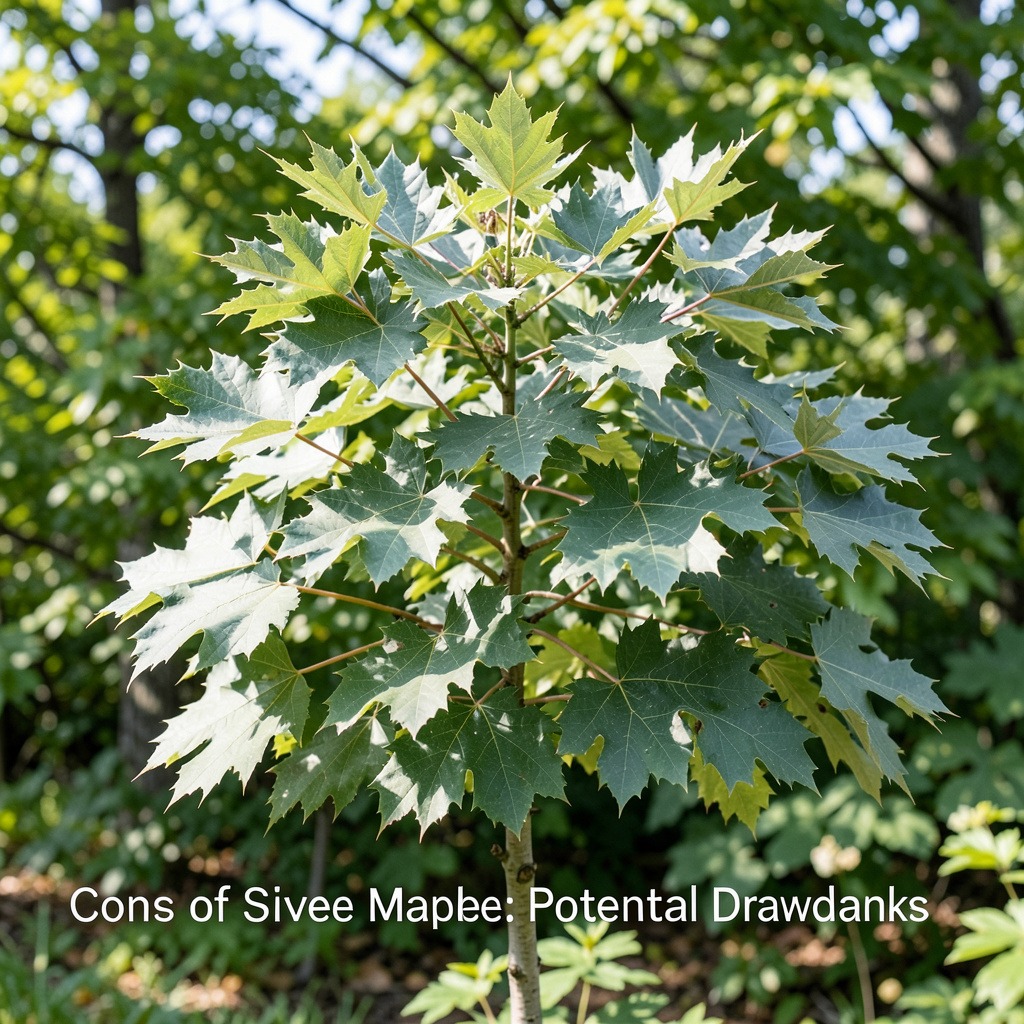
While silver maples offer various benefits, they come with significant drawbacks. Homeowners should carefully consider these factors before planting.
Brittle Limbs and Weak Structure
Silver maples are known for their brittle limbs. This characteristic makes them prone to breakage during storms or heavy winds. The weak structure can lead to property damage and safety hazards. Homeowners in storm-prone areas should assess their risk.
- Risk of Damage: Branches can fall unexpectedly.
- Increased Liability: Homeowners may face potential claims from injuries or property damage.
Invasive Root System
The roots of silver maples can be aggressive. They tend to spread extensively and may damage nearby structures, sidewalks, or driveways. This invasive nature can create problems for landscaping and garden design.
- Surface Roots: Shallow roots often emerge above ground, creating tripping hazards.
- Foundation Concerns: Roots may interfere with building foundations, leading to costly repairs.
Potential Maintenance and Care Challenges
Silver maples require ongoing maintenance. Their rapid growth means frequent pruning is necessary to manage size and shape. Additionally, they are susceptible to specific diseases, such as verticillium wilt, which can affect tree health and longevity.
- Frequent Pruning Needed: Homeowners must commit to regular upkeep.
- Disease Management: Understanding local pests and diseases is essential for tree health.
For example, a homeowner in a suburban area with a silver maple reported frequent branch breakage during winter storms, leading to costly repairs on their roof and fence. Evaluating such scenarios can guide potential planters in making informed decisions regarding silver maples.
Ideal Planting Conditions for Silver Maple
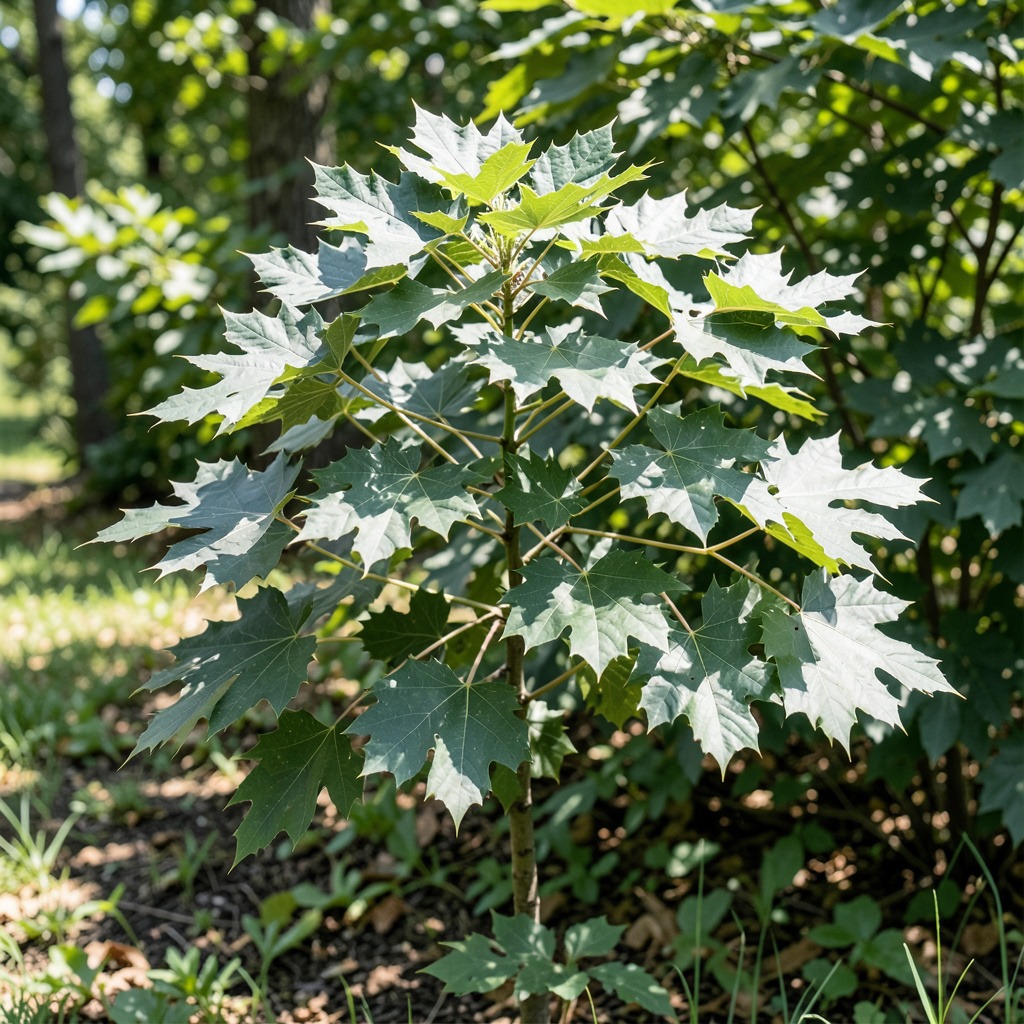
To ensure successful growth, silver maples require specific planting conditions. Understanding these needs will help homeowners maximize the benefits of this tree while minimizing potential drawbacks.
Soil and Moisture Needs
Silver maples thrive in well-drained soil that is moist and slightly acidic. They are particularly tolerant of occasional flooding, making them suitable for areas near water bodies. Here are the key soil and moisture factors to consider:
- Soil Type: Well-drained, loamy to sandy soil is ideal. Silver maples can adapt to various soil types but perform best in moderately moist conditions.
- Moisture Level: The tree prefers consistently moist soil. Ensure the planting area doesn’t dry out completely, especially during hot summer months.
- Drought Tolerance: While they can withstand short periods of drought, prolonged dryness can cause leaf edges to brown.
Sunlight and Climate Preferences
Silver maples flourish under specific sunlight conditions. Here’s what to keep in mind:
- Sunlight Exposure: Aim for at least six hours of direct sunlight daily. Full sun promotes robust growth and vibrant foliage.
- Climate Considerations: These trees adapt well to temperate climates with four distinct seasons. They are particularly suited for regions that experience moderate rainfall during summer.
Recommended Spacing and Location
Proper spacing and location are critical for the health and aesthetics of silver maples. Consider the following guidelines:
- Spacing: Plant silver maples at least 20-30 feet apart from other trees. This distance allows for their expansive canopy and root system.
- Location: Avoid planting too close to buildings or power lines. Silver maples can grow up to 50-80 feet tall and may interfere with structures or utilities.
Checklist for Planting Conditions
- Soil: Well-drained, loamy or sandy.
- Moisture: Consistently moist, with good drainage.
- Sunlight: Minimum six hours of direct sunlight.
- Spacing: 20-30 feet from other trees or structures.
- Climate: Suitable for temperate regions with moderate rainfall.
By adhering to these guidelines, homeowners can ensure that their silver maple trees grow healthy and strong, maximizing their potential as a valuable addition to the landscape.
Common Problems and Risks of Silver Maple Trees
Silver maple trees offer many benefits, but they are not without their challenges. Homeowners should be aware of potential pests, diseases, and structural weaknesses that could affect the health and longevity of their trees.
Pests Affecting Silver Maple
Silver maples can attract various pests, although many do not cause significant harm if the tree is healthy. Common pests include:
- Gall Mites: Often found on leaves, they create galls but do not damage the tree.
- Aphids: These insects can cause leaf curling. They are manageable with insecticidal soap.
- Bark Beetles: They can bore into the bark, potentially leading to tree stress.
To prevent infestations, maintain tree health with proper watering and pruning. Regular inspections can help catch issues early.
Common Diseases and Treatment Options
Silver maples are susceptible to several diseases, with some posing serious risks. Notable diseases include:
- Verticillium Wilt: This soil-borne fungus can cause wilting, dead branches, and tree death. Early symptoms include yellowing leaves and branch dieback. Pruning infected areas and improving soil drainage can mitigate risks.
- Root Rot: Caused by overwatering or poor drainage, this disease can lead to tree decline. Ensure proper soil conditions to avoid it.
Consulting an arborist is advisable if disease symptoms appear. They can provide professional assessments and treatment options.
Structural Concerns and Weaknesses
Silver maples have notable structural weaknesses. Their fast growth can lead to brittle branches, which may break during storms. To manage this risk:
- Prune Regularly: Remove weak or crossing branches to reduce the likelihood of breakage.
- Monitor Tree Health: A healthy tree is less likely to suffer from structural failures.
When planting silver maples, select locations away from buildings and power lines to minimize potential damage from falling branches.
Silver Maple vs. Other Fast-Growing Trees
Understanding how silver maples compare to other fast-growing trees helps homeowners make informed landscaping decisions. Below, we examine their characteristics against popular alternatives.
Comparison with Red Maple
Red maple (Acer rubrum) is another common choice for fast-growing landscapes. Here are key differences:
- Growth Rate: Silver maples grow faster, reaching heights of 50 to 80 feet within a decade. Red maples grow at a moderate pace, typically reaching 40 to 60 feet in similar time frames.
- Wood Strength: Silver maples have weaker wood, making them susceptible to breakage. Red maples possess stronger, more resilient wood, suitable for storm-prone areas.
- Foliage: Silver maples feature large silver-green leaves, while red maples boast vibrant red foliage, especially in fall, making them visually appealing.
Advantages and Disadvantages Compared
When comparing silver maples to other fast-growing trees, such as black locust and hybrid poplar, consider the following:
| Feature | Silver Maple | Black Locust | Hybrid Poplar |
|---|---|---|---|
| Growth Rate | Very fast | Fast | Very fast |
| Wood Strength | Weaker | Strong | Moderate |
| Shade Provision | Excellent | Good | Excellent |
| Environmental Impact | Moderate impact | Low impact | Moderate impact |
| Pest Resistance | Susceptible | Resistant | Susceptible |
Decision Rule: If rapid growth and shade are your primary concerns, silver maple is an excellent choice. However, consider wood strength and potential maintenance issues against alternatives like black locust, which offers durability.
Best Alternatives to Silver Maple
For those hesitant about silver maples, here are suitable alternatives:
- Pin Oak (Quercus palustris): Offers strong wood and vibrant fall color. It grows moderately fast and provides ample shade.
- Eastern Cottonwood (Populus deltoides): Grows quickly and is excellent for wet areas. However, its wood is also weak and susceptible to pests.
- Lombardy Poplar (Populus nigra): Provides fast growth and tall, narrow shape, making it ideal for privacy screens. It has a short lifespan and requires regular maintenance.
Example Scenario: If you live in an area prone to severe storms, opting for a pin oak over a silver maple can reduce the risk of damage due to its stronger structure. This decision prioritizes longevity and stability in your landscaping.
Conclusion: Weighing the Pros and Cons of Silver Maple
Considering the silver maple for your landscape requires a balanced assessment of its benefits and drawbacks. This fast-growing tree offers significant advantages but comes with potential challenges.
Benefits of Silver Maple
- Rapid Growth: Silver maples can grow up to 7 feet per year in optimal conditions. This makes them ideal for quick shade and landscape coverage.
- Wildlife Attraction: The tree provides food for various birds and mammals, enhancing local biodiversity.
- Aesthetic Appeal: The striking contrast of dark green upper leaves and silver undersides adds beauty to any yard.
Drawbacks of Silver Maple
- Weak Wood Structure: The rapid growth leads to weaker wood, making branches susceptible to breakage in storms.
- Gutter Clogging: The production of helicopter seeds can lead to clogged gutters, particularly in spring.
- Invasive Roots: Silver maples can develop extensive root systems, potentially disrupting nearby structures and landscaping.
Considerations for Planting
When deciding to plant a silver maple, consider the following:
- Planting Conditions: Ensure well-drained soil and adequate sunlight for optimal growth.
- Space Requirements: Silver maples can spread wide, so plan for their size to avoid overcrowding.
- Regional Suitability: Assess your local climate. Silver maples thrive in areas with moderate temperatures and ample moisture.
In summary, while the silver maple offers quick growth and a vibrant presence in your yard, its weaknesses may pose challenges. Evaluate your landscape’s specific needs to determine whether this tree aligns with your long-term goals.
Frequently Asked Questions
These quick answers cover the most common questions about this topic, including key details, practical tips, and common concerns.
Is silver maple a good yard tree?
Silver maples are a popular choice for homeowners seeking quick shade and aesthetic appeal. Their rapid growth rate, reaching up to 7 feet per year, allows them to provide substantial coverage in a short time. However, their brittle limbs can pose risks during storms, making them less suitable for areas prone to high winds. If you prioritize fast growth and wildlife attraction, silver maples could be an excellent addition, but consider the potential maintenance challenges.
What are the disadvantages of silver maple?
Key disadvantages of silver maples include their weak wood structure, invasive root system, and susceptibility to diseases like verticillium wilt. Their brittle branches can break easily, posing safety hazards and potential property damage. Additionally, their extensive roots may disrupt nearby structures or landscaping, leading to costly repairs. Homeowners should weigh these factors against the tree’s benefits before planting.
Where is the best place to plant a silver maple?
Silver maples thrive in well-drained, moist soil with full sun exposure. Ideal locations include areas that receive at least six hours of direct sunlight daily. It’s crucial to plant them at least 20-30 feet away from buildings, driveways, and power lines to prevent root and branch interference. Additionally, consider planting near water sources, as they tolerate occasional flooding well.
How tall is a 10-year-old silver maple?
A 10-year-old silver maple typically reaches a height of 30 to 70 feet, depending on growing conditions. Under optimal circumstances, these trees can grow significantly taller, often exceeding 50 feet by this age. Their rapid growth is one of the reasons they are favored for landscaping, providing shade and visual appeal quickly.
How close is the tree to your home, driveway, or pipes?
When planting a silver maple, it’s essential to maintain a distance of at least 20-30 feet from your home, driveway, and underground pipes. Their invasive root system can cause damage to foundations and plumbing. Proper spacing ensures that the tree has enough room to grow without impacting nearby structures or utilities.
What pests affect silver maple trees?
Silver maples can attract various pests, including gall mites, aphids, and bark beetles. Gall mites create galls on leaves but typically do not harm the tree significantly. Aphids can cause leaf curling, while bark beetles may bore into the bark. Regular inspections and proper tree care can help manage these pests effectively.
Are silver maples really that bad?
While silver maples have their drawbacks, labeling them as “bad” depends on individual circumstances. Their rapid growth and ability to provide shade and wildlife habitat are significant advantages. However, their brittle wood and invasive roots can lead to challenges. Homeowners should evaluate their specific needs and environment to determine if a silver maple is the right choice for their landscape.
What are some alternative trees to silver maple?
If you’re considering alternatives to silver maple, options include pin oak, red maple, and black locust. Pin oaks offer strong wood and vibrant fall colors, while red maples provide beautiful foliage and moderate growth. Black locust is known for its durability and low environmental impact. Each alternative has unique characteristics, so assess your landscaping goals before making a decision.