
Silver maple roots are typically shallow but can spread aggressively, reaching 2-4 times the tree’s canopy width.
Understanding the root system of silver maples is crucial for proper tree management and to prevent potential damage to your property. This guide explores the characteristics of silver maple roots, their invasiveness, and effective management strategies.
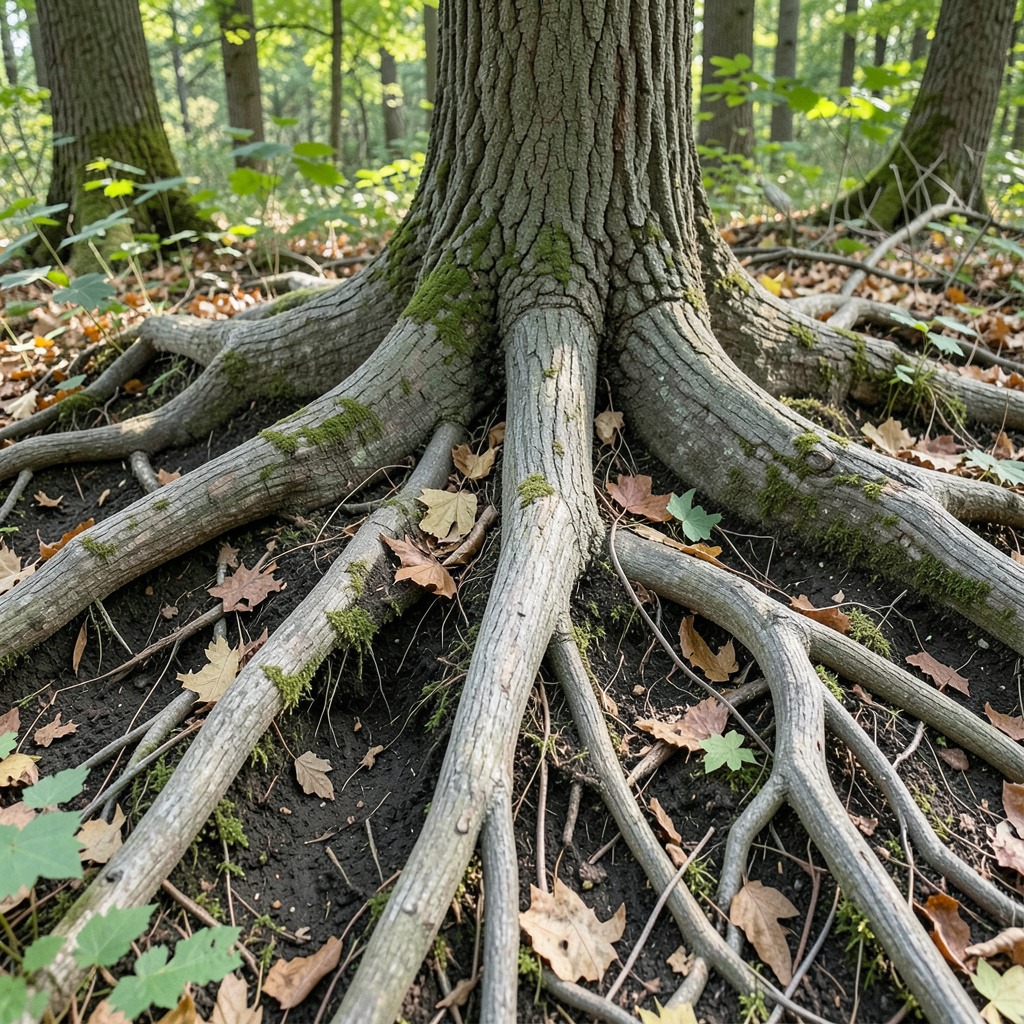
Understanding Silver Maple Roots and Their Characteristics
Silver maple roots possess unique growth patterns that can lead to significant invasiveness. Understanding these characteristics is essential for effective management and prevention of property damage.
Growth Patterns of Silver Maple Roots
Silver maple trees exhibit rapid growth, and their roots reflect this vigor. These roots tend to spread widely, often extending well beyond the tree’s canopy. The roots primarily grow in a shallow horizontal manner, making them prone to disruption of nearby structures.
- Fast Growth Rate: Silver maples can grow 3-7 feet per year, leading to aggressive root expansion.
- Horizontal Spread: Roots often extend 1.5 to 2 times the tree’s height.
Example: A mature silver maple, reaching 60 feet in height, may have roots that spread 90 to 120 feet wide.
Depth and Spread of Root Systems
The root depth of silver maples is typically shallow, averaging between 12 to 24 inches. However, this can vary based on soil conditions and moisture levels.
- Shallow Roots: Their shallow structure often leads to issues with sidewalks and driveways.
- Invasive Nature: Roots can invade septic systems and underground utilities.
Physical Characteristics of Roots
The physical structure of silver maple roots significantly contributes to their invasive behavior. They possess a fibrous root system, which increases their ability to absorb water but also enhances their potential for causing damage.
Table of Contents
- Fibrous Roots: These roots spread out quickly, seeking moisture and nutrients.
- Weak Wood: The brittle nature of the wood can lead to branch breaks, which may further complicate root-related issues.
Checklist for Managing Silver Maple Roots:
- Assess planting distance from structures (at least 20-30 feet).
- Regularly monitor root growth and potential disturbances.
- Consider root barriers if planting near infrastructure.
Effective management strategies are crucial for maintaining the health of both the tree and surrounding properties.
The Invasive Nature of Silver Maple Roots
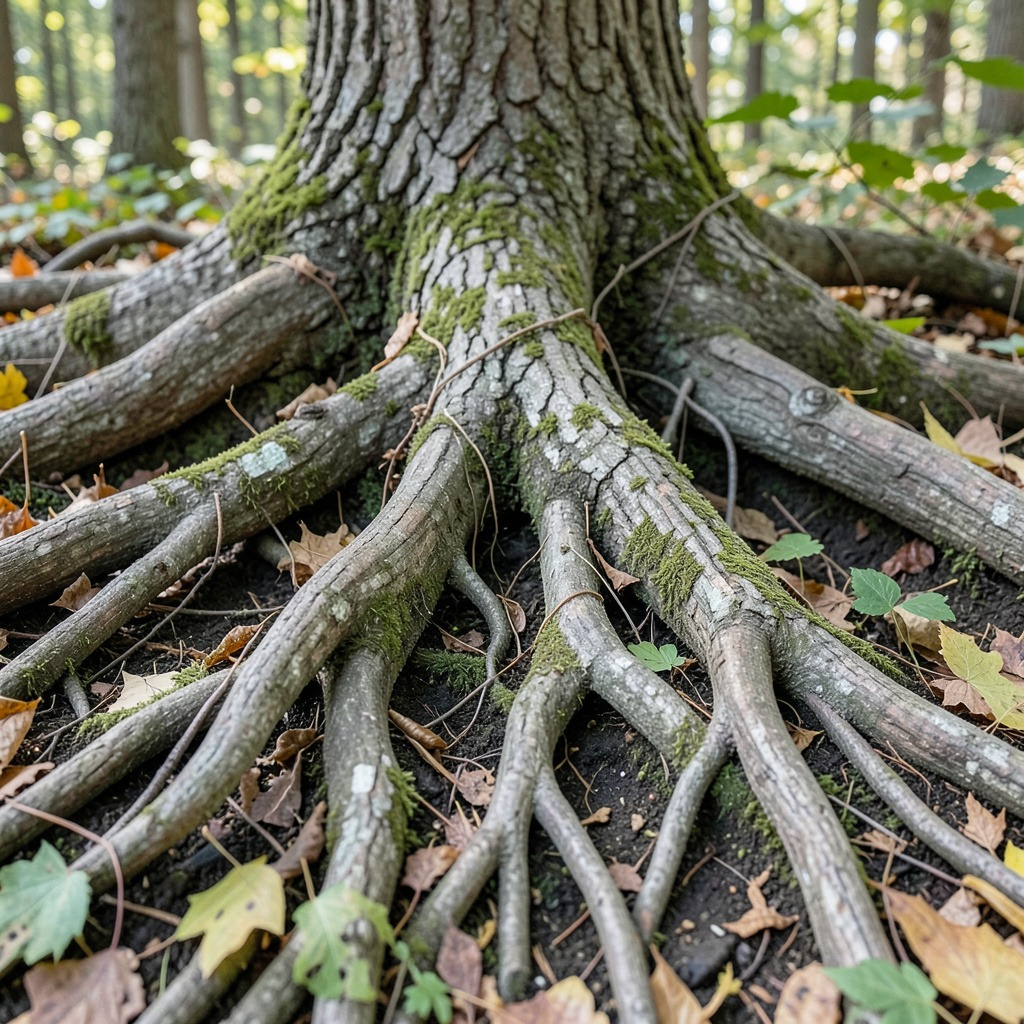
Silver maple roots are known for their aggressive growth patterns. These roots can cause significant damage to nearby structures, including homes and sidewalks.
How Silver Maple Roots Spread
Silver maple trees (Acer saccharinum) develop a shallow, fibrous root system. Their roots can extend 2 to 4 times the width of the tree’s canopy. This expansive growth habit allows them to invade nearby areas quickly.
- Surface Roots: The largest lateral roots often emerge within 10-15 feet of the trunk.
- Depth: While surface roots are a concern, some feeder roots can extend 3-5 feet deep in well-drained soils.
This root behavior can lead to visible surface roots that disrupt landscaping and infrastructure.
Risks to Foundations and Sidewalks
The invasive nature of silver maple roots poses several risks:
- Foundation Damage: Roots can exert pressure on foundations, leading to cracks and structural issues.
- Sidewalk Disruption: Sidewalks may buckle due to the upward pressure from surface roots.
- Utility Line Interference: Roots can invade sewer lines and septic systems, causing costly repairs.
In urban settings, these risks are magnified. For example, a homeowner reported significant foundation cracking after planting a silver maple within 20 feet of their house.
Impact on Nearby Vegetation
Silver maple roots can also affect nearby plants. Their shallow roots compete for water and nutrients, potentially stunting the growth of surrounding vegetation.
- Competition: This competition can lead to reduced health and vigor in nearby trees and plants.
- Soil Degradation: The aggressive nature of the roots can lead to soil compaction, hindering the growth of other flora.
By understanding these aspects of silver maple roots, homeowners can make informed decisions about planting and management to minimize damage and maintain a healthy landscape.
Effective Management Techniques for Silver Maple Roots
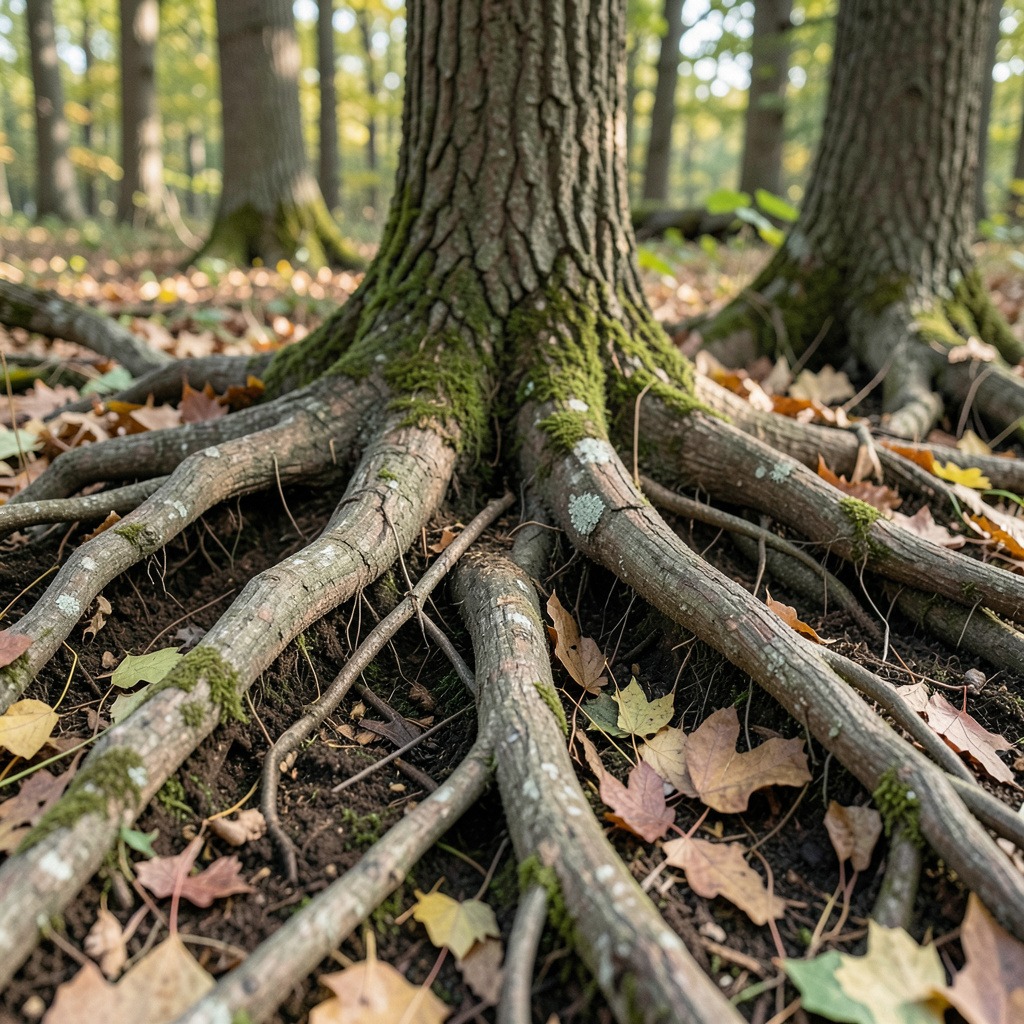
Managing the aggressive root systems of silver maple trees is essential to minimize damage to surrounding structures and vegetation. Here are practical strategies for monitoring and pruning to maintain a healthy landscape.
Monitoring Root Growth
Regular monitoring is vital to control the spread of silver maple roots. Here’s how to effectively track their growth:
- Inspect Annually: Check the root zone every spring before new growth begins. Look for visible roots that emerge near sidewalks, driveways, or foundations.
- Mark Problem Areas: Use stakes or spray paint to highlight areas with excessive root encroachment. Pay attention to sides where the soil remains damp, as roots tend to proliferate here.
- Evaluate Root Depth: Use a soil probe to assess root depth. Most surface roots will be found 12-18 inches deep, with some feeder roots extending 3-5 feet down in well-drained soils.
Pruning Techniques for Silver Maples
Pruning can help manage the root system without harming the tree. Follow these guidelines for effective root pruning:
1. Identify Surface Roots: Look for roots that exceed 2 inches in diameter, especially those encroaching on hardscapes.
2. Make Clean Cuts: Use a sharp spade to sever roots cleanly. This encourages new growth to be more manageable.
3. Limit Root Removal: Avoid removing more than 25% of the root system in a single year. This prevents stress on the tree and minimizes aggressive regrowth.
4. Water Deeply After Pruning: After pruning, deep watering helps the tree recover and can reduce new surface root growth. Aim for a watering schedule that encourages roots to grow downward rather than outward.
Installing Root Barriers
Root barriers can effectively prevent silver maple roots from encroaching on structures. Here’s how to install them:
- Choose the Right Barrier: Use plastic or composite barriers that are 24-36 inches deep.
- Placement: Install barriers in a continuous trench around structures, positioning them 3-5 feet from the trunk for young trees and 6-10 feet for mature ones.
- Height Consideration: Ensure the barrier extends 6 inches above the soil line to prevent roots from growing over the top.
Checklist for Root Management
- [ ] Inspect root zone annually before spring growth.
- [ ] Mark areas with significant root encroachment.
- [ ] Prune only 25% of the roots per year.
- [ ] Water deeply post-pruning to encourage downward growth.
- [ ] Install root barriers strategically around structures.
Implementing these techniques will help you manage silver maple roots effectively, protecting your property and surrounding plants from potential damage.
Recommended Planting Distances for Silver Maples
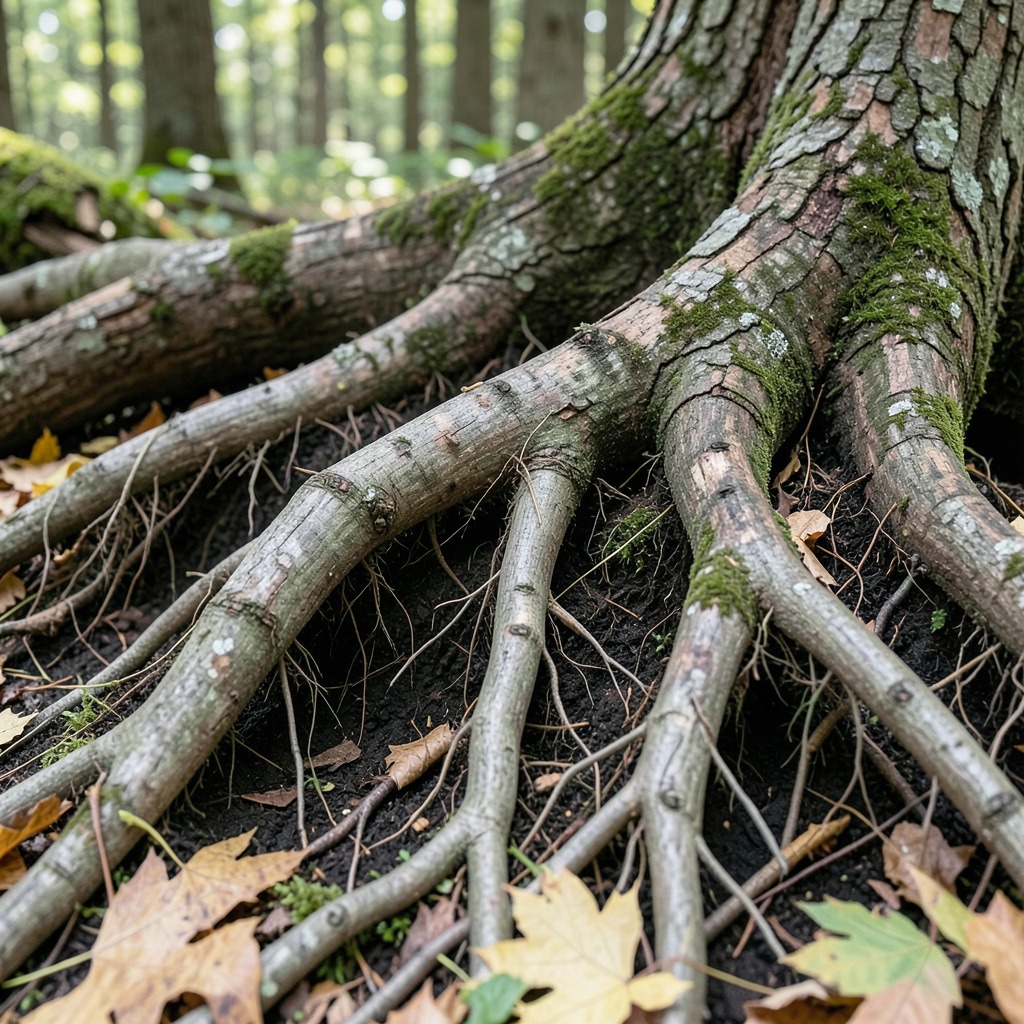
To minimize root damage and invasiveness, it’s essential to plant silver maples at appropriate distances from structures. Their aggressive root systems can cause significant issues, including foundation damage and lifted sidewalks.
Ideal Planting Distances from Structures
Here are general guidelines for planting distances based on tree age:
| Tree Age | Recommended Distance from Structures |
|---|---|
| Young (1-5 years) | 15-20 feet |
| Mature (6-15 years) | 25-50 feet |
| Established (16+ years) | 50+ feet |
These distances help prevent roots from encroaching on foundations and hardscapes.
Factors Influencing Root Spread
Several factors can influence how far silver maple roots spread:
- Soil Type: In rich, loose soils, roots can extend further.
- Moisture Levels: Wet conditions encourage more aggressive root growth.
- Tree Size: Larger trees generally have a wider root spread.
Understanding these factors will help you assess your planting site better.
Adjusting for Soil Conditions
When considering soil conditions, adjust your planting distance accordingly:
- Well-Drained Soil: Maintain recommended distances to avoid root expansion.
- Clay or Compacted Soil: Increase distance by 10-15% due to potentially limited root growth.
- Sandy Soil: Roots may spread more widely, so err on the side of caution with distances.
By evaluating these variables, you can effectively plan your landscape and safeguard your property against the invasive nature of silver maple roots.
Comparing Silver Maple Roots to Other Tree Roots
Silver maple roots exhibit a notably invasive nature compared to many other tree species. This section analyzes their root characteristics and management strategies, offering a clearer picture for property owners and landscapers.
Invasiveness Compared to Other Maples
Silver maple (Acer saccharinum) roots are known for their aggressive growth. They often spread extensively, posing risks to infrastructure. In comparison, other maple species like the sugar maple (Acer saccharum) have less aggressive root systems.
- Silver Maple: Roots can extend 30-50 feet from the trunk, creating significant damage potential.
- Sugar Maple: More contained roots, typically extending only 20-30 feet.
This difference in root behavior makes the silver maple less suitable for urban environments where space and structural integrity are concerns.
Root Depth and Spread in Different Trees
Understanding root depth and spread helps in evaluating planting strategies. Here’s a comparative view:
| Tree Species | Average Root Depth | Average Root Spread | Invasive Potential |
|---|---|---|---|
| Silver Maple | 3-4 feet | 30-50 feet | High |
| Sugar Maple | 2-3 feet | 20-30 feet | Moderate |
| Red Maple | 3-5 feet | 25-35 feet | Moderate |
| Oak (Quercus spp.) | 3-6 feet | 40-60 feet | High |
| Pine (Pinus spp.) | 2-4 feet | 20-30 feet | Low |
This table illustrates that while silver maples can cause damage through their extensive root systems, other species, like oaks, also have high invasiveness but differ in growth patterns.
Management Strategies: A Comparative View
Effective management of silver maple roots often involves proactive strategies. Here are key techniques compared with other species:
- Root Barriers: Essential for silver maples. A trench of 24-36 inches is recommended to prevent root encroachment.
- Watering Techniques: Deep watering encourages downward growth, reducing surface roots. This applies to all trees but is crucial for silver maples due to their aggressive surface roots.
- Pruning: Regular pruning can help manage growth but is more critical for silver maples to minimize above-ground stress.
When selecting a tree, consider these management techniques. If invasive roots are a concern, explore alternatives like sugar maples or pines, which have less aggressive root systems and lower maintenance needs.
Alternatives to Silver Maple for Landscaping
When considering alternatives to silver maple, it’s crucial to choose trees that offer similar aesthetic benefits without the invasive root issues. Below are some recommended species that thrive in similar conditions but maintain a less aggressive root system.
Top Alternatives to Consider
1. Sugar Maple (Acer saccharum)
- Aesthetic: Beautiful fall foliage with vibrant colors.
- Root System: Deep-rooted, less invasive compared to silver maple.
- Care Tips: Prefers well-drained soil; regular watering during dry spells.
2. Red Maple (Acer rubrum)
- Aesthetic: Stunning red blossoms in spring, appealing fall colors.
- Root System: Moderate growth; roots are less likely to damage foundations.
- Care Tips: Tolerates various soil types; ensure adequate moisture.
3. Eastern White Pine (Pinus strobus)
- Aesthetic: Elegant, tall structure with soft, feathery needles.
- Root System: Deep and stable; less surface disruption.
- Care Tips: Thrives in sandy, well-drained soils; minimal pruning required.
4. River Birch (Betula nigra)
- Aesthetic: Attractive, peeling bark and graceful foliage.
- Root System: Fibrous roots that are less aggressive.
- Care Tips: Prefers wet soils; can tolerate drought once established.
Benefits of Choosing Non-Invasive Species
Opting for non-invasive trees comes with several advantages:
- Reduced Maintenance: Non-invasive roots are less likely to disrupt sidewalks, driveways, or sewer lines, reducing long-term management efforts.
- Environmental Balance: These trees support local wildlife while preventing potential ecosystem imbalances caused by aggressive root systems.
- Aesthetic Appeal: Many alternatives provide similar beauty, enhancing your landscape without the risks associated with silver maples.
How to Choose the Right Tree for Your Landscape
When selecting a tree for your landscape, consider the following factors:
- Space Availability: Determine the area available for root expansion and growth.
- Soil Type: Match the tree species to your soil conditions for optimal health.
- Climate Compatibility: Ensure the species is suitable for your local climate and weather patterns.
- Purpose: Decide if you’re planting for shade, aesthetics, or wildlife support.
By assessing these criteria, you can make an informed decision that aligns with your landscape goals while avoiding the challenges posed by silver maple roots.
Frequently Asked Questions
These quick answers cover the most common questions about this topic, including key details, practical tips, and common concerns.
Does silver maple have invasive roots?
Yes, silver maple roots are known for their invasive nature. They tend to grow aggressively and can spread 2 to 4 times the width of the tree’s canopy. This expansive growth can lead to disruption of nearby structures, including sidewalks, driveways, and foundations.
How far should silver maple be from the house?
To minimize the risk of damage, silver maples should be planted at least 20-30 feet away from homes and other structures. For mature trees, consider increasing this distance to 50 feet or more to prevent root encroachment and potential foundation issues.
What are the downsides of silver maple trees?
Silver maples have several downsides, including their aggressive root system, which can damage foundations and sidewalks. They also have a relatively short lifespan, typically around 30-50 years, and their brittle wood can lead to broken branches, posing risks during storms.
How deep are the roots on a silver maple?
Silver maple roots are generally shallow, averaging 12 to 24 inches deep. However, they can extend deeper in well-drained soils, reaching up to 3-5 feet. The shallow nature of these roots makes them more likely to disrupt nearby structures.
Are the roots damaging a specific structure like a sidewalk or foundation?
Yes, silver maple roots can damage sidewalks and foundations. The aggressive growth can cause sidewalks to buckle and foundations to crack. Regular monitoring and management strategies, such as root barriers, can help mitigate these issues.
What are effective ways to manage silver maple roots?
To manage silver maple roots effectively, consider the following strategies:
- Regular Monitoring: Inspect the root zone annually for signs of encroachment.
- Pruning: Trim surface roots that exceed 2 inches in diameter, but avoid removing more than 25% of the root system in a single year.
- Root Barriers: Install barriers 24-36 inches deep around the tree to prevent roots from reaching structures.
How does silver maple root growth compare to other tree roots?
Compared to other tree species, silver maple roots are more invasive. For instance, sugar maples generally have less aggressive roots that extend only 20-30 feet. Understanding these differences is crucial when selecting trees for urban landscaping to avoid potential damage.
What are some alternatives to silver maple for landscaping?
If you’re looking for alternatives to silver maple, consider planting sugar maple, red maple, or river birch. These species offer similar aesthetic benefits without the invasive root issues associated with silver maples.