
The silver maple typically reaches heights of 50 to 80 feet (15 to 24 meters) and can spread 40 to 60 feet (12 to 18 meters) wide at maturity, making it one of the largest native maple trees.
Table of Contents
Silver maples are expansive trees known for their rapid growth and considerable size. Understanding their dimensions and care requirements can enhance landscaping decisions, particularly in wet environments where they thrive and provide ecological benefits.
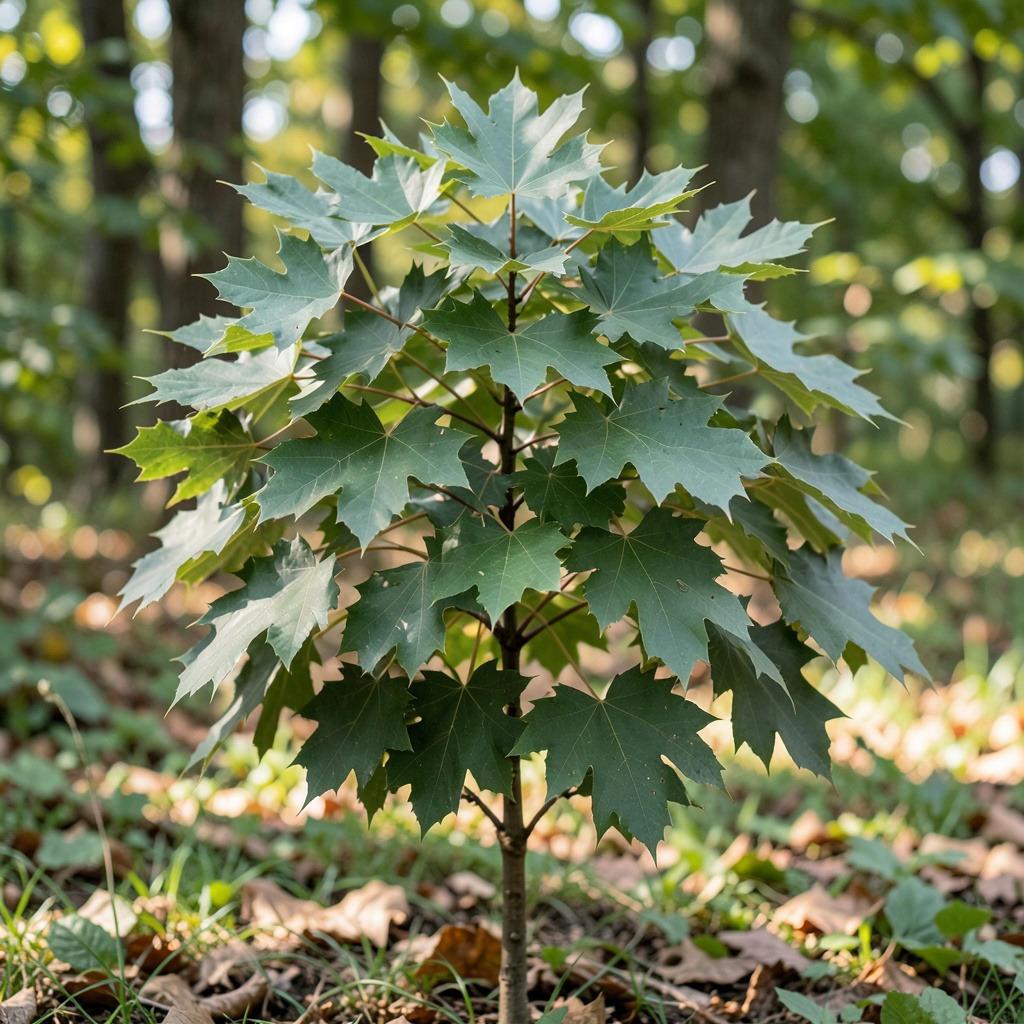
Growth Characteristics of Silver Maple Trees
Silver maple trees (Acer saccharinum) are notable for their impressive size and rapid growth. Understanding their typical dimensions and the factors influencing their growth can help in effective landscape planning.
Typical Height and Spread
Silver maples typically reach a height of 50 to 80 feet (15 to 24 meters) and can have a mature spread of 40 to 60 feet (12 to 18 meters). Under optimal conditions, some specimens may exceed 100 feet (30 meters) in height. Their expansive canopy provides significant shade and aesthetic value.
| Measurement | Average Range | Exceptional Specimens |
|---|---|---|
| Height | 50 to 80 feet (15-24 m) | Over 100 feet (30 m) |
| Spread | 40 to 60 feet (12-18 m) | Varies with conditions |
Growth Rate and Factors Influencing Size
Silver maples are among the fastest-growing trees, with growth rates of 3 to 7 feet (90 to 210 cm) per year in ideal conditions. Several factors influence their growth:
- Soil Type: They thrive in moist, well-draining soils, especially those near water bodies.
- Sunlight: Full sun promotes maximum growth. They can tolerate partial shade but grow less vigorously.
- Water Availability: Adequate moisture is crucial, as they are often found in wetlands and floodplains.
Notable Exemplary Trees
Exceptional silver maple trees can be found in various locations, showcasing their potential size. For instance, a silver maple located near a river in a nutrient-rich area may grow significantly taller than those in dry, urban settings. Arborists note that proper care, including regular watering and soil amendments, can enhance growth potential.
When planning to plant silver maples, consider spacing them adequately to accommodate their broad spread and aggressive root systems. This approach minimizes potential conflicts with structures and other landscaping elements.
Care and Maintenance for Optimal Growth
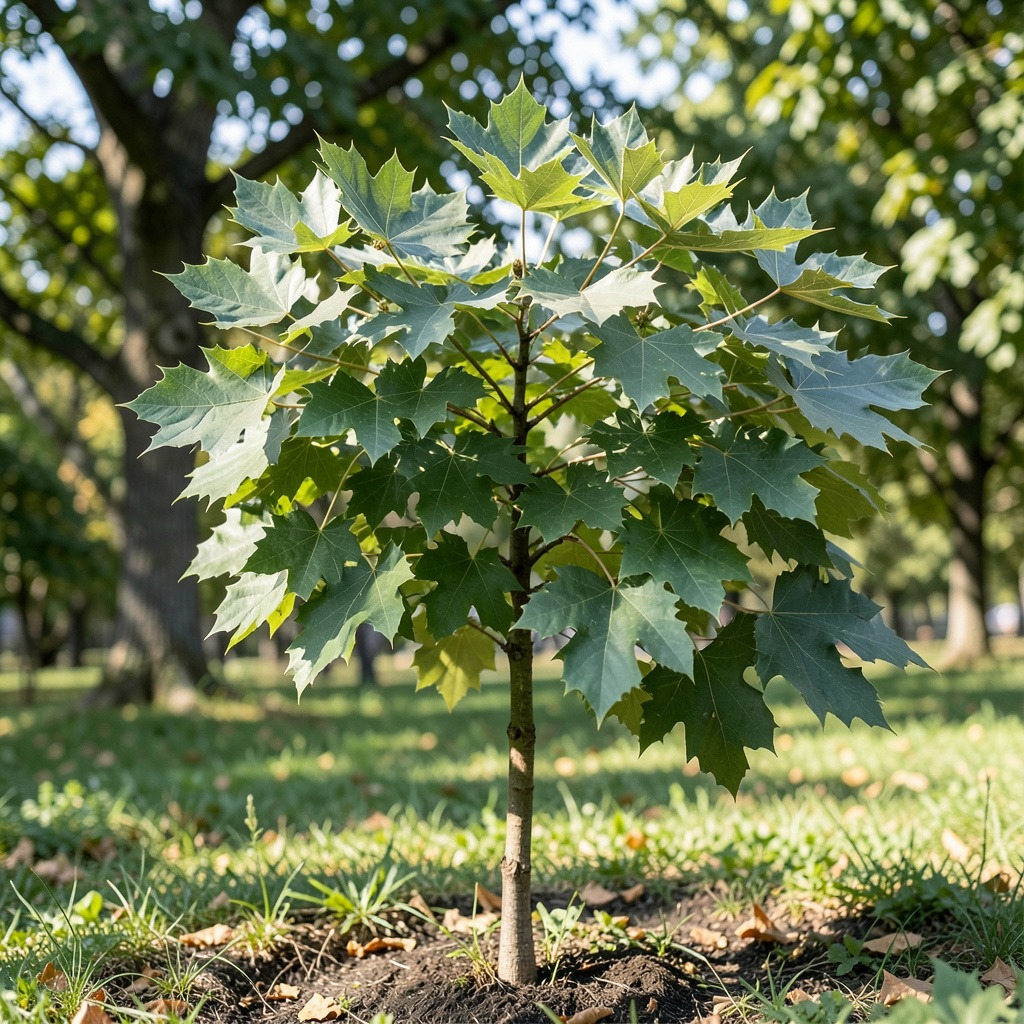
Proper care and maintenance are essential for promoting the healthy growth of silver maples. Understanding their specific needs will help achieve optimal size and longevity.
Planting Tips for Silver Maples
When planting silver maples, consider the following guidelines to ensure robust growth:
- Location: Choose a sunny area with well-drained soil. Silver maples thrive in full sun but can tolerate partial shade.
- Spacing: Plant at least 15–20 feet away from structures and utilities. This distance accommodates their expansive root systems and large crowns.
- Timing: The best planting seasons are spring and fall, allowing for strong establishment before extreme weather.
Recommended Pruning Techniques
Regular pruning is crucial for maintaining the structure and health of silver maples. Follow these recommendations:
- Timing: Prune in late winter or early summer when the tree is dormant. Avoid spring pruning to minimize sap bleeding.
- Methods:
- Remove dead, damaged, or crossing branches to improve airflow and reduce storm damage risk.
- Aim to maintain a single dominant trunk with well-spaced lateral branches to enhance stability.
- Avoid topping the tree, as this creates weak growth and shortens lifespan.
Example Pruning Checklist:
- Inspect trees annually for weak or damaged branches.
- Schedule pruning in late winter or early summer.
- Focus on maintaining a strong central leader.
- Remove co-dominant leaders early to prevent structural issues.
Pest Management Strategies
Silver maples can be susceptible to various pests. Implementing effective pest management practices is essential for their health. Here’s a table of common pests and their management strategies:
| Pest | Description | Management Strategy |
|---|---|---|
| Aphids | Small, sap-sucking insects | Introduce natural predators; use insecticidal soap if heavy infestation occurs. |
| Scale | Hard, shell-like pests | Use horticultural oil during dormant season for control. |
| Caterpillars | Leaf-eating larvae | Handpick or use organic pesticides as needed. |
By following these care and maintenance practices, you can ensure that your silver maple reaches its full size potential while remaining healthy and resilient.
Advantages and Disadvantages of Silver Maples
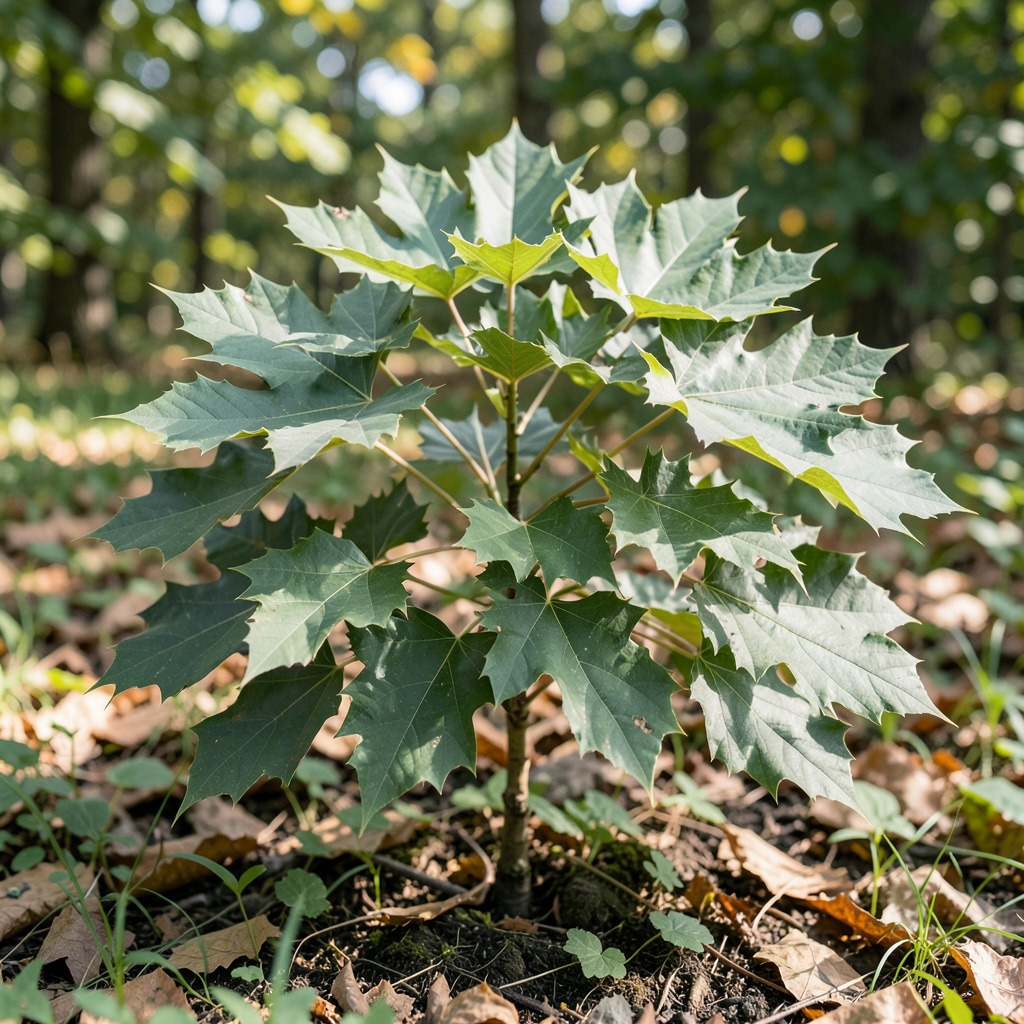
Silver maples offer both benefits and challenges as landscape trees. Understanding these factors is crucial for making informed decisions about their use in various settings.
Benefits of Planting Silver Maples
1. Rapid Growth: Silver maples are fast-growing, often reaching heights of 50 to 80 feet (15 to 24 meters) within a relatively short period. Under ideal conditions, some specimens can exceed 100 feet (30 meters) in height.
2. Ecological Value: These trees provide critical habitat for various wildlife. Their early-maturing seeds feed birds like Evening Grosbeaks and Purple Finches, especially in spring when food is scarce. Additionally, cavity-nesting birds utilize their mature trunks for nesting.
3. Adaptability: Silver maples thrive in wet soils, making them ideal for planting near streams or in floodplains. Their ability to tolerate poor soil conditions and moisture allows them to grow in challenging landscapes.
Common Problems Encountered
1. Weak Wood: The wood of silver maples is relatively brittle. This trait makes them susceptible to breakage during storms or heavy winds. Homeowners should consider this when planting near structures or high-traffic areas.
2. Invasive Roots: Silver maple roots can be aggressive. They often disrupt sidewalks, driveways, and sewer lines, leading to costly repairs. It is essential to plant them with adequate spacing from hardscapes to mitigate this issue.
3. Less Vibrant Fall Colors: Compared to other maples, silver maples often display a less pronounced autumn color palette, typically yielding pale yellow leaves instead of the vibrant reds and oranges seen in other species.
Comparisons with Other Maple Species
| Characteristic | Silver Maple | Sugar Maple | Red Maple |
|---|---|---|---|
| Mature Height | 50-80 feet (up to 100 feet) | 40-100 feet | 40-60 feet |
| Growth Rate | Fast | Moderate | Fast |
| Wood Strength | Weak | Strong | Moderate |
| Fall Color | Pale yellow | Bright red/orange | Brilliant red |
| Root Behavior | Aggressive | Non-invasive | Moderate |
Silver maples’ rapid growth and adaptability make them appealing for various landscaping needs. However, their weak wood and aggressive roots present challenges that potential planters must consider. For optimal growth and health, choose suitable planting locations and be mindful of spacing requirements.
Ideal Planting Locations for Silver Maples

Silver maples thrive best in specific environments that cater to their growth needs. Understanding their soil preferences and spatial requirements is crucial for successful planting.
Preferred Soil Types
Silver maples prefer rich, loamy soils with good moisture retention. They excel in:
- Wet, poorly drained areas: Ideal for floodplains and near water sources.
- Loamy soils: Support rapid growth when moisture is available.
- Seasonally flooded regions: These conditions enhance their natural habitat.
Avoid sandy or rocky soils, as they limit growth potential. Adequate moisture is essential for optimal health.
Spacing and Urban Considerations
When planting silver maples in urban areas, consider spacing and root behavior:
- Spacing: Allow at least 30-50 feet between trees. This prevents competition for light and nutrients.
- Urban settings: Choose large open spaces. Their aggressive roots can disrupt sidewalks and underground utilities.
Impact on Nearby Structures
Silver maples have a fibrous root system that can pose challenges:
- Proximity to structures: Plant at least 20 feet away from foundations to prevent damage.
- Potential interference: Roots can invade septic systems and drainage fields.
By selecting appropriate planting locations based on soil and space, you can ensure the healthy growth of silver maples while minimizing conflicts with urban infrastructure.
Frequently Asked Questions
These quick answers cover the most common questions about this topic, including key details, practical tips, and common concerns.
What are the disadvantages of silver maple?
Silver maples have several disadvantages. Their wood is relatively weak, making them prone to breakage during storms or high winds. This can pose risks if planted near structures or high-traffic areas. Additionally, their aggressive root systems can disrupt sidewalks, driveways, and even sewer lines, leading to costly repairs.
Another downside is their less vibrant fall color compared to other maple species. While they typically produce pale yellow leaves in autumn, other maples, like sugar and red maples, showcase more brilliant hues. This might be a consideration for those seeking striking seasonal displays.
How tall is a 10-year-old silver maple?
A 10-year-old silver maple can reach heights of about 20 to 30 feet (6 to 9 meters) under optimal conditions. Silver maples are known for their fast growth rate, typically growing 3 to 7 feet (0.9 to 2.1 meters) per year. Factors such as soil quality, sunlight, and water availability will significantly influence their growth.
Is a silver maple a good yard tree?
Silver maples can be excellent yard trees, especially in areas with wet soil, as they thrive in such conditions. They provide ample shade and are fast-growing, making them a popular choice for quick landscape coverage. However, homeowners should consider their aggressive root systems and weak wood, which may lead to maintenance issues.
If you have ample space and can manage the potential challenges, silver maples can enhance your yard’s aesthetic and ecological value.
Where is the best place to plant a silver maple?
The best place to plant a silver maple is in a sunny area with well-drained, loamy soil, preferably near water sources or in floodplains. Ensure that the site has enough space for the tree’s expansive canopy and roots. Aim to plant at least 20 to 30 feet away from structures to minimize potential damage from roots.
Avoid sandy or rocky soils, as these can limit the tree’s growth potential. By choosing the right location, you can support the healthy development of your silver maple.
What are recommended pruning tips for silver maple?
When pruning silver maples, aim to do so in late winter or early summer when the tree is dormant. This timing helps minimize sap bleeding. Focus on removing dead, damaged, or crossing branches to improve air circulation and overall tree health.
Maintain a strong central leader and avoid topping the tree, as this can create weak growth. Regular inspections and pruning can help maintain the tree’s structure and longevity.
How do silver maple roots affect nearby structures?
Silver maple roots can be quite aggressive, leading to potential issues with nearby structures. Roots may disrupt sidewalks, driveways, and even invade sewer lines, causing costly repairs. To mitigate these risks, plant silver maples at least 20 to 30 feet away from foundations and hardscapes.
Proper spacing helps accommodate their expansive root systems while preventing damage to your property. Be mindful of their growth habits when planning your landscape.
What are the common pests affecting silver maple?
Silver maples are susceptible to several pests, including aphids, scale insects, and caterpillars. Aphids are small, sap-sucking insects that can weaken the tree. Scale insects appear as hard, shell-like pests and can be managed with horticultural oil during the dormant season.
Caterpillars, which feed on the leaves, can be controlled by handpicking or using organic pesticides. Regular monitoring and early intervention are key to keeping your silver maple healthy.
What should readers know about detailed pest management strategies?
Effective pest management for silver maples involves regular inspections and timely interventions. Start by identifying common pests like aphids, scale, and caterpillars. Use natural predators, such as ladybugs, for aphid control, and apply insecticidal soap if infestations occur.
For scale insects, horticultural oil can be effective during dormancy. Handpicking caterpillars or using organic pesticides can help manage leaf-eating larvae. Maintaining tree health through proper watering and care also strengthens resistance to pests.