
The silver maple tree (Acer saccharinum) is a fast-growing deciduous tree known for its silver-backed leaves and adaptability to wet environments, making it a popular choice for landscaping in eastern North America.
Table of Contents
Silver maple trees are widely appreciated for their rapid growth and striking foliage. This guide provides essential information on their characteristics, care requirements, ecological benefits, and considerations for planting in various landscapes.
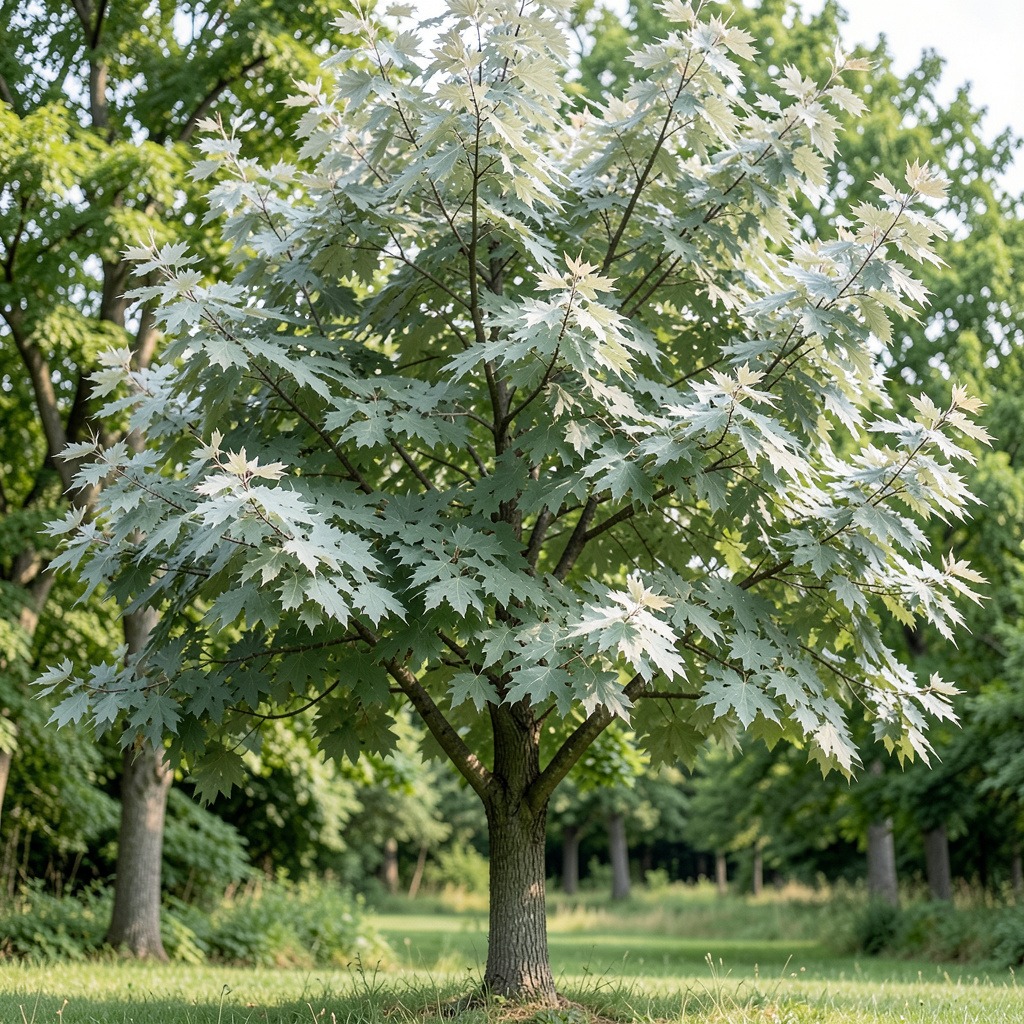
Understanding Silver Maple Trees: Characteristics and Identification
Silver maple trees (Acer saccharinum) are notable for their rapid growth and adaptability to wet environments. Their unique features make them easily identifiable and valuable in various landscapes.
Characteristics of Acer saccharinum
Silver maples are large, deciduous trees reaching heights of 50 to 80 feet and a spread of 35 to 60 feet. They typically exhibit a vase-shaped growth habit. Their rapid growth can be as much as 3 to 7 feet per year, making them one of the fastest-growing maple species.
Leaf and Bark Features
The leaves of the silver maple are distinctive. They are large, deeply lobed, and have a silver-white underside, which gives the tree its name. The leaf structure is as follows:
- Size: 4 to 6 inches long
- Lobes: 5 to 7 lobes, sharply pointed
- Color: Dark green on top, silvery-white beneath
The bark is gray-brown and becomes shaggy as the tree matures, adding to its visual interest.
Ecological Role and Distribution
Silver maples thrive in wet habitats, including floodplains and along stream banks. They play a crucial ecological role by providing habitat and food for various wildlife species. For example, they are one of the earliest sources of pollen for native bees, blooming in late winter before other plants emerge. This early flowering supports queen bumblebees and other pollinators, fostering biodiversity in their ecosystems.
Identification Checklist:
- Vase-shaped growth habit
- Large, deeply lobed leaves with silver undersides
- Shaggy gray-brown bark
- Rapid growth rate
By recognizing these features, you can confidently identify silver maple trees in both urban and natural settings.
Growing Conditions for Silver Maple Trees
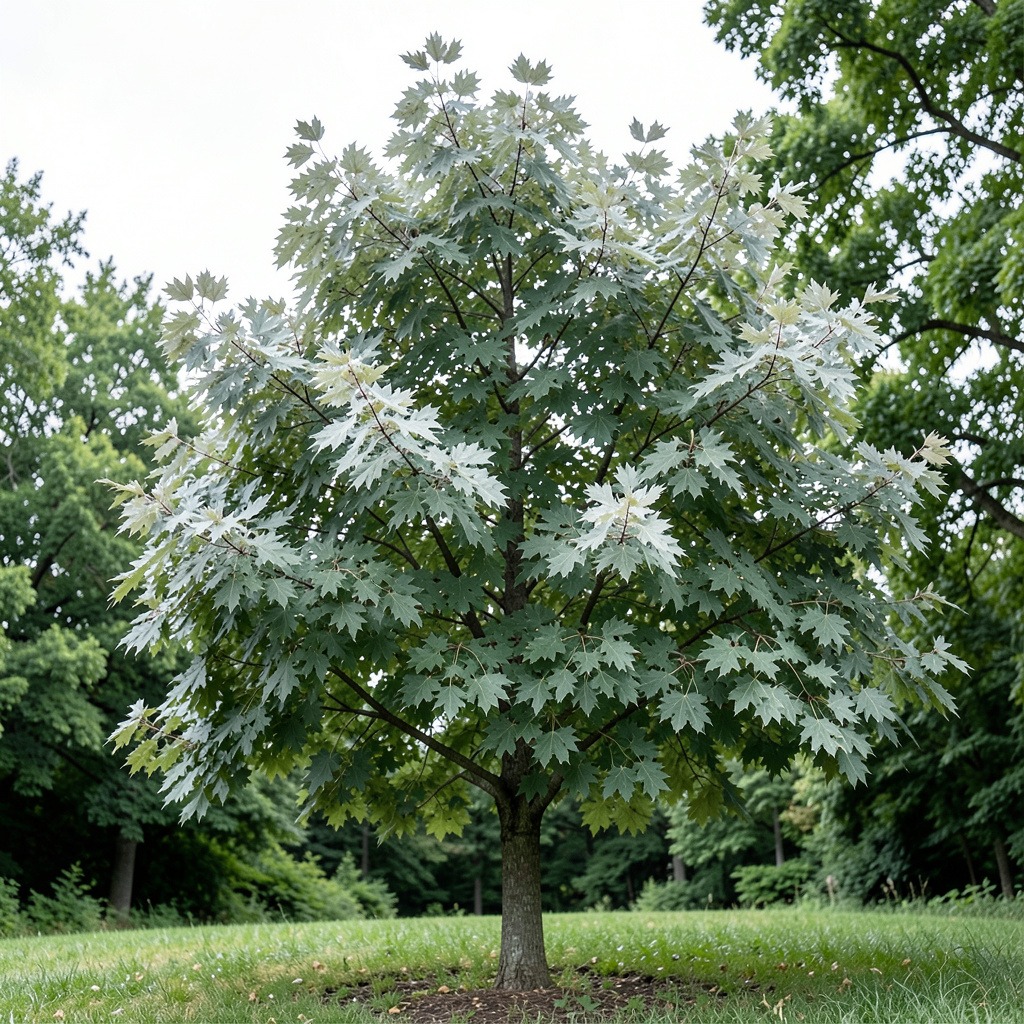
Silver maple trees thrive under specific conditions that enhance their growth and ecological benefits. Understanding their soil preferences, moisture needs, and sunlight exposure is crucial for successful planting.
Soil and Moisture Needs
Silver maples prefer well-drained, moist soils but can adapt to a variety of conditions. They excel in slightly acidic to neutral pH and can tolerate wet, compacted, and even poorly drained soils. Here are some key points regarding their soil and moisture requirements:
- Soil Type: Well-drained, slightly acidic soils are ideal. They tolerate clay and loamy soils.
- Moisture Levels: Silver maples can withstand periods of standing water and are well-suited for flood-prone areas.
- Drought Tolerance: Once established, they show moderate drought tolerance, but consistent moisture is best for optimal growth.
Ideal Planting Locations
Selecting the right location enhances the growth and longevity of silver maples. They thrive in areas that mimic their natural habitats, such as floodplains and stream banks. Consider these guidelines when choosing a planting site:
- Proximity to Water: Plant near water features, rain gardens, or areas that retain moisture.
- Avoid Dense Shade: Full sun to partial shade is preferred. Avoid densely shaded woodland areas that can hinder growth.
- Open Spaces: An open area allows the tree to develop a full crown and promotes healthy branching.
Sunlight Requirements
Sunlight exposure significantly affects the growth rate and health of silver maple trees. Here’s what you need to know:
- Full Sun: Maximum growth occurs in full sun, where the tree can access 6-8 hours of direct sunlight daily.
- Partial Shade: While they can thrive in partial shade, growth may be less vigorous, and the tree may not develop as full a crown.
- Sunlight Impact: Adequate sunlight ensures robust leaf development, which helps the tree photosynthesize efficiently.
Checklist for Optimal Planting Conditions
- Soil: Well-drained, slightly acidic to neutral.
- Moisture: Consistently moist, with good drainage.
- Sunlight: Full sun (6-8 hours) for maximum growth.
- Location: Near water sources; avoid dense shade.
By adhering to these guidelines, gardeners can create an environment that supports the robust growth and ecological contributions of silver maple trees.
Care and Maintenance of Silver Maple Trees
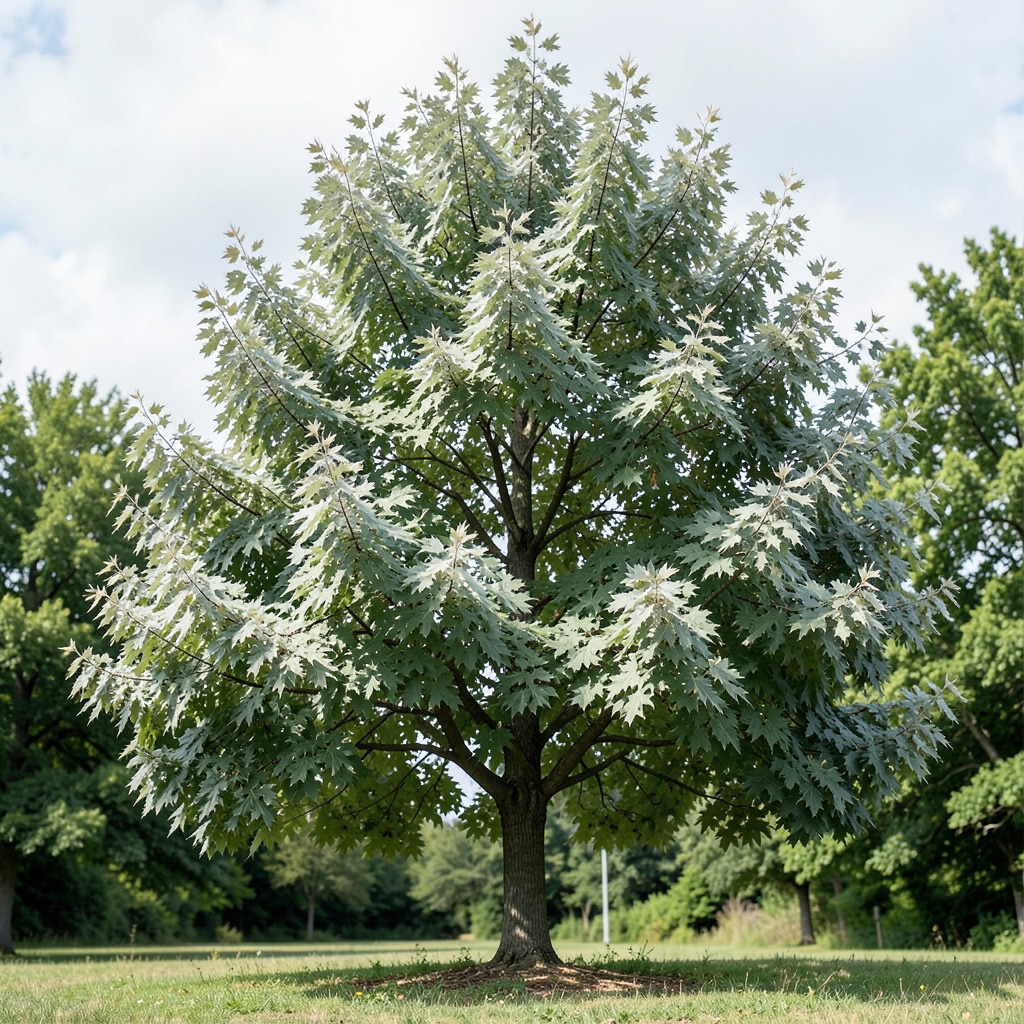
Caring for silver maple trees (Acer saccharinum) ensures their health and longevity. Proper watering, fertilization, and pruning practices are key to thriving growth.
Watering and Fertilization
Silver maples require consistent moisture, particularly during their early years. Here are essential watering guidelines:
- Young Trees: Water weekly for the first two years. Use 2 to 3 gallons of water per caliper inch of trunk diameter.
- Established Trees: Once established, silver maples typically do not need supplemental watering, as they can adapt to existing soil moisture.
Fertilization is generally not necessary unless soil tests indicate nutrient deficiencies. If you choose to fertilize, a balanced, slow-release fertilizer applied in early spring can support growth.
Pruning Techniques for Optimal Health
Pruning is crucial for maintaining the structure and health of silver maple trees. Follow these techniques:
- Timing: Prune in late summer or winter when sap flow is minimal. Avoid spring pruning.
- Methods:
- Remove weak, damaged, or crossing branches.
- Maintain a single dominant trunk to prevent multiple weak sprouts.
- Focus on well-spaced lateral branches for stability.
Regular pruning mitigates the risk of storm damage, as silver maples have relatively brittle wood.
Common Pests and Diseases
Silver maples can be susceptible to various pests and diseases. Here are some management strategies:
- Aphids: Monitor for aphids, particularly in spring. Wash them off with water or use insecticidal soap if populations rise.
- Fungal Infections: Look out for leaf spots or wilting. Ensure proper air circulation by pruning as needed and avoid overhead watering.
- Scale Insects: If identified, treat with horticultural oil or insecticidal soap during the dormant season.
Checklist for Silver Maple Care:
- Watering: Weekly for young trees; monitor established trees.
- Pruning: Late summer or winter; focus on damaged branches.
- Pest Management: Regular inspections; treat as needed.
By following these care guidelines, you can help your silver maple thrive in its landscape setting.
Pros and Cons of Planting Silver Maple Trees
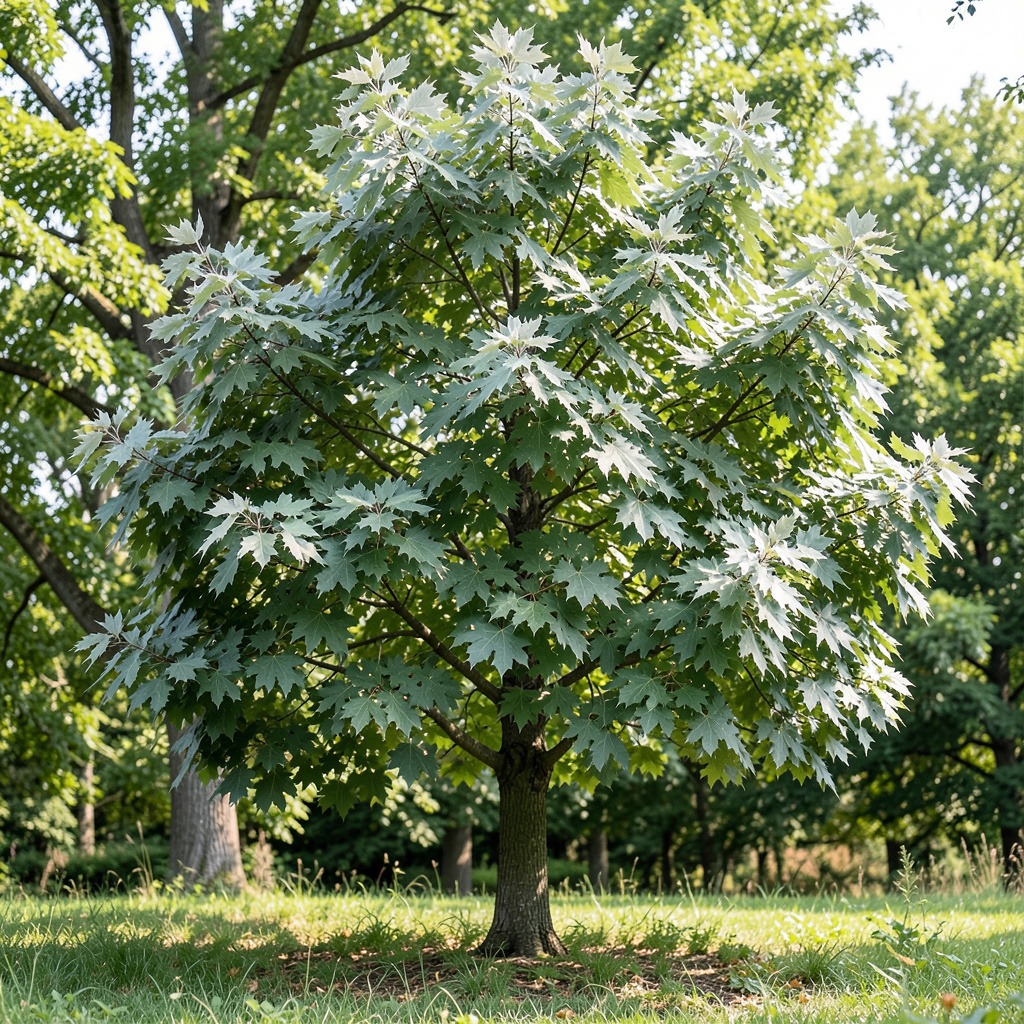
Silver maple trees, known for their rapid growth and adaptability, offer distinct advantages and disadvantages for landscaping. Understanding these can aid in making informed decisions about planting.
Benefits of Silver Maple Trees
- Rapid Growth: Silver maples can grow 3 to 7 feet per year, making them one of the fastest-growing deciduous trees. This feature is ideal for quick shade.
- Ecological Contributions: They provide habitat for wildlife and help prevent soil erosion, especially in wet areas. Their extensive root systems stabilize banks and reduce runoff.
- Aesthetic Appeal: The distinctive silver-backed leaves create an attractive visual effect, particularly in sunlight. This adds beauty to residential landscapes.
- Moisture Tolerance: Silver maples thrive in saturated soils, making them suitable for planting in areas where other trees may struggle.
Common Problems and Considerations
While silver maples have many advantages, they also present challenges:
- Weak Wood: Their brittle branches can snap easily, especially in storms, posing risks to nearby structures.
- Aggressive Roots: The root system can disrupt sidewalks, driveways, and underground utilities, necessitating careful site selection.
- Invasive Tendencies: In some regions, silver maples can spread aggressively, competing with native species.
- Maintenance Needs: Regular pruning is essential to manage their growth habit and reduce the risk of branch breakage.
User Experiences and Testimonials
Many gardeners share their encounters with silver maples:
- Positive Growth Stories: Some users report successful growth in wet areas where other species failed. They appreciate the quick shade provided.
- Challenges with Roots: Others highlight issues with root invasiveness, noting that careful consideration of planting locations is crucial.
- Maintenance Insights: Users recommend consistent pruning and monitoring for pests to maintain tree health.
Checklist for Evaluating Silver Maple Planting:
- Assess soil moisture levels.
- Consider proximity to structures and utilities.
- Plan for regular maintenance, including pruning and pest management.
- Research local climate adaptability and potential invasiveness.
By weighing these pros and cons, you can determine whether the silver maple tree fits your landscaping needs.
Comparing Silver Maple with Other Maple Species
The silver maple tree (Acer saccharinum) offers unique characteristics that differentiate it from other popular maple species, particularly the sugar maple (Acer saccharum) and the red maple (Acer rubrum). Understanding these differences can guide your landscaping decisions.
Growth and Size Comparisons
Silver maples are known for their rapid growth. They can reach heights of 50-80 feet within just a few decades. In contrast, sugar maples grow more slowly, achieving similar heights but over a longer period, typically 30-40 years. Red maples also grow quickly, often reaching 40-60 feet in height, but they are slightly more resilient in urban settings.
| Feature | Silver Maple | Sugar Maple | Red Maple |
|---|---|---|---|
| Growth Rate | Fast (up to 3 feet/year) | Moderate (1-2 feet/year) | Fast (up to 2 feet/year) |
| Mature Height | 50-80 feet | 40-75 feet | 40-60 feet |
| Lifespan | 130+ years | 200+ years | 150+ years |
| Leaf Characteristics | Deeply lobed, silver undersides | Broad, lobed, vibrant fall color | Less deeply lobed, red fall color |
Ecological Contributions
Silver maples excel in wet environments, providing critical ecological benefits. Their extensive root systems help control erosion along riverbanks and floodplains. They are also excellent for wildlife, offering food and habitat for various species. Sugar maples are valued for their sap, which is used to produce maple syrup, while red maples are known for their ability to thrive in diverse soil conditions, making them versatile in a range of habitats.
| Ecological Role | Silver Maple | Sugar Maple | Red Maple |
|---|---|---|---|
| Erosion Control | Excellent | Moderate | Good |
| Wildlife Habitat | High | Moderate | High |
| Sap Production | Minimal | High | Moderate |
Landscaping Suitability
When considering landscaping, silver maples provide quick shade and stunning aesthetics with their striking leaves. However, their aggressive root systems can cause issues with pavement and underground utilities. Sugar maples are more stable and less invasive, making them ideal for urban landscapes. Red maples are versatile, offering a balance of beauty and practicality.
Decision Factors for Landscaping
- Soil Conditions: Choose silver maples for wet soils. Opt for sugar or red maples in drier areas.
- Space Availability: Assess root invasiveness; silver maples require more space away from structures.
- Aesthetic Goals: Consider seasonal color; sugar maples offer vibrant fall hues, while silver maples shimmer with their unique leaf undersides.
This comparison highlights the distinct traits of silver maples, sugar maples, and red maples, aiding in informed planting and landscape design choices.
Frequently Asked Questions
These quick answers cover the most common questions about this topic, including key details, practical tips, and common concerns.
Is a silver maple a good yard tree?
Yes, a silver maple can be a good yard tree, especially if you need quick shade. They grow rapidly, reaching heights of 50 to 80 feet. Their striking silver-backed leaves add beauty to your landscape. However, consider their aggressive root system, which can disrupt sidewalks and underground utilities.
What’s the difference between a maple tree and a silver maple tree?
The term “maple tree” encompasses many species, including silver maple (Acer saccharinum). Silver maples are known for their fast growth and adaptability to wet conditions. In contrast, other species, like sugar maples, grow slower and are valued for their sap. Silver maples have deeply lobed leaves with a silver underside, while sugar maples have broader leaves with vibrant fall colors.
What are the downsides of silver maple trees?
Silver maples come with some drawbacks. They have brittle wood, making them prone to branch breakage during storms. Their aggressive roots can damage nearby structures, and they may spread rapidly, competing with native plants. Regular pruning is necessary to manage their growth and reduce potential hazards.
How quickly does a silver maple grow?
Silver maples are among the fastest-growing trees, often adding 3 to 7 feet in height each year. They can reach their mature height within a few decades, making them ideal for those seeking quick shade or privacy. Their rapid growth is best supported by consistent moisture and sunlight.
When is the best time to plant a silver maple?
The best time to plant a silver maple is during the spring or fall. Planting in early spring allows the tree to establish roots before the summer heat. Fall planting provides cool temperatures and moisture for root development before winter. Avoid planting during extreme heat or frost.
What wildlife benefits from silver maple trees?
Silver maples provide significant ecological benefits. They offer food and habitat for various wildlife, including birds and insects. The tree’s early blooming flowers serve as a vital pollen source for native bees and other pollinators, supporting biodiversity in your garden.
What are the best conditions for planting a silver maple?
Silver maples thrive in well-drained, moist soils but can adapt to various conditions. They prefer slightly acidic to neutral pH and can tolerate wet, compacted soils. Choose a location that receives full sun to partial shade for optimal growth, ideally near water sources to maintain moisture levels.