
Silver maple varieties include Acer saccharinum and its cultivars, recognized for their silver-backed leaves, rapid growth, and adaptability to wet soils.
Table of Contents
Silver maples are distinguished by their rapid growth and unique silver-backed foliage. This guide explores the various silver maple varieties, their identification, care requirements, ecological benefits, and potential drawbacks to help you make informed landscaping choices.
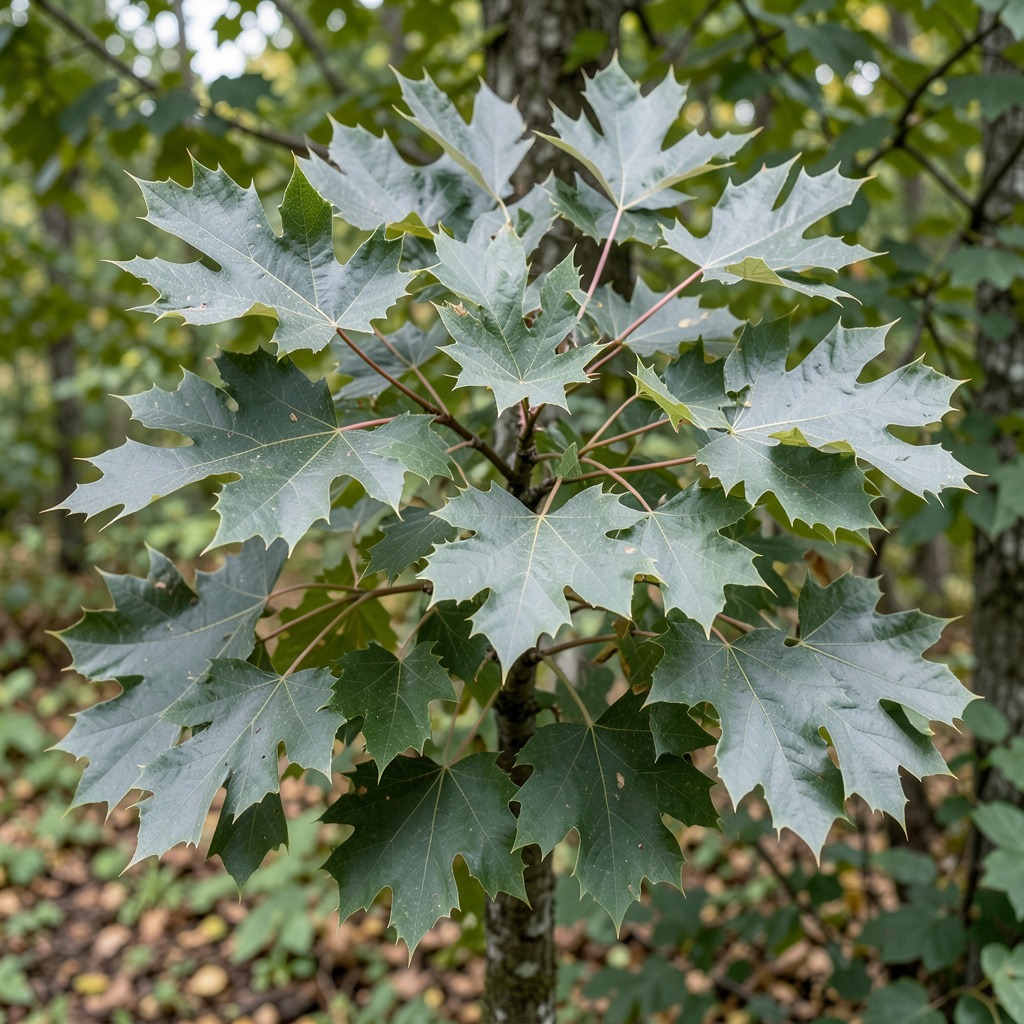
Understanding Silver Maple Varieties
Silver maples, scientifically known as Acer saccharinum, are a prominent species recognized for their rapid growth and distinctive silver-backed leaves. This section delves into their scientific classification and the origins of their common names.
Scientific Classification of Acer saccharinum
- Kingdom: Plantae
- Clade: Angiosperms
- Clade: Eudicots
- Order: Sapindales
- Family: Sapindaceae
- Genus: Acer
- Species: Acer saccharinum
This classification positions the silver maple within a well-defined botanical hierarchy. The Sapindaceae family also includes other notable species such as the sugar maple (Acer saccharum) and the red maple (Acer rubrum).
Common Names and Their Origins
The silver maple goes by several common names, including:
- Silverleaf Maple: Referring to the silver coloration on the underside of its leaves.
- Soft Maple: Highlighting its relatively softer wood compared to other maple species.
- Swamp Maple: Indicative of its native habitat near wetlands and floodplains.
Understanding these names offers insight into the tree’s characteristics and its ecological preferences. For instance, “swamp maple” reflects the species’ adaptability to moist environments, which supports its rapid growth and resilience.
Unique Case Study: In regions with high water tables, silver maples thrive and contribute to soil stabilization, demonstrating their ecological value. Many homeowners in flood-prone areas select this species for its ability to manage erosion effectively.
Identification Features of Silver Maple Varieties
Identifying silver maple varieties involves recognizing several key traits:
- Leaves: Distinctive palmate lobes with a silvery underside.
- Bark: Light gray and smooth when young, developing shallow fissures with age.
- Flowers: Small, yellow-green flowers appear in spring before the leaves.
These features not only aid in identification but also help distinguish silver maples from closely related species. Understanding these characteristics is crucial for effective landscaping and ecological management.
Identifying Silver Maple Varieties

Recognizing silver maple varieties requires attention to specific characteristics, including leaf shape, bark texture, and growth habits. Understanding these traits will enhance your identification skills and ensure successful landscaping.
Leaf and Bark Characteristics
Silver maple leaves are notable for their palmate shape, featuring five deeply lobed segments. The upper surface is medium to dark green, while the undersides are silvery-white, creating a striking contrast that is particularly visible in the wind. This leaf color contributes to the tree’s name and makes identification straightforward.
- Leaf Shape: Five lobes, serrated edges, silvery-white undersides.
- Bark Texture: Initially smooth and light gray, developing shallow fissures as the tree matures.
To differentiate silver maples from similar species, consider the following comparisons:
- Red Maple (Acer rubrum): Smaller, sharper buds and a more vibrant red coloration in fall.
- Sugar Maple (Acer saccharum): Leaves are broader with a denser canopy and deeper lobes.
Growth Habits and Flowering Patterns
Silver maples are among the fastest-growing trees in North America, exhibiting a remarkable growth rate of 3 to 7 feet annually under ideal conditions. Mature specimens can reach heights of 90 to 120 feet, with expansive crowns that may exceed 100 feet across.
- Growth Rate: 3 to 7 feet per year.
- Mature Height: 90 to 120 feet.
- Crown Spread: Up to 100 feet.
In early spring, before the leaves emerge, silver maples produce small yellow-green flowers that attract pollinators. These flowers are essential for the tree’s reproductive cycle and can be a key identification marker during the dormant season.
Visual Identification Tips
To enhance your identification skills, consider creating a visual checklist:
| Feature | Silver Maple | Red Maple | Sugar Maple |
|---|---|---|---|
| Leaf Shape | Five lobes, serrated edges | Three-lobed, pointy tips | Broad, rounded lobes |
| Bark Texture | Light gray, smooth to fissured | Dark gray, scaly | Dark gray, ridged |
| Flower Color | Yellow-green | Bright red | Greenish-yellow |
Using this table, you can quickly identify silver maples and differentiate them from other maple species. Understanding these features not only aids in identification but also enhances your ability to manage these trees effectively in various landscapes.
How to Care for Silver Maple Varieties
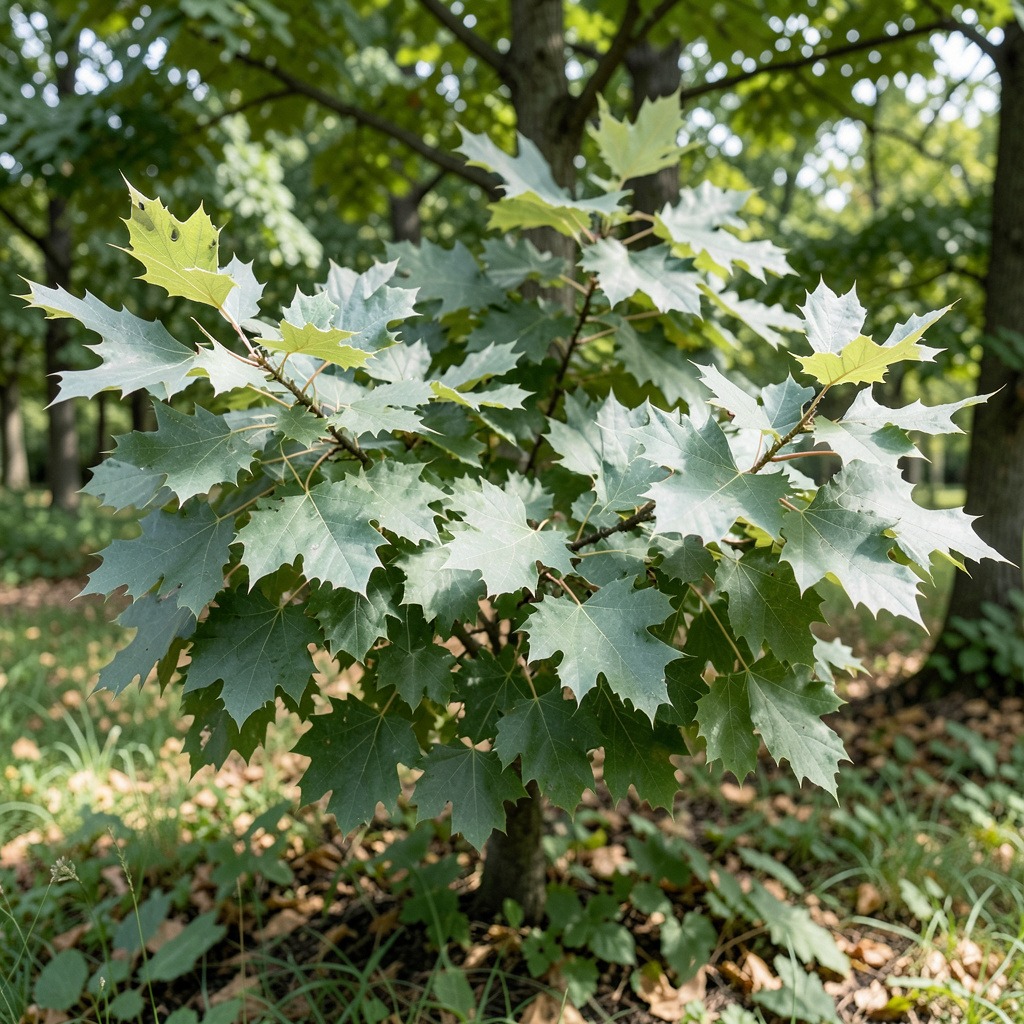
Caring for silver maple varieties involves understanding their specific needs for optimal growth. This guide highlights essential planting, watering, and pruning techniques to ensure these trees thrive.
Planting and Site Selection
Choose the right location for your silver maple. These trees prefer areas with ample sunlight and well-drained soil. Follow these guidelines for planting:
- Soil Preparation: Mix slow-release fertilizer into the planting hole for enhanced growth.
- Spacing: Ensure adequate space; silver maples can spread their roots up to 49 feet. Plant at least 50 feet away from structures.
- Depth: Dig the hole two to three times wider than the root ball but no deeper than the root crown.
Watering and Fertilization Needs
Silver maples require consistent moisture, especially during their early years. Here’s how to manage their watering and fertilization:
- Watering Frequency: Water deeply every week during dry spells. Newly planted trees may need more frequent watering.
- Fertilization Schedule: Apply a balanced slow-release fertilizer in early spring. Consider a second application in late summer if growth appears sluggish.
- Signs of Hydration: Check leaves for wilting or browning, indicating the need for more water.
Pruning Techniques for Healthy Growth
Regular pruning is vital for maintaining the health and structure of silver maples. Follow these practices:
- Timing: Prune in late winter or early spring before new growth begins.
- What to Remove: Focus on weak, damaged, or crossing branches to prevent storm damage. Avoid heavy pruning as it can stress the tree.
- Tools: Use sharp, clean tools to make clean cuts, minimizing the risk of disease.
| Care Activity | Frequency | Notes |
|---|---|---|
| Watering | Weekly (more if dry) | Deep watering is essential for roots. |
| Fertilization | Early spring, late summer | Adjust based on growth signs. |
| Pruning | Annually | Focus on weak branches; avoid heavy cuts. |
By following these care tips, you can foster the health and longevity of your silver maple varieties, enhancing their beauty and ecological value in your landscape.
Ecological Impact of Silver Maples
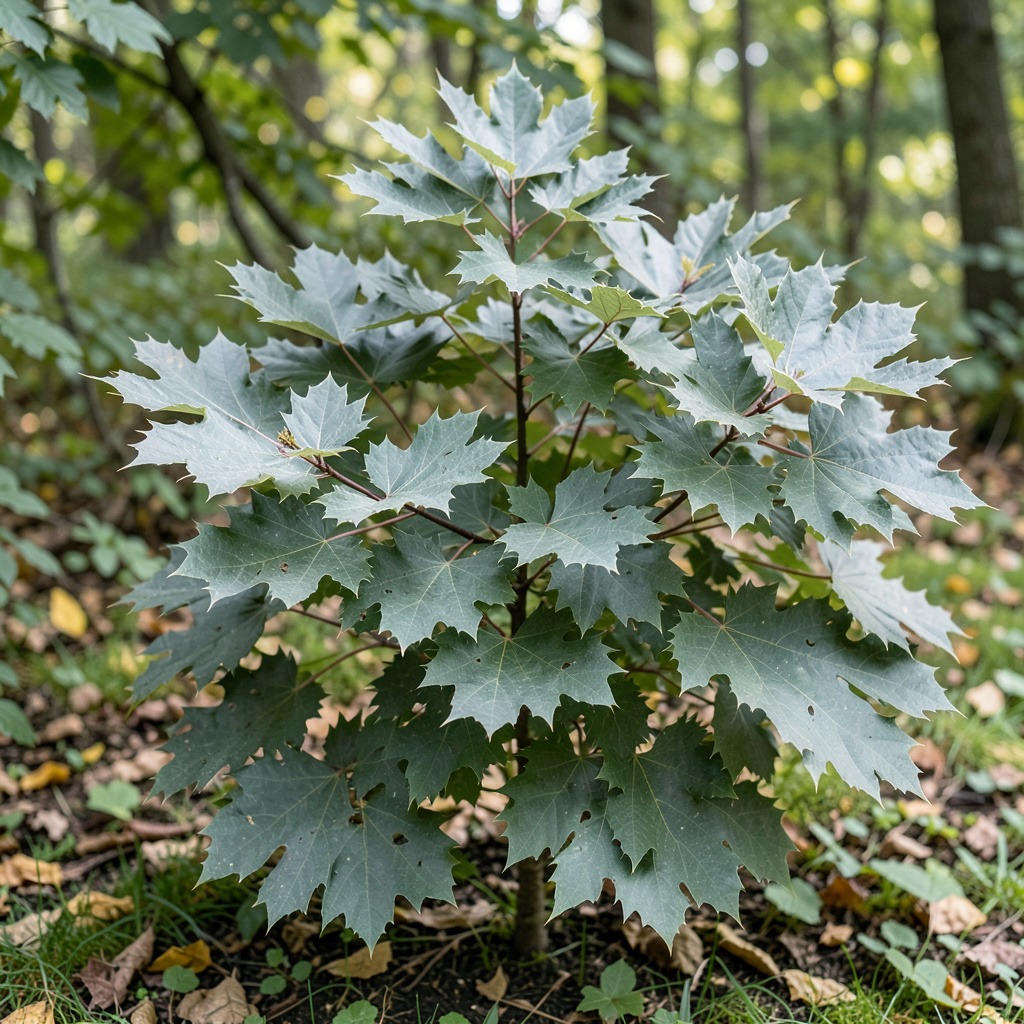
Silver maples, or Acer saccharinum, play a significant role in various ecosystems. Their fast growth and adaptability make them valuable for wildlife and local environments. However, they also present challenges, particularly in urban settings.
Benefits to Wildlife
Silver maples offer numerous ecological advantages:
- Early Blooming: These trees are among the first to bloom in spring, providing essential nectar for early pollinators like bees.
- Food Source: Squirrels and other wildlife consume buds and seeds, supporting local food webs.
- Nesting Habitat: Older silver maples develop large cavities that serve as nesting sites for birds such as wood ducks.
In a real-world scenario, a silver maple grove planted near a wetland attracted various bird species, enhancing local biodiversity and providing a natural habitat for wildlife. Such plantings can significantly impact ecosystem health, particularly in areas where native flora has diminished.
Potential Drawbacks in Urban Settings
While silver maples are beneficial, they can also pose problems:
- Weak Wood: Their brittle branches are prone to breaking, which can create hazards in populated areas.
- Invasive Tendencies: In some regions, silver maples can spread aggressively, outcompeting native species and disrupting local ecosystems.
- Root Damage: Their aggressive root systems may damage sidewalks, foundations, and underground utilities, complicating urban landscaping efforts.
For instance, a community that heavily relied on silver maples for shade found itself dealing with sidewalk upheaval and increased maintenance costs. This highlights the need for careful planning when incorporating silver maples into urban landscapes.
Understanding both the ecological benefits and potential drawbacks of silver maples allows for informed decisions regarding their use in various environments.
Common Pests and Diseases of Silver Maples
Silver maples are susceptible to various pests and diseases that can impact their health and aesthetics. Understanding these threats is crucial for effective management and care.
Common Pests Affecting Silver Maples
Several pests can affect silver maples. Here’s a quick overview:
- Cottony Maple Scale: This insect appears as white, cottony masses on the branches and leaves. They suck sap, weakening the tree. Natural predators, like ladybugs, can help control their population.
- Aphids: Small, green insects that cluster on new growth. They can cause leaf curling and honeydew secretion, which attracts other pests. Introducing beneficial insects can mitigate their impact.
- Leafhoppers: These pests can damage leaves by feeding on sap, leading to discoloration. Regular monitoring and maintaining tree vigor through proper care can prevent infestations.
Diseases and Treatment Options
Silver maples can experience several diseases that affect their foliage and overall health. Here are the most common:
- Verticillium Wilt: A serious condition that causes wilting and yellowing leaves. Prevention is key, as treatment options are limited. Ensure good drainage and avoid planting in infected soil.
- Anthracnose: This fungal disease manifests as brown blotches on leaves, especially in wet springs. While unsightly, trees usually recover on their own. Good sanitation practices, such as cleaning up fallen leaves, help manage its spread.
- Powdery Mildew: This fungal infection creates a white powdery coating on leaves. It thrives in humid conditions. Increasing air circulation through pruning and applying fungicides can be effective.
Troubleshooting Guide for Silver Maple Issues
When managing pests and diseases, consider these strategies:
| Issue | Symptoms | Recommended Action |
|---|---|---|
| Cottony Maple Scale | White cottony masses on limbs | Introduce natural predators; apply insecticidal soap |
| Aphids | Leaf curling; sticky residue | Introduce ladybugs; use neem oil if severe |
| Verticillium Wilt | Wilting; yellowing leaves | Improve drainage; avoid planting in infected areas |
| Anthracnose | Brown blotches on leaves | Clean debris; allow tree to recover naturally |
| Powdery Mildew | White powder on leaves | Increase airflow; use fungicides if necessary |
Implementing these management strategies will help maintain the health and beauty of your silver maples.
Comparing Silver Maples with Other Maple Varieties
Silver maples are often compared with red and sugar maples due to their similarities and distinct characteristics. Understanding these differences is crucial for selecting the right maple variety for your landscape.
Key Differences in Growth and Appearance
| Feature | Silver Maple (Acer saccharinum) | Red Maple (Acer rubrum) | Sugar Maple (Acer saccharum) |
|---|---|---|---|
| Growth Rate | Fast-growing | Medium to fast | Slow to medium |
| Maximum Height | 50-70 feet | 40-60 feet | 60-75 feet |
| Leaf Shape | Silver-backed, lobed | Pointed, lobed | Broadly lobed |
| Fall Color | Pale yellow to light orange | Vibrant red to orange | Bright yellow to orange |
| Root System | Aggressive, can damage sidewalks | Less invasive | Deep, stable |
Silver maples grow quickly, reaching significant heights faster than both red and sugar maples. Their leaves have a unique silver underside that reflects light, providing a striking appearance. In contrast, red maples are celebrated for their vivid fall colors, while sugar maples offer excellent shade and are prized for their syrup production.
Pros and Cons of Each Variety
Silver Maple
- Pros: Fast growth, attractive foliage, excellent for erosion control in wet areas.
- Cons: Weak wood, invasive roots can disrupt infrastructure.
Red Maple
- Pros: Stunning fall color, adaptable to various soil types, resilient in urban settings.
- Cons: Moderate growth rate, requires some maintenance for optimal health.
Sugar Maple
- Pros: Excellent shade tree, valuable for syrup production, strong wood.
- Cons: Slow growth, prefers well-drained soils, less tolerant of wet conditions.
Example Scenario
Consider a homeowner in a wet area looking for a fast-growing tree. A silver maple would be an ideal choice due to its rapid growth and ability to thrive in moist soils. However, if fall color is a priority, a red maple might be the better option despite its slower growth.
By evaluating these differences, you can make an informed decision on which maple variety best suits your landscaping needs.
Best Silver Maple Cultivars for Landscaping
Choosing the right cultivar of silver maple can significantly enhance your landscape’s aesthetics and functionality. Different cultivars possess unique traits that make them suitable for various environments and uses.
Recommended Cultivars for Different Landscapes
Here are some of the most popular silver maple cultivars, along with their key characteristics:
| Cultivar Name | Growth Rate | Ideal Conditions | Notable Features |
|---|---|---|---|
| Silver Queen | Fast (up to 7 ft/year) | Tolerant of wet soils | Minimal seed production; excellent for urban settings. |
| Pyramidale | Moderate (up to 5 ft/year) | Confined spaces | Narrow growth habit; ideal for tight lots. |
| Autumn Blaze | Fast (up to 5 ft/year) | Variety of soil types | Stunning fall color; hybrid vigor for durability. |
| Sensation | Moderate (up to 4 ft/year) | Urban environments | Stronger wood; less prone to storm damage. |
Tips for Choosing the Right Cultivar
When selecting a silver maple cultivar, consider the following factors:
- Space Availability: Choose a narrow cultivar like Pyramidale for small yards.
- Desired Features: If fall color is important, opt for Autumn Blaze.
- Soil Conditions: Silver Queen thrives in moist soils, making it ideal for wetter areas.
Case Study: Successful Cultivar Choices
A landscaper in a suburban area opted for Silver Queen for its low seed production. The homeowner appreciated how it minimized maintenance while providing ample shade. In a tighter urban lot, Pyramidale was chosen to fit the space without compromising aesthetics. Both choices led to successful plantings that met the homeowners’ needs effectively.
By understanding the characteristics of these cultivars, you can make informed decisions that enhance your landscape while fostering the ecological benefits of silver maples.
Frequently Asked Questions
These quick answers cover the most common questions about this topic, including key details, practical tips, and common concerns.
What are the downsides of silver maple trees?
Silver maples have several downsides to consider. Their wood is relatively weak, making them prone to breaking during storms or high winds. This can create hazards in urban areas where falling branches might damage property or injure people.
Additionally, silver maples have aggressive root systems that can disrupt sidewalks, driveways, and underground utilities. They can also be invasive in some regions, outcompeting native plants and altering local ecosystems.
What is the prettiest maple tree in the fall?
While beauty is subjective, many consider the red maple (Acer rubrum) to be the most stunning in fall due to its vibrant red and orange foliage. However, silver maples also offer a unique display with their pale yellow to light orange leaves that can brighten up landscapes.
If you’re looking for a tree with a striking fall color, the sugar maple (Acer saccharum) is another excellent choice, showcasing brilliant yellow, orange, and red hues.
How tall is a 10-year-old silver maple?
A 10-year-old silver maple typically reaches between 20 to 30 feet in height, depending on growing conditions and care. Under ideal conditions, these trees can grow 3 to 7 feet annually, making them one of the fastest-growing maple species.
Factors such as soil quality, moisture, and sunlight exposure significantly influence their growth rate and ultimate height.
Are silver maples good yard trees?
Silver maples can be good yard trees if you have enough space and are aware of their characteristics. They provide excellent shade and have a fast growth rate, making them appealing for quick landscaping solutions.
However, their weak wood and invasive roots may pose challenges in smaller yards or urban settings. If you choose to plant a silver maple, ensure it is located far from structures and sidewalks to minimize potential damage.
What are the best cultivars of silver maple for small yards?
For small yards, consider the Pyramidale cultivar, which has a narrow growth habit, making it suitable for limited spaces. The Silver Queen cultivar is another good option, as it produces fewer seeds, resulting in less mess.
Both cultivars offer the benefits of silver maples without overwhelming smaller landscapes, providing shade and beauty without the extensive root spread.
How do silver maples compare to other maple varieties in terms of growth?
Silver maples are among the fastest-growing maple species, with growth rates of 3 to 7 feet per year. In contrast, red maples grow at a moderate pace, while sugar maples are slower, typically growing less than 2 feet annually.
If rapid growth is a priority for your landscaping, silver maples are an excellent choice. However, if you prefer a tree with stronger wood and better fall color, consider red or sugar maples.
What are the common pests that affect silver maples?
Common pests that affect silver maples include cottony maple scale, aphids, and leafhoppers. Cottony maple scale appears as white, cottony masses on branches and can weaken the tree.
Aphids cluster on new growth, causing leaf curling, while leafhoppers can discolor the leaves. Regular monitoring and introducing beneficial insects can help manage these pests effectively.
How can I improve the soil for planting silver maples?
To improve soil for planting silver maples, start by ensuring good drainage. Mix organic matter, such as compost, into the soil to enhance fertility and structure.
Adding a slow-release fertilizer can also support healthy growth. Test the soil pH; silver maples prefer slightly acidic to neutral conditions (pH 6.0 to 7.0). Adjusting the soil accordingly will help your silver maples thrive.