
Growing balsam fir trees from seeds is a rewarding process that requires patience and attention. Start by collecting fresh seeds in late fall. Prepare them through stratification and sow them in well-drained soil to ensure healthy growth.
Balsam fir (Abies balsamea) is a popular coniferous tree native to North America. Known for its fragrant needles and symmetrical shape, it is commonly used as a Christmas tree and for landscaping. Growing balsam fir from seeds can be an enjoyable way to cultivate this beautiful tree in your garden or landscape. However, it does require some specific steps to ensure success.
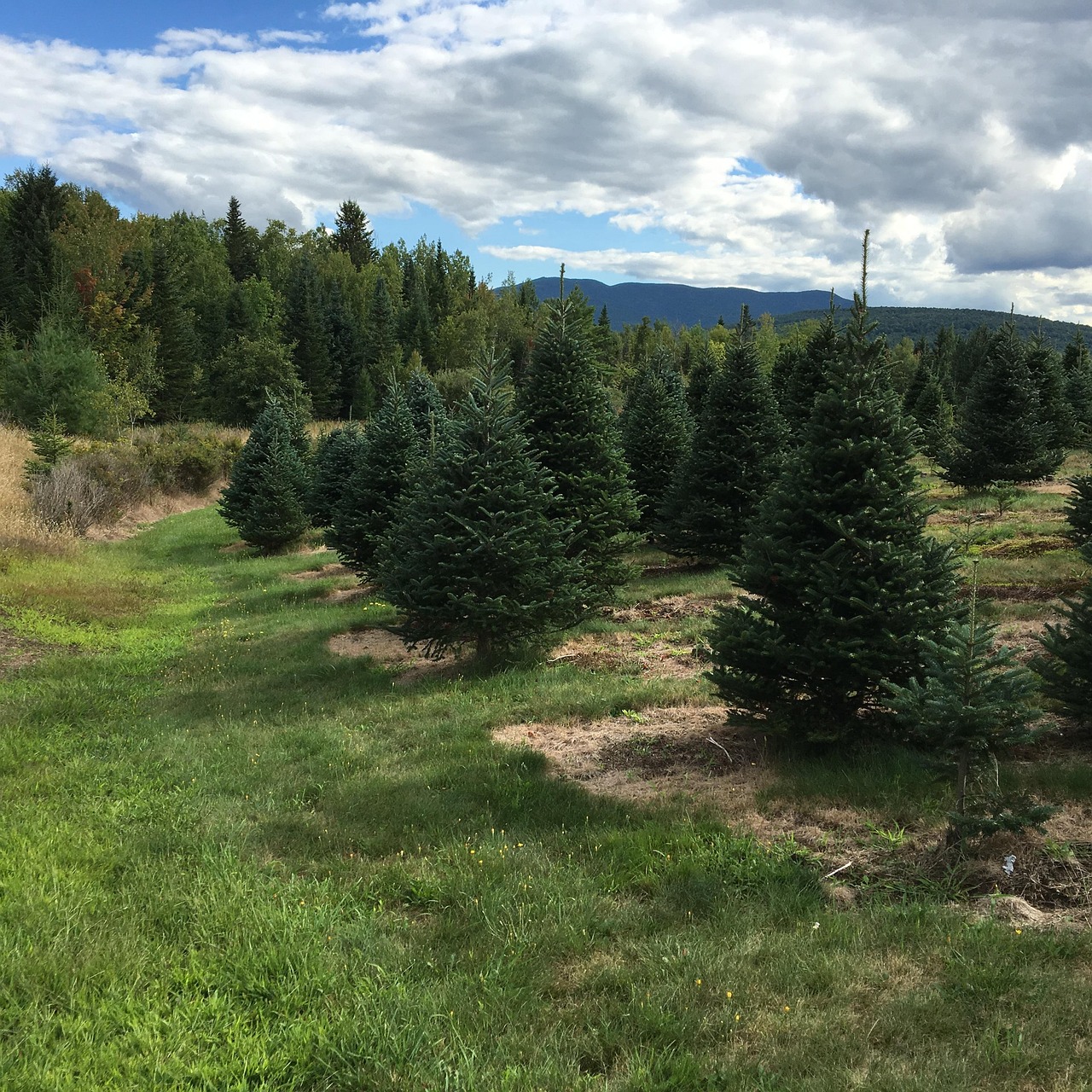
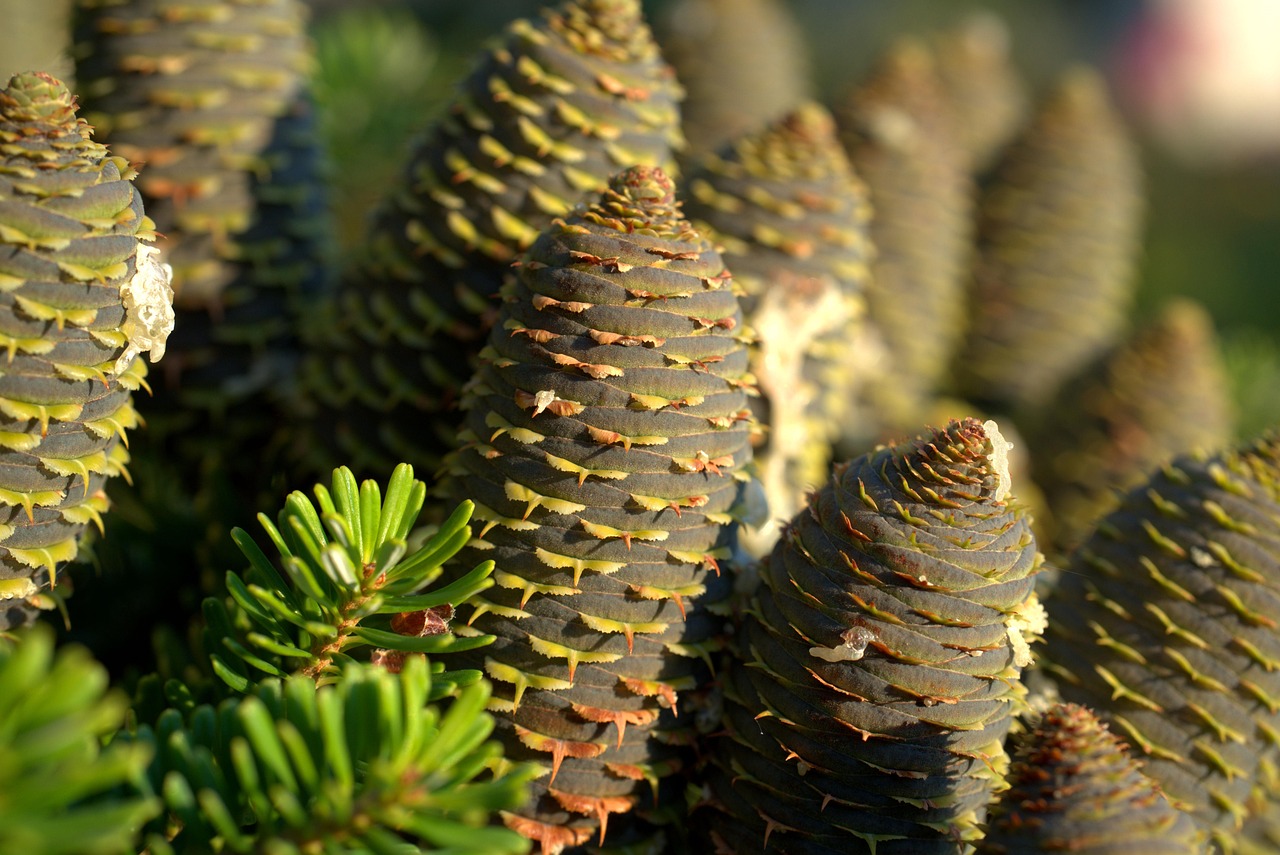
One of the first steps in growing balsam fir is sourcing the seeds. Fresh seeds typically have the best germination rates. It’s best to collect seeds from mature cones in late fall when they are ready to drop. Once collected, proper preparation of the seeds is crucial for successful germination.
Understanding Seed Stratification
Stratification is a process that mimics natural winter conditions. Balsam fir seeds require a cold stratification period to break dormancy and germinate effectively. This process typically takes about 30 to 60 days. Here are the steps for stratifying balsam fir seeds:
- Place the seeds in a damp paper towel or moistened peat moss.
- Seal them in a plastic bag to retain moisture.
- Store the bag in the refrigerator at temperatures around 32°F to 41°F (0°C to 5°C).
- Check periodically to ensure that the medium remains moist, but not soggy.
After the stratification period, it is time to plant the seeds. Choose a suitable location with well-drained soil and sufficient sunlight. Balsam fir trees thrive in acidic to neutral soils with good drainage.

Planting Balsam Fir Seeds
Once the seeds have been stratified, you can proceed to plant them. Follow these guidelines for successful planting:
- Select a sunny location with good air circulation.
- Prepare the soil by tilling it and removing any weeds or debris.
- Add organic matter, such as compost, to enrich the soil.
- Sow the seeds about 1/4 inch deep, spacing them approximately 3 inches apart.
After sowing, water the area gently. It’s important not to overwater, as balsam fir seeds can rot if they sit in waterlogged soil. Keep the soil consistently moist but not saturated.
Germination and Early Growth
Germination usually occurs within two to three weeks after planting. During this time, it is essential to monitor the seedlings closely. Here are some tips for caring for your balsam fir seedlings:
- Ensure they receive adequate sunlight, ideally around six hours a day.
- Water regularly but avoid waterlogging the soil.
- Provide protection from pests and harsh weather conditions.
As the seedlings grow, they will need space to develop properly. Transplanting them into larger pots or directly into the ground may be necessary once they reach about 6 inches in height. Ensure that they are spaced adequately to prevent overcrowding, which can lead to competition for nutrients and light.
Caring for Young Balsam Fir Trees
After planting your balsam fir trees, ongoing care is vital for their growth and health. Consider the following aspects of care:
| Care Aspect | Description |
|---|---|
| Watering | Keep the soil evenly moist, especially during dry spells. |
| Mulching | Add mulch around the base to retain moisture and suppress weeds. |
| Pest Control | Monitor for pests such as aphids or caterpillars and manage them promptly. |
| Fertilization | Fertilize once a year with a balanced fertilizer during spring. |
Caring for your balsam fir trees with attention will lead to healthy growth and a vibrant addition to your landscape. With patience and proper techniques, growing balsam fir from seeds can be a gratifying experience that brings beauty and benefits for years to come.

Common Challenges in Growing Balsam Fir Trees
While growing balsam fir trees from seeds can be an enjoyable endeavor, it is not without its challenges. Understanding these challenges can help you prepare and adapt your care strategies effectively. Below are some common issues that may arise during the growth process:
- Pest Infestations: Pests such as aphids, spider mites, and caterpillars can damage seedlings. Regular monitoring and prompt action are crucial.
- Disease Susceptibility: Balsam fir trees are prone to diseases like root rot and needle blight. Maintaining good airflow and avoiding overwatering can help prevent these issues.
- Environmental Factors: Extreme temperatures, both hot and cold, can stress young trees. Providing shade during heat waves and protection from frost is essential.
Best Practices for Pest and Disease Management
Addressing pests and diseases swiftly can save your balsam fir trees from significant damage. Here are some best practices for managing these issues:
- Regular Inspection: Check your trees weekly for signs of pests or diseases. Early detection is key to effective management.
- Natural Predators: Encourage beneficial insects like ladybugs and lacewings, which naturally control pest populations.
- Organic Treatments: Utilize organic insecticides or fungicides if infestations occur. Neem oil and diatomaceous earth are excellent options.
- Sanitation: Remove fallen needles and debris around the base of the trees to reduce disease risk.
Soil and Nutritional Needs
The quality of soil plays a critical role in the health of balsam fir trees. Understanding their nutritional needs will help ensure robust growth. Here are essential factors to consider:
| Nutrient | Importance | Sources |
|---|---|---|
| Nitrogen | Promotes healthy foliage growth. | Compost, well-rotted manure, balanced fertilizers. |
| Phosphorus | Supports root development. | Bone meal, rock phosphate. |
| Potassium | Aids in overall tree health and disease resistance. | Kelp meal, wood ash. |
Before planting, conduct a soil test to determine nutrient levels and pH balance. Balsam fir trees prefer slightly acidic soil with a pH between 5.0 and 6.5. Amend the soil based on testing results to create an optimal growing environment.
Watering Techniques for Optimal Growth
Watering is crucial in the early stages of balsam fir growth. Proper techniques ensure that seedlings receive the right amount of moisture without over-saturation. Consider the following watering tips:
- Deep Watering: Water deeply but infrequently to encourage deep root growth.
- Morning Watering: Water in the morning to reduce evaporation and allow foliage to dry before evening.
- Drought Monitoring: During dry spells, check the soil moisture regularly. If the top inch of soil feels dry, it’s time to water.
Choosing the Right Location
The location where you plant your balsam fir trees significantly impacts their growth and health. Here are some considerations for selecting the ideal site:
- Sunlight Exposure: Balsam fir trees thrive in full to partial sunlight. Ensure they receive at least six hours of direct sunlight each day.
- Wind Protection: Select a location that offers some protection from strong winds, which can damage young trees.
- Space Considerations: Allow enough space between each tree to promote air circulation and prevent overcrowding as they mature.
By addressing these challenges and implementing best practices in pest management, soil nutrition, watering techniques, and site selection, you will set up your balsam fir trees for success. Each step taken will contribute to their long-term health and vitality.
Seasonal Care for Balsam Fir Trees
Understanding the seasonal care requirements for balsam fir trees is essential for their overall health. Different seasons bring unique challenges and needs. Let’s explore how to care for your balsam fir throughout the year.
Spring Care
Spring is a crucial time for growth. As temperatures warm up, your balsam fir trees will enter a period of active growth. Here are some practices to consider during this season:
- Fertilization: Apply a balanced fertilizer in early spring to promote healthy growth. Look for a formulation with equal parts nitrogen, phosphorus, and potassium.
- Weed Control: Remove any weeds around the base of the trees. Weeds compete for nutrients and moisture.
- Mulching: Add a layer of organic mulch around the base of the trees. This helps retain soil moisture and suppress weeds.
Summer Care
During the summer months, maintaining adequate moisture is critical. Here are some tips to ensure your balsam fir trees thrive:
- Irrigation: Monitor soil moisture levels regularly. If rainfall is scarce, water deeply and consistently to prevent stress on the trees.
- Pruning: Lightly prune any dead or damaged branches to encourage healthy growth and improve air circulation.
- Pest Monitoring: Keep an eye out for pests such as aphids or spider mites. Treat infestations promptly to avoid damage.
Fall Care
As autumn approaches, it’s important to prepare your balsam fir trees for the upcoming winter. Here are some key actions to take:
- Watering: Continue to water your trees until the ground freezes. This helps them establish a strong root system.
- Mulching: Add another layer of mulch after the first frost. This will provide insulation against cold temperatures.
- Pest Inspection: Inspect for any signs of pest activity before winter sets in. Address any issues before they become severe.
Winter Care
Winter can be tough for young balsam fir trees. However, proper care can help them weather the season successfully:
- Snow Protection: If heavy snow accumulates, gently brush it off branches to prevent breakage.
- Windbreaks: If possible, create windbreaks using burlap or other materials to protect young trees from harsh winds.
- Soil Moisture: Periodically check the soil moisture during thaws. If necessary, water if conditions allow.
Propagation Techniques Beyond Seeds
While growing balsam fir from seeds is popular, there are other propagation methods that can be employed successfully. Here are some alternative techniques:
Cuttings
Taking cuttings from a healthy balsam fir tree can be an effective way to propagate new growth. The best time for taking cuttings is in late spring or early summer. Follow these steps:
- Select healthy shoots that are about 6 inches long.
- Cut just below a node and remove any lower leaves.
- Dip the cut end in rooting hormone to encourage root development.
- Plant the cuttings in a well-draining potting mix and keep them moist.
Layering
Layering is another method for propagating balsam fir trees. This technique involves bending a low branch into contact with the soil and covering it with soil to encourage root growth:
- Select a flexible branch close to the ground.
- Bend it down and bury a portion of it in the soil while leaving the tip exposed.
- Water the buried part regularly until roots develop.
Harvesting Balsam Fir Seeds
If you decide to collect seeds from your balsam fir trees, it’s important to do so at the right time to ensure their viability. Here’s how to harvest seeds effectively:
- Timing: Harvest seeds in late fall when the cones begin to open naturally.
- Collection: Use gloves to handle cones and collect them in a breathable bag.
- Drying: Lay collected cones in a warm area for several days until they fully open and release seeds.
- Storage: Store seeds in a cool, dry location in airtight containers until you are ready to stratify and plant them.
This knowledge about seasonal care and alternative propagation methods will enhance your ability to grow healthy balsam fir trees and ensure a thriving landscape feature for years to come.
Additional Tips for Successful Balsam Fir Growth
Beyond the essential care and propagation techniques discussed, there are a few additional tips that can enhance your success in growing balsam fir trees from seeds. These insights can help you avoid common pitfalls and achieve a thriving planting.
Understanding Local Climate
The climate in your area plays a significant role in the growth of balsam fir trees. These trees prefer cooler climates and may struggle in regions with extreme heat. Here are some considerations:
- Temperature Range: Balsam fir trees do best in temperatures ranging from 20°F to 75°F. Be mindful of your local climate when planning your planting.
- Precipitation Levels: Ensure that your region receives adequate rainfall. If not, be prepared to implement an irrigation plan, especially during the summer months.
- Hardiness Zones: Familiarize yourself with the USDA hardiness zones for balsam fir. These trees thrive in zones 3 to 7.
Companion Planting
Companion planting can also benefit your balsam fir trees. By selecting complementary plants, you can create a more balanced ecosystem. Consider these pairings:
- Ground Covers: Low-growing plants like ferns or moss can help retain soil moisture and prevent weeds.
- Flowering Plants: Planting flowering species nearby can attract beneficial insects that aid in pollination and pest control.
- Nitrogen-Fixing Plants: Consider adding legumes that improve soil nitrogen levels, enriching the growing environment for your balsam fir.
Utilizing Technology
In today’s digital age, technology can play a role in effective tree care. Various tools and apps can help you monitor and manage your balsam fir trees more efficiently:
- Soil Moisture Sensors: These devices can provide real-time data on soil moisture levels, allowing you to water more precisely.
- Weather Apps: Use weather applications to stay updated on local conditions, helping you prepare for storms or droughts.
- Gardening Apps: There are numerous apps available that offer advice on plant care, pest management, and tracking growth progress.
Conclusion
Growing balsam fir trees from seeds can be a fulfilling and rewarding experience. With proper preparation, care, and attention to detail, you can cultivate healthy trees that enhance your landscape for years to come. Key takeaways include understanding the importance of seed stratification, choosing the right location, providing seasonal care, managing pests effectively, and exploring alternative propagation methods.
By integrating these practices into your gardening routine, you will foster a thriving environment for your balsam fir trees. Remember, patience is essential as growth takes time. Enjoy the journey of nurturing these magnificent trees from seeds to maturity.
Your commitment and knowledge will not only yield beautiful balsam fir trees but also contribute positively to your local ecosystem. Happy planting!