
The Spring Snow Crabapple tree offers stunning white blossoms and no messy fruit, but it can be susceptible to diseases.
Table of Contents
The Spring Snow Crabapple tree is a popular choice among gardeners for its stunning spring blooms and low-maintenance appeal. However, understanding its pros and cons is essential for successful landscaping. This guide provides a detailed overview of what to consider before planting.
Overview of the Spring Snow Crabapple Tree
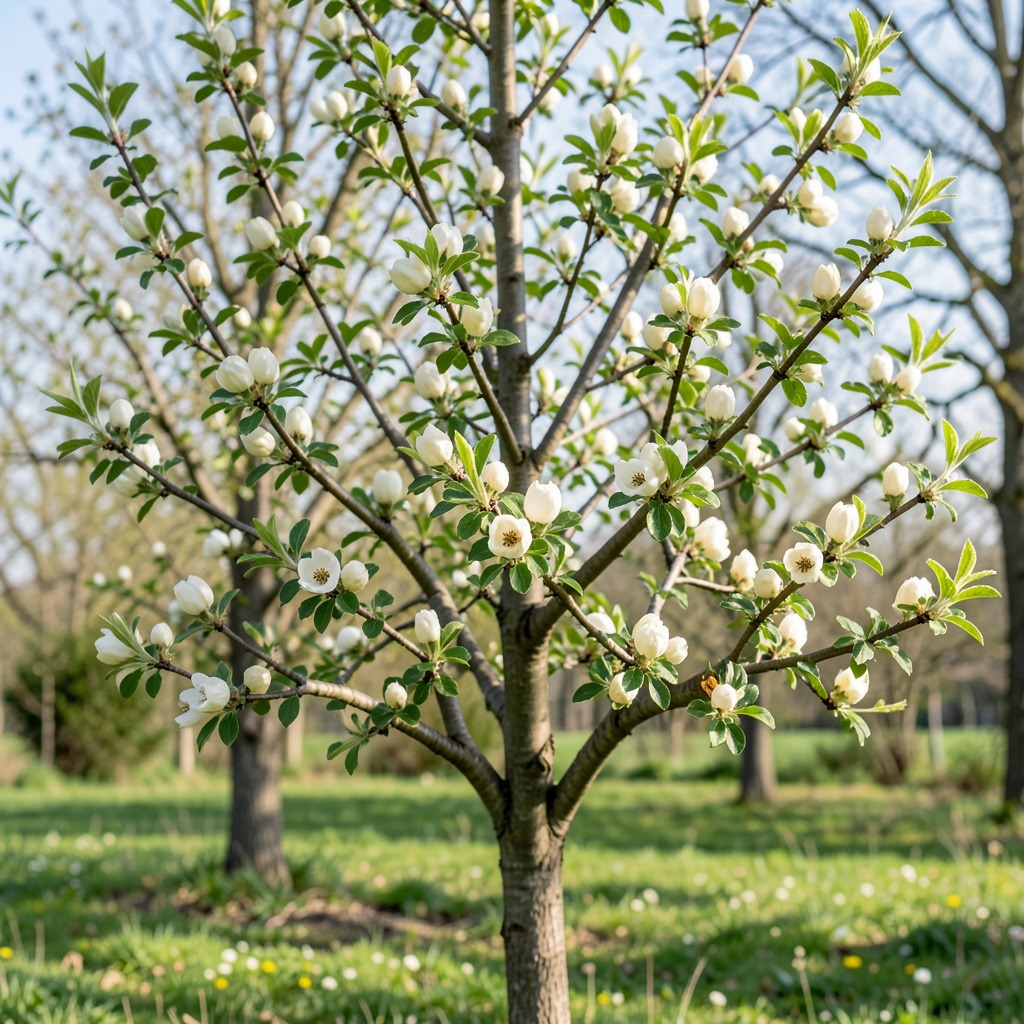
The Spring Snow Crabapple tree is a revered ornamental tree known for its striking aesthetic appeal and low-maintenance care. This tree enhances landscapes with its vibrant blooms while providing ecological benefits.
Key Characteristics of Spring Snow Crabapple
The Spring Snow Crabapple (Malus ‘Spring Snow’) stands out for several reasons:
- Fragrant White Flowers: In spring, the tree bursts into a cloud of fragrant white blossoms. This spectacular display attracts pollinators like bees and butterflies.
- Compact Size: Typically growing to 15-25 feet tall and wide, it is ideal for small yards and urban gardens.
- Fruitless Variety: Unlike other crabapple trees, the Spring Snow variety does not produce fruit, eliminating messy clean-up.
- Fall Foliage: Its leaves transition to vibrant shades of yellow and orange in the fall, ensuring year-round visual interest.
These characteristics make the Spring Snow Crabapple a popular choice among gardeners looking to enhance their landscape without the hassle of fallen fruit.
Ideal Growing Conditions
To thrive, the Spring Snow Crabapple requires specific conditions:
- Sunlight: Plant in full sun, ensuring at least 6 hours of direct sunlight daily. This promotes vigorous growth and abundant blooms.
- Soil Type: While it tolerates various soil types, well-drained soil is essential to prevent root rot. Soggy conditions can be detrimental.
- Spacing: Space trees 15-20 feet apart to facilitate healthy air circulation and prevent fungal diseases.
By adhering to these guidelines, gardeners can ensure the successful establishment and growth of their Spring Snow Crabapple trees.
Pros of Growing a Spring Snow Crabapple Tree
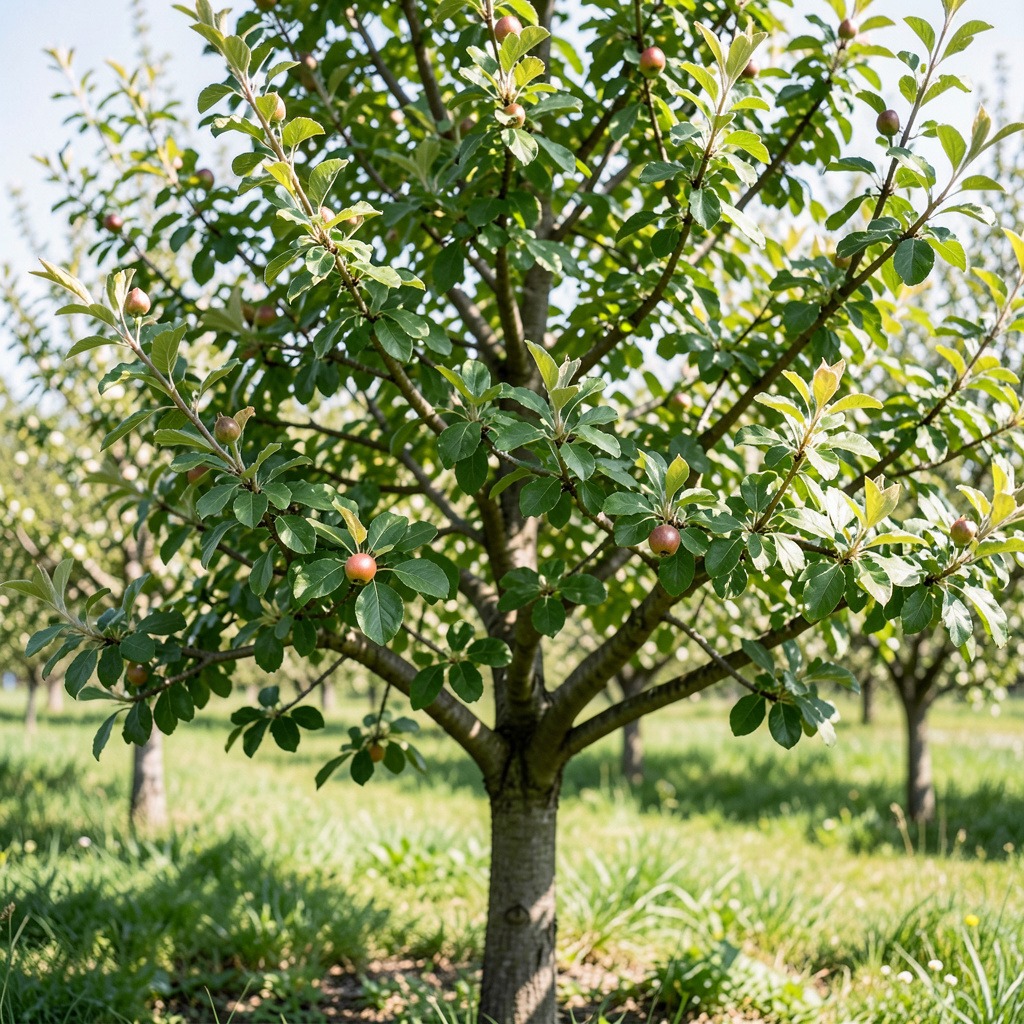
The Spring Snow Crabapple tree offers numerous advantages that make it an attractive addition to any garden. From its stunning aesthetics to its low-maintenance requirements, this tree provides both beauty and environmental benefits.
Stunning Spring Blossoms
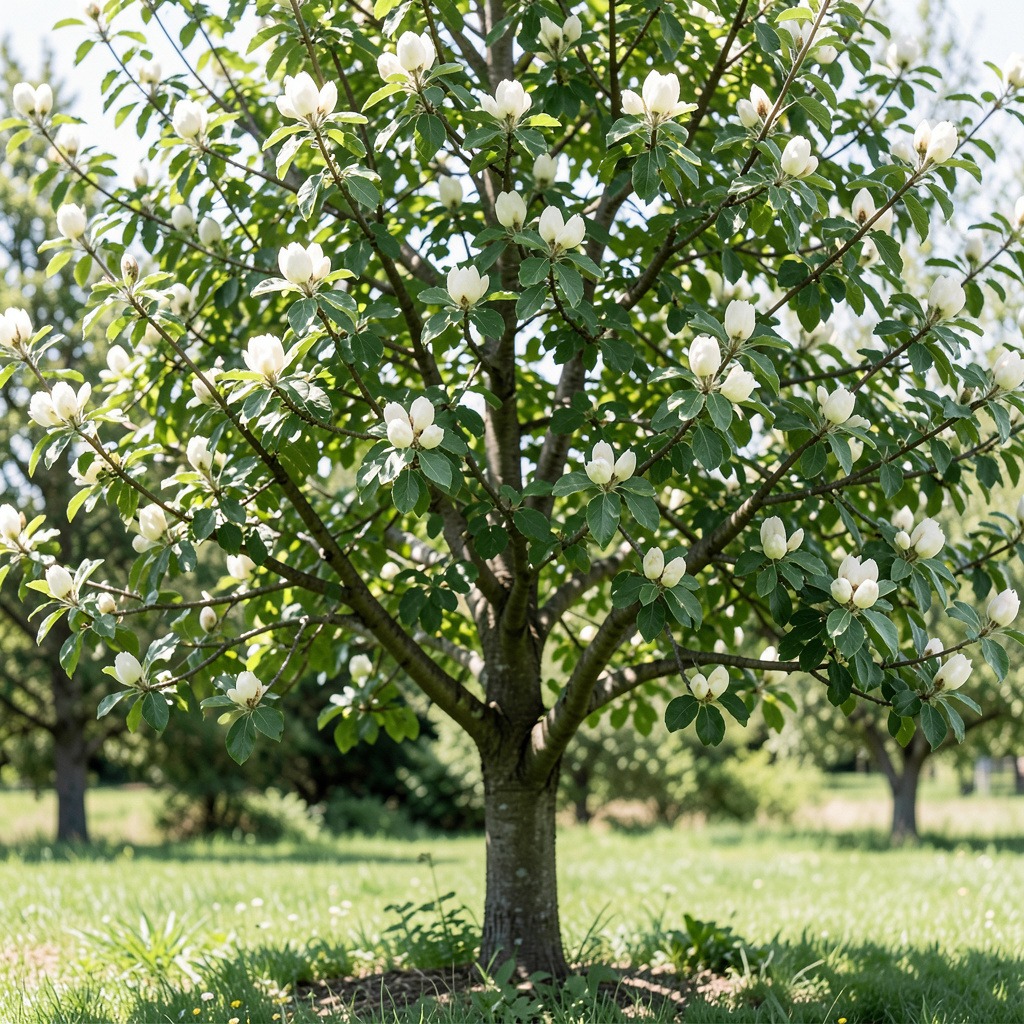
One of the most significant draws of the Spring Snow Crabapple is its breathtaking display of white flowers each spring. These fragrant blossoms create a stunning visual impact, transforming landscapes into vibrant, inviting spaces. The tree’s compact size, typically reaching 15-25 feet, makes it suitable for various garden sizes.
- Visual Focal Point: Planted strategically, it can serve as a centerpiece in small yards or enhance larger gardens without overwhelming the landscape.
- Seasonal Interest: Beyond spring, the glossy green foliage remains attractive throughout summer, and the tree’s fall color provides additional seasonal interest.
No Messy Fruit to Clean Up
Unlike many other crabapple varieties, the Spring Snow Crabapple is fruitless. This characteristic offers significant advantages for homeowners.
- Clean Landscape: Without fruit, there’s no risk of fallen debris, which means less cleanup. This makes the tree ideal for patios, walkways, and areas near homes.
- Less Wildlife Attraction: A fruitless tree minimizes unwanted wildlife, such as birds and squirrels, which often flock to traditional crabapple varieties.
Attracts Pollinators
The Spring Snow Crabapple tree plays a vital role in supporting local ecosystems. Its blossoms attract a variety of pollinators, enhancing biodiversity.
- Support for Wildlife: Pollinators like bees and butterflies benefit from the tree’s abundant flowers, which can support over 100 species annually.
- Ecosystem Enhancement: By integrating this tree into your landscape, you contribute to a healthier environment, making your garden a refuge for beneficial insects.
In summary, the Spring Snow Crabapple tree excels in aesthetic appeal, ease of maintenance, and ecological contributions, making it a smart choice for gardeners looking to enhance their outdoor spaces.
Cons of Growing a Spring Snow Crabapple Tree
While the Spring Snow Crabapple tree offers numerous benefits, it also presents some drawbacks that potential growers should consider. Understanding these cons can help you make an informed decision.
Susceptibility to Diseases
Spring Snow Crabapple trees are generally healthy, but they can face several diseases. Common issues include:
- Apple Scab: This fungal disease manifests as dark spots on leaves, leading to premature leaf drop.
- Powdery Mildew: A white powdery coating appears on leaves, which can stunt growth and reduce vigor.
- Fire Blight: This bacterial infection causes wilting and blackened branches, which may require pruning to prevent spread.
Regular monitoring is essential. Implementing preventive measures, like ensuring proper air circulation and avoiding overhead watering, can mitigate these risks.
Maintenance Requirements
Although the Spring Snow Crabapple is relatively low-maintenance, it still requires attention:
- Pruning: Regular pruning is necessary to maintain shape and remove diseased branches. Aim for late winter or early spring, before new growth begins.
- Watering: Consistent moisture is critical, especially during dry spells. However, avoid overwatering to prevent root rot.
- Fertilization: Applying a balanced fertilizer in early spring promotes healthy growth. Follow recommendations based on soil tests to avoid over-fertilization.
These maintenance tasks are manageable but require commitment, especially in the first few years as the tree establishes itself.
Essential Care Tips for Spring Snow Crabapple Trees
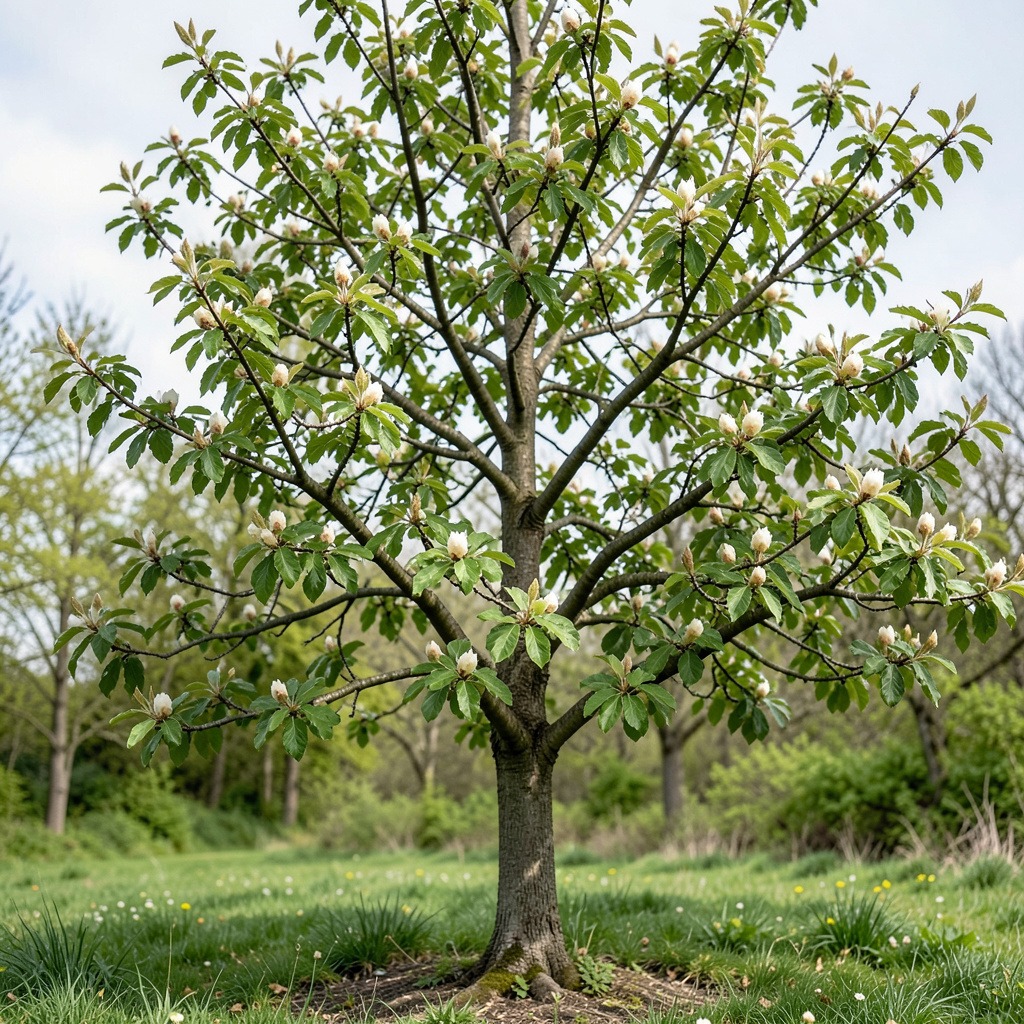
Caring for your Spring Snow Crabapple tree involves specific practices that promote healthy growth and stunning blooms. Follow these essential tips to ensure your tree thrives throughout the seasons.
Planting Techniques
Proper planting is crucial for the Spring Snow Crabapple. Here are key steps to follow:
- Timing: Plant in early spring or fall. Cooler temperatures encourage root establishment.
- Location: Choose a site with full sun (at least 6 hours daily) to maximize blooms.
- Soil: Ensure well-drained soil. While the tree tolerates various soil types, avoid soggy conditions to prevent root rot.
- Spacing: Plant trees 15-20 feet apart for adequate air circulation and growth.
Watering and Fertilization
Watering and fertilization are vital for robust growth. Implement these strategies:
- Watering:
- Newly planted trees need deep watering (1-2 inches) weekly during the first growing season.
- Mature trees are more drought-tolerant but require supplemental water during prolonged dry spells.
- Check soil moisture by digging 2 inches down; if dry, it’s time to water.
- Fertilization:
- Apply a balanced fertilizer (10-10-10) in early spring, just before bud break.
- Distribute fertilizer evenly around the drip line, avoiding direct contact with the trunk to prevent burn.
- For a 20-foot tree, use about 1 pound of fertilizer.
Pruning Strategies
Regular pruning maintains the tree’s health and aesthetics. Follow these guidelines:
- Timing: Prune in late winter or early spring before new growth begins.
- Technique: Use clean, sharp shears to make angled cuts just above a bud. Focus on:
- Removing dead or diseased branches.
- Shaping the tree to promote proper air circulation.
- Caution: Avoid heavy pruning, as it can stress the tree and reduce blooms.
Seasonal Care Calendar
Implement a seasonal care calendar to ensure your Spring Snow Crabapple receives timely attention. Here’s a simplified checklist:
| Season | Task |
|---|---|
| Early Spring | Planting, fertilization |
| Late Spring | Watering, pruning |
| Summer | Monitor for pests, water as needed |
| Fall | Prune, prepare for winter |
By adhering to these care tips, you can cultivate a Spring Snow Crabapple tree that not only enhances your landscape but also supports local pollinators.
Common Problems and Solutions for Spring Snow Crabapple Trees
Spring Snow Crabapple trees can face several challenges, including pests and diseases. Understanding these issues and implementing effective management strategies can help ensure the health and beauty of your tree.
Common Pests
Spring Snow Crabapple trees may attract a variety of pests. Here are some of the most common:
- Aphids: These small insects can cause curling leaves and leave a sticky residue.
- Spider Mites: They create fine webbing and cause stippled foliage.
- Japanese Beetles: These pests chew leaves, resulting in a skeletonized appearance.
Management Tips:
- Neem Oil: Apply neem oil early in the morning to control aphids and spider mites.
- Insecticidal Soap: Use insecticidal soap for quick results against various pests.
- Beneficial Insects: Introduce ladybugs to naturally reduce aphid populations.
Disease Management Strategies
While Spring Snow Crabapple trees are generally resistant to common diseases, vigilance is essential. Here are key diseases to monitor:
- Apple Scab: This fungal disease causes dark, velvety spots on leaves.
- Powdery Mildew: Look for a white coating on leaves.
- Fire Blight: This bacterial disease results in blackened, wilted branches.
Prevention and Treatment:
- Air Circulation: Ensure proper spacing (15-20 feet apart) to promote air circulation, reducing humidity around the tree.
- Fungicide Application: Use a fungicide at the first sign of apple scab or powdery mildew. Regular applications during wet seasons can help prevent outbreaks.
- Pruning: Remove any affected branches promptly to prevent the spread of fire blight.
Seasonal Care Checklist
To maintain a healthy Spring Snow Crabapple, follow this checklist:
| Season | Task |
|---|---|
| Early Spring | Inspect for pests and diseases |
| Late Spring | Apply prevention measures as needed |
| Summer | Monitor and treat any infestations |
| Fall | Prune dead or diseased branches |
By staying proactive with pest and disease management, you can ensure your Spring Snow Crabapple thrives and remains a stunning focal point in your landscape.
Comparisons with Other Crabapple Varieties
The Spring Snow Crabapple tree offers distinct advantages and some drawbacks when compared to other popular crabapple varieties. Understanding these differences can help gardeners make informed decisions for their landscapes.
Advantages Over Other Varieties
1. Fruitless Nature: Unlike fruit-bearing crabapples such as ‘Prairifire’ or ‘Red Jewel,’ the Spring Snow variety does not produce messy fruit. This reduces cleanup and minimizes unwanted wildlife visits.
2. Aesthetic Appeal: Spring Snow Crabapples display stunning, fragrant white flowers in spring. Their vibrant green foliage transitions to beautiful yellow and orange hues in fall, providing year-round visual interest.
3. Disease Resistance: Spring Snow is moderately resistant to common diseases like apple scab. This resistance typically results in lower maintenance compared to other crabapple varieties that may require more frequent treatments.
4. Size Compatibility: Growing to a manageable height of 15-25 feet, Spring Snow is well-suited for smaller yards and urban gardens. Its compact size allows for versatile landscaping options, such as lining walkways or serving as a focal point.
Disadvantages Compared to Other Crabapples
1. Pollinator Attraction: While the Spring Snow Crabapple does attract pollinators, some fruit-bearing varieties provide additional benefits by producing fruit that supports local wildlife, such as birds and small mammals.
2. Limited Seasonal Interest: Although Spring Snow offers beautiful spring blooms, other crabapples may provide more seasonal interest through colorful fruit or unique bark textures.
3. Growth Rate: Compared to faster-growing varieties, the Spring Snow may take longer to establish and reach its mature size, potentially delaying the full effect in a landscaped area.
Comparative Overview Table
| Feature | Spring Snow Crabapple | ‘Prairifire’ Crabapple | ‘Red Jewel’ Crabapple |
|---|---|---|---|
| Fruit Production | None | Yes | Yes |
| Flower Color | White | Pink | Red |
| Fall Foliage Color | Yellow/Orange | Yellow/Orange | Bronze |
| Disease Resistance | Moderate | Lower | Moderate |
| Growth Rate | Moderate | Fast | Moderate |
| Ideal for Small Yards | Yes | No | No |
This comparative analysis highlights the Spring Snow Crabapple’s strengths in maintenance and aesthetics, while also noting its shortcomings in ecological contributions and growth speed.
Conclusion: Is the Spring Snow Crabapple Right for You?
Choosing the right tree for your landscape involves weighing the pros and cons. The Spring Snow Crabapple tree offers unique benefits but also presents certain challenges.
Advantages of the Spring Snow Crabapple
- Aesthetic Appeal: This tree boasts stunning white flowers in spring and vibrant foliage in autumn. Its oval form enhances any space.
- Low Maintenance: With no fruit to drop, it requires minimal cleanup. It adapts well across various soil types and climates, making it easy to care for.
- Pollinator Friendly: The blossoms attract bees and butterflies, promoting local biodiversity and enhancing ecosystem health.
Considerations Before Planting
- Size Limitations: The tree typically reaches a height of 15-25 feet. While this is ideal for small yards, larger landscapes may benefit from a different variety.
- Disease Vulnerability: While generally disease-resistant, it can still be affected by common tree pests, requiring regular monitoring and management.
- Water Requirements: The Spring Snow Crabapple prefers well-drained soil and consistent watering, which may necessitate more attention in dry periods.
Decision-Making Framework
When evaluating whether the Spring Snow Crabapple is right for your landscape, consider the following:
1. Space: Do you have adequate space for a tree that grows to 15-25 feet?
2. Maintenance: Are you prepared to manage potential pests and ensure proper watering?
3. Aesthetic Goals: Does the visual appeal of white blooms and fall foliage align with your landscaping vision?
By answering these questions, you can determine if the Spring Snow Crabapple will thrive in your yard, adding beauty and ecological value.
Frequently Asked Questions
These quick answers cover the most common questions about this topic, including key details, practical tips, and common concerns.
How big does a Spring Snow Crabapple tree get?
The Spring Snow Crabapple tree typically grows to a height and width of 15 to 25 feet. This compact size makes it an excellent choice for small gardens and urban landscapes. Its manageable growth allows it to fit well in various settings without overwhelming the space.
Is Spring Snow Crabapple a good tree for small gardens?
Yes, the Spring Snow Crabapple is a great option for small gardens. Its height and width of 15-25 feet make it suitable for limited spaces. Additionally, its fruitless nature means less mess, making it easier to maintain and enjoy in smaller outdoor areas.
What are the downsides of growing crabapple trees?
Some downsides of growing crabapple trees, including the Spring Snow variety, include susceptibility to diseases like apple scab and powdery mildew. Regular monitoring and maintenance are necessary to keep these issues at bay. Additionally, while the Spring Snow is low-maintenance, it does require some care, such as pruning and watering, especially during dry spells.
How to care for a Spring Snow Crabapple tree?
Caring for a Spring Snow Crabapple involves several key practices:
- Watering: Ensure consistent moisture, especially during the first growing season. Deep watering (1-2 inches weekly) is essential.
- Pruning: Conduct regular pruning in late winter or early spring to maintain shape and remove any diseased branches.
- Fertilization: Apply a balanced fertilizer in early spring to promote healthy growth.
When to plant a Spring Snow Crabapple tree?
The best time to plant a Spring Snow Crabapple tree is in early spring or fall. Planting during these cooler periods allows the tree to establish its roots before the heat of summer or the cold of winter sets in. Choose a location with full sun to maximize blooming potential.
How much does a Spring Snow Crabapple tree cost?
The cost of a Spring Snow Crabapple tree can vary based on size and where you purchase it. Generally, prices range from $50 to $150. Smaller, younger trees are typically less expensive, while larger, more established trees may cost more.
What are some alternatives to the Spring Snow Crabapple?
If you’re looking for alternatives to the Spring Snow Crabapple, consider trees like the ‘Prairifire’ Crabapple or ‘Red Jewel’ Crabapple. These varieties produce fruit and offer different flower colors, such as pink or red. However, keep in mind that they may require more maintenance due to the mess from fallen fruit.