
To make essential oil from balsam fir sap, collect the sap, then steam distill it. This process involves boiling the sap to release its aromatic compounds, which are then condensed back into liquid form, resulting in essential oil.
Balsam fir (Abies balsamea) is a coniferous tree native to North America. It is well-known for its fragrant sap, which has been used for centuries in various applications, including traditional medicine and aromatherapy. The sap contains numerous beneficial compounds that contribute to its distinct aroma and therapeutic properties. Making essential oil from balsam fir sap allows you to harness these benefits in a concentrated form.
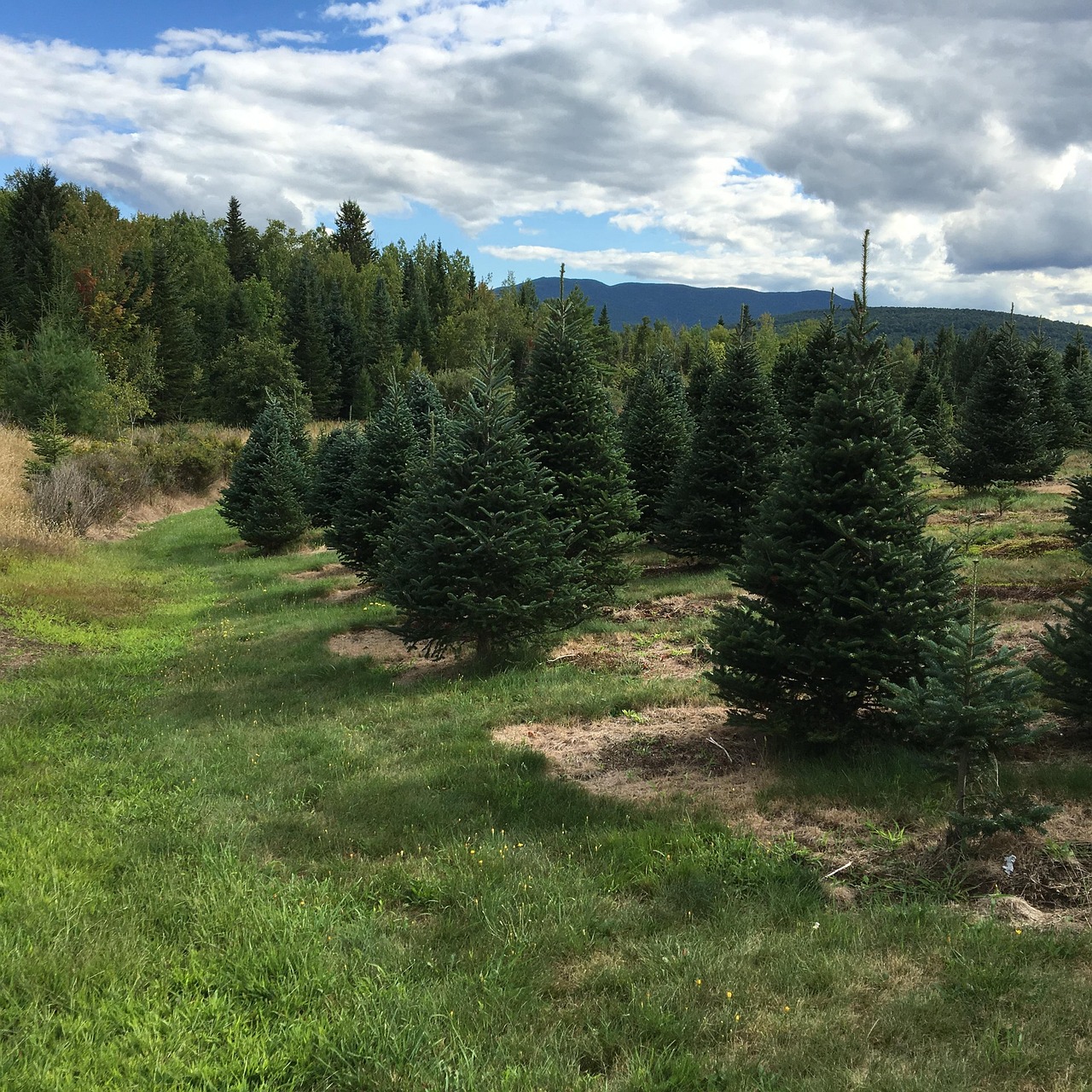
Essential oils are volatile compounds extracted from plants. They capture the essence of the plant’s fragrance and are used in a variety of ways, from diffusing to topical applications. The process of extracting essential oil from balsam fir sap requires careful attention to detail and can be done at home with the right tools.
Understanding Balsam Fir Sap
Balsam fir sap is a resin that oozes from the tree when it is injured. This resin has been traditionally used by Indigenous peoples for its medicinal properties. It is rich in terpenes, which are organic compounds that give the tree its characteristic scent and have potential health benefits.
When considering making essential oil from balsam fir sap, it is important to understand both the benefits and the characteristics of the sap itself. Below are some key properties and uses associated with balsam fir sap:
| Property | Description |
|---|---|
| Aroma | Fresh, woodsy, and slightly sweet scent. |
| Uses | Aromatherapy, skin care, and respiratory health. |
| Benefits | Antiseptic, anti-inflammatory, and mood-lifting properties. |
Gathering balsam fir sap requires caution. It is essential to select healthy trees and collect sap responsibly to ensure sustainability. Over-harvesting can harm trees and disrupt local ecosystems. Therefore, it is advisable to limit the amount taken from each tree and rotate between multiple trees when harvesting.
Materials Needed for Extraction
Before you begin the extraction process, gather all necessary materials to ensure a smooth operation. Here is a list of items you will need:
- Balsam fir sap
- Steam distillation kit or essential oil distiller
- Heat source (such as a stove or hot plate)
- Glass containers for collecting oil
- Measuring tools
- Protective gear (gloves, goggles)
- Water
The steam distillation method is preferred for extracting essential oils from sap due to its efficiency and ability to preserve the delicate aroma of the oil. Using this method minimizes the risk of burning the sap, which can alter its chemical composition and reduce its benefits.
Step-by-Step Process
The process of making essential oil from balsam fir sap can be broken down into several clear steps. Following these steps carefully will help you produce high-quality essential oil.
- Collect Balsam Fir Sap: Use a clean tool to gently scrape or tap the bark of a balsam fir tree to collect the sap. Aim for areas where the sap flows freely.
- Prepare Your Distillation Setup: Set up your steam distillation apparatus according to the manufacturer’s instructions. Ensure all components are clean and ready for use.
- Add Water: Fill the distillation pot with water. The amount will depend on your specific setup but ensure there is enough water to create steam.
- Add Sap: Place the collected balsam fir sap into the collection chamber of your distillation apparatus.
- Heat the Mixture: Turn on the heat source and allow the water to boil, creating steam that will pass through the sap.
- Collect Essential Oil: As steam passes through the sap, it will carry away aromatic compounds. These will condense and collect in the receiving container.
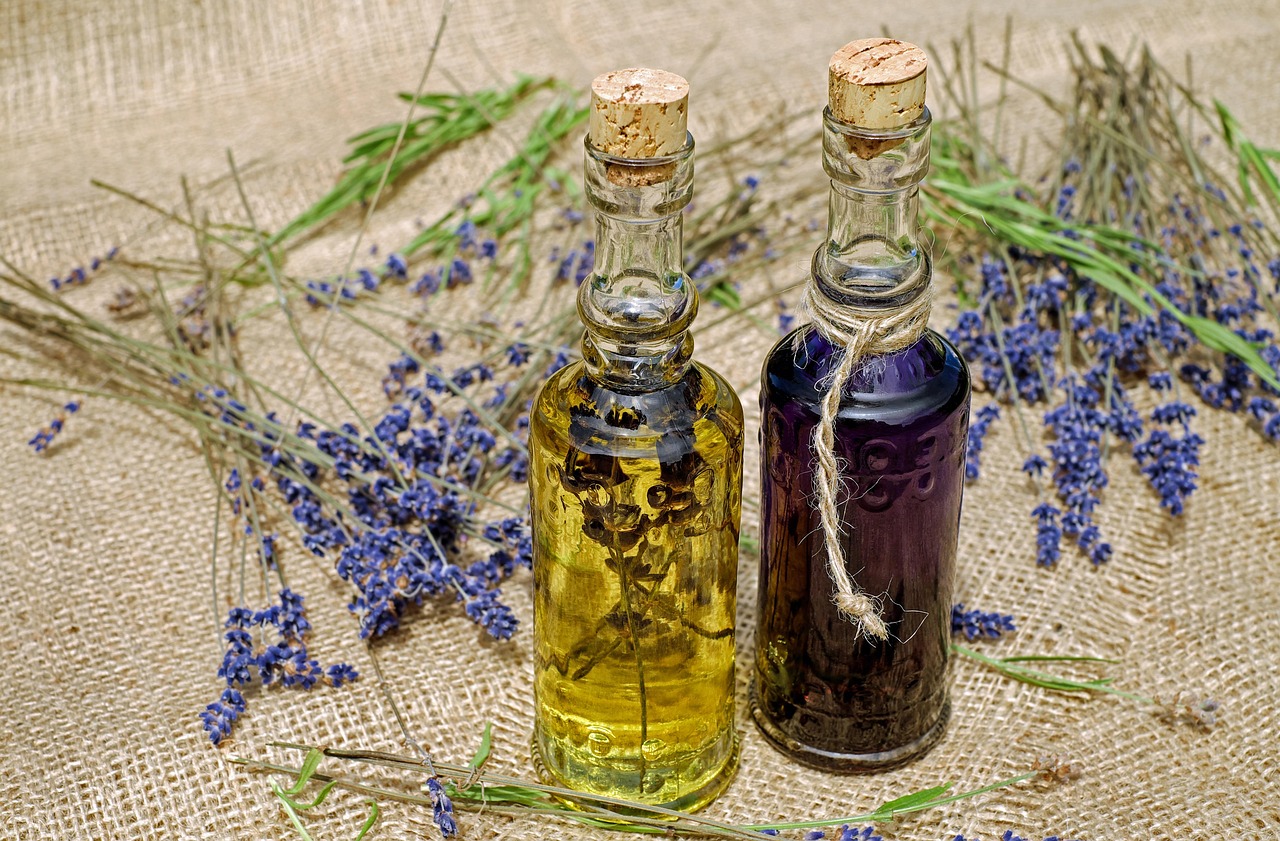
- Store Your Essential Oil: Once distillation is complete, carefully transfer your essential oil into dark glass containers for storage.
This method ensures that you extract the aromatic properties of balsam fir sap effectively. Following these steps will lead to a pure essential oil that can be used for various purposes.
Benefits of Balsam Fir Essential Oil
Balsam fir essential oil is celebrated not only for its captivating scent but also for its numerous health benefits. The oil contains various compounds that can positively affect physical and mental well-being. Understanding these benefits can provide insight into why this oil is sought after in aromatherapy and natural remedies.
- Respiratory Health: Balsam fir essential oil can help alleviate respiratory issues. Its soothing aroma may ease symptoms of colds, flu, and allergies by opening up airways and promoting easier breathing.
- Anti-inflammatory Properties: The oil is known for its anti-inflammatory effects, which can be beneficial for conditions such as arthritis or muscle pain. It may help reduce swelling and discomfort when applied topically.
- Mood Enhancement: The fresh, woodsy scent of balsam fir has uplifting properties. It is often used in aromatherapy to help reduce stress and anxiety, promoting a sense of calm and well-being.
- Antiseptic Qualities: Balsam fir essential oil possesses antiseptic properties, making it useful for minor wounds and skin irritations. Diluted with a carrier oil, it can be applied to cuts or scrapes to aid in healing.
- Immune Support: The oil may also support the immune system due to its antibacterial properties. Regular use in a diffuser can help purify the air and eliminate harmful pathogens.
Using Balsam Fir Essential Oil
Once you have extracted balsam fir essential oil, there are various ways to use it effectively. Below are some popular methods for incorporating this essential oil into your daily routine:
- Aromatherapy Diffusion: Add a few drops of balsam fir essential oil to a diffuser. This will disperse the fragrance throughout your space, promoting relaxation and mental clarity.
- Topical Application: Dilute the essential oil with a carrier oil, such as coconut or jojoba oil, before applying it to the skin. This can enhance its therapeutic effects for localized relief.
- Bath Soak: Add several drops of balsam fir essential oil to your bathwater for a soothing and aromatic experience. This can help relieve tension and promote relaxation.
- Household Cleaner: Combine balsam fir essential oil with vinegar or baking soda to create a natural cleaning solution. Its antiseptic properties make it an effective agent for disinfecting surfaces.
- Massage Oil: Blend balsam fir essential oil with a massage oil for a revitalizing massage experience. This can help alleviate sore muscles and promote relaxation.
Sourcing Balsam Fir Sap Responsibly
Harvesting balsam fir sap should be done with care and consideration for the environment. Ensuring sustainable practices not only protects the trees but also ensures that future generations can continue to enjoy the benefits of balsam fir. Here are some tips for responsible sap collecting:
- Select Healthy Trees: Choose trees that show signs of vitality. Avoid those that are diseased or dying.
- Limit Harvesting: Only collect sap from a few trees at a time. Rotate between different trees to allow sap production to recover.
- Avoid Over-Tapping: Do not make excessive cuts on the tree’s bark. A single tap should suffice for collecting sap without causing harm.
- Follow Local Regulations: Be aware of any local guidelines regarding sap collection to ensure compliance with environmental laws.
Potential Risks and Precautions
While balsam fir essential oil is generally safe for use, there are some precautions you should consider. Being aware of potential risks helps ensure safe usage:
- Allergic Reactions: Some individuals may experience an allergic reaction to balsam fir essential oil. Conduct a patch test by applying a small amount diluted with a carrier oil to a small area of skin before full use.
- Avoiding Ingestion: Essential oils should not be ingested unless under the supervision of a qualified healthcare professional. Ingesting large amounts can lead to toxicity.
- Pregnancy and Nursing: Pregnant or nursing women should consult their healthcare provider before using essential oils, including balsam fir.
Taking these precautions into account will help maximize the benefits of balsam fir essential oil while minimizing any potential risks associated with its use.
Storing Balsam Fir Essential Oil
Proper storage of balsam fir essential oil is crucial to maintain its potency and extend its shelf life. Essential oils can degrade when exposed to light, heat, and air. Here are some guidelines to help ensure your oil remains fresh and effective:
- Use Dark Glass Containers: Store the essential oil in dark amber or cobalt blue glass bottles. These colors help protect the oil from UV light, which can cause degradation.
- Keep Away from Heat Sources: Store the containers in a cool, dark place, away from direct sunlight and heat sources. Ideal storage temperatures range between 60°F and 70°F (15°C to 21°C).
- Avoid Air Exposure: Ensure that the bottle is tightly sealed when not in use to prevent oxidation. Minimize the time the bottle is open during use.
- Label Your Oils: Clearly label each bottle with the name of the essential oil and the date of extraction. This helps you keep track of freshness and potency.
Common Uses of Balsam Fir Essential Oil
Balsam fir essential oil can be utilized in various applications, making it a versatile addition to your wellness routine. Below are some common uses of this fragrant oil:
Aromatherapy
Aromatherapy is one of the most popular methods of using essential oils. Balsam fir essential oil can be diffused or inhaled directly for its therapeutic benefits.
- Stress Relief: Diffusing balsam fir can create a calming environment, ideal for stress relief and relaxation.
- Focus and Clarity: Inhaling the scent may improve concentration and mental clarity, making it suitable for study or work environments.
Skin Care
Balsam fir essential oil can also be beneficial for skin care when used correctly. Its antiseptic properties make it a good candidate for treating minor skin issues.
- Acne Treatment: Diluted balsam fir oil can be applied to acne-prone areas to help reduce inflammation and bacteria.
- Wound Healing: Its antiseptic qualities may assist in healing minor cuts and scrapes when diluted with a carrier oil.
Household Cleaning
Due to its antibacterial properties, balsam fir essential oil can serve as an effective natural cleaning agent. Here are some ways to incorporate it into your cleaning routine:
- All-Purpose Cleaner: Mix balsam fir essential oil with vinegar and water to create a natural all-purpose cleaner that disinfects surfaces.
- Air Freshener: Combine balsam fir oil with water in a spray bottle for a natural air freshener that eliminates odors.
Blending Balsam Fir Essential Oil
Balsam fir essential oil blends well with various other essential oils, enhancing its aromatic profile and therapeutic benefits. Here are some popular oils to consider blending with balsam fir:
| Essential Oil | Aromatic Profile | Benefits |
|---|---|---|
| Pine | Fresh, woodsy scent | Enhances respiratory health and offers energizing properties. |
| Cedarwood | Warm, rich aroma | Promotes relaxation and has grounding effects. |
| Lavender | Floral, calming scent | Aids in stress relief and promotes better sleep. |
| Sweet Orange | Citrusy, uplifting aroma | Adds a cheerful note while enhancing mood and energy levels. |
When blending essential oils, always start with small amounts to find the perfect balance that meets your personal preferences. A general guideline is to mix one part balsam fir with one part of your chosen essential oil to create a harmonious blend.
Cautions for Use in Specific Populations
Aside from the general precautions mentioned earlier, specific populations may need to take additional care when using balsam fir essential oil. Consider the following groups:
- Children: Always dilute essential oils more significantly for children. Consult with a healthcare professional before use.
- Elderly Individuals: Older adults may be more sensitive to essential oils. It is crucial to start with lower concentrations.
- Pets: Some essential oils can be harmful to pets. Ensure that your pets are not exposed to undiluted essential oils or diffused environments without proper ventilation.
Taking these considerations into account will help ensure safe and effective usage of balsam fir essential oil across different demographics.
Exploring the Cultural Significance of Balsam Fir
Balsam fir has deep cultural roots, especially among Indigenous peoples of North America. The tree is not only valued for its aromatic sap but also holds spiritual significance. Traditionally, balsam fir has been used in ceremonies, rituals, and as a natural remedy. Understanding its cultural context adds another layer to the appreciation of this remarkable tree and its products.
In many Indigenous cultures, balsam fir was utilized for medicinal purposes, treating ailments ranging from respiratory issues to skin irritations. The sap itself was often regarded as a gift from nature, embodying the spirit of the forest. Today, modern herbalists and natural health advocates continue to explore and honor these age-old practices by incorporating balsam fir in contemporary wellness routines.
Environmental Considerations
The sustainable harvesting of balsam fir sap is essential for maintaining healthy forests and ecosystems. As awareness grows about environmental issues, so does the importance of responsible practices. Here are some environmental considerations to keep in mind:
- Tree Health: Over-tapping can weaken trees, making them susceptible to disease and pests. Sustainable practices involve monitoring the health of trees after harvesting.
- Biodiversity: Maintaining biodiversity in forest ecosystems is crucial. Harvesting should be done in ways that do not disrupt local wildlife habitats.
- Restoration: Consider engaging in tree planting or supporting conservation efforts to help restore areas affected by overharvesting.
By practicing responsible harvesting and supporting ecological initiatives, individuals can contribute positively to the health of balsam fir populations and their surrounding environments.
Innovative Uses for Balsam Fir Sap
As interest in natural products continues to rise, innovative uses for balsam fir sap and essential oil are being explored in various industries. Here are a few examples:
- Natural Cosmetics: Balsam fir essential oil is increasingly being incorporated into skincare products due to its soothing properties and pleasant scent.
- Crafting: Artisans use balsam fir sap in handmade products such as candles and soaps, enhancing their offerings with natural ingredients.
- Aromatherapy Products: Companies are creating blends that include balsam fir essential oil for use in diffusers, roll-ons, and bath products.
The versatility of balsam fir sap encourages creativity and innovation across various sectors, allowing its benefits to reach a broader audience.
Final Thoughts
The process of making essential oil from balsam fir sap is not just a craft; it is an art that connects us to nature’s bounty. From the careful collection of sap to the mindful distillation process, every step reflects a deep respect for the environment and traditional practices. The resulting essential oil offers a myriad of benefits, from enhancing our physical well-being to enriching our emotional health.
By understanding how to responsibly source and utilize balsam fir essential oil, we can honor its cultural significance while also embracing its modern applications. Whether used in aromatherapy, skin care, or household cleaning, balsam fir essential oil serves as a reminder of the harmony between nature and human life.
As you explore the world of essential oils, remember the importance of sustainability and cultural respect. By incorporating natural products like balsam fir into your daily routine, you not only improve your well-being but also contribute to a greater understanding and appreciation of our natural resources.
With the knowledge gained from this article, you are now equipped to embark on your journey of making and using balsam fir essential oil responsibly and effectively. Embrace this opportunity to connect with nature and enjoy the many benefits that come from this extraordinary tree.