
Sugar maple care involves ensuring the tree gets adequate sunlight, well-drained slightly acidic soil, consistent watering, and proper pruning to thrive and produce vibrant fall colors.
Table of Contents
Sugar maples are prized for their stunning fall foliage and syrup production. To cultivate a healthy tree, understanding its care requirements is essential, including optimal planting conditions, maintenance practices, and common issues to address for long-term growth.
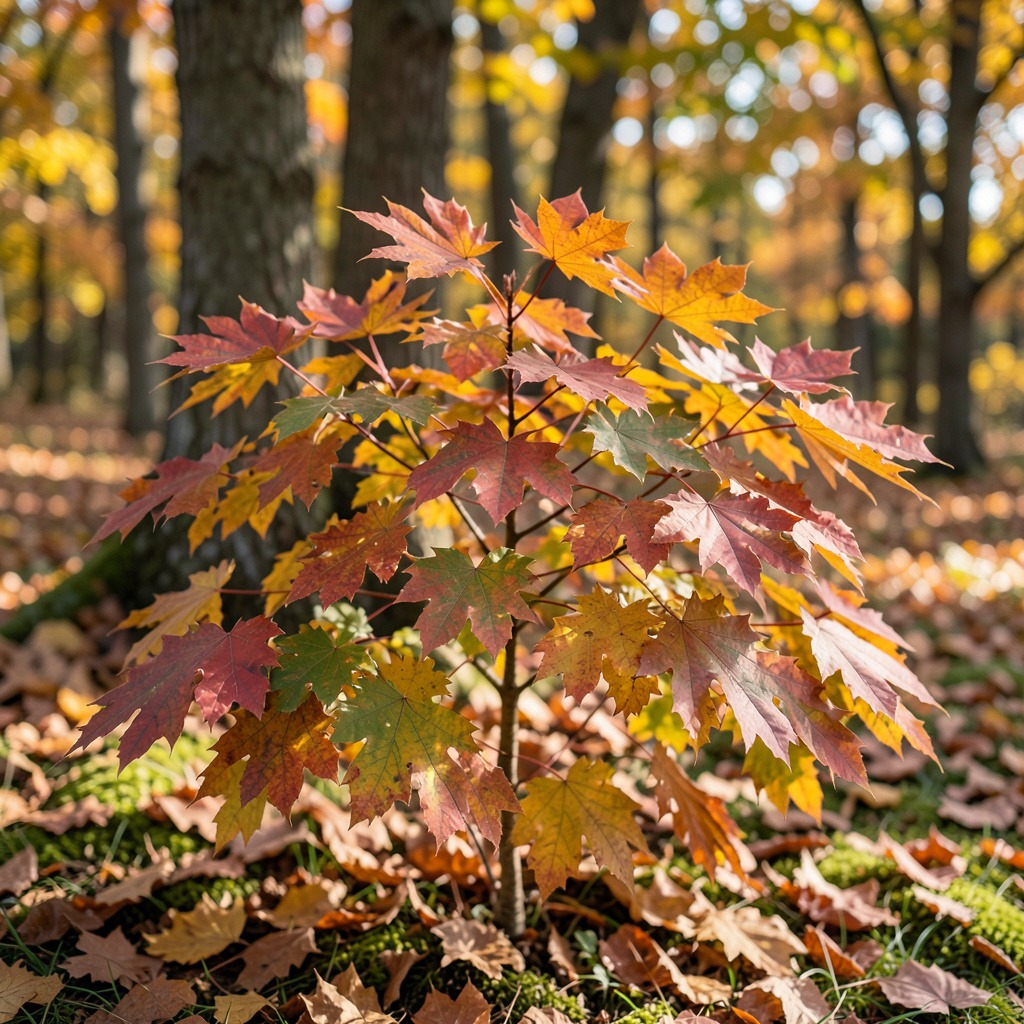
Understanding Sugar Maple Care
Proper care for sugar maples is crucial for their health and longevity. These trees not only enhance landscapes but also provide ecological benefits and stunning fall color. Understanding their specific needs helps ensure they thrive.
Optimal Planting Conditions
Sugar maples thrive in well-drained, slightly acidic soil with a pH between 5.5 and 6.8. They require full sun, ideally receiving six hours of direct sunlight each day. When selecting a planting site, consider the following:
- Space for Growth: Choose a location that allows for the tree’s expansive root system.
- Hardiness Zone: Ensure the selected cultivar is suitable for your climate zone.
- Mulching: Apply organic mulch to retain moisture and regulate soil temperature.
Watering Needs
Establishing a sugar maple requires consistent watering, especially during the first few years. Follow these guidelines:
- Frequency: Water once or twice a week, adjusting based on rainfall.
- Amount: Mature trees need about five gallons of water per week.
- Signs of Stress: Watch for browning or wilting leaves, indicating insufficient water.
Soil and Fertilizing
Healthy soil is foundational for sugar maples. They prefer nutrient-rich, organic matter. The following tips will optimize soil health:
- Soil Testing: Before planting, test soil pH and nutrient levels.
- Organic Matter: Incorporate compost or well-rotted manure to improve soil structure and fertility.
- Fertilizing Schedule: Apply a balanced fertilizer in early spring to support vigorous growth.
Pruning Techniques
Pruning is essential for maintaining the health and shape of your sugar maple. Follow these practices:
- Timing: Prune at the end of summer or in fall to minimize sap bleeding.
- Remove Dead or Damaged Branches: This prevents disease and encourages healthy growth.
- Limit Pruning: Avoid excessive pruning; only remove what is necessary.
Common Pests and Diseases
Sugar maples can be affected by various pests and diseases. Early identification is key. Familiarize yourself with these common issues:
- Pests: Look out for aphids, scale insects, and caterpillars.
- Diseases: Monitor for leaf spot, root rot, and cankers.
- Management: Use integrated pest management (IPM) strategies for control. This includes promoting beneficial insects and applying organic pesticides when necessary.
By adhering to these guidelines, you can cultivate a vibrant and resilient sugar maple that will enhance your landscape for generations.
Optimal Planting Conditions for Sugar Maples
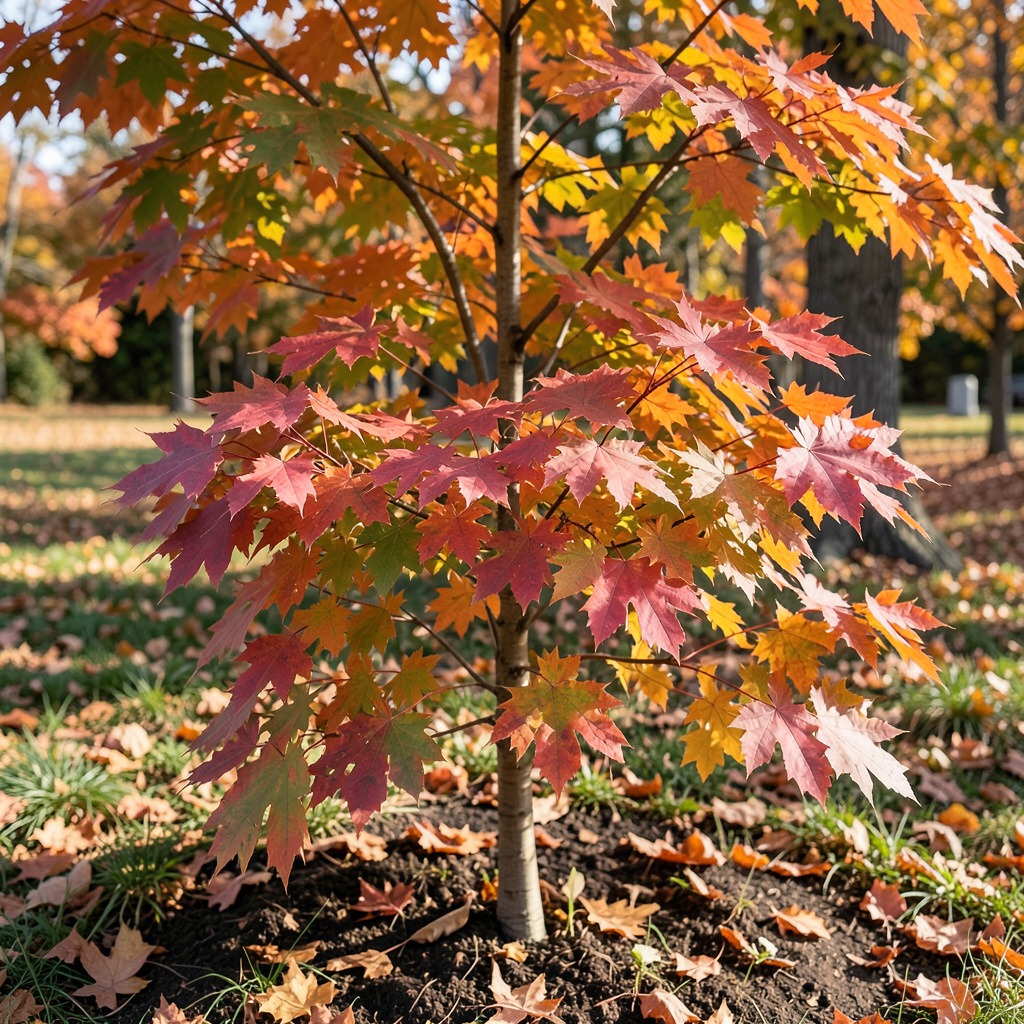
To ensure the healthy growth of sugar maples, understanding their planting conditions is essential. This includes optimal light exposure, soil type, and the best time for planting.
Light Requirements
Sugar maples thrive in full sun to partial shade. Aim for at least 4-6 hours of direct sunlight daily. In warmer climates, particularly zones 7-8, providing afternoon shade can help prevent leaf scorch. Insufficient light can lead to poor canopy development and dull fall colors.
Soil Composition and pH
Sugar maples prefer rich, loamy soil that drains well. The soil should be slightly acidic, with a pH ranging from 5.5 to 7.3. Compacted or alkaline soils can hinder growth. Here’s a checklist for optimal soil conditions:
- Well-drained: Ensure water does not pool.
- Rich in organic matter: Improves nutrient availability.
- pH level: Maintain between 5.5 and 7.3.
Best Time to Plant
The best planting times for sugar maples are late March to mid-April or October. This timing coincides with cooler temperatures, allowing roots to establish before extreme weather.
Step-by-Step Planting Guide
1. Choose the Right Location: Select a spot away from structures, ensuring plenty of sunlight.
2. Prepare the Soil: Test for pH and amend as necessary.
3. Dig the Hole: Make the hole twice as wide as the root ball, but no deeper.
4. Plant the Tree: Position the root ball so the top is level with the ground.
5. Backfill with Soil: Fill the hole with the excavated soil, gently tamping it down.
6. Water Thoroughly: Provide deep watering to settle the soil.
7. Mulch: Apply a 5-10 cm layer of organic mulch, keeping it away from the trunk.
Following these guidelines will set your sugar maple up for success.
Watering Needs for Sugar Maples
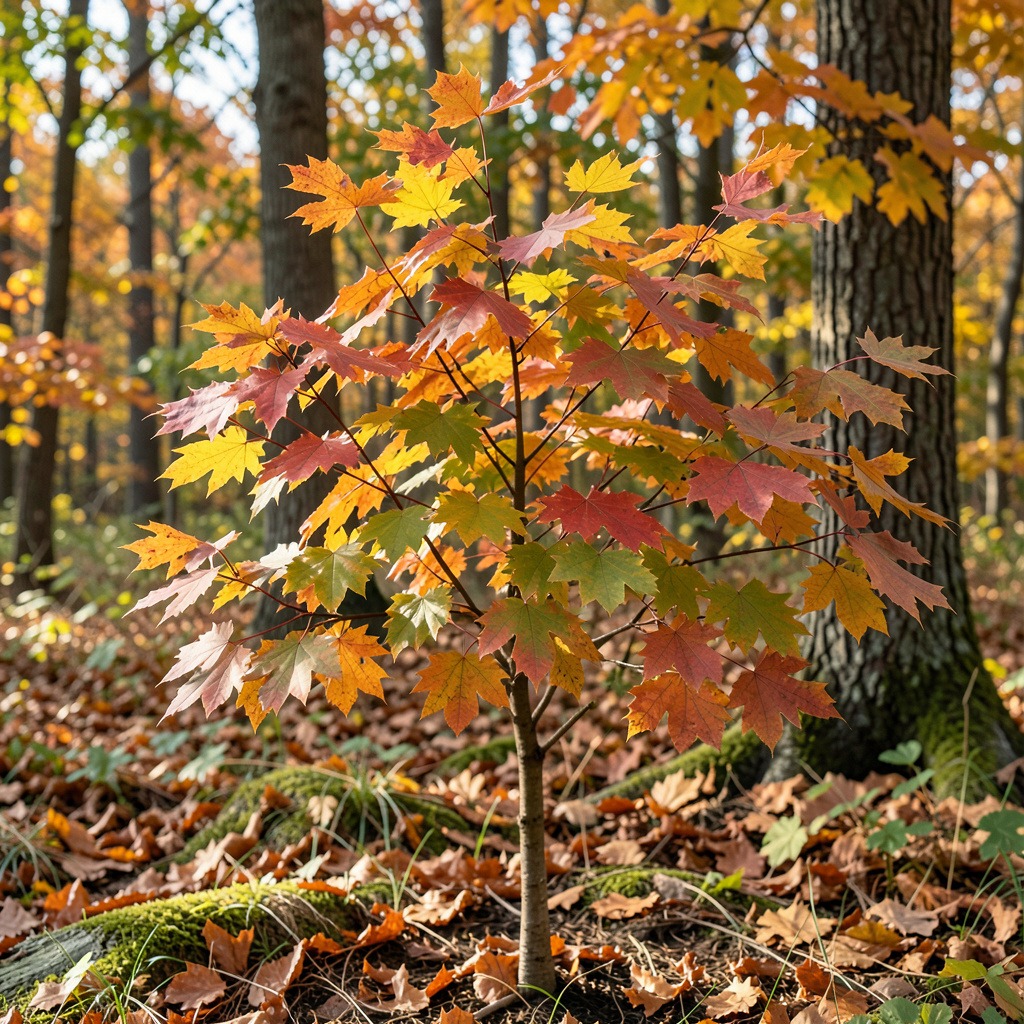
Proper watering is crucial for the health of sugar maples, especially during their formative years and throughout periods of drought. Understanding the distinct needs of young and established trees enables effective care, promoting robust growth and resilience.
Watering Young Trees
Young sugar maples require consistent moisture to establish strong roots. Follow this watering schedule during their first three growing seasons:
- Frequency: Water every 7-10 days.
- Amount: Provide about 1 to 1.5 inches of water weekly.
- Technique: Water deeply at the drip line—this allows moisture to penetrate the entire root zone rather than just the surface.
Checklist for Young Tree Watering:
- Monitor soil moisture regularly.
- Look for signs of stress, such as browning or wilting leaves.
- Adjust watering frequency based on rainfall.
Watering Established Trees
Once sugar maples are established, their watering needs change. They become more drought-tolerant, but occasional deep watering is beneficial during extended dry spells.
- Frequency: Water every 2-4 weeks during prolonged drought.
- Amount: Aim for at least five gallons of water per session.
- Technique: Water at the drip line, ensuring that the entire root system receives adequate moisture.
Scenario for Established Trees:
If your area experiences a drought, increase watering frequency. Check the surrounding soil—if it’s dry several inches down, it’s time to water.
Seasonal Adjustments
Sugar maples also benefit from seasonal adjustments in watering:
- Spring: Increase watering frequency as temperatures rise and new growth emerges.
- Summer: Maintain a consistent schedule, especially during heat waves.
- Fall: Give a final deep watering in late October before the ground freezes. This prepares the tree for winter and supports root development.
By adhering to these guidelines, you can ensure your sugar maple trees thrive throughout their life stages, enhancing their growth and overall health.
Fertilizing Your Sugar Maple for Healthy Growth

Fertilizing sugar maples is essential for their health, especially during the early years of growth. Understanding the types of fertilizers and when to apply them can significantly impact your tree’s vitality.
Types of Fertilizers
Choosing the right fertilizer is crucial for sugar maples. Here are the primary options:
- Organic Fertilizers: These include compost, well-rotted manure, and organic granular fertilizers. They improve soil structure and enhance microbial activity. Organic fertilizers release nutrients slowly, providing a steady supply over time.
- Synthetic Fertilizers: These are commercially available and often contain specific nutrient ratios tailored for tree health. They provide immediate nutrients but can lead to nutrient leaching if over-applied.
Comparison:
- Organic fertilizers are safer for the environment and improve soil health but require more time to show effects.
- Synthetic fertilizers deliver quick results but may lead to nutrient imbalances if not monitored.
When to Fertilize
Timing is critical for effective fertilization. Follow these guidelines:
- Young Trees: Fertilize young sugar maples in early April. Use a balanced, slow-release granular fertilizer applied at the drip line. This ensures nutrients reach the roots.
- Established Trees: Trees older than ten years typically do not need fertilization if they are in decent soil. However, conduct a soil test every 3-4 years to check for deficiencies.
Decision Rule: If a soil test indicates a nutrient deficiency, consider applying fertilizer, but avoid high-nitrogen options. Excess nitrogen can promote weak growth and increase susceptibility to diseases.
By adhering to these fertilization practices, you can foster robust growth and vibrant health in your sugar maple trees.
Pruning Techniques for Sugar Maples
Pruning is essential for maintaining the health and aesthetics of sugar maples. Knowing when and how to prune will help you encourage strong growth and prevent potential issues.
Best Time to Prune
The ideal time to prune sugar maples is during late summer or early fall. This timing minimizes sap bleeding, which can occur when cuts are made in early spring as the tree begins to bud. Aim to complete pruning before the first frost to allow the tree to heal before winter.
Pruning Methods
1. Assess the Tree: Before pruning, inspect the tree for dead or damaged branches. Look for branches that cross or rub against each other.
2. Use the Right Tools: Invest in sharp pruning shears or a saw. Clean tools prevent the spread of disease.
3. Make Clean Cuts:
- Cut at a 45-degree angle to promote water runoff.
- Avoid leaving stubs, as they can become entry points for pests and diseases.
- Follow the branch collar when making cuts; this is the swollen area where the branch meets the trunk.
4. Remove Wisely:
- Focus on removing up to 25% of the canopy in a single year to avoid stressing the tree.
- Prioritize removing dead, diseased, or crossing branches.
5. Monitor Growth: After pruning, observe the tree for new growth in the following season. Healthy growth indicates successful pruning.
Pruning Checklist
- [ ] Prune in late summer or early fall.
- [ ] Inspect for dead, damaged, or crossing branches.
- [ ] Use sharp, clean tools.
- [ ] Make cuts at a 45-degree angle.
- [ ] Avoid leaving stubs.
- [ ] Limit removal to 25% of the canopy.
By following these techniques, you can ensure your sugar maple remains healthy and continues to thrive in your landscape. Proper pruning not only enhances its appearance but also supports overall tree vitality.
Common Pests and Diseases Affecting Sugar Maples
Sugar maples are generally resilient, but they can encounter various pests and diseases that threaten their health. Understanding these issues is crucial for effective management.
Identifying Pests
Common pests include:
- Aphids: Small, soft-bodied insects that suck sap from leaves, causing yellowing and curling.
- Maple Leaf-Cutter: These insects create distinct circular cuts in leaves, affecting photosynthesis.
- Sapsuckers: Woodpeckers that drill into the bark to feed on sap, leading to weakened trees.
Visual Identification Guide for Common Pests:
| Pest | Description | Damage Indicators |
|---|---|---|
| Aphids | Tiny green or black insects | Yellowing leaves, sticky residue |
| Maple Leaf-Cutter | Circular leaf cuts | Reduced leaf area, stunted growth |
| Sapsuckers | Drilled holes in bark | Oozing sap, bark damage |
Common Diseases and Solutions
Sugar maples are susceptible to several diseases that can impact their vitality. Here are the most prevalent:
- Root Rot: Caused by overwatering or poor drainage. Symptoms include wilting and yellowing leaves. To manage, ensure proper drainage and avoid overwatering.
- Sap Streak: A bacterial infection that causes streaks on wood. It weakens the tree and may lead to dieback. Prune affected areas and maintain tree health through proper care.
- Tar Spot: A fungal disease that appears as black spots on leaves. While it is mostly cosmetic, it can indicate stress. Rake and destroy fallen leaves to reduce the spread.
Management Strategies:
- Regular Inspections: Check leaves and bark for signs of pests and diseases regularly.
- Watering Practices: Ensure consistent moisture without waterlogging to prevent root rot.
- Pruning: Remove damaged or diseased branches to improve air circulation and overall health.
By staying vigilant and implementing these management techniques, you can enhance the health and longevity of your sugar maple trees.
Enhancing Fall Color in Sugar Maples
The stunning fall color of sugar maples is a hallmark of their beauty. Several factors influence this vibrant display, including light exposure, soil quality, and seasonal care. Understanding these elements can help you enhance the autumn hues of your trees.
Light and Soil Impact on Color
Sugar maples thrive in full sun to partial shade. They require at least 4-6 hours of direct sunlight daily for optimal color development. Insufficient light can lead to muted autumn colors.
Soil conditions also play a crucial role. Sugar maples prefer well-drained, slightly acidic soil. Here’s how soil and light interact to affect fall color:
- Sunlight: More sunlight leads to brighter colors.
- Soil pH: Slightly acidic soil (pH 6.0-6.5) promotes healthy growth and vibrant fall foliage.
- Drainage: Well-drained soil prevents root stress, enhancing overall tree health and color.
Seasonal Care for Optimal Color
Seasonal adjustments are essential for maximizing fall color. Here are key practices to implement throughout the year:
- Fertilizing: In early spring, apply a balanced fertilizer to support growth. Look for a formulation with higher potassium to promote vibrant fall foliage.
- Watering: Consistent moisture is critical, especially during dry spells in summer. Aim for deep watering to encourage strong root systems.
- Pruning: Conduct light pruning in late summer to remove any weak or dead branches. This improves air circulation, reducing stress and promoting healthier leaves.
Seasonal Checklist
| Season | Care Practices |
|---|---|
| Spring | Fertilize with balanced nutrients. |
| Summer | Water deeply and regularly. |
| Late Summer | Prune to enhance air circulation. |
| Fall | Monitor color changes; enjoy the display! |
By implementing these strategies, you can enhance the fall color of your sugar maples, creating a breathtaking autumn landscape.
Frequently Asked Questions
These quick answers cover the most common questions about this topic, including key details, practical tips, and common concerns.
What are the downsides of sugar maples?
While sugar maples are beautiful and provide vibrant fall colors, they have some drawbacks. They can grow quite large, requiring ample space, which may not be suitable for smaller yards. Additionally, they have shallow root systems that can compete with other plants for nutrients and water.
Another downside is their susceptibility to pests and diseases, such as aphids and root rot. These issues can lead to additional maintenance and care requirements to keep the trees healthy.
How long does it take for a sugar maple to reach full size?
Sugar maples typically take 30 to 40 years to reach their full height, which can range from 60 to 75 feet. Growth rates can vary based on environmental conditions, soil quality, and care practices. In optimal conditions, you may see significant growth within the first 10 years, but patience is essential for full maturity.
Is sugar maple a good yard tree?
Yes, sugar maples are excellent yard trees, especially for those seeking shade and beautiful fall foliage. They provide a dense canopy, making them ideal for larger properties. However, consider their size and root system when planting, as they may not be suitable for smaller yards or areas with limited space.
Where is the best place to plant a sugar maple tree?
The best location for a sugar maple tree is in a spot that receives full sun, ideally six hours of direct sunlight daily. Ensure the soil is well-drained and slightly acidic, with a pH between 5.5 and 7.3. Avoid planting near structures or other trees that may compete for resources.
What are common pests of sugar maples?
Common pests affecting sugar maples include aphids, scale insects, and caterpillars. Aphids can cause leaf curling and yellowing, while scale insects may lead to a sticky residue on leaves. Regular inspections can help identify these pests early, allowing for effective management strategies, such as introducing beneficial insects or using organic pesticides.
How can I improve the fall color of my sugar maple?
To enhance the fall color of your sugar maple, ensure it receives adequate sunlight and is planted in slightly acidic, well-drained soil. Fertilizing in early spring with a balanced fertilizer that has higher potassium levels can also promote vibrant foliage. Additionally, consistent watering during the growing season helps maintain overall tree health, contributing to brighter colors in autumn.
What soil conditions are best for sugar maples?
Sugar maples thrive in rich, loamy soil that is well-drained and slightly acidic, ideally with a pH between 5.5 and 7.3. Compacted or alkaline soils can hinder growth, so conducting a soil test before planting is recommended. Incorporating organic matter, such as compost, can improve soil structure and nutrient availability.
How often should I water my sugar maple?
Young sugar maples should be watered every 7-10 days, providing about 1 to 1.5 inches of water weekly. Once established, they can tolerate drought but should still receive deep watering every 2-4 weeks during dry spells. Always check the soil moisture to avoid overwatering, which can lead to root rot.