
Sugar maple trees generally grow at a rate of 1 to 2 feet per year under optimal conditions, taking about 30 to 40 years to reach their mature height of 60 to 80 feet.
Table of Contents
Sugar maples (Acer saccharum) are cherished for their beauty and syrup production. Understanding their growth rate is essential for successful cultivation. This guide explores the factors influencing their growth, optimal conditions, and practical care tips for healthy trees.
Understanding Sugar Maple Growth Rates
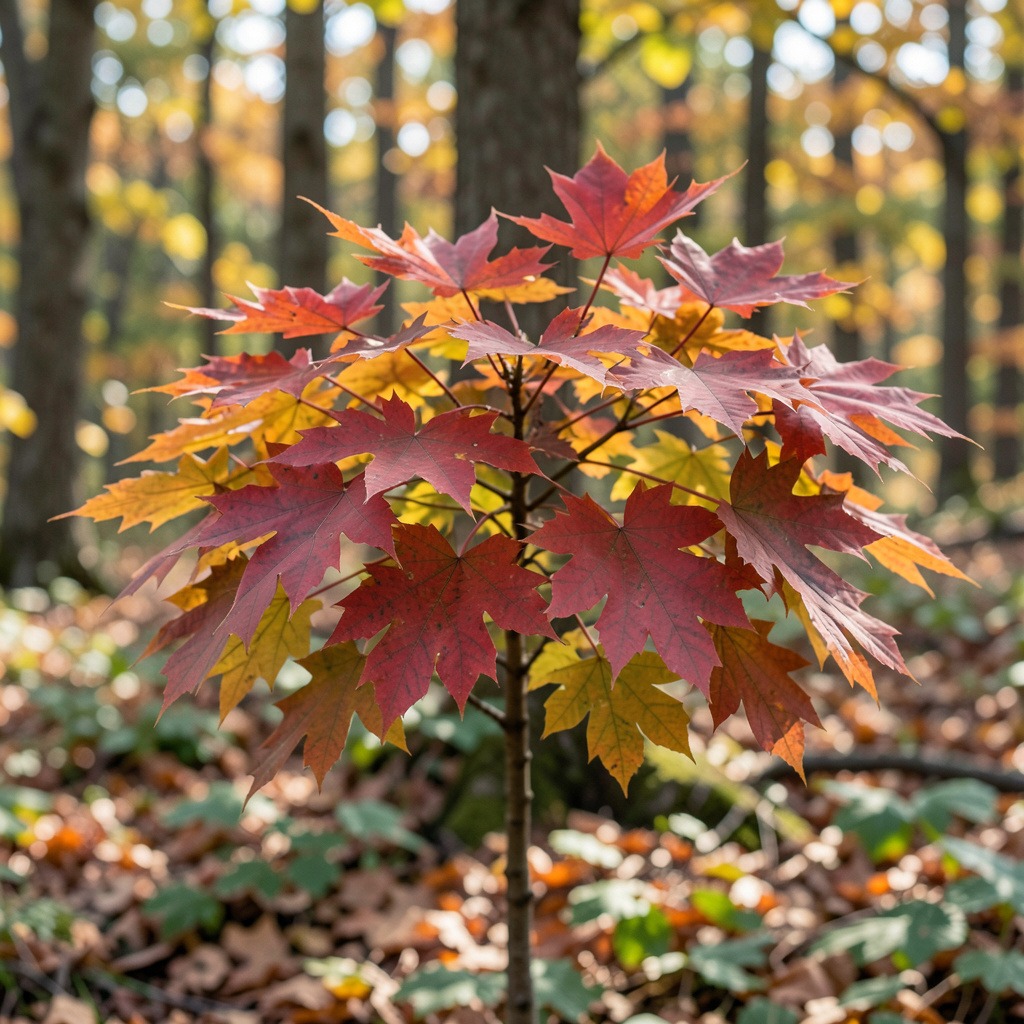
The growth rate of sugar maple trees (Acer saccharum) is an essential aspect of their cultivation. Understanding how quickly they grow and the factors that influence their growth can lead to more successful tree management.
Average Growth Rate
Sugar maples typically exhibit an average growth rate of 1 to 2 feet per year under optimal conditions. However, growth can vary significantly depending on several environmental factors.
- Young Trees (0-10 years): 2 to 3 feet annually.
- Mature Trees (10-30 years): 1 to 2 feet annually.
- Fully Mature Trees (30+ years): Growth slows down to about 6 to 12 inches annually.
Factors Influencing Growth Rates
Several key factors determine the growth rate of sugar maples:
- Soil Quality: Sugar maples thrive in well-drained, loamy soils rich in organic matter. Poor soil can hinder growth.
- Climate: Optimal growth occurs in USDA hardiness zones 3 to 7. Extreme temperatures can stress the trees.
- Water Availability: Consistent moisture is crucial, especially during the establishment phase. Newly planted trees require regular watering.
- Competition: Nearby plants can compete for resources, impacting the growth of sugar maples.
Maturity Timeline
Sugar maples take time to reach maturity. Here’s a general timeline:
- Planting to Establishment: 1 to 3 years for roots to establish.
- Tapping for Syrup Production: Generally, trees become viable for tapping around 30 to 40 years.
- Full Maturity: Sugar maples can live for over 200 years, reaching full size at around 60 to 80 years.
Comparative Growth Rates
| Tree Species | Average Annual Growth Rate |
|---|---|
| Sugar Maple | 1 – 2 feet |
| Red Maple | 2 – 3 feet |
| Oak | 1 – 2 feet |
| Pine | 2 – 3 feet |
| Birch | 1 – 2 feet |
This table highlights how sugar maples compare to other popular tree species. While they have a moderate growth rate, their longevity and ecological benefits make them a valuable addition to many landscapes.
Optimal Growing Conditions for Sugar Maples
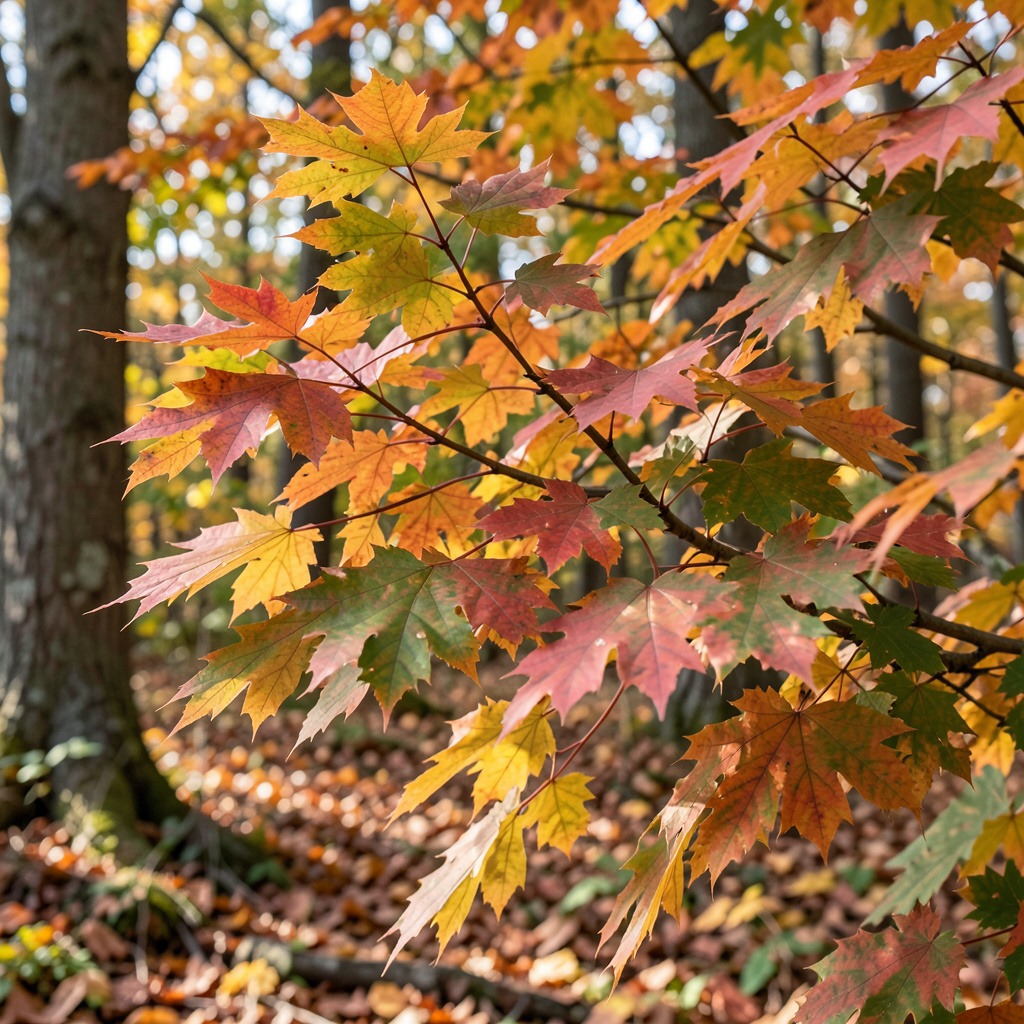
Sugar maples thrive under specific conditions that significantly influence their growth rates. Understanding their soil, sunlight, and water requirements is essential for fostering a healthy environment for these trees.
Soil Quality and Composition
Sugar maples prefer well-drained, loamy soil that retains moisture yet allows for adequate drainage. The ideal soil pH ranges from 6.0 to 7.5. Here’s a checklist to assess soil quality:
- Texture: Loamy or sandy loam is best.
- Drainage: Ensure the soil drains well to prevent root rot.
- pH Level: Test for a pH between 6.0 and 7.5.
- Organic Matter: High organic content enhances nutrient availability.
Poor soil conditions can stunt growth. For example, planting in compacted or overly acidic soil can lead to nutrient deficiencies and slow growth rates.
Sunlight Exposure
Sugar maples require full sun to partial shade for optimal growth. Ideally, they should receive at least 4 to 6 hours of direct sunlight daily. Insufficient sunlight can lead to:
- Stunted growth
- Weaker wood structure
- Increased susceptibility to pests
To maximize growth rates, plant sugar maples in locations that are not heavily shaded by other trees or structures. A diagram showing ideal sunlight exposure can guide effective planting.
Watering Practices
Proper watering is crucial, especially during the establishment phase. New saplings need thorough watering at least twice a week until they are established. Once established, sugar maples typically require:
- Weekly Watering: About one inch of water per week, adjusting based on rainfall.
- Topsoil Checks: Monitor the top inch of soil; if dry, it’s time to water.
Overwatering can be just as harmful as underwatering. Both can hinder root development and affect growth rates. A consistent watering schedule fosters robust growth and resilience against environmental stresses.
Tapping Techniques and Syrup Production
Tapping sugar maples requires careful consideration of the tree’s age and size. Proper techniques ensure optimal sap flow without compromising the tree’s health. Understanding these factors can significantly influence the growth rate of sugar maples.
When to Tap Sugar Maples
Sugar maples typically reach the appropriate tapping age between 30 to 40 years. The tree should have a diameter of at least 10 inches at chest height. Tapping too early can stunt growth and reduce sap yield.
Ideal Tapping Conditions:
- Age: 30-40 years
- Diameter: Minimum of 10 inches
- Season: Late winter to early spring, when temperatures fluctuate above and below freezing
How to Tap Effectively
Effective tapping involves using proper techniques to minimize damage to the tree. Follow these steps for successful sap collection:
1. Select the Location: Choose a healthy section of the tree, ideally on the south or southeast side.
2. Drill the Hole: Use a clean drill bit to create a hole at a slight upward angle, about 1.5 to 2 inches deep.
3. Insert the Spout: Gently hammer the spout into the hole, ensuring a snug fit.
4. Collect the Sap: Attach a clean collection container to the spout and monitor regularly.
Impact of Tapping on Growth Rate
Tapping can influence a sugar maple’s growth rate. Proper tapping techniques can stimulate sap production without harming the tree. However, over-tapping or improper methods can hinder growth and sap yield.
Key Considerations:
- Limit Taps: Only one tap per tree is recommended for trees 10-20 inches in diameter. Larger trees may support two taps.
- Monitor Health: Regularly check for signs of stress or disease post-tapping.
- Recovery Time: Allow the tree to recover by not tapping in consecutive years if it shows signs of distress.
Implementing these tapping techniques responsibly can enhance sap production while maintaining the health and growth rate of sugar maples.
Common Issues and Solutions for Sugar Maples
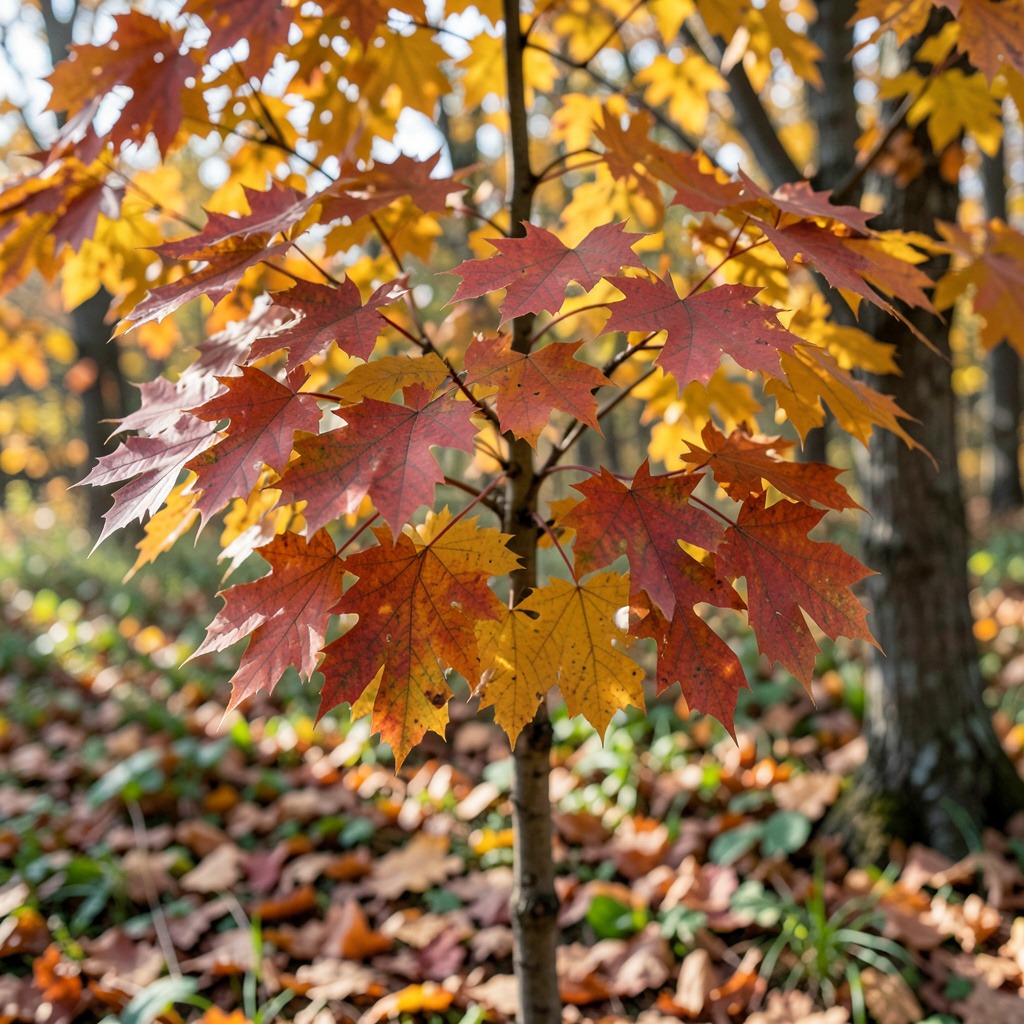
Sugar maples are susceptible to various pests and diseases that can impact their growth rate. Understanding these issues and implementing preventative measures is crucial for maintaining healthy trees.
Common Pests and Diseases
Several pests and diseases can hinder the growth of sugar maples:
- Maple Borer: This pest tunnels into the wood, causing structural damage. Signs include sawdust around the base and wilting leaves.
- Leaf Spot: Fungal infections can lead to yellowing leaves and reduced photosynthesis.
- Scale Insects: These sap-sucking insects can weaken trees and lead to stunted growth. Look for sticky residue on leaves.
Preventive Care
Implementing preventive strategies minimizes the risk of pest and disease issues:
- Regular Inspections: Monitor trees for early signs of pests or diseases. Check the foliage and trunk for abnormalities.
- Proper Watering: Ensure consistent moisture without waterlogging. Healthy sap flow supports resistance against pests.
- Soil Health: Conduct soil tests to maintain optimal pH and nutrient levels. This encourages robust growth, making trees less susceptible to stress.
Treatment Options
If issues arise, timely intervention is essential:
- Insecticidal Soap: Treat scale insects and other pests with insecticidal soap or neem oil. Apply during the early morning or late evening to avoid harming beneficial insects.
- Fungicides: Use targeted fungicides for leaf spot diseases. Follow label instructions for application timing and frequency.
- Pruning: Remove affected branches to prevent the spread of disease. Aim to prune during the dormant season for less stress on the tree.
Checklist for Care
| Task | Frequency | Notes |
|---|---|---|
| Inspect for pests | Bi-weekly | Focus on leaves and trunk |
| Test soil | Annually | Adjust pH and nutrients as needed |
| Watering | Weekly | Maintain consistent moisture |
| Prune | Winter | Remove damaged branches |
By addressing these common issues proactively, you can enhance the growth rate and overall health of your sugar maples.
Comparing Sugar Maple Growth with Other Trees
Understanding how sugar maples compare to other tree species in terms of growth rate and care requirements can help you make informed planting decisions. Here, we analyze the growth characteristics of sugar maples alongside some popular alternatives.
Growth Rate Comparison
The growth rate of sugar maple trees typically falls within the slow to medium range. They can grow between 1 to 2 feet per year. In comparison, other common trees exhibit varying growth patterns:
| Tree Species | Average Growth Rate (Feet/Year) | Mature Height (Feet) |
|---|---|---|
| Sugar Maple | 1-2 | 40-100 |
| Red Maple | 2-3 | 40-60 |
| Oak | 1-2 | 60-100 |
| Pine | 2-3 | 50-80 |
| Sweetgum | 2-3 | 60-100 |
Care Requirements
Sugar maples require specific care to optimize their growth. Here are some care factors to compare with other tree species:
- Soil Requirements: Sugar maples thrive in well-drained, loamy soils with a slightly acidic pH. In contrast, red maples can tolerate wetter conditions and a wider range of soil types.
- Watering Needs: Young sugar maples need regular watering, especially during dry spells. Similarly, oak trees also require consistent moisture for optimal growth.
- Pruning: Sugar maples benefit from periodic pruning to encourage strong branching. Red maples and oaks also require pruning, but the timing and techniques may differ based on species.
Decision Framework for Planting
When choosing a tree, consider the following factors:
1. Growth Rate: Determine how quickly you want your tree to mature.
2. Soil Conditions: Assess your soil type and pH to ensure compatibility.
3. Water Availability: Evaluate the watering resources you can provide.
4. Space Requirements: Ensure you have adequate space for the tree’s mature size.
For instance, if you have well-drained, slightly acidic soil and prefer a slow-growing tree, sugar maple is an excellent choice. However, if you are looking for faster growth in wetter conditions, a red maple may be more suitable.
Frequently Asked Questions
These quick answers cover the most common questions about this topic, including key details, practical tips, and common concerns.
What are the disadvantages of sugar maples?
Sugar maples can be susceptible to various pests and diseases, such as the maple borer and leaf spot, which can affect their health and growth. Additionally, they require specific soil conditions, preferring well-drained, loamy soils. If planted in poor soil or overly wet conditions, their growth may be stunted.
Another potential disadvantage is their slow growth rate, especially in the early years, which can deter those looking for quick shade or aesthetic benefits. Lastly, sugar maples can be sensitive to extreme weather, which may impact their overall health and sap production.
How tall is a 10-year-old sugar maple tree?
A 10-year-old sugar maple tree typically reaches a height of about 15 to 30 feet, depending on its growing conditions. Under optimal circumstances, such as good soil, adequate water, and sufficient sunlight, these trees can grow closer to the higher end of this range. It’s important to note that growth rates can vary based on environmental factors.
Is sugar maple a good yard tree?
Yes, sugar maples are excellent yard trees due to their beautiful fall foliage and strong wood. They provide ample shade, making them ideal for residential landscapes. However, they do require specific growing conditions and space to accommodate their mature size, which can reach 60 to 80 feet.
When selecting a yard tree, consider your local climate and soil type to ensure optimal growth. If your conditions align with a sugar maple’s needs, it can be a valuable addition to your landscape.
How much will a sugar maple grow in 10 years?
Over a decade, a sugar maple can grow approximately 15 to 30 feet, depending on environmental conditions. Young trees may grow faster, averaging 2 to 3 feet annually in their early years. As they mature, their growth rate typically slows to about 1 to 2 feet per year.
This growth rate can be influenced by factors such as soil quality, water availability, and sunlight exposure. Ensuring optimal conditions will help maximize growth during this period.
What pests affect sugar maples?
Sugar maples can be affected by several pests, including the maple borer, scale insects, and aphids. The maple borer tunnels into the wood, causing structural damage, while scale insects feed on sap, weakening the tree. Aphids can also pose a problem by producing a sticky residue that attracts other pests.
Regular monitoring and preventive care, such as maintaining healthy soil and watering practices, can help mitigate these pest issues. If pests are detected, treatments like insecticidal soap may be effective.
What soil conditions are best for sugar maples?
Sugar maples thrive in well-drained, loamy soils rich in organic matter. The ideal soil pH ranges from 6.0 to 7.5. Poor drainage or overly compacted soil can hinder growth and lead to root rot.
To create optimal conditions, consider testing your soil’s pH and texture. Amending the soil with organic matter can improve its quality and support healthy growth for your sugar maples.
When is the best time to tap a sugar maple?
The best time to tap a sugar maple is late winter to early spring, typically when daytime temperatures rise above freezing and nighttime temperatures drop below freezing. This temperature fluctuation encourages sap flow.
Sugar maples should be at least 30 years old and have a diameter of at least 10 inches before tapping. Proper timing and techniques are crucial for maximizing sap yield while ensuring the tree’s health.
How do I care for a young sugar maple tree?
Caring for a young sugar maple involves regular watering, especially during dry spells, and ensuring it receives adequate sunlight. Young trees should be watered deeply at least twice a week until established.
Additionally, monitor for pests and diseases, and consider mulching around the base to retain moisture and suppress weeds. Pruning should be minimal in the early years, focusing on removing any dead or damaged branches to encourage healthy growth.