
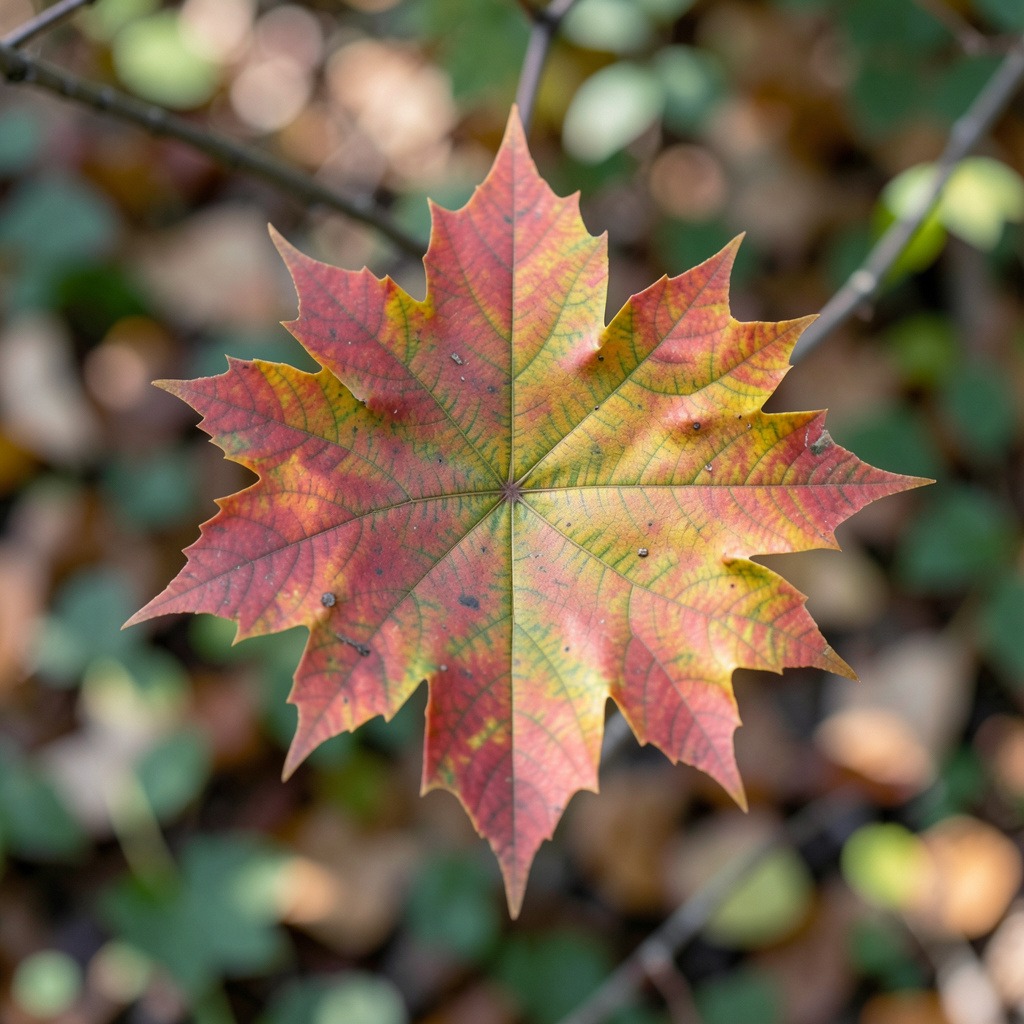
The sugar maple leaf is a distinct, five-lobed leaf with smooth edges, turning brilliant shades of yellow, orange, or red in the fall.
Table of Contents
Sugar maple leaves are not only iconic for their stunning fall colors but also crucial for identifying the sugar maple tree, Acer saccharum. This guide explores their characteristics, ecological significance, and uses, ensuring you can recognize and appreciate these beautiful leaves.
Understanding Sugar Maple Leaves
Sugar maple leaves are distinct and play a crucial role in identifying the sugar maple tree, Acer saccharum. Their unique characteristics set them apart from other maple species, making identification straightforward for enthusiasts and botanists alike.
Characteristics of Sugar Maple Leaves
Sugar maple leaves are simple, opposite, and palmately veined. They typically measure 3 to 6 inches long and wide. The leaves are characterized by:
- Five Lobes: Each leaf has five prominent lobes, which gives it a star-like appearance.
- Smooth, U-Shaped Sinuses: The spaces between the lobes are smooth and U-shaped, contrasting with the V-shaped, serrated sinuses of the red maple.
- Edge Texture: The edges of sugar maple leaves are generally smooth with only a few coarse teeth along the margins, unlike the fine serrations found on red maple leaves.
- Color: The upper surface of the leaves is dark green and smooth, while the underside is lighter and may have slight hairiness along the veins.
Seasonal Color Changes
In autumn, sugar maple leaves transform into a vibrant display of colors. The hues range from bright yellow to deep red and orange. This color variation can occur simultaneously on the same tree, showcasing:
- Brilliant Fall Foliage: Some trees exhibit multiple colors, enhancing their aesthetic appeal.
- Uneven Coloration: Different parts of a mature tree may change color at varying times, creating a dynamic visual spectacle.
Comparison with Other Maple Leaves
To distinguish sugar maple leaves from other species, consider the following comparisons:
| Feature | Sugar Maple | Red Maple | Norway Maple |
|---|---|---|---|
| Number of Lobes | Five | Three to five | Five |
| Shape of Sinuses | Smooth, U-shaped | V-shaped, serrated | V-shaped |
| Leaf Sap | Clear, milky | Clear, watery | White |
| Bark Texture | Furrowed with age | Smoother | Grooved |
These differences are essential for accurate identification and appreciation of each species. For further insights on caring for sugar maples, consider referring to a resource like the Maple Tree Care Guide.
How to Identify Sugar Maple Trees
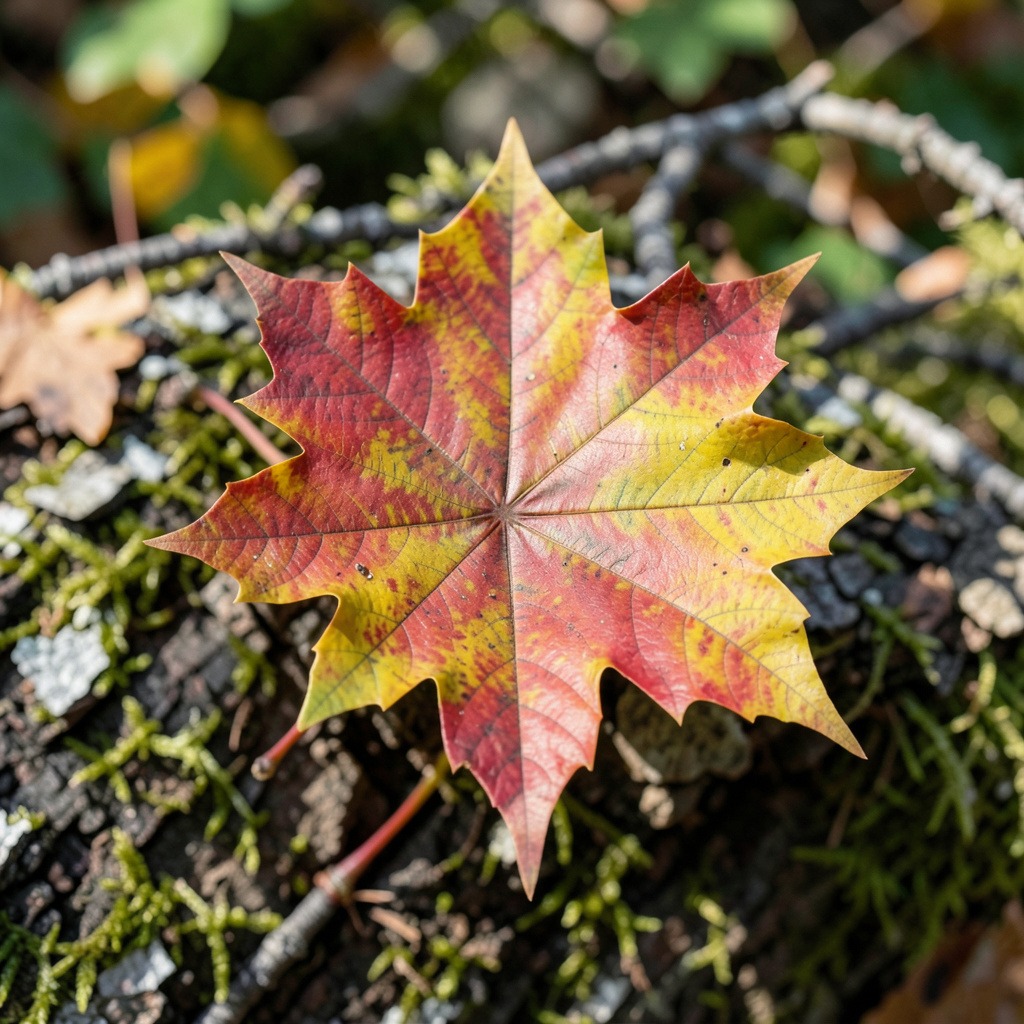
Identifying sugar maple trees requires attention to specific characteristics of their leaves, bark, and overall structure. With clear visual cues, you can distinguish sugar maples from other species effectively.
Leaf Identification Techniques
The leaves of the sugar maple are one of the most distinct features. Here’s how to identify them:
- Number of Lobes: Look for five lobes that are prominent and evenly spaced.
- Shape of Sinuses: The spaces between the lobes are smooth and U-shaped.
- Leaf Size: Each leaf typically measures between 3 to 6 inches long and wide.
- Leaf Surface: The upper side is dark green and smooth, while the underside is paler and may have slight hairs along the veins.
- Sap Characteristics: When you break the petiole, expect a clear, milky sap, which differentiates sugar maples from other species.
Bark and Twig Characteristics
Mature sugar maple trees exhibit unique bark features that aid in identification:
- Bark Texture: Young trees have smooth, gray bark. As they mature, the bark develops thick, platy ridges that curl outward.
- Bark Color: The color shifts to dark gray or gray-brown with age, creating a shaggy appearance.
- Twig Color: The twigs are reddish-brown, which also helps in identification.
Distinctive Features of Sugar Maple Trees
Beyond leaves and bark, consider the overall tree shape and ecological context:
- Tree Shape: Sugar maples typically have a dense, rounded crown, ideal for providing shade.
- Height: These trees can grow quite tall, reaching heights of 40 to 100 feet.
- Fall Foliage: They are renowned for their vibrant autumn colors, displaying bright yellows, oranges, and reds.
Quick Identification Checklist
- Leaf: Five lobes, U-shaped sinuses, 3-6 inches in size.
- Bark: Smooth when young; thick, platy, shaggy as it matures.
- Twig: Reddish-brown color.
- Shape: Dense, rounded crown with vibrant fall colors.
Use this checklist for a quick reference when identifying sugar maples in the wild or your local area. For more detailed care tips and guidance, consider checking out the Maple Tree Care Guide.
The Ecological Importance of Sugar Maples
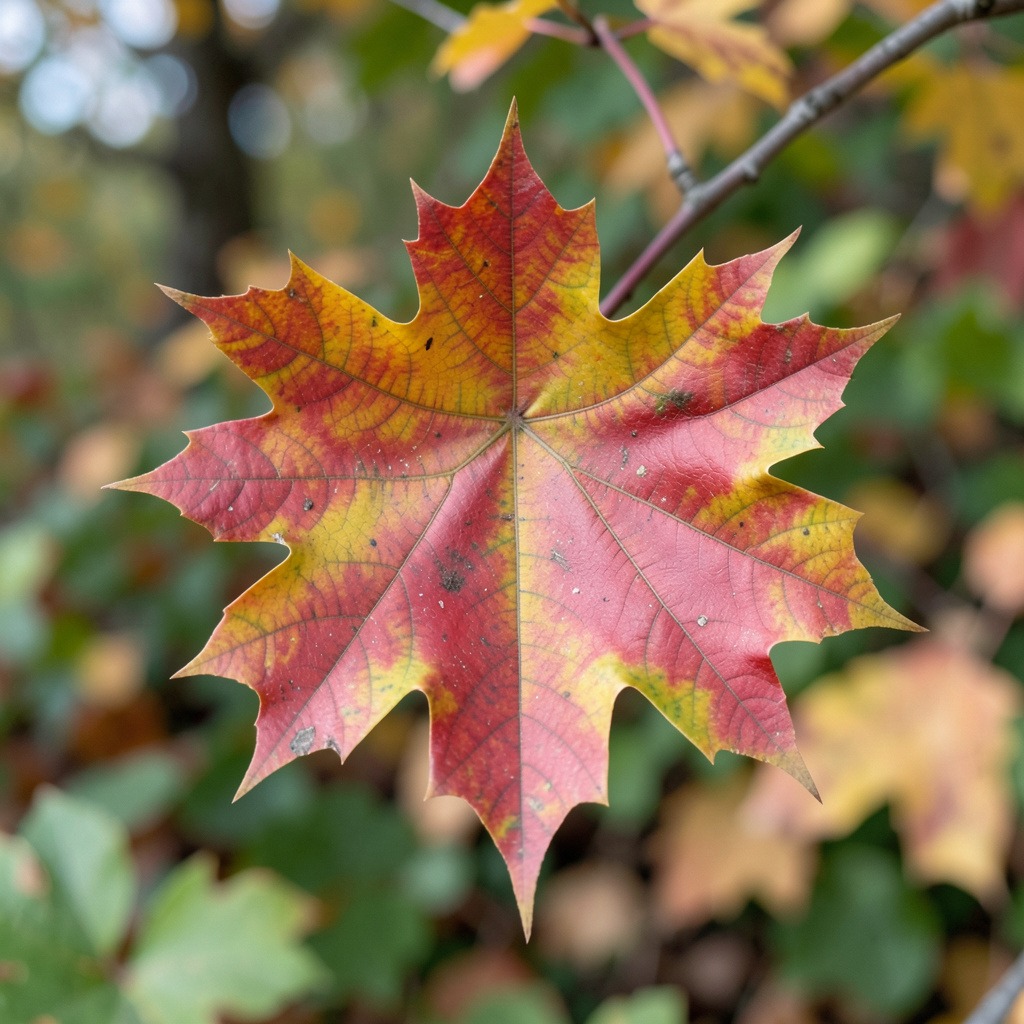
Sugar maples play a vital role in their ecosystems. They provide essential habitat for wildlife and contribute significantly to soil health. Understanding these contributions enhances our appreciation of this important tree species.
Habitat for Wildlife
Sugar maples support diverse wildlife. Various species rely on them for food and shelter. The tree’s leaves, buds, and seeds serve as nourishment for birds, squirrels, and insects. Notably, the sugar maple’s sap is an important resource for several animal species.
- Birds: Woodpeckers and other birds often forage on sugar maples for insects hidden beneath the bark.
- Mammals: Squirrels and deer consume the buds and seeds, especially during winter months when food is scarce.
- Insects: The tree attracts pollinators like bees, which are crucial for plant reproduction.
Research indicates that sugar maples can host over 300 species of insects, highlighting their role in supporting local biodiversity.
Contribution to Forest Ecosystems
Sugar maples significantly impact forest ecosystems. They contribute to soil health and maintain ecological balance. Their dense canopy provides shade, which helps regulate forest temperature and moisture levels.
- Soil Enrichment: Maple leaves decompose and enrich the soil with organic matter. This process improves soil structure and nutrient availability for other plants.
- Biodiversity: By providing a habitat, sugar maples promote a complex food web. They support not only wildlife but also numerous understory plants that thrive in their shade.
Statistically, forests dominated by sugar maples often show higher overall biodiversity compared to other tree-dominated ecosystems. Their presence can increase species richness, leading to healthier forest dynamics.
For those interested in caring for sugar maples and ensuring their ecological contributions continue, the Maple Tree Care Guide offers valuable insights and practical tips.
Cultural and Historical Significance of Sugar Maples
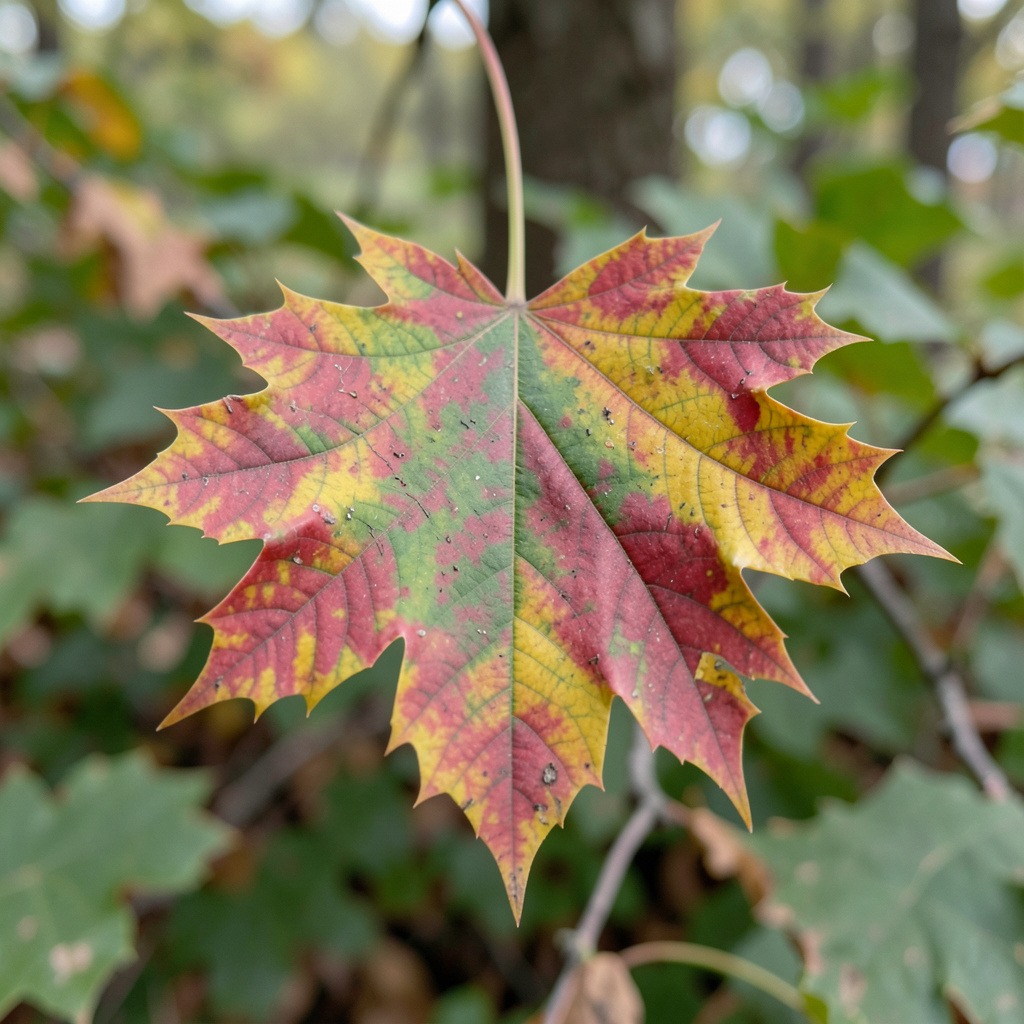
Sugar maples hold a rich cultural and historical significance in North America. Their presence is deeply intertwined with indigenous practices and modern cultural symbolism, making them more than just trees.
Indigenous Practices
Indigenous peoples of the northeastern woodlands have long revered the sugar maple (Acer saccharum) for its sap, which they collected to produce maple syrup and sugar. This practice dates back centuries, well before European contact.
- Cultural Marker: The annual sap flow marks the arrival of spring, celebrated as the “sugar moon” or “maple moon.”
- Traditional Methods: Indigenous communities originally collected sap by gashing the bark and using birch containers. Over time, methods evolved to include wooden and metal taps.
The sugar maple served as a primary sweetener, vital for both sustenance and trade among indigenous groups.
Modern Cultural Symbolism
Today, the sugar maple leaf is a potent symbol in North American culture. Its significance extends beyond its practical uses.
- National Identity: The sugar maple is featured prominently on the Canadian flag, symbolizing national pride.
- Economic Impact: The maple syrup industry generates billions of dollars annually. Vermont, as a leading producer, showcases the sugar house as an emblem of rural life.
- Cultural Anecdotes: Local communities often share stories of sugaring traditions, where families gather to tap trees and celebrate the changing seasons.
Additionally, the brilliant autumn foliage of sugar maples drives tourism, contributing to the economy of regions like New England.
Key Takeaways
- The sugar maple’s cultural importance is multifaceted, encompassing historical practices, economic contributions, and national symbolism.
- Understanding these aspects enriches the appreciation of sugar maples, particularly their leaves, which serve as a reminder of the tree’s broader impact on society.
By exploring these cultural stories, we gain insight into the enduring legacy of the sugar maple in North America.
Uses of Sugar Maple Trees and Leaves
Sugar maple trees, known scientifically as Acer saccharum, offer various practical applications. These range from syrup production to timber uses and even creative crafts using their leaves.
Maple Syrup Production Process
The sugar maple is renowned as the primary source of maple syrup. Tapping these trees involves several steps:
1. Timing: Tap the trees late winter to early spring, when temperatures fluctuate above and below freezing.
2. Tapping: Drill a hole about 1.5 to 2 inches deep into the tree’s trunk. Insert a spile (tap) to allow sap to flow out.
3. Collection: Attach a container to collect sap. On average, it takes about 40 gallons of sap to produce 1 gallon of syrup.
4. Boiling: Boil the collected sap to evaporate water, concentrating the sugars into syrup.
For sustainable harvesting, only tap healthy trees that are at least 10 inches in diameter. Limit taps to one per tree to ensure longevity and health.
Timber and Construction Uses
Sugar maple wood is highly valued for its density and durability. It is commonly used in:
- Furniture: The tight grain and rich color make it ideal for high-quality furniture.
- Flooring: Its hardness provides durability, making it a popular choice for flooring.
- Cabinetry: The aesthetic appeal of sugar maple enhances kitchen and bathroom cabinets.
The wood’s strength also contributes to its use in sports equipment, such as bowling alleys and baseball bats.
Creative Uses for Sugar Maple Leaves
Sugar maple leaves can be used in various crafts. Their unique shape and vibrant colors in the fall make them appealing for decorative purposes. Here are some ideas:
- Leaf Pressing: Press leaves between heavy books to preserve their shape and color for art projects.
- Seasonal Decorations: Use dried leaves in wreaths or centerpieces.
- Educational Crafts: Create leaf rubbings or identification charts to teach children about different species.
These crafts not only highlight the beauty of sugar maple leaves but also foster a connection to nature.
Frequently Asked Questions
These quick answers cover the most common questions about this topic, including key details, practical tips, and common concerns.
What’s the difference between a red maple leaf and a sugar maple leaf?
Red maple leaves typically have three to five lobes with serrated edges, while sugar maple leaves have five lobes and smooth, U-shaped sinuses. The upper surface of sugar maple leaves is dark green, and the underside is lighter, often with a slight hairiness along the veins. In contrast, red maple leaves are generally more vibrant and can appear reddish, especially in the fall.
Are sugar maple leaves edible?
Sugar maple leaves are not typically considered edible. While some parts of the sugar maple tree, such as its sap, are harvested for syrup production, the leaves can be tough and may not be palatable. It’s best to avoid consuming them, as they do not offer significant nutritional value and may cause digestive discomfort.
What are the disadvantages of sugar maples?
One disadvantage of sugar maples is their susceptibility to pests and diseases, such as the Asian longhorned beetle and verticillium wilt, which can threaten their health. Additionally, they require specific growing conditions, preferring well-drained, loamy soils and partial shade. In urban settings, they may struggle with pollution and compacted soils, leading to poor growth.
How can I tell if a tree is a sugar maple tree?
To identify a sugar maple tree, look for its distinctive leaves with five lobes and smooth, U-shaped sinuses. The bark of mature trees is gray-brown and develops thick, platy ridges. Additionally, sugar maples have a dense, rounded crown and can reach heights of 40 to 100 feet. Observing the tree’s sap characteristics—clear and milky when broken—can also help confirm its identity.
When is the best time to tap a sugar maple for syrup?
The best time to tap sugar maples for syrup is late winter to early spring, typically from late February to early April. This period coincides with fluctuating temperatures above and below freezing, which causes the sap to flow. Tapping during this window ensures optimal sap collection for syrup production.
What pests affect sugar maple trees?
Sugar maples can be affected by several pests, including the Asian longhorned beetle, which bores into the tree and can cause significant damage. Other pests include aphids and leafcutter bees, which may weaken the tree or affect its foliage. Regular monitoring and proper care can help mitigate pest issues.
Why do sugar maples change color in the fall?
Sugar maples change color in the fall due to the breakdown of chlorophyll, the green pigment in leaves. As temperatures drop and daylight decreases, other pigments like carotenoids and anthocyanins become more visible, leading to vibrant shades of yellow, orange, and red. This seasonal transformation is a response to environmental changes and is a key characteristic of sugar maples.
How long does it take for a sugar maple to mature?
Sugar maples typically take about 30 to 40 years to reach maturity and begin producing sap suitable for syrup. However, they can live for over 200 years under optimal conditions. Proper care and maintenance can enhance their growth and longevity, making them valuable additions to landscapes and forests.