
A sugar maple tree can live for 100 to 400 years, depending on environmental conditions, care, and various stress factors.
Table of Contents
Sugar maples, known scientifically as Acer saccharum, are celebrated for their beauty and syrup production. Understanding their lifespan and the factors affecting it can help ensure these trees thrive for generations. This guide explores their longevity and care strategies.
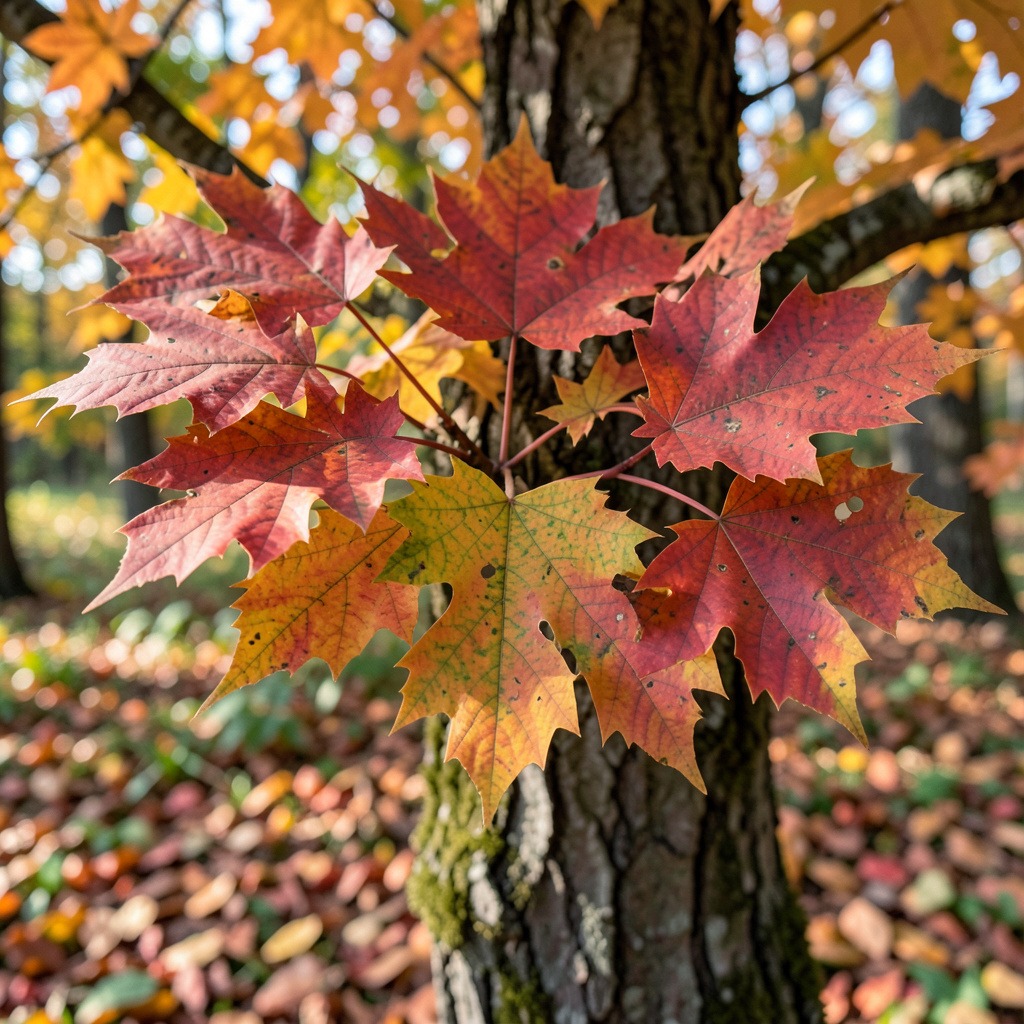
Lifespan of Sugar Maple Trees: An Overview
Sugar maples, or Acer saccharum, are known for their remarkable longevity. On average, these trees live between 100 and 400 years, with some exceptional individuals exceeding 300 years under optimal conditions.
Average Lifespan of Sugar Maples
Most sugar maples fall within a lifespan range of 200 to 300 years. Factors influencing their longevity include:
- Environmental Conditions: Adequate sunlight, soil quality, and moisture levels are crucial.
- Diseases and Pests: Common threats like leaf spot and borers can significantly reduce lifespan.
- Human Intervention: Proper care, including pruning and disease management, extends longevity.
Exceptional Lifespan Cases
While many sugar maples thrive for centuries, certain trees have reached remarkable ages. Examples include:
- Historic Trees: Some known sugar maples in protected areas have surpassed 400 years.
- Healthy Environments: Trees growing in undisturbed, nutrient-rich soils often live longer.
Lifespan Comparison Table
| Maple Species | Average Lifespan | Maximum Lifespan |
|---|---|---|
| Sugar Maple (Acer saccharum) | 200-300 years | 400+ years |
| Silver Maple (Acer saccharinum) | 35-100 years | Up to 100 years |
| Red Maple (Acer rubrum) | 50-150 years | Up to 200 years |
This table illustrates the longevity of sugar maples in comparison to other common species, highlighting their exceptional lifespan potential. Understanding these factors can help in nurturing sugar maples for future generations.
Factors Affecting the Lifespan of Sugar Maple Trees

The lifespan of sugar maple trees (Acer saccharum) is influenced by various environmental conditions, diseases, pests, and human activities. Understanding these factors can help in ensuring the health and longevity of these valuable trees.
Environmental Conditions for Longevity
Sugar maples thrive in specific environmental conditions that significantly contribute to their lifespan. Here are the key factors:
- Soil Quality: Deep, well-drained loam is ideal. Sugar maples can tolerate sandy soils rich in humus but struggle in poorly drained areas.
- Moisture Levels: Consistent moisture is essential. Drought stress can weaken trees and make them susceptible to diseases.
- Light Exposure: Sugar maples prefer full sun to partial shade. Insufficient sunlight can hinder growth and vigor.
- Temperature: Cooler climates are optimal for sap production, affecting overall health. Excessive heat can lead to stress.
Checklist for Maintaining Optimal Conditions:
- Ensure well-drained soil.
- Monitor moisture levels regularly.
- Provide sufficient sunlight.
- Protect from extreme temperatures.
Common Diseases and Pests
Diseases and pests can drastically shorten the lifespan of sugar maple trees. Here are the most notable threats:
- Maple Decline: This complex disease results from environmental stressors, including drought and root damage, often exacerbated by fungal infections. It can severely impact tree health.
- Boron Sensitivity: Sugar maples are sensitive to boron, leading to decline if levels are inappropriate.
- Insect Infestations: Pests like the rosy maple moth can defoliate trees, reducing their ability to photosynthesize and ultimately shortening their lifespan.
Example of Disease Impact:
An infected sugar maple may display yellowing leaves and stunted growth, indicating stress and potential decline.
Human Impact on Lifespan
Human activities significantly influence the longevity of sugar maples. Here are the primary ways humans affect these trees:
- Urban Development: Construction and land development can damage root systems or limit access to nutrients and water.
- Pollution: Air and soil pollution can stress trees, making them more vulnerable to diseases and pests.
- Improper Care: Neglecting tree health through poor pruning or inadequate watering can lead to premature decline.
Decision Rule:
When planting sugar maples, consider their location. Avoid areas with high pollution or compacted soil. Ensure that the trees are planted with enough space for their roots to expand, reducing competition with other plants and ensuring stability.
Growth Stages of Sugar Maple Trees and Their Lifespan Implications

Understanding the growth stages of sugar maple trees is crucial for promoting their longevity. Each stage presents unique challenges and opportunities for care, influencing their overall lifespan.
Seedling to Juvenile Stage
During the seedling stage, sugar maples are highly vulnerable. They require optimal conditions for successful establishment. Key factors affecting this stage include:
- Soil Quality: Use well-drained, loamy soil rich in organic matter.
- Watering: Maintain consistent moisture without waterlogging.
- Sunlight: Ensure adequate sunlight exposure for healthy growth.
Care practices in this stage can significantly impact longevity. For example, a young tree requires protection from strong winds and competition from weeds. Providing a mulch layer can help retain soil moisture and suppress weeds effectively.
Juvenile to Mature Stage
As sugar maples transition to the juvenile stage, they begin to develop a stronger root system. This phase typically lasts several years and is critical for future growth. Important aspects include:
- Spacing: Ensure proper spacing from other plants to minimize nutrient competition.
- Fertilization: Consider a balanced fertilizer to support growth, especially in nutrient-poor soils.
- Pruning: Conduct light pruning to remove damaged or crossing branches, promoting healthy structure.
During this stage, monitoring for pests and diseases becomes essential. A healthy juvenile tree can withstand stresses better, thus supporting a longer lifespan.
Mature Stage and Beyond
In the mature stage, sugar maples can live for 200 to 400 years under ideal conditions. At this point, effective care practices include:
- Regular Inspections: Check for signs of pests or diseases, such as maple decline, which can drastically shorten lifespan.
- Water Management: Ensure trees are not subjected to drought, as this can weaken health and resilience.
- Crown Maintenance: Maintain a balanced crown to improve light penetration and air circulation.
Older trees can still thrive if cared for properly. For instance, a mature sugar maple in a well-protected environment, away from pollution, may continue to grow and produce sap for syrup production without significant decline.
By understanding these growth stages and implementing targeted care practices, you can enhance the lifespan of sugar maple trees while also enjoying their beauty and benefits.
Care and Maintenance Tips for Extending Sugar Maple Lifespan
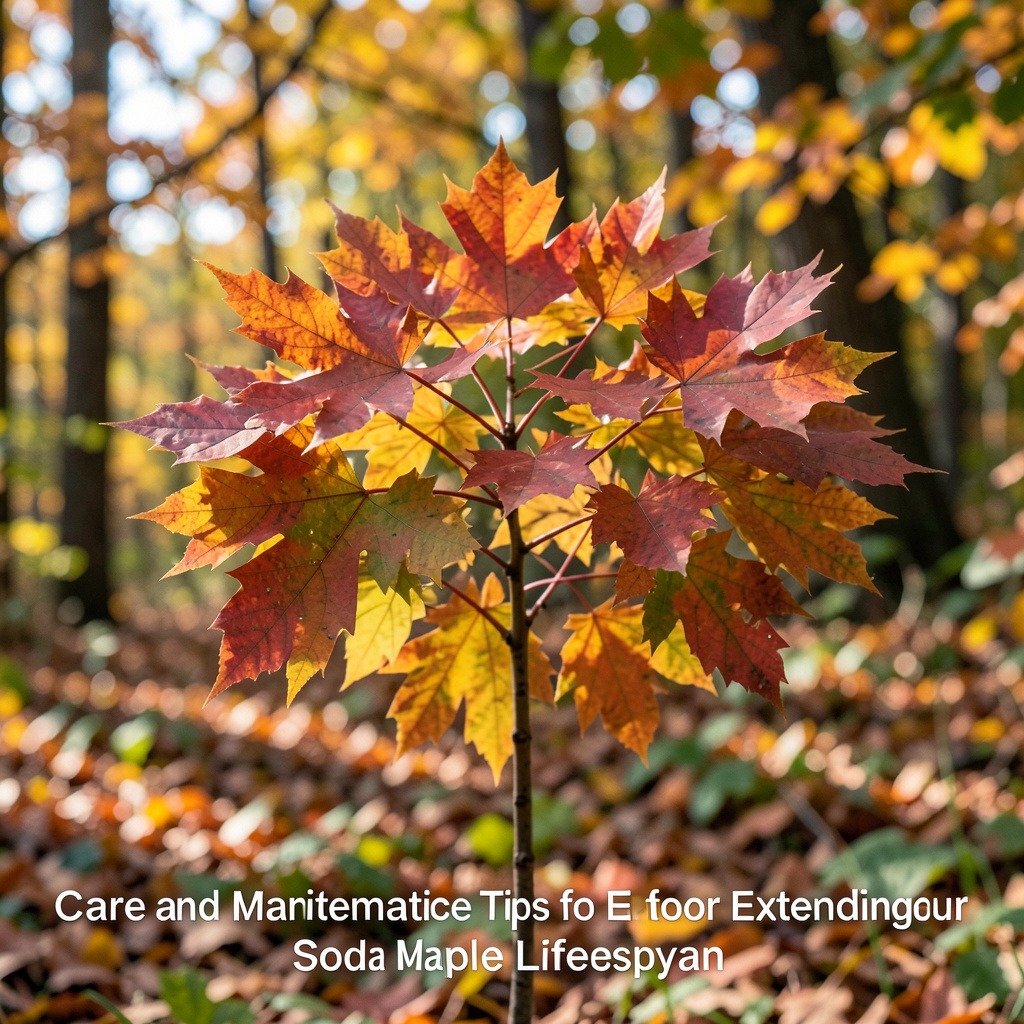
Proper care and maintenance significantly enhance the lifespan of sugar maple trees. By understanding their specific needs, you can help these trees thrive for generations.
Routine Care Practices
1. Watering: Ensure adequate moisture, especially during dry spells. Deep watering encourages root growth.
2. Mulching: Apply organic mulch around the base to retain moisture and regulate soil temperature. Keep mulch away from the trunk to prevent rot.
3. Fertilization: Use a balanced fertilizer in early spring. This supports growth and overall health.
4. Pruning: Regularly prune dead or damaged branches. This improves air circulation and light penetration, which are vital for tree health.
Pest and Disease Management
Sugar maples are susceptible to various pests and diseases that can shorten their lifespan. Implement preventive measures to protect your trees.
- Common Pests: Monitor for pests like aphids and borers. Use insecticidal soap or neem oil as needed.
- Fungal Diseases: Keep an eye out for leaf spot diseases. Remove affected leaves promptly to prevent spread.
- Decision Framework:
- Inspect Regularly: Look for signs of distress, such as yellowing leaves or unusual growth.
- Act Quickly: If you notice pests or diseases, identify them accurately and treat immediately.
Environmental Stressors to Avoid
Environmental conditions can severely impact sugar maple longevity. Avoid these stressors:
- Soil Quality: Plant in well-drained, loamy soil. Poor drainage can lead to root rot.
- Pollution: Choose planting locations away from heavy traffic to reduce exposure to pollutants.
- Salt Exposure: Avoid road salt in winter. Use barriers or select low-salt tolerant plants in nearby areas.
By following these care tips and being proactive about potential threats, you can significantly extend the lifespan of sugar maple trees, ensuring they continue to provide beauty and ecological benefits for many years.
Comparisons: Sugar Maple Lifespan vs. Other Maple Species
Understanding how the lifespan of sugar maples compares to other maple species can provide valuable insights for tree care and selection. Sugar maples, known for their longevity, often outlive many common maple types.
Lifespan of Red Maple vs. Sugar Maple
Red maples (Acer rubrum) typically have a shorter lifespan than sugar maples. While sugar maples can live between 200 to 400 years, red maples usually thrive for about 60 to 100 years.
- Sugar Maple (Acer saccharum): 200-400 years
- Red Maple (Acer rubrum): 60-100 years
Lifespan of Silver Maple vs. Sugar Maple
Silver maples (Acer saccharinum) also have a reduced lifespan compared to sugar maples. On average, silver maples live for about 50 to 70 years, making them significantly shorter-lived than sugar maples.
- Sugar Maple (Acer saccharum): 200-400 years
- Silver Maple (Acer saccharinum): 50-70 years
Comparative Lifespan Table
| Maple Species | Average Lifespan | Maximum Lifespan |
|---|---|---|
| Sugar Maple | 200-400 years | 500+ years |
| Red Maple | 60-100 years | 150 years |
| Silver Maple | 50-70 years | 100 years |
Sugar maples not only outlast their relatives but also provide a stable environment for local wildlife, making their preservation essential. When considering planting, prioritize sugar maples for long-term benefits and ecological contributions.
Conclusion: The Legacy of Sugar Maples
Sugar maples are not just trees; they are vital components of our landscapes. Their impressive lifespan, often reaching up to 400 years, makes them a long-term investment in both beauty and ecological health. However, their longevity relies heavily on proper care and understanding of their needs.
Importance of Sugar Maples in Ecosystems
Sugar maples provide a habitat for diverse wildlife. They support numerous species, from birds to insects, contributing to local biodiversity. Additionally, their canopy offers shade and helps regulate soil moisture.
Factors Influencing Longevity
Several factors affect the lifespan of sugar maples:
- Environmental Conditions: Well-drained soil and proper sunlight enhance growth.
- Care Practices: Regular pruning and monitoring for pests bolster health.
- Diseases and Pests: Common threats include the rosy maple moth and root rot.
Care Tips for Longevity
To ensure your sugar maple thrives, consider the following care practices:
- Watering: Young trees require consistent moisture, especially during dry spells.
- Mulching: Apply mulch to retain soil moisture and suppress weeds.
- Spacing: Plant sugar maples adequately to avoid competition from other vegetation.
Case Study: Oldest Sugar Maples
Some sugar maples in the wild have been documented to live over 500 years. These trees often grow in undisturbed environments with rich, well-drained soil. Their longevity serves as a testament to the benefits of natural habitat preservation.
By prioritizing the care of sugar maples, we can ensure they remain a cherished part of our landscapes for generations to come.
Frequently Asked Questions
These quick answers cover the most common questions about this topic, including key details, practical tips, and common concerns.
What are the cons of a sugar maple tree?
While sugar maples are beautiful and beneficial, they do have some drawbacks. They can be susceptible to certain pests and diseases, such as borers and leaf spot, which can impact their health and longevity. Additionally, their large root systems may interfere with nearby structures or plants, making them less suitable for small yards.
Another con is their preference for specific soil and moisture conditions. If planted in poorly drained or overly compacted soil, sugar maples may struggle, resulting in stunted growth or decline.
Why is my sugar maple tree dying?
There are several reasons your sugar maple may be dying. Environmental stressors like drought, poor soil quality, or excessive heat can weaken the tree. Look for signs of stress, such as yellowing leaves or stunted growth.
Diseases like maple decline or pest infestations can also cause decline. If you notice unusual leaf discoloration or dieback, inspect for pests or consult an arborist for a proper diagnosis and treatment options.
How tall is a 10-year-old sugar maple tree?
A 10-year-old sugar maple typically reaches a height of about 10 to 15 feet, depending on the growing conditions. Factors such as soil quality, moisture, and sunlight exposure can influence growth rates. With optimal care, these trees can grow significantly taller as they mature.
How far away from the house should I plant a sugar maple tree?
When planting a sugar maple, it is recommended to place it at least 15 to 20 feet away from your house. This distance allows for the tree’s expansive root system and canopy to grow without interfering with your home or nearby structures. Proper spacing also reduces the risk of damage from falling branches.
What are the common diseases that affect sugar maple trees?
Common diseases that affect sugar maples include maple decline, which is often caused by stress factors like drought and root damage, and various fungal infections that lead to leaf spot. These diseases can weaken the tree and shorten its lifespan if not managed effectively.
Regular monitoring for symptoms, such as yellowing leaves or unusual growth patterns, can help you identify issues early. Prompt treatment is essential to maintain tree health.
How can I tell the age of my sugar maple tree?
To estimate the age of a sugar maple, you can measure the trunk’s circumference at about 4.5 feet above ground level. Generally, sugar maples grow about 1 inch in diameter per year under good conditions. By measuring the diameter and using this growth rate, you can estimate the tree’s age.
Additionally, examining growth rings through a core sample can provide a more precise age, though this method requires specialized tools and knowledge.
What conditions do sugar maples thrive in?
Sugar maples thrive in well-drained, loamy soils rich in organic matter. They prefer full sun to partial shade and require consistent moisture, especially during dry periods. Ideal growing conditions include cooler climates, which promote healthy growth and sap production.
To ensure optimal health, avoid planting in compacted or poorly drained areas, as these conditions can lead to root rot and other issues.
How do I care for a young sugar maple tree?
Caring for a young sugar maple involves several key practices. Ensure consistent watering, especially during dry spells, to promote healthy root development. Applying mulch around the base helps retain moisture and suppress weeds.
Regular pruning is also important to remove any damaged or crossing branches, which encourages a strong structure. Monitoring for pests and diseases early on can help maintain the tree’s health and longevity.