
Sugar maples thrive in well-drained, slightly acidic soil with full sun exposure.
Table of Contents
Planting a sugar maple tree can enhance your landscape with stunning fall colors and provide sap for syrup production. This guide will cover essential aspects of sugar maple planting, including ideal conditions, care requirements, and common challenges to expect.
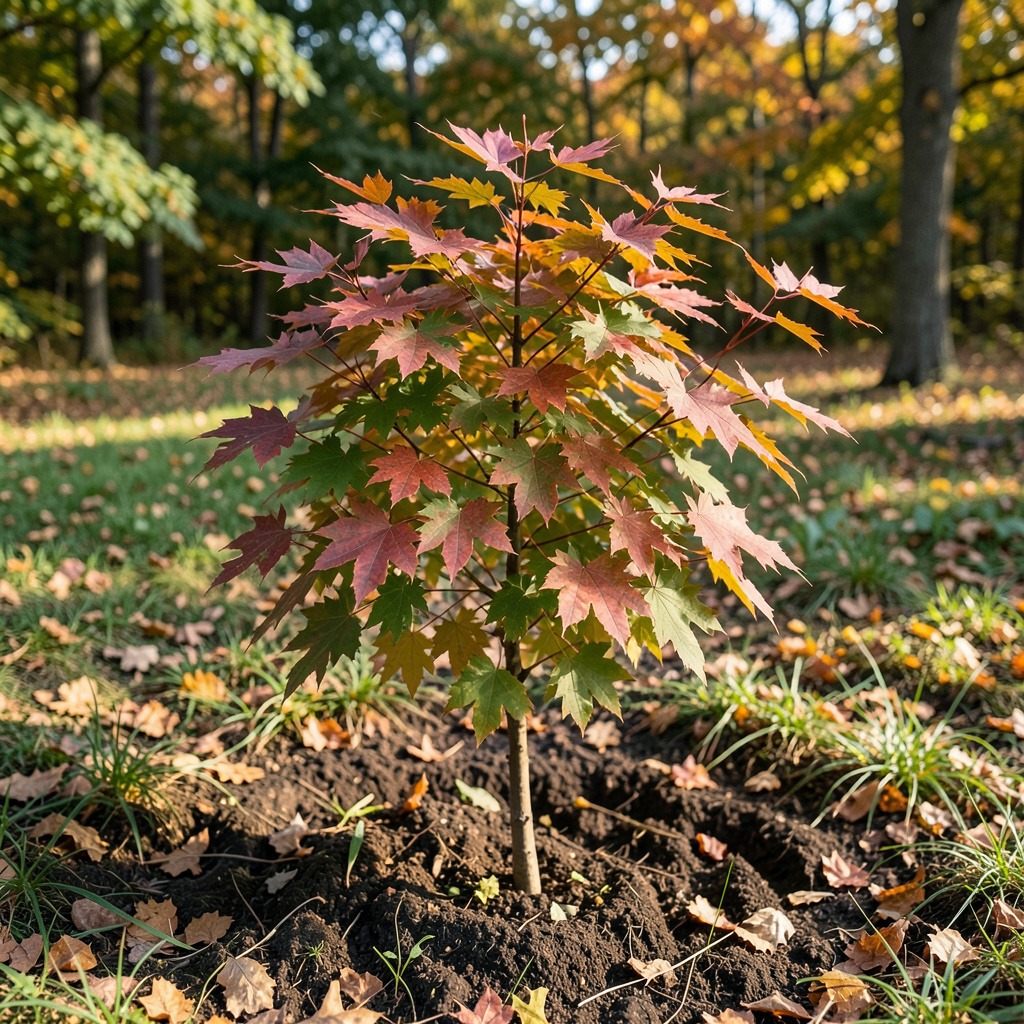
Understanding Sugar Maple Trees
Sugar maple trees are not only prized for their stunning foliage but also play a crucial role in ecosystems and the economy. Their sap is the foundation for maple syrup, a beloved product in North America.
Key Characteristics of Sugar Maples
Sugar maples are deciduous trees known for their vibrant fall colors. They typically grow to a height of 60 to 75 feet and have a canopy that spreads wide. Here are some key features:
- Leaf Shape: The leaves are palmate, with five lobes and serrated edges.
- Bark Texture: Mature trees have grayish, furrowed bark. Young trees display smooth bark.
- Growth Rate: Sugar maples grow slowly, averaging around 12 to 24 inches per year.
These characteristics make them suitable for both landscaping and commercial syrup production.
Ecological Importance of Sugar Maples
Sugar maples are integral to their ecosystems. They provide habitats for various wildlife, including birds and insects. Their dense canopy offers shade, creating cooler microclimates beneath. Furthermore, they contribute to soil health through leaf litter, which decomposes and enriches the ground.
From a climate perspective, sugar maples thrive in temperate regions, requiring well-drained, loamy soils. They prefer full sun but can tolerate partial shade. Understanding these conditions is vital for successful planting.
Benefits of Planting Sugar Maples
Planting sugar maples offers multiple advantages:
- Aesthetic Value: Their vibrant fall foliage enhances landscapes.
- Maple Syrup Production: They yield sap with a high sugar content, essential for syrup.
- Longevity: Sugar maples can live for over 300 years, making them a long-term investment in your landscape.
When selecting a site for planting, consider the following:
- Soil Type: Aim for well-drained, loamy soil.
- Sun Exposure: Ensure the location receives ample sunlight for optimal growth.
- Climate Compatibility: Choose areas within the appropriate hardiness zones (typically USDA zones 3-7).
By understanding the characteristics and ecological roles of sugar maples, you can ensure successful planting and care.
Ideal Conditions for Planting Sugar Maples
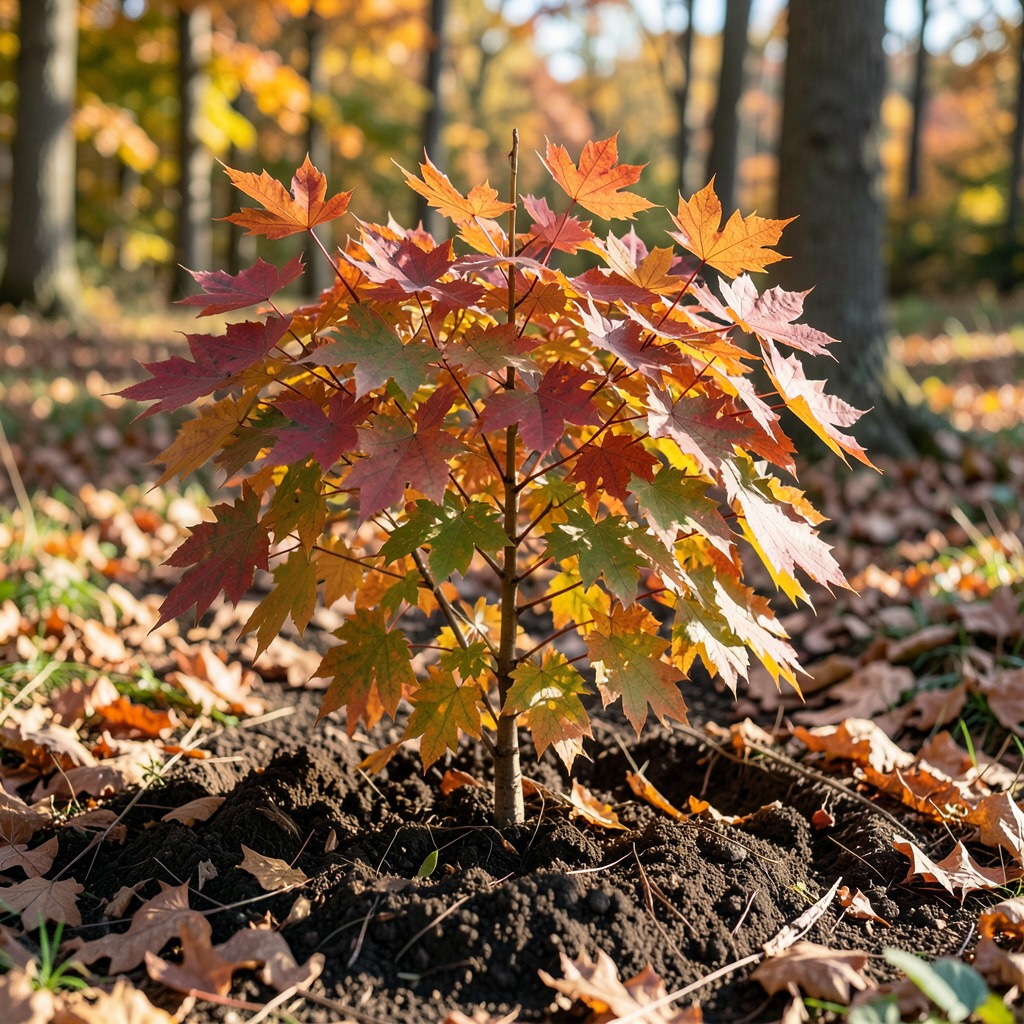
To successfully plant sugar maples, you must consider several crucial factors: soil type, sunlight exposure, and spacing. Ensuring these elements are optimal will promote healthy growth and longevity of your trees.
Site Selection and Sunlight Needs
Sugar maples thrive in full sun to partial shade. Aim for a location that receives at least 4 to 6 hours of direct sunlight daily. While they can tolerate full shade, reduced light may lead to a thinner canopy and less vibrant fall colors.
Soil Preparation and pH Requirements
Sugar maples prefer well-drained, loamy soil rich in organic matter. Here are key soil considerations:
- Soil Type: Loamy soil is ideal; heavy clay can hinder growth.
- pH Level: Maintain a pH between 5.5 and 7.3 for optimal root development.
- Moisture: Ensure consistent moisture without waterlogging.
Spacing and Depth Considerations
When planting sugar maples, consider their mature size. Here’s how to determine proper spacing and depth:
- Spacing: Allow at least 30 to 50 feet between trees to accommodate their extensive root systems and canopies.
- Depth: Dig a hole that is at least 2-3 times wider than the root ball and deep enough to position the tree at the same level it was growing in its container or nursery.
By following these guidelines, you can create an ideal environment for your sugar maples to flourish.
When to Plant Sugar Maples
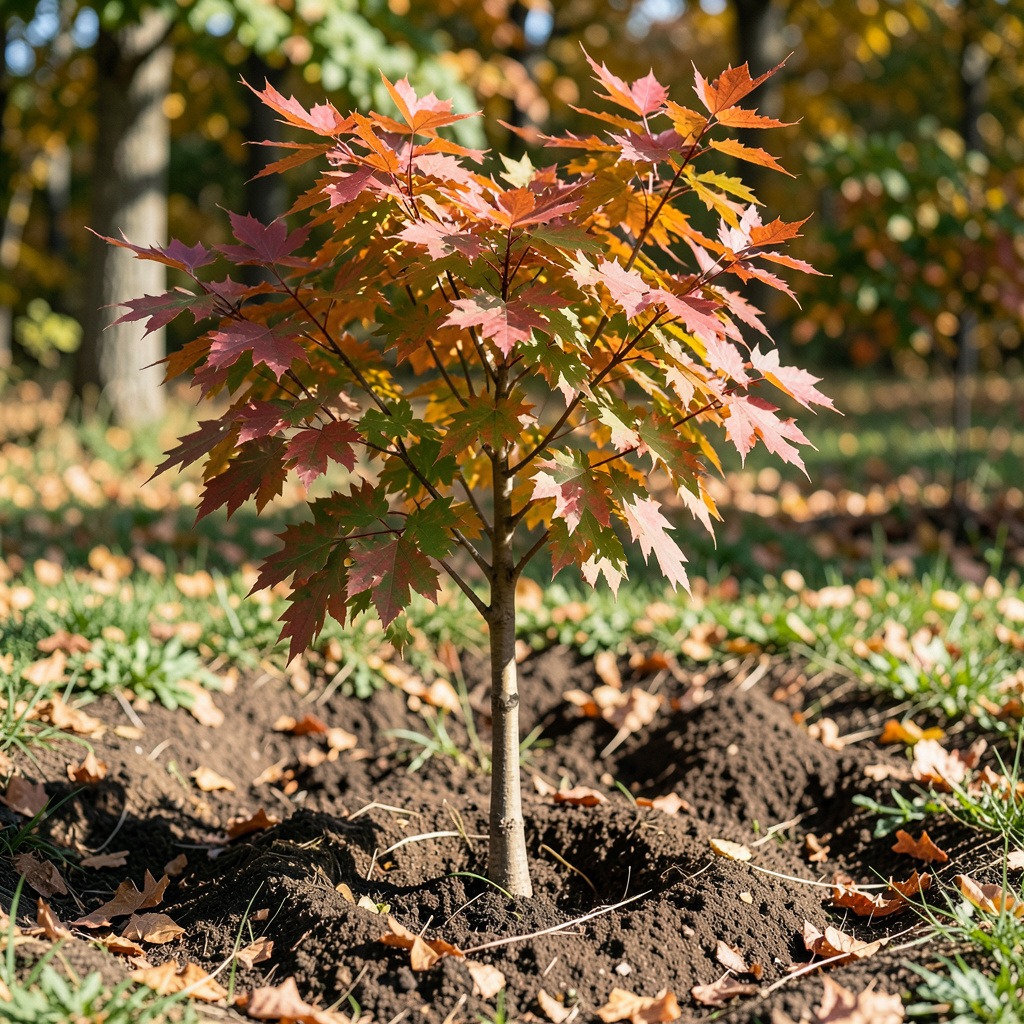
Timing is crucial for successful sugar maple planting. Understanding the best seasons aligns with their growth cycles and local climate conditions.
Best Seasons for Planting
The ideal times to plant sugar maples are in early spring and late fall. During these periods, soil temperatures are cooler, and moisture levels are often higher. This environment supports root establishment before the heat of summer.
- Early Spring: Planting should occur after the last frost when the soil is workable. This timing allows the tree to establish roots before the growing season.
- Late Fall: Planting can be effective if done before the ground freezes. This allows for natural moisture absorption and prepares the tree for a strong start in spring.
Climate Zones and Their Impact
Sugar maples thrive in USDA hardiness zones 3 through 8. Each zone has specific considerations for planting times:
| USDA Zone | Recommended Planting Time | Notes |
|---|---|---|
| Zone 3 | Late April to early May | Ensure soil is thawed. |
| Zone 4 | Early April to mid-May | Favorable moisture levels. |
| Zone 5 | Early March to late April | Optimal for root development. |
| Zone 6 | Late March to early May | Avoid summer heat. |
| Zone 7 | February to mid-April | Ensure sufficient drainage. |
| Zone 8 | November to early March | Monitor for frost. |
Consider the local climate and soil conditions when deciding on planting times. A well-timed planting will enhance the tree’s growth potential and resilience against environmental stressors.
Caring for Your Sugar Maple Tree
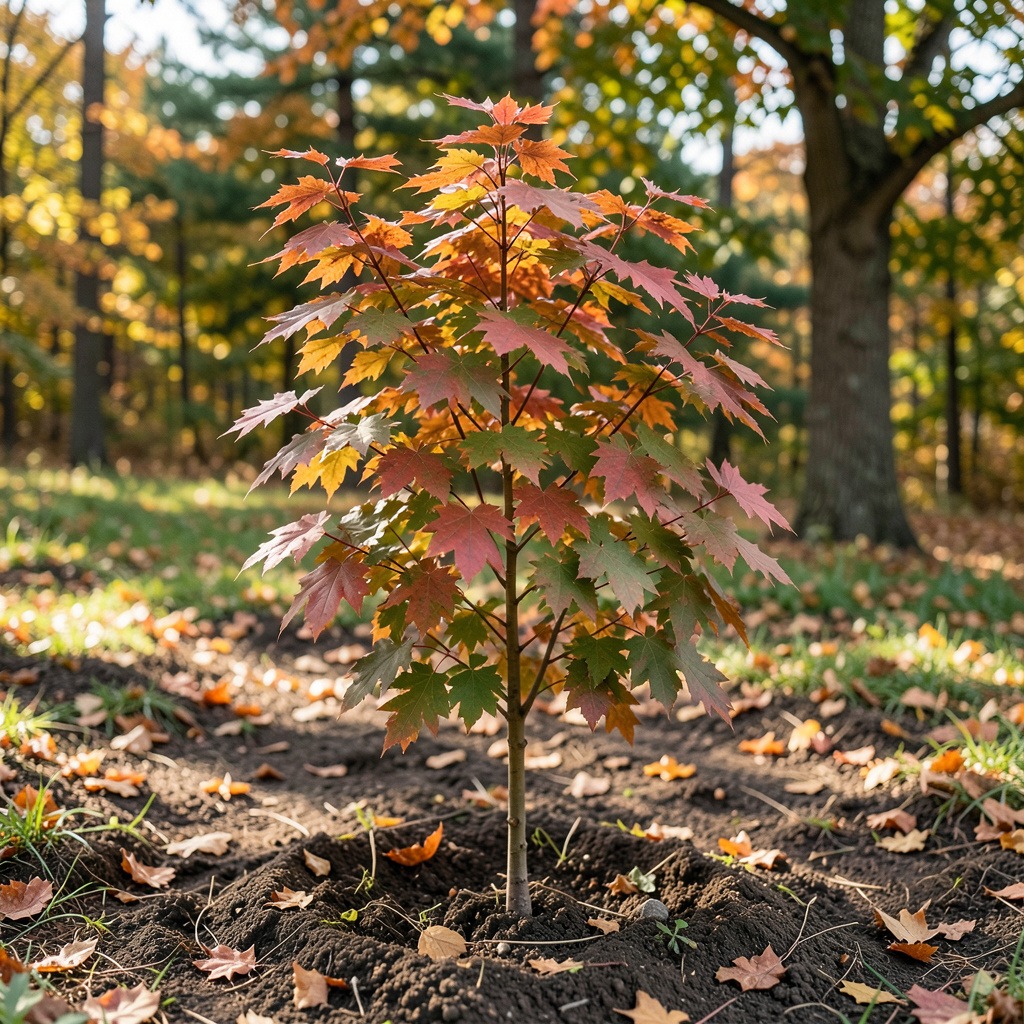
Caring for your sugar maple is crucial for its growth and health. This section outlines essential care practices, including watering, nutritional needs, and pruning techniques.
Watering and Nutritional Needs
Sugar maples require consistent moisture, especially in their early years. Here are key points to remember:
- Watering Frequency: Water your young tree deeply once or twice a week during dry spells. Ensure the soil remains moist down to the root level.
- Watering Amount: Mature trees typically need five gallons or more per week. Adjust this based on rainfall and soil conditions.
- Signs of Stress: Look for browning or wilting leaves as indicators that your tree needs more water.
- Fertilization: Use a balanced fertilizer in early spring. Organic compost can also enrich the soil, supporting healthy growth.
Pruning Techniques for Healthy Growth
Pruning is essential for maintaining the shape and health of your sugar maple. Follow these guidelines:
- Timing: Prune in late winter or early spring while the tree is dormant. This prevents sap bleeding.
- What to Remove: Focus on dead, damaged, or crossing branches. Thin out the canopy to allow sunlight to reach lower branches.
- Best Practices: Make clean cuts at a 45-degree angle. Avoid leaving stubs, as they can become entry points for pests and diseases.
Seasonal Care Practices
Seasonal changes can affect your sugar maple’s needs. Here’s a care checklist throughout the year:
- Spring:
- Inspect for pests and diseases.
- Fertilize with a balanced fertilizer or organic compost.
- Summer:
- Monitor soil moisture; increase watering during dry spells.
- Check for signs of pests, such as aphids or scale.
- Fall:
- Rake and remove fallen leaves to prevent disease.
- Prune if necessary, focusing on shaping the tree.
- Winter:
- Protect young trees with mulch to insulate roots.
- Avoid heavy snow accumulation on branches to prevent breakage.
By implementing these care techniques, you can ensure your sugar maple thrives for generations to come.
Common Issues and How to Manage Them
Sugar maple trees, while generally resilient, can encounter several pests and diseases. Understanding these issues and implementing effective management strategies is crucial for ensuring their health and longevity.
Identifying Common Pests
Sugar maples may face pests such as:
- Aphids: Small insects that suck sap, potentially weakening the tree.
- Maple Leaf-Cutter: These pests create circular holes in leaves.
- Sapsuckers: Woodpeckers that drill holes into the bark, disrupting nutrient flow.
Regular inspections, especially in spring and summer, help identify these pests early. Look for signs of damage, such as leaf deformities or sap oozing from the bark.
Preventative Measures and Treatments
Preventing pest infestations involves proactive care strategies:
- Cultural Practices: Maintain tree health through proper watering and fertilization. Healthy trees are less susceptible to pests.
- Physical Barriers: Use protective tree wraps in early spring to deter sapsuckers.
- Water Spray: For aphids and leaf-cutters, a strong jet of water can dislodge pests without harming the tree.
- Horticultural Oils: Neem oil is effective against various pests and is safe for the environment.
Implementing these strategies can significantly reduce pest issues.
Understanding Environmental Stressors
Sugar maples also experience stress from environmental factors, which can lead to disease susceptibility:
- Soil Quality: Ensure well-drained, slightly acidic soil. Poor drainage can lead to root rot.
- Watering Practices: Monitor soil moisture, especially during dry spells. Stress from drought can weaken trees.
- Climate Conditions: Be aware of the impacts of climate change. Increased temperatures can stress sugar maples, making them more vulnerable to pests and diseases.
As a case study, consider a scenario where a sugar maple planted in a shaded area showed signs of leaf drop and poor growth. Investigating revealed the soil was compacted and poorly drained, contributing to root issues. After amending the soil and relocating the tree to a sunnier spot, the tree thrived.
By recognizing pests, implementing preventative measures, and understanding environmental stressors, you can effectively manage common issues that affect sugar maples.
Tapping Your Sugar Maple for Syrup Production
Tapping sugar maples for syrup is a rewarding process that requires careful timing and technique. Understanding the right steps can maximize your sap yield and, ultimately, your syrup production.
When and How to Tap
The ideal time to tap sugar maples is late winter to early spring, typically between mid-February and early April. This period coincides with temperature fluctuations above and below freezing, which encourages sap flow.
Tapping Steps:
- Select Healthy Trees: Choose trees at least 10-12 inches in diameter.
- Drill Holes: Use a drill to create a hole about 1.5 to 2 inches deep, angling slightly upward.
- Insert Spiles: Place spiles into the holes. These will allow sap to flow into your collection containers.
- Attach Buckets or Bags: Hang buckets or attach bags to collect the sap. Ensure they are secure to prevent spills.
Collecting and Processing Sap
Once tapped, monitor your collection containers regularly. Sap flows best during the day when temperatures rise above freezing and slows or stops at night when temperatures drop.
Collection Tips:
- Collect Frequently: Gather sap every 1-2 days to prevent spoilage.
- Store Properly: Keep collected sap in a cool place, ideally below 40°F, until you can process it.
- Boiling Down: The sap must be boiled to concentrate the sugars. It takes about 40 gallons of sap to produce one gallon of syrup.
Yield Expectations and Tips
The sap yield can vary based on tree health, weather conditions, and tapping technique. On average, a mature sugar maple can produce anywhere from 10 to 20 gallons of sap per season.
Yield Maximization Tips:
- Use Multiple Taps: For trees over 18 inches in diameter, consider using two taps to increase yield.
- Monitor Sugar Content: Test sap for sugar content; sap with around 2-2.5% sugar is ideal for syrup production.
- Plan for Efficiency: Set up a boiling system that allows for efficient evaporation to save time and resources.
By following these steps and tips, you can successfully tap your sugar maple trees and enjoy the sweet rewards of homemade maple syrup.
Frequently Asked Questions
These quick answers cover the most common questions about this topic, including key details, practical tips, and common concerns.
Where is the best place to plant a sugar maple tree?
The best place to plant a sugar maple tree is in a location that receives full sun for at least 4-6 hours a day. Sugar maples thrive in well-drained, loamy soil that is slightly acidic. Avoid areas with heavy clay or poor drainage, as these conditions can hinder root development. Additionally, consider the tree’s mature size and allow for adequate spacing from other plants or structures.
What are the downsides of sugar maples?
One downside of sugar maples is their susceptibility to pests and diseases. Common issues include aphids, sapsuckers, and fungal infections like tar spot. Additionally, sugar maples have a slow growth rate, averaging 12-24 inches per year, which may be frustrating for those seeking quick landscape results. They also require consistent moisture, making them less suitable for very dry environments.
How long does it take for a sugar maple tree to grow?
Sugar maples typically take around 10-15 years to reach a height of 20-30 feet, but they can take much longer to reach their full height of 60-75 feet. Growth rates can vary based on environmental conditions, soil quality, and care practices. Patience is key, as these trees can live for over 300 years and will continue to grow and thrive with proper care.
How big is a 10-year-old sugar maple?
A 10-year-old sugar maple tree can reach heights of approximately 15-25 feet, depending on the growing conditions and care it has received. The trunk diameter may range from 4 to 8 inches. Regular maintenance, such as proper watering and fertilization, can contribute to healthier growth during these formative years.
Can sugar maples grow in urban environments?
Yes, sugar maples can grow in urban environments, but they require careful site selection. Ensure there is sufficient space for their roots and canopy, and choose locations with adequate sunlight and well-drained soil. Urban pollution and compacted soil can pose challenges, so consider regular soil amendments and watering to support their health in these settings.
What are the signs of a healthy sugar maple?
Signs of a healthy sugar maple include vibrant green leaves during the growing season, strong vertical growth, and a well-defined canopy. The bark should be smooth and free from cracks or lesions. Additionally, healthy trees will show minimal signs of pest damage, such as holes or discoloration on the leaves. Regular inspections can help identify any early signs of stress or disease.
When is the best time to plant a sugar maple?
The best times to plant a sugar maple are early spring and late fall. In early spring, wait until after the last frost when the soil is workable. Late fall planting can be effective if done before the ground freezes, allowing the tree to establish roots before winter. Timing is crucial for ensuring optimal growth and resilience against environmental stressors.