
Sugar maples can face various problems such as leaf spots, cankers, and environmental stressors that negatively affect their health.
Table of Contents
Sugar maples are cherished for their beauty and shade, but they are susceptible to numerous health issues. Understanding the common problems they face, along with effective solutions, can help maintain their vitality and longevity.
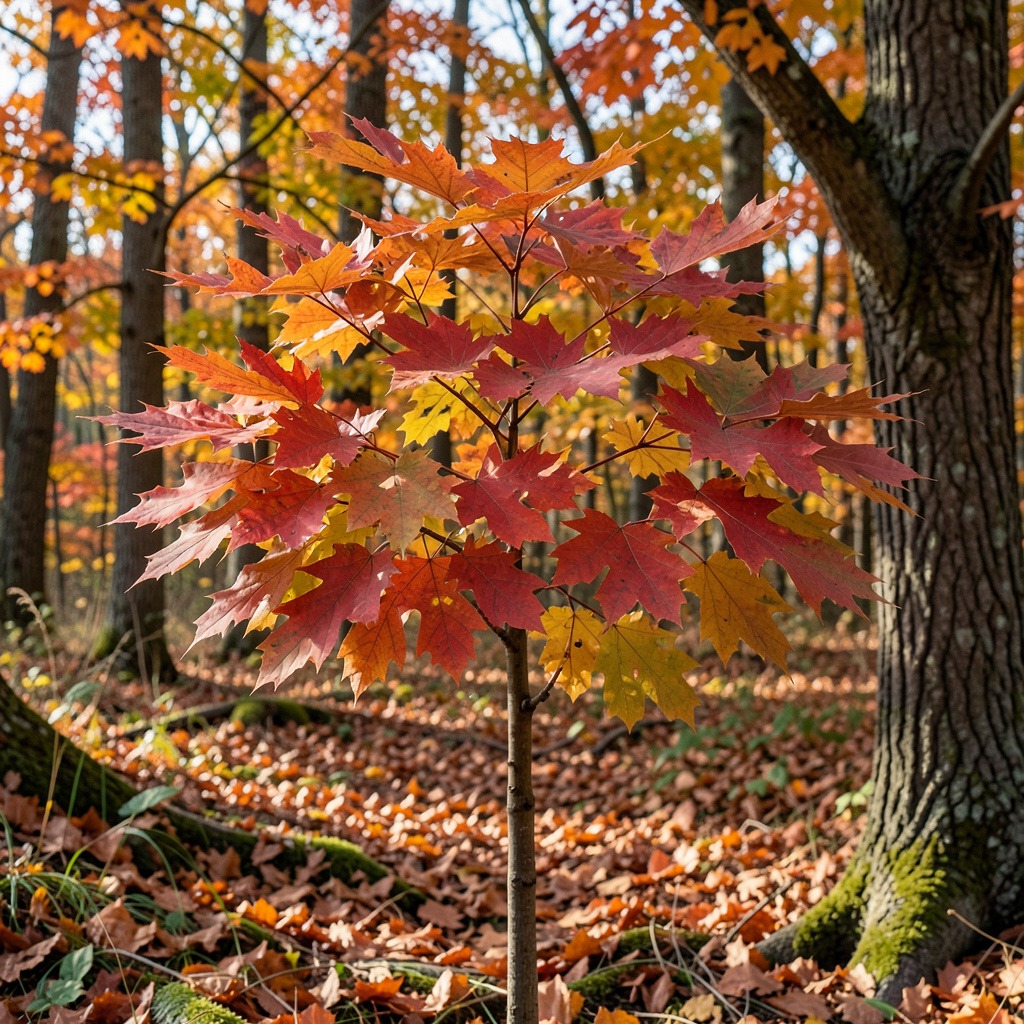
Recognizing Symptoms of Sugar Maple Problems
Sugar maples, while resilient, can exhibit signs of distress that indicate various health issues. Identifying these symptoms early is crucial for effective intervention.
Common Symptoms to Watch For
Homeowners should be vigilant for the following signs:
- Leaf Spots: These can be fungal, bacterial, or viral. The color and size of spots vary, indicating different issues.
- Wilting: Look for yellowing or dropping limbs. This is often a sign of underground root problems.
- Cankers: These appear as gashes on branches, often resulting from fungal infections. Dark sap may ooze from these areas.
- Leaf Blight: Irregular brown lesions with yellow rings signal this issue. Affected leaves may appear water-soaked.
- Powdery Mildew: A dusty or powdery appearance on leaves indicates this common fungal disease.
- Curling Leaves: In summer, curled or cupped leaves may suggest heat stress or scorch.
When to Seek Help
If you observe any of the symptoms listed above, consider consulting an arborist. Early diagnosis can prevent further damage. Additionally, monitor environmental conditions such as drought or excessive heat, as these stresses can exacerbate tree health issues.
Differentiating Between Serious and Cosmetic Symptoms
Understanding the difference between cosmetic and serious symptoms is key to maintaining your sugar maple’s health.
- Serious Symptoms: Cankers, extensive wilting, and pronounced leaf blight require immediate attention.
- Cosmetic Issues: Minor leaf spots or slight discoloration may not necessitate urgent care but still warrant monitoring.
Checklist for Assessing Sugar Maple Health
1. Inspect Leaves: Look for discoloration, spots, or curling.
2. Examine Branches: Check for cankers or unusual sap.
3. Monitor Growth: Note any stunted growth or early fall coloration.
4. Evaluate Soil and Roots: Ensure proper drainage and look for signs of root rot.
For comprehensive care, consider investing in a Tree Health Care Kit. This kit can help address common issues and promote healthy growth.
Common Diseases Affecting Sugar Maples
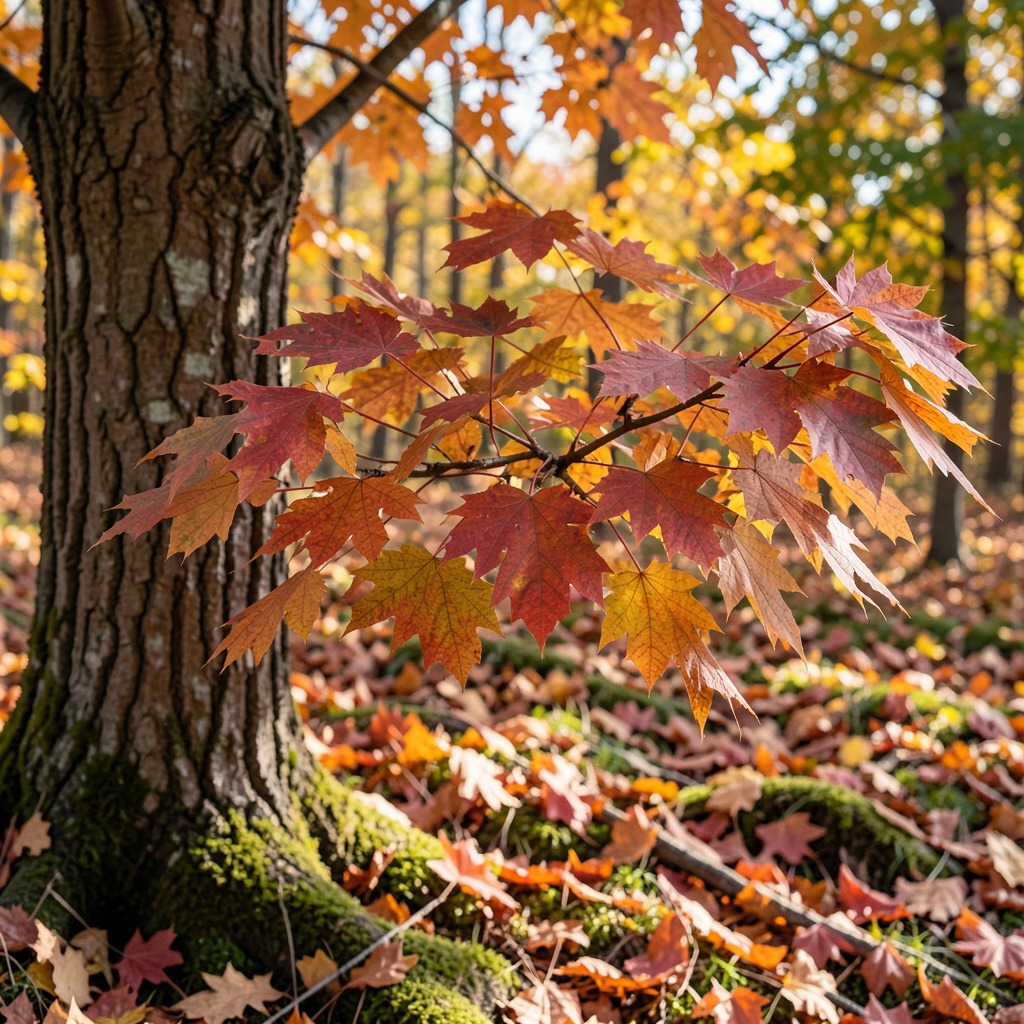
Sugar maples are susceptible to various diseases that can impact their health and vitality. Understanding these diseases, their symptoms, and effective management strategies is crucial for maintaining these beautiful trees.
Identifying Specific Diseases
Several diseases commonly afflict sugar maples. Recognizing them early can prevent further damage.
- Anthracnose: This fungal disease causes dark lesions on leaves and cankers on branches. It often thrives in wet conditions and can lead to premature leaf drop.
- Powdery Mildew: Characterized by a white, powdery coating on leaves, this fungal infection can cause stunted growth and early defoliation.
- Cankers: These appear as sunken, dead patches on branches. They often result from fungal or bacterial infections and can weaken the tree significantly.
Symptoms of Each Disease
Identifying the symptoms of each disease is essential for effective intervention.
- Anthracnose Symptoms:
- Dark, irregular spots on leaves.
- Cankers on stems and branches.
- Premature leaf drop.
- Powdery Mildew Symptoms:
- White or grayish powder on leaf surfaces.
- Distorted or stunted leaf growth.
- Early coloration changes in fall.
- Cankers Symptoms:
- Sunken areas on branches.
- Dark brown or reddish-brown sap exuding from wounds.
- Weakening of affected branches.
Managing and Treating Maple Diseases
Addressing these diseases requires a combination of preventive and reactive strategies.
1. Cultural Practices: Keep the area around the sugar maple clear of debris. Remove fallen leaves to reduce disease spores.
2. Water Management: Ensure proper drainage to prevent waterlogged soil, which can exacerbate root rot and other issues.
3. Fungicides: In cases of severe infections, consider applying fungicides. Follow the manufacturer’s instructions for effective use.
4. Regular Monitoring: Inspect your tree regularly for early signs of disease. Quick identification can prevent severe damage.
Case Study: In a recent instance, a homeowner noticed early signs of anthracnose on their sugar maple. By applying a targeted fungicide and maintaining proper moisture levels, the tree recovered fully within one season, showcasing the effectiveness of prompt action.
For ongoing health, consider investing in a Tree Health Care Kit. This kit can help address common issues and promote healthy growth.
Environmental Stressors and Their Effects
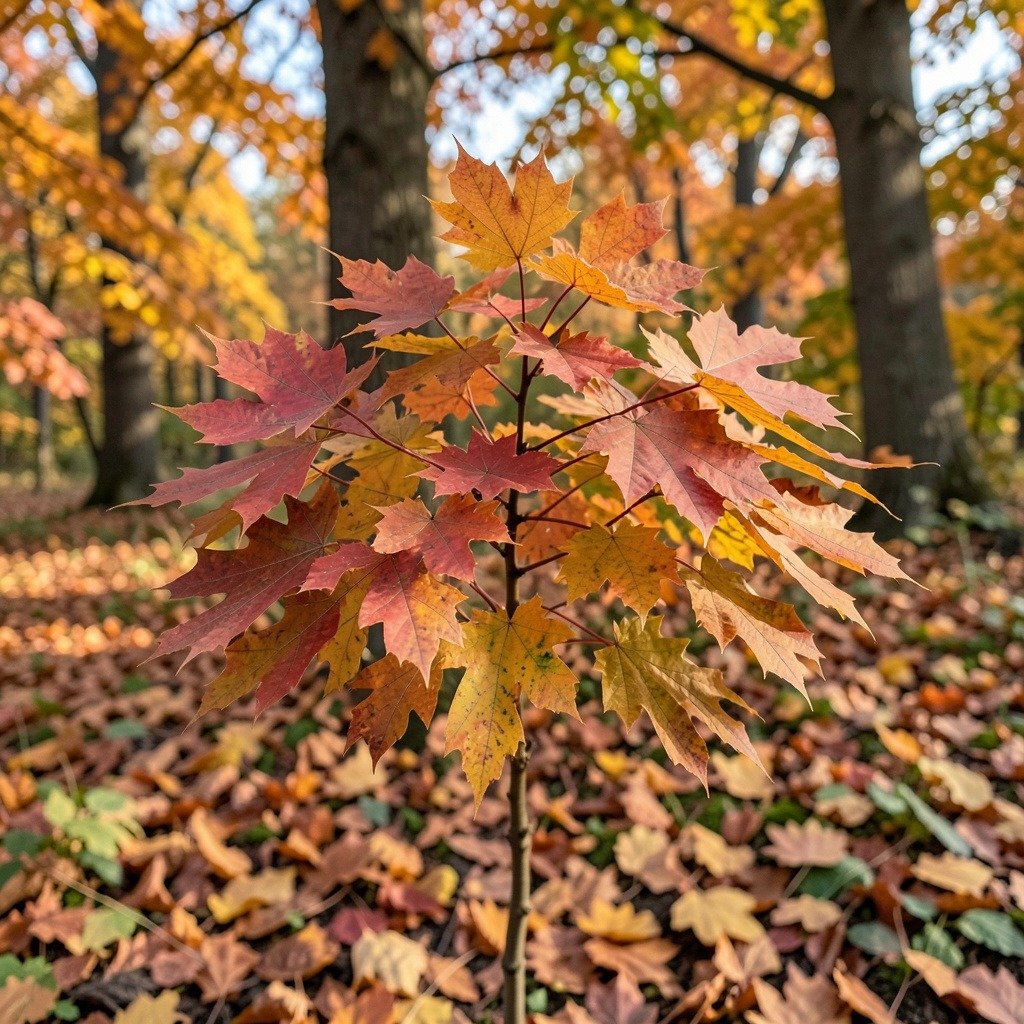
Environmental factors significantly impact the health of sugar maple trees. Soil quality, weather conditions, and climate change can all contribute to stress, leading to various problems.
Key Environmental Stressors
1. Soil Health: Poor soil conditions can lead to nutrient deficiencies. Sugar maples thrive in slightly acidic, well-drained soils. If the soil lacks essential nutrients, trees may exhibit yellowing leaves and stunted growth.
2. Weather Conditions: Extreme temperatures and inconsistent rainfall can stress sugar maples. Drought conditions lead to leaf scorch, while excessive moisture can promote root rot.
3. Climate Change: Changes in climate patterns affect sugar maple health. Warmer temperatures can alter growth cycles, making trees more susceptible to diseases and pests.
How to Improve Soil Health
- Test Soil pH: Aim for a pH of 5.5 to 6.5. Amend the soil with sulfur or lime as needed.
- Add Organic Matter: Incorporate compost or well-rotted manure to improve nutrient content and drainage.
- Mulch: Apply mulch around the base of the tree to retain moisture and regulate temperature.
The Role of Climate Change
Climate change poses long-term risks to sugar maples. Increased temperatures can lead to earlier leaf-out, which may expose leaves to late frosts. Additionally, shifting weather patterns can result in more frequent droughts or heavy rainfall, each affecting tree health.
Decision Framework for Assessing Environmental Stress
1. Observe Symptoms: Look for signs like wilting leaves, discoloration, or stunted growth.
2. Evaluate Soil: Check soil moisture and pH levels. Are they within the optimal range?
3. Monitor Weather: Assess recent weather patterns. Have there been extreme changes?
4. Implement Solutions: Based on your observations, take actionable steps to improve soil health and address environmental stresses.
By addressing these environmental stressors, you can promote the resilience of your sugar maple. Investing in tools like a Tree Health Care Kit can further support your tree’s health and mitigate potential issues.
Pest Management for Sugar Maples

Sugar maples can be affected by various pests that threaten their health and vitality. Effective pest management is crucial to maintaining the overall well-being of these trees.
Common Pests to Watch For
1. Maple Borers: These wood-boring insects tunnel into the tree, causing significant internal damage.
2. Aphids: Small, sap-sucking insects that can weaken the tree and lead to leaf curling.
3. Scale Insects: They attach to branches and leaves, sucking sap and weakening the tree.
4. Spider Mites: Tiny pests that cause stippling on leaves, leading to a decline in tree health.
Identifying Damage Caused by Pests
Symptoms of pest damage vary by insect but commonly include:
- Maple Borers: Look for holes in the bark and sawdust-like frass on the ground.
- Aphids: Observe curled or distorted leaves and sticky honeydew on surfaces beneath infested trees.
- Scale Insects: Check for small, raised bumps on branches and leaves, often accompanied by sooty mold.
- Spider Mites: Look for fine webbing on branches and a speckled appearance on leaves.
Effective Pest Control Methods
Addressing pest issues requires a combination of monitoring and treatment. Here are effective methods:
| Control Method | Description | Effectiveness |
|---|---|---|
| Insecticidal Soap | Targets soft-bodied insects like aphids and mites. | High |
| Horticultural Oil | Smothers pests on contact, effective for scale insects. | Moderate to High |
| Boric Acid | Effective against borers when applied to affected areas. | Moderate |
| Beneficial Insects | Introduce predators like ladybugs to control aphid populations. | High |
Integrated Pest Management Strategies
1. Regular Monitoring: Inspect your sugar maples regularly for signs of pests.
2. Cultural Practices: Maintain tree health through proper watering and nutritional support.
3. Biological Control: Encourage natural predators to balance pest populations.
By identifying pests early and employing effective management techniques, you can protect your sugar maples from significant damage.
Long-Term Care Techniques for Healthy Sugar Maples
Maintaining the health of sugar maples requires proactive care and attention. Proper watering, fertilization, and pruning are essential practices to ensure your trees thrive and resist common problems.
Essential Care Practices
1. Watering:
- Ensure your sugar maple receives about 1-2 inches of water weekly, especially during dry spells.
- Water deeply to encourage root growth. Avoid overhead watering to prevent fungal diseases.
2. Fertilization:
- Use a balanced fertilizer in early spring. This promotes healthy growth.
- Conduct a soil test to determine nutrient deficiencies and adjust your fertilizer accordingly.
3. Pruning:
- Prune during late winter or early spring before new growth begins.
- Remove dead or diseased branches to improve air circulation and reduce disease risk.
Seasonal Maintenance Checklist
| Season | Task |
|---|---|
| Spring | Fertilize and prune if necessary. |
| Summer | Monitor for pests and diseases. |
| Fall | Rake fallen leaves to prevent fungal issues. |
| Winter | Inspect for damage and plan pruning for spring. |
Signs of a Healthy Sugar Maple
Healthy sugar maples exhibit specific characteristics, including:
- Vibrant green leaves in spring and summer.
- A robust canopy with minimal leaf drop.
- Strong, upright growth with a well-defined trunk.
Regular monitoring and adherence to these care techniques will help mitigate issues and enhance the vitality of your sugar maples. For instance, if you notice early leaf discoloration or wilting, it may indicate water stress or nutrient deficiencies. Addressing these symptoms promptly can prevent more severe problems.
When to Seek Professional Help
Understanding when to consult an arborist is crucial for maintaining the health of your sugar maple. Early intervention can prevent extensive damage and costly repairs.
Signs You Need Professional Help
Look for these indicators that signal the need for professional assessment:
- Severe Leaf Discoloration: If leaves turn yellow or exhibit unusual spots, it often indicates disease or nutrient issues.
- Cankers on Branches: Visible wounds or cankers can weaken your tree and allow infections to enter.
- Significant Wilting: Persistent wilting, especially in the upper canopy, suggests root problems or environmental stress.
- Pest Infestation: Noticeable insect activity or damage to leaves and bark can compromise your tree’s health.
- Unusual Growth Patterns: Stunted growth or a lack of foliage in certain sections may indicate internal issues.
What to Expect from an Arborist
When you engage a tree care expert, anticipate the following:
- Comprehensive Assessment: An arborist will evaluate your sugar maple’s overall health, examining roots, trunk, and leaves.
- Diagnosis of Issues: They will identify diseases or pests affecting your tree and recommend appropriate treatment plans.
- Pruning and Care Advice: Expect guidance on pruning techniques to enhance tree vitality and recommendations for nutrient management.
- Long-term Care Plans: Arborists can help develop a maintenance schedule to monitor and care for your sugar maple over time.
Cost Considerations for Tree Care Services
Costs for tree care can vary based on the extent of the issues and services required. Here’s a general breakdown:
| Service Type | Estimated Cost Range |
|---|---|
| Initial Consultation | $50 – $150 |
| Tree Assessment | $75 – $200 |
| Treatment for Pests/Diseases | $100 – $500+ |
| Pruning | $100 – $1,000+ (depending on size and condition) |
Use this cost framework to prepare for potential expenses associated with professional tree care.
Decision-Making Framework
When assessing whether to seek professional help, consider the following decision rule:
- Mild Symptoms: If you notice minor issues like slight discoloration or occasional wilting, monitor the situation closely.
- Moderate Symptoms: If symptoms worsen or persist for more than a week, consult an arborist for an evaluation.
- Severe Symptoms: For severe discoloration, significant cankers, or heavy pest infestations, seek professional help immediately to prevent further damage.
This framework can guide homeowners in determining the urgency of professional intervention for their sugar maples.
Comparing Symptoms of Different Maple Diseases
Understanding the symptoms of various diseases affecting sugar maples is crucial for timely intervention. Many symptoms overlap, making accurate identification essential for effective treatment.
Key Differences in Symptoms
Different diseases present unique symptoms that can help distinguish one from another. Here are some key indicators:
| Disease | Symptoms | Visual Cues |
|---|---|---|
| Anthracnose | Dark lesions on leaves, curling edges | Leaves appear scorched and shriveled |
| Powdery Mildew | White, powdery spots on leaves, early leaf drop | Fuzzy white appearance on leaf surfaces |
| Cankers | Dark, sunken areas on branches, bleeding sap | Visible gashes or oozing dark brown sap |
| Scorch | Leaf curling, browning edges, premature fall colors | Leaves appear dry and crispy |
Common Misdiagnoses
Misidentification can lead to inappropriate treatments. Here are frequent misdiagnoses:
- Powdery Mildew vs. Leaf Spot: Both can cause discoloration. Powdery mildew has a powdery appearance, while leaf spots are irregular and vary in color.
- Anthracnose vs. Scorch: Both can cause leaf wilting. Anthracnose typically presents with dark lesions, while scorch results in a general browning of leaf edges due to heat stress.
Accurate Identification Techniques
Proper diagnosis starts with close observation. Consider these techniques:
- Examine Leaf Structure: Check for distinct lesions, discoloration, or powdery coatings.
- Inspect Branches: Look for cankers or bleeding sap, indicating deeper issues.
- Assess Environmental Conditions: Analyze recent weather patterns. Drought conditions often exacerbate symptoms like scorch.
Decision Framework for Diagnosis
1. Observe Symptoms: Note color changes, spots, and leaf shape.
2. Identify Environmental Factors: Consider recent weather conditions or pest activity.
3. Compare Symptoms: Use the table above to differentiate between diseases.
By following this framework, you can more accurately diagnose potential sugar maple problems and respond effectively.
Effective Solutions for Sugar Maple Problems
Homeowners can take several actionable steps to address common sugar maple problems effectively. By focusing on quick fixes and long-term management strategies, you can help ensure your tree remains healthy and vibrant.
Quick Fixes for Common Issues
1. Leaf Spots and Cankers:
- Remove affected leaves and branches immediately to prevent the spread of diseases.
- Apply a fungicide specifically designed for trees if necessary.
2. Powdery Mildew:
- Increase air circulation around the tree by pruning dense areas.
- Apply a fungicide labeled for powdery mildew.
3. Wilting and Scorch:
- Ensure the tree receives adequate water, especially during dry spells.
- Mulch around the base to retain soil moisture and regulate temperature.
Long-Term Management Strategies
1. Soil Health:
- Test soil pH to ensure it is slightly acidic (pH 6.0 to 6.5). Amend as needed.
- Regularly add organic matter to improve soil structure and nutrient content.
2. Pest Management:
- Monitor for pests such as aphids and scale insects. Use insecticidal soap or horticultural oil when infestations are detected.
- Encourage beneficial insects that prey on common pests.
3. Regular Inspections:
- Conduct bi-weekly checks during growing seasons. Look for early signs of distress.
- Document changes in leaf color, branch health, and overall vigor.
Resources for Further Help
- Local Extension Services: Reach out to your local agricultural extension for guidance tailored to your region.
- Professional Arborists: Consult with certified arborists for complex issues that require expert intervention.
- Community Workshops: Attend workshops on tree care and disease prevention offered by local gardening clubs or universities.
Checklist for Sugar Maple Care
| Action Item | Frequency |
|---|---|
| Inspect leaves and branches | Bi-weekly |
| Test soil pH | Annually |
| Apply mulch | Annually |
| Remove fallen leaves | Seasonal (Fall) |
| Monitor for pests | Monthly |
| Water deeply during drought | As needed |
By implementing these strategies and maintaining vigilance, you can significantly improve the health and resilience of your sugar maple.
Frequently Asked Questions
These quick answers cover the most common questions about this topic, including key details, practical tips, and common concerns.
How to tell if a sugar maple tree is dying?
Signs that a sugar maple may be dying include extensive leaf discoloration, wilting, and premature leaf drop. Look for dead branches or cankers on the trunk, which indicate severe health issues. If you notice a lack of new growth in spring or a significant decline in canopy density, these are also concerning signs.
What are the disadvantages of sugar maples?
While sugar maples are beloved for their beauty and shade, they can be prone to certain issues. They may suffer from diseases like powdery mildew and anthracnose, which can affect their appearance and health. Additionally, sugar maples can be sensitive to environmental stressors like drought and soil compaction, which can hinder their growth and vitality.
What is the average lifespan of a sugar maple tree?
Sugar maples typically have a lifespan of 100 to 300 years, depending on environmental conditions and care. Healthy trees in optimal conditions can live longer, while those facing severe stressors or diseases may have shorter lifespans. Regular maintenance and monitoring can help extend their longevity.
How to revive a sick maple tree?
To revive a sick sugar maple, first assess the symptoms. Address any visible issues, such as removing dead branches or treating diseases with appropriate fungicides. Ensure the tree receives adequate water, particularly during dry spells, and consider adding mulch to retain moisture. If symptoms persist, consulting an arborist can provide tailored care strategies.
What specific symptoms is your sugar maple showing (leaf spots, wilting, early color)?
Common symptoms include leaf spots, wilting, and early color changes. Leaf spots can vary in color and size, indicating different diseases. Wilting often suggests root issues or environmental stress, while early color changes may signal nutrient deficiencies or disease. Identifying these symptoms early can guide effective treatment.
How long has the problem been happening?
Understanding the duration of symptoms is crucial for diagnosis. If issues have been present for a few weeks, it may indicate a temporary stressor. However, persistent problems over several months or seasons may suggest a more serious underlying issue, such as disease or root damage. Documenting the timeline can help professionals diagnose the problem more accurately.
What do you think has caused this damage to my sugar maple—birds or beetles?
Damage to sugar maples can result from various sources. Birds may cause minor damage, such as pecking at bark or leaves, but are generally not harmful. Beetles, on the other hand, can lead to significant health issues by boring into the wood or sucking sap. Inspect the tree closely for signs of beetle activity, such as holes or frass, to determine the cause of the damage.