
Sugar maple roots can be moderately invasive but typically do not damage foundations if planted at least 30 feet away from structures.
Table of Contents
Sugar maples are beloved for their stunning foliage and syrup production, but their roots can raise concerns for homeowners. Understanding the growth patterns and potential impacts of sugar maple roots is essential for safe planting and landscaping decisions.
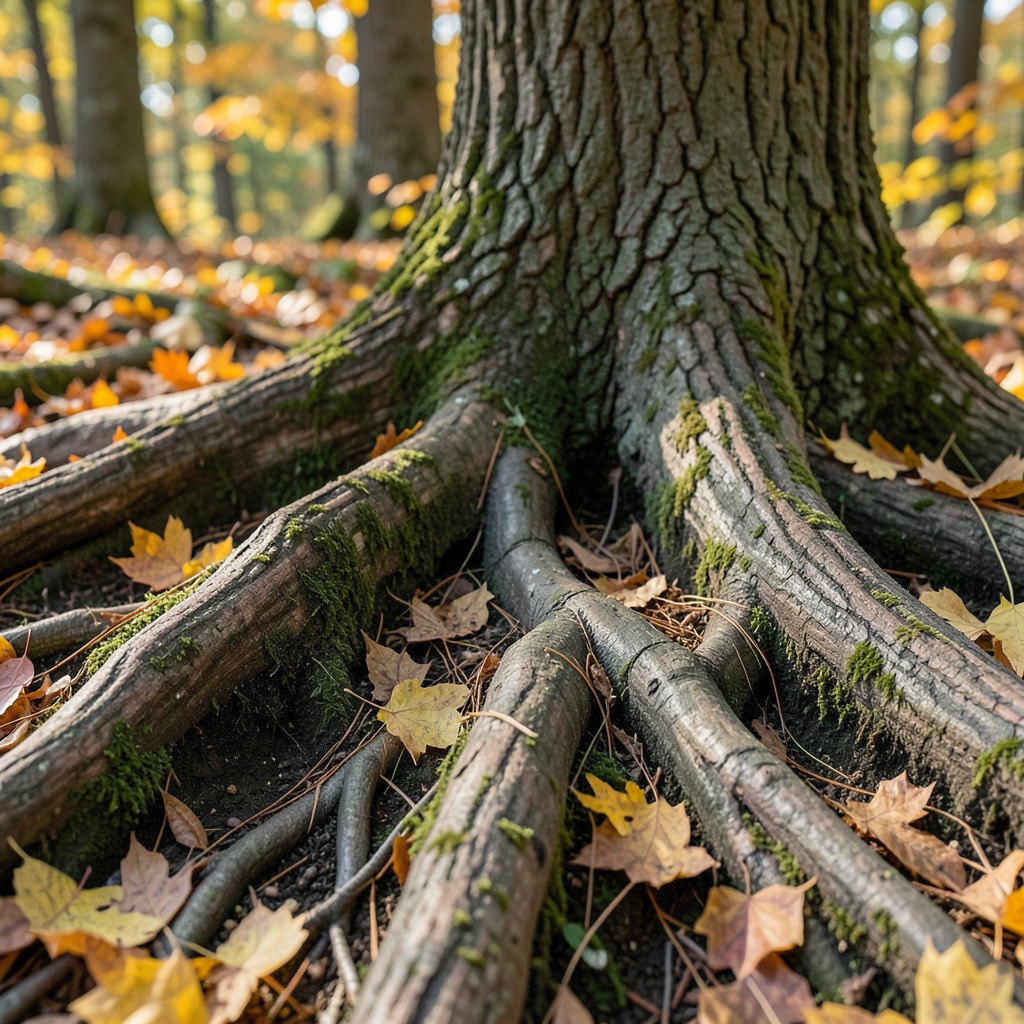
Overview of Sugar Maple Roots
The sugar maple (Acer saccharum) is renowned for its vibrant autumn foliage and syrup production. However, its root system often raises concerns among homeowners and landscapers. Understanding the characteristics and growth patterns of sugar maple roots is crucial for proper planting and maintenance.
What Are Sugar Maple Roots Like?
Sugar maple roots are typically shallow and fibrous. They spread widely beneath the tree, primarily for stability and nutrient absorption. These roots can extend beyond the tree’s canopy, which often leads to misconceptions about their invasiveness.
Key Characteristics of Sugar Maple Roots:
- Shallow and Fibrous: Roots grow close to the surface, making them susceptible to compaction.
- Wide Spread: Roots can extend outwards significantly, often reaching two to three times the tree’s height.
- Nutrient Absorption Focus: Unlike aggressive root systems, sugar maple roots prioritize stability and nutrient uptake rather than encroaching on other territories.
Are Sugar Maple Roots Invasive?
An invasive root system typically seeks to overwhelm nearby plants or structures. Sugar maple roots do not fit this definition. While they can spread widely, they do not aggressively seek to invade. Instead, they maintain a balance with their environment.
Impact on Nearby Structures
Homeowners often worry about the potential for root interference with foundations and other structures. Here are some important considerations:
- Foundation Damage: Roots can exert pressure on foundations, particularly if planted too close.
- Soil Structure: Sugar maple roots can alter soil composition, affecting water drainage and availability for nearby plants.
- Lawn Health: While roots may compete for nutrients, they generally do not harm lawns if planted at an appropriate distance.
Planting Recommendations
To mitigate any potential issues, consider the following planting distance guidelines based on soil types:
| Soil Type | Recommended Distance from Structures |
|---|---|
| Well-drained Loam | 10-15 feet |
| Sandy Soil | 8-12 feet |
| Clay Soil | 15-20 feet |
Proper distance ensures healthy growth for the sugar maple while minimizing risks to nearby structures. Avoid planting sugar maples in poorly drained areas to promote longevity and health.
Common Misconceptions
Many misconceptions surround sugar maple roots. Addressing these can help homeowners make informed decisions:
- Myth: Sugar maple roots are highly invasive.
Fact: They are not aggressive and primarily focus on stability and nutrient absorption.
- Myth: Planting sugar maples will ruin your lawn.
Fact: With proper planning, roots can coexist without causing significant harm to grass.
Understanding these aspects of sugar maple roots will lead to better planting decisions and healthier landscapes.
Root Characteristics and Growth Patterns
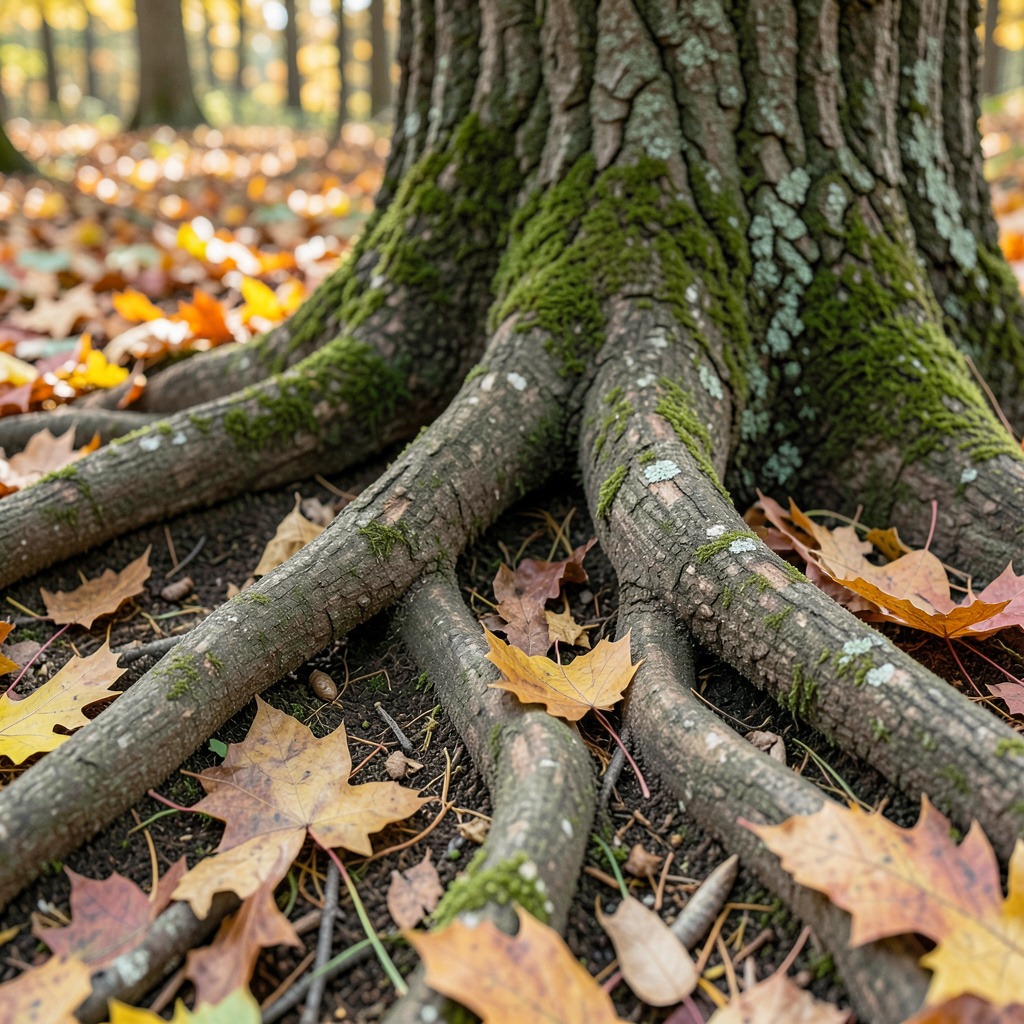
Understanding the growth behavior of sugar maple roots is crucial for effective planting and management. These roots exhibit a characteristic spread and depth, adapting to various soil conditions while impacting their surroundings.
Growth Depth and Spread
Sugar maple roots typically grow shallow and wide. The root system can extend laterally up to 2 to 4 times the tree’s canopy width. The roots usually reach depths of 1 to 3 feet, depending on soil conditions. This expansive root system serves to stabilize the tree and absorb nutrients, but it also requires careful consideration when planting near structures.
Root Behavior in Different Soils
Sugar maple roots adapt to a range of soil types, but their growth patterns vary significantly:
- Well-Drained Loam: Ideal for sugar maples, promoting deep and extensive root systems.
- Sandy Soil: Supports growth but requires ample humus for moisture retention.
- Clay Soil: Light or loose clay can sustain sugar maples; however, poorly drained clay can hinder their lifespan.
When planting in urban settings or areas with varying soil types, consider the following guidelines:
- In well-drained areas: Allow for a 10 to 15-foot distance from structures to minimize root interference.
- In sandy soils: Roots may require more frequent moisture, so maintain a distance of at least 15 feet from foundations.
- In clay soils: Ensure a minimum distance of 12 feet to reduce risks of root damage to foundations.
Comparison with Other Tree Species
To highlight the differences in root characteristics, here’s a comparative table of sugar maples and other common tree species:
| Tree Species | Root Depth (Feet) | Root Spread (Feet) | Invasiveness | Soil Preference |
|---|---|---|---|---|
| Sugar Maple | 1-3 | 15-30 | Low | Well-drained, sandy |
| Oak | 2-4 | 20-30 | Moderate | Well-drained, clay |
| Pine | 1-2 | 15-25 | Low | Sandy, well-drained |
| Norway Maple | 2-3 | 15-25 | Moderate | Various, adaptable |
This table illustrates that while sugar maples have relatively low invasive potential compared to some species, their root spread can still impact nearby structures and plant life significantly. Understanding these growth patterns promotes informed planting and management decisions.
Impact of Sugar Maple Roots on Structures
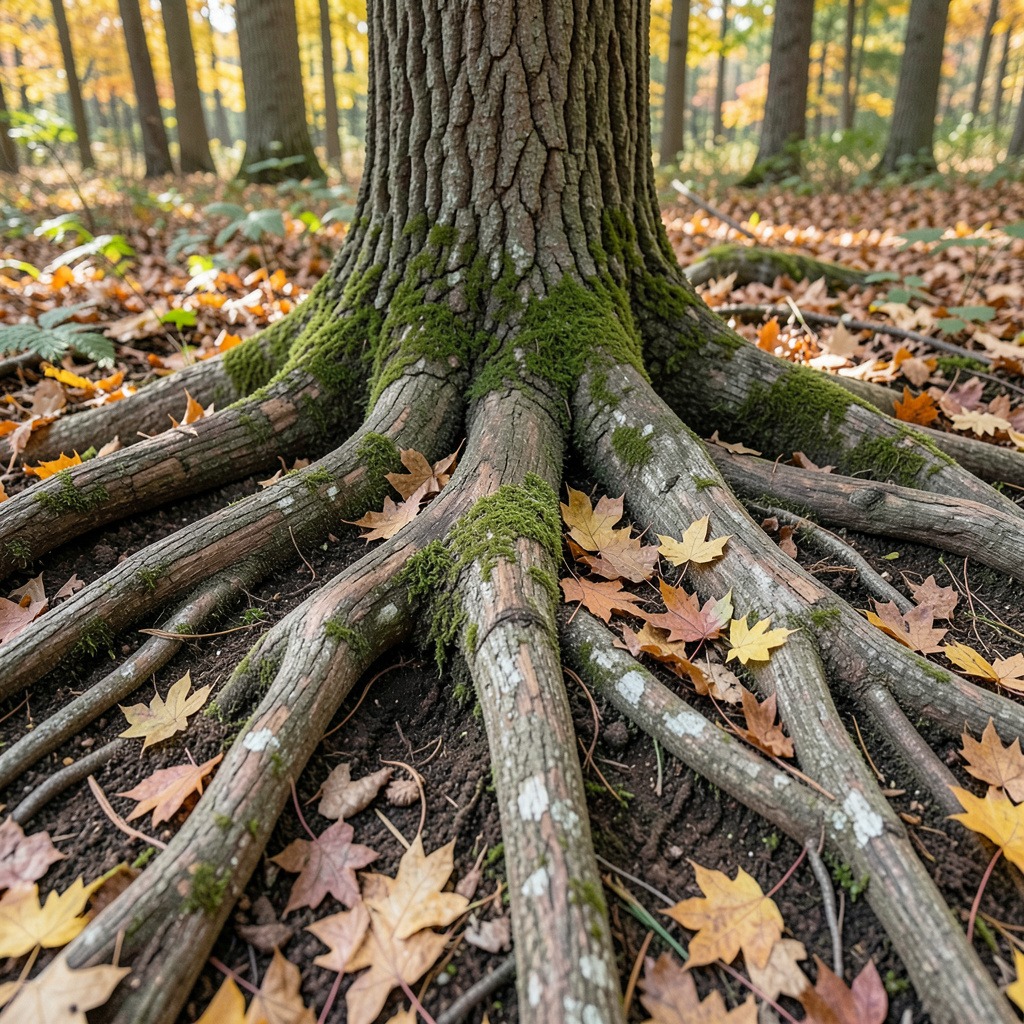
Sugar maple roots can significantly affect nearby structures, especially foundations. Their expansive and fibrous root system poses potential risks that homeowners should understand.
Risks to Foundations
Sugar maples are known for their extensive root systems that can extend far beyond the tree’s canopy. When planted too close to buildings, these roots may cause various issues:
- Foundation Damage: Roots can exert pressure on foundations, leading to cracks and stability concerns.
- Soil Displacement: As roots grow, they can shift soil, which may undermine the structural integrity of nearby buildings.
- Drainage Disruption: Roots can infiltrate drainage systems, causing blockages and water accumulation around foundations.
Signs of Root Problems
Homeowners should be vigilant for early signs of root-related damage to foundations. Key indicators include:
- Cracks in Walls: Vertical or diagonal cracks in foundation walls can signal root pressure.
- Uneven Floors: If floors start to slope or feel uneven, roots may be interfering with the foundation.
- Water Accumulation: Standing water near the foundation may indicate root intrusion into drainage systems.
Preventive Measures for Homeowners
To mitigate risks associated with sugar maple roots, homeowners can take several proactive steps:
- Plant at a Safe Distance: Ideally, plant sugar maples at least 20-30 feet away from structures. This distance may vary based on soil type; well-drained soils allow for more root spread.
- Monitor Growth: Regularly inspect the area around sugar maples for changes in soil or foundation integrity.
- Consult Experts: Engage arborists or landscape professionals for advice on managing root growth effectively, especially if the tree is close to critical structures.
By understanding the growth patterns of sugar maple roots and implementing preventive measures, homeowners can protect their properties from potential damage.
Best Practices for Planting Sugar Maples

Planting sugar maples requires careful planning to ensure their root systems do not negatively impact nearby structures. Following established guidelines can help homeowners enjoy the beauty of these trees while minimizing potential issues.
Ideal Planting Distances
When planting sugar maples, consider the following distances based on the tree’s mature size and root behavior:
- Minimum Distance from Structures: 20-30 feet
- Recommended Distance for Optimal Growth: 30-50 feet, especially in areas with well-drained soil
These distances help prevent root encroachment on foundations, sidewalks, and other structures. The root systems of sugar maples can extend far beyond the tree’s canopy, so planning for adequate space is essential.
Soil Considerations
Soil type significantly influences the growth patterns of sugar maple roots. Here are key factors to consider:
- Well-Drained Loam: Ideal for robust growth and minimal root interference.
- Sandy Soil with Humus: Supports healthy root development, but may require more careful monitoring.
- Clay Soils: Light or loose clay can support sugar maples, but poorly drained clay is unsuitable and can shorten the tree’s lifespan.
Before planting, conduct a soil test to determine its composition and drainage capabilities. This knowledge will aid in making informed decisions about planting locations.
Common Mistakes When Planting
Avoid these common pitfalls to ensure the healthy establishment of your sugar maple:
- Planting Too Close to Structures: This can lead to foundation damage and increased maintenance.
- Ignoring Soil Drainage Needs: Poor drainage can stunt growth and lead to root rot.
- Overlooking Growth Potential: Failing to account for the full size of the tree can result in future conflicts with nearby plants or infrastructure.
By adhering to these best practices, homeowners can foster healthy sugar maples while safeguarding their properties from potential root-related issues.
Addressing Common Misconceptions About Sugar Maple Roots
Understanding the behavior of sugar maple roots can alleviate concerns related to their impact on property and landscaping. Let’s clarify some prevalent myths.
Myth vs. Reality
One common myth suggests that sugar maple roots are invasive and will damage nearby structures. In reality, sugar maple roots extend widely but do not aggressively seek to invade other areas. Their growth pattern emphasizes stability and nutrient absorption rather than encroachment.
- Myth: Sugar maple roots will ruin your lawn.
- Reality: While roots may spread beyond the tree’s canopy, they typically do not harm lawns if maintained at an appropriate distance.
Another misconception involves watering needs. Many believe that sugar maples require constant moisture. However, established trees can withstand periods of drought thanks to their extensive root systems, which can reach deep for moisture.
Expert Insights
Recent research indicates that sugar maple roots can significantly affect soil structure and neighboring plants. An expert in arboriculture noted that understanding root behavior is crucial for homeowners. For instance, roots can enhance soil aeration and nutrient distribution, benefiting surrounding flora.
- Research Finding: Sugar maples contribute positively to soil health, countering the myth of harmful invasiveness.
Importance of Proper Planting
Proper planting distance is essential. Homeowners should plant sugar maples at least 10-15 feet from structures to mitigate potential root-related damage. This distance allows roots to grow without compromising foundations or other nearby plants.
- Planting Distance Guidelines:
- Sandy Soil: 10 feet
- Loamy Soil: 12 feet
- Clay Soil: 15 feet
By following these guidelines and understanding the true nature of sugar maple roots, homeowners can make informed decisions that promote healthy growth and protect their properties.
Frequently Asked Questions
These quick answers cover the most common questions about this topic, including key details, practical tips, and common concerns.
Do sugar maples have invasive roots?
Sugar maple roots are not classified as invasive. They spread widely but do so primarily for stability and nutrient absorption. While they can extend beyond the tree’s canopy, they do not aggressively seek to invade other areas or overwhelm nearby plants.
Do maple tree roots damage houses?
Maple tree roots, including those of sugar maples, can potentially damage houses if planted too close. Roots can exert pressure on foundations, leading to cracks and structural issues. To minimize risks, it’s recommended to plant sugar maples at least 20-30 feet away from any structures.
How close can you plant a sugar maple to a house?
The ideal planting distance for a sugar maple from a house is at least 20-30 feet. This distance helps prevent root interference with foundations and allows for healthy growth. Soil type may influence this distance; for example, well-drained loam allows for closer planting than clay soil.
What are the cons of a sugar maple tree?
While sugar maples are valued for their beauty and syrup production, they have some drawbacks. Their roots can spread widely, potentially causing issues with nearby structures. Additionally, they may require regular maintenance, such as pruning and monitoring for pests or diseases.
What are the signs of sugar maple roots causing damage?
Signs of sugar maple roots causing damage include cracks in foundation walls, uneven floors, and water accumulation around the foundation. If you notice any of these issues, it may be time to assess the tree’s impact on your property.
How can I prevent sugar maple roots from damaging my foundation?
To prevent sugar maple roots from damaging your foundation, plant the tree at least 20-30 feet away from structures. Regularly inspect the area for signs of root intrusion and consult with an arborist for root management techniques if the tree is close to critical structures.
What is the bulge at the base of my sugar maple tree?
The bulge at the base of a sugar maple tree is often a sign of trunk flare, which is natural. However, if the bulge is excessive or associated with other symptoms of stress, it may indicate issues such as root rot or poor soil conditions. Monitoring the tree’s health is essential.
Sugar maple distance from fence deep cement base?
When planting sugar maples near a fence or a deep cement base, it’s advisable to maintain a distance of at least 10-15 feet. This distance helps prevent root encroachment that could disrupt the fence’s stability or damage the cement structure over time.