
Mature sugar maple trees (Acer saccharum) typically reach heights of 60 to 100 feet (18 to 30 meters) and widths of 40 to 60 feet (12 to 18 meters), influenced by growth conditions and age.
Table of Contents
The sugar maple, known scientifically as Acer saccharum, is celebrated for its impressive stature and vibrant fall foliage. Understanding its size and growth characteristics is essential for proper care and landscape planning, making it a favorite among homeowners and gardeners alike.
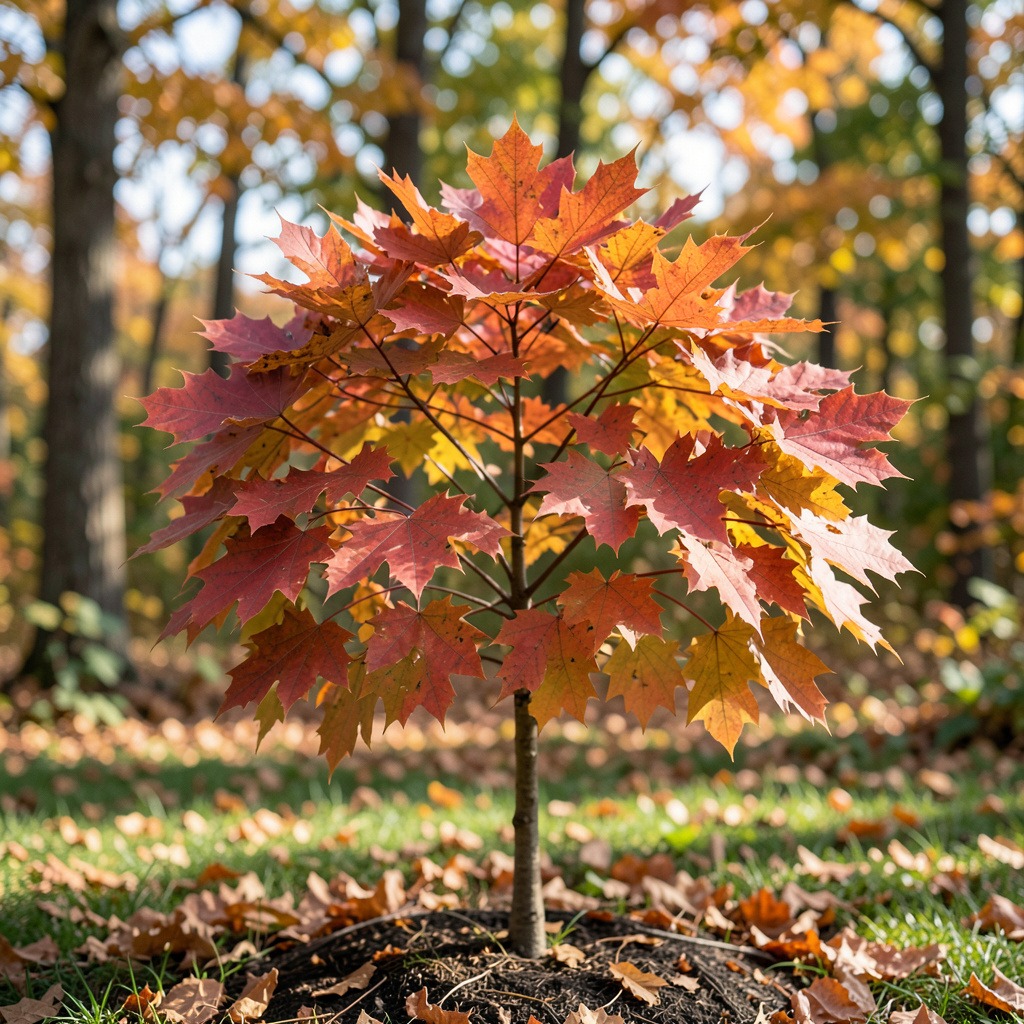
Growth Characteristics of Sugar Maple
The sugar maple, or Acer saccharum, exhibits notable growth characteristics that contribute to its size and ecological value. Understanding these factors is crucial for anyone interested in cultivating this magnificent tree.
Average Height and Width
Mature sugar maples typically reach impressive dimensions. On average, they grow to a height of 60 to 75 feet and can spread 40 to 50 feet in width. The trunk diameter can range from 24 to 36 inches, depending on the age and growing conditions.
| Age (Years) | Average Height (Feet) | Average Width (Feet) | Trunk Diameter (Inches) |
|---|---|---|---|
| 10 | 10-15 | 8-12 | 2-4 |
| 20 | 25-30 | 15-20 | 6-10 |
| 50 | 50-60 | 30-40 | 12-18 |
| 100 | 60-75 | 40-50 | 24-36 |
Factors Influencing Growth
Several key factors influence the size of sugar maples:
- Soil Quality: Sugar maples thrive in well-drained, loamy soils rich in organic matter. Poorly drained or compacted soils can stunt growth.
- Light Conditions: These trees prefer full sun to partial shade. Adequate sunlight promotes better growth and vibrant fall colors.
- Water Availability: Consistent moisture is vital, especially during dry spells. However, they do not tolerate flooding or overly saturated soils.
- Nutrient Levels: Fertile, nutrient-rich soils enhance growth. Regular soil testing can help maintain optimal nutrient levels.
Growth Variations in Different Environments
Sugar maples exhibit growth variations based on their environmental conditions:
- Urban Settings: In cities, sugar maples may face challenges such as soil compaction and pollution. However, with proper care, they can still thrive, albeit at a slower growth rate.
- Rural Areas: In open, rural settings with rich soil, sugar maples can achieve their maximum size, offering shade and aesthetic appeal.
- Drought-Prone Regions: In areas with low water availability, growth may be stunted. Choosing drought-resistant cultivars can help mitigate this issue.
Understanding these growth characteristics enables better planning and care for sugar maples, ensuring they reach their full potential.
Cultural and Ecological Importance of Sugar Maples
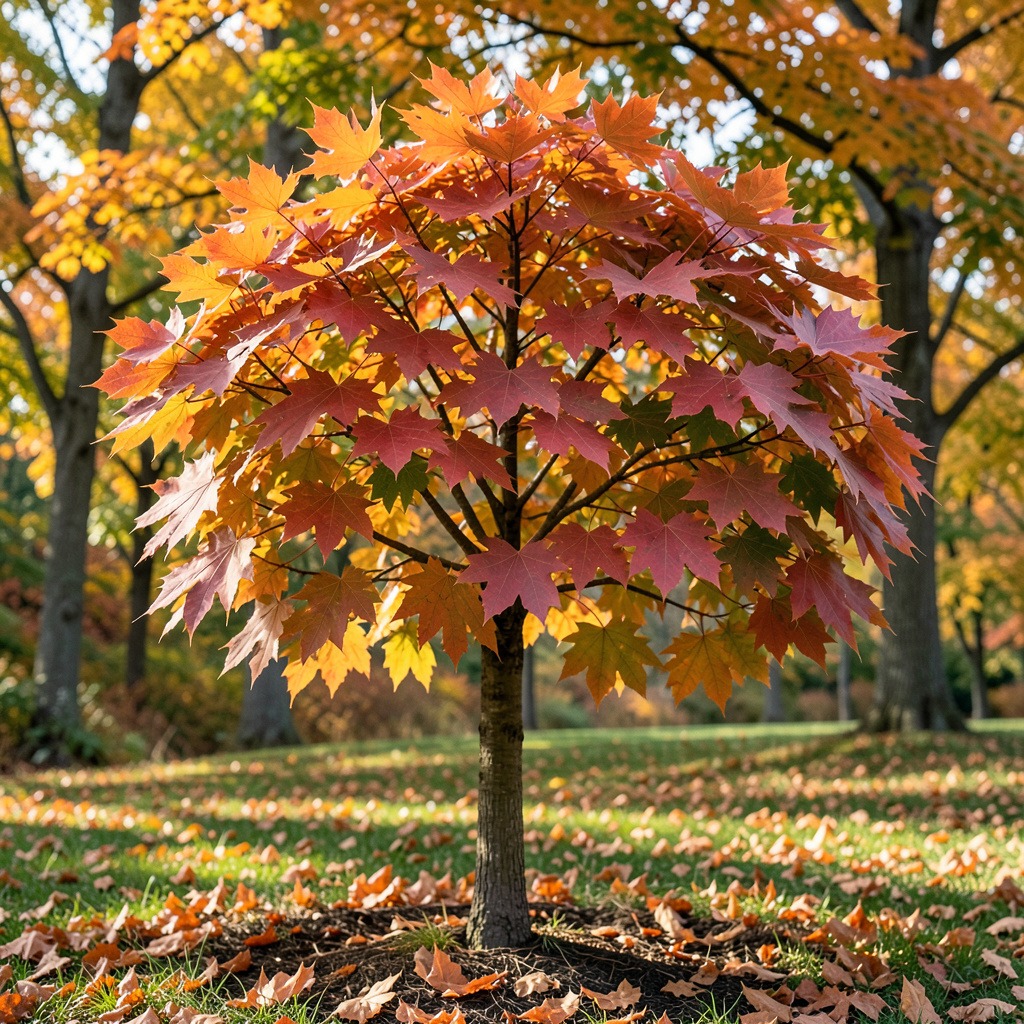
Sugar maples hold significant cultural and ecological value, particularly through their role in maple syrup production and their contribution to wildlife habitats. Their size and growth characteristics directly impact these functions.
Maple Syrup Production
Sugar maples are the primary source of maple syrup, thanks to their high sugar content in sap. This sap can contain 2-3% sugar, making it ideal for syrup production. Here are key points regarding their contribution:
- Yield: It takes about 40 gallons of sap to produce one gallon of syrup. Therefore, the size of the tree affects its sap production.
- Optimal Conditions: Sugar maples thrive in cooler climates, typically in well-drained, rich soils. This environment enhances their growth and sap yield.
By understanding the growth potential, producers can optimize their operations. For instance, larger trees generally produce more sap, which can significantly impact economic returns.
Wildlife Habitat Value
Sugar maples also play a crucial role in providing habitats for wildlife. Their large size and dense canopies create a unique ecosystem:
- Food Source: The seeds of sugar maples are consumed by various birds and small mammals, including evening grosbeaks and squirrels.
- Nesting Sites: Older sugar maples provide nesting sites for cavity-nesting birds like woodpeckers and chickadees.
The ecological impact varies with the size of the trees. Larger, mature trees support a more diverse range of wildlife, enhancing biodiversity in hardwood forests.
Cultural Significance
Historically, sugar maples have been integral to North American culture. Their wood has been used for various purposes, including:
- Furniture and Flooring: The hardwood is valued for its strength and beauty, often used in furniture making.
- Culinary Uses: Beyond syrup, maple sugar was historically promoted as a domestic alternative to cane sugar by early American leaders.
The appreciation for sugar maples reflects their dual role as a natural resource and a cultural symbol. As communities celebrate maple sugaring festivals, the trees’ size and historical significance become focal points, emphasizing their importance in local traditions.
Understanding these aspects of sugar maples helps landowners and producers appreciate their growth characteristics, ensuring better care and maintenance of these valuable trees.
Care and Maintenance of Sugar Maples
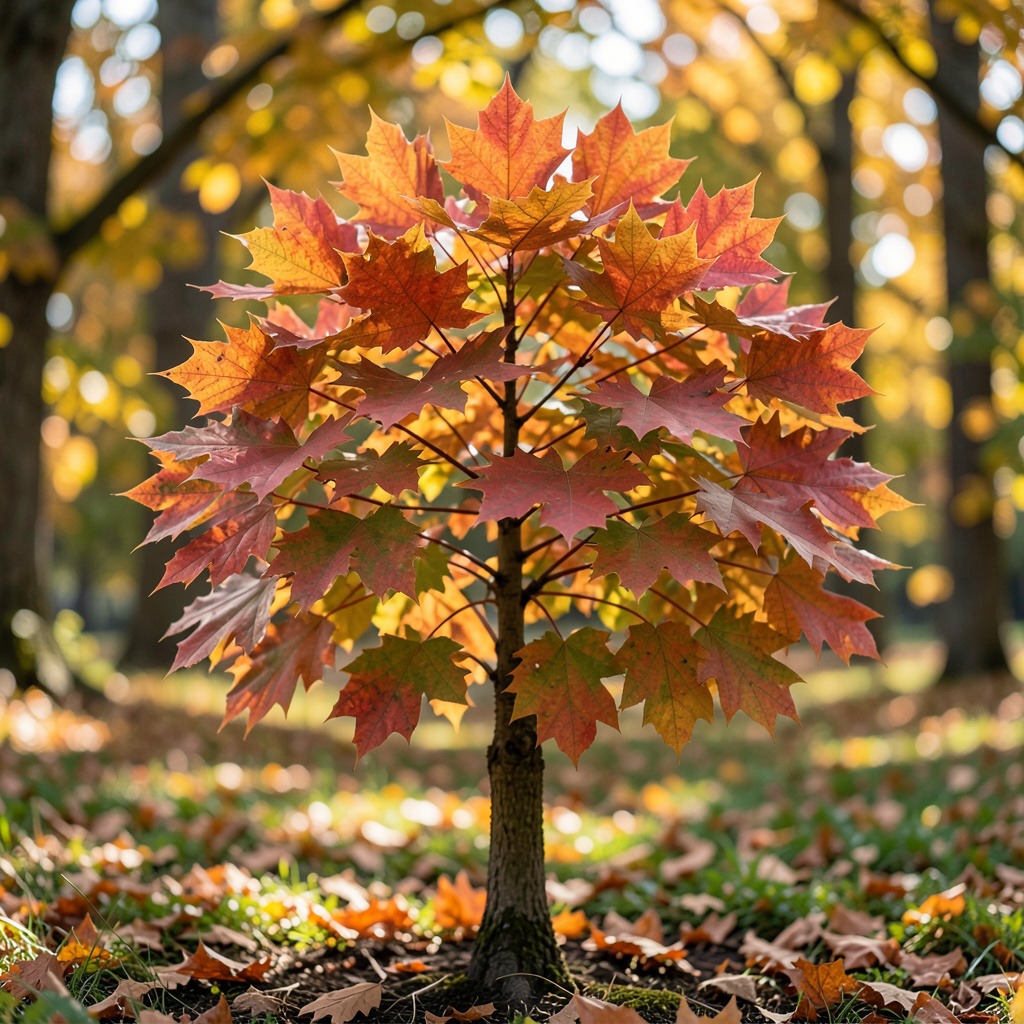
Caring for sugar maples (Acer saccharum) involves understanding their specific growth requirements and addressing potential challenges. Proper care ensures these trees reach their full potential in size and beauty.
Ideal Planting Conditions
Sugar maples thrive best under certain conditions. Here’s a checklist for optimal growth:
- Soil Type: Deep, well-drained loam with a slightly acidic to neutral pH (5.5 to 7.3) is ideal.
- Sunlight: Full sun to partial shade is essential. Aim for at least 4-6 hours of direct sunlight daily.
- Moisture: Consistent moisture is crucial, especially during establishment and hot weather. Avoid waterlogged soils.
- Spacing: Allow at least 30 to 40 feet between trees and nearby structures to accommodate their mature crown spread.
Maintenance Practices
Ongoing maintenance will support healthy growth and size. Follow these practices:
- Watering: Young sugar maples require regular watering, particularly in dry spells. Use mulch to retain soil moisture and regulate temperature.
- Pruning: Minimal pruning is needed. Remove dead or damaged branches in late summer or fall to prevent sap bleeding.
- Fertilizing: Use a balanced fertilizer in early spring if the soil lacks nutrients. Avoid over-fertilization, which can lead to excessive growth and weak branches.
Common Pests and Issues
Sugar maples are susceptible to certain pests and environmental issues. Be vigilant about:
- Pests: Watch for the Asian longhorned beetle and aphids. Inspect leaves regularly for signs of infestation.
- Diseases: Be aware of verticillium wilt and tar spot. Healthy growing conditions can minimize these risks.
- Environmental Stress: Avoid planting near salted roads. Salt exposure can severely impact tree health and growth.
Growth Potential Insights
The growth rate of sugar maples averages between 12 to 24 inches per year once established. Various factors influence their size:
| Factor | Impact on Size |
|---|---|
| Soil Quality | Rich, well-drained soils enhance growth. |
| Sun Exposure | More sunlight leads to larger canopies. |
| Water Availability | Consistent moisture supports height. |
Understanding these elements helps landowners anticipate the potential size of their sugar maples and adjust care accordingly.
Frequently Asked Questions
These quick answers cover the most common questions about this topic, including key details, practical tips, and common concerns.
Is sugar maple a good yard tree?
Yes, sugar maples (Acer saccharum) are excellent yard trees. They provide ample shade, stunning fall foliage, and can enhance the aesthetic appeal of your landscape. Their large size makes them suitable for spacious yards, but ensure you have enough room for their mature height and width, which can reach up to 100 feet tall and 60 feet wide.
How big is a 10-year-old sugar maple tree?
A 10-year-old sugar maple typically stands between 10 to 15 feet tall and has a width of about 8 to 12 feet. The trunk diameter at this age can range from 2 to 4 inches. Growth can vary based on soil quality, sunlight, and water availability.
What are the downsides of sugar maples?
While sugar maples are beautiful, they do have some downsides. They can be susceptible to pests like the Asian longhorned beetle and diseases such as verticillium wilt. Additionally, their large root systems may cause issues with sidewalks or foundations if planted too close to structures. They also require specific soil conditions and consistent moisture to thrive.
How long does it take for a sugar maple to reach full size?
Sugar maples can take 30 to 40 years to reach their full size, which is typically between 60 to 100 feet in height. However, they begin to develop a significant canopy and trunk diameter within the first 20 years. Regular care, including proper watering and soil management, can help them grow more effectively.
What soil type is best for sugar maples?
Sugar maples prefer well-drained, loamy soils rich in organic matter. A slightly acidic to neutral pH (between 5.5 and 7.3) is ideal. Poorly drained or compacted soils can hinder their growth, so ensure proper soil conditions before planting.
How much maple syrup can one sugar maple produce?
A mature sugar maple can produce approximately 10 to 20 gallons of sap in a good year, which translates to about 1 quart of syrup per 40 gallons of sap. The tree’s size and health significantly influence sap yield, with larger trees generally providing more sap.
What pests should I watch for with sugar maples?
Common pests affecting sugar maples include the Asian longhorned beetle and aphids. These pests can cause damage to leaves and branches. Regular inspections and maintaining healthy growing conditions can help minimize pest-related issues.
How do sugar maples compare to other maple species?
Sugar maples are often larger and can grow taller than many other maple species, such as red maples or silver maples. They also have a higher sugar content in their sap, making them the preferred choice for syrup production. However, red maples may be more adaptable to different soil types and environmental conditions.