
Sugar maple varieties, especially Acer saccharum cultivars, include Apollo, Fall Fiesta, and Green Mountain, each exhibiting unique traits such as growth habits, fall colors, and hardiness zones, making them ideal for various landscapes.
Table of Contents
Sugar maples are celebrated for their stunning fall foliage and ecological importance. Within the species Acer saccharum, various cultivars have been developed, each with distinct characteristics that cater to different landscaping needs, preferences, and environmental conditions.
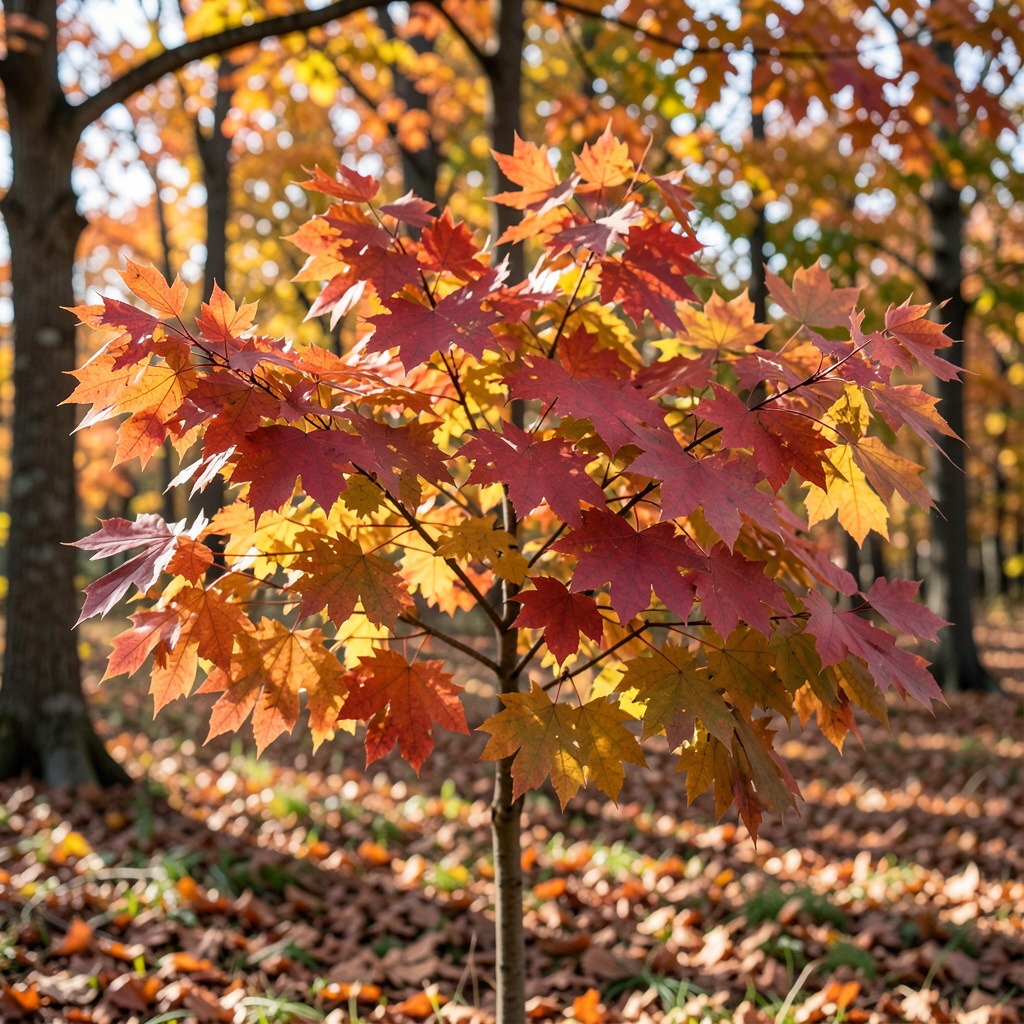
Understanding Sugar Maple Varieties
Sugar maples, scientifically known as Acer saccharum, are vital to both landscaping and ecological health. They are renowned for their vibrant fall colors and their significant role in maple syrup production. Different cultivars offer diverse traits suited to various landscapes and growing conditions.
Characteristics of Sugar Maple Cultivars
Sugar maples exhibit a range of characteristics that vary by cultivar. These traits impact their growth habits, fall colors, and overall suitability for specific environments.
- Growth Rate: Varieties like ‘Fall Fiesta’ are known for their rapid growth, while others may grow more slowly.
- Fall Color: Cultivars such as ‘Goldspire’ display striking golden yellow foliage, whereas ‘Sugar Maple’ retains classic orange-red hues.
- Hardiness Zones: Most sugar maples thrive in USDA zones 3 to 5, with some cultivars like ‘Legacy’ capable of tolerating slightly warmer climates.
Optimal Growing Conditions
Sugar maples prefer deep, well-drained loam but can adapt to sandy or light clay soils. Here are essential factors to consider:
- Sunlight: Full sun to partial shade is ideal. Too much shade can inhibit growth and color.
- Moisture: Regular watering is crucial, especially in dry spells. However, avoid waterlogged soils.
- Soil pH: Slightly acidic to neutral soil pH (between 6.0 and 7.0) promotes optimal growth.
Ecological Importance
Sugar maples contribute significantly to their ecosystems. They provide habitat and food for various wildlife species. Their dense canopies also support understory plants. Additionally, they help stabilize soil and prevent erosion, making them essential for forest health.
In summary, understanding the varieties of sugar maples empowers gardeners and landscapers to choose the right cultivar for their specific needs. Each cultivar’s unique characteristics and requirements enhance both aesthetic appeal and ecological function.
Key Sugar Maple Cultivars and Their Traits
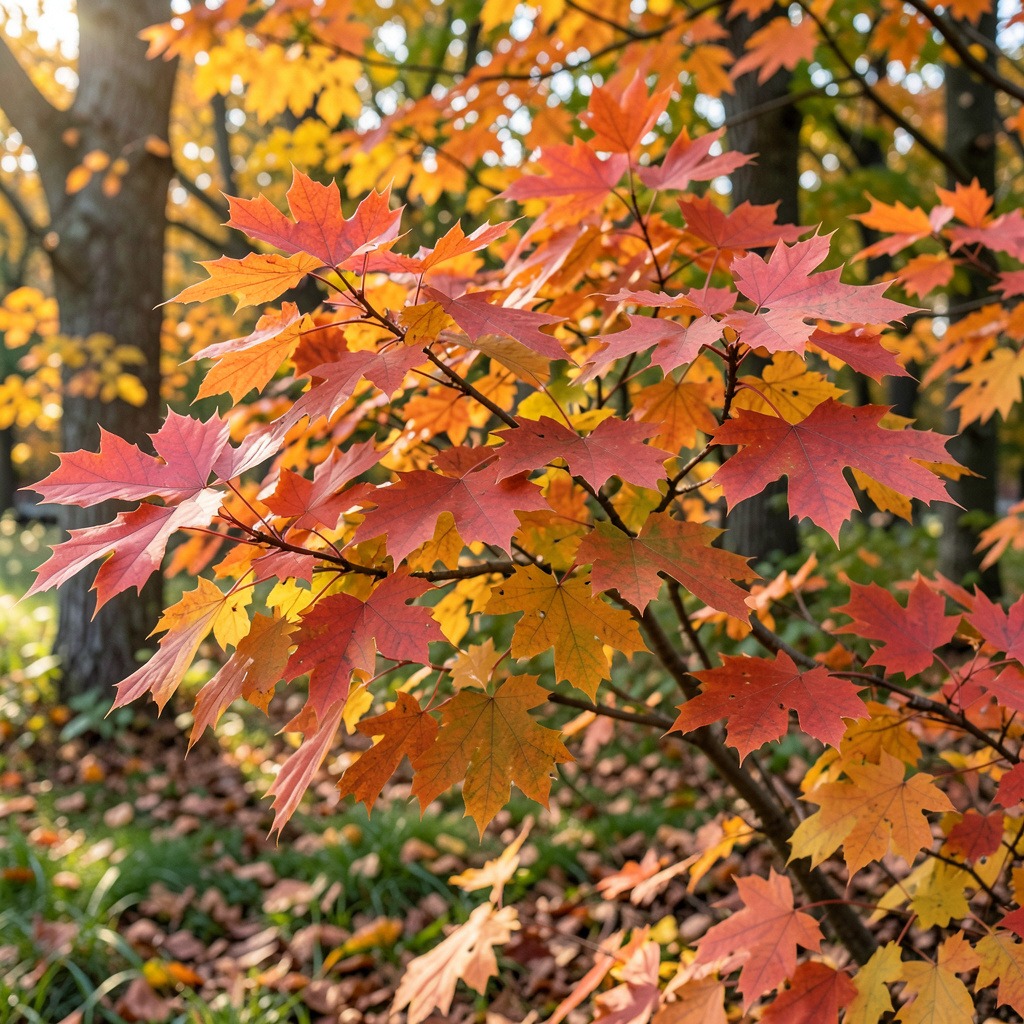
Sugar maple cultivars (Acer saccharum) exhibit distinct traits that cater to various landscaping needs. Choosing the right cultivar can enhance aesthetic appeal and ecological function. Here are notable sugar maple varieties and their characteristics.
Apollo Sugar Maple: Characteristics and Care
The Apollo sugar maple is known for its impressive height and robust structure.
- Growth Height: 50 to 70 feet
- Spread: 30 to 50 feet
- Fall Color: Bright yellow to orange
- Disease Resistance: Moderate resistance to leaf scorch and pests
Care Tips:
- Water regularly, especially during dry spells.
- Prune in late winter to maintain shape.
- Monitor for common pests like aphids and scale.
Fall Fiesta Sugar Maple: Why Choose This Cultivar?
Fall Fiesta, also called Bailsta, is a vigorous selection with a striking growth habit.
- Growth Height: 60 to 75 feet
- Spread: 30 to 45 feet
- Fall Color: Brilliant shades of yellow, orange, and scarlet
- Disease Resistance: Increased resistance to drought and leaf scorch
Care Tips:
- Ensure deep, well-drained soil.
- Fertilize annually to support vigorous growth.
- Use mulch to retain soil moisture and suppress weeds.
Green Mountain Sugar Maple: Ideal Growing Conditions
The Green Mountain cultivar is prized for its symmetrical shape and strong branches.
- Growth Height: 50 to 70 feet
- Spread: 30 to 50 feet
- Fall Color: Deep red to orange
- Disease Resistance: High resistance to environmental stressors
Care Tips:
- Prefers full sun and can tolerate various soil types.
- Monitor soil moisture; avoid waterlogged conditions.
- Regularly check for signs of disease, especially during wet seasons.
Comparison of Sugar Maple Cultivars
| Cultivar | Growth Height | Spread | Fall Color | Disease Resistance |
|---|---|---|---|---|
| Apollo | 50-70 ft | 30-50 ft | Bright yellow to orange | Moderate |
| Fall Fiesta | 60-75 ft | 30-45 ft | Brilliant yellow, orange, scarlet | Increased resistance to drought |
| Green Mountain | 50-70 ft | 30-50 ft | Deep red to orange | High resistance to stressors |
Each cultivar serves specific landscape needs, from height and spread to vibrant fall colors. By understanding their characteristics, you can select the ideal sugar maple variety for your space.
Optimal Growing Conditions for Sugar Maples
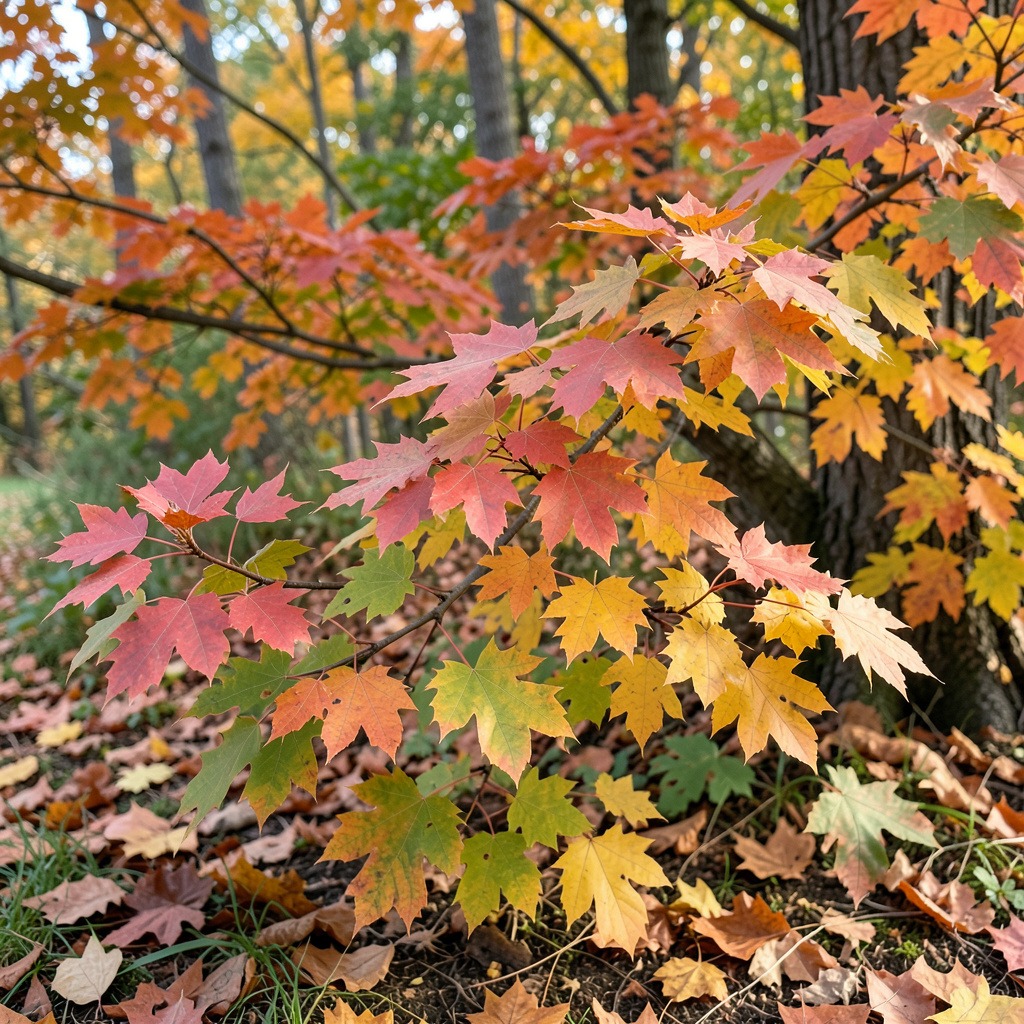
Sugar maples thrive in specific environmental conditions that ensure healthy growth and vibrant fall colors. Understanding their ideal hardiness zones, soil types, and sunlight requirements is crucial for successful cultivation.
Best Soil Types for Sugar Maples
Sugar maples prefer well-drained soils that retain moisture without becoming waterlogged. The following soil types are optimal:
- Loamy Soil: Rich in organic material, loamy soil provides good drainage and moisture retention.
- Sandy Soil: With proper humus buildup, sandy soil can support healthy sugar maple growth.
- Light Clay Soils: These can also be suitable, provided they drain adequately.
Checklist for Optimal Soil Conditions:
- Aim for a pH between 6.0 and 7.5.
- Incorporate organic matter to improve soil structure.
- Avoid poorly drained areas or flood-prone locations.
Sunlight and Watering Needs
Sugar maples require a balance of sunlight and water to grow effectively. They prefer:
- Sunlight: Full sun to partial shade. While they are shade-tolerant, adequate sunlight promotes better growth and fall color.
- Watering: Regular watering is essential, especially in the first few years. Ensure the soil remains consistently moist but not saturated.
Watering Tips:
- Water deeply during dry spells.
- Use mulch to retain soil moisture and regulate temperature.
Climate Considerations
Sugar maples thrive in cooler climates, typically found in USDA Hardiness Zones 3 to 5. They require cold winters to produce sap effectively. Consider the following:
- Temperature Range: Ideal daytime temperatures in the growing season should be between 65°F and 75°F.
- Winter Chill: A cold winter is crucial for proper dormancy and sap production.
Climate-Specific Care Tips:
- In warmer regions (Zone 6), plant in shaded areas or alongside moisture-retaining features.
- Monitor for heat stress during summer months, especially in southern limits of their range.
By adhering to these guidelines, you can create an ideal environment for your sugar maples, ensuring they flourish for generations.
Common Issues and Pests Affecting Sugar Maples
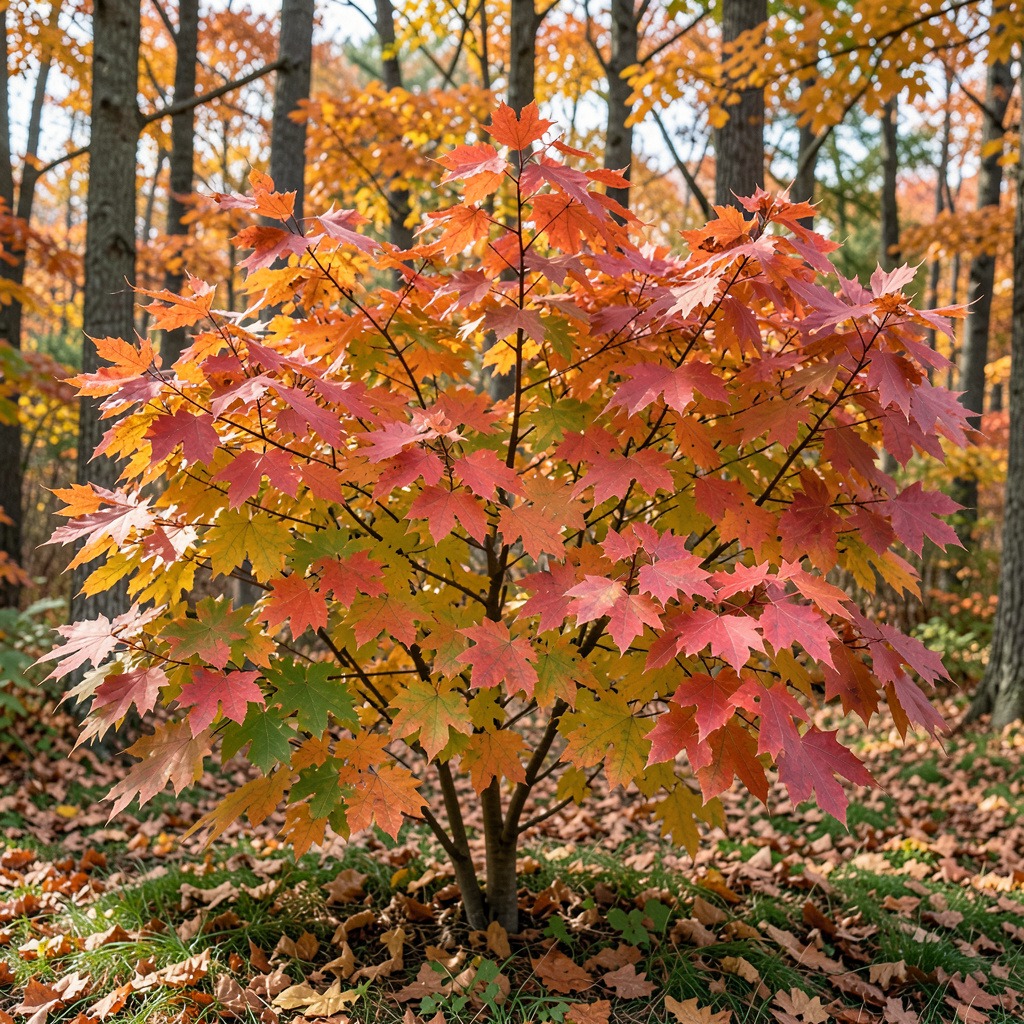
Sugar maples, while robust, are susceptible to various pests and diseases. Awareness of these issues can help maintain their health and vigor.
Identifying Common Pests
Several pests commonly affect sugar maples. Recognition and timely intervention are crucial for effective management.
- Aphids: Small, sap-sucking insects that can weaken trees and cause leaf distortion.
- Scale: These pests attach to branches and leaves, sucking sap and leading to yellowing foliage.
- Maple Leaf Cutter: Larvae of this moth feed on leaves, creating distinctive holes.
- Rosy Maple Moth: These caterpillars can defoliate trees if populations are high.
Regular monitoring can help identify infestations early. Look for signs like yellowing leaves, wilting, or visible insects.
Disease Resistance in Sugar Maples
Sugar maples are generally resilient, but they can fall victim to specific diseases. Understanding these can aid in prevention.
- Fungal Diseases: Common issues include leaf spot and anthracnose, which cause premature leaf drop.
- Bacterial Leaf Scorch: This disease leads to browning leaf edges and can weaken the tree over time.
- Verticillium Wilt: A soil-borne fungus that affects the vascular system, leading to wilting and dieback.
Choosing disease-resistant cultivars can enhance your sugar maple’s health. For example, the ‘Legacy’ sugar maple shows strong resistance to many common diseases.
Preventative Care Strategies
Implementing effective care strategies is essential for protecting sugar maples from pests and diseases. Here are key actions:
- Regular Inspections: Check your trees bi-weekly during the growing season. Look for unusual leaf color, insect presence, or early leaf drop.
- Pruning: Remove dead or infected branches to improve air circulation and reduce disease spread. Do this during the dormant season.
- Healthy Soil: Ensure well-drained, nutrient-rich soil. Healthy trees are more resistant to stress from pests and diseases.
- Integrated Pest Management (IPM): Utilize a combination of biological control, cultural practices, and pesticides, when necessary. For example, introducing natural predators like ladybugs can help control aphid populations.
By adopting these preventative measures, you can safeguard your sugar maples against common issues, ensuring their health and longevity.
Comparing Sugar Maples with Other Maple Species
Sugar maples (Acer saccharum) are renowned for their vibrant fall colors and syrup production. Understanding their differences from other maple species can guide effective landscaping choices.
Sugar Maple vs. Red Maple
Sugar and red maples are often compared due to their popularity and aesthetic appeal.
- Growth Rate: Sugar maples grow slowly, reaching maturity in 30-60 years. In contrast, red maples grow faster, often maturing in 20-30 years.
- Fall Color: Sugar maples display rich yellows, oranges, and reds. Red maples show bright red foliage, especially in cooler climates.
- Soil Preference: Sugar maples thrive in well-drained, loamy soils. Red maples tolerate a wider range of soil types, including wetter conditions.
Sugar Maple vs. Silver Maple
When comparing sugar maples to silver maples, several distinctions emerge.
- Size and Shape: Sugar maples grow to about 60-75 feet tall with a dense canopy. Silver maples can reach 50-80 feet but often have a more open and irregular shape.
- Disease Resistance: Sugar maples are more resistant to pests and diseases than silver maples, which are prone to issues like verticillium wilt.
- Ecological Role: Sugar maples contribute significantly to forest ecosystems and are crucial for syrup production. Silver maples, while fast-growing, offer less ecological stability and can dominate areas, impacting biodiversity.
Best Choices for Urban vs. Rural Planting
Choosing the right maple for your landscape depends on the setting.
- Urban Areas: Opt for sugar maples or cultivars like ‘Legacy’ that are more tolerant of pollution and confined spaces. Their robust structure and beautiful fall color make them suitable street trees.
- Rural Areas: Red and silver maples are often preferred in rural settings due to their faster growth and adaptability to different soil types. However, they may not provide the same longevity and ecological benefits as sugar maples.
Decision Framework for Selecting Maple Species
When selecting maple species for landscaping, consider the following:
- Purpose: For aesthetics and syrup production, choose sugar maples.
- Space: Large areas benefit from sugar maples, while tighter spaces may suit urban cultivars.
- Soil Conditions: Assess soil type and drainage before planting.
- Growth Rate: If quick results are necessary, red or silver maples may be a better fit.
This structured comparison can help you make informed decisions based on your landscaping needs and conditions.
Alternatives to Sugar Maples for Landscaping
While sugar maples are prized for their stunning fall color and ecological benefits, several alternative tree species can also enhance your landscape. These alternatives offer similar aesthetic appeal and may better suit specific environmental conditions.
Best Alternatives for Fall Color
If fall foliage is your primary concern, consider these alternatives:
- Red Maple (Acer rubrum): Known for its vibrant red leaves in autumn, this tree adapts well to various soil types and moisture levels. It can grow quickly and reach heights of 40 to 60 feet.
- Sweetgum (Liquidambar styraciflua): This tree produces star-shaped leaves that turn stunning shades of red, purple, and yellow in the fall. It also grows rapidly and offers a unique shape.
- Sassafras (Sassafras albidum): With its distinctive leaf shapes and bright yellow to red fall color, sassafras is an excellent choice for visual interest.
Heat-Tolerant Tree Options
For warmer climates, select heat-tolerant trees that can thrive in higher temperatures:
- Southern Sugar Maple (Acer floridanum): A relative of the sugar maple, it performs well in southern regions and offers similar leaf coloration.
- Chinkapin Oak (Quercus muehlenbergii): This oak species withstands heat and provides beautiful golden-yellow foliage in fall.
- Eastern Red Cedar (Juniperus virginiana): While not a maple, this evergreen offers year-round greenery and can tolerate heat with minimal water.
Low-Maintenance Trees for Homeowners
If maintenance is a concern, consider tree options that require less care:
- American Hornbeam (Carpinus caroliniana): This tree is drought-tolerant and resistant to pests. It features beautiful fall color and compact growth.
- Serviceberry (Amelanchier spp.): This multi-season tree produces white flowers in spring, edible berries in summer, and vibrant fall foliage. It is also low-maintenance and disease-resistant.
- Redbud (Cercis canadensis): Known for its striking pink flowers in spring, the redbud also offers attractive heart-shaped leaves that turn yellow in the fall.
When choosing alternatives to sugar maples, evaluate your landscape’s specific needs, including soil type, moisture, and maintenance requirements. These alternatives can provide comparable beauty and ecological benefits while fitting different environmental conditions.
Frequently Asked Questions
These quick answers cover the most common questions about this topic, including key details, practical tips, and common concerns.
What are the downsides of sugar maples?
Sugar maples can have some drawbacks. They require specific soil conditions, preferring well-drained, loamy soil. If planted in poorly drained areas, they may suffer from root rot. Additionally, they can be susceptible to pests like aphids and scale, which can weaken the tree over time.
Another downside is their slow growth rate. Sugar maples take several years to reach maturity, which may not suit those looking for quick shade or privacy. Furthermore, their dense canopy can inhibit the growth of understory plants, limiting biodiversity in some landscapes.
Is there a fast-growing sugar maple tree?
Yes, the Fall Fiesta sugar maple is known for its relatively fast growth compared to other sugar maple cultivars. It can reach heights of 60 to 75 feet and is recognized for its vigorous growth habit. This cultivar not only grows quickly but also displays brilliant fall colors, making it an excellent choice for those seeking both speed and beauty in their landscape.
Other cultivars may grow more slowly, so if rapid growth is a priority, selecting Fall Fiesta or similar varieties is advisable.
What are the differences between Fall Fiesta sugar maple and regular sugar maple?
The Fall Fiesta sugar maple differs from the regular sugar maple primarily in growth rate and fall color. Fall Fiesta tends to grow faster, reaching heights of 60 to 75 feet, while the traditional sugar maple grows more slowly. Additionally, Fall Fiesta showcases a vibrant mix of yellow, orange, and scarlet foliage in the fall, whereas the classic sugar maple typically features deep orange-red hues.
Fall Fiesta also exhibits increased resistance to drought and leaf scorch, making it more adaptable to varying environmental conditions compared to the standard sugar maple.
How big is a 10-year-old sugar maple tree?
A 10-year-old sugar maple tree typically reaches a height of about 10 to 20 feet, depending on the specific cultivar and growing conditions. Factors such as soil quality, sunlight, and water availability significantly influence its growth rate. For instance, cultivars like Fall Fiesta may grow taller than others due to their vigorous nature.
Regular maintenance, including proper watering and pruning, can also enhance growth and overall health during these early years.
What soil conditions do sugar maples prefer?
Sugar maples thrive in deep, well-drained loamy soils that retain moisture without becoming waterlogged. They prefer a slightly acidic to neutral pH, ideally between 6.0 and 7.0. While they can adapt to sandy or light clay soils, poor drainage can lead to root issues.
To promote healthy growth, consider amending the soil with organic matter to improve its structure and nutrient content.
How do I prune a sugar maple?
Pruning sugar maples is best done in late winter while the tree is dormant. This timing minimizes stress and reduces the risk of sap loss. Focus on removing dead or damaged branches and any that cross or rub against each other.
Make clean cuts at a slight angle to promote healing. Avoid heavy pruning, as this can lead to stress and encourage disease. Regular light pruning helps maintain shape and encourages healthy growth.
What pests should I watch out for with sugar maples?
Common pests affecting sugar maples include aphids, scale insects, and the maple leaf cutter. Aphids suck sap from leaves, leading to wilting and distortion, while scale insects attach to branches and leaves, causing yellowing foliage. The maple leaf cutter larvae create holes in leaves, impacting overall tree health.
Regular monitoring for these pests is crucial. If infestations are detected, consider using natural predators or insecticidal soap as a control method.
Can sugar maples be grown in containers?
Growing sugar maples in containers is possible, but it requires careful selection of smaller cultivars and proper maintenance. Choose dwarf varieties or those that naturally remain smaller, as larger cultivars can outgrow their containers quickly.
Ensure the container has adequate drainage and use high-quality potting soil. Regular watering and fertilization are essential, as container plants can dry out more quickly than those in the ground.