
The Sunburst Honey Locust tree offers filtered shade, rapid growth, and adaptability to urban conditions, but it can have messy pods and pest issues.
Table of Contents
The Sunburst Honey Locust tree is a popular choice for landscaping due to its unique golden foliage and resilience in various conditions. Understanding its pros and cons can help you decide if it’s the right fit for your garden or yard.

Overview of the Sunburst Honey Locust Tree
The Sunburst Honey Locust tree, scientifically known as Gleditsia triacanthos var. inermis, is a thornless cultivar prized for its striking appearance and adaptability. Its vibrant golden foliage and unique growth habit make it a standout choice for landscaping.
Scientific Classification
- Kingdom: Plantae
- Order: Fabales
- Family: Fabaceae
- Genus: Gleditsia
- Species: Gleditsia triacanthos
- Variety: inermis (thornless)
Unique Characteristics
The Sunburst Honey Locust tree features distinctive golden-yellow leaves that emerge in spring and retain their color throughout the summer. This bright foliage creates a dappled shade effect, allowing light to filter through while still providing coverage.
Key Features:
- Leaf Shape: Pinnately compound, finely divided leaflets.
- Growth Shape: Broadly pyramidal to rounded crown.
- Height: Typically grows 30 to 40 feet tall.
- Width: Spreads 30 to 35 feet wide.
Growth Habit
This tree is well-suited to a variety of soil types, thriving in loam, sandy, or clay soils. Its adaptability extends to different climates, but it may struggle in dense shade.
Growth Conditions:
- Watering: Moderate; requires a well-draining soil.
- Sunlight: Prefers full sun to partial shade.
- Temperature Tolerance: Can withstand temperatures as low as -33°F.
For homeowners considering the Sunburst Honey Locust, the tree’s vibrant foliage and growth characteristics make it an excellent choice for urban landscapes and residential yards. Its ability to thrive in diverse conditions enhances its appeal as a landscaping asset.
Pros of the Sunburst Honey Locust Tree

The Sunburst Honey Locust tree offers numerous advantages for homeowners and landscapers alike. Its ability to provide dappled shade, rapid growth rate, and adaptability to urban environments make it a standout choice for various landscaping projects.
Provides Dappled Shade
One of the primary benefits of the Sunburst Honey Locust is its ability to create dappled shade. This type of shade allows sunlight to filter through, making it ideal for growing grass and other plants beneath the tree. Unlike many dense shade trees, the Sunburst Honey Locust supports a healthy lawn while providing relief from direct sunlight.
- Shade Benefits:
- Promotes healthy grass growth.
- Reduces heat in outdoor spaces.
- Creates a comfortable environment for outdoor activities.
Fast Growth Rate
The Sunburst Honey Locust is known for its impressive growth rate, often exceeding two feet per year under optimal conditions. This rapid growth means homeowners can enjoy the benefits of shade sooner rather than later.
- Growth Statistics:
- Typical growth rate: 2+ feet per year.
- Mature height: 30-40 feet.
- Quick establishment makes it suitable for urgent landscaping needs.
Urban Tolerance
This tree thrives in urban settings, making it an excellent choice for city landscapes. Its tolerance to various soil types, including sandy and clay soils, allows it to adapt to challenging conditions often found in metropolitan areas.
- Urban Adaptability:
- Tolerates pollution and compacted soil.
- Provides aesthetic appeal in city parks and streets.
- Supports biodiversity by attracting pollinators.
Overall, the Sunburst Honey Locust tree stands out due to its unique combination of shade provision, rapid growth, and adaptability to urban environments, making it a valuable addition to any landscape.
Cons of the Sunburst Honey Locust Tree
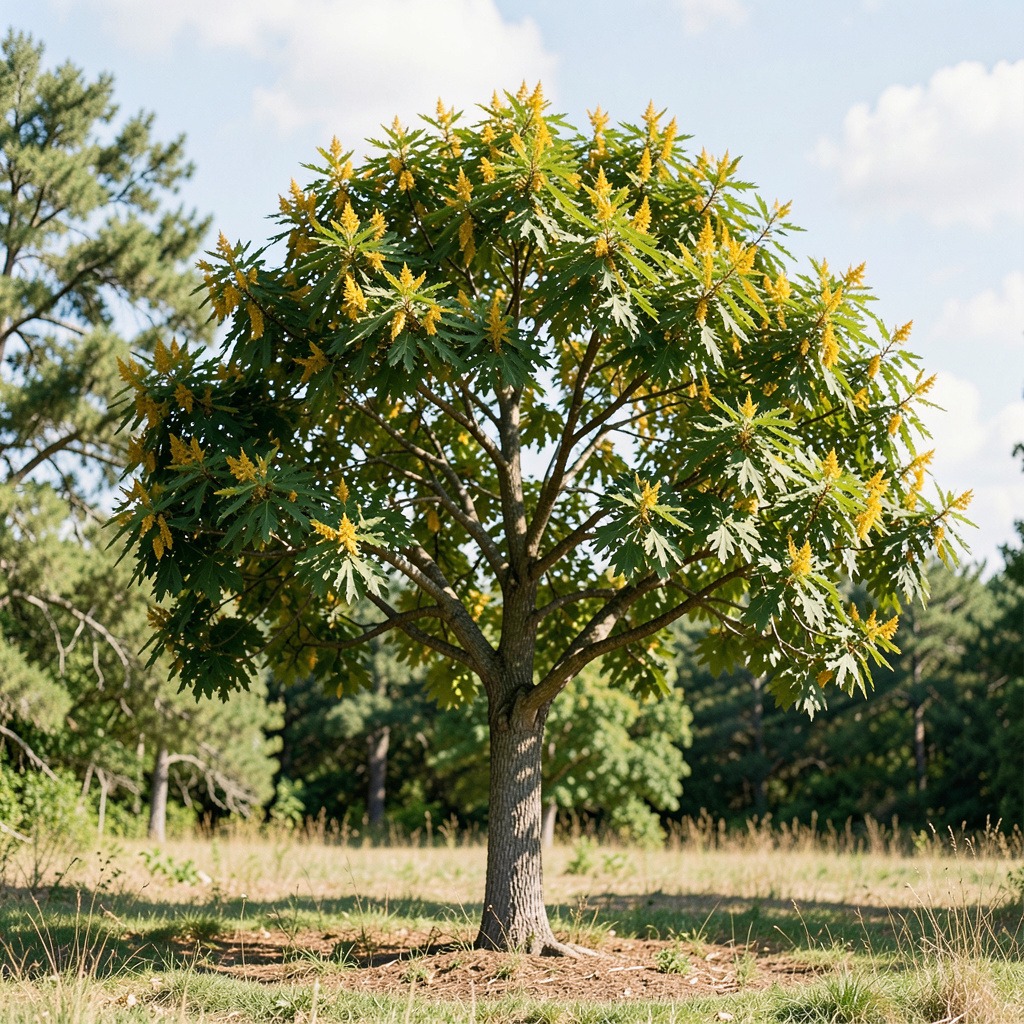
While the Sunburst Honey Locust tree offers many advantages, it also has drawbacks that potential planters should consider. These include messiness from its pods and susceptibility to pests.
Messy Pods
One significant drawback of the Sunburst Honey Locust is the mess created by its fruit pods. The tree produces long pods that can drop to the ground, creating litter. This can be an issue in residential yards and public spaces.
- Cleanup Requirement: Regular maintenance is needed to keep areas tidy. Planters should expect to collect fallen pods, especially during late summer and fall.
- Potential for Slips: The fallen pods can become slippery when wet, posing a safety risk on pathways.
Pest Problems
Another consideration is the potential for pest issues. Sunburst Honey Locust trees can attract a variety of insects, which may lead to damage if not managed properly.
- Common Pests:
- Mites: These can cause leaf discoloration and stress.
- Webworms: They create unsightly webs and defoliate the tree.
- Pod Gall Midge: This pest specifically targets the tree’s pods, potentially affecting its reproductive success.
- Management Strategies:
- Regular inspections for early detection of pests.
- Professional pest control options can be beneficial, especially during peak seasons.
- Applying preventive treatments, such as horticultural oils or insecticidal soaps, can mitigate infestations.
Maintenance Challenges
Maintaining a Sunburst Honey Locust tree requires attention to its specific needs. The tree’s delicate bark is prone to damage from lawn equipment.
- Protection from Damage:
- Create a mulch ring around the base to prevent mower injuries.
- Ensure that mulch does not contact the trunk to avoid disease.
- Watering Needs:
- Consistent watering, especially during dry periods, is essential for healthy growth. New trees require weekly watering for the first year to establish strong roots.
By understanding these cons, homeowners can make informed decisions about whether the Sunburst Honey Locust tree fits their landscaping needs.
Care and Maintenance Tips for the Sunburst Honey Locust
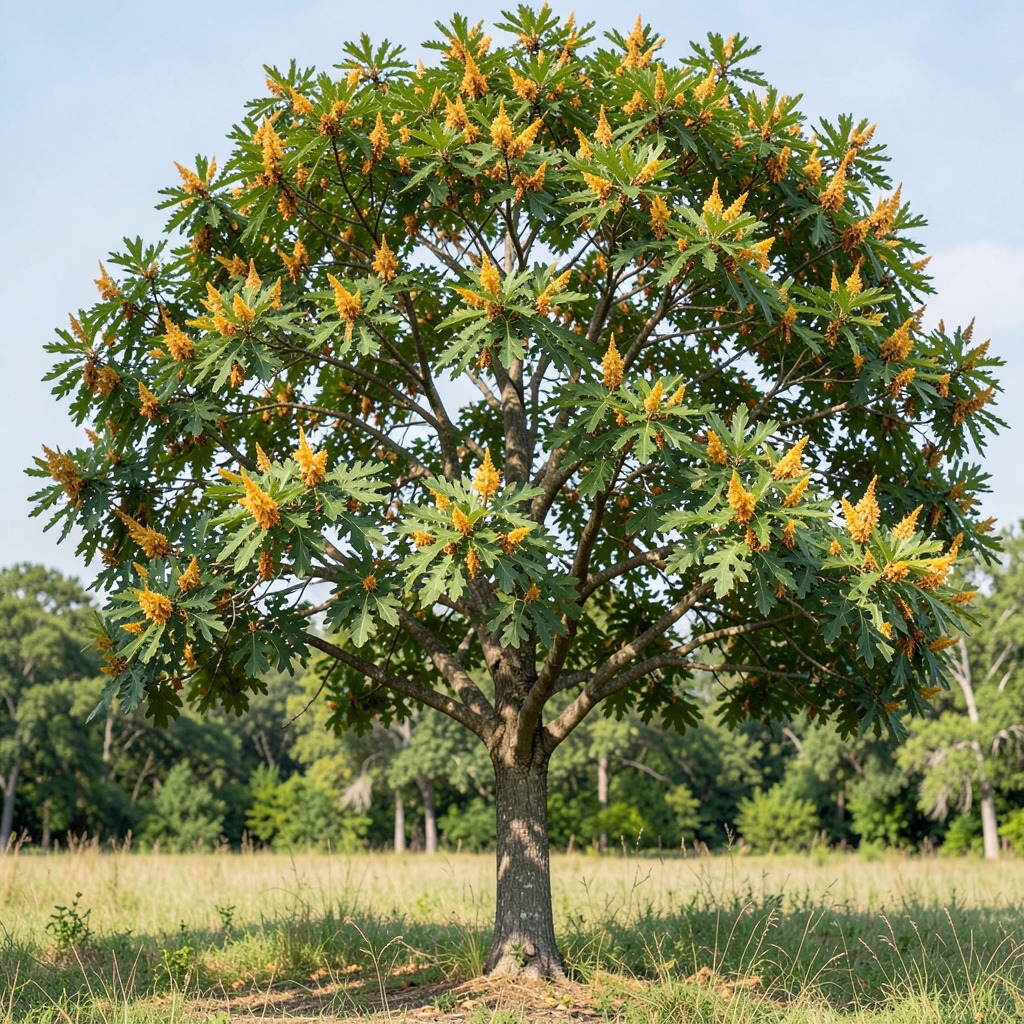
The Sunburst Honey Locust tree requires specific care to thrive. Understanding its needs helps ensure optimal growth and health.
Watering Needs
Watering is crucial, especially in the tree’s initial growth stages. Follow these guidelines for effective watering:
- Newly Planted Trees: Water weekly for the first year to establish roots.
- Established Trees: Monitor soil moisture. Water during prolonged dry spells.
- Technique: Use a slow trickle for about an hour to saturate roots without waterlogging.
Soil Requirements
The Sunburst Honey Locust is adaptable but thrives best in certain soil conditions:
- Ideal Soil Type: Loamy soil is preferred but it tolerates sandy and clay soils.
- pH Levels: It can grow in acidic, neutral, and alkaline soils.
- Drainage: Ensure good drainage to prevent root rot. Avoid overly compacted or waterlogged soils.
Pruning Techniques
Pruning is essential to maintain shape and health. Here’s how to do it effectively:
- Timing: Prune during late winter or early spring before new growth begins.
- Techniques:
- Remove dead or damaged branches.
- Thin out crowded areas to improve airflow and sunlight penetration.
- Avoid excessive pruning; aim to maintain the natural shape of the tree.
Seasonal Care Calendar
Implementing a seasonal care calendar can streamline maintenance. Here’s a brief overview:
| Season | Care Task |
|---|---|
| Spring | Prune before new growth; fertilize. |
| Summer | Monitor watering; mulch to retain moisture. |
| Fall | Clean fallen leaves; inspect for pests. |
| Winter | Protect base from snow and ice; check for damage. |
By following these care tips, you can enhance the longevity and beauty of your Sunburst Honey Locust tree.
Comparison of Sunburst Honey Locust with Other Honey Locust Varieties
The Sunburst Honey Locust stands out among its relatives for its unique aesthetic and adaptability. Understanding how it compares to other varieties, like the Thornless Honey Locust, can help you make informed landscaping choices.
Sunburst vs. Thornless Honey Locust
| Feature | Sunburst Honey Locust | Thornless Honey Locust |
|---|---|---|
| Growth Habit | Fast-growing, rounded canopy | Moderate growth, upright form |
| Leaf Color | Bright golden-yellow foliage | Dark green foliage |
| Thorn Presence | Thornless | Thornless |
| Shade Quality | Provides dappled shade | Provides denser shade |
| Soil Tolerance | Adaptable to various soil types | Thrives in loamy soils |
| Drought Tolerance | Moderate | High |
| Ideal Planting Conditions | Full sun, partial shade | Full sun |
Aesthetic Differences
The Sunburst Honey Locust is often chosen for its vibrant yellow leaves, providing a striking contrast in landscapes. In contrast, the Thornless Honey Locust features darker green foliage, which may blend more seamlessly with traditional gardens. When considering aesthetics, think about the overall color palette of your landscape.
Care Requirements
Both varieties share similar care needs, but with slight differences:
- Sunburst Honey Locust: Requires regular watering during the first year. It thrives in full sun and tolerates drought once established. Fertilization is recommended in early spring to support growth.
- Thornless Honey Locust: Also prefers full sun but exhibits greater drought resistance. This variety requires less frequent watering and can adapt to a wider range of soil conditions.
In deciding between these two, consider your local climate and specific landscape needs. For instance, if you have a sandy soil type, the Sunburst may be more suitable, while the Thornless may perform better in enriched loam.
Real-Life Scenarios: When to Plant and Where
The Sunburst Honey Locust tree thrives in specific conditions that enhance its growth and aesthetic appeal. Understanding when and where to plant this tree is crucial for successful integration into various landscapes.
Best Planting Times
The ideal times for planting the Sunburst Honey Locust generally fall in early spring or late fall. This timing allows the tree to establish roots before extreme temperatures arrive.
- Spring Planting: Plant in April or May after the last frost. This gives the tree a full growing season to establish itself.
- Fall Planting: September to October is also suitable. The cooler temperatures and increased moisture promote root development.
Ideal Locations
Choosing the right location is essential for the Sunburst Honey Locust to flourish. It prefers full sun but can tolerate some shade.
- Soil Type: It thrives in loamy, sandy, or clay soils. The tree is adaptable but performs best in well-draining soil.
- Sun Exposure: Aim for at least 6 hours of direct sunlight daily. This ensures dappled shade rather than deep shade, which benefits undergrowth.
- Space Requirements: Ensure adequate space for canopy spread, generally 30 to 40 feet in diameter. This prevents overcrowding and allows for proper air circulation.
User Experiences
Homeowners and landscapers have shared valuable insights into planting the Sunburst Honey Locust. Here are a few scenarios demonstrating successful integration:
- Urban Landscaping: A homeowner in an urban setting planted the Sunburst in a small yard. They noted how the tree provided pleasant filtered shade, allowing grass to thrive underneath.
- Drought-Prone Areas: A landscaper recommended this tree for a client in a drought-prone region. They reported that once established, the tree required minimal irrigation, proving its drought tolerance.
- Aesthetic Appeal: Many users appreciate the bright yellow foliage in spring and summer. One homeowner noted that the vibrant color made their yard stand out, enhancing overall curb appeal.
These experiences emphasize the adaptability and benefits of the Sunburst Honey Locust tree in diverse planting scenarios.
Frequently Asked Questions
These quick answers cover the most common questions about this topic, including key details, practical tips, and common concerns.
What’s the difference between a sunburst locust and a honey locust?
The Sunburst Honey Locust (Gleditsia triacanthos var. inermis) is a specific thornless variety known for its vibrant golden yellow foliage. In contrast, the general Honey Locust species can have thorns and typically features darker green leaves. The Sunburst variant is favored for its aesthetic appeal and adaptability, making it a popular choice for landscaping.
What are the downsides of having a honey locust tree?
One of the main downsides of the Honey Locust tree, including the Sunburst variety, is the mess created by its pods. These long pods can drop to the ground, requiring regular cleanup, especially in residential areas. Additionally, Honey Locust trees can be prone to pest issues, such as mites and webworms, which may require management to maintain tree health.
What are some common problems that sunburst locust trees encounter?
Sunburst Honey Locust trees can face several common issues. These include pest infestations, such as the pod gall midge and webworms, which can cause damage to leaves and pods. Additionally, they may struggle with environmental stressors like drought or poor soil drainage, which can affect their overall health and growth.
Are honey locust trees good yard trees?
Yes, Honey Locust trees, including the Sunburst variety, are excellent choices for yard trees. They provide dappled shade, which supports healthy grass growth underneath. Their fast growth rate means you can enjoy shade sooner, and they adapt well to urban conditions, making them suitable for various landscapes.
How fast does a Sunburst Honey Locust tree grow?
The Sunburst Honey Locust tree is known for its rapid growth, often exceeding two feet per year under optimal conditions. This fast growth allows homeowners to benefit from its shade and beauty relatively quickly, making it an appealing option for landscaping projects.
Can Sunburst Honey Locust trees tolerate drought?
Yes, Sunburst Honey Locust trees exhibit moderate drought tolerance. Once established, they can withstand dry conditions better than many other tree species. However, consistent watering is crucial during the first year after planting to ensure strong root development.
What are the best soil conditions for Sunburst Honey Locust?
Sunburst Honey Locust trees thrive in well-draining soils and are adaptable to various types, including loamy, sandy, and clay soils. They can grow in a range of pH levels, from acidic to alkaline. Good drainage is essential to prevent root rot, so avoid overly compacted or waterlogged soils.
How do I prune a Sunburst Honey Locust tree?
Pruning a Sunburst Honey Locust is best done in late winter or early spring before new growth begins. Focus on removing dead or damaged branches and thinning crowded areas to improve airflow. Avoid excessive pruning to maintain the tree’s natural shape and health.