
The Swamp White Oak tree offers numerous benefits, including aesthetic appeal and wildlife support, but it also has drawbacks such as a slow growth rate and susceptibility to certain diseases.
Table of Contents
The Swamp White Oak (Quercus bicolor) is a popular choice for landscaping due to its unique beauty and ecological benefits. However, potential planters should also consider its limitations before deciding to incorporate this tree into their outdoor spaces.
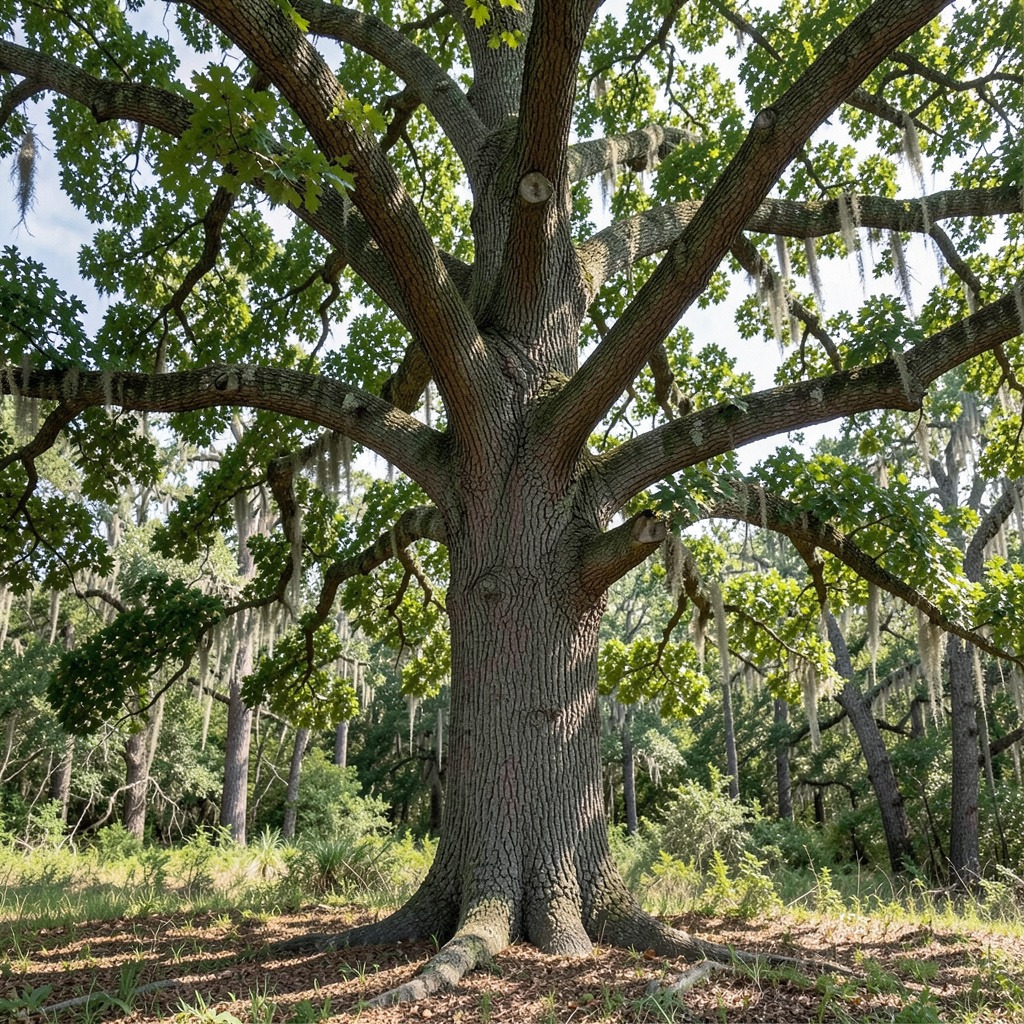
Overview of the Swamp White Oak Tree
The Swamp White Oak (Quercus bicolor) is a versatile tree valued for its aesthetic appeal and ecological contributions. Understanding its scientific classification and native habitat is crucial for effective landscaping.
Scientific Classification and Characteristics
- Scientific Name: Quercus bicolor
- Family: Fagaceae
- Common Name: Swamp White Oak
This medium-sized deciduous tree typically reaches heights of 60 to 80 feet. Its leaves are long, measuring 5 to 7 inches, with shallow lobes and a distinctive two-toned appearance: dark green above and white or gray below. This coloration not only enhances visual appeal but also aids in identifying the species. The tree produces acorns that hang on long stalks, providing food for various wildlife.
Native Habitat and Distribution
Swamp White Oak is native to the eastern and central United States, thriving in wet or poorly drained soils. This tree naturally grows along the edges of ponds, lakes, and river valleys, where moisture is abundant.
Ecological Significance
Swamp White Oak plays a vital role in local ecosystems. It provides habitat and food for numerous species, including butterflies, moths, and various birds. Its acorns serve as a crucial food source for wildlife during the fall and winter months. Studies show that oak trees, including the Swamp White Oak, support over 500 species of caterpillars, which are essential for the diets of many birds.
Decision Framework for Planting
When considering planting a Swamp White Oak, evaluate your soil conditions and available space. This tree excels in wet environments, making it ideal for areas with poor drainage.
- Soil Type: Ensure the soil is moist and can retain water.
- Space Availability: Account for its mature height and spread, allowing ample room for growth.
By understanding these factors, you can effectively incorporate the Swamp White Oak into your landscape, enhancing both visual appeal and ecological value.
Advantages of Planting Swamp White Oak
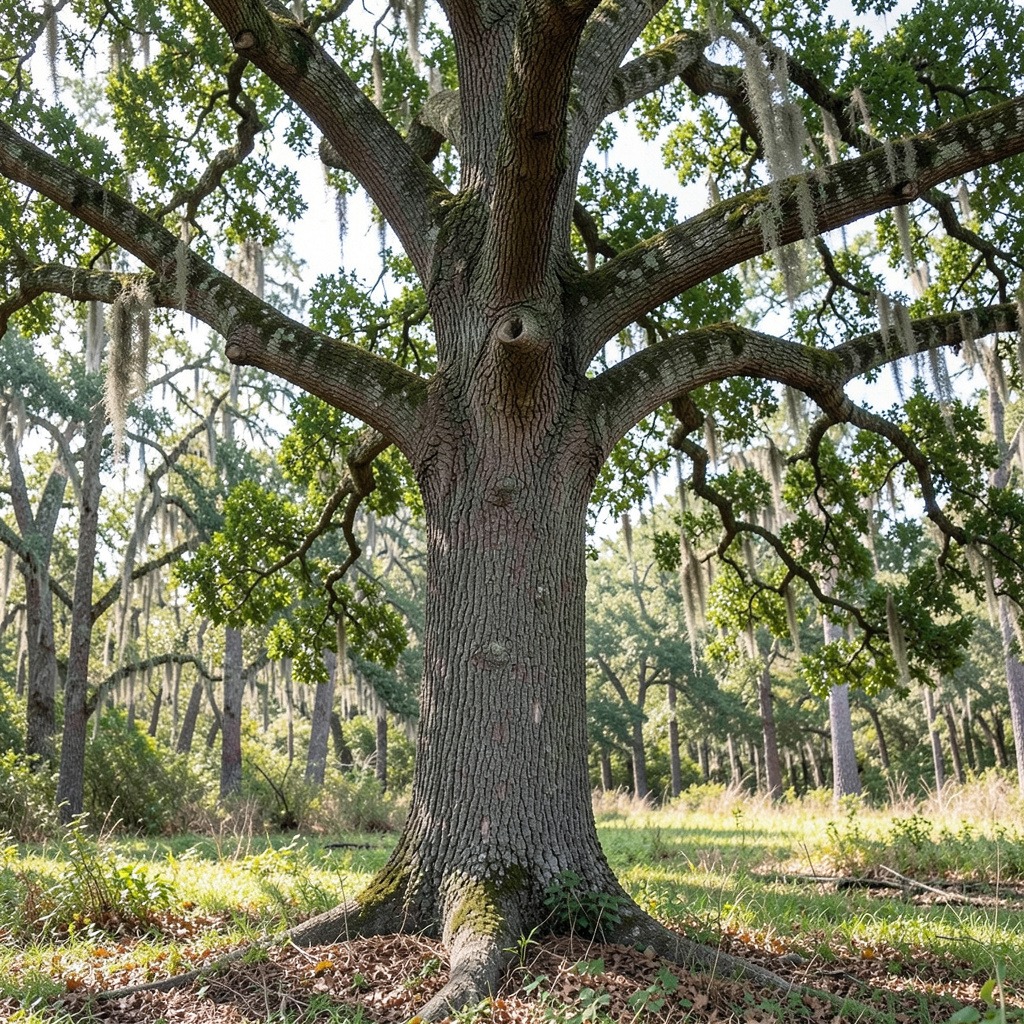
The Swamp White Oak is a unique tree that offers significant benefits for landscaping, particularly in wet environments. Its aesthetic appeal, adaptability to soil conditions, and contribution to wildlife make it a valuable addition to any garden.
Aesthetic Appeal and Seasonal Color Changes
Swamp White Oak boasts a distinctive appearance that enhances any landscape. Its leaves are two-toned, featuring glossy dark green on top and a pale, white underside. This characteristic creates a striking contrast, especially in autumn when the leaves turn vibrant shades of yellow and brown.
In addition to its leaves, the tree’s peeling bark adds texture and interest throughout the year. This combination of features makes Swamp White Oak a visually appealing choice for residential and public spaces alike.
Wildlife Support and Habitat Provision
Planting a Swamp White Oak supports a diverse range of wildlife. The tree serves as a habitat for numerous species, including countless butterflies and moths that rely on oaks for reproduction. Its acorns are a vital food source for various birds and mammals, such as squirrels, deer, and bears.
For instance, studies indicate that Swamp White Oak acorns can comprise up to 27% of a duck’s diet, particularly in wetland areas where these trees thrive. This ecological role highlights the tree’s importance beyond mere aesthetics.
Soil Adaptability and Environmental Benefits
Swamp White Oak excels in challenging soil conditions. It thrives in moist, poorly-drained sites where many other trees struggle. This adaptability allows it to flourish in flood-prone areas, making it an excellent choice for low-lying landscapes.
Here are some decision points to consider when planting Swamp White Oak:
- Soil Type: Ensure the soil retains moisture and can withstand occasional flooding.
- Space Availability: Plan for its mature size, which can reach up to 70 feet in height and 60 feet in spread.
- Companion Plants: Consider planting alongside moisture-loving species like Spicebush or certain Viburnum varieties to enhance the ecosystem.
By integrating Swamp White Oak into your landscape, you can create an attractive, sustainable environment that supports wildlife and adapts to specific soil conditions.
Drawbacks of Planting Swamp White Oak
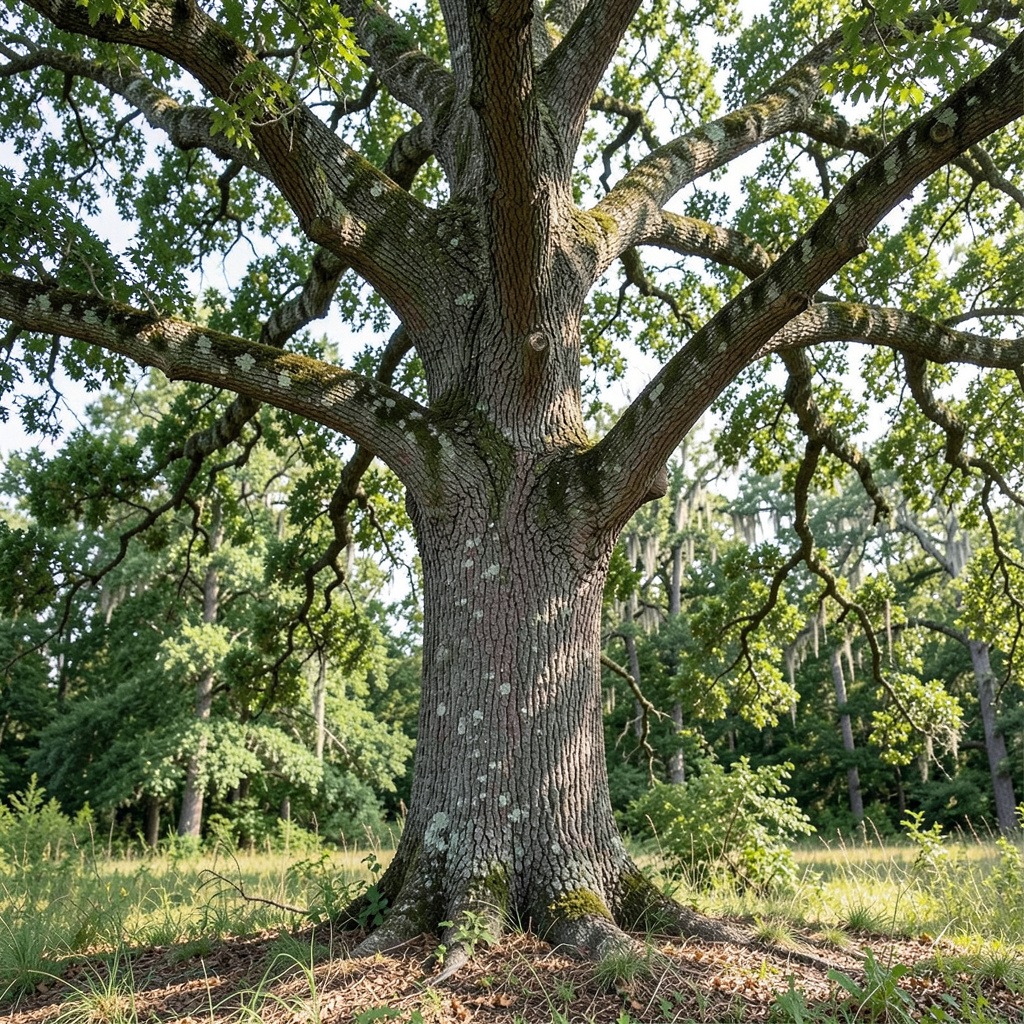
While the Swamp White Oak offers many benefits, potential drawbacks exist that gardeners and landscape designers should consider. Key challenges include a slow growth rate, specific space requirements, and susceptibility to certain diseases.
Slow Growth Rate and Mature Size
Swamp White Oaks typically grow at a slow pace. They can take several years to reach their full height of up to 70 feet. This slow growth can be a disadvantage if you are looking for quick shade or privacy.
- Growth Rate: Expect an average growth of 1 to 2 feet per year.
- Mature Size: Plan for a significant footprint, as the tree can spread up to 60 feet wide.
Space Requirements for Optimal Growth
Space is crucial for the Swamp White Oak to thrive. This tree needs ample room to grow and spread its roots.
- Minimum Space: Ensure at least 30 feet of clearance from structures or other trees.
- Ideal Conditions: Plant in areas where it can access full sunlight and moist soil.
Common Diseases and Maintenance Challenges
Swamp White Oaks are vulnerable to specific pests and diseases, which can impede their growth and health.
- Disease Susceptibility: They can experience issues with oak wilt, although they are more resistant than other oak species.
- Pests: Watch for common oak pests like caterpillars and bark beetles.
Checklist for Assessing Site Suitability
When considering planting a Swamp White Oak, use the following checklist to evaluate the suitability of your site:
- Soil Conditions:
- Is the soil consistently moist?
- Can the area withstand occasional flooding?
- Space Evaluation:
- Do you have at least 30 feet of clearance from structures?
- Is there enough sunlight for full growth?
- Maintenance Plan:
- Are you prepared to monitor for pests and diseases?
- Will you provide adequate care during the early growth stages?
Care and Maintenance of Swamp White Oak
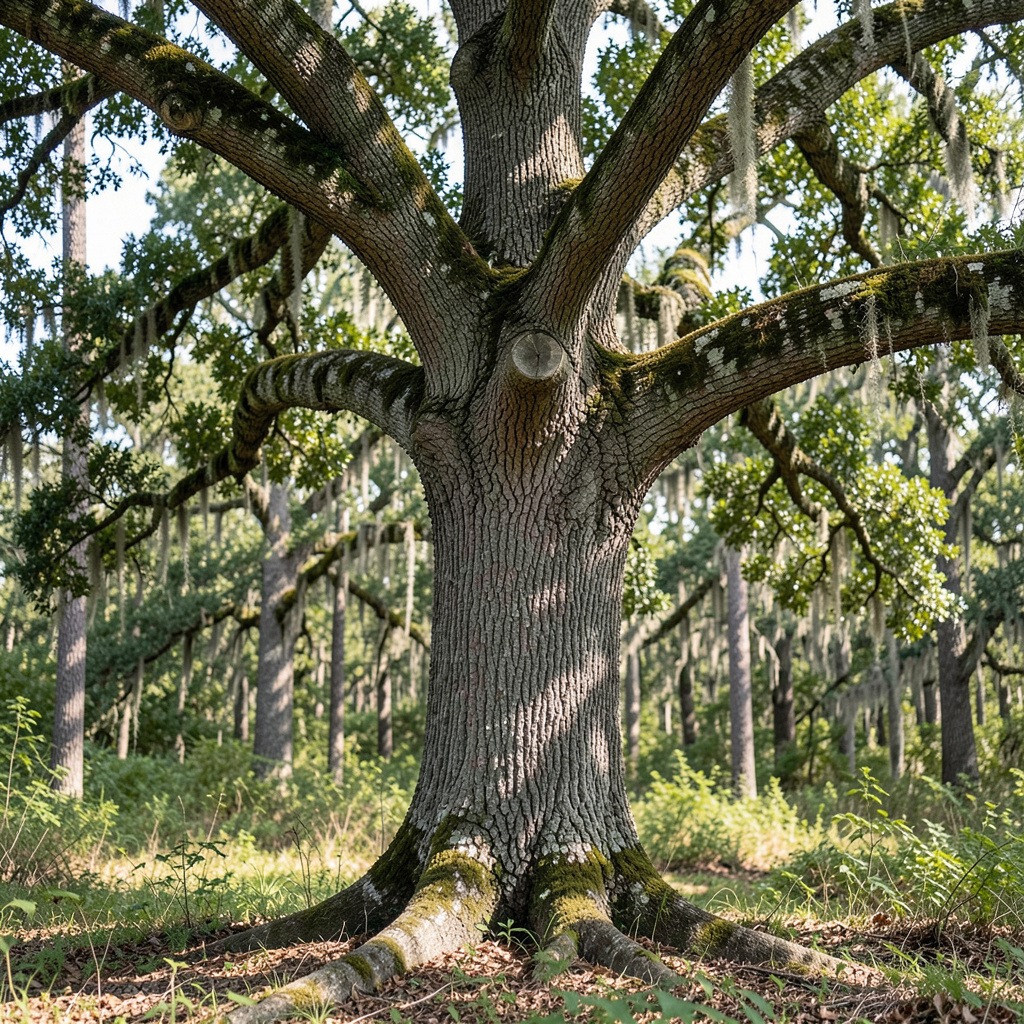
Proper care and maintenance are crucial for the healthy growth and longevity of the Swamp White Oak. This tree thrives in specific conditions and requires attention during its early years to ensure robust development.
Planting Guidelines for Swamp White Oak
- Location: Choose a site with consistently moist, well-drained soil. Swamp White Oaks prefer areas that can tolerate occasional flooding.
- Spacing: Ensure at least 30 feet of clearance from structures and other trees to allow for proper growth.
- Planting Depth: Avoid planting too deeply. The root collar should be level with the soil surface to prevent root rot.
Watering and Fertilization Needs
- Initial Watering: Water deeply after planting to establish roots. Aim for 1-2 inches of water per week during the first growing season.
- Ongoing Watering: Monitor soil moisture, especially during dry spells. Maintain consistent moisture, but avoid waterlogging.
- Fertilization: Use a balanced fertilizer in early spring of the first year. Avoid over-fertilizing, which can lead to rapid, weak growth.
Pruning Techniques and Timing
- When to Prune: Conduct pruning in late winter while the tree is dormant. This timing minimizes the risk of oak wilt disease.
- What to Prune: Remove dead, damaged, or crossing branches to promote healthy growth. Young trees may benefit from light structural pruning to encourage strong branch development.
- Avoid Heavy Pruning: Swamp White Oaks are slow to heal large cuts. Limit pruning to maintain the tree’s health and shape without excessive trauma.
Care Schedule for the First Few Years
| Year | Action | Frequency |
|---|---|---|
| 1 | Deep watering | Weekly |
| 1 | Fertilization | Early spring |
| 2 | Monitor for pests and diseases | Monthly |
| 2 | Prune dead or damaged branches | As needed |
| 3+ | Water during prolonged dry periods | As needed |
This structured approach ensures your Swamp White Oak thrives in your landscape, benefiting both the tree and the surrounding ecosystem.
Comparing Swamp White Oak with Other Oak Species
Swamp White Oak (Quercus bicolor) is a unique member of the oak family, standing out for its adaptability to wet conditions. Understanding its differences compared to other oaks helps in making informed landscaping decisions.
Key Differences Between Swamp White Oak and Other Oaks
| Feature | Swamp White Oak | White Oak (Quercus alba) | Bur Oak (Quercus macrocarpa) |
|---|---|---|---|
| Growth Height | 50-70 feet | Up to 100 feet | Up to 80 feet |
| Lifespan | 300 years | 500 years | 300-400 years |
| Soil Adaptability | Thrives in wet, poorly-drained soils | Prefers well-drained, upland soils | Tolerates drought and poor soils |
| Leaf Shape | Shallowly-lobed, two-toned | Deeply-lobed | Large, rounded lobes |
| Acorn Production | High, with thin stalks | High, with thicker stalks | Very high, large acorns |
| Wildlife Benefits | Supports numerous species | Supports diverse wildlife | Attracts various wildlife |
Suitable Alternatives for Wetland Areas
If you seek alternatives to Swamp White Oak for wet conditions, consider the following:
- Red Maple (Acer rubrum): Thrives in wet soils and offers brilliant fall color.
- River Birch (Betula nigra): Adaptable to wet areas, with attractive peeling bark.
- American Sycamore (Platanus occidentalis): Excellent for flood-prone areas, providing a broad canopy.
When selecting trees for wetland areas, consider their growth habits and ecological contributions. Swamp White Oak excels in providing wildlife habitat and food, particularly through its acorns, which are a vital resource for various bird species.
Decision Framework for Choosing Trees
When choosing a tree, assess these factors:
- Soil Type: Determine if your soil retains water or drains well.
- Space Availability: Consider the mature size of the tree.
- Ecological Impact: Evaluate how the tree supports local wildlife.
This framework aids in selecting the right species for your landscape while ensuring ecological benefits.
Conclusion: Is Swamp White Oak Right for Your Landscape?
Evaluating the suitability of Swamp White Oak for your landscape requires balancing its pros and cons against your specific conditions and goals. This tree offers unique benefits but also comes with certain challenges.
Advantages of Swamp White Oak
- Wildlife Support: Acorns provide crucial food for various bird species and mammals, enhancing biodiversity.
- Aesthetic Appeal: The striking two-toned leaves add visual interest throughout the seasons.
- Soil Adaptability: Thrives in wet, poorly-drained soils, making it ideal for low-lying areas.
- Durability: Its wood is valued for strength and rot resistance, suitable for outdoor structures.
Disadvantages of Swamp White Oak
- Growth Limitations: Typically reaches a height of 70 feet, which may not meet the size expectations for some landscapes.
- Maintenance Requirements: Requires regular care to manage pests and diseases, especially in wet conditions.
- Shorter Lifespan: Compared to other oaks, it has a shorter lifespan, living around 300 years.
Decision-Making Framework
When deciding whether to plant a Swamp White Oak, consider the following:
1. Site Conditions: Assess if your landscape has wet, poorly-drained soil. If not, consider other tree species that thrive in well-drained areas.
2. Space Availability: Ensure there is sufficient space for its mature size. While it is not the tallest oak, it still requires room for its canopy.
3. Wildlife Goals: If attracting wildlife is a priority, the benefits of its acorns may outweigh its limitations.
Scenario-Based Insights
- Wetlands and Low Areas: If your property has areas that remain consistently moist, a Swamp White Oak can be an excellent choice.
- Urban Landscaping: For urban settings with limited water retention, consider pairing with other drought-resistant trees to balance the landscape.
Quick Comparison Table
| Feature | Swamp White Oak | Other Common Wet Trees |
|---|---|---|
| Height | Up to 70 feet | Varies (often taller) |
| Lifespan | ~300 years | Typically longer |
| Wildlife Support | High (acorns for birds) | Moderate |
| Soil Preference | Wet, poorly-drained | Varies, often well-drained |
| Maintenance | Moderate | Depends on species |
By carefully evaluating these factors, you can determine if the Swamp White Oak aligns with your landscape objectives and conditions.
Frequently Asked Questions
These quick answers cover the most common questions about this topic, including key details, practical tips, and common concerns.
What is the lifespan of a Swamp White Oak?
Swamp White Oaks can live for approximately 300 years. This longevity makes them a valuable addition to landscapes, providing long-term benefits for both aesthetics and wildlife support. Their durable wood is also prized for various uses, further extending their value in both natural and managed environments.
How much space does a Swamp White Oak need?
A Swamp White Oak requires ample space to grow, ideally at least 30 feet away from buildings and other trees. This clearance allows the tree to reach its mature height of 50 to 70 feet and a spread of up to 60 feet. Proper spacing is crucial for healthy growth and to avoid competition for sunlight and nutrients.
Can Swamp White Oak grow in dry conditions?
Swamp White Oaks prefer moist, poorly-drained soils and do not thrive in dry conditions. While they can tolerate brief periods of drought, consistent dryness can hinder their growth and overall health. If your area experiences frequent droughts, consider alternative species that are better suited for dry environments.
What wildlife benefits from Swamp White Oak?
Swamp White Oak trees provide crucial habitat and food for various wildlife species. Their acorns are a significant food source for birds, squirrels, deer, and other mammals. Studies indicate that these oaks support over 500 species of caterpillars, which are vital for the diets of many bird species, making them essential for enhancing local biodiversity.
What are common problems with Swamp White Oak?
Common issues affecting Swamp White Oaks include susceptibility to pests like caterpillars and bark beetles, as well as diseases such as oak wilt. Regular monitoring is essential to catch these problems early. Implementing good cultural practices, such as proper spacing and watering, can help minimize these risks.
When is the best time to plant a Swamp White Oak?
The optimal time to plant a Swamp White Oak is in early spring or late fall when the tree is dormant. Planting during these times allows the tree to establish roots before the heat of summer or the frost of winter. Ensure the soil is moist and well-drained for the best results.
What are the best companion plants for Swamp White Oak?
Companion plants that thrive alongside Swamp White Oak include moisture-loving species such as Spicebush and certain varieties of Viburnum. These plants can enhance the ecosystem by providing additional habitat and food sources for wildlife while complementing the oak’s aesthetic appeal.
What should readers know about visual aids for identification?
Visual aids, such as images or diagrams, can be extremely helpful for identifying Swamp White Oak. Key features to look for include its two-toned leaves—dark green on top and white or gray underneath—and its distinctive acorns that hang on long stalks. Familiarizing yourself with these characteristics can aid in proper identification and selection for landscaping.