
The sweetbay magnolia tree offers fragrant flowers and wildlife support, but has drawbacks like slow growth and specific soil needs, making it essential to consider both benefits and challenges before planting.
Table of Contents
The sweetbay magnolia tree is a beautiful addition to any landscape, known for its fragrant flowers and ecological benefits. However, it also presents certain challenges like slow growth and specific soil requirements that potential planters should consider.

Understanding the Sweetbay Magnolia Tree
The sweetbay magnolia tree, known for its stunning flowers and unique characteristics, is a valuable addition to gardens and landscapes. This tree thrives in specific conditions and offers both aesthetic and ecological benefits.
Description and Characteristics
The sweetbay magnolia (Magnolia virginiana) exhibits several key characteristics:
- Height: Typically grows between 10 to 30 feet tall, depending on the growing conditions.
- Leaves: Lance-shaped, glossy dark green on top, with a silvery-white underside.
- Flowers: Produces creamy white, aromatic flowers that bloom from late spring to early summer. Each flower lasts about two to three days.
- Fruit: Develops cone-like clusters containing red seeds in the fall, adding visual interest.
This tree can be either evergreen or deciduous. In northern climates, it tends to be more shrubby, while in the southern regions, it may grow into a small ornamental tree. Its adaptability to moist soil makes it suitable for wetland areas.
Native Range and Habitat
The sweetbay magnolia is native to the southeastern United States, particularly thriving in swampy areas. It is commonly found in USDA hardiness zones 5 through 9.
Ideal Conditions:
- Soil: Prefers consistently moist, somewhat acidic soil with a pH between 5.5 and 6.5.
- Sunlight: Grows well in full sun or partial shade.
When selecting a planting site, consider the tree’s preference for moisture. It is an excellent choice for rain gardens or areas prone to flooding, providing ecological benefits such as habitat for wildlife and improved soil stability.
Decision Framework for Planting:
1. Soil Type: Test the pH and moisture levels to ensure compatibility.
2. Sun Exposure: Assess the amount of daily sunlight the site receives.
3. Space: Ensure sufficient room for the tree to grow to its full height and spread.
By understanding these aspects, gardeners can make informed decisions on where to plant sweetbay magnolias, maximizing their growth potential and aesthetic value.
Pros of Planting a Sweetbay Magnolia

The sweetbay magnolia (Magnolia virginiana) offers a variety of benefits that make it an appealing choice for gardeners. Its striking appearance, fragrant blooms, and ecological contributions enhance both private and public landscapes.
Fragrant Flowers and Aesthetic Appeal
One of the most notable features of the sweetbay magnolia is its large, fragrant white flowers. These blossoms typically appear in late spring to early summer, filling the air with a sweet scent. The flowers not only enhance the visual appeal of gardens but also attract various pollinators, including bees and butterflies.
Key Benefits:
- Striking Aesthetic: The glossy evergreen leaves provide year-round interest.
- Fragrance: The sweet aroma of the flowers creates a sensory delight in your garden.
- Visual Impact: Large, cup-shaped flowers stand out against the foliage.
Ecological Benefits and Wildlife Support
Sweetbay magnolias contribute significantly to local ecosystems. They provide food and shelter for wildlife, making them a valuable addition to any garden. Birds often nest in their branches, while insects benefit from the nectar-rich flowers.
Wildlife Support Features:
- Habitat Creation: Offers nesting spots for birds and refuge for small mammals.
- Pollinator Attraction: The fragrant flowers draw in bees, butterflies, and other pollinators.
- Ecosystem Contribution: Helps improve soil quality and stabilize moisture levels in the surrounding area.
Incorporating sweetbay magnolias into your landscape can yield ecological rewards. For instance, placing them near water sources enhances their growth while supporting local wildlife populations. Consider these factors when deciding on planting locations to maximize both aesthetic and environmental benefits.
Cons of Planting a Sweetbay Magnolia

While the sweetbay magnolia tree offers numerous benefits, potential planters should be aware of its drawbacks. Understanding these cons can aid in making an informed decision.
Slow Growth Rate and Size Limitations
Sweetbay magnolias exhibit a slow growth rate, which may be disappointing for gardeners seeking quick landscape impact. They typically grow 1 to 2 feet per year, reaching a mature height of 10 to 20 feet. This slow progression can delay the desired aesthetic enhancement in your garden.
- Smaller Size: In cooler climates, sweetbay magnolias may not reach their full potential size, often growing more like shrubs. This may affect their use in certain landscaping designs.
- Limited Immediate Impact: Gardeners looking for rapid coverage or shade may find this tree unsatisfactory.
Soil and Water Requirements
Sweetbay magnolias thrive in specific soil conditions, making careful site selection crucial. They prefer moist, rich soils with good drainage and an acidic pH between 5.5 and 6.5.
- Soil Sensitivity: They are sensitive to soil pH. Alkaline conditions can lead to yellowing leaves and nutrient deficiencies. Regular soil testing is recommended to ensure optimal health.
- Water Needs: These trees require consistent moisture, especially in their early years. This can pose challenges, particularly in drier climates or during prolonged droughts.
Maintenance Needs
Maintaining sweetbay magnolias can be more labor-intensive than other tree species.
- Debris Management: The trees shed leaves and seed pods, necessitating regular cleanup to maintain a tidy appearance.
- Pest Vulnerability: They can be susceptible to pests like scale insects and aphids, which may require monitoring and treatment.
Checklist for Potential Planters
Before planting a sweetbay magnolia, consider the following:
- Climate Compatibility: Ensure your hardiness zone supports sweetbay magnolia growth.
- Soil Testing: Test soil pH and amend it if necessary.
- Water Availability: Assess your ability to provide consistent moisture.
- Maintenance Commitment: Determine your willingness to manage debris and potential pests.
By evaluating these factors, you can better decide if a sweetbay magnolia is the right choice for your landscape.
Maintenance and Care for Sweetbay Magnolias
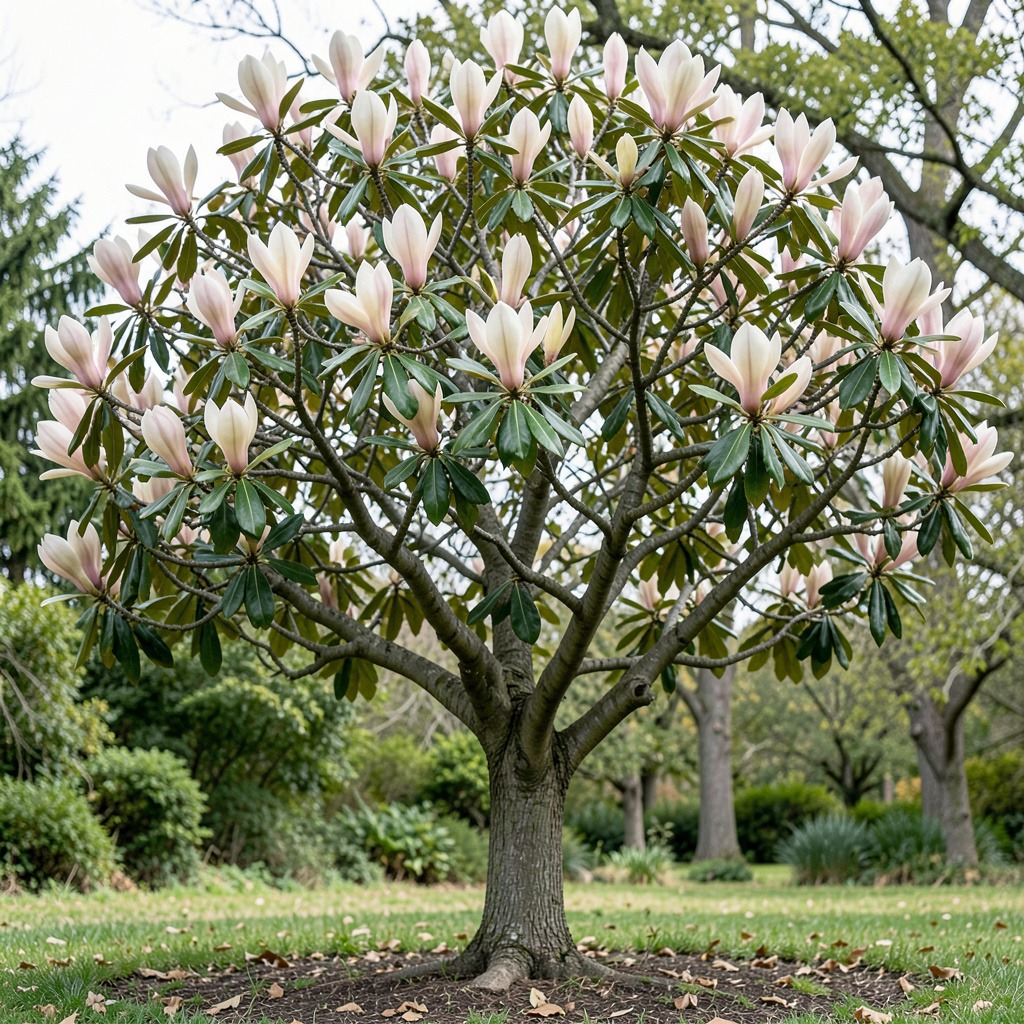
Proper care is essential for the health and beauty of sweetbay magnolias. This includes understanding their watering needs, fertilization practices, pruning techniques, and pest management strategies.
Watering and Nutritional Needs
Sweetbay magnolias thrive in consistently moist soil. Here are key points for effective watering and nutrition:
- Watering Frequency: Water deeply during establishment. Once mature, monitor moisture levels, especially in warmer months.
- Soil Type: They prefer moist, acidic soils with pH levels between 5.5 and 6.5. If leaves turn yellow, the soil may be too alkaline.
- Fertilization: Conduct a soil test before fertilizing. Use organic, slow-release fertilizers only if deficiencies are indicated. Over-fertilizing can harm the tree.
Pruning Techniques and Timing
Regular pruning maintains shape and health. Follow these guidelines:
- Timing: Prune in late winter or early spring before new growth begins.
- Techniques: Remove dead or damaged branches, and thin out crowded areas to improve air circulation. This helps prevent disease and encourages healthy growth.
Common Pests and Management Strategies
Sweetbay magnolias can attract pests such as scale insects and aphids. Effective management strategies include:
- Monitoring: Regularly examine leaves and branches for signs of pest activity.
- Natural Remedies: Encourage beneficial insects like ladybugs, which feed on aphids.
- Chemical Control: If infestations occur, consider using insecticidal soap or neem oil for targeted treatment.
Practical Example
For instance, a gardener in a humid area may find that their sweetbay magnolia requires less frequent watering due to natural moisture. Conversely, in a drier climate, regular watering becomes critical to prevent stress.
By following these care guidelines, you can ensure that your sweetbay magnolia thrives, showcasing its stunning blooms and contributing to your landscape’s beauty.
Ideal Planting Conditions for Sweetbay Magnolia
To successfully cultivate a sweetbay magnolia, it is essential to understand its ideal planting conditions. This includes the right sunlight exposure, soil type, and adequate space.
Sunlight and Water Preferences
Sweetbay magnolias thrive in both full sunlight and partial shade. However, optimal blooming occurs with at least six to eight hours of sunlight daily. When it comes to water, these trees prefer moist conditions. They can tolerate wet soils, which makes them suitable for low-lying areas or near water features. During establishment, ensure consistent irrigation, especially in drier climates.
Space and Soil Requirements
Adequate space is crucial for the healthy growth of sweetbay magnolias. Position them at least 15 to 20 feet away from structures. This spacing allows for full crown development and airflow, reducing the risk of disease.
Soil Type and pH Preferences
- Soil Type: Sweetbay magnolias prefer rich, well-drained soils. They are particularly adaptable to wet, boggy environments but can tolerate clay soils.
- Soil pH: Aim for slightly acidic soil with a pH between 5.5 and 6.5. Conduct a soil test before planting to determine if amendments are necessary. If the soil is too alkaline, it can lead to yellowing leaves, indicating nutrient deficiencies.
Checklist for Planting Conditions
- Sunlight: 6-8 hours of direct sunlight.
- Water: Consistently moist soil; irrigate during dry spells.
- Soil: Rich, well-drained, slightly acidic (pH 5.5 – 6.5).
- Space: 15-20 feet away from structures.
By considering these factors, you can create an environment where your sweetbay magnolia can flourish, contributing to the beauty of your garden.
Sweetbay Magnolia in Landscaping: Ideas and Considerations
The sweetbay magnolia tree enhances various landscaping designs with its stunning appearance and fragrant blooms. Consider these creative ideas to incorporate this tree into your garden.
Companion Plant Suggestions
Choosing the right companion plants can elevate the aesthetic and ecological benefits of sweetbay magnolias. Here are some excellent options:
- Hydrangeas: Their large blooms complement the magnolia’s flowers and thrive in similar soil conditions.
- Ferns: These can add lush greenery and thrive in the moist, shaded areas created by the magnolia’s canopy.
- Azaleas: Their vibrant colors provide a striking contrast to the magnolia’s white flowers.
- Native Grasses: These can enhance biodiversity and attract beneficial wildlife.
When selecting companions, prioritize plants that appreciate similar moisture and soil conditions. This ensures a harmonious growth environment.
Design Tips for Different Garden Styles
Sweetbay magnolias can adapt to various garden styles. Here are design tips for integrating them effectively:
- Formal Gardens: Plant sweetbay magnolias in symmetrical patterns. Use boxwoods or hedges for structure and create a clean, manicured look.
- Cottage Gardens: Position them amidst a mix of flowering perennials and wildflowers for a relaxed, natural feel. This style benefits from the magnolia’s height and fragrant blooms.
- Woodland Gardens: Utilize sweetbay magnolias as focal points under taller trees. Their preference for moist, shaded areas aligns well with woodland settings.
- Wetland Gardens: If your garden has poor drainage, sweetbay magnolias thrive here. Pair them with other moisture-loving plants, such as cardinal flower or marsh marigold.
Decision Framework for Planting Location
To determine the best planting location for your sweetbay magnolia, consider the following factors:
1. Sunlight Exposure: Ensure the area receives 6-8 hours of sunlight.
2. Soil Moisture: Select a spot that remains consistently moist but well-drained.
3. Space Requirements: Maintain a distance of 15-20 feet from other structures to allow for full growth.
By applying these insights, you can create a visually appealing landscape that showcases the beauty of the sweetbay magnolia while addressing its pros and cons effectively.
Frequently Asked Questions
These quick answers cover the most common questions about this topic, including key details, practical tips, and common concerns.
Where should you not plant a magnolia tree?
Avoid planting sweetbay magnolias in areas with poor drainage or overly dry conditions. They thrive in consistently moist, well-drained soils and can struggle in overly sandy or rocky ground. Additionally, steer clear of locations that receive less than six hours of sunlight daily, as this can hinder their growth and flowering.
How quickly does sweetbay magnolia grow?
Sweetbay magnolias generally grow at a slow to moderate rate, typically adding 1 to 2 feet in height each year. Under optimal conditions, they can reach their mature height of 10 to 30 feet in about 10 to 15 years. However, growth may be slower in cooler climates where they often develop more like shrubs.
Where is the best place to plant a sweetbay magnolia?
The best location for planting a sweetbay magnolia is in a spot that receives full sun to partial shade, ideally with at least six hours of sunlight daily. They prefer moist, slightly acidic soils with a pH between 5.5 and 6.5. Consider planting them near water features or in areas that tend to retain moisture for optimal growth.
Are sweetbay magnolia tree roots invasive?
Sweetbay magnolia roots are generally not considered invasive. They have a moderate root system that does not typically disrupt nearby structures or plants. However, it’s essential to provide adequate space (15-20 feet) around the tree to allow for healthy root development and to prevent potential competition with other plants.
What pests should I watch out for with sweetbay magnolias?
Common pests that may affect sweetbay magnolias include scale insects, aphids, and spider mites. Regular monitoring of leaves and branches for signs of infestation is crucial. If you notice sticky residue or discolored foliage, consider using insecticidal soap or neem oil for treatment.
How do I prune a sweetbay magnolia tree?
Pruning should be done in late winter or early spring before new growth begins. Focus on removing dead or damaged branches and thinning out crowded areas to improve air circulation. This practice helps prevent disease and encourages healthy growth, allowing the tree to maintain its shape and aesthetic appeal.
Can sweetbay magnolias tolerate drought?
While sweetbay magnolias prefer consistently moist conditions, they can tolerate short periods of drought once established. However, prolonged dry spells can stress the tree, leading to leaf drop and reduced flowering. It’s best to ensure regular watering during dry seasons, especially in the early years of growth.