
Sycamore trees are truly fascinating giants of the forest. Their impressive height and unique characteristics make them a captivating subject for tree lovers and nature enthusiasts alike. Read Interesting article: Sycamore Tree Characteristics: Growth, Form & Key Features
Overview of Sycamore Trees
What is a Sycamore Tree?
Sycamore trees belong to the genus Platanus and are known for their massive size and distinctive bark. I remember seeing my first sycamore tree and being in awe of its towering presence. With its broad trunk and sprawling branches, it often serves as a landmark in parks and natural areas. These trees can live for many decades, and some even reach over a hundred years of age. They are deciduous, meaning they shed their leaves in the fall, and their leaves are typically large and lobed, resembling those of maple trees. For more insights, you can check out the article on Sycamore Tree in Spring: Buds, Leaves & Seasonal Changes.
Types of Sycamore Trees (American, European, etc.)
There are several types of sycamore trees, but the most commonly known are the American sycamore (Platanus occidentalis) and the London plane tree (Platanus × acerifolia). The American sycamore can grow in a variety of soil conditions and is native to the eastern United States. I’ve seen these trees thrive near rivers and stream banks, showcasing their adaptability. On the other hand, the London plane tree is a hybrid and is popular in urban areas due to its resistance to pollution and its ability to withstand harsh conditions. Both types share a few common features, like their mottled bark, which peels away to reveal a lighter, smoother layer underneath.
Average Mature Size of Sycamore Trees
Typical Height Range (50-100 feet)
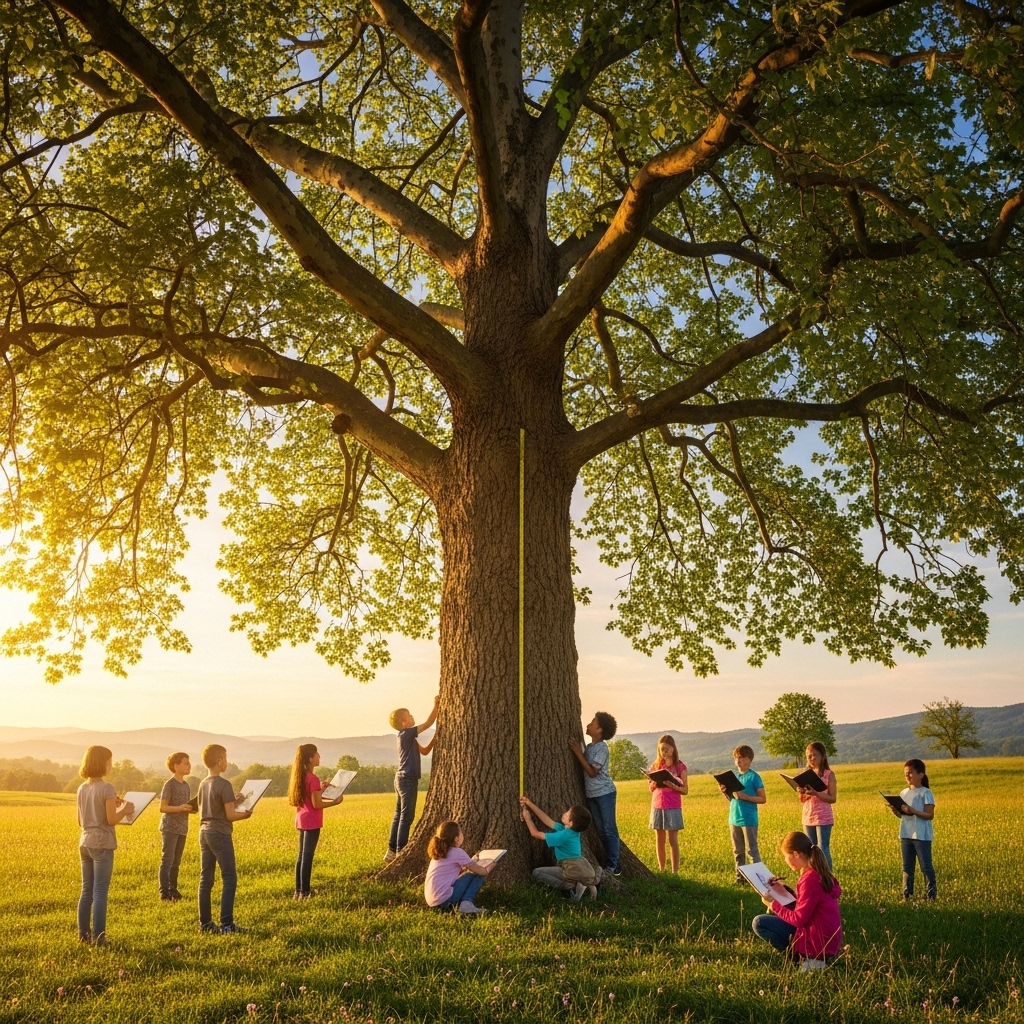
When it comes to height, sycamore trees are no slouches! They typically reach heights ranging from 50 to 100 feet, although some exceptional specimens can grow even taller. I’ve seen majestic sycamores that seemed to touch the sky, their broad canopies casting shade over wide areas. The size can vary based on environmental conditions, but many mature trees hover around the 70 to 90-foot mark. It’s impressive to consider how much time it takes for these giants to grow to such magnificent heights.
Canopy Spread and Width
The canopy spread of a mature sycamore tree can be just as impressive as its height. Typically, the canopy can stretch anywhere from 30 to 70 feet wide. This broad canopy provides ample shade, which is one reason I love having sycamores in my backyard. I’ve often enjoyed summer picnics underneath their expansive branches, feeling cool and sheltered from the sun. The wide spread not only enhances their beauty but also provides a habitat for various birds and other wildlife.
Factors Influencing Size
Several factors can influence the size of sycamore trees. One significant aspect is the soil quality. I’ve noticed that sycamores thrive best in rich, moist, and well-drained soils. If the soil is compacted or lacks nutrients, their growth can be stunted. Additionally, access to sunlight plays a crucial role. Sycamores prefer full sun, and trees that are shaded by other structures or plants may not reach their full potential. Water availability is another critical factor. While sycamores are relatively drought-tolerant once established, they grow best with consistent moisture. It’s fascinating how all these elements work together to shape these magnificent trees.
Growth Range and Rates
Growth Rate of Sycamore Trees
One of the most impressive aspects of sycamore trees is their growth rate. I’ve been amazed to find that these trees can grow anywhere from 1 to 3 feet per year under ideal conditions. When I planted my first sycamore, I was thrilled to see just how quickly it took off. This rapid growth often means that, within a few years, you can have a substantial shade tree in your yard. To really appreciate their growth, I often compare it to some slower-growing species, like oak trees, which can take many more years to reach similar sizes. It’s no wonder people are drawn to sycamores for landscaping; they provide that immediate impact that many of us are looking for.
Ideal Conditions for Optimal Growth
For sycamore trees to thrive at their best, certain conditions need to be met. I’ve learned that they flourish in rich, moist soil with plenty of sunlight. When planting my sycamore, I made sure to choose a spot that receives full sun for most of the day. This seemed to make all the difference in its growth rate. Additionally, I found that maintaining consistent moisture levels, especially during the hot summer months, helped my tree establish itself more quickly. I often recommend to friends that they keep an eye on their young sycamores to ensure they’re not getting too dry, as this can really slow down growth.
Comparative Growth Rates with Other Trees
When you look at growth rates, sycamores really outshine many other tree species. I once had a conversation with a friend who was debating between planting a sycamore and a maple tree. While both are beautiful, I pointed out that sycamores generally grow faster. In fact, many popular landscape trees, like black cherry or even certain pines, tend to grow at a slower rate compared to sycamores. This comparison made my friend lean more towards the sycamore, and I couldn’t agree more. The thought of having a rapidly growing tree to enjoy sooner rather than later is definitely enticing!
Environmental Factors Affecting Height
Soil Quality and Nutrient Availability
The quality of soil plays a significant role in the growth of sycamore trees. I’ve seen firsthand how the nutrient levels in the soil can either promote healthy development or hinder it. Sycamores do best in loamy soils that are rich in organic matter. When I first planted mine, I made sure to enrich the soil with compost, which I think really helped kickstart its growth. Poor soil conditions, like clay or overly sandy types, can limit the tree’s growth potential. It’s important to test your soil and amend it accordingly if you want your sycamore to reach its full height.
Water Requirements and Irrigation
Water is another critical factor in the growth of sycamore trees. I’ve learned that while these trees can tolerate drought once established, they thrive with consistent watering during their early years. I remember the summer I forgot to water my young sycamore for a couple of weeks, and it definitely showed! It’s essential to provide adequate moisture, especially during the first few growing seasons. I recommend checking the soil moisture regularly to ensure the roots are getting enough hydration. In areas where rainfall is scarce, consider setting up a drip irrigation system or regular watering schedule to keep your tree healthy.
Sunlight Exposure and Climate Considerations
Sunlight is vital for the growth of sycamore trees. I’ve noticed that those planted in full sun grow more vigorously than those shaded by nearby structures. Sycamores love bright, sunny spots, and exposure to sunlight helps them develop their full potential. In addition, I’ve realized that climate plays a role too. In regions with harsh winters or extreme heat, sycamores might struggle a bit. They’re quite adaptable, but making sure they are planted in a climate that suits them can lead to taller and healthier trees. For instance, I’ve seen them thrive beautifully in the more temperate regions of the East Coast but have noticed some stunted growth in areas with harsher climates.
Geographical Distribution and Height Variations
Native Regions of Sycamore Trees
Sycamore trees are native to a range of areas, particularly in the United States. I remember learning about the American sycamore’s broad distribution, spanning from the eastern U.S. down to parts of Mexico. This adaptability to various environments is part of what makes them so resilient. When I traveled across the country, I was pleasantly surprised to spot these beautiful trees in different landscapes, from urban parks to rural settings. Each location seemed to showcase a different aspect of their growth, whether it was their towering height or the grandeur of their sprawling branches. Sycamore Tree Identification UK: Leaves, Bark, Seeds & Lookalikes is a great resource for identifying these trees.
Height Variations Across Different Climates
It’s fascinating to see how environmental factors affect the height of sycamore trees in different climates. I’ve noticed that those in wetter, more temperate regions tend to grow taller and more robust than those in drier or harsher climates. For example, I once visited an area in the Midwest where the sycamores were towering over the landscape, reaching heights well over 100 feet due to the ideal moisture and soil conditions. It really made me appreciate how adaptable these trees are, but also how location can play a crucial role in their overall growth and health.
Pruning and Maintenance for Desired Height
Best Practices for Pruning Sycamore Trees
Pruning sycamore trees is an important aspect of maintaining their health and ensuring they reach the desired height. I’ve learned that the best time to prune is during the late winter or early spring when the trees are still dormant. This timing helps minimize stress on the tree and reduces the risk of disease. I remember the first time I pruned my own sycamore; I was a bit nervous, but it turned out to be a rewarding experience. Before I started, I made sure to gather all the necessary tools, including sharp pruning shears and gloves.
When pruning, I focus on removing dead or damaged branches first. This not only improves the tree’s appearance but also promotes healthy growth. I also look for any branches that are crossing or rubbing against each other and trim those back. It’s essential to maintain a balanced shape; I often step back to assess the overall look as I go. I recommend keeping the central leader intact, as this helps the tree grow taller and maintains its natural form. Just be sure not to remove more than 25% of the tree’s canopy in a single season to avoid stressing it.
Impact of Pruning on Growth and Size
Pruning can significantly impact the growth and overall size of sycamore trees. From my experience, I’ve noticed that proper pruning encourages stronger and more vigorous growth. When I pruned my sycamore, I observed that the new growth in the following season was not only more robust but also more aesthetically pleasing. Pruning helps direct the tree’s energy into producing new leaves and branches, which can lead to a fuller canopy.
However, it’s important to remember that over-pruning can stunt growth. I’ve seen trees that were pruned too aggressively struggle to regain their former glory. It’s all about finding that sweet spot where you’re encouraging growth without pushing the tree too hard. I’ve always believed that a little bit of care goes a long way, and with sycamores, this couldn’t be more true. By practicing careful pruning, we can help our trees thrive while keeping them at a desirable height.
Common Pests and Diseases Impacting Growth
Identifying Pests That Affect Sycamore Trees
Like any tree, sycamores aren’t immune to pests that can hinder their growth. I’ve encountered a few common pests that seem to target these majestic trees, such as sycamore lace bugs and aphids. The first time I noticed lace bugs on my sycamore, I was surprised to see the small, mottled insects on the underside of the leaves. They suck the sap, causing the leaves to yellow and drop prematurely. I quickly learned that maintaining a healthy tree is the best defense against these pests.
Regular inspections are key. I often make a habit of checking for any signs of infestation, like discoloration or webbing. If I do find pests, I recommend using insecticidal soap or neem oil, which are both effective and less harmful to beneficial insects. I’ve found that treating the tree early can prevent more significant damage down the road.
Diseases That May Limit Growth
In addition to pests, sycamore trees can fall victim to diseases that may limit their growth. One common issue I’ve noticed is sycamore anthracnose, a fungal disease that causes leaf spots and can lead to defoliation. I remember feeling disheartened when I first saw the telltale spots on my tree’s leaves, but I learned that proper management can help control it. Keeping the tree healthy through regular watering and appropriate fertilization can boost its resilience to diseases.
Another disease to watch for is powdery mildew, which can thrive in humid conditions. This condition creates a white powdery coating on the leaves, which can hinder photosynthesis and overall growth. I’ve found that improving air circulation around the tree can help mitigate the risk of powdery mildew. If the disease does set in, I recommend applying fungicides as a preventative measure, especially during damp seasons.
Understanding these common pests and diseases has helped me maintain the health of my sycamore trees. It’s all about being proactive and staying informed about the challenges they may face. With a little effort, I believe we can grow and enjoy these magnificent trees for many years to come.
Uses and Benefits of Sycamore Trees
Landscape and Aesthetic Value
Sycamore trees offer incredible landscape and aesthetic value. I personally love how their large size and unique bark can serve as a stunning focal point in any yard or park. The mottled bark, which sheds in patches, adds a visual interest that changes with the seasons. I often find myself standing in awe under their expansive canopies, especially during the fall when their leaves turn a vibrant yellowish-brown. It’s hard not to appreciate the beauty they bring to our surroundings.
In my neighborhood, I’ve noticed that many homeowners plant sycamores not just for shade but also for their striking appearance. They create a natural backdrop that enhances the overall scenery, making outdoor spaces feel inviting and lively. Whether planted individually or in groups, sycamores can transform any landscape into a picturesque setting.
Environmental Benefits (Shade, Air Quality, etc.)
The environmental benefits of sycamore trees are just as impressive. I’ve often marveled at how much shade they provide during the hot summer months, making them perfect for cooling down outdoor spaces. I remember spending countless afternoons lounging under my sycamore, enjoying the relief from the heat while listening to the rustling leaves. This shade not only makes our outdoor experiences more enjoyable but also helps reduce energy costs for nearby homes by lowering temperatures.
Moreover, sycamores play a crucial role in improving air quality. I learned that they absorb carbon dioxide and release oxygen, contributing to cleaner air. In urban areas where pollution is a concern, having sycamores can make a noticeable difference. They also act as natural filters, capturing dust and other pollutants. Knowing that my tree is helping the environment makes me appreciate it even more.
Wood Uses and Economic Value
The wood of sycamore trees is another aspect that deserves attention. I’ve heard that it’s known for its durability and attractive grain, making it a popular choice for furniture and cabinetry. I remember visiting a local woodworking shop and being amazed at the beautiful pieces made from sycamore wood. It’s fascinating to think that a tree I admire for its beauty also has practical uses in our daily lives.
Moreover, the economic value of sycamores goes beyond timber. They’re often sought after in landscaping projects, adding to their worth. I’ve seen how nurseries sell young sycamore saplings, providing opportunities for people to plant and enjoy these trees. In a way, they contribute to both the beauty of our landscapes and the economy through their various uses.
Frequently Asked Questions
What is a sycamore tree?
Sycamore trees belong to the genus Platanus and are known for their massive size and distinctive bark. They are deciduous, shedding their leaves in the fall, and have large, lobed leaves resembling those of maple trees.
What are the common types of sycamore trees?
The most commonly known types of sycamore trees are the American sycamore (Platanus occidentalis) and the London plane tree (Platanus × acerifolia). The American sycamore is native to the eastern United States, while the London plane tree is a hybrid popular in urban areas.
How tall do mature sycamore trees typically grow?
Mature sycamore trees typically reach heights ranging from 50 to 100 feet, with some exceptional specimens growing even taller. Many mature trees hover around the 70 to 90-foot mark.
What is the average canopy spread of sycamore trees?
The canopy spread of a mature sycamore tree can stretch anywhere from 30 to 70 feet wide, providing ample shade and habitat for various birds and other wildlife.
What factors influence the size of sycamore trees?
Several factors influence the size of sycamore trees, including soil quality, access to sunlight, and water availability. Rich, moist, well-drained soils, full sun exposure, and consistent moisture levels are crucial for their growth.
What is the growth rate of sycamore trees?
Sycamore trees can grow anywhere from 1 to 3 feet per year under ideal conditions, making them a popular choice for landscaping due to their rapid growth.
What are the best practices for pruning sycamore trees?
The best time to prune sycamore trees is during late winter or early spring when they are dormant. It’s essential to remove dead or damaged branches and to avoid removing more than 25% of the tree’s canopy in a single season.
What common pests affect sycamore trees?
Common pests that can hinder the growth of sycamore trees include sycamore lace bugs and aphids. Regular inspections and early treatment with insecticidal soap or neem oil can help manage these pests.
What diseases can limit the growth of sycamore trees?
Sycamore trees can be affected by diseases such as sycamore anthracnose, which causes leaf spots and defoliation, and powdery mildew, which creates a white powdery coating on the leaves. Proper management and care can help control these diseases.
What are the environmental benefits of sycamore trees?
Sycamore trees provide shade, improve air quality by absorbing carbon dioxide and releasing oxygen, and act as natural filters for dust and pollutants, making them beneficial for both landscapes and the environment.