
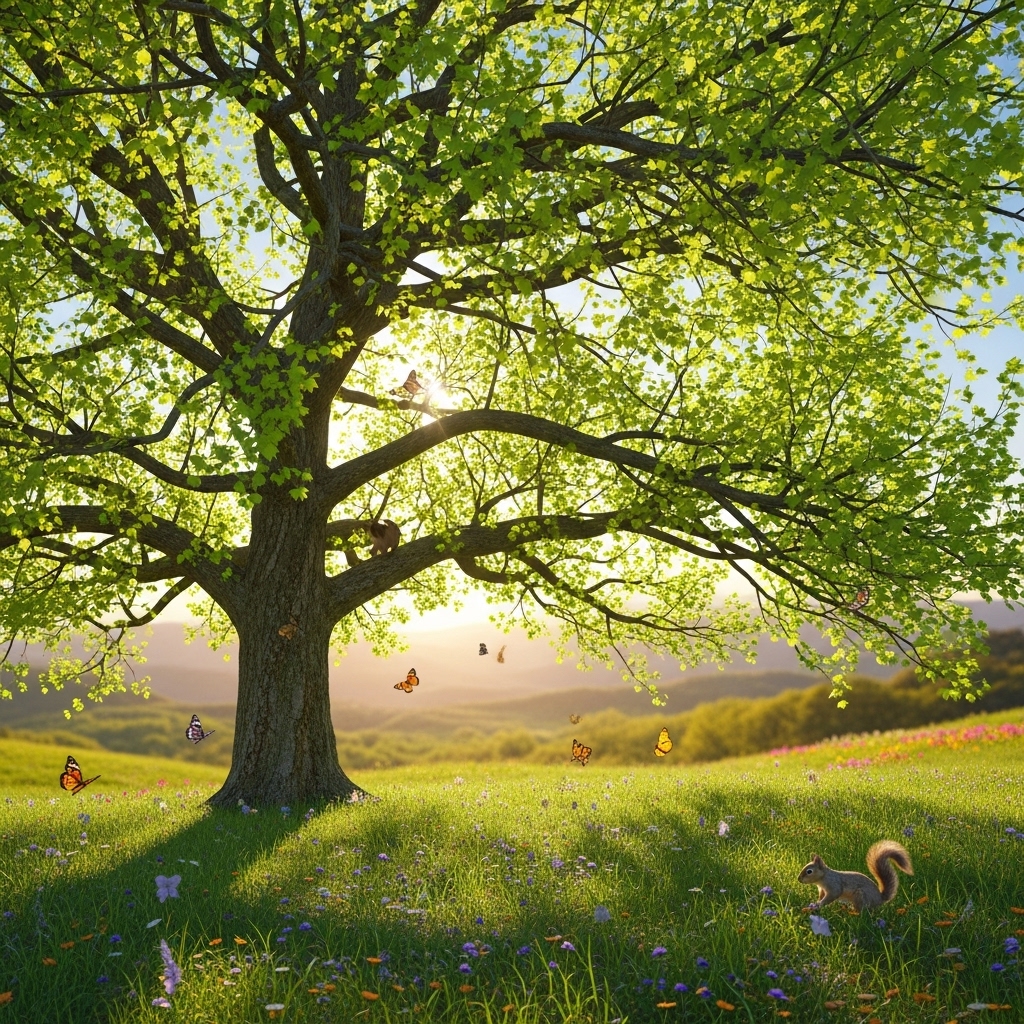
Spring breathes new life into the sycamore tree, transforming its branches into a canvas of vibrant buds and fresh leaves. Observing these seasonal changes is a delightful experience that connects us to nature’s rhythms.
Overview of the Sycamore Tree
Scientific Classification and Characteristics
The sycamore tree, scientifically known as *Platanus occidentalis*, is a majestic deciduous tree that can grow up to 100 feet tall. Its distinctive bark, which peels away to reveal a smooth, light-colored layer, is one of its most recognizable features. The leaves are large, typically 4 to 10 inches wide, with a star-like shape that can be quite stunning in the spring. I remember the first time I encountered a sycamore; its towering presence and unique bark immediately caught my attention. Each tree seems to tell a story of resilience, adapting beautifully to its surroundings. For more details on its characteristics, check out Sycamore Tree Characteristics: Growth, Form & Key Features.
Geographical Distribution
Sycamore trees are native to North America but have found homes in various parts of the world, including Europe and Asia. You can often find them lining urban streets or thriving in parks, which makes them quite accessible for observation. In my experience, they flourish in areas with moist soil and ample sunlight, often near rivers and streams. Their adaptability to different environments is remarkable, and I’ve seen how they can transform a landscape, providing shade and aesthetic beauty.
Spring Awakening: Buds and New Growth
Understanding Bud Formation
As winter melts away, the sycamore tree begins its spring awakening, starting with the formation of buds. These buds are crucial as they hold the potential for new leaves, flowers, and shoots. I’ve always found the process of bud formation fascinating; it’s like nature holds its breath, waiting for the perfect moment to burst forth with life. The buds of a sycamore tree typically develop at the ends of branches, signaling the tree’s readiness to embrace the warmer months ahead.
Timeline of Bud Development
The timeline for bud development can vary based on geographic location and weather conditions. Generally, in areas with milder climates, I’ve noticed that buds start to swell in late March to early April. In cooler regions, this process may be delayed until mid to late April. I remember observing this change firsthand; the anticipation of new growth felt like a promise of renewal. It’s a reminder that patience is key in nature. By late April or early May, the buds fully open, revealing the fresh greenery that defines the season.
Types of Buds on Sycamore Trees
Sycamore trees produce two main types of buds: leaf buds and flower buds. Leaf buds are responsible for the new foliage, while flower buds develop into the sycamore’s unique flower heads. I’ve often marveled at how both types of buds coexist, each playing a vital role in the tree’s life cycle. The flowers, though often overlooked, provide a crucial source of nectar for pollinators. Observing bees buzzing around these blooms is a sight that brings joy and signifies the interconnectedness of life in our ecosystem.
Leaves of the Sycamore Tree in Spring
Leaf Structure and Shape
The leaves of the sycamore tree are one of its most striking features. They are broad and palmate, with deep lobes that create a star-like appearance. I love how the leaves unfurl in spring, displaying vibrant greens that range from light lime to deep emerald. The structure of these leaves is designed to maximize photosynthesis, which is essential for the tree’s growth. I find it fascinating how each leaf plays a part in the tree’s ability to absorb sunlight and produce energy, a true marvel of nature.
Color Changes During Spring
As spring progresses, the color of sycamore leaves evolves. Initially, they appear in soft shades of chartreuse before transitioning to darker green hues. I’ve experienced moments where the sunlight filters through these leaves, creating a stunning display of light and shadow. This gradual change not only enhances the beauty of the tree but also signals its active growth phase. It’s incredible how these colors can uplift our spirits, reminding us of the beauty that comes with change.
Photosynthesis and Growth
Photosynthesis is a fundamental process for sycamore trees, especially in spring. With longer days and increased sunlight, the leaves are busy converting carbon dioxide and sunlight into energy. I’ve often paused to think about how vital this process is, not just for the tree itself but for the entire ecosystem. The energy produced fuels growth, allowing the tree to develop stronger branches and a fuller canopy. In my experience, witnessing this transformation instills a sense of wonder about the complexity of life and the importance of trees in our environment.
Seasonal Changes and Their Impact
Weather Conditions in Spring
Spring weather can be quite unpredictable, and it significantly impacts the sycamore tree’s growth. Warm temperatures and ample rainfall create ideal conditions for budding and leaf development. I remember a spring where the weather fluctuated dramatically, and I could see how the trees responded. After a warm spell, the buds seemed to swell overnight, ready to burst into life. However, late frosts can pose a risk, potentially damaging newly formed buds. This delicate balance reminds me of nature’s resilience and adaptability.
Effects of Temperature and Rainfall
Temperature and rainfall are two critical factors that influence the health of sycamore trees. Adequate warmth encourages growth, while sufficient moisture helps sustain it. From my observations, sycamores thrive in seasons with consistent rainfall, which promotes lush growth. When we experienced a particularly dry spring, I noticed the trees struggled a bit, their leaves appearing a bit droopier than usual. It served as a reminder of how interconnected weather patterns are with the life cycles of trees.
Impact on Wildlife and Ecosystem
Sycamore trees play a vital role in their ecosystems, especially in spring. As they bloom and produce leaves, they provide food and habitat for various wildlife. Birds often nest in their branches, taking advantage of the shelter. I’ve often seen squirrels scurrying around, gathering fallen seeds. The flowers attract bees and other pollinators, reinforcing the importance of these trees in maintaining a healthy ecosystem. Observing this bustling activity can be heartwarming, reminding us of the intricate web of life that surrounds us. For more insights on identifying these trees, visit Sycamore Tree Identification UK: Leaves, Bark, Seeds & Lookalikes.
Care and Maintenance of Sycamore Trees in Spring
Pruning Techniques for New Growth
As spring unfolds, it’s an excellent time to think about how we care for our sycamore trees, especially when it comes to pruning. I’ve learned that proper pruning can help encourage healthy growth and shape the tree for the future. In my experience, late winter to early spring is the best window for pruning since the tree is still in dormancy and can recover more effectively. I usually start by removing any dead or damaged branches, which not only helps the tree but also improves its appearance. It’s like giving the tree a little spring cleaning! I’ve noticed that this encourages new growth as the tree directs its energy to healthy branches.
When pruning, it’s essential to make clean cuts at a slight angle, ensuring that we don’t leave any jagged edges that could invite pests or diseases. I often remind myself to step back and assess the overall shape of the tree. Keeping a balanced canopy allows sunlight to penetrate evenly, promoting healthy leaf development. I find that utilizing the right tools, like sharp pruning shears or a saw for larger branches, makes a world of difference in the ease and effectiveness of the job.
Watering and Nutrient Requirements
Watering is another crucial aspect of caring for sycamore trees in the spring. As the temperatures rise and the trees start their growth cycle, they require sufficient moisture to thrive. I’ve noticed that during particularly dry springs, I need to be more proactive about watering. I aim to provide deep watering sessions, allowing the water to soak down into the root zone. It’s fascinating to realize just how important this simple act is for the tree’s health.
In addition to watering, I like to enrich the soil with nutrients to support the tree’s growth. A balanced fertilizer can be beneficial, especially one that includes nitrogen, phosphorus, and potassium. I usually apply it in early spring as the buds start to swell. This extra boost gives the tree the energy it needs to produce vibrant leaves and flowers. I remember the time I forgot to fertilize, and the tree seemed a bit lackluster compared to my neighbors’ sycamores that received their nutrients on schedule. This taught me the importance of timely care.
Pest and Disease Management
Spring also brings the emergence of pests and diseases that can affect sycamore trees. I’ve found that keeping an eye out for common pests, such as aphids and scale insects, is essential. These little critters can sap the tree’s strength if not managed properly. I usually check the underside of leaves for any signs of infestation because that’s often where they like to hide. In some cases, I’ve opted for natural pest control measures, such as introducing beneficial insects like ladybugs, which can help keep those pesky pests in check.
In terms of diseases, sycamores can be susceptible to issues like anthracnose, a fungal disease that can cause leaf drop and branch dieback. I remember a spring where I noticed some leaves turning brown prematurely. After doing a bit of research, I learned that maintaining good air circulation around the tree helps reduce the risk of disease. I began to thin out crowded branches during pruning and made sure to water at the base rather than overhead, which reduces moisture on the leaves. It was rewarding to see the tree bounce back, flourishing once more as the season progressed.
Cultural Significance and Uses of Sycamore Trees
Historical and Cultural References
Sycamore trees have a rich history in various cultures, and I’ve always found it fascinating to explore their significance. In ancient Egypt, sycamores were revered as sacred trees, often associated with protection and comfort. They were said to symbolize strength and endurance, which resonates with me as I observe these towering giants weathering storms and thriving through the seasons. I feel a connection to the past when I stand beneath a sycamore, imagining how many generations have admired its beauty and resilience.
In the United States, the sycamore tree holds a special place in folklore and literature. I recall reading stories where sycamores symbolized stability and home, serving as landmarks in rural areas. They often feature prominently in tales of community and family, reminding us of our roots and the ties that bind us. I believe these trees embody the stories of countless lives, standing as silent witnesses to the passage of time.
Uses in Landscaping and Urban Areas
When it comes to landscaping and urban planning, sycamore trees offer enormous benefits. Their broad canopies provide excellent shade, making them a popular choice for parks and streetscapes. I’ve enjoyed sitting beneath their expansive branches on hot summer days, feeling the coolness they provide. Their ability to improve air quality by filtering pollutants is another reason I advocate for more sycamores in urban settings. It’s amazing how one tree can contribute to a healthier environment.
In addition to their aesthetic appeal, sycamores also play a role in erosion control. Their extensive root systems help stabilize soil, making them ideal for areas prone to erosion. I remember walking along riverbanks where sycamores thrive, appreciating how they protect the land while also offering a home to birds and other wildlife. It’s incredible to think about all the functions these trees serve, enhancing our landscapes while supporting our ecosystems.
Common Questions About Sycamore Trees in Spring
When Do Sycamore Trees Start to Bud?
I often get asked about the timing of sycamore trees budding, and from my experience, it really depends on where you live. Typically, I’ve noticed that in warmer climates, sycamores start to bud as early as mid-March. The buds can swell and begin to open by late March or early April. However, in cooler regions, this process can be delayed until late April. I’ve found that it’s fascinating how each tree responds to its local climate, showing just how adaptable they are. Watching this seasonal transition can be a beautiful reminder of nature’s cycles, and I always look forward to those first signs of life on the branches. It’s a moment that brings a sense of renewal and hope.
How Fast Do Sycamore Trees Grow in Spring?
Growth rates can vary, but I’ve generally seen sycamore trees put on a significant amount of growth during the spring months. Under ideal conditions—adequate sunlight, moisture, and nutrients—young sycamores can grow several feet in a single season. I remember planting a young sycamore in my backyard, and by the end of the first spring, it had nearly doubled in height. For mature trees, spring growth is often focused on leaf expansion, but they can still add a nice amount of height—often around 2 to 3 feet. It’s amazing to watch as the tree transforms, becoming more robust and vibrant with each passing week. This rapid growth is a testament to their strength and adaptability, and it’s why they’re such a popular choice for landscaping.
What Pests Are Common in Spring?
As the warm spring weather arrives, so do the pests that can potentially harm sycamore trees. I’ve encountered a few common ones, including aphids, scale insects, and spider mites. Aphids are particularly notorious for congregating on new growth, sucking the sap and potentially weakening the tree. I remember one spring when I first noticed a sticky residue on the leaves and discovered a small army of aphids hiding underneath. It was a learning moment for me, and I quickly realized the importance of regular checks on my trees. Scale insects can also be troublesome; they attach themselves to the bark and can be quite difficult to spot at first. I recommend looking for discolored patches on the trunk or leaves, which can be a sign of scale infestation.
To manage these pests, I often try to use non-chemical methods first. I’ve found that introducing beneficial insects, like ladybugs, can help control aphid populations. Additionally, keeping the tree healthy through proper watering and fertilization makes it more resilient against pests. If the infestation becomes severe, I might consider using insecticidal soap, but I always prefer to start with natural remedies whenever possible. It’s rewarding to see how a little proactive care can keep my sycamore healthy and thriving, despite the challenges that spring can bring.
Final Thoughts
As I reflect on my experiences with sycamore trees, I can’t help but feel a deep appreciation for these magnificent beings. They are more than just trees; they are a symbol of resilience, growth, and the beauty of nature. Watching them come to life each spring fills me with joy and reminds me of the cycles that govern our world. I feel fortunate to be able to observe the transformation from bare branches to lush canopies, seeing how life returns in a vibrant explosion of color and energy.
Care and maintenance of these trees play a pivotal role in ensuring their health and longevity. I’ve learned through my own gardening journey that nurturing a sycamore tree requires attention, patience, and a willingness to adapt. Whether it’s through careful pruning, adequate watering, or keeping an eye out for pests, each action contributes to the overall vitality of the tree. I remember the first tree I tended to; it was a learning curve filled with mistakes and successes, each shaping my understanding of what these trees need to thrive.
The cultural significance of sycamores adds another layer to my admiration. As I explore their historical roots in various societies, I feel a connection to those who have come before me—individuals who found solace and inspiration beneath these grand trees. They have witnessed generations of life, serving as silent witnesses to our stories. I often think about how many people have found shade, comfort, and joy under their branches, bridging the past and the present.
In urban areas, the role of sycamores is even more pronounced. I’ve seen them in parks, along streets, and near schools, where their shade provides relief from the summer heat and their beauty enhances the surroundings. Their presence contributes not just to the landscape but also to the overall health of the urban environment. I believe that by incorporating more sycamores into our cities, we can create greener, more sustainable spaces for future generations.
As the seasons change, I look forward to witnessing the ongoing journey of the sycamore tree. Each spring brings new lessons, new growth, and new opportunities to connect with nature. I invite you to observe these wonderful trees in your own environment, taking the time to appreciate their beauty and significance. Whether you’re planting one in your yard or simply enjoying their presence in a park, I think you’ll find that they have a lot to teach us about resilience, patience, and the joy of growth.
In closing, I encourage everyone to explore their own connection with sycamore trees. Take a moment to sit beneath their branches, breathe in the fresh air, and allow yourself to be swept away by the beauty of life awakening all around you. It’s a reminder that, just like the sycamore, we too can thrive and flourish through all seasons of life.
Frequently Asked Questions
What is the scientific name of the sycamore tree?
The scientific name of the sycamore tree is Platanus occidentalis.
How tall can sycamore trees grow?
Sycamore trees can grow up to 100 feet tall.
What are the two main types of buds that sycamore trees produce?
Sycamore trees produce two main types of buds: leaf buds and flower buds. Leaf buds are responsible for new foliage, while flower buds develop into the tree’s unique flower heads.
When do sycamore trees typically start to bud in warmer climates?
In warmer climates, sycamore trees typically start to bud as early as mid-March, with buds swelling and beginning to open by late March or early April.
What environmental conditions are ideal for the growth of sycamore trees?
Sycamore trees thrive in areas with moist soil, ample sunlight, and consistent rainfall, which promote lush growth.
What role do sycamore trees play in their ecosystems during spring?
Sycamore trees provide food and habitat for various wildlife, including birds that nest in their branches and pollinators attracted to their flowers, reinforcing the importance of these trees in maintaining a healthy ecosystem.
What pruning techniques are recommended for sycamore trees in spring?
Proper pruning techniques include removing dead or damaged branches and making clean cuts at a slight angle to avoid leaving jagged edges that could invite pests or diseases. Pruning is best done in late winter to early spring when the tree is still in dormancy.
What pests are commonly found on sycamore trees in spring?
Common pests that can affect sycamore trees in spring include aphids, scale insects, and spider mites. Regular checks for these pests are important to maintain tree health.
How does photosynthesis benefit sycamore trees in spring?
Photosynthesis is vital for sycamore trees, as it allows their leaves to convert carbon dioxide and sunlight into energy, fueling growth and enabling the development of stronger branches and a fuller canopy.
What cultural significance do sycamore trees hold?
Sycamore trees have historical significance in various cultures, symbolizing strength and endurance in ancient Egypt and representing stability and home in American folklore and literature. For more fascinating information, explore Sycamore Tree Facts UK: History, Uses & Key Traits.