
The Texas umbrella tree, or Melia azedarach, offers shade and beauty but has pros and cons including invasive roots, toxic properties, and litter issues.
Table of Contents
The Texas umbrella tree, known for its distinctive dome-shaped canopy, is popular in warmer climates for its shade. However, potential drawbacks such as toxicity and invasive roots warrant careful consideration before planting this tree in your yard.
Understanding the Texas Umbrella Tree
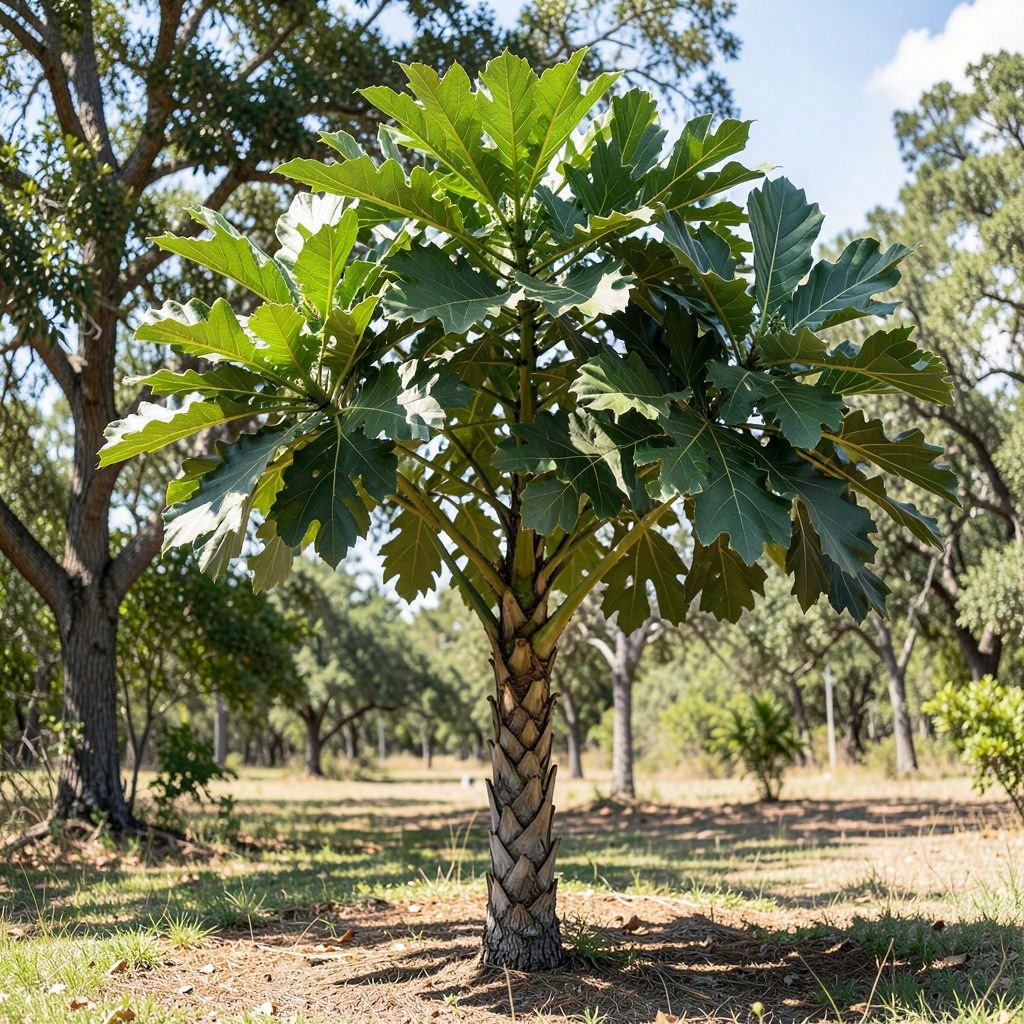
The Texas umbrella tree, scientifically known as Melia azedarach, is a versatile addition to many landscapes. Its unique shape and glossy foliage make it a popular choice for homeowners seeking shade and aesthetic appeal.
Characteristics and Appearance
The Texas umbrella tree features a distinctive dome-shaped canopy. Its leaves are large, dark green, and glossy, giving it an attractive appearance. The tree usually grows between 20 to 40 feet tall, depending on environmental conditions. Here are some of its key characteristics:
- Leaf Structure: Leaves are divided into multiple elliptical to ovate leaflets, 1 to 3 inches long.
- Flowers: Produces clusters of fragrant lilac-purple flowers in spring.
- Fruit: Hard, round fruits mature to yellow, providing food for birds but are toxic if ingested by pets or humans.
Native Habitat and Adaptability
Melia azedarach is native to regions of Taiwan and southern China. It thrives in warm climates and adapts well to various soil types. This adaptability makes it suitable for diverse landscapes, from residential gardens to public parks.
Common Uses in Landscaping:
- Shade Provider: Its broad canopy offers substantial shade, ideal for patios and outdoor spaces.
- Ornamental Value: The tree’s striking appearance enhances visual interest in gardens.
- Wildlife Attraction: The flowers and fruit attract various bird species.
Decision Framework for Planting
When considering whether to plant a Texas umbrella tree, evaluate the following factors:
- Space Availability: Ensure ample room for its canopy.
- Soil Conditions: Prefers well-drained soil but is adaptable.
- Safety Concerns: Be aware of its toxic properties to pets and children.
- Maintenance Commitment: Regular pruning is essential to maintain shape and health.
This structured approach helps determine if the Texas umbrella tree aligns with your landscaping goals and conditions.
Pros of Planting a Texas Umbrella Tree
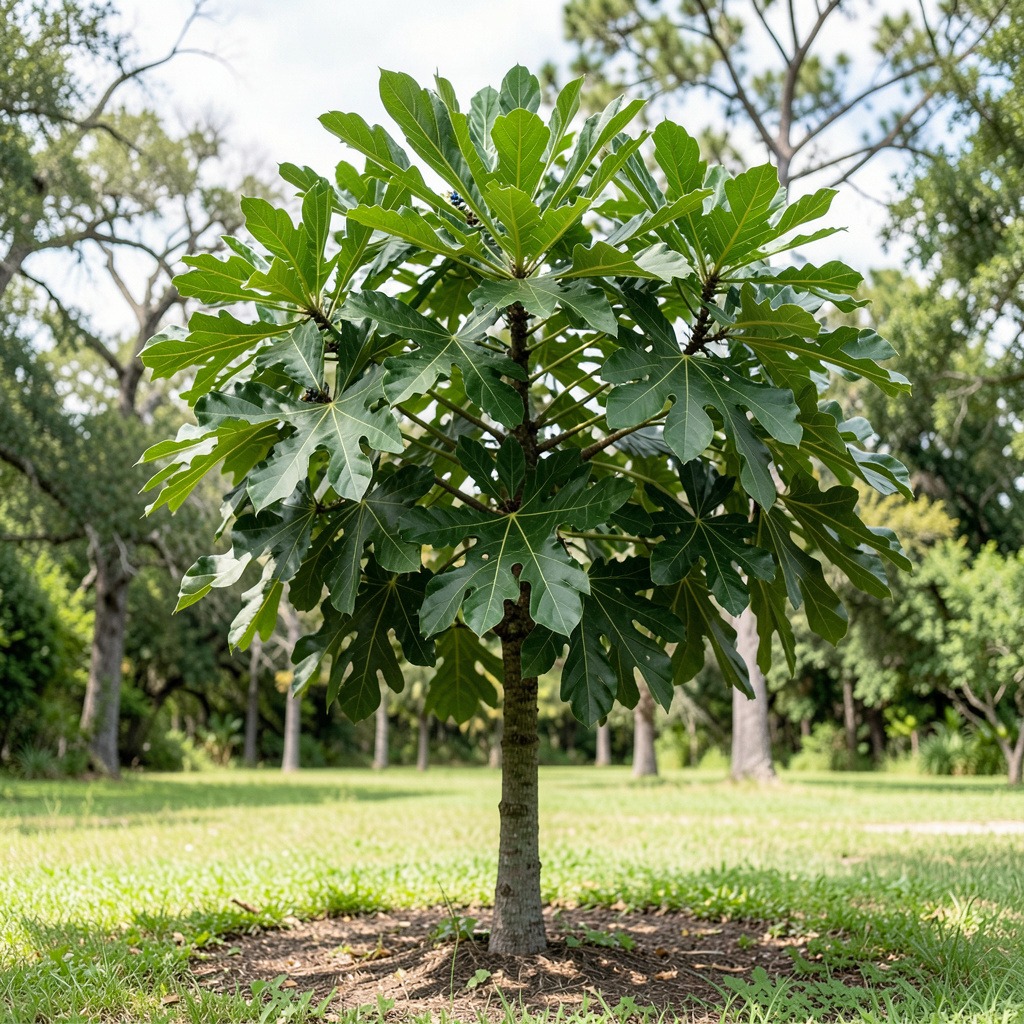
The Texas umbrella tree offers numerous benefits, making it a popular choice for landscaping. Its ability to provide ample shade, aesthetic appeal, and wildlife attraction are compelling reasons for planting this tree.
Shade and Cooling Benefits
The Texas umbrella tree is known for its broad canopy that provides significant shade. This can be particularly advantageous in hot climates. By strategically planting this tree, homeowners can reduce indoor cooling costs. Here are some scenarios where its shade benefits shine:
- Patio Areas: Planting near patios creates a cooler outdoor space, making it ideal for gatherings.
- Children’s Play Areas: Provides a safe, shaded environment for children to play.
- Garden Beds: Protects delicate plants from harsh sunlight during peak hours.
Wildlife Habitat
This tree is not only visually appealing but also serves as a habitat for various wildlife. Its fragrant flowers attract pollinators, while the fruit provides food for birds. Specific advantages include:
- Bird Watching: The Texas umbrella tree draws numerous bird species, making it a delight for bird watchers.
- Pollinator Support: Its flowers attract bees and butterflies, promoting biodiversity in your garden.
In a local case study, a homeowner noted that after planting a Texas umbrella tree, they observed an increase in butterfly activity and a thriving bird population in their yard. This not only enhanced their outdoor experience but also contributed positively to the local ecosystem.
Aesthetic Appeal
With its glossy leaves and unique shape, the Texas umbrella tree adds visual interest to any landscape. It can complement various design styles, from modern to traditional.
- Architectural Focal Point: The tree can serve as a striking focal point in garden designs.
- Versatile Planting Options: It can be planted as a standalone specimen or in groups for a more dramatic effect.
By understanding these benefits, homeowners can make informed decisions about integrating the Texas umbrella tree into their landscaping projects.
Cons of Planting a Texas Umbrella Tree
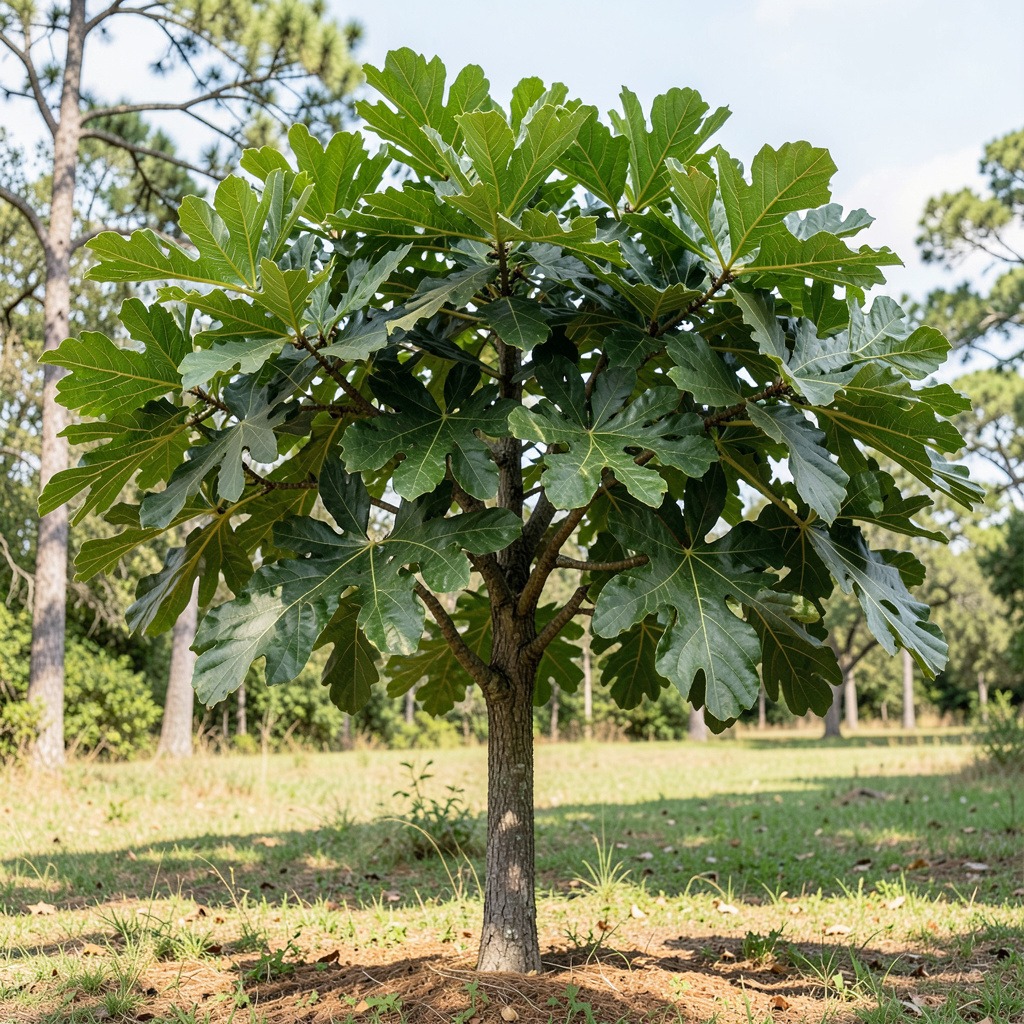
While the Texas umbrella tree offers various benefits, it also comes with significant drawbacks. Homeowners should carefully consider these disadvantages before planting.
Invasive Root System
The Texas umbrella tree has a notorious reputation for its invasive roots. These roots can spread aggressively, causing potential damage to nearby structures, pathways, and other plants. Here are some key points to consider:
- Foundation Damage: Roots can disrupt building foundations and patios.
- Competition for Nutrients: The tree’s roots can outcompete neighboring plants for water and nutrients.
- Maintenance Challenge: Regular monitoring and root management may be necessary to prevent issues.
Toxicity Concerns for Pets and Wildlife
Another serious consideration is the tree’s toxic properties. The leaves and seeds of the Texas umbrella tree contain compounds that can be harmful if ingested. This poses risks for pets and wildlife:
- Symptoms of Poisoning: Ingestion may lead to symptoms such as vomiting, diarrhea, or lethargy in animals.
- Wildlife Impact: Birds may consume the seeds, which can be toxic to them as well.
- Caution Required: Homeowners with pets should exercise caution and consider alternative plants for their gardens.
Litter Problems
The Texas umbrella tree can create a significant amount of litter. This includes fallen leaves, flowers, and seeds, which can lead to maintenance challenges:
- Clean-Up Burden: Regular clean-up of litter may be necessary, especially during shedding seasons.
- Potential Allergens: The flowers can produce allergens, affecting sensitive individuals.
- Aesthetic Concerns: Accumulated litter can detract from the overall appearance of a garden.
Decision Framework for Planting
When considering the Texas umbrella tree, evaluate your specific yard conditions and needs. Here’s a quick checklist:
- Root Space: Ensure adequate space for roots to grow without damaging structures.
- Pet Safety: Assess the risk of toxicity based on your pets and local wildlife.
- Maintenance Commitment: Determine if you can manage the litter and regular clean-up required.
By weighing these cons against the benefits, homeowners can make a more informed decision on integrating the Texas umbrella tree into their landscaping.
Care Instructions for the Texas Umbrella Tree
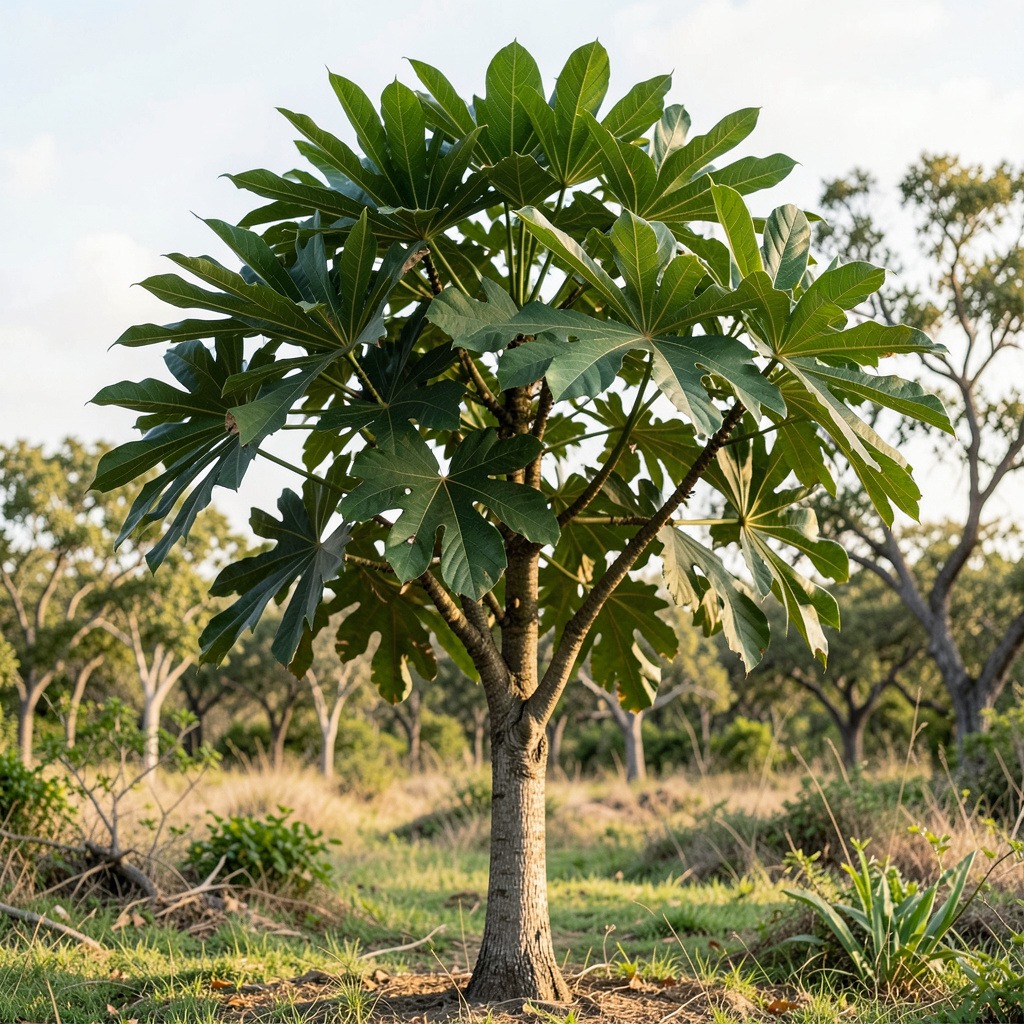
Caring for a Texas umbrella tree requires attention to its watering, soil, and pruning needs. Proper care ensures the tree thrives and maintains its aesthetic appeal.
Watering and Soil Requirements
The Texas umbrella tree prefers well-draining soil that retains some moisture. Here are key watering guidelines:
- Frequency: Water when the top inch of soil feels dry. Typically, this means once a week in warmer months and less frequently in cooler months.
- Soil Type: Use a mix of potting soil and sand to enhance drainage. This prevents root rot, a common issue with overwatering.
Pruning Techniques for Optimal Growth
Pruning is essential for shaping the tree and encouraging healthy growth. Follow these techniques:
- Timing: Prune in early spring before new growth begins.
- Method: Remove dead or damaged branches first. Shape the tree by cutting back overly long branches to promote a balanced appearance.
- Tools: Use sharp pruning shears to prevent crushing the stems.
Seasonal Care Checklist
Adapting care to the seasons is vital for the Texas umbrella tree’s health. Follow this checklist:
- Spring: Fertilize with a balanced fertilizer as new growth begins. Check for pests and diseases.
- Summer: Increase watering frequency during hot months. Monitor for signs of stress, such as drooping leaves.
- Fall: Gradually reduce watering as temperatures cool. Prepare for winter by cleaning up fallen leaves.
- Winter: Protect the tree from frost by covering it on extremely cold nights if planted outdoors. Reduce watering to avoid root rot.
By adhering to these care instructions, you can ensure your Texas umbrella tree remains healthy and vibrant, enhancing your landscape with its unique beauty.
Alternatives to the Texas Umbrella Tree
When considering shade trees, it’s essential to explore alternatives to the Texas umbrella tree. Various options may better suit your landscape and needs, depending on your specific conditions.
Suitable Alternatives for Shade
Here are some popular alternatives to the Texas umbrella tree, along with their pros and cons:
| Tree Type | Pros | Cons |
|---|---|---|
| Live Oak | – Provides dense shade | – Can require significant space |
| – Drought-tolerant once established | – Slower growth rate | |
| Red Maple | – Beautiful fall color | – Requires consistent moisture |
| – Fast growing | – Susceptible to pests | |
| Lacebark Elm | – Tolerant of urban conditions | – Can suffer from leaf drop in drought |
| – Attractive, textured bark | – Moderate water needs | |
| Chinese Pistache | – Excellent drought tolerance | – Can take years to mature |
| – Stunning fall color | – May produce significant litter |
How They Compare to the Texas Umbrella Tree
In contrast to the Texas umbrella tree:
- Growth Habit: The Texas umbrella tree can grow rapidly and can reach heights of up to 50 feet, while alternatives like the live oak grow more slowly but provide similar shade.
- Maintenance Needs: The Texas umbrella tree requires regular pruning to maintain its shape and health. Alternatives like the lacebark elm may need less frequent maintenance but can develop litter issues.
- Toxicity: The Texas umbrella tree’s seeds and leaves are toxic if ingested. Many alternatives, like the live oak, are safe for pets and children, making them preferable for residential areas.
Decision Framework
When deciding whether to plant a Texas umbrella tree or consider an alternative, assess the following:
- Space Availability: Ensure your yard has adequate space for the tree’s growth.
- Maintenance Commitment: Determine how much time you can dedicate to tree care.
- Safety Concerns: Consider the presence of children or pets in your yard.
- Climate and Soil: Evaluate your local climate and soil conditions to choose a tree that thrives in your environment.
Selecting the right shade tree involves balancing aesthetic preferences with practical considerations. By understanding the pros and cons of the Texas umbrella tree and its alternatives, you can make a more informed decision for your landscape.
Frequently Asked Questions
These quick answers cover the most common questions about this topic, including key details, practical tips, and common concerns.
Do umbrella trees have invasive roots?
Yes, Texas umbrella trees are known for their invasive root systems. Their roots can spread aggressively, potentially damaging foundations, sidewalks, and other nearby plants. Homeowners should be cautious about planting them close to structures or other landscaping features.
What are the common problems with umbrella plants?
Common issues with Texas umbrella trees include invasive roots, litter problems from fallen leaves and seeds, and toxicity to pets and wildlife. Additionally, they may require regular maintenance, such as pruning, to keep their shape and health in check.
Can you cut the top off an umbrella tree?
Yes, you can cut the top off a Texas umbrella tree, but it’s best to do so with care. Pruning should be done in early spring before new growth starts. This helps maintain the tree’s shape and encourages healthy growth while preventing excessive height.
What is the lifespan of an umbrella tree?
The lifespan of a Texas umbrella tree typically ranges from 30 to 50 years, depending on environmental conditions and care. Proper maintenance, including watering and pruning, can help extend its life and enhance its overall health.
Are umbrella trees safe for pets?
No, Texas umbrella trees are not safe for pets. Their leaves and seeds contain toxic compounds that can cause symptoms like vomiting and lethargy if ingested. If you have pets, consider alternative trees that are non-toxic.
How to manage an existing Texas umbrella tree?
To manage an existing Texas umbrella tree, regularly monitor its growth and health. Prune it annually to maintain its shape and prevent overcrowding. Additionally, keep an eye on its roots to ensure they aren’t causing damage to nearby structures. If you notice any signs of toxicity or distress in pets, consider consulting a professional for advice.
When is the best time to prune an umbrella tree?
The best time to prune a Texas umbrella tree is in early spring before new growth begins. This timing allows the tree to heal quickly and encourages healthy growth throughout the growing season. Regular pruning helps maintain its shape and prevents issues related to overcrowding.
What are alternatives to the Texas umbrella tree for shade?
Alternatives to the Texas umbrella tree include live oaks, red maples, lacebark elms, and Chinese pistache trees. Each of these options provides shade and has its own pros and cons regarding maintenance, growth rate, and safety for pets. Consider your specific landscape needs when choosing a suitable alternative.