
The pin oak tree (Quercus palustris) is a fast-growing, deciduous hardwood tree known for its distinctive pyramidal shape, ecological benefits, and suitability for urban landscaping.
Table of Contents
The pin oak tree, scientifically known as Quercus palustris, is a popular deciduous tree celebrated for its beautiful shape and vibrant fall colors. This guide covers its characteristics, growing conditions, ecological benefits, and maintenance tips for successful landscaping.
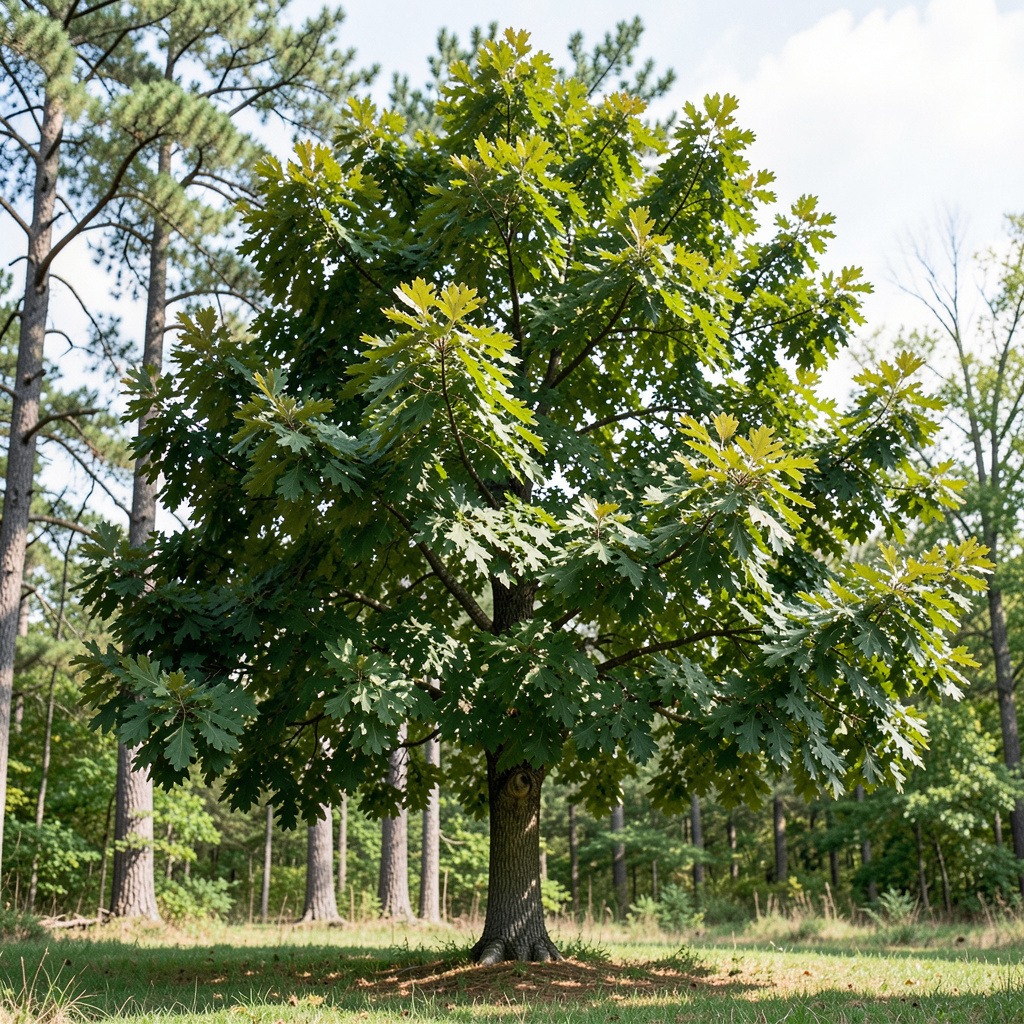
Identification and Characteristics of the Pin Oak Tree
The pin oak tree, or Quercus palustris, is identifiable by its unique physical attributes. Understanding these characteristics will help you recognize this species in various environments.
Key Features of Pin Oak Leaves
Pin oak leaves are distinctive and play a crucial role in identifying this tree. Here are their key features:
- Shape: The leaves are lobed, with 5-7 narrow lobes that are pointed at the tips.
- Size: They typically measure 3 to 6 inches long.
- Color: In spring and summer, the leaves are a glossy dark green. They turn yellow or orange-red in the fall, often remaining on the tree into winter.
- Comparison: Unlike the broader leaves of white oaks, pin oak leaves are more elongated and slender, making them easily distinguishable.
Bark Characteristics
The bark of the pin oak is another identifying feature. Its characteristics include:
- Texture: The bark is gray to brown and slightly furrowed, providing a rough texture.
- Age Differences: Younger trees have smoother, brown bark with white lenticels (small dots). As the tree matures, the bark becomes more textured and darker.
- Comparison: Unlike the shaggy bark of some older oak species, pin oak bark remains more uniform and less ridged.
Acorns and Their Role
Pin oak acorns are important for both reproduction and wildlife support:
- Size: Acorns measure between 0.4 to 0.6 inches (10 to 16 mm) long and 0.35 to 0.6 inches (9 to 15 mm) in diameter.
- Shape: They have a distinct globular shape, unlike the more elongated acorns of northern pin oaks.
- Development: It takes about 15 to 20 years for a pin oak to start producing acorns, which mature over two growing seasons.
- Wildlife Value: These acorns provide food for various wildlife, including squirrels and birds.
Quick Reference: Identification Features
| Feature | Pin Oak Characteristics |
|---|---|
| Leaf Shape | 5-7 pointed lobes |
| Leaf Size | 3 to 6 inches long |
| Bark Color | Gray to brown, furrowed texture |
| Acorn Size | 0.4 to 0.6 inches long, globular shape |
| Acorn Maturity | 15-20 years to produce acorns |
Recognizing these features will help you identify the pin oak tree accurately in both urban and natural settings.
Growth Requirements and Care for Pin Oak Trees
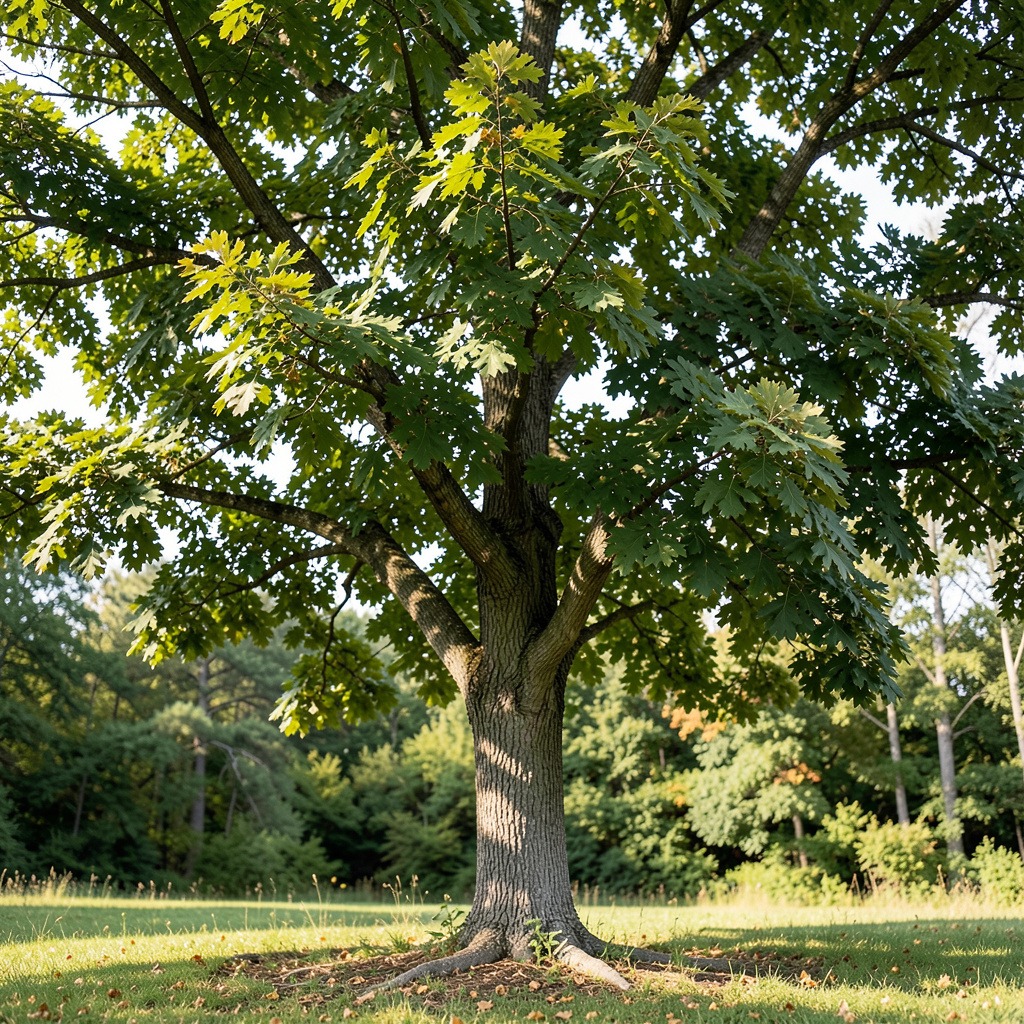
The pin oak tree (Quercus palustris) thrives under specific conditions that enhance its health and growth. Understanding these requirements is crucial for successful planting and maintenance.
Ideal Soil Conditions
Pin oaks prefer well-drained soil that is neutral to acidic. They thrive in various soil types but struggle with alkaline conditions. Consider the following when selecting soil:
- Soil pH: Aim for a pH between 5.0 and 7.0.
- Soil Texture: Loamy or sandy loam soils are optimal for root development.
- Drainage: Ensure the planting area drains well to prevent root rot.
In urban settings, soil can often be compacted or contaminated. Conduct a soil test to determine the pH and amend as necessary. If planting in heavy clay, consider raised beds to promote drainage.
Watering and Fertilization Tips
Watering requirements for pin oaks vary with age. Newly planted trees need consistent moisture, while established trees can tolerate drought. Follow these guidelines:
- New Trees: Water deeply once a week for the first year. Focus on saturating the root zone.
- Established Trees: Water during prolonged dry spells, especially in the first few years.
- Fertilization: Apply a slow-release fertilizer in early spring if soil nutrients are low. An N-P-K ratio of 10-10-10 is generally effective.
To determine if your pin oak needs water, check the top inch of soil. If it feels dry, it’s time to water.
Pruning and Maintenance Strategies
Regular maintenance helps maintain the health and shape of pin oak trees. Follow these pruning tips:
- Timing: Prune during late winter or early spring before new growth begins.
- Technique: Remove dead, damaged, or crossing branches. Ensure cuts are clean to prevent disease.
- Shape: Encourage an open canopy to improve air circulation and light penetration.
For urban planting, allow enough space for the tree to grow. Pin oaks can reach heights of 60-70 feet and widths of 30-40 feet. Plant them at least 20-30 feet away from structures and power lines to avoid conflicts as they mature.
Decision Framework for Urban vs. Rural Planting
When selecting a planting location, consider these factors:
- Urban: Look for open spaces free from underground utilities. Ensure access to sunlight and consider soil amendments for compacted urban soils.
- Rural: Choose locations with natural drainage and minimal competition from other plants. Ensure the area allows for the tree’s mature size.
By assessing these criteria, you can provide the pin oak with an ideal environment for growth and longevity.
Ecological Benefits of Pin Oak Trees
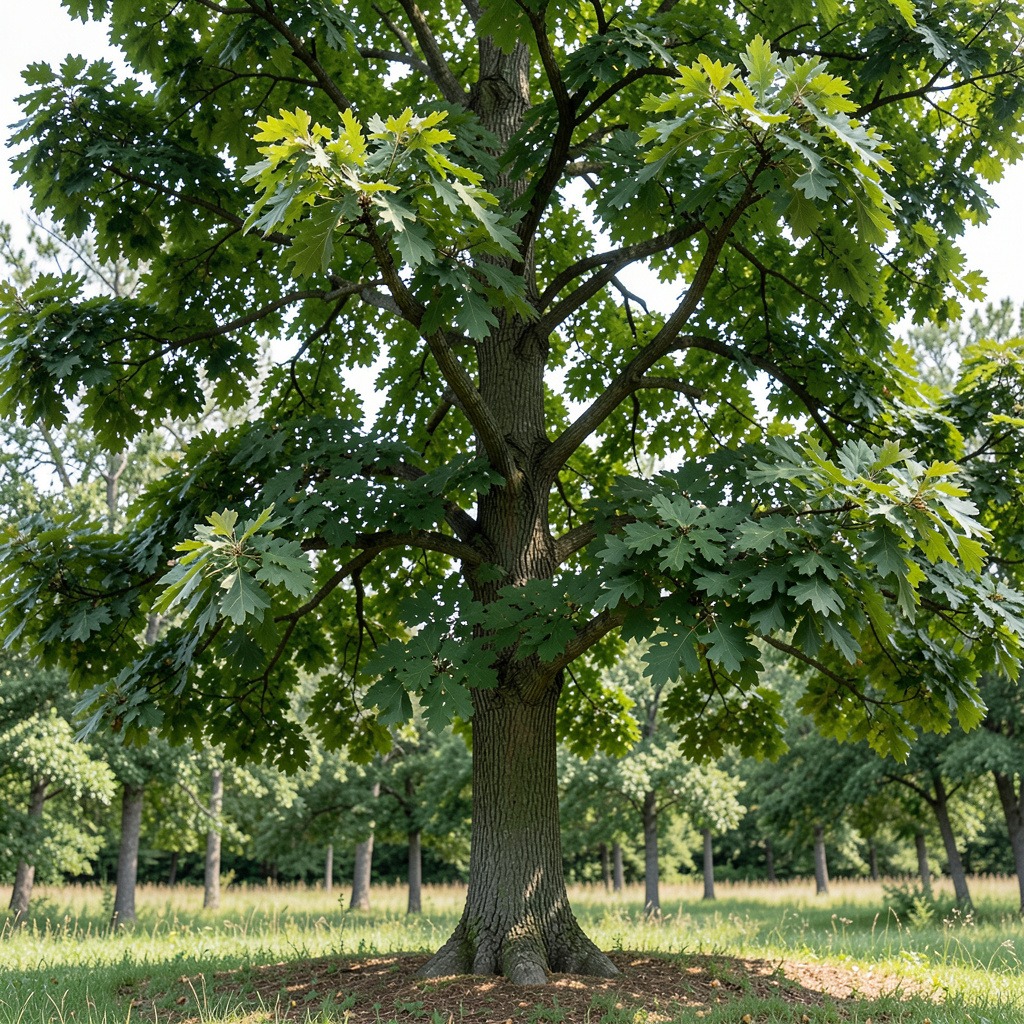
Pin oak trees (Quercus palustris) play a vital role in supporting local ecosystems and wildlife. Their fast growth and abundant acorns make them essential for biodiversity.
Wildlife Supported by Pin Oaks
Pin oaks provide critical habitat and food for various wildlife species. Their acorns are a key food source for:
- Squirrels
- Deer
- Birds, such as woodpeckers and jays
These trees also support insects, which serve as food for birds. By hosting a diverse range of species, pin oaks contribute to a balanced ecosystem.
Role in Ecosystems
Pin oaks thrive in wet and well-drained soils, making them suitable for various landscapes. They help:
- Improve soil quality through fallen leaves, which decompose and enrich the ground.
- Provide shade and cooling effects in urban areas, mitigating heat islands.
- Support water retention in the soil, benefiting surrounding plant life.
Case studies show that planting pin oaks in urban environments enhances local biodiversity. For example, a recent initiative in a Midwestern city involved planting pin oaks in public parks, resulting in increased bird populations and improved soil health.
Benefits of Planting Pin Oaks
Choosing to plant pin oaks offers numerous ecological advantages:
- Ecosystem Support: Pin oaks foster rich ecosystems, attracting diverse wildlife.
- Climate Resilience: Their dense canopies provide shade, reducing energy consumption in nearby buildings.
- Soil Enhancement: The tree’s root system improves soil structure, promoting healthier plant communities.
When selecting a tree for your landscape, consider the ecological benefits of pin oaks. Their ability to support wildlife and improve local ecosystems makes them an excellent choice for both urban and rural settings.
Common Pests and Diseases Affecting Pin Oak Trees
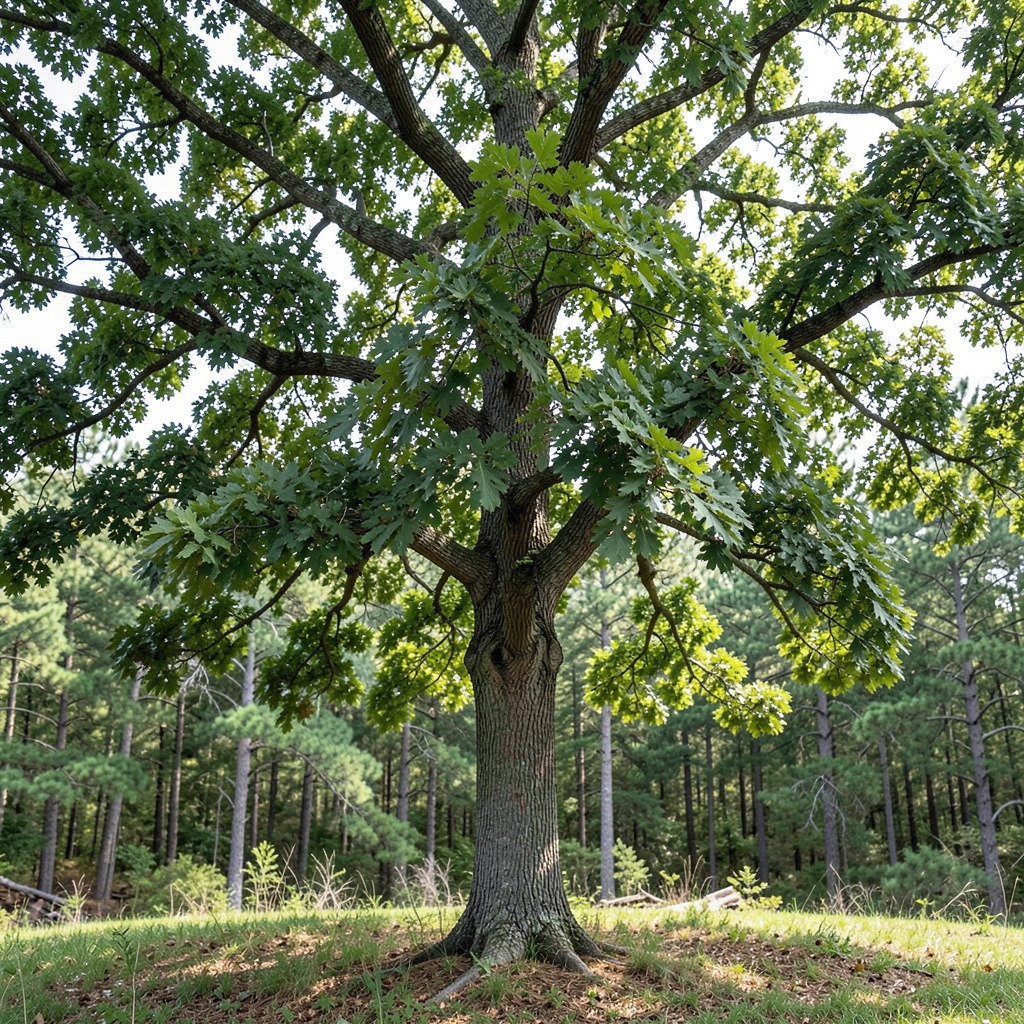
Pin oak trees, or Quercus palustris, are susceptible to various pests and diseases that can impact their health and growth. Understanding these threats is crucial for effective management and care.
Common Pests to Watch For
Several pests can affect pin oak trees. While many do not seriously harm healthy trees, monitoring their presence is essential.
- Aphids: These small insects feed on leaf tissue, causing distortion. Although rarely harmful, large infestations can affect the tree’s aesthetics.
- Caterpillars: Species such as tent caterpillars can defoliate pin oaks. Prompt removal of nests helps mitigate damage.
- Acorn Weevils: These pests burrow into acorns, consuming the nut’s flesh. While they primarily impact seed production, a significant infestation may affect the tree’s overall vigor.
- Pin Oak Galls: Caused by insects and mites laying eggs on leaves and limbs, these growths can be unsightly but usually do not pose a severe threat.
Diseases Affecting Pin Oaks
Pin oak trees can also be affected by several diseases, which can threaten their long-term health.
- Oak Wilt: This serious fungal disease is spread by beetles and can cause rapid decline. Look for yellowing leaves that drop suddenly. Early detection is critical; consult a professional arborist if suspected.
- Powdery Mildew: This fungal infection appears as a white, powdery coating on leaves. It can lead to leaf distortion and premature drop. Improving air circulation around the tree can help prevent this issue.
Prevention and Treatment Strategies
Managing pests and diseases effectively requires proactive strategies.
- Regular Inspections: Monitor your pin oak for signs of pests or disease. Early detection leads to better outcomes.
- Cultural Practices: Ensure proper spacing and airflow around the tree to reduce humidity and prevent diseases like powdery mildew.
- Integrated Pest Management (IPM): Use a combination of biological, cultural, and chemical methods to control pests. For example, introducing natural predators can help manage aphid populations.
- Professional Help: For severe infestations or diseases, consult an arborist. They can provide tailored solutions and treatments.
By staying vigilant and employing these strategies, you can maintain the health of your pin oak tree and protect it from common threats.
Comparison with Other Oak Species
The pin oak tree (Quercus palustris) stands out among various oak species due to its unique growth habits, ecological roles, and landscaping suitability. Understanding these differences aids in selecting the right oak for specific environments.
Pin Oak vs. Northern Pin Oak
While both the pin oak and northern pin oak (Quercus ellipsoidalis) share similar characteristics, they have distinct differences. Here are key points of comparison:
| Feature | Pin Oak (Quercus palustris) | Northern Pin Oak (Quercus ellipsoidalis) |
|---|---|---|
| Leaf Shape | Deeply lobed, bristle-tipped | Similar, but more variable |
| Acorn Shape | Globular | Rounded, pyramidal |
| Height | 60-70 feet | 50-60 feet |
| Preferred Habitat | Wet soils, bottomlands | Poorly drained, sandy soils |
| Growth Rate | Moderate | Slower |
Benefits of Pin Oak vs. Other Oak Species
Pin oaks offer several advantages over other oak species, particularly in urban settings. Here are some notable benefits:
- Adaptability: Pin oaks thrive in a variety of soil types, making them suitable for urban landscapes.
- Wildlife Support: They provide acorns that attract birds and small mammals, enhancing local biodiversity.
- Aesthetic Appeal: Their distinctive shape and vibrant fall color make them visually appealing in landscaping.
- Disease Resistance: Compared to other oaks, pin oaks show resilience against common diseases like oak wilt, although they are not immune.
Choosing the Right Oak for Your Landscape
When selecting an oak for landscaping, consider these factors:
- Space Requirements: Pin oaks grow large. Ensure there is adequate space away from structures and power lines.
- Soil Conditions: Assess whether your site has well-drained or wet soils. Pin oaks prefer wetter conditions.
- Ecological Impact: Consider how the tree will contribute to local wildlife and ecosystem health. Pin oaks support diverse wildlife populations.
- Maintenance Needs: Evaluate the tree’s susceptibility to pests and diseases. Pin oaks require regular monitoring for optimal health.
By knowing these comparisons, you can make informed decisions when incorporating pin oaks or other oak species into your landscape.
Urban Planting Considerations for Pin Oak Trees
Planting pin oak trees (Quercus palustris) in urban environments presents unique challenges and opportunities. Understanding their specific requirements can ensure successful establishment and growth.
Space and Soil Requirements
Pin oaks thrive in environments that provide ample space for their extensive root systems and large crowns. Consider the following points when selecting a planting site:
- Distance from Structures: Plant pin oaks at least 20 to 30 feet away from buildings to prevent root damage.
- Soil Type: These trees prefer moist, well-drained soils. Avoid sites with poorly draining or alkaline soils.
- Root Depth: Pin oaks have shallow lateral roots, which can affect nearby surfaces. Plan accordingly to minimize disruption to sidewalks and roads.
Pollution Tolerance and Urban Adaptability
Pin oaks exhibit high tolerance to urban pollution. This resilience makes them suitable for city planting. Here are key attributes:
- Air Quality: They can thrive in areas with high pollution levels, contributing positively to urban air quality.
- Heat Resistance: Pin oaks withstand urban heat islands better than many other tree species.
- Adaptability: They can grow in various urban soil types, though they prefer slightly acidic conditions.
Managing Growth in Urban Environments
Proper management is essential for pin oaks in urban settings. Follow these guidelines:
- Regular Monitoring: Check for pests like oak wilt, which can threaten tree health.
- Pruning: Conduct regular pruning to maintain shape and health, especially for lower branches that may interfere with pedestrian or vehicular traffic.
- Watering Needs: During dry spells, ensure adequate watering, particularly for young trees.
Decision Framework for Urban Planting
When selecting a planting site for pin oaks, consider the following criteria:
1. Space Availability: Ensure sufficient room for growth without interference from structures or power lines.
2. Soil Drainage: Test soil drainage to confirm it meets the moisture needs of the tree.
3. Surrounding Environment: Assess pollution levels and overall urban conditions that may affect tree health.
By adhering to these considerations, you can enhance the chances of successful pin oak plantings in urban landscapes.
Frequently Asked Questions
These quick answers cover the most common questions about this topic, including key details, practical tips, and common concerns.
What are the best soil conditions for planting a pin oak tree?
Pin oaks thrive in well-drained soils that are neutral to slightly acidic, with a pH range of 5.0 to 7.0. They prefer loamy or sandy loam soils, which promote healthy root development. Avoid alkaline soils, as they can hinder the tree’s growth and overall health.
In urban areas, soil can often be compacted or contaminated. Conducting a soil test before planting is advisable. If the soil is heavy clay, consider using raised beds to improve drainage and root establishment.
How long does it take for a pin oak tree to mature?
Pin oak trees typically take about 20 to 30 years to reach maturity, depending on the growing conditions. They can grow to heights of 60-70 feet and spread 30-40 feet wide. Their growth rate is moderate, making them a long-term investment for landscaping.
During their early years, ensure they receive adequate care and maintenance to promote healthy growth.
Can pin oak trees tolerate drought conditions?
While pin oak trees can withstand short periods of drought, they prefer consistently moist soil, especially when young. Established trees are more resilient and can tolerate some drought, but prolonged dry spells can stress them and impact their health.
To ensure their survival during dry periods, water young pin oaks deeply once a week during the first year. For established trees, monitor soil moisture and water during extended dry spells.
What wildlife benefits from pin oak trees?
Pin oaks are valuable to wildlife, providing food and habitat. Their acorns serve as a crucial food source for various animals, including squirrels, deer, and numerous bird species like woodpeckers and jays. The tree’s foliage also supports insects, which are essential for birds.
By planting pin oaks, you contribute to a thriving ecosystem, enhancing local biodiversity and supporting wildlife populations.
How do I identify a pin oak tree in winter?
Identifying a pin oak in winter can be challenging but possible. Look for its distinctive bark, which is gray to brown and slightly furrowed. The tree’s overall shape remains pyramidal, even without leaves.
Another identifying feature is the retention of some leaves through winter, which can be a distinguishing characteristic compared to other oaks that lose their leaves entirely. The acorns, if still present, are globular and measure about 0.4 to 0.6 inches long.
What are the signs of disease in pin oak trees?
Common signs of disease in pin oak trees include yellowing leaves, sudden leaf drop, and wilting. Oak wilt, a serious fungal disease, can cause rapid decline and is often indicated by these symptoms. If you notice these signs, it’s essential to consult a professional arborist for diagnosis and treatment.
Other issues may include powdery mildew, which appears as a white coating on leaves. Improving air circulation around the tree can help prevent this issue.
How often should I water my pin oak tree?
Watering frequency for pin oak trees depends on their age. Newly planted trees should be watered deeply once a week for the first year to establish a strong root system. After that, established trees can tolerate some drought but should be watered during prolonged dry spells.
Check the top inch of soil; if it feels dry, it’s time to water. Adjust your watering schedule based on rainfall and temperature to ensure the tree remains healthy.
What should readers know about practical tips for urban planting conditions?
When planting pin oaks in urban environments, consider space and soil conditions carefully. Ensure there is enough room for the tree’s mature size—plant at least 20-30 feet away from buildings and power lines.
Urban soils may be compacted or contaminated, so conduct a soil test and amend as necessary. Water regularly during dry spells and monitor for pests and diseases, as urban trees can be more susceptible to these issues.