
Balsam fir trees are versatile and valuable, used for timber, Christmas trees, essential oils, and natural medicine. Their aromatic properties and adaptability make them popular in various industries.
Balsam fir (Abies balsamea) is a coniferous tree native to North America. It thrives in the cold climates of Canada and the northeastern United States. This evergreen tree is not only known for its beauty but also for its wide range of uses that benefit both people and the environment. With its distinctive fragrance and sturdy wood, the balsam fir holds significant economic and ecological importance.
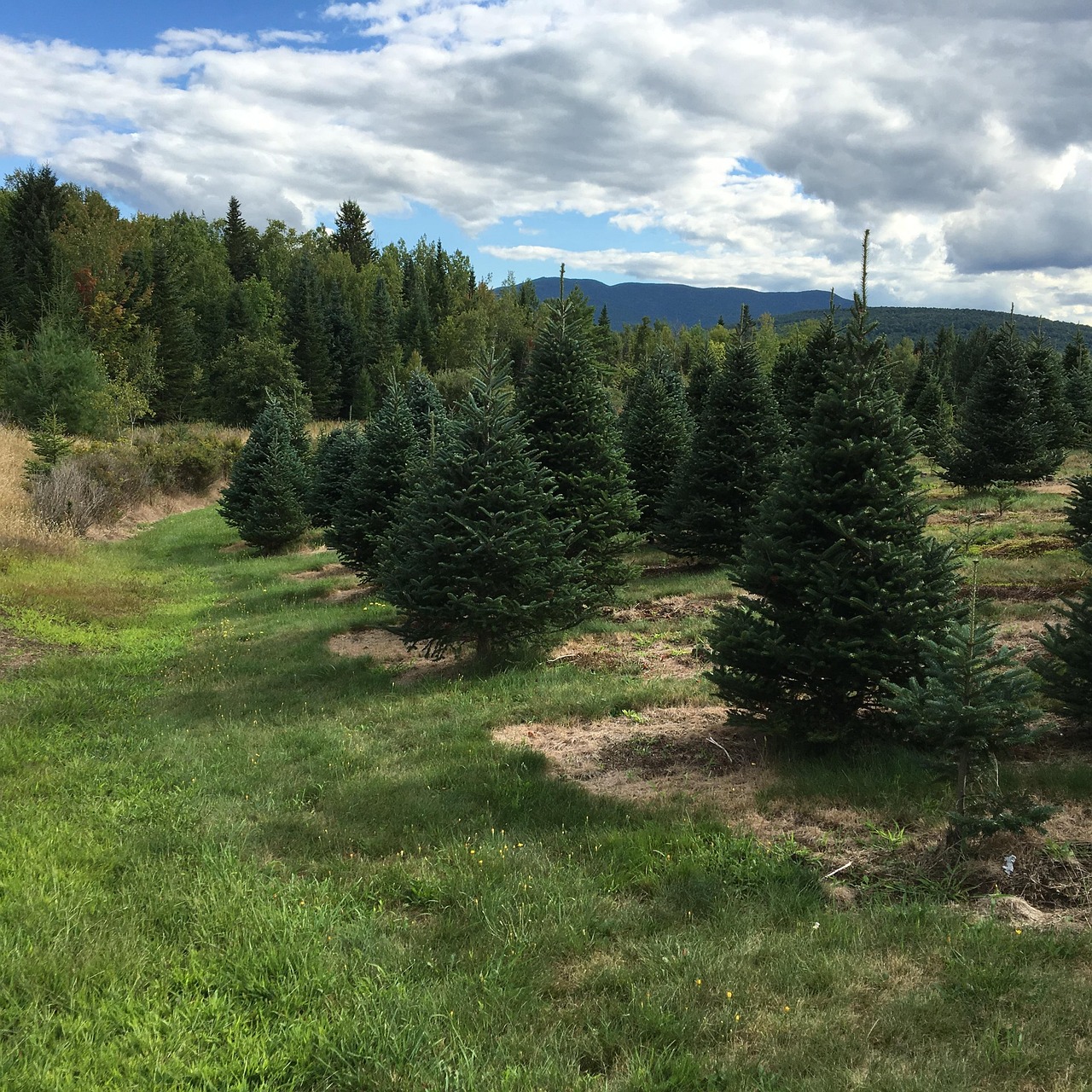
One of the primary uses of balsam fir is in the timber industry. The wood is lightweight yet strong, making it ideal for various construction purposes. It is often used in the production of furniture, cabinets, and even musical instruments. Additionally, the tree’s bark and resin have medicinal properties, which have been utilized by Indigenous peoples for generations.
Uses of Balsam Fir Trees
The versatility of balsam fir extends beyond timber and medicine. Below are some of the primary uses of this remarkable tree:
- Timber Production: Balsam fir wood is widely used in construction and furniture-making due to its durability and workability.
- Christmas Trees: These trees are a popular choice for Christmas trees because of their attractive appearance and pleasant fragrance.
- Essential Oils: The needles and resin are harvested to produce essential oils that are used in aromatherapy and personal care products.
- Wildlife Habitat: Balsam fir forests provide critical habitat for various wildlife species, including birds and mammals.
- Medicinal Uses: The resin has been used in traditional medicine for respiratory issues and skin ailments.
The balsam fir’s unique characteristics contribute to its various applications. For instance, it has a high resin content, which makes it particularly valuable in the production of turpentine and other products. The essential oil extracted from balsam fir is not only aromatic but also possesses antifungal and antibacterial properties, making it sought after in health and wellness industries.
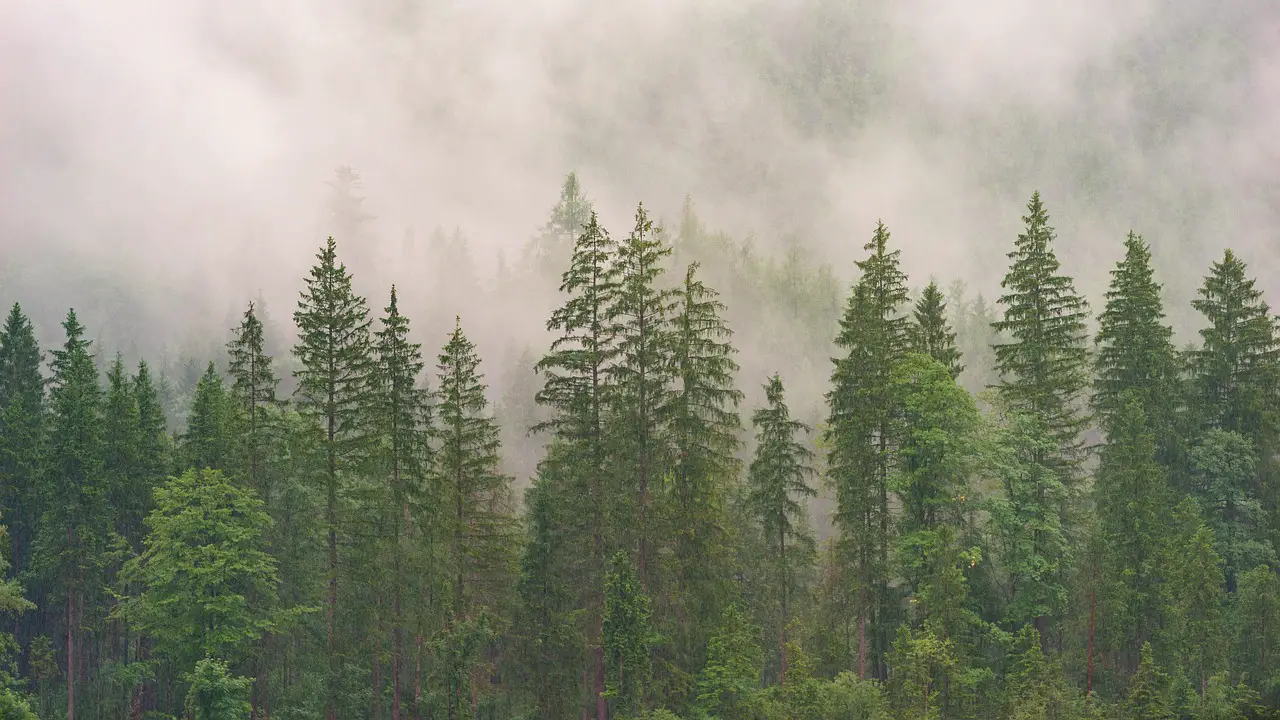
In addition to its practical uses, balsam fir trees play an essential role in forest ecosystems. They are adapted to thrive in acidic, nutrient-poor soils common in their native habitats. Their presence helps to stabilize the soil and prevent erosion. Furthermore, they contribute to carbon sequestration, making them an important part of efforts to combat climate change.
Environmental Benefits
The environmental contributions of balsam fir trees are significant. Here are some key benefits:
| Benefit | Description |
|---|---|
| Carbon Sequestration | Balsam fir trees absorb carbon dioxide from the atmosphere, helping to mitigate climate change. |
| Soil Stabilization | The extensive root system of balsam fir helps anchor soil, preventing erosion. |
| Biodiversity Support | Balsam fir forests provide habitats for numerous species of plants and animals. |
These benefits underline the importance of preserving balsam fir populations and their ecosystems. As urban development and climate change threaten natural habitats, the conservation of balsam fir forests becomes increasingly crucial. Efforts to sustainably manage these forests can ensure that future generations will continue to enjoy the many benefits they offer.
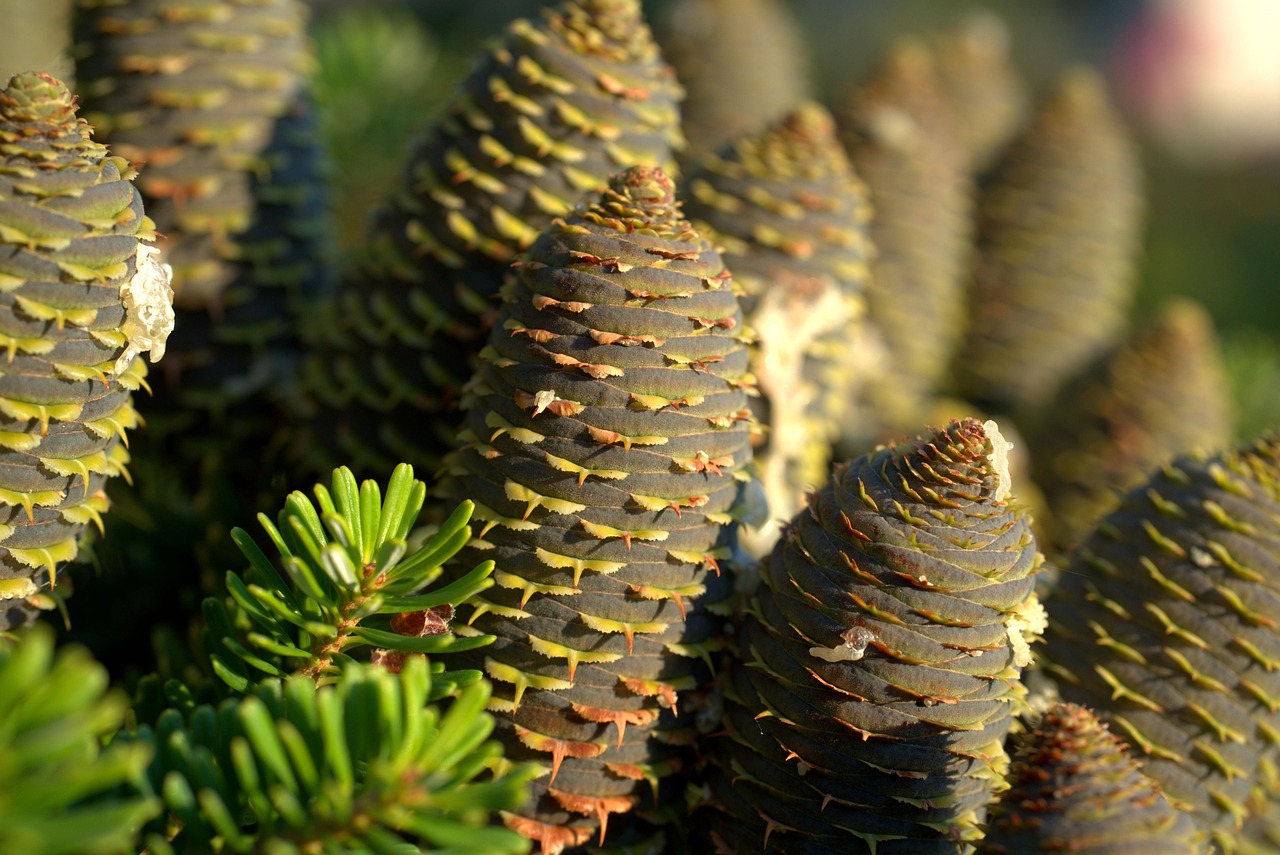
The balsam fir tree exemplifies how nature provides resources that can be utilized sustainably. Its aesthetic appeal as a Christmas tree, combined with its practical applications in construction and health, makes it a valuable species. Understanding its uses can inspire greater appreciation and conservation efforts for this magnificent tree.
Commercial Uses of Balsam Fir Trees
Balsam fir trees are not only valued for their ecological benefits but also have significant commercial applications. Different industries utilize various parts of the tree, creating a wide range of products. The following sections will explore the commercial uses of balsam fir in detail.
Timber and Wood Products
The timber harvested from balsam fir is highly sought after due to its unique properties. The wood is light, straight-grained, and has a fine texture, making it easy to work with. It is commonly used in the following products:

- Construction Materials: Balsam fir is often used in building frames, paneling, and flooring because of its strength and lightweight nature.
- Furniture: The wood is popular for crafting furniture pieces like tables, chairs, and cabinets, providing a rustic charm to home decor.
- Musical Instruments: The acoustic properties of balsam fir make it a preferred choice for constructing instruments such as guitars and pianos.
- Pulp and Paper: Balsam fir wood can be processed into pulp for the paper industry, contributing to sustainable paper production.
Essential Oils and Aromatherapy
Balsam fir essential oil is extracted from the needles and branches of the tree. This oil has gained popularity in aromatherapy and personal care products due to its numerous benefits:
- Relaxation: The scent of balsam fir is known to promote relaxation and reduce stress levels.
- Respiratory Aid: Inhalation of the oil can help relieve respiratory issues, making it beneficial for cold and flu symptoms.
- Aromatherapy Diffusers: Balsam fir oil is often used in diffusers to create a calming atmosphere in homes and spas.
Extraction Process
The extraction process for balsam fir essential oil typically involves steam distillation. This method preserves the aromatic compounds found in the needles and resin. The resulting oil is clear to pale yellow in color, with a fresh, woodsy scent.
Medicinal Uses
Balsam fir has a long history of use in traditional medicine. Indigenous peoples utilized various parts of the tree for their healing properties. Some key medicinal applications include:
- Respiratory Health: Balsam fir resin has been used as a natural remedy for coughs, colds, and bronchial issues.
- Wound Healing: The sap can be applied topically to minor cuts and bruises for its antiseptic properties.
- Anti-inflammatory: Balsam fir extracts are believed to have anti-inflammatory effects, which can help alleviate pain and swelling.
Cultural Significance
Balsam fir trees hold cultural significance in many communities. They are often associated with holiday traditions, particularly as Christmas trees. The following points highlight their cultural importance:
- Christmas Traditions: Balsam fir’s rich fragrance and full shape make it a favorite choice for Christmas trees, symbolizing joy and celebration during the holiday season.
- Folklore and Traditions: Many Indigenous cultures have stories that involve balsam fir trees, celebrating their beauty and medicinal properties.
- Artistic Inspiration: The tree’s majestic presence has inspired artists and writers alike, appearing in various forms of art and literature.
Sustainable Practices
The commercial use of balsam fir must be balanced with sustainable practices to protect forest ecosystems. Some sustainable practices include:
- Selective Harvesting: Only mature trees are harvested, allowing younger trees to grow and thrive.
- Reforestation: Planting new balsam fir seedlings ensures that future generations will benefit from these trees.
- Certification Programs: Many companies participate in certification programs that promote sustainable forestry practices.
By adopting these sustainable methods, it is possible to enjoy the commercial benefits of balsam fir while preserving its ecological roles for future generations.
Ecological Importance of Balsam Fir Trees
Balsam fir trees play a crucial role in their ecosystems. They contribute to biodiversity, provide essential resources for wildlife, and help maintain environmental balance. Understanding these ecological benefits is vital for appreciating the overall significance of balsam fir trees.
Biodiversity Support
Balsam fir forests are rich ecosystems that provide habitats for various species. The tree’s structure and foliage offer shelter and food for numerous animals. Some key aspects of biodiversity supported by balsam fir include:
- Wildlife Habitats: Balsam firs provide nesting sites for birds and shelter for small mammals. Species such as the black-capped chickadee and red squirrel are often found in these forests.
- Food Sources: The needles and seeds of balsam fir are consumed by various animals, including deer and moose, particularly in the winter months when other food sources are scarce.
- Plant Diversity: The understory of balsam fir forests is often home to diverse plant species, including ferns, shrubs, and wildflowers, which thrive in the shaded environment.
Soil Health and Erosion Control
Balsam fir trees contribute to soil health and stability in several ways:
- Root Systems: The extensive root systems of balsam firs help anchor the soil, preventing erosion, especially on slopes and in areas prone to heavy rainfall.
- Nutrient Cycling: As balsam fir needles fall to the ground, they decompose and enrich the soil with nutrients, promoting healthy plant growth.
- Water Retention: Balsam fir forests enhance water retention in the soil, which is critical for maintaining local water supplies and supporting other vegetation.
Impact on Microclimates
Balsam fir trees also influence local microclimates. Their tall canopies provide shade, which can lower ground temperatures and maintain moisture levels. This shaded environment is conducive to the growth of shade-tolerant plants, enhancing overall biodiversity in the area.
Traditional Uses of Balsam Fir Trees
Beyond their commercial applications, balsam fir trees have been utilized by Indigenous peoples for centuries. These traditional uses highlight the deep connection between communities and nature.
Medicinal Applications
Balsam fir has been used in traditional medicine practices for various ailments. Some of the common medicinal applications include:
- Respiratory Relief: The steam from boiling balsam fir needles has been inhaled to alleviate congestion and respiratory issues.
- Treatment for Skin Conditions: The resin has been applied topically to treat cuts, burns, and skin irritations due to its antiseptic properties.
- Sore Throat Relief: A tea made from the needles has been consumed to soothe sore throats and coughs.
Cultural Practices
Balsam fir trees are deeply embedded in the cultural practices of many Indigenous groups. Their uses include:
- Ceremonial Uses: Balsam fir may be used in rituals and ceremonies due to its spiritual significance.
- Crafts and Tools: The wood is often crafted into tools, canoes, and other items essential for daily living.
- Decorative Elements: The fragrant branches are used in traditional decorations during festivals and celebrations.
Challenges Facing Balsam Fir Trees
While balsam fir trees offer numerous benefits, they also face several challenges that threaten their survival. Understanding these challenges is crucial for developing effective conservation strategies.
- Pest Infestations: Balsam firs are susceptible to pests such as the spruce budworm, which can cause significant damage to the trees and surrounding forests.
- Disease: Fungal infections can weaken or kill balsam fir trees, leading to declines in their populations.
- Climate Change: Changes in climate patterns can affect the growth and health of balsam firs, making them more vulnerable to stressors like drought and extreme weather events.
Conservation Efforts
To combat these challenges, various conservation efforts are underway. These include:
- Pest Management Programs: Implementing strategies to monitor and control pest populations in balsam fir forests.
- Research Initiatives: Conducting studies on disease resistance and climate adaptation strategies for balsam firs.
- Community Involvement: Engaging local communities in conservation efforts to protect balsam fir habitats and promote sustainable use.
By addressing these challenges through concerted efforts, we can help ensure that balsam fir trees continue to thrive in their natural environments.
Future Perspectives on Balsam Fir Conservation
As we look to the future, the conservation of balsam fir trees will require innovative approaches and collaborative efforts. The ongoing challenges posed by climate change, pests, and diseases necessitate adaptive management strategies that can respond to evolving conditions in forest ecosystems. Here are some perspectives on how we can ensure the sustainability of balsam fir trees:
- Climate Resilience: Developing and promoting climate-resilient varieties of balsam fir can help improve their survival rates against changing environmental conditions.
- Enhanced Research: Continued research into the genetic diversity of balsam fir populations can lead to better understanding and management of their health and resilience.
- Public Awareness Campaigns: Raising awareness about the importance of balsam fir trees among the public can foster a sense of stewardship and encourage community participation in conservation efforts.
Additionally, integrating traditional ecological knowledge from Indigenous communities with modern scientific practices can create more holistic conservation strategies. This collaboration can enhance biodiversity conservation while respecting cultural values associated with balsam fir ecosystems.
Final Thoughts
Balsam fir trees are more than just beautiful, aromatic evergreens; they are vital components of their ecosystems and provide numerous benefits to humans and wildlife alike. From their commercial uses in timber and essential oils to their role in supporting biodiversity and maintaining soil health, balsam firs exemplify how nature offers resources that are invaluable to us. However, these trees face significant challenges that require our attention and action.
The importance of sustainable forestry practices cannot be overstated. By adopting responsible management strategies, we can ensure that balsam fir populations remain healthy and continue to thrive for generations to come. Supporting conservation efforts, engaging local communities, and fostering a culture of respect for these trees will enhance our understanding of their ecological significance and cultural heritage.
As we navigate the complexities of environmental change, it is essential to recognize the interconnectedness of our ecosystems. The preservation of balsam fir trees is not solely about saving a species; it is about protecting the rich tapestry of life that depends on them. Embracing sustainable practices will not only benefit balsam firs but also contribute to the overall health of our planet.
In conclusion, by valuing and protecting balsam fir trees, we acknowledge their multifaceted roles in nature and human life. Let us commit to ensuring that future generations can experience the beauty, utility, and ecological importance of balsam fir trees.