
Cottonwood trees offer rapid growth and ample shade but come with significant drawbacks, including invasive roots and messy seed production.
Cottonwood trees are known for their fast growth and lush canopies, making them popular in landscaping. However, they also present challenges such as aggressive roots and messy seed production. This guide explores the pros and cons of cottonwood trees.
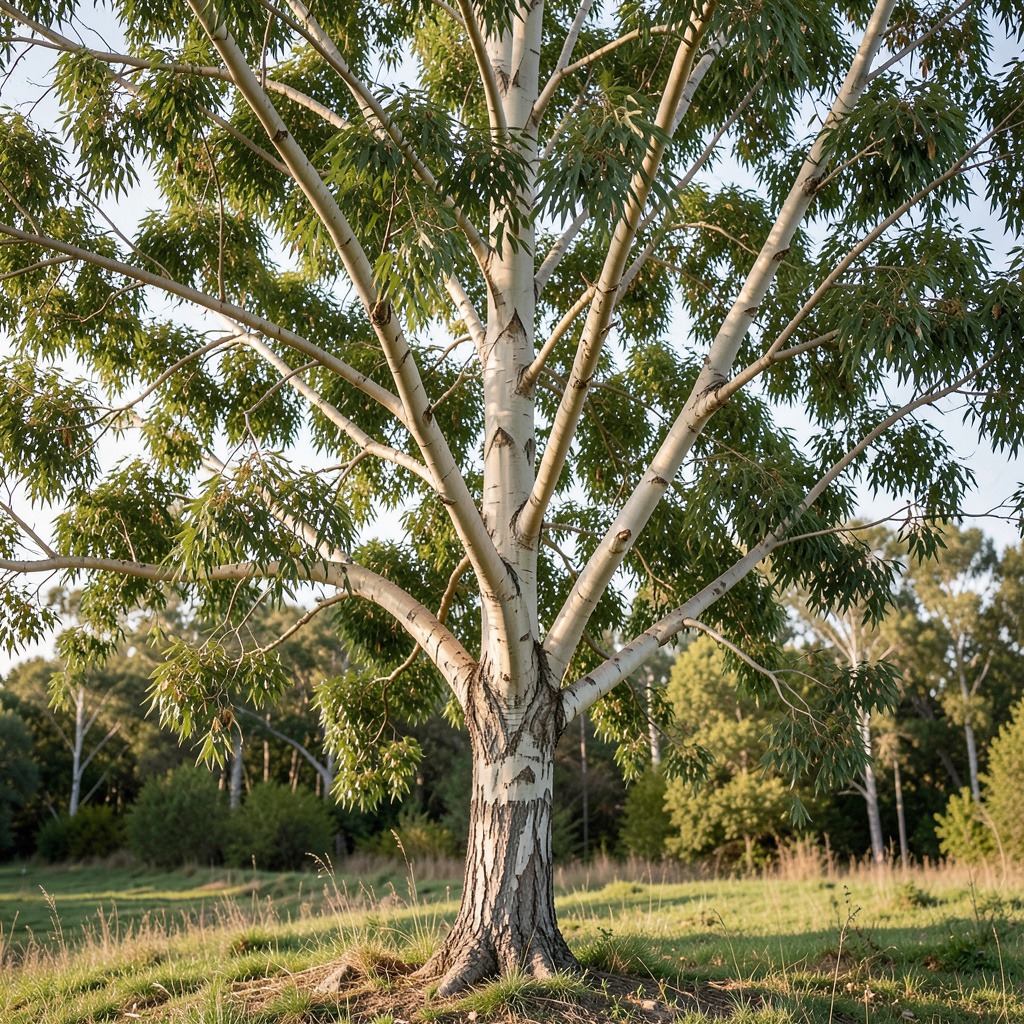
Understanding Cottonwood Trees
Cottonwood trees, belonging to the genus Populus, are notable for their impressive growth rates and distinctive physical characteristics. They thrive in moist environments and can significantly impact landscaping.
Growth Rate and Size
Cottonwood trees are among the fastest-growing trees in North America. They can grow up to 6 feet per year, reaching heights of over 100 feet. This rapid growth makes them an attractive option for homeowners seeking quick shade and screening.
Common Habitats and Distribution
Cottonwoods naturally flourish along rivers, streams, and floodplains. They prefer moist soils but can adapt to various conditions. In residential settings, they are often found in parks and larger yards, particularly those near water sources.
Physical Appearance and Features
Cottonwood trees have a broad canopy and a distinctive bark. Their leaves are triangular and feature flat stems, creating a shimmering effect in the wind. The female trees produce fluffy, cotton-like seeds that can be a nuisance in some settings, while male varieties, such as the ‘Siouxland,’ do not produce these seeds.
Key Characteristics
- Growth Rate: Up to 6 feet per year.
- Height: Over 100 feet.
- Leaf Shape: Triangular with flat stems.
- Seed Production: Female trees produce fluffy cotton; male trees do not.
Understanding these characteristics helps homeowners assess the suitability of cottonwood trees for their landscaping needs.
Table of Contents
Pros of Cottonwood Trees for Landscaping
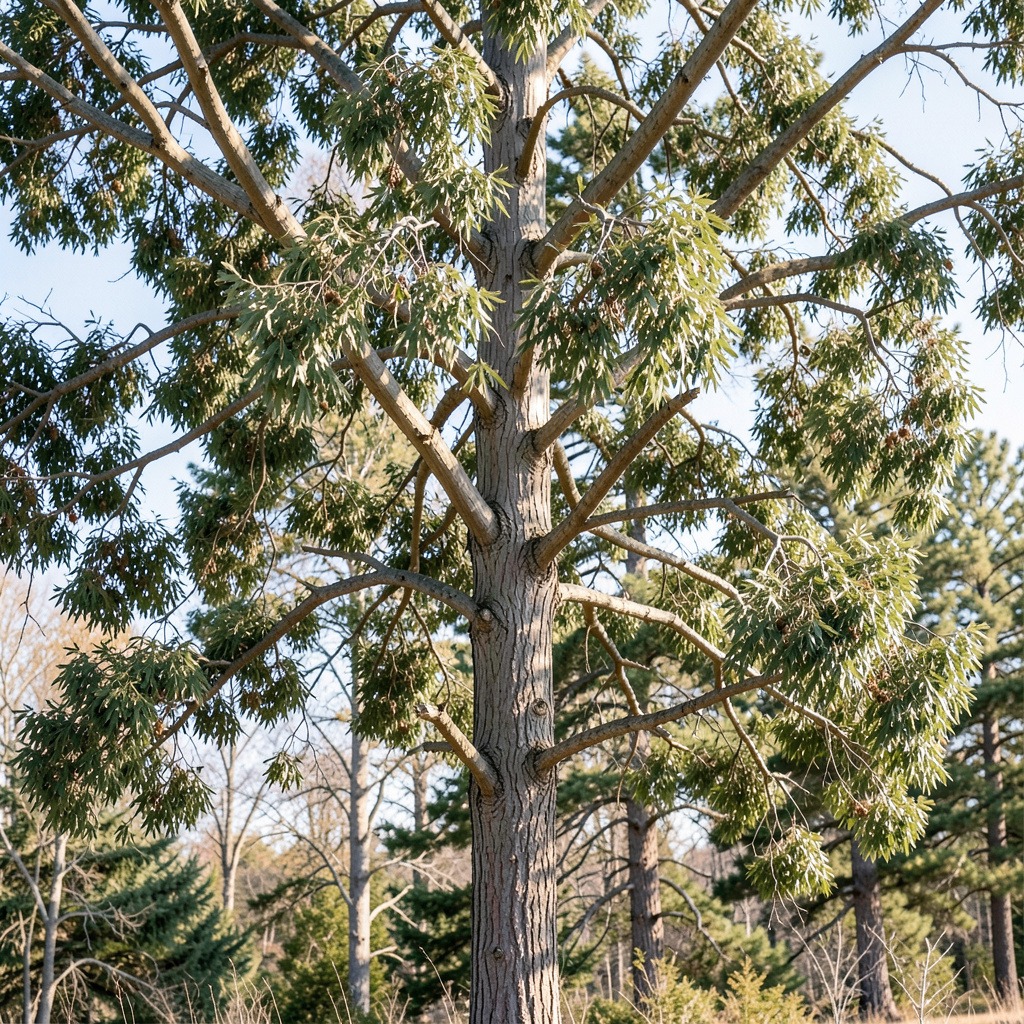
Cottonwood trees offer several advantages for homeowners looking to enhance their landscapes. Their fast growth, substantial shade, and aesthetic appeal make them a popular choice.
Fast Growth and Size
Cottonwood trees are among the fastest growing species. They can reach up to 6 feet in height per year, making them ideal for quick landscape transformation. In just a few years, they can provide significant coverage. Their mature height often exceeds 100 feet, creating a striking presence in any yard.
Shade and Aesthetic Value
One of the primary benefits of cottonwood trees is their ability to provide ample shade. Their broad canopy offers relief from the sun, making outdoor spaces more comfortable. Additionally, the shimmering leaves create a beautiful visual effect in the wind.
- Shade Benefits:
- Reduces energy costs by cooling nearby structures.
- Creates a comfortable outdoor environment for activities.
- Aesthetic Appeal:
- Adds vertical interest to the landscape.
- The golden fall color enhances seasonal beauty.
Soil Stabilization and Environmental Benefits
Cottonwood trees play a crucial role in stabilizing soil. Their extensive root systems anchor the soil, reducing erosion, especially in areas near water bodies. This characteristic is particularly beneficial for homeowners in flood-prone regions.
- Environmental Impact:
- Improves soil health by adding organic matter.
- Supports local wildlife, providing habitat and food sources.
Example Scenario
In a residential development near a river, a homeowner planted cottonwoods to combat soil erosion. Over the years, these trees not only stabilized the banks but also created a natural windbreak and enhanced the beauty of the landscape. The rapid growth of the cottonwoods provided shade, making the yard more enjoyable for family gatherings.
By considering these pros, homeowners can make an informed decision about incorporating cottonwood trees into their landscaping plans.
Cons of Cottonwood Trees for Landscaping

While cottonwood trees offer numerous benefits, they also come with significant drawbacks. Understanding these cons is essential for homeowners considering them for their landscape.
Invasive Root Systems
Cottonwood trees have shallow, invasive root systems. These roots can extend widely, potentially causing damage to nearby structures, such as foundations or sidewalks. Homeowners should plant cottonwoods at least 30 feet away from buildings to mitigate this risk. The rapid growth of these roots can lead to costly repairs if left unchecked.
Seed Production and Cleanup
Cottonwood trees produce fluffy, cotton-like seeds that can create a substantial mess during their dispersal. Female trees release these seeds in late spring, which can coat yards, clog air conditioning units, and even block window screens. This issue is particularly troublesome for those with allergies. To avoid this, homeowners can opt for male cultivars like ‘Siouxland,’ which do not produce cotton.
Potential Property Damage
In addition to root invasiveness and seed mess, cottonwoods can also cause other property damages. The sap produced in spring can drip onto cars and outdoor furniture, leading to unsightly stains. Additionally, the extensive leaf litter in the fall requires regular maintenance to keep landscapes tidy.
Checklist for Managing Cottonwood Issues:
- Planting Distance: Keep at least 30 feet from structures.
- Seedless Varieties: Consider male cultivars to avoid seed mess.
- Regular Maintenance: Plan for seasonal cleanup of leaves and sap.
By being aware of these cons, homeowners can make informed decisions about incorporating cottonwood trees into their landscaping.
Cottonwood as Firewood: Pros and Cons

Cottonwood trees can serve as a viable firewood option, but their properties present both advantages and disadvantages. Understanding these aspects is crucial for homeowners considering cottonwood as a fuel source.
Advantages of Using Cottonwood Firewood
1. Quick Burning: Cottonwood ignites easily and burns quickly, making it a good choice for fast heat.
2. Availability: Often found in abundant supply, cottonwood can be a cost-effective firewood option.
3. Ease of Splitting: The wood is relatively soft, which allows for easy splitting compared to harder woods.
4. Low Smoke Production: When properly seasoned, cottonwood produces less smoke, making it a cleaner-burning option.
Disadvantages of Cottonwood Firewood
1. Low Heat Output: Cottonwood has a lower heat output compared to hardwoods like oak or maple, making it less efficient for prolonged heating.
2. Frequent Ash Production: The wood produces a significant amount of ash, requiring regular cleaning of stoves and fireplaces.
3. Odor Issues: Freshly cut or green cottonwood can emit an unpleasant smell when burned, particularly when not fully seasoned.
4. Short Burn Time: Its quick burning nature means it requires more frequent reloading in a fire.
Comparison to Other Firewood Types
The following table illustrates how cottonwood compares to other common firewood types based on key characteristics:
| Firewood Type | Heat Output (BTUs) | Burn Time | Ash Production | Ease of Splitting |
|---|---|---|---|---|
| Cottonwood | 20 million | Short | High | Easy |
| Oak | 30 million | Long | Low | Moderate |
| Maple | 25 million | Moderate | Low | Moderate |
| Pine | 18 million | Short | Moderate | Easy |
Takeaway: While cottonwood provides quick heat and is easy to handle, its lower heat output and high ash production make it less desirable for long-term heating needs. Homeowners should weigh these factors when selecting firewood for their heating requirements.
Best Practices for Planting Cottonwood Trees
Planting cottonwood trees requires careful consideration of their unique characteristics and growth requirements. Proper spacing and maintenance can enhance their longevity and reduce potential issues.
Ideal Planting Conditions
Cottonwood trees thrive in moist conditions, often found near rivers and floodplains. For optimal growth, consider the following:
- Soil Type: Preferably sandy loam or loamy soil with good drainage.
- Sunlight: Full sun exposure is essential for healthy growth.
- Moisture: Ensure consistent moisture, particularly in the early stages.
Maintenance and Care Requirements
Maintaining cottonwood trees involves regular checks and timely interventions. Use this checklist to guide your care routine:
- Watering: Deep water the tree weekly during dry spells, especially in the first two years.
- Fertilization: Apply a balanced fertilizer once in early spring.
- Pruning: Remove dead or damaged branches annually to promote healthy growth.
- Spacing: Plant cottonwoods at least 30-50 feet away from structures to accommodate their extensive root systems, preventing damage and ensuring adequate sunlight.
Pest and Disease Management
Cottonwood trees can face several pests and diseases. Effective management strategies include:
- Monitoring: Regularly check for signs of pests such as aphids and caterpillars.
- Treatment: Use insecticidal soap for minor infestations. For severe cases, consult an arborist.
- Disease Prevention: Ensure proper air circulation by pruning. This reduces the risk of fungal diseases like leaf spot.
By following these best practices, homeowners can successfully plant and care for cottonwood trees, maximizing their benefits while minimizing drawbacks.
Alternatives to Cottonwood Trees for Landscaping
Homeowners seeking shade trees may consider alternatives to cottonwood trees. While cottonwoods grow quickly and provide ample shade, they also create challenges like messy seed production. Below are some suitable alternatives that offer similar benefits without the drawbacks.
Suitable Alternatives for Shade Trees
1. Red Maple (Acer rubrum)
- Growth Rate: Moderate, up to 3 feet per year.
- Pros: Beautiful fall color, adaptable to various soil types.
- Cons: Can be prone to pests like aphids.
2. Oak (Quercus spp.)
- Growth Rate: Slow to moderate, 1 to 2 feet per year.
- Pros: Long lifespan, provides excellent shade and wildlife habitat.
- Cons: Requires more space for roots.
3. Silver Birch (Betula pendula)
- Growth Rate: Fast, up to 3 feet per year.
- Pros: Attractive bark and foliage, good for small yards.
- Cons: Prone to certain diseases like birch leafminer.
Comparing Growth Rates and Care Needs
| Tree Species | Growth Rate | Maintenance Level | Pest Resistance |
|---|---|---|---|
| Cottonwood | Up to 6 feet/year | Moderate | Low |
| Red Maple | Up to 3 feet/year | Moderate | Moderate |
| Oak | 1-2 feet/year | High | Moderate |
| Silver Birch | Up to 3 feet/year | Moderate | Low |
Environmental Benefits of Alternatives
Choosing the right tree can enhance your landscape while minimizing environmental impacts. Unlike cottonwoods, which produce significant cottony seed dispersal, many alternatives offer cleaner options. For example, red maples provide robust shade without the mess, and oaks support local wildlife.
When selecting a tree, consider its growth rate, maintenance needs, and pest resistance. Each of these alternatives can create a beautiful, functional landscape without the challenges associated with cottonwood trees.
Frequently Asked Questions
These quick answers cover the most common questions about this topic, including key details, practical tips, and common concerns.
Are cottonwood trees good to have in your yard?
Cottonwood trees can be a great addition to your yard if you have ample space. They grow rapidly, providing quick shade and aesthetic value. However, their invasive root systems and messy seed production can pose challenges. If you have a large property and live in a suitable climate, cottonwoods can thrive and enhance your landscape.
What are the downsides of having cottonwood trees?
The main downsides include their aggressive root systems, which can damage nearby structures, and the cotton-like seeds produced by female trees, which create a mess. Additionally, cottonwoods require regular maintenance, including seasonal cleanup of leaves and sap. It’s essential to weigh these factors before planting.
How long does it take a cottonwood tree to grow 50 feet?
Cottonwood trees are among the fastest-growing species, capable of reaching 50 feet in approximately 5 to 10 years under optimal conditions. Factors such as soil quality, moisture, and sunlight will influence their growth rate. Regular care can help ensure they thrive and grow quickly.
What is the average lifespan of a cottonwood tree?
Cottonwood trees typically have a lifespan of 30 to 50 years. However, some trees can live longer if they are well cared for and not subjected to environmental stressors like pests or diseases. Proper maintenance can extend their longevity and health.
Are there seedless varieties of cottonwood trees?
Yes, there are seedless varieties of cottonwood trees, such as the ‘Siouxland’ cultivar. These male trees do not produce the messy cotton-like seeds, making them a cleaner option for homeowners. Choosing a seedless variety can help mitigate some of the common issues associated with cottonwood trees.
What should readers know about detailed care instructions for cottonwood trees?
When caring for cottonwood trees, focus on regular watering, especially in the first two years. Deep watering weekly during dry spells is crucial. Pruning should be done annually to remove dead branches, and a balanced fertilizer can be applied in early spring to promote healthy growth. Monitoring for pests and diseases is also essential for maintaining tree health.
How do cottonwood trees impact local ecosystems?
Cottonwood trees play a vital role in local ecosystems by providing habitat and food for wildlife. Their extensive root systems help stabilize soil, reducing erosion, particularly in flood-prone areas. Additionally, they contribute to soil health by adding organic matter as leaves decompose, benefiting the surrounding environment.
What are alternatives to cottonwood trees for landscaping?
If cottonwood trees don’t suit your needs, consider alternatives like red maple, oak, or silver birch. These trees offer similar shade benefits but may have fewer drawbacks, such as less invasive roots and no messy seed production. Evaluate each option based on growth rate, maintenance needs, and environmental impact to find the best fit for your landscape.