
Espalier trees maximize space and improve fruit quality by training trees to grow flat against structures.
Table of Contents
Espalier trees are a unique gardening technique that allows for space optimization and enhanced fruit production. While they provide aesthetic appeal and practical benefits, there are also challenges associated with maintenance and tree selection that gardeners must consider.
Understanding Espalier Trees
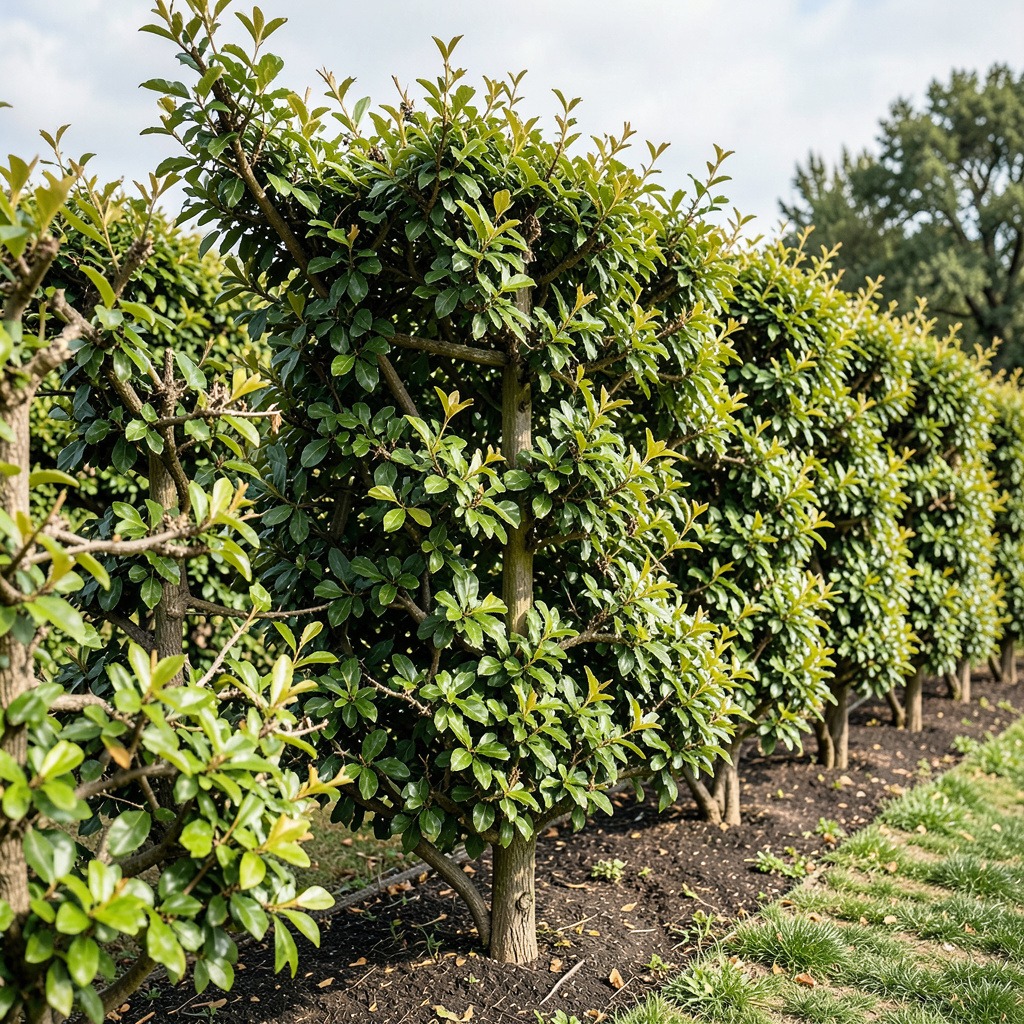
Espalier trees represent a horticultural technique that maximizes space while enhancing fruit production. This method involves training fruit trees to grow flat against walls or trellises, creating visually appealing shapes in gardens.
Definition of Espalier Trees
Espalier is a method of pruning and training trees or shrubs to grow in a two-dimensional form. This technique not only saves space but also improves sunlight penetration and air circulation, which are vital for healthy fruit development. Common fruit trees suited for espalier include apples and pears, particularly varieties that bear fruit on spurs. By manipulating the growth of branches through careful pruning, gardeners can create unique and functional displays in their landscapes.
Historical Significance of Espalier Techniques
The practice of espalier dates back centuries, with roots in ancient Mediterranean cultures. Historical gardens, such as those in France and Italy, prominently featured espaliered fruit trees. These trees were often trained against walls to maximize limited garden space and improve fruit yield. For instance, the famous gardens of Versailles showcased espalier techniques to create structured, aesthetic landscapes while producing fresh fruit for the royal court.
Aesthetic Appeal of Espalier in Gardens
One of the main attractions of espalier trees is their aesthetic contribution to garden design. The flat, trained forms can serve as living art, enhancing the visual appeal of outdoor spaces. Gardeners can create patterns and shapes that complement the architecture of their homes or other structures.
Benefits of Aesthetic Appeal:
- Visual Interest: Espalier trees can serve as focal points in gardens.
- Space Management: They effectively utilize vertical space, ideal for small gardens.
- Seasonal Beauty: With seasonal changes, the shapes and foliage provide year-round interest.
In summary, understanding the definition, historical significance, and aesthetic appeal of espalier trees is essential for gardeners considering this space-saving technique. These aspects highlight the benefits while setting the stage for discussing the pros and cons of implementing espalier in modern gardening practices.
Benefits of Espalier Trees
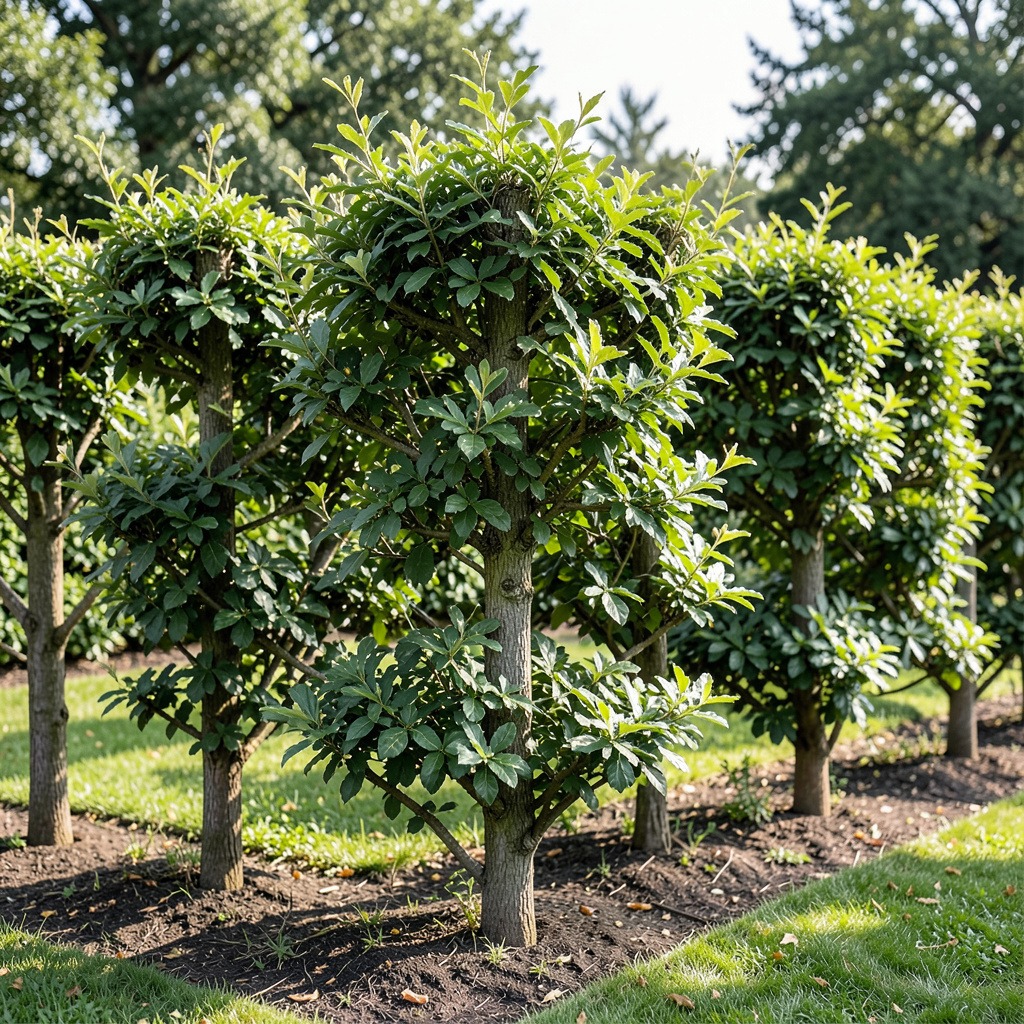
Espalier trees offer several advantages for gardeners, particularly in terms of space optimization, enhanced fruit production, and ease of maintenance. Understanding these benefits can help you decide if this technique is right for your garden.
Space-Saving Advantages
Espalier trees are ideal for maximizing limited space. By training trees to grow flat against walls or fences, you can effectively utilize vertical areas that would otherwise remain unused. This method allows for:
- Efficient Use of Space: Espalier trees fit into narrow courtyards or along property lines.
- Accessibility: Easier maintenance, including pruning and harvesting, due to reduced branch density.
- Increased Light Exposure: Better sunlight penetration leads to improved growth and fruit quality.
Improved Fruit Quality
Espalier trees can significantly enhance fruit production. When properly trained, these trees benefit from:
- Better Air Circulation: Increased airflow reduces disease risk and promotes healthier fruit.
- Optimal Sunlight: A flat growth structure allows more sunlight to reach the leaves and fruit, improving ripening and flavor.
- Focused Energy: By pruning to maintain shape, energy is directed toward fruit production rather than excessive foliage growth.
For example, apple and pear trees, particularly spur-bearing varieties, thrive as espaliers. Their fruit develops on short, stubby shoots, making them perfect candidates for this technique.
Aesthetic and Functional Benefits
Beyond their practical advantages, espalier trees add visual interest to any garden. They can:
- Serve as Focal Points: Well-trained trees can enhance the overall design of your landscape.
- Create Patterns: Espalier can complement architectural features, providing harmony in garden design.
- Offer Seasonal Beauty: The changing shapes and foliage throughout the seasons contribute to year-round appeal.
When designing your espalier garden, consider using trees that provide both aesthetic and functional benefits. A combination of fruit-bearing and ornamental species can create a stunning display while yielding delicious produce.
Challenges of Espalier Trees

Espalier trees offer unique benefits, but they also present specific challenges. Understanding these drawbacks is essential for successful cultivation.
Regular Maintenance Needs
Maintaining espalier trees requires consistent effort. Their growth patterns necessitate regular pruning and tying to the support structure. Here’s a checklist for effective maintenance:
- Prune regularly: Aim for every 4-6 weeks during the growing season to shape branches.
- Tie branches securely: Use soft ties to avoid damage while ensuring branches grow flat against the support.
- Monitor for pests and diseases: Conduct visual inspections monthly to catch any issues early.
- Fertilize appropriately: Apply a balanced fertilizer in early spring and again in late summer.
Selecting Suitable Tree Varieties
Not all trees are suitable for espalier techniques. Choosing the right varieties affects both the aesthetics and productivity of your garden. Consider these factors when selecting trees:
- Fruit-bearing trees: Apple and pear trees are optimal due to their spur-bearing characteristics.
- Growth habits: Look for trees that naturally lend themselves to flat growth. Varieties that bear fruit on older wood are preferable.
- Climate adaptability: Ensure selected species thrive in your local climate conditions.
Common Challenges and Solutions
Espalier trees can face several common challenges. Here are solutions to address these issues:
- Poor fruit production: If trees aren’t producing well, check pruning techniques and ensure adequate light exposure. Aim for at least 6-8 hours of sunlight daily.
- Support structure failures: Use durable materials like stainless steel wire or wooden trellises to withstand the weight of mature trees.
- Diseases from moisture: Espalier trees can be more susceptible to diseases due to their compact growth. Ensure good airflow by spacing branches properly and avoiding overcrowding.
By proactively addressing these challenges, gardeners can maximize the benefits of espalier techniques while minimizing potential setbacks.
Selecting the Best Trees for Espalier

Choosing the right tree variety is crucial for successful espalier gardening. Certain species thrive better than others when trained against a support structure. Understanding the characteristics of different trees can help you maximize space, fruit production, and aesthetic appeal.
Ideal Fruit Tree Varieties for Espalier
The most suitable fruit trees for espalier are typically those that bear fruit on short spurs. Here are some recommended varieties:
| Tree Variety | Suitability for Espalier | Notes |
|---|---|---|
| Apple (e.g., Honeycrisp, Liberty) | Excellent | Spur-bearing varieties are ideal. |
| Pear (e.g., Bartlett, Bosc) | Excellent | Best for warmer climates. |
| Cherry (e.g., Stella) | Good | Requires more skill in training. |
| Peach (e.g., Elberta) | Moderate | Fan-trained works well; high maintenance. |
Apple and pear trees are the most common choices. They produce fruit on older wood, making them easier to maintain in an espalier form. Stone fruits, like peaches and cherries, can be espaliered but require advanced skills due to their growth habits.
Non-Fruit Varieties: When to Use Them
While fruit trees dominate the espalier landscape, ornamental trees can also be trained. Varieties like magnolia and certain types of holly work well for aesthetic purposes. They add visual interest without the fruiting requirements.
Factors to Consider in Tree Selection
When selecting trees for espalier, consider the following:
- Climate: Choose varieties suited to your local climate. Some trees thrive in cooler temperatures, while others prefer warmth.
- Space: Dwarf or semi-dwarf rootstocks are ideal. They maintain a manageable size and fit better against walls or fences.
- Maintenance: Assess your ability to commit to regular pruning and care. Some varieties require more attention than others.
- Purpose: Determine whether you want fruit production or ornamental beauty. This will guide your selection process.
By carefully considering these factors, you can select the best trees for your espalier project, ensuring a successful and rewarding gardening experience.
Practical Tips for Successful Espalier Gardening
Successfully growing espalier trees requires careful planning and consistent maintenance. By following these practical tips, you can maximize the benefits of this space-saving technique.
Step-by-Step Guide to Pruning Espalier Trees
Pruning is crucial for shaping your espalier trees. Here’s a straightforward guide to help you through the process:
1. Choose the Right Time: Early spring is ideal for pruning before new growth starts.
2. Initial Training: Start with young trees. Select a central leader, which will serve as the main trunk.
3. Select Branches: Choose strong lateral branches to develop. Aim for an even distribution along the support structure.
4. Cutting Technique: Use clean, sharp pruning shears. Make cuts at a 45-degree angle just above a bud to encourage new growth.
5. Regular Maintenance: Prune annually, removing dead or crossing branches to maintain shape and health.
Building a Support Structure
A sturdy support structure is essential for successful espalier. Here’s how to construct one:
- Materials Needed:
- Sturdy posts (wood or metal)
- Heavy-duty wire (galvanized recommended)
- Soft garden twine
- Installation Steps:
1. Post Installation: Set posts in concrete for stability. Space them about 5-6 feet apart.
2. Wire Setup: Attach horizontal wires to the posts. Space them about 16-20 inches apart to allow room for branch development.
3. Tying Branches: As branches grow, gently tie them to the wires using soft twine. This prevents damage and encourages growth in the desired direction.
Creating a Maintenance Schedule
Regular maintenance ensures healthy growth and optimal fruit production. Consider the following schedule:
- Monthly:
- Inspect for pests and diseases.
- Water as needed, particularly during dry spells.
- Seasonal:
- Spring: Prune and fertilize with a balanced fertilizer.
- Summer: Check for fruit development and adjust ties if necessary.
- Fall: Prepare for winter by reducing watering and inspecting for diseases.
Checklist for Successful Espalier Gardening
- Select the right tree varieties (e.g., spur-bearing apples or pears).
- Install a robust support structure.
- Adhere to a regular pruning and maintenance schedule.
- Monitor for pests and diseases throughout the growing season.
By implementing these practical tips, you can effectively manage your espalier trees, enhancing both their aesthetic appeal and fruit production.
Conclusion: Is Espalier Right for You?
Espalier trees can enhance your garden by maximizing space and improving fruit production. However, they come with specific maintenance requirements and challenges. Here, we delve into key considerations to help you determine if this technique suits your gardening goals.
Weighing the Pros and Cons
Benefits:
- Space Optimization: Espalier allows you to grow fruit trees in limited space, making it ideal for small gardens or urban environments.
- Improved Fruit Quality: Trained trees often receive better sunlight, leading to higher quality fruit.
- Aesthetic Appeal: Espalier trees can create visually striking designs, adding beauty to your landscape.
Challenges:
- Maintenance Requirements: Regular pruning and training are essential. Neglect can lead to poor growth or unmanageable trees.
- Initial Investment: Setting up a support structure can incur costs. Additionally, patience is needed, as trees take time to mature.
- Specific Tree Varieties: Not all trees are suitable for espalier. Choosing the right variety is crucial for success.
Evaluating Your Space and Goals
Before committing to espalier, assess your gardening space and objectives. Consider the following:
- Available Space: Do you have a wall or fence for support? Measure the area to ensure it can accommodate your desired tree layout.
- Time Commitment: Are you prepared to invest time in pruning and maintenance? Successful espalier requires consistent attention.
- Aesthetic Preference: Do you value the visual appeal of structured trees in your garden? Espalier can transform a simple area into a stunning feature.
Final Thoughts on Espalier Trees
To determine if espalier is right for you, reflect on the following checklist:
- Am I willing to regularly prune and train my trees?
- Do I have a suitable location with adequate sunlight and support?
- Am I prepared to invest in the initial setup costs?
- Do I appreciate the aesthetic benefits of structured fruit trees?
By considering these factors, you can make an informed decision about incorporating espalier trees into your gardening strategy.
Frequently Asked Questions
These quick answers cover the most common questions about this topic, including key details, practical tips, and common concerns.
What is the best type of tree to use as an espalier?
The best types of trees for espalier are typically fruit trees that bear fruit on short spurs. Apple and pear trees are highly recommended, especially varieties like Honeycrisp and Bartlett. These trees thrive in a flat growth form, allowing for optimal sunlight exposure and easier maintenance. Stone fruits like peaches and cherries can also be used but require more skill due to their growth habits.
How long do espalier trees live?
Espalier trees can live for several decades with proper care. The lifespan varies depending on the species and environmental conditions. Generally, well-maintained apple and pear trees can live 20 to 30 years or more. Factors such as soil quality, climate, and disease management play significant roles in determining their longevity.
What is the lowest maintenance fruit tree for espalier?
The lowest maintenance fruit trees for espalier are typically those that require less frequent pruning and care. Apple varieties, particularly spur-bearing types, are often considered low-maintenance due to their manageable growth patterns. Additionally, certain pear trees can also be relatively easy to care for, making them suitable options for gardeners seeking minimal upkeep.
How far apart should fruit trees be planted in an espalier?
When planting fruit trees for espalier, space them about 5 to 6 feet apart. This distance allows for adequate airflow and sunlight exposure while providing enough room for the branches to develop without overcrowding. Proper spacing is crucial for maintaining healthy growth and preventing disease.
When to prune espalier trees?
Pruning espalier trees is best done in early spring before new growth begins. This timing promotes healthy development and allows you to shape the tree effectively. Regular maintenance pruning should occur every 4 to 6 weeks during the growing season to maintain their form and encourage fruit production.
What are the common mistakes to avoid with espalier trees?
Common mistakes in espalier training include improper pruning, neglecting to tie branches securely, and overcrowding. Failing to prune regularly can lead to excessive growth and poor fruit production. Additionally, using inadequate support structures can result in branch breakage. Always ensure branches are tied gently to avoid damage and allow for proper airflow.
What are some alternatives to espalier for small spaces?
If espalier isn’t suitable for your garden, consider alternatives like container gardening or vertical gardening. Container gardening allows you to grow fruit trees in pots, maximizing space without the need for a support structure. Vertical gardening, using wall planters or trellises, also offers creative ways to utilize limited space while growing various plants.