
Grafted trees combine a scion and rootstock to enhance growth, disease resistance, and fruit yield, but they can face challenges like graft failure, compatibility issues, and require specific care for optimal results.
Table of Contents
Grafted trees are a popular choice among gardeners and horticulturists for their enhanced characteristics. This guide delves into the pros and cons of grafted trees, helping you make informed decisions about their use in your gardening endeavors.
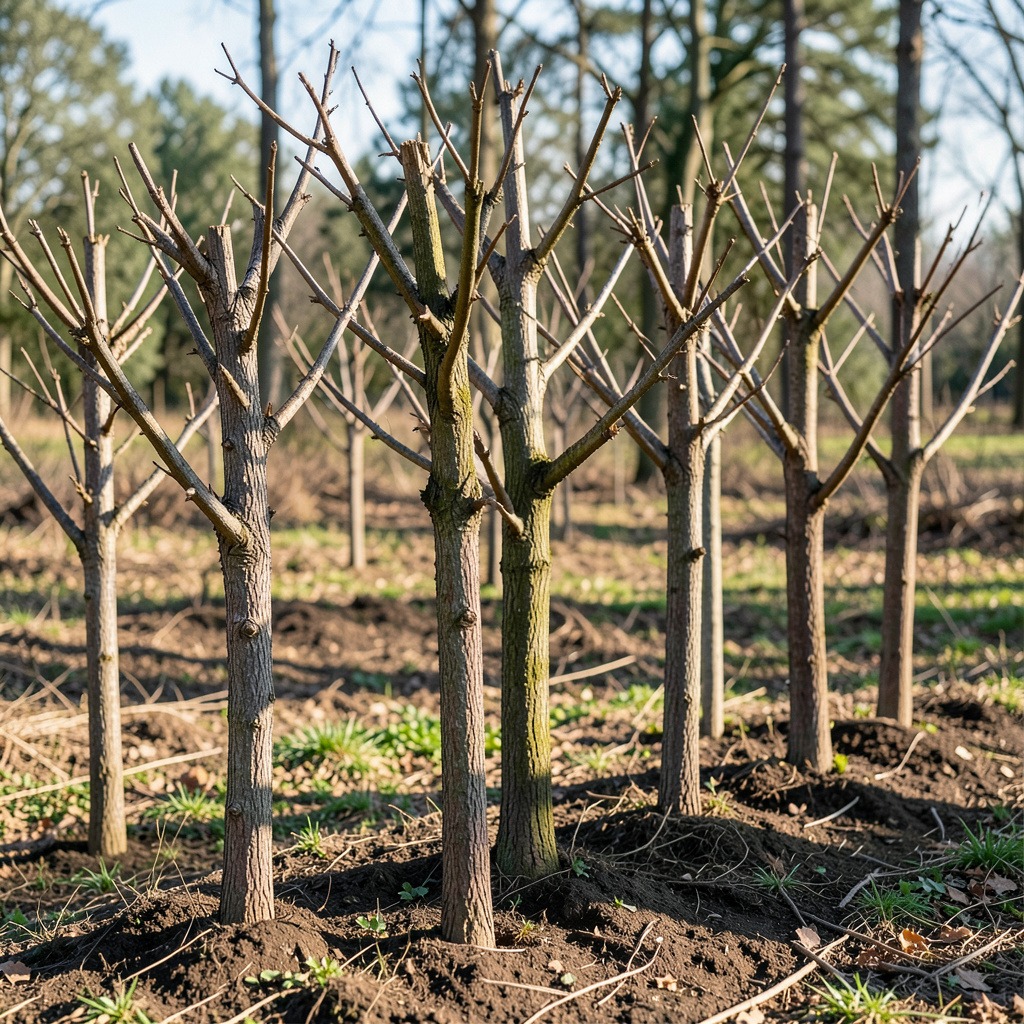
Understanding Grafted Trees: Definition and Purpose
Grafted trees are a horticultural innovation that combines two different plants to create a single tree with enhanced traits. This technique allows gardeners to enjoy benefits such as faster growth, improved fruit quality, and disease resistance.
What is Grafting?
Grafting is a horticultural technique where a section of one plant, known as the scion, is attached to the root system of another plant, called the rootstock. This fusion allows the desirable characteristics of both plants to be utilized.
Key Components: Scion and Rootstock
1. Scion: This is the upper part of the grafted tree that produces the fruit. The scion carries the genetic traits that determine fruit quality and yield. For example, a scion from a high-yielding apple variety can be grafted onto a compatible rootstock to enhance fruit production.
2. Rootstock: This is the lower part that provides the root system for the grafted tree. The rootstock can offer benefits such as disease resistance, adaptability to soil conditions, and overall vigor. For instance, a robust rootstock can support a scion that may not thrive on its own.
Common Grafting Combinations
Here are a few successful grafting examples:
- Apple Trees: Grafting a high-quality apple scion onto a disease-resistant rootstock can lead to better fruit quality and increased yield.
- Peach Trees: A popular combination is grafting a peach scion onto a rootstock that enhances drought tolerance.
- Citrus Trees: Many citrus varieties are grafted onto rootstocks that improve resistance to pests and diseases.
Understanding these components helps in selecting the right combinations for specific gardening goals. When choosing a scion and rootstock, consider the desired fruit characteristics, disease resistance, and environmental adaptability.
Advantages of Grafted Trees
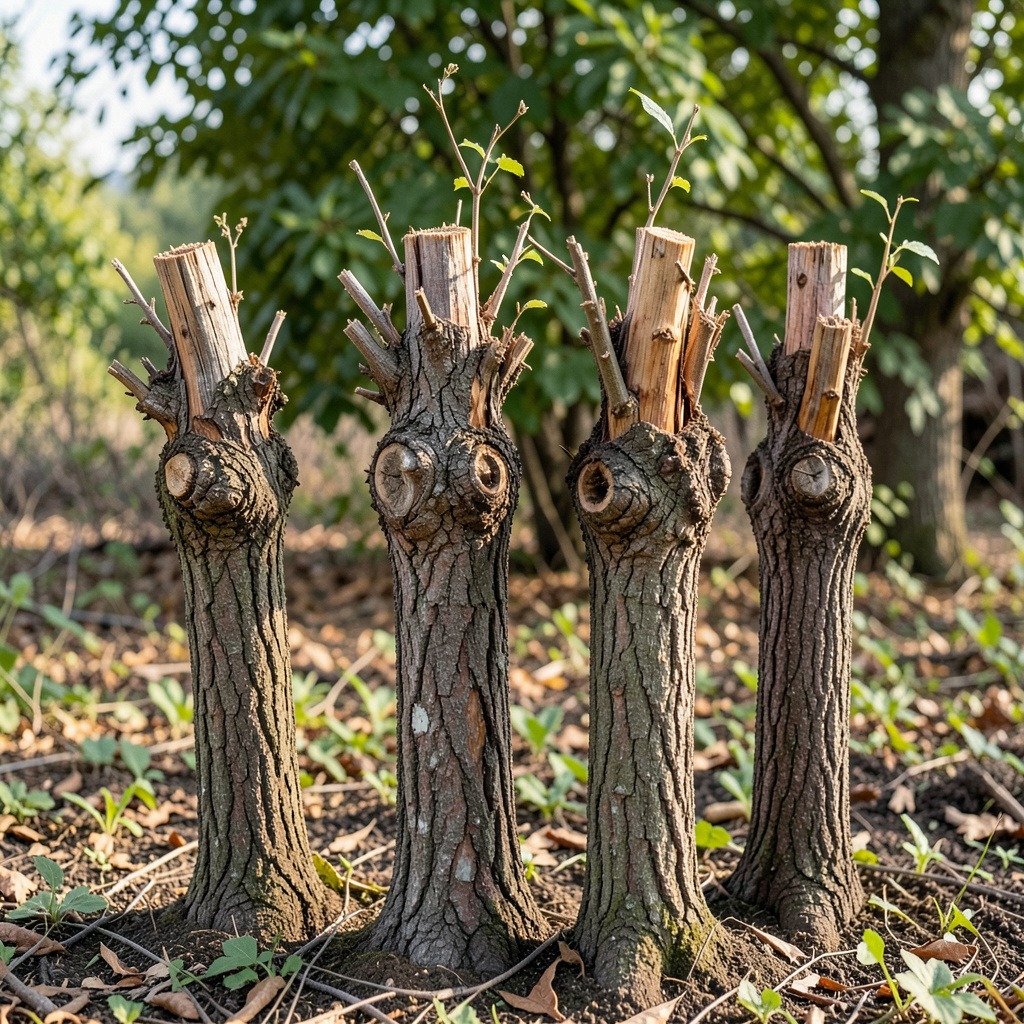
Grafted trees offer several significant benefits, particularly in terms of disease resistance, growth speed, and fruit quality. Understanding these advantages helps gardeners make informed decisions for successful cultivation.
Faster Fruit Production
Grafted trees typically produce fruit much sooner than their seedling counterparts. For example, a grafted apple tree can yield fruit in three to four years, while a seedling apple tree may take five to seven years. This rapid maturation allows gardeners to enjoy homegrown fruit sooner.
Enhanced Disease Resistance
Grafting allows for the selection of rootstocks that can improve disease resistance. For instance, grafting a scion onto a disease-resistant rootstock can reduce the risk of common pathogens. This enhancement not only protects the tree but also leads to healthier fruit production.
Improved Fruit Quality and Diversity
Grafted trees often produce higher quality fruit due to the careful selection of scions. For example, a scion from a premium variety can be grafted onto a rootstock that enhances specific traits, such as flavor or size. This method ensures that the fruit not only meets quality standards but also provides diversity in the garden.
Examples of Successful Grafting Combinations
- Apple Trees: Grafting a high-quality apple scion onto a disease-resistant rootstock can lead to better fruit quality and increased yield.
- Peach Trees: A popular combination is grafting a peach scion onto a rootstock that enhances drought tolerance.
- Citrus Trees: Many citrus varieties are grafted onto rootstocks that improve resistance to pests and diseases.
Decision Framework for Selecting Rootstock and Scion
When selecting rootstock and scion, consider the following factors:
- Desired Fruit Characteristics: Choose scions known for flavor, size, or other quality traits.
- Disease Resistance: Opt for rootstocks that are proven to resist common diseases in your area.
- Environmental Compatibility: Select combinations that thrive in your specific climate conditions.
Using these guidelines can lead to successful grafting outcomes and more productive trees.
Disadvantages of Grafted Trees
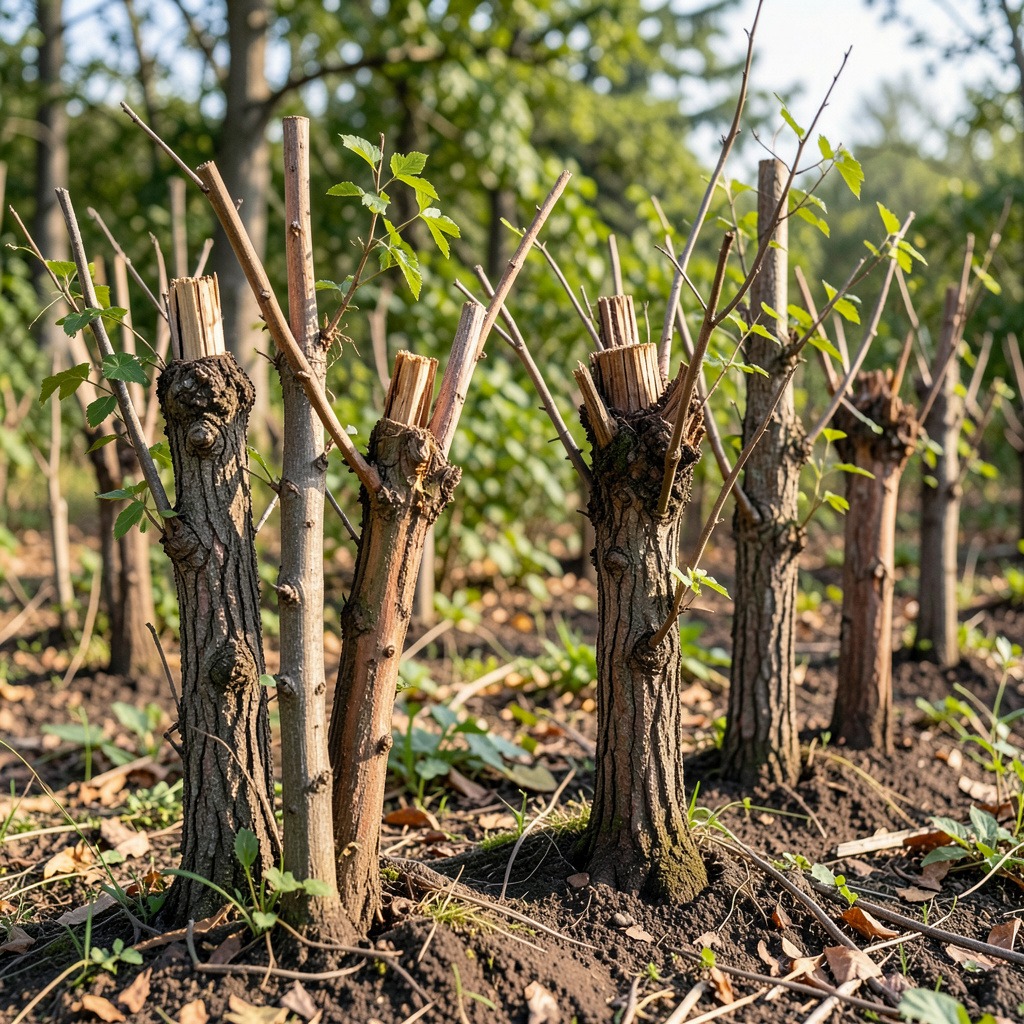
While grafted trees offer numerous advantages, they also come with specific drawbacks. Understanding these challenges is crucial for gardeners considering grafting as a method for growing fruit trees.
Graft Failure and Incompatibility Issues
Graft failure occurs when the scion and rootstock do not successfully unite. This issue can arise from several factors:
- Compatibility: Not all scion and rootstock combinations are suitable. If the two are genetically incompatible, the graft may not take, leading to poor growth or even tree death.
- Environmental Stress: Extreme weather conditions, such as frost or drought, can exacerbate compatibility issues and lead to graft failure.
For instance, grafting a tender scion onto a hardy rootstock in a colder climate may result in the scion’s inability to thrive. It is essential to research and select compatible varieties to avoid these pitfalls.
Additional Care Needs for Grafted Trees
Grafted trees often require more specific care compared to non-grafted varieties. This includes:
- Regular Monitoring: Gardeners must frequently check for signs of graft failure or stress, such as wilting leaves or stunted growth.
- Specialized Pruning Techniques: Maintaining the graft union requires careful pruning to ensure that both the rootstock and scion receive adequate light and nutrients.
Implementing a tailored maintenance schedule can help mitigate these issues. Consider factors like soil quality, watering frequency, and pest management specific to the grafted variety you are cultivating.
Uneven Growth Patterns in Grafted Varieties
Grafted trees may exhibit uneven growth patterns. This can occur due to:
- Dominance of Scion or Rootstock: Sometimes, one part of the tree may outgrow the other, leading to an unbalanced structure. This can affect fruit production and overall health.
- Nutrient Allocation: An imbalance in nutrient uptake can result in poor fruit quality or yield.
To address these concerns, consider the following tips:
- Balanced Fertilization: Use fertilizers that cater to both the rootstock and scion’s nutrient needs.
- Regular Assessment: Evaluate growth patterns during the growing season and adjust care practices accordingly.
By being aware of these potential drawbacks, gardeners can take proactive measures to enhance the success of their grafted trees.
Grafting Techniques: Methods to Create Grafted Trees
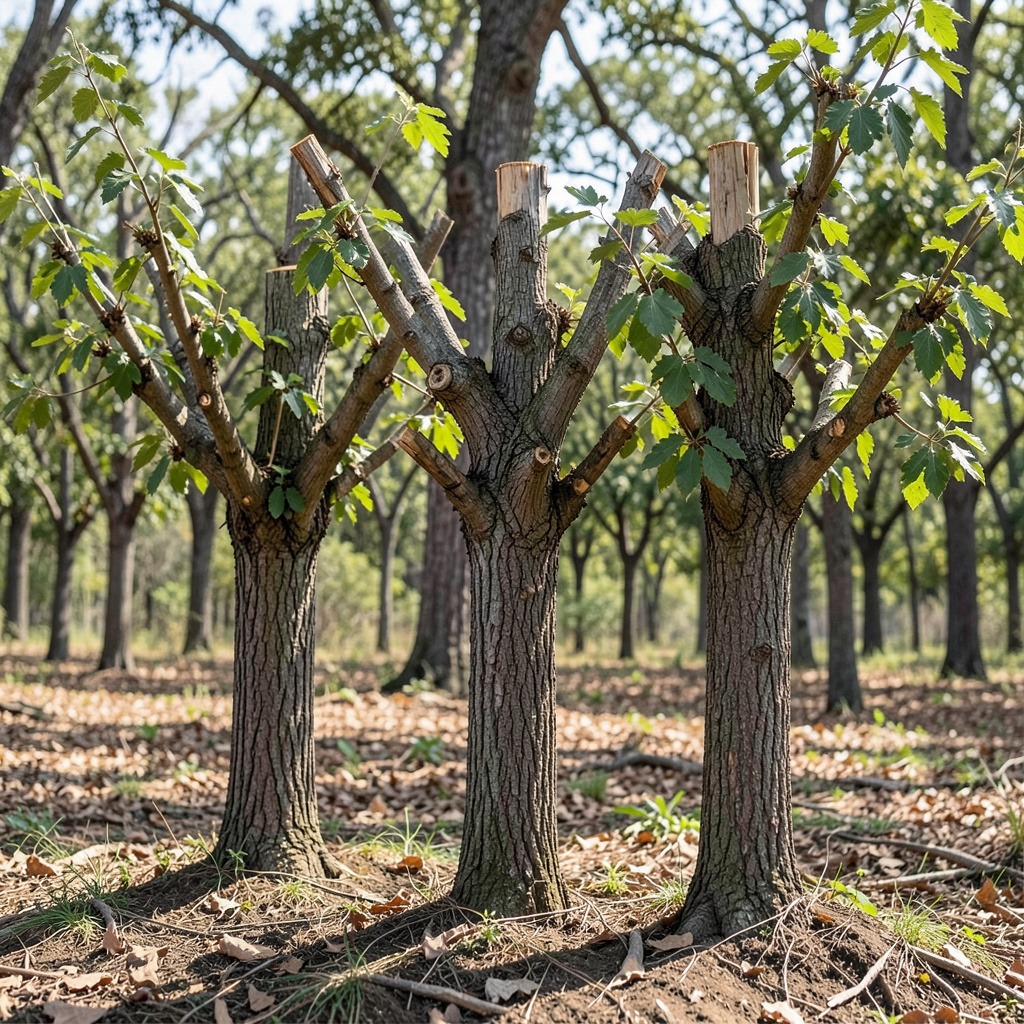
Grafting is a precise horticultural technique that combines two plants to create a single tree with desirable characteristics. Understanding various grafting techniques is crucial for achieving successful grafted trees.
Common Grafting Techniques
1. Whip-and-Tongue Grafting
This technique involves cutting both the rootstock and the scion at a slant. Each cut has a tongue-shaped flap that interlocks, promoting a strong connection. Ideal for joining similar-sized branches, whip-and-tongue grafting is commonly used for fruit trees like apples and pears.
2. Cleft Grafting
Cleft grafting is performed by making a vertical cut in the rootstock, creating a cleft. The scion is then inserted into this split. This method is effective for thicker rootstocks and allows for multiple scions to be grafted onto one rootstock. It is often used for rejuvenating older trees.
3. Budding
Budding is a form of grafting where a single bud is taken from the scion and inserted under the bark of the rootstock. This technique is useful for propagating trees like peaches and plums and can be done in the summer when the bark is slipping.
Choosing the Right Technique for Your Trees
Selecting the appropriate grafting method depends on several factors, including tree type, size, and desired outcomes. Here’s a decision framework:
- Tree Size: Use whip-and-tongue grafting for similar-sized branches and cleft grafting for thicker rootstocks.
- Season: Budding works best in warm months when bark is flexible.
- Desired Outcome: Choose cleft grafting for multiple scions or whip-and-tongue for a single, strong connection.
Comparison of Techniques
| Technique | Best For | Advantages | Disadvantages |
|---|---|---|---|
| Whip-and-Tongue | Similar-sized branches | Strong connection, good for fruit trees | Requires precise cuts |
| Cleft Grafting | Thicker rootstocks | Multiple scions possible, easy to do | Not suitable for slender branches |
| Budding | Specific varieties | Quick and efficient, less invasive | Limited to certain seasons |
Understanding these techniques enhances your ability to successfully graft trees, ensuring you maximize both fruit quality and tree health.
Best Practices for Caring for Grafted Trees
Caring for grafted trees requires specific attention to watering, pruning, and pest management to ensure their vitality and productivity. Proper maintenance enhances the benefits of grafting while minimizing potential drawbacks.
Watering and Soil Requirements
Grafted trees thrive in well-draining soil with consistent moisture. Here are key considerations:
- Watering Frequency: Water deeply once a week during dry spells. Adjust frequency based on rainfall and soil type.
- Soil pH: Aim for a pH between 6.0 and 7.0. Test soil annually to ensure optimal conditions.
- Mulching: Apply a 2-3 inch layer of mulch to retain moisture and regulate soil temperature.
Pruning Techniques for Optimal Growth
Pruning is essential for maintaining the shape and health of grafted trees. Follow these guidelines:
- Timing: Prune during the dormant season, typically late winter or early spring before bud break.
- Methods: Use clean, sharp tools. Focus on removing dead or crossing branches to improve airflow.
- Encouragement of Growth: Thin out crowded branches to enhance light penetration and fruit production.
Pest and Disease Management Strategies
Grafted trees can be susceptible to pests and diseases. Implement these management strategies:
- Regular Inspections: Check for signs of pests like aphids or spider mites regularly.
- Integrated Pest Management (IPM): Use beneficial insects, such as ladybugs, to control pest populations naturally.
- Disease Resistance: Select rootstocks known for disease resistance to enhance overall tree resilience.
Seasonal Care Calendar for Grafted Trees
| Season | Tasks |
|---|---|
| Spring | Prune, mulch, and start a regular watering schedule. |
| Summer | Monitor pests and adjust watering as needed. |
| Fall | Fertilize and prepare for winter by mulching. |
| Winter | Inspect trees and plan for spring pruning. |
By following these best practices, gardeners can maximize the advantages of grafted trees while effectively managing their care needs.
Comparing Grafted Trees with Non-Grafted Trees
Understanding the differences between grafted and non-grafted trees is crucial for gardeners. Each method has distinct characteristics that influence growth, yield, and maintenance.
Key Differences in Growth and Yield
Grafted trees typically exhibit faster growth and higher yields compared to non-grafted trees. Here are some key differences:
- Growth Rate: Grafted trees can mature in 1-3 years, while non-grafted trees often take 4-6 years to bear fruit. This faster establishment makes grafted trees appealing for eager gardeners.
- Yield Potential: Grafted varieties tend to produce more fruit per season. For instance, a grafted pear tree may yield 50-100 pounds, whereas a seedling pear tree might deliver only 20-40 pounds.
- Fruit Quality: Grafted trees often produce higher quality fruit due to the selection of superior scions. Non-grafted trees may yield fruit with unpredictable quality, as their genetic traits can vary widely.
| Tree Type | Maturity Time | Potential Yield | Fruit Quality |
|---|---|---|---|
| Grafted Trees | 1-3 years | 50-100 pounds | Generally high |
| Non-Grafted Trees | 4-6 years | 20-40 pounds | Variable quality |
Pros and Cons of Non-Grafted Trees
Non-grafted trees have their own set of advantages and disadvantages:
Pros
- Cost-Effective: Generally less expensive to purchase and grow.
- Natural Growth: Represents the true species without hybridization, potentially appealing to purists.
Cons
- Longer Maturity: Takes more time to produce fruit, requiring patience from the gardener.
- Inconsistent Yields: Fruit quality and quantity can be unpredictable, making harvests uncertain.
When selecting between grafted and non-grafted trees, consider your gardening goals, patience level, and desired fruit quality. For quick results and reliable yields, grafted trees are often the better choice. However, for those who prefer the natural approach and are willing to wait, non-grafted trees can also be rewarding.
Conclusion: Making an Informed Decision on Grafted Trees
Choosing between grafted and non-grafted trees requires careful consideration of your gardening needs and goals. Understanding the benefits and drawbacks of grafted trees can guide your decision-making process.
Key Advantages of Grafted Trees
- Faster Fruit Production: Grafted trees typically bear fruit within one to three years, compared to four to six years for seedlings.
- Higher Yields: Grafted trees can produce significantly more fruit. For example, a grafted pear tree may yield 50-100 pounds, while a seedling may yield only 20-40 pounds.
- Improved Fruit Quality: Grafted varieties often produce fruit with more desirable traits due to the selection of superior scions.
Important Considerations
- Cost: Grafted trees usually come with a higher price tag than non-grafted counterparts.
- Maintenance Requirements: Grafted trees require specific care to thrive, including attention to compatibility between rootstock and scion.
- Graft Failure Risks: There is a possibility of graft failure, which can affect the tree’s health and productivity.
Quick-Reference Decision Checklist
- What is your timeline? If you want quicker results, grafted trees are preferable.
- What is your yield goal? For higher fruit production, choose grafted options.
- Are you prepared for maintenance? Ensure you can provide the necessary care for grafted trees.
- Do you prioritize fruit quality? Grafted trees generally offer better quality fruit.
By evaluating these factors, you can make an informed choice about whether grafted trees align with your gardening ambitions.
Frequently Asked Questions
These quick answers cover the most common questions about this topic, including key details, practical tips, and common concerns.
What are the main advantages of grafted trees?
Grafted trees offer several key benefits. They typically produce fruit faster than non-grafted trees, often within one to three years compared to four to six years for seedlings. This quick yield allows gardeners to enjoy homegrown fruit sooner.
Additionally, grafted trees often exhibit improved disease resistance due to the selection of compatible rootstocks. This means healthier trees and potentially higher fruit quality. Grafted trees can also provide a diverse range of fruit types from a single rootstock, enhancing your garden’s variety.
What are the common disadvantages of grafted trees?
While grafted trees have many benefits, they also come with drawbacks. One significant issue is graft failure, which can occur if the scion and rootstock are incompatible or if environmental stresses arise. This can lead to poor growth or even tree death.
Moreover, grafted trees often require more specific care compared to non-grafted varieties. This includes regular monitoring for signs of stress, specialized pruning techniques, and managing uneven growth patterns. These additional care needs can be a challenge for some gardeners.
How can I ensure a successful graft?
To ensure a successful graft, start by selecting compatible scion and rootstock varieties. Research their compatibility to avoid graft failure. Use proper grafting techniques, such as whip-and-tongue or cleft grafting, depending on the size of your plants.
After grafting, maintain optimal conditions by providing adequate water, light, and protection from extreme weather. Regularly monitor the graft union for signs of success, such as new growth. If issues arise, address them promptly to improve the chances of a successful graft.
What is the best time of year to graft trees?
The best time to graft trees typically falls in late winter to early spring. This is when plants are still dormant, allowing for easier grafting and better chances of success. During this period, the sap flow is minimal, reducing stress on the plant.
For budding techniques, summer is ideal when the bark is slipping. This flexibility makes it easier to insert the bud into the rootstock. Timing your grafting efforts according to these seasonal guidelines can significantly enhance your success rate.
What should I do if my graft fails?
If your graft fails, first assess the cause. Check for compatibility issues between the scion and rootstock or environmental factors that may have affected growth. If the graft union is weak, consider re-grafting using a new scion.
You can also take preventive measures for future grafts. Ensure you select compatible varieties, use proper techniques, and provide optimal care. Learning from the failure can help improve your skills and increase the success of future grafts.
Can I graft multiple varieties onto one tree?
Yes, you can graft multiple varieties onto one tree, a technique known as multi-grafting. This method allows you to grow different types of fruit from a single rootstock, making it ideal for gardeners with limited space.
When multi-grafting, ensure that the scions you choose are compatible with the rootstock and with each other. This compatibility is crucial for the health and productivity of the tree. Proper placement of the scions on the tree can also help manage growth and ensure balanced fruit production.
What are alternatives to grafted trees?
Alternatives to grafted trees include growing seedling trees or using air layering techniques. Seedling trees are grown from seeds and develop naturally, but they may take longer to bear fruit and have unpredictable quality.
Air layering is another propagation method that encourages roots to form on a branch while still attached to the parent tree. This method can produce a new tree with desirable traits without the complexities of grafting. Each alternative has its advantages and can suit different gardening goals.