
Leaving a tree stump has both advantages and disadvantages, including aesthetic impacts, pest attraction, and safety hazards.
Table of Contents
When a tree is removed, a stump remains, posing a dilemma for homeowners. This guide explores the pros and cons of leaving a tree stump, helping you weigh the benefits against potential drawbacks to make an informed decision for your landscape.
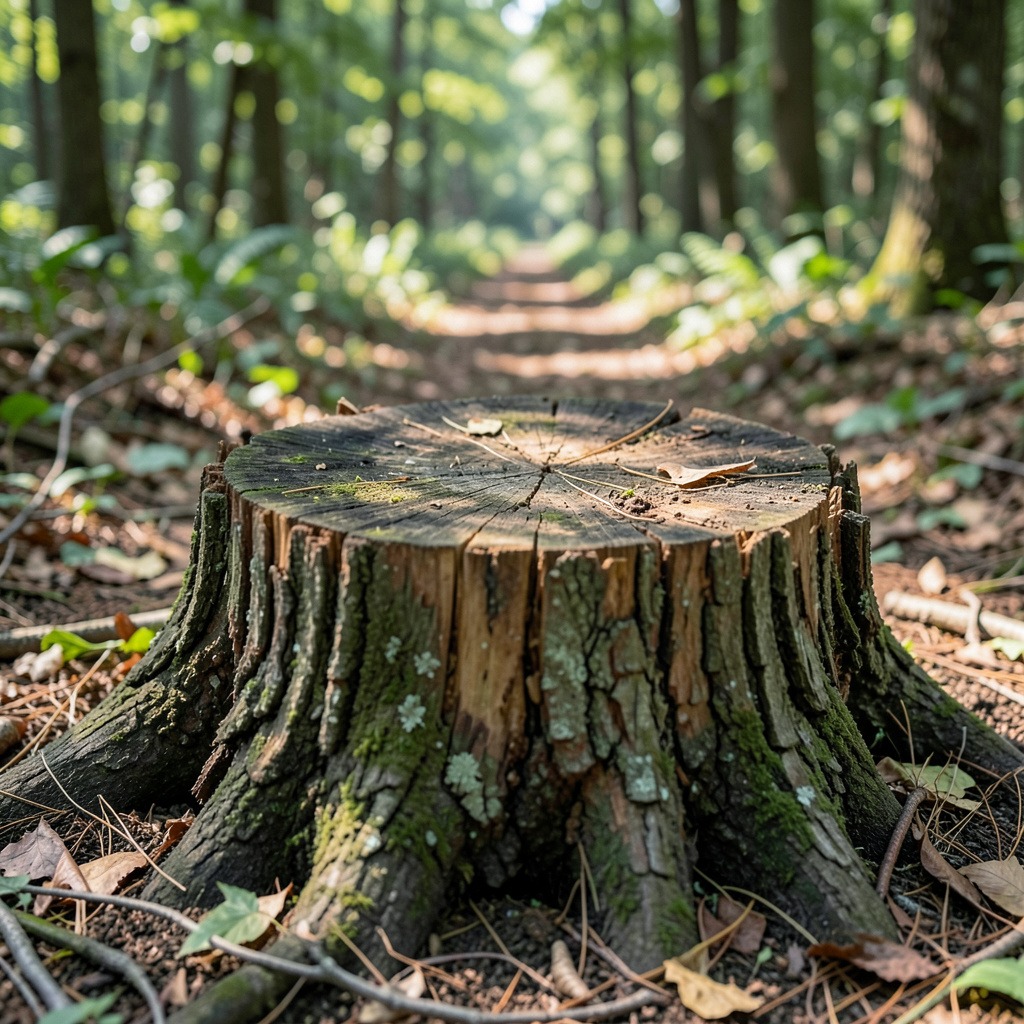
Understanding Tree Stumps and Their Impact
Tree stumps are the remaining portions of trees after they have been cut down. They can significantly influence landscaping choices and ecological dynamics in your yard.
Defining a Tree Stump
A tree stump consists of the lower trunk and roots that remain in the ground following a tree removal. The size and condition of a stump can vary widely. Larger stumps may present challenges for landscaping and can be more difficult to manage. Homeowners must consider these factors when deciding whether to leave or remove a stump.
The Decomposition Process
Tree stumps undergo a natural decomposition process. This process can take several years, depending on various factors such as species, environmental conditions, and stump size. During decomposition, microorganisms break down the wood, enriching the soil with nutrients.
- Fungi: They play a crucial role in breaking down the cellulose in wood.
- Bacteria: These microorganisms contribute to the decay process and help return nutrients to the soil.
- Insects: Various insects, like beetles and termites, may inhabit the stump, further aiding decomposition.
While this process is beneficial, leaving a stump can also attract unwanted pests that may spread to surrounding plants.
Impact on Surrounding Flora
The presence of a tree stump affects nearby plants in several ways:
- Nutrient Release: As the stump decomposes, it releases nutrients, which can nourish nearby flora.
- Competition: Stumps can compete with new plants for water and nutrients, potentially stunting their growth.
- Pest Attraction: Stumps can harbor pests like wood-boring insects. These pests can damage healthy trees and shrubs in the vicinity.
In some landscapes, homeowners have successfully integrated stumps into their garden design. For instance, a stump can serve as a natural planter or a seating area, enhancing the aesthetic appeal of the yard.
When considering whether to leave a stump, homeowners should evaluate their landscaping goals, potential safety hazards, and ecological impacts. An effective decision framework could include:
- Assessing the stump’s size and condition.
- Considering the intended use of the area (e.g., new planting, recreational space).
- Evaluating local wildlife and pest dynamics.
For those opting for removal, renting a tree stump grinder is a practical solution. Check Price on Amazon to find equipment that suits your needs.
Pros of Leaving a Tree Stump
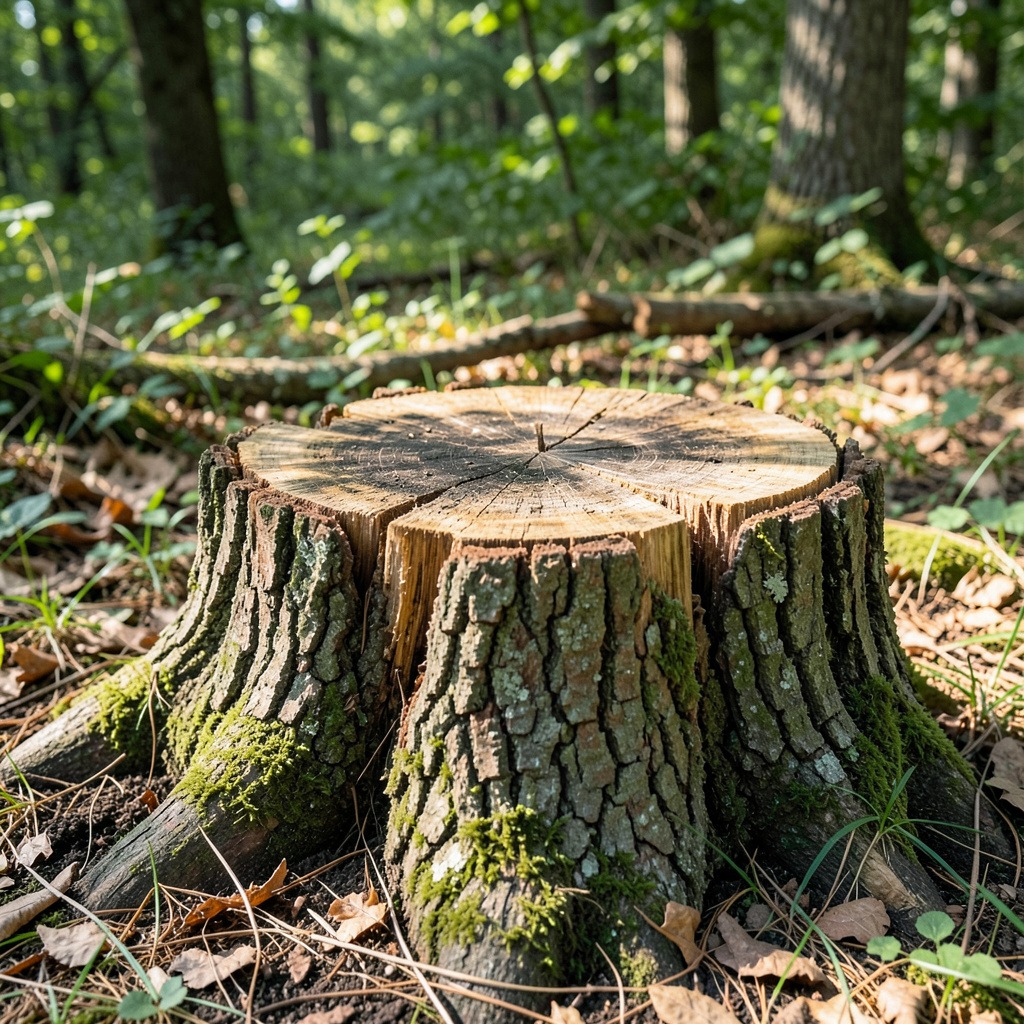
Leaving a tree stump in your yard can offer several benefits, from enhancing aesthetic appeal to supporting local wildlife. Homeowners should carefully consider these advantages before making a decision.
Aesthetic and Natural Appeal
A tree stump can serve as a focal point in your landscape. With creativity, it can become:
- A natural planter for flowers or herbs
- A rustic seating area for outdoor gatherings
- A unique decorative feature that adds character
This natural element can enhance the beauty of your garden, creating a blend of rustic charm and organic aesthetics.
Wildlife Habitat Creation
Tree stumps play a vital role in supporting local biodiversity. They can provide habitats for various organisms, including:
- Insects, which are essential for pollination
- Fungi, which contribute to soil health
- Birds and small mammals that rely on deadwood for shelter
For instance, some homeowners have reported an increase in butterfly populations after leaving stumps in place, as these structures offer shelter and encourage ecological interaction.
Soil Enrichment Benefits
Leaving a stump can contribute positively to soil health. As the stump decomposes, it:
- Enriches the soil with organic matter
- Enhances microbial activity, promoting nutrient cycling
- Retains moisture, benefiting surrounding plants
This natural process can lead to a healthier garden ecosystem. Homeowners may find that leaving a stump nurtures the soil, creating a thriving environment for new plant growth.
In summary, leaving a tree stump can be beneficial for aesthetics, wildlife, and soil health. As you evaluate your options, consider how these factors align with your landscaping goals and the ecological dynamics of your property.
Cons of Leaving a Tree Stump
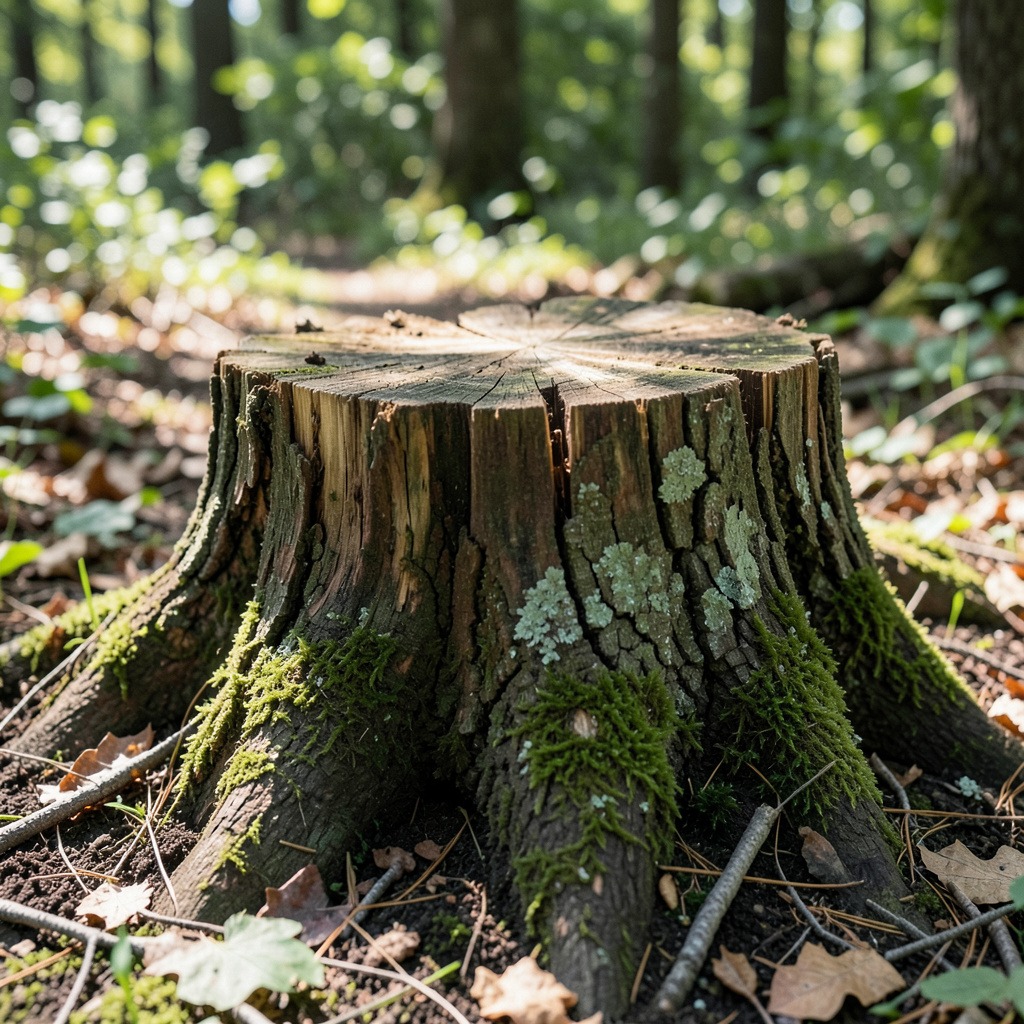
Leaving a tree stump in your yard can lead to several drawbacks. Homeowners should consider the potential risks associated with pest attraction, safety hazards, and maintenance issues.
Pest Attraction and Infestation Risks
Tree stumps can attract various pests that pose risks to surrounding plants and structures. Common pests include:
- Termites: These insects are notorious for infesting dead or decaying wood, potentially spreading to nearby healthy trees and wooden structures.
- Carpenter Ants: They can establish nests in tree stumps, leading to further structural damage.
- Fungi and Mold: Decaying stumps can harbor harmful fungi that may spread to other plants.
Statistics show that stumps can increase the likelihood of infestations. A study revealed that properties with untreated stumps experienced a 30% higher rate of pest-related issues compared to those that removed stumps promptly. This increase can lead to costly treatments and damage control.
Safety Hazards for Family and Guests
Leaving a tree stump in your yard can create safety hazards. Stumps can pose tripping risks, especially for children and elderly visitors. The irregular surface can be difficult to navigate, increasing the likelihood of falls. Additionally, stumps may obstruct lawn maintenance, making mowing and landscaping more challenging, which can lead to accidents.
Potential for Regrowth and Maintenance Issues
Tree stumps can potentially regrow if they are from species known for vigorous sprouting. Species like willows and poplars are notorious for sending up new shoots. This regrowth can lead to:
- Increased Maintenance: Homeowners may face ongoing trimming and removal of new shoots, adding to landscape upkeep.
- Unwanted Vegetation: The stump may develop into a thicket of undesirable plants, disrupting the intended landscape design.
For homeowners considering stump removal versus leaving the stump, weigh the ongoing maintenance against the immediate benefits of leaving the stump. In some cases, it may be more cost-effective to utilize a Tree Stump Grinder Rental for professional removal.
Comparing Stump Grinding and Removal
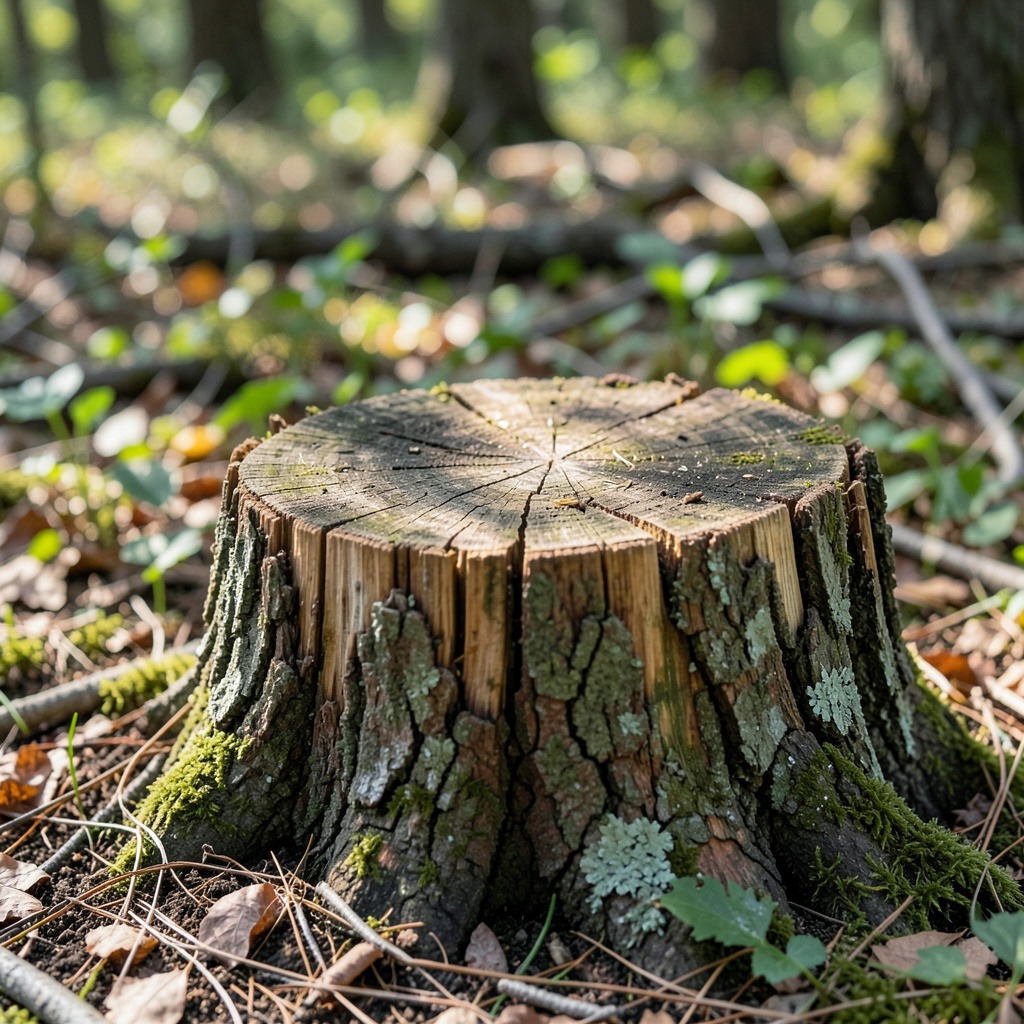
When deciding whether to leave a tree stump or remove it, homeowners must understand the implications of stump grinding and full stump removal. Each method has distinct costs, benefits, and effects on the landscape.
Understanding Stump Grinding
Stump grinding involves using specialized machinery to shred the stump into small wood chips. This method is often quicker and less invasive than complete stump removal. Here are some key points to consider:
- Cost-Effective: Typically ranges from $100 to $400, depending on stump size and location.
- Minimal Disruption: Leaves the surrounding landscape largely intact, preserving nearby plants and soil structure.
- Aesthetic Improvement: Wood chips can be repurposed as mulch, enhancing the garden’s appearance.
- Roots Remain: While the visible stump is removed, the roots remain in the ground, which can lead to potential regrowth depending on the tree species.
Exploring Stump Removal
Stump removal is a more labor-intensive process that involves excavating the entire stump and its roots. This method can be beneficial for achieving a clean slate in your landscape. Consider the following:
- Higher Cost: Typically ranges from $400 to $1,000, depending on stump size and the complexity of the job.
- Complete Removal: Eliminates the stump and its roots, preventing any chance of regrowth.
- Potential Landscape Disruption: Can leave a large hole that may require additional filling and landscaping efforts.
- Safety Benefits: Reduces trip hazards, making the area safer for children and pets.
Cost Comparison and Landscape Impact
The cost and impact on the landscape can vary significantly between stump grinding and removal. Here’s a breakdown:
| Method | Average Cost | Landscape Impact | Aesthetic Appeal |
|---|---|---|---|
| Stump Grinding | $100 – $400 | Minimal disruption, roots remain | Improved with mulch |
| Stump Removal | $400 – $1,000 | Significant disruption, complete removal | Requires additional work |
Decision Framework: To decide between these options, consider the following:
- Safety: If safety is a primary concern, removal may be the better option.
- Landscape Plans: For future landscaping projects, full removal provides a blank canvas.
- Budget: If cost is a major factor, stump grinding may be more feasible.
In practical terms, if you live in an area prone to pests, removing the stump can prevent pest infestations. Conversely, if the stump is from a non-invasive tree species, leaving it may not pose significant problems and could integrate well into your landscape design.
Making Your Decision: Key Considerations
Choosing whether to leave a tree stump in your yard requires careful consideration of various factors. Homeowners should evaluate their landscape goals, aesthetic preferences, safety concerns, and environmental impacts.
Assessing Your Landscape Goals
Your future landscaping plans significantly influence your decision. Consider these questions:
- Do you plan to plant new trees or shrubs nearby? If so, stump removal may be necessary to provide adequate space and nutrients.
- What is your desired landscape aesthetic? A decaying stump can blend into a natural setting, while a clean garden may require stump removal for a polished look.
- Are you considering outdoor activities? A stump can hinder walking paths or recreational spaces.
Evaluating Safety and Aesthetics
Safety should always be a priority. Evaluate the following:
- Is the stump located near high-traffic areas? If it poses a tripping hazard, removal is advisable.
- How does the stump affect the visual appeal of your property? Aesthetically pleasing landscapes typically require clean lines; stumps may detract from this.
Consider the following checklist when evaluating safety and aesthetics:
- Stump proximity to walkways or structures
- Potential for accidents or injuries
- Overall design and harmony with the landscape
Considering Environmental Impact
Leaving a stump can have both positive and negative environmental implications:
- Does the stump provide habitat for local wildlife? Some stumps can support beneficial organisms, contributing to local biodiversity.
- What is the potential for pest attraction? Stumps can attract pests such as termites and ants, which may spread to nearby structures.
- How will removal impact soil health? Grinding a stump can enhance soil quality by returning organic matter to the ground.
When weighing these factors, consider the following decision rule:
- If environmental benefits outweigh potential pest issues, leaving the stump may be a viable option.
- If safety and aesthetics are major concerns, prioritize removal.
By systematically assessing these elements, homeowners can make informed decisions regarding tree stump management tailored to their unique situations.
Frequently Asked Questions
These quick answers cover the most common questions about this topic, including key details, practical tips, and common concerns.
Should I remove a tree stump or leave it?
Deciding whether to remove a tree stump or leave it depends on your landscape goals and safety concerns. If the stump poses a tripping hazard or interferes with new planting, removal may be best. On the other hand, if you value its natural aesthetic or ecological benefits, leaving it could be advantageous.
Why shouldn’t you leave a tree stump in the ground?
Leaving a tree stump can attract pests like termites and carpenter ants, which may spread to nearby healthy trees and structures. Additionally, stumps can create safety hazards, especially in high-traffic areas, increasing the risk of trips and falls.
Will a tree grow back if I leave the stump?
Yes, some tree species have a tendency to regrow from stumps. Trees like willows and poplars are particularly known for sending up new shoots. This regrowth can lead to additional maintenance as you may need to regularly trim or remove these shoots.
Is it okay to leave a tree stump in the ground?
It can be okay to leave a tree stump if it does not pose safety risks and aligns with your landscaping goals. Stumps can provide habitat for wildlife and enrich the soil as they decompose. However, be aware of potential pest issues and plan accordingly.
What kind of tree was cut down?
The type of tree removed can impact your decision on stump management. Some species decompose more quickly, while others may regrow vigorously. Understanding the specific tree species can help you assess the likelihood of regrowth and pest attraction.
How close is the stump to your home?
The proximity of the stump to your home is crucial. If it’s within a few feet of your house or other structures, you may want to consider removal to prevent pest infestations and ensure safety. A stump too close to buildings can also complicate landscaping efforts.
Aside from aesthetics, what are the pros and cons of keeping a tree stump?
Pros of keeping a tree stump include its potential to enhance biodiversity by providing habitats for insects and other wildlife, as well as enriching the soil during decomposition. However, cons include the risk of pest attraction, safety hazards, and potential regrowth that may require ongoing maintenance.
How can I safely remove a tree stump?
To safely remove a tree stump, you can hire a professional service or rent a stump grinder. If doing it yourself, ensure you have the right safety gear and follow proper operating procedures. Alternatively, consider chemical stump removers or natural methods like using Epsom salt to accelerate decomposition. Always check local regulations before proceeding.