
Loquat trees offer delicious fruit and ecological benefits but have drawbacks like potential invasiveness and specific growing requirements.
Table of Contents
The loquat tree, known scientifically as Eriobotrya japonica, is celebrated for its sweet, tangy fruit and ornamental beauty. However, like any plant, it comes with its pros and cons, making it essential for prospective growers to consider both aspects carefully.
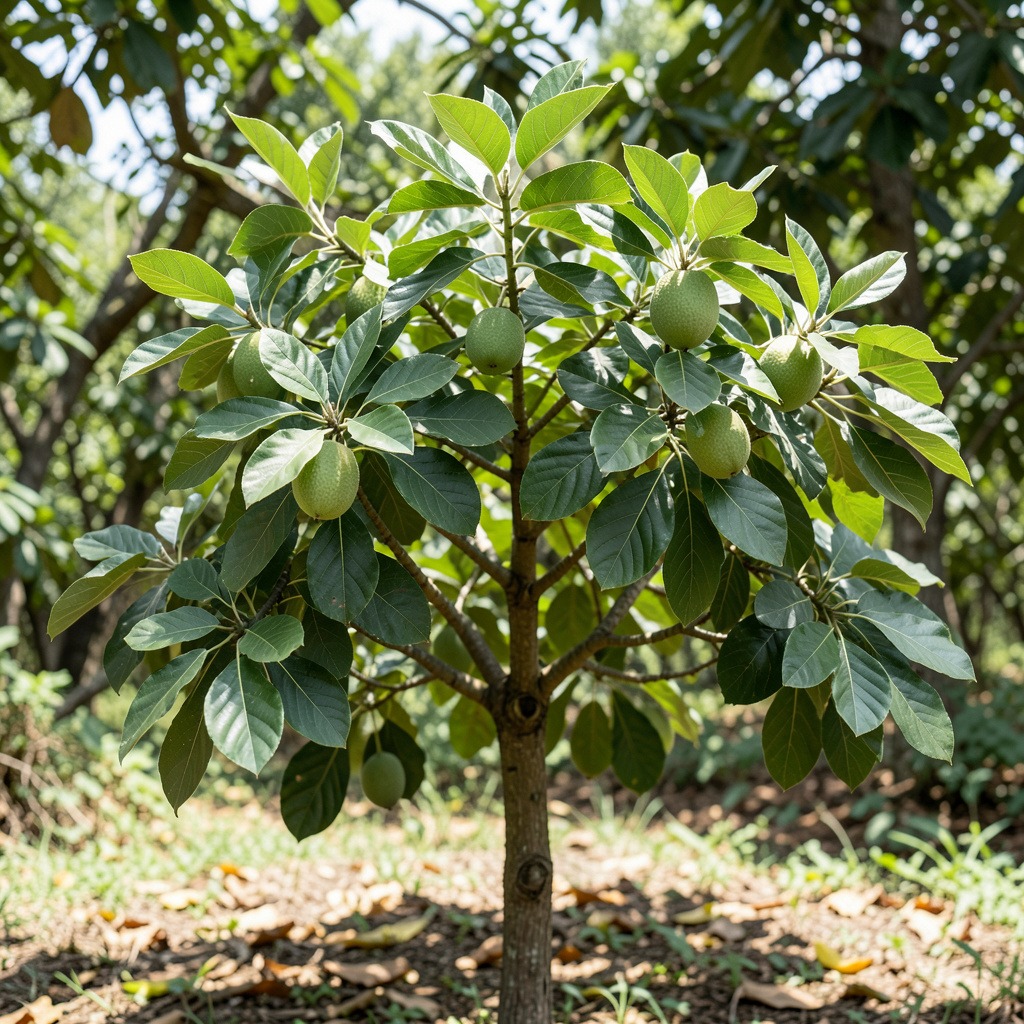
Understanding the Loquat Tree
The loquat tree, scientifically known as Eriobotrya japonica, is a hybrid of ornamental and functional value. It offers distinctive fruit and serves as an attractive addition to various landscapes.
Origins and History of Loquat Trees
Loquats are native to Southeast Asia. They were introduced to the Mediterranean region in the 18th century and later spread to the Americas. Key points in their history include:
- China: Loquats have been cultivated for over 1,000 years.
- Japan: The fruit gained popularity in the Edo period (1603–1868).
- United States: Introduced in the early 1900s, particularly thriving in California, Florida, and parts of the southern United States.
Physical Characteristics of the Loquat Tree
Loquat trees are evergreen, typically reaching heights of 10 to 25 feet. They exhibit:
- Leaves: Large, leathery, and dark green, providing a lush appearance.
- Flowers: Small, white to cream-colored blooms that appear in winter.
- Fruit: Small, pear-shaped, ranging in color from yellow to orange, with a sweet and tangy flavor.
Growth Habits and Lifespan
Loquat trees grow rapidly, particularly in warm climates. They have the following growth habits:
- Lifespan: Typically live for 20 to 30 years.
- Growth Rate: Can reach maturity in 5 to 7 years when properly cared for.
- Water Needs: Drought-tolerant once established, yet more productive with regular watering, especially in early growth stages.
Decision Framework for Prospective Growers
When considering a loquat tree, weigh the following factors:
- Climate Suitability: Ideal for warm, humid climates.
- Space Availability: Requires ample room for growth and canopy spread.
- Maintenance Needs: Regular pruning and pest management are essential for health and productivity.
By understanding these aspects, prospective growers can better assess the pros and cons of the loquat tree for their specific gardening goals.
Pros of Growing Loquat Trees
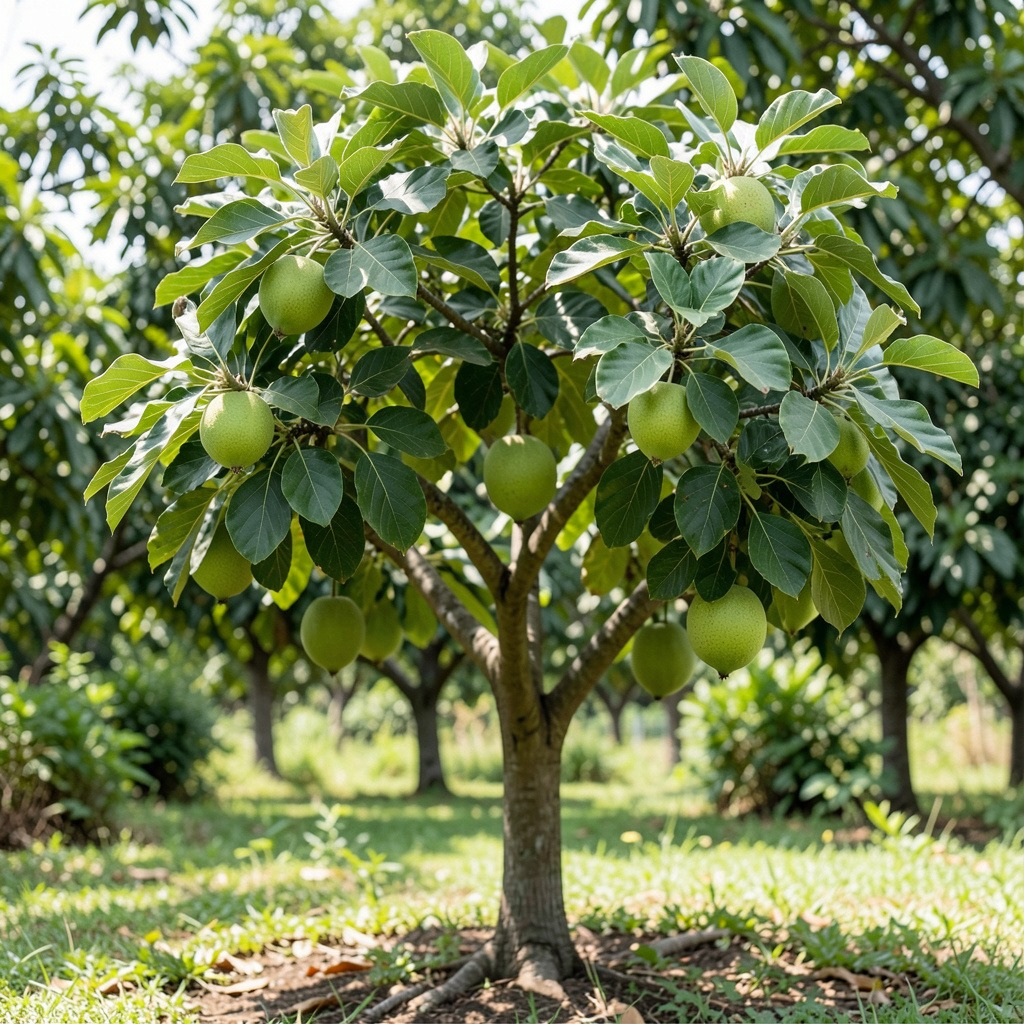
Loquat trees offer numerous benefits, making them an attractive addition to home gardens. Their fruit is not only delicious but also packed with nutrients. Additionally, these trees provide ecological and aesthetic advantages.
Nutritional Benefits of Loquat Fruit
Loquat fruit is a nutritional powerhouse. It is rich in vitamins, minerals, and antioxidants. Here’s a quick comparison of loquat fruit with other common fruits:
| Nutrient | Loquat (per 100g) | Apple (per 100g) | Orange (per 100g) |
|---|---|---|---|
| Calories | 47 | 52 | 47 |
| Vitamin A (IU) | 1622 | 54 | 225 |
| Vitamin C (mg) | 0.9 | 4.6 | 53.2 |
| Dietary Fiber (g) | 1.2 | 2.4 | 2.4 |
Loquats provide a higher concentration of Vitamin A compared to apples and a comparable caloric content to oranges. This makes them an excellent choice for a health-conscious diet.
Ecological Benefits and Pollinator Support
Loquat trees are beneficial for the environment. They attract various pollinators, such as bees and butterflies. This helps support local ecosystems. Moreover, their evergreen foliage provides shelter for wildlife.
Loquat trees can also improve soil health. Their deep root systems help prevent erosion and promote water retention. This contributes to a healthier garden environment.
Aesthetic and Ornamental Value
Loquat trees enhance the beauty of any landscape. With their dense, dark green leaves and rounded canopy, they serve as attractive focal points in gardens. Their lush foliage provides excellent shade and creates a pleasant microclimate beneath the tree.
Additionally, loquat trees bloom beautifully in spring, adding visual interest with fragrant flowers. This dual appeal—both for its fruit and its ornamental value—makes the loquat an ideal choice for urban landscapes and residential gardens alike.
Cons of Growing Loquat Trees
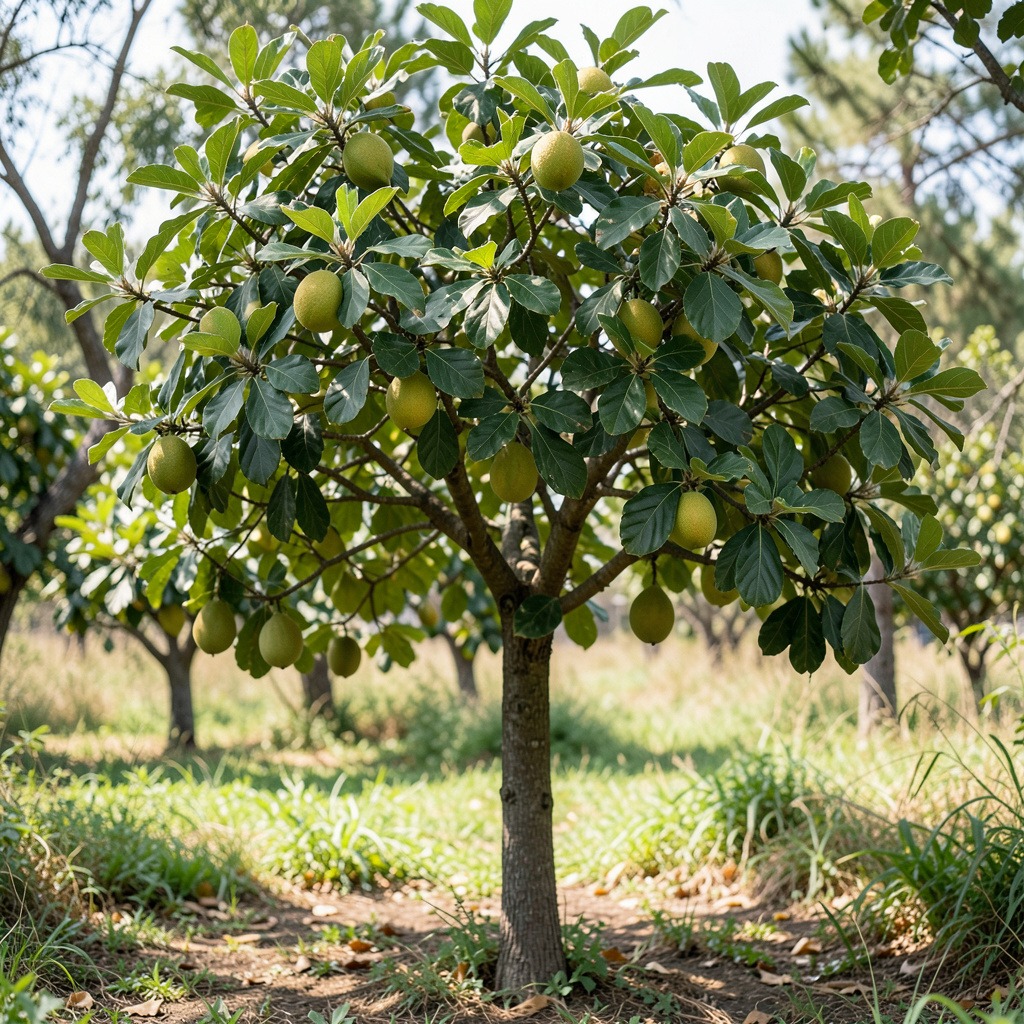
While loquat trees offer numerous benefits, they also present certain drawbacks. Understanding these potential issues is essential for informed decision-making.
Potential Invasiveness and Root Systems
Loquat trees can become invasive if not managed properly. Their roots are vigorous and can spread widely, potentially disrupting nearby plants and structures. This invasive nature can lead to:
- Damage to sidewalks and foundations.
- Competition with native plants for nutrients and water.
- Difficulty in controlling tree spread in small gardens.
When planting, consider the tree’s proximity to structures and other plants. A distance of at least 10 to 15 feet from buildings and other trees is advisable to minimize root interference.
Common Pests and Diseases
Loquat trees attract various pests that can hinder their growth and fruit production. Common pests include:
- Scale insects
- Aphids
- Beetles
- Caterpillars
These pests can lead to reduced fruit yields and compromised tree health. Regular monitoring is essential to catch infestations early.
Pest Management Checklist:
- Inspect regularly: Check leaves and fruit for signs of pests.
- Use barriers: Employ physical barriers like mesh to protect young fruit.
- Natural predators: Encourage beneficial insects such as ladybugs to control pest populations.
- Chemical treatments: Apply insecticidal soap or neem oil as needed, following label instructions.
Maintenance and Care Challenges
Loquat trees require specific care to thrive. Challenges include:
- Watering needs: Young trees need consistent moisture, while established trees may suffer from drought stress.
- Pruning requirements: Regular pruning is necessary to maintain health and productivity. Failure to prune can lead to overcrowding and disease.
- Fungal diseases: Overwatering or poor air circulation can result in fungal issues that affect leaves and fruit.
To successfully grow loquats, create a maintenance schedule that includes watering, pruning, and pest management. Consider the tree’s specific growth habits and environmental needs to ensure its longevity and productivity.
How to Successfully Grow Loquat Trees
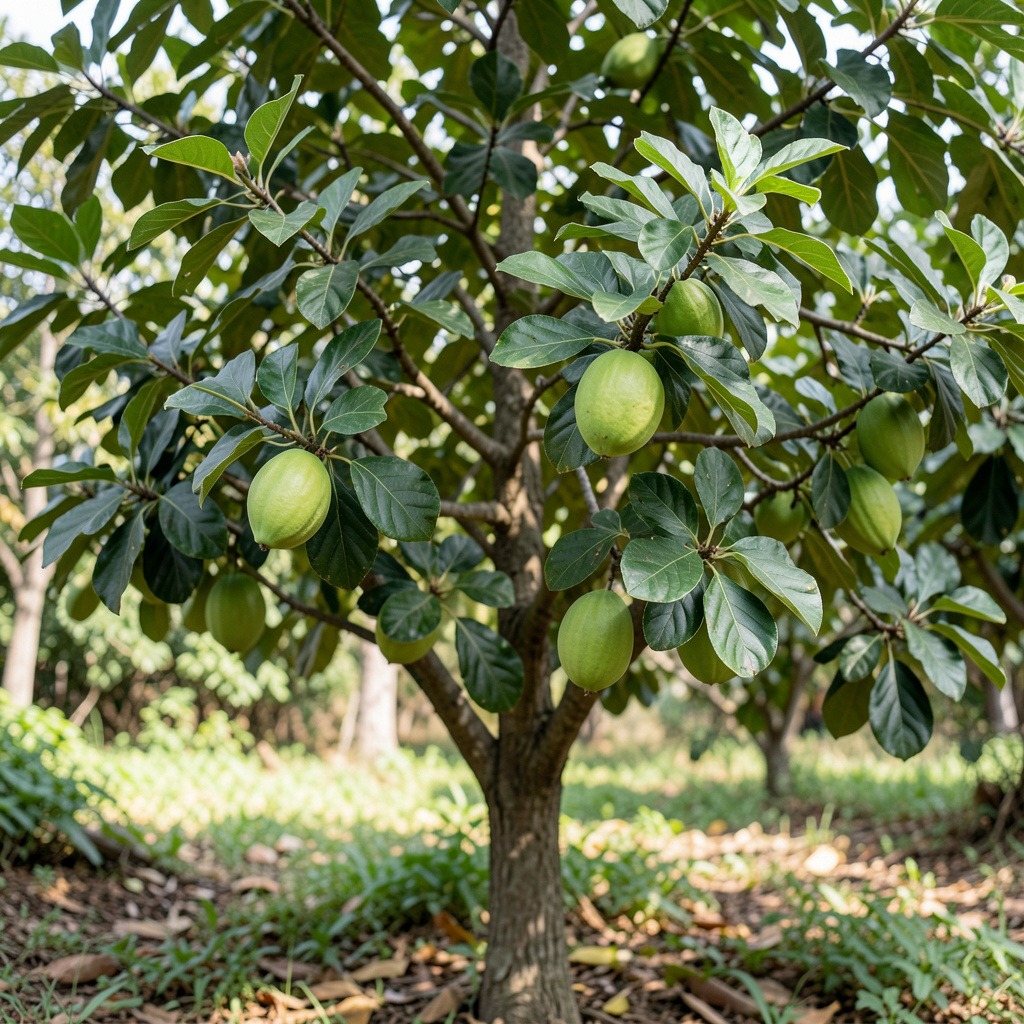
Growing loquat trees can be rewarding, provided you understand their specific needs. This section offers a step-by-step guide on planting, caring for, and harvesting these trees, along with common issues growers might face.
Ideal Growing Conditions and Soil Requirements
Loquat trees thrive in warm, humid climates. They prefer well-draining soil with a slightly acidic to neutral pH. Here’s how to create the ideal environment:
- Location: Select a spot that receives at least six hours of direct sunlight daily.
- Soil Type: Use sandy, loamy, or clay-rich soil that is nutrient-rich and well-aerated.
- pH Level: Aim for a soil pH between 5.5 and 7.0.
Watering and Fertilization Guidelines
Proper watering and fertilization are crucial for healthy loquat trees. Follow these guidelines:
- Young Trees: Water consistently to keep the soil moist but not soggy.
- Established Trees: Allow the soil to dry out between watering. Deep, infrequent watering encourages deep root growth.
- Fertilization: Use a balanced fertilizer in early spring and after harvesting. Focus on nitrogen, phosphorus, and potassium to boost growth and fruit production.
Pruning and Harvesting Techniques
Pruning promotes health and productivity in loquat trees. Here’s how to effectively manage your tree:
- Pruning:
- Remove dead or overcrowded branches after the fruiting season.
- Selective pruning keeps the tree manageable, ideally between 6 to 12 feet in height.
- Harvesting:
- Loquats typically bear fruit in late spring to early summer.
- Harvest when the fruit is fully colored and slightly soft to the touch.
Common Issues and Solutions
Growers may encounter several challenges when cultivating loquat trees:
- Pests: Watch for aphids, scale insects, and fruit flies. Use natural predators or organic insecticidal soaps for management.
- Fungal Diseases: Ensure good airflow and maintain sanitation to prevent diseases like fire blight.
Visual Timeline for Growth Stages
1. Planting: Choose a sunny location and prepare well-draining soil.
2. Seedling Stage (0-6 months): Regular watering is essential.
3. Young Tree (6 months – 3 years): Focus on deep watering and light pruning.
4. Mature Tree (3+ years): Begin regular harvesting and annual pruning.
By following these steps, you can cultivate a thriving loquat tree that provides both aesthetic and fruit-bearing benefits.
Loquat Trees vs. Other Fruit Trees
Loquat trees offer unique features that set them apart from other fruit trees. Understanding these differences can help gardeners make informed decisions about planting.
Comparing Growth Requirements and Care
Loquat trees (Eriobotrya japonica) thrive in warm climates and well-draining soil. They require moderate watering and benefit from regular pruning. In contrast, other popular fruit trees, such as apple and peach, have distinct care needs:
| Feature | Loquat Trees | Apple Trees | Peach Trees |
|---|---|---|---|
| Climate | Mild, frost-free environments | Cool climates | Warm, temperate climates |
| Soil | Well-draining, sandy soils | Loamy, well-draining soils | Sandy to loamy soils |
| Watering | Moderate, avoid waterlogging | Regular, especially during fruiting | Moderate, avoid drought |
| Pruning Needs | Light pruning needed annually | Extensive pruning for shape | Annual pruning for health |
Taste and Culinary Uses: Loquats vs. Peaches
Loquats have a distinct, tangy-sweet flavor. This makes them versatile for culinary uses, from fresh eating to jams. Peaches, known for their juicy sweetness, are also widely used in desserts and preserves. Here’s a quick comparison:
| Fruit | Flavor Profile | Culinary Uses |
|---|---|---|
| Loquats | Tangy-sweet | Jams, chutneys, salads, desserts |
| Peaches | Sweet and juicy | Pies, cobblers, smoothies, canning |
Environmental Impact of Different Fruit Trees
Loquat trees are generally less invasive compared to other fruit trees. They attract beneficial pollinators, contributing positively to local ecosystems. However, gardeners should be aware of their potential to spread in certain environments. Here’s how they stack up:
| Tree Type | Invasiveness | Pollinator Attraction | Soil Erosion Control |
|---|---|---|---|
| Loquat Trees | Low to Moderate | High | Moderate |
| Apple Trees | Low | Moderate | Low |
| Peach Trees | Low | Moderate | Low |
When considering which fruit tree to plant, weigh these factors carefully. Loquats provide unique benefits but may not suit every garden setting.
Frequently Asked Questions
These quick answers cover the most common questions about this topic, including key details, practical tips, and common concerns.
What are the common problems with loquat trees?
Loquat trees can face several issues, including pest infestations and diseases. Common pests include scale insects, aphids, and caterpillars, which can damage leaves and fruit. Fungal diseases, such as fire blight, may also affect the tree if conditions are too damp or if air circulation is poor. Regular monitoring and early intervention are crucial for managing these problems.
How many years does it take for a loquat tree to fruit?
Loquat trees typically begin to bear fruit within 5 to 7 years after planting. The exact timing can vary based on growing conditions, care, and the tree’s variety. Once they start fruiting, loquats usually produce fruit annually, with the harvest occurring in late spring to early summer.
Are loquat roots invasive?
Yes, loquat roots can be invasive if not managed properly. They have vigorous growth habits and can spread widely, potentially damaging nearby structures or competing with other plants for nutrients and water. It is advisable to plant loquat trees at least 10 to 15 feet away from buildings and other trees to minimize root interference.
Where is the best place to plant a loquat tree?
Loquat trees thrive in warm, sunny locations with well-draining soil. They prefer areas that receive at least six hours of direct sunlight daily. Avoid planting in low-lying areas where water might accumulate, as this can lead to root rot. A spot with good air circulation is also beneficial for preventing fungal diseases.
What pests commonly affect loquat trees?
Common pests that may affect loquat trees include scale insects, aphids, and various beetles. These pests can lead to reduced fruit yields and compromised tree health. To manage infestations, regularly inspect your trees, encourage beneficial insects like ladybugs, and consider using organic insecticidal soaps when necessary.
Can loquats be grown in pots?
Yes, loquats can be grown in pots, making them suitable for smaller spaces or patios. Choose a large container with good drainage and use a well-draining potting mix. Ensure the tree receives adequate sunlight and water, especially during dry spells, to promote healthy growth.
What are the health benefits of loquats?
Loquats are rich in vitamins, minerals, and antioxidants, making them a nutritious addition to your diet. They are particularly high in Vitamin A and provide dietary fiber, which aids digestion. Additionally, loquats contain compounds that may have anti-inflammatory and antioxidant properties, contributing to overall health.