
The Moringa tree, known for its nutritional benefits, offers a range of health advantages alongside potential side effects.
Table of Contents
Moringa oleifera, often called the ‘miracle tree,’ has gained recognition for its rich nutritional profile and health benefits. However, it also comes with potential risks. This guide explores 23 key pros and cons of the Moringa tree.
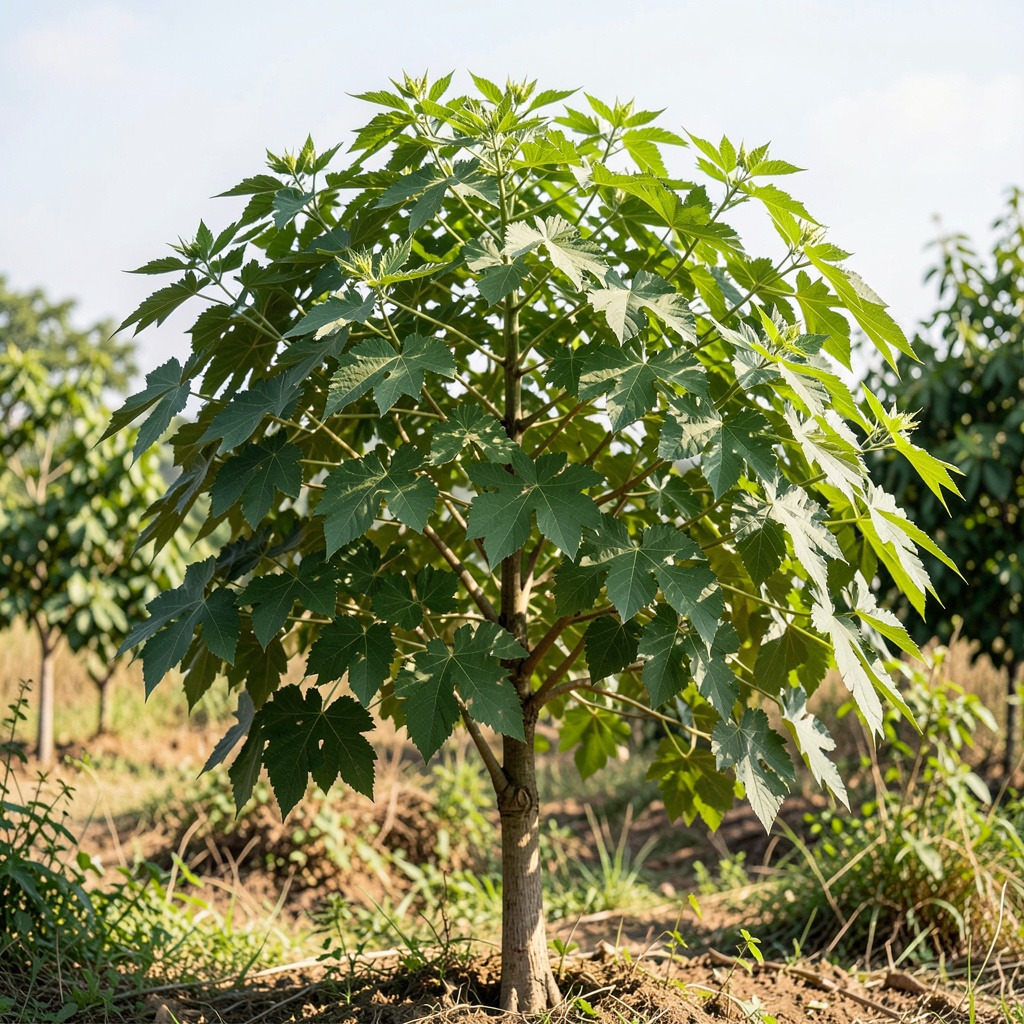
Introduction to Moringa
Moringa oleifera, commonly known as the “miracle tree,” is celebrated for its extensive health benefits and nutritional richness. Originating from the Indian subcontinent, it has become a staple in various cultures for both culinary and medicinal purposes.
Historical Significance of Moringa
Moringa has long been revered in traditional medicine systems, including Ayurveda and African herbal practices. Its leaves, seeds, and pods have been used to address various health issues, such as inflammation and anemia.
- Ayurvedic Medicine: Moringa is utilized to balance bodily systems and enhance vitality.
- African Traditions: It serves as a nutritional supplement and a treatment for malnutrition.
Nutritional Profile
Moringa’s leaves are nutrient-dense, packed with vitamins and minerals. Here are some key components:
- Vitamins: High in vitamins A, C, and E, which are essential for immune function and skin health.
- Minerals: Contains calcium, potassium, and iron, vital for bone health and metabolic functions.
- Antioxidants: Rich in flavonoids and phenolic acids that combat oxidative stress.
Culinary Uses
Moringa is versatile in the kitchen. Here are some common preparations:
- Moringa Powder: Easily added to smoothies, soups, or baked goods for a nutrient boost.
- Teas: Moringa leaves can be steeped to create a herbal tea that offers soothing benefits.
For those considering incorporating moringa into their diet, a convenient option is the Moringa Oleifera Powder Supplement, which provides an easy way to enjoy its benefits.
Nutritional Profile of Moringa
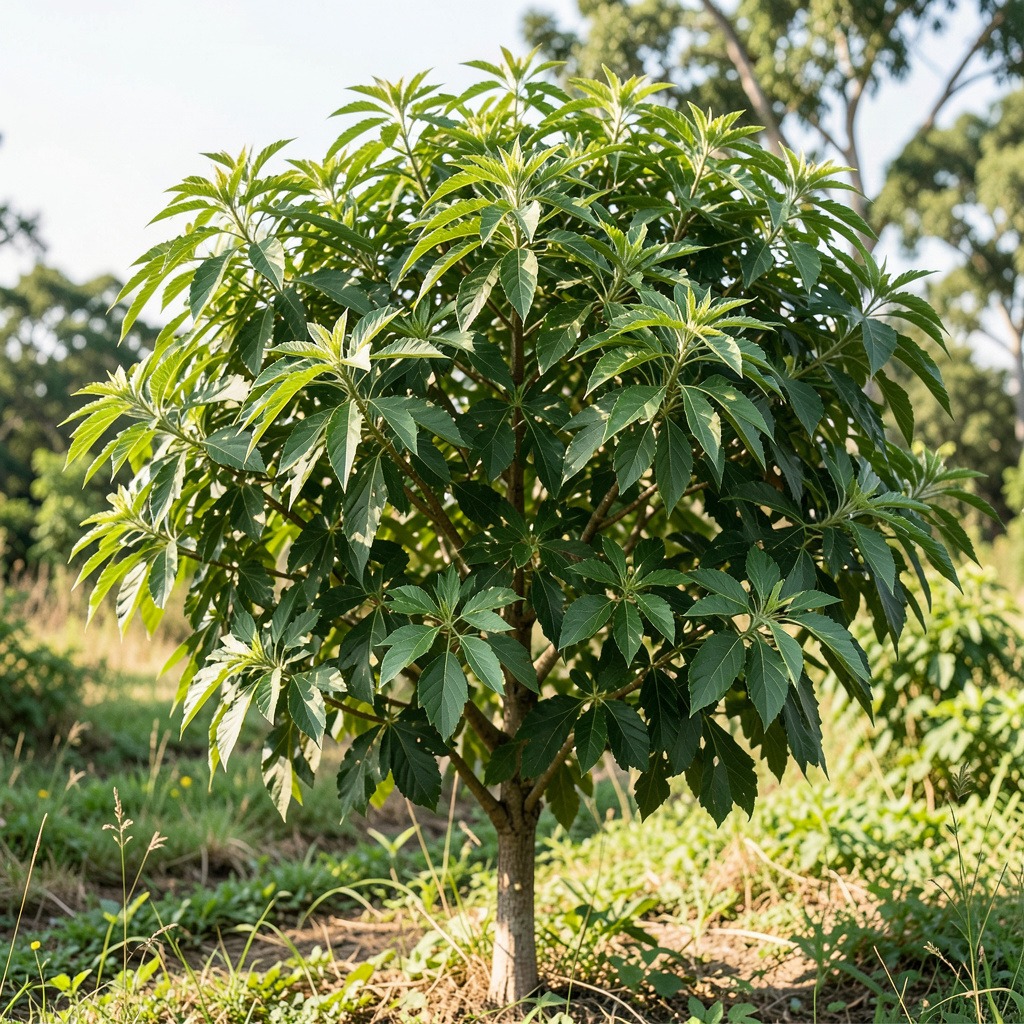
Moringa is a highly nutritious plant, often celebrated for its rich vitamin and mineral content. It serves as an excellent dietary supplement, providing essential nutrients that support overall health.
Vitamins and Minerals
Moringa leaves are particularly high in vital vitamins and minerals. Here are some key nutrients found in Moringa:
- Vitamin C: More than oranges, it boosts immune function.
- Vitamin A: Supports vision and skin health.
- Calcium: Essential for strong bones, surpassing that of milk.
- Iron: Crucial for red blood cell production.
- Potassium: Helps regulate blood pressure.
Protein Content
Moringa contains significant protein levels, boasting around 25% of its dry weight as protein. This makes it a valuable source of protein for those on plant-based diets. For comparison, 100 grams of Moringa leaves yield approximately:
- 9.4 grams of protein: More than many common vegetables.
- Complete amino acids: Contains all nine essential amino acids, making it a rare plant-based protein source.
Antioxidant Properties
Moringa is rich in antioxidants, including flavonoids and phenolic acids. These compounds help neutralize free radicals, reducing oxidative stress in the body. Notably, Moringa’s antioxidant content is comparable to that of other well-known superfoods, such as:
- Blueberries: Known for their high antioxidant levels.
- Spinach: Offers a range of vitamins and minerals but lacks the same antioxidant variety.
Incorporating Moringa into your diet can enhance your nutrient intake with minimal calories. For those interested in a convenient option, consider the Moringa Oleifera Powder Supplement for easy incorporation into your meals.
12 Health Benefits of Moringa
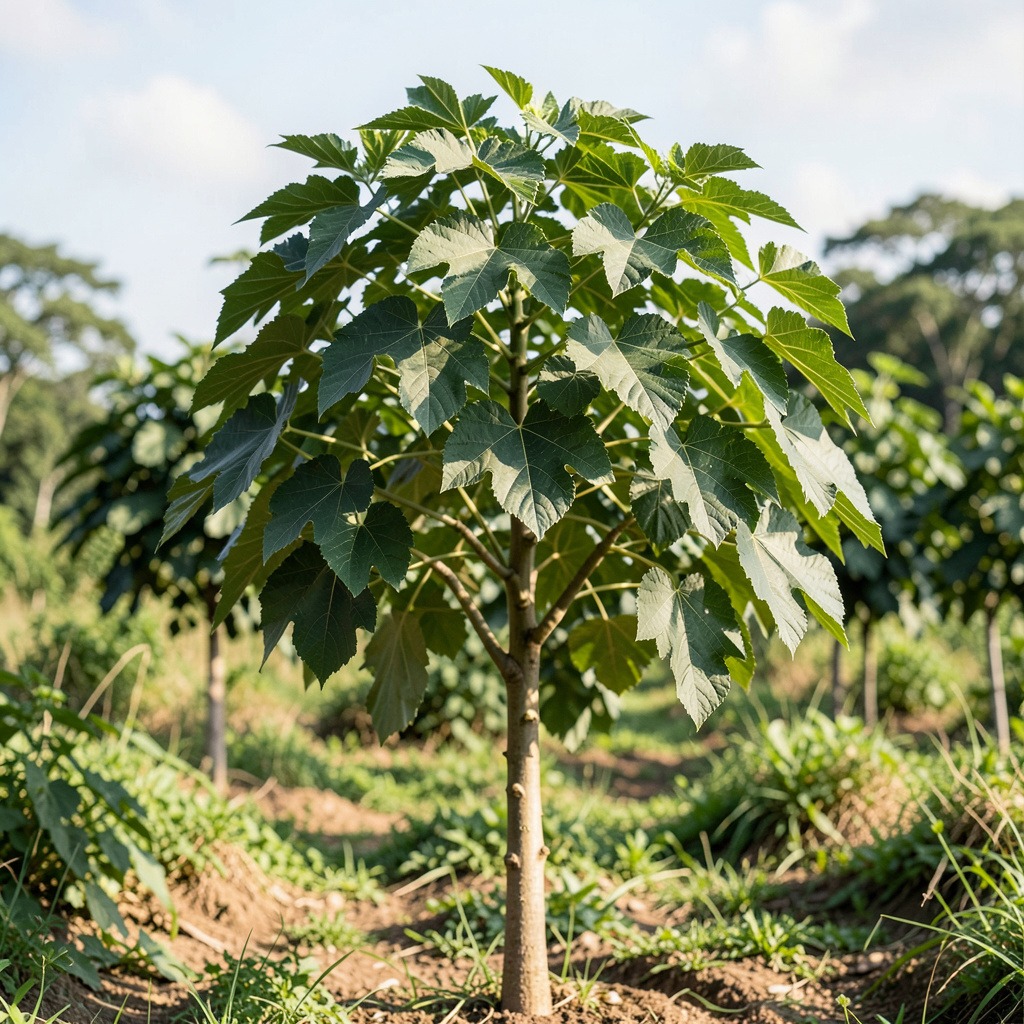
Moringa is often celebrated for its extensive health benefits. Its rich nutritional profile and medicinal properties make it a valuable addition to diets. Below are key health benefits attributed to Moringa consumption.
Supports Immune Function
Moringa is abundant in vitamins A, C, and E. These vitamins are essential for a robust immune system. They help combat oxidative stress and support the body’s defense mechanisms. Regular consumption of Moringa can enhance immune response, potentially reducing the incidence of infections.
Anti-Inflammatory Properties
Moringa contains powerful anti-inflammatory compounds, including isothiocyanates. These compounds may help reduce inflammation in the body, which is linked to various chronic diseases. Studies have shown that Moringa extracts can lower markers of inflammation, making it beneficial for conditions like arthritis.
Blood Sugar Regulation
Moringa has been shown to have a positive impact on blood sugar levels. Certain studies suggest that compounds in Moringa may improve insulin sensitivity and reduce blood sugar spikes. This makes Moringa a potential ally for individuals managing diabetes. Incorporating Moringa into meals could support better blood glucose control.
Nutritional Value and Antioxidant Content
Moringa is a powerhouse of nutrients. It is rich in essential amino acids, vitamins, and minerals. The antioxidant content in Moringa helps neutralize harmful free radicals, protecting cells from damage. This can contribute to overall health and longevity.
Culinary Uses and Preparation Methods
Moringa leaves can be used fresh in salads, cooked in soups, or dried to create a powder. This versatility allows it to easily integrate into various dishes, enhancing both flavor and nutrition. Its culinary applications make it simple to adopt in daily meals.
Cultural Significance and Traditional Medicine Uses
In many cultures, Moringa has been used for centuries in traditional medicine. It is revered for its healing properties and has been utilized in treating conditions such as malnutrition and inflammatory diseases. Understanding its cultural significance provides a deeper appreciation for this remarkable tree.
Dosage Recommendations and Precautions
When incorporating Moringa into your diet, moderation is key. General recommendations suggest starting with small amounts, such as one teaspoon of Moringa powder daily. Individuals with specific health conditions should consult healthcare providers for personalized advice.
For those looking for a convenient option, consider the Moringa Oleifera Powder Supplement for easy incorporation into your meals.
Incorporating Moringa can enhance overall health while providing essential nutrients and potential therapeutic benefits.
10 Potential Side Effects of Moringa
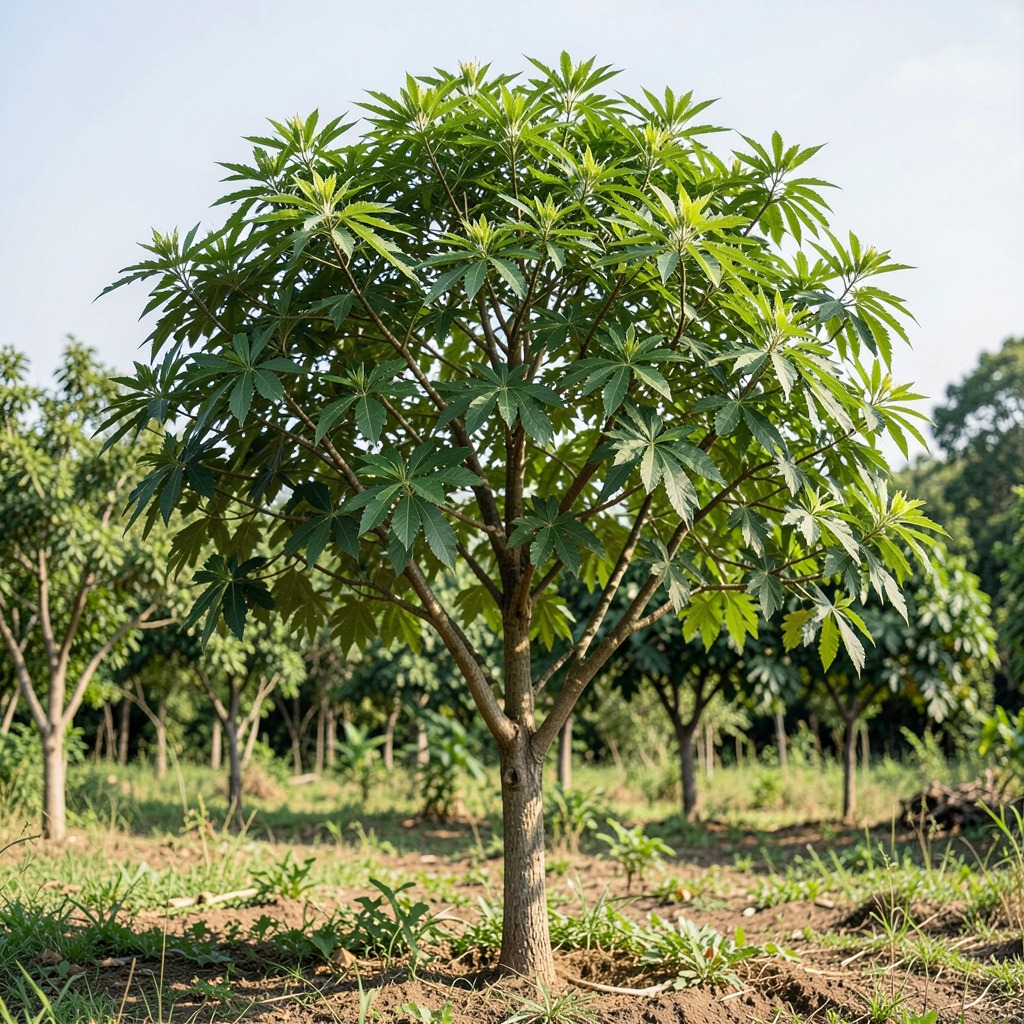
While Moringa is praised for its health benefits, it is essential to be aware of its potential side effects. Understanding these risks can ensure safe usage and better health outcomes.
Gastrointestinal Issues
Moringa can cause gastrointestinal discomfort in some individuals. Common symptoms include:
- Nausea
- Diarrhea
- Stomach cramps
These effects may arise from consuming excessive amounts or introducing Moringa too quickly into the diet. If you experience these symptoms, consider reducing your intake or consulting a healthcare professional.
Allergic Reactions
Although rare, allergic reactions to Moringa can occur. Symptoms may include:
- Skin rashes
- Itching
- Swelling of the face or throat
If you suspect an allergy, discontinue use immediately and seek medical advice. Monitoring your body’s reaction when trying Moringa for the first time is crucial.
Drug Interactions
Moringa may interact with certain medications, particularly those related to:
- Diabetes
- Blood pressure
- Thyroid function
If you take any of these medications, consult your healthcare provider before adding Moringa to your regimen. They can help assess potential interactions and adjust dosages as necessary.
Checklist for Safe Moringa Use
To help determine if Moringa is safe for you, consider the following checklist:
- Have you consulted with a healthcare provider? Always discuss new supplements, especially if you have existing health conditions.
- Are you pregnant or breastfeeding? Moringa’s effects in these populations are not well-studied.
- Do you have allergies to similar plants? Cross-reactivity can occur with other legumes and herbs.
- Are you on medications? Review any potential interactions with your healthcare provider.
By following this checklist, you can make informed decisions about incorporating Moringa into your diet while minimizing risks.
How to Incorporate Moringa into Your Diet
Moringa offers a versatile way to boost your nutritional intake. You can enjoy it in various forms, including powder and fresh leaves, making it easy to add to your meals.
Moringa Powder vs. Fresh Leaves
Both moringa powder and fresh leaves provide health benefits, but they differ in taste and preparation.
- Moringa Powder: This dried form has a strong, earthy flavor. Use it in smoothies, soups, or baked goods. Start with a small amount (1 teaspoon) and gradually increase to avoid overwhelming flavors.
- Fresh Leaves: These can be used in salads or as a garnish. They have a milder taste compared to the powder and can be cooked lightly to enhance digestibility.
Recipes for Smoothies and Meals
Incorporating moringa into your diet can be both nutritious and delicious. Here are some recipe ideas:
- Moringa Smoothie:
- 1 banana
- 1 cup spinach
- 1 teaspoon moringa powder
- 1 cup almond milk
- Blend until smooth for a refreshing drink.
- Moringa Soup:
- Sauté onions and garlic in olive oil.
- Add 4 cups vegetable broth and 2 cups chopped vegetables (carrots, celery).
- Stir in 2 teaspoons moringa powder and simmer for 10 minutes.
- Moringa Salad:
- Toss fresh moringa leaves with mixed greens, cherry tomatoes, and your choice of dressing.
- Add nuts or seeds for extra crunch and nutrients.
Dosage Recommendations
To maximize the benefits of moringa while minimizing risks, follow these guidelines:
- General Use: Start with 1 teaspoon of moringa powder daily. Monitor your body’s response and adjust as needed.
- For Supplements: If using capsules, consult the product label for dosage. Typical recommendations are between 500 mg to 1 g daily.
- Culinary Use: Incorporate moringa gradually into meals, ensuring flavors are balanced.
Consider your dietary preferences and health goals when choosing how to incorporate moringa.
Cultural Significance of Moringa
Moringa has deep cultural roots in various regions, recognized for its health benefits and nutritional value. Many cultures utilize this tree not only for food but also for its medicinal properties.
Moringa in Traditional Medicine
In traditional healing practices, moringa is celebrated for its therapeutic qualities. Various cultures incorporate moringa to address different health issues:
- Ayurvedic Medicine: In India, moringa is used to treat inflammation, digestive problems, and skin conditions. Its leaves are often ground into a powder and combined with other herbs for maximum efficacy.
- African Traditions: In many African communities, moringa is a staple for combating malnutrition. The leaves are commonly added to stews and soups, providing essential nutrients.
- Latin America: In parts of Latin America, moringa is used to enhance overall well-being. The seeds are sometimes pressed for oil, which is utilized in cooking and for skin care.
Culinary Uses of Moringa
Culinary traditions around the world embrace moringa for its nutritional benefits. Here are some common preparations:
- Fresh Leaves: Used in salads, soups, and curries.
- Dried Powder: Added to smoothies, baked goods, and sauces.
- Tea: Brewed from dried leaves, offering a nutrient-rich beverage.
Nutritional Awareness
Cultural practices also emphasize the nutritional profile of moringa. Its rich content of vitamins A, C, and E, along with calcium and iron, supports various health functions. Here’s a comparison of nutrient benefits:
| Nutrient | Source | Benefit |
|---|---|---|
| Vitamin A | Moringa Leaves | Supports vision and immune function |
| Calcium | Moringa Seeds | Crucial for bone health |
| Iron | Moringa Powder | Vital for blood health |
This diverse range of applications showcases how cultures globally view moringa as a vital resource for health and nutrition.
Environmental Sustainability of Moringa
Moringa cultivation plays a significant role in promoting sustainability and biodiversity. This nutrient-rich tree thrives in diverse climates and has numerous environmental benefits that extend beyond its nutritional value.
Benefits of Moringa Cultivation
- Rapid Growth: Moringa grows quickly, allowing for short harvest cycles. This supports food security in regions facing scarcity.
- Low Resource Requirements: It requires minimal water and can thrive in poor soil, making it suitable for arid regions. This resilience helps prevent soil degradation and promotes land restoration.
- Biodiversity Support: Moringa trees can provide habitats for various species, thus enhancing local biodiversity. They attract pollinators and other beneficial insects, supporting ecosystem health.
Moringa’s Role in Ecological Practices
Moringa is not just a food source; it also contributes to sustainable agricultural practices. Here are several ways it can impact the environment positively:
- Soil Improvement: Moringa leaves can be used as green manure, enriching the soil with organic matter and nutrients.
- Carbon Sequestration: As a fast-growing tree, Moringa sequesters carbon dioxide, helping mitigate climate change.
- Water Conservation: Its deep root system can help retain moisture in the soil, benefiting surrounding plants and crops.
Cultural Significance and Ecological Awareness
In many cultures, Moringa is revered not only for its health benefits but also for its ecological value. Farmers often plant Moringa alongside other crops to enhance yield and maintain ecological balance. This practice fosters a sustainable approach to agriculture, ensuring communities can thrive without depleting natural resources.
By integrating Moringa into agricultural systems, communities can achieve both nutritional and ecological sustainability.
Why Some Doctors Do Not Recommend Moringa
While Moringa is often celebrated for its numerous health benefits, some medical professionals express caution regarding its use. Concerns primarily revolve around potential side effects and insufficient long-term research.
Limited Research on Long-Term Effects
Despite short-term studies showcasing Moringa’s advantages, there is a notable lack of comprehensive research on its long-term impact. Key areas of concern include:
- Liver Function: Some studies suggest Moringa may affect liver enzymes, prompting caution for individuals with liver conditions.
- Kidney Function: Similar uncertainty exists regarding Moringa’s effects on kidney health, particularly with chronic use.
Potential Side Effects
Moringa can cause several side effects, which may vary based on individual health conditions. Common issues include:
- Digestive Problems: Some users report nausea, diarrhea, or stomach upset.
- Allergic Reactions: Allergies to Moringa may occur, leading to skin rashes or respiratory issues.
Drug Interactions and Precautions
Moringa may interact with certain medications, particularly:
- Blood Thinners: Moringa may enhance the effects of anticoagulants, increasing bleeding risk.
- Diabetes Medications: It could lower blood sugar levels, necessitating careful monitoring for individuals on diabetes medication.
Dosage Considerations
Medical professionals often recommend moderation when consuming Moringa. Suggested dosages typically range from:
- Powder Form: 1-2 teaspoons per day.
- Capsule Form: Up to 1,000 mg per day.
Individuals should consult healthcare providers before starting Moringa, especially if they are pregnant, nursing, or have pre-existing health conditions.
Moringa Bans in Certain Countries
Moringa, despite its numerous health benefits, faces regulatory scrutiny in some regions. Various countries have imposed bans or restrictions based on safety concerns and potential side effects.
Countries with Moringa Restrictions
- Germany: Moringa supplements are not officially recognized as food additives. The country regulates Moringa products under stringent food safety standards.
- France: Similar to Germany, France has not approved Moringa for use in food supplements, citing insufficient evidence for safety at higher dosages.
- Australia: Moringa products require pre-market approval. This regulation stems from concerns regarding potential interactions with medications and overall safety profiles.
Reasons Behind Regulatory Decisions
1. Insufficient Research: Many countries require extensive scientific evidence before allowing herbal supplements. Moringa’s health claims, while promising, lack comprehensive clinical trials.
2. Potential Side Effects: Reports of adverse reactions, including gastrointestinal issues and interactions with medications, have led to caution in regulatory decisions.
3. Consumer Safety: Authorities prioritize consumer protection, regulating products that could pose health risks, particularly for vulnerable populations like pregnant women.
Practical Considerations for Consumers
Before incorporating Moringa into your routine, consider the following:
- Consult a Healthcare Provider: Especially if you are on medication or have underlying health conditions.
- Research Local Regulations: Understand the status of Moringa in your country to ensure compliance and safety.
- Start with Low Dosages: If permitted, begin with small amounts to assess your body’s response.
Can You Eat Moringa Leaves Straight from the Tree?
Moringa leaves are edible and highly nutritious. However, proper preparation is essential to maximize their health benefits and minimize any potential adverse effects.
Nutritional Benefits of Raw Moringa Leaves
Moringa leaves are rich in vitamins, minerals, and antioxidants. They contain:
- Vitamin C: More than oranges.
- Calcium: Higher than in milk.
- Iron: Essential for blood health.
- Protein: A valuable source for vegetarians.
These nutrients contribute to overall well-being and can enhance energy levels.
Preparation Methods for Moringa Leaves
While you can consume Moringa leaves raw, preparation can improve taste and digestibility. Here are some methods:
- Washing: Rinse leaves thoroughly to remove dirt and pesticides.
- Chopping: Finely chop leaves to mix into salads or smoothies. This helps to integrate them into your meals seamlessly.
- Cooking: Lightly sautéing or steaming Moringa leaves can reduce bitterness and enhance flavor.
Safe Consumption Guidelines
To ensure safe consumption of Moringa leaves, consider these guidelines:
- Start Small: Begin with a tablespoon of fresh leaves to assess your body’s reaction.
- Consult a Healthcare Provider: Especially if pregnant, breastfeeding, or on medication.
- Avoid High Doses: High amounts may cause gastrointestinal distress.
Culinary Uses of Moringa Leaves
Moringa leaves can be incorporated into various dishes. Here are some ideas:
- Smoothies: Blend fresh leaves with fruits for a nutritious drink.
- Soups: Add chopped leaves to soups for added nutrients.
- Salads: Use raw leaves as a base or garnish for salads.
Incorporating Moringa leaves into your diet can be beneficial, but awareness of preparation and dosage is crucial.
Summary of Moringa’s Pros and Cons
Moringa, often referred to as the “miracle tree,” boasts numerous health benefits, yet it also presents certain risks. Understanding both sides is crucial for informed consumption.
Health Benefits of Moringa
Moringa is celebrated for its extensive nutritional profile and potential health advantages. Here are some key benefits:
- Rich in Nutrients: Moringa leaves are high in vitamins A, C, and E, along with essential minerals like calcium and potassium.
- Antioxidant Properties: The plant contains powerful antioxidants that combat oxidative stress and inflammation.
- Blood Sugar Regulation: Studies suggest Moringa may help stabilize blood sugar levels, making it beneficial for diabetics.
- Cholesterol Management: Moringa can lower LDL cholesterol, thereby supporting heart health.
- Weight Management: Its high fiber content promotes fullness, aiding in appetite control and weight loss.
Common Side Effects and Risks
While Moringa offers significant health benefits, it is essential to consider its potential side effects:
- Pregnancy Risks: High doses may cause uterine contractions, posing risks during pregnancy and breastfeeding.
- Gastrointestinal Issues: Excessive intake can lead to digestive discomfort, including nausea and diarrhea.
- Drug Interactions: Moringa might interact with medications, particularly those affecting blood sugar and blood pressure. Consulting a healthcare provider is advisable.
- Long-term Effects: Limited research exists on the long-term impacts of Moringa consumption. Moderation is recommended until more studies are conducted.
Summary Table of Pros and Cons
| Pros | Cons |
|---|---|
| Nutrient-rich | Potential risks for pregnant women |
| Antioxidant properties | Can cause gastrointestinal distress |
| Helps regulate blood sugar | May interact with certain medications |
| Supports heart health | Limited research on long-term effects |
| Aids in weight management | Requires careful dosage awareness |
Understanding the pros and cons of Moringa empowers consumers to make informed decisions. Always consider personal health conditions and consult a healthcare professional when introducing new supplements into your routine.
Final Thoughts on Moringa
Moringa offers a blend of impressive health benefits alongside notable drawbacks. Understanding these aspects is crucial for anyone considering this supplement.
Health Benefits Overview
Moringa is celebrated for its rich nutritional profile. It is packed with vitamins, minerals, and antioxidants, contributing to various health benefits:
- Nutrient Density: Moringa leaves contain more vitamin C than oranges and more calcium than milk, making it an excellent dietary addition.
- Antioxidant Properties: Moringa is a source of powerful antioxidants like quercetin and chlorogenic acid, which combat oxidative stress and may lower the risk of chronic diseases.
- Heart Health Support: Research suggests that Moringa may help lower cholesterol levels, similar to conventional medications but without the side effects.
Common Side Effects and Risks
While Moringa is generally well-tolerated, potential side effects exist:
- Gastrointestinal Distress: Some users report digestive issues, such as diarrhea or nausea.
- Interactions with Medications: Moringa may affect blood sugar levels or interact with certain medications, so it’s vital to consult healthcare providers before use.
Dosage Recommendations
Proper dosage is critical for maximizing benefits and minimizing risks. Here are some guidelines:
- Starting Dose: Begin with a small amount, such as 1 teaspoon of powdered leaves or a few fresh leaves, to assess tolerance.
- Incremental Increase: Gradually increase the dosage as needed, but do not exceed recommended amounts.
- Consultation: Always consult a healthcare professional for personalized advice, especially for pregnant women or those with underlying health conditions.
In summary, Moringa can be a valuable addition to your diet, but awareness of its pros and cons is essential for safe consumption.
Frequently Asked Questions
These quick answers cover the most common questions about this topic, including key details, practical tips, and common concerns.
Why don’t doctors recommend moringa?
Some doctors express caution about moringa due to limited research on its long-term effects. Concerns include potential liver and kidney impacts, especially for individuals with existing health conditions. Additionally, the possibility of gastrointestinal issues and allergic reactions can make healthcare providers hesitant to endorse it universally.
Why is moringa banned in some countries?
Moringa faces regulatory scrutiny in certain countries, such as Germany and France, primarily due to insufficient research supporting its safety at higher dosages. Concerns about potential side effects and interactions with medications also contribute to these bans, prioritizing consumer safety over unverified health claims.
Can I eat moringa leaves straight from the tree?
Yes, moringa leaves are edible and can be consumed fresh. However, it’s essential to wash them thoroughly to remove any dirt or pesticides. You can chop the leaves for use in salads or smoothies, or lightly cook them to enhance their flavor and digestibility.
What is the bad side effect of moringa?
Moringa can cause gastrointestinal distress in some individuals, leading to nausea, diarrhea, or stomach cramps. Additionally, allergic reactions, although rare, may occur, resulting in skin rashes or swelling. It’s crucial to monitor your body’s response when trying moringa for the first time.
Are you taking any prescription medications?
If you are on prescription medications, consult your healthcare provider before adding moringa to your diet. Moringa may interact with certain medications, particularly those for diabetes or blood pressure, potentially affecting their efficacy or leading to adverse effects.
When is the best time to take moringa?
The best time to take moringa varies by individual preference and dietary habits. Some people prefer to consume it in the morning as part of a smoothie or breakfast, while others may incorporate it into meals throughout the day. Starting with a small dose and monitoring your body’s response can help determine the optimal timing for you.
What are the alternatives to moringa?
If you’re looking for alternatives to moringa, consider other superfoods like spirulina, chlorella, or kale. Each of these options offers a range of nutrients and health benefits. For instance, spirulina is rich in protein and antioxidants, while kale provides essential vitamins and minerals, making them excellent substitutes for enhancing your diet.