
The pros and cons of persimmon trees include their delicious fruit and health benefits, but they also present challenges such as specific growing conditions and pest management.
Table of Contents
Persimmon trees offer a unique and rewarding addition to any garden, providing flavorful fruit and numerous health benefits. However, potential growers must consider both the advantages and challenges of cultivating these trees for successful gardening experiences.
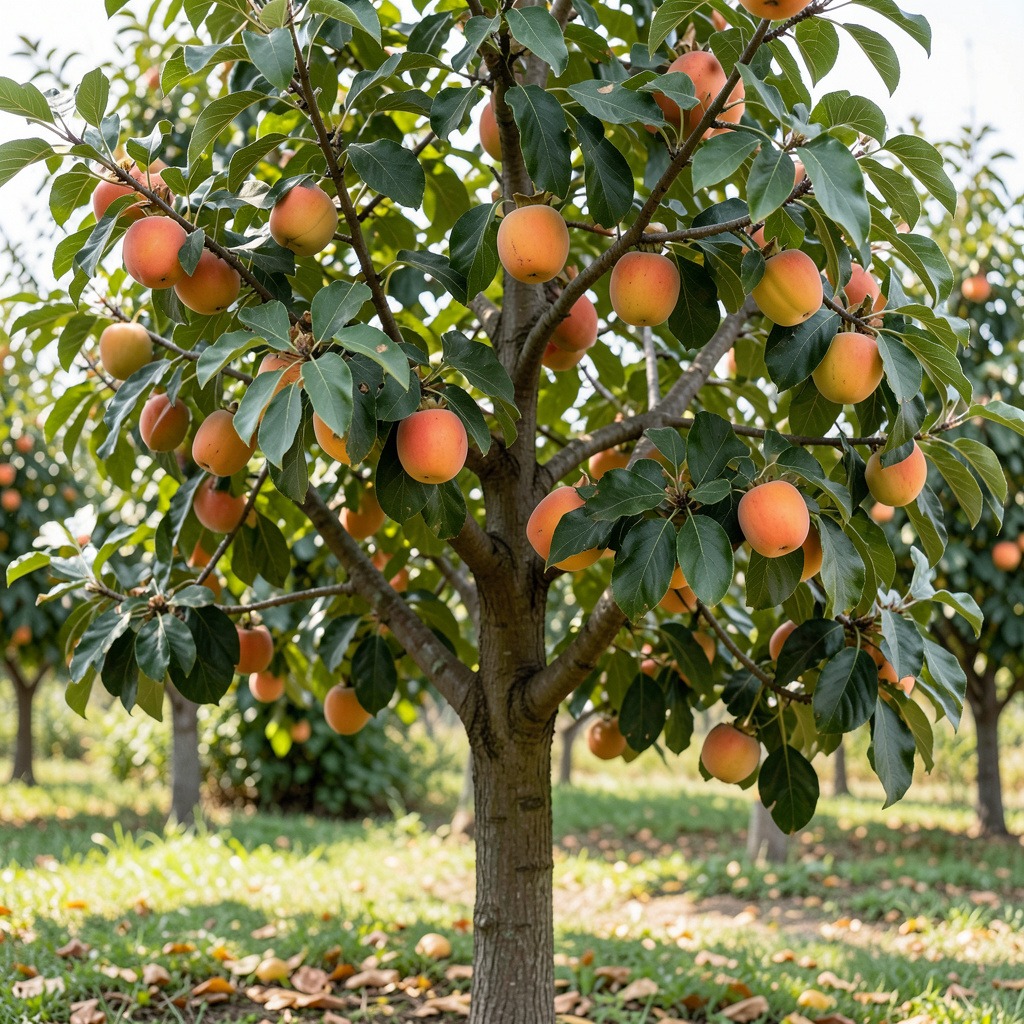
Understanding the Benefits of Growing Persimmon Trees
Persimmon trees offer a wealth of advantages beyond their delicious fruit. These trees provide significant nutritional benefits, versatile culinary uses, and enhance the aesthetic appeal of gardens.
Nutritional Value of Persimmons
Persimmons are nutrient-rich fruits that pack a variety of health benefits. They are an excellent source of:
- Vitamins: High in vitamin A, vitamin C, and several B vitamins, persimmons support immune function and skin health.
- Minerals: They contain potassium, which aids in heart health and blood pressure regulation.
- Dietary Fiber: Persimmons are rich in fiber, promoting digestive health and aiding weight management.
For example, a single serving of persimmons (about 100 grams) provides approximately:
- 81 calories
- 0.6 grams of fat
- 21 grams of carbohydrates
- 3.6 grams of fiber
Culinary Uses of Persimmons
The culinary versatility of persimmons is remarkable. Both astringent and non-astringent varieties can be used in various dishes. Here are some popular uses:
- Salads: Thinly sliced persimmons add sweetness and texture to salads.
- Baking: Use persimmons in muffins, cakes, or as a natural sweetener in recipes.
- Preserves: Make jams or jellies to capture their unique flavor.
- Dried Snacks: Dehydrate persimmons for a nutritious on-the-go snack.
A simple recipe is to create a persimmon salad with arugula, walnuts, and a light vinaigrette for a refreshing dish.
Aesthetic Benefits in Home Gardens
Persimmon trees enhance garden aesthetics significantly. They display stunning foliage, transforming from green to vibrant shades of yellow, orange, and red in the fall. The colorful fruits create a striking visual against the lush leaves.
Consider planting persimmons for their:
- Seasonal Interest: Enjoy blossoms in spring and colorful leaves in autumn.
- Wildlife Attraction: The fruit attracts birds and beneficial insects, enriching garden biodiversity.
- Landscape Versatility: These trees can serve as focal points or provide shade in outdoor spaces.
When planning your garden, evaluate the space available for a mature persimmon tree, which can reach heights of 12 to 60 feet. With proper care, their beauty and benefits can flourish for years, making them a valued part of your landscape.
Challenges of Growing Persimmon Trees
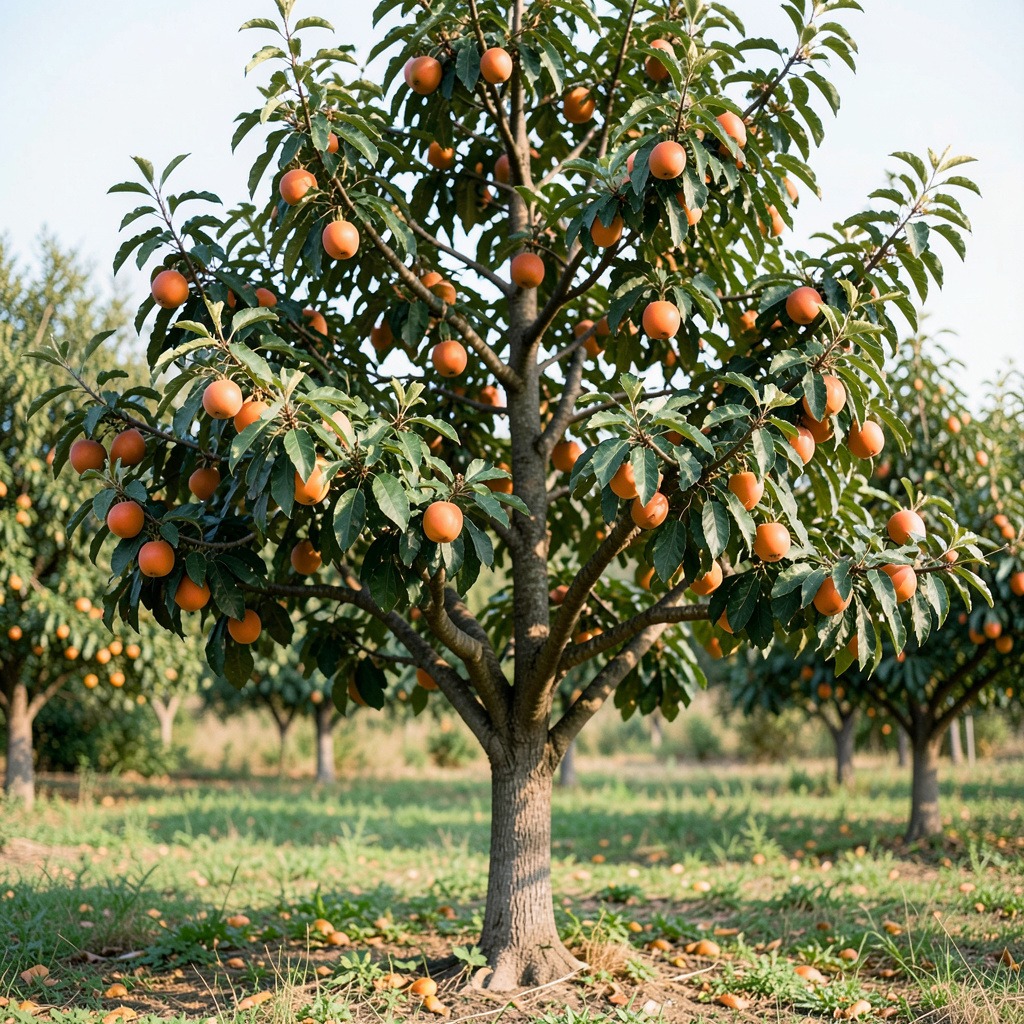
While persimmon trees offer numerous benefits, potential growers must navigate specific challenges associated with their cultivation. This section outlines the soil and climate requirements, common pests, and maintenance issues.
Soil and Climate Requirements
Persimmon trees thrive in well-drained soil with a pH between 6.0 and 7.5. They prefer full sun but also tolerate partial shade. However, extreme conditions can hinder growth. Here are key factors to consider:
- Soil Type: Sandy loam or loamy soils are ideal. Heavy clay can retain too much moisture, leading to root rot.
- Climate: Most persimmons prefer temperate climates. They are sensitive to frost during flowering and fruit set.
- Watering: Young trees need consistent moisture, but overwatering can lead to issues.
Checklist for Soil and Climate:
- Ensure well-draining soil.
- Test soil pH and adjust if necessary.
- Plant in a sunny location, avoiding frost-prone areas.
Common Pests and Diseases
Pest management is crucial for healthy persimmon trees. Various insects and diseases can affect their growth and fruit quality. Common issues include:
- Pests: Aphids, scale insects, and spider mites can damage leaves and fruit. Regular monitoring is essential.
- Diseases: Root rot, leaf spot, and fruit drop can occur due to poor drainage or fungal infections.
Pest Management Tips:
- Implement integrated pest management (IPM) strategies.
- Use neem oil or insecticidal soap for pest control.
- Ensure proper spacing and air circulation to prevent disease.
Maintenance Challenges
Maintaining persimmon trees requires commitment. Here are aspects to consider:
- Pruning: Regular pruning is necessary to maintain shape and improve air circulation. Improper pruning can lead to excessive growth or reduced fruit production.
- Fertilization: Over-fertilization can lead to excessive foliage growth at the expense of fruit. A balanced fertilizer in early spring is often recommended.
Maintenance Checklist:
- Prune annually to encourage healthy growth.
- Fertilize with a balanced formula, avoiding excess nitrogen.
- Monitor water levels, especially in young trees.
By understanding these challenges, potential growers can make informed decisions about cultivating persimmon trees in their gardens.
Comparing Astringent and Non-Astringent Persimmons
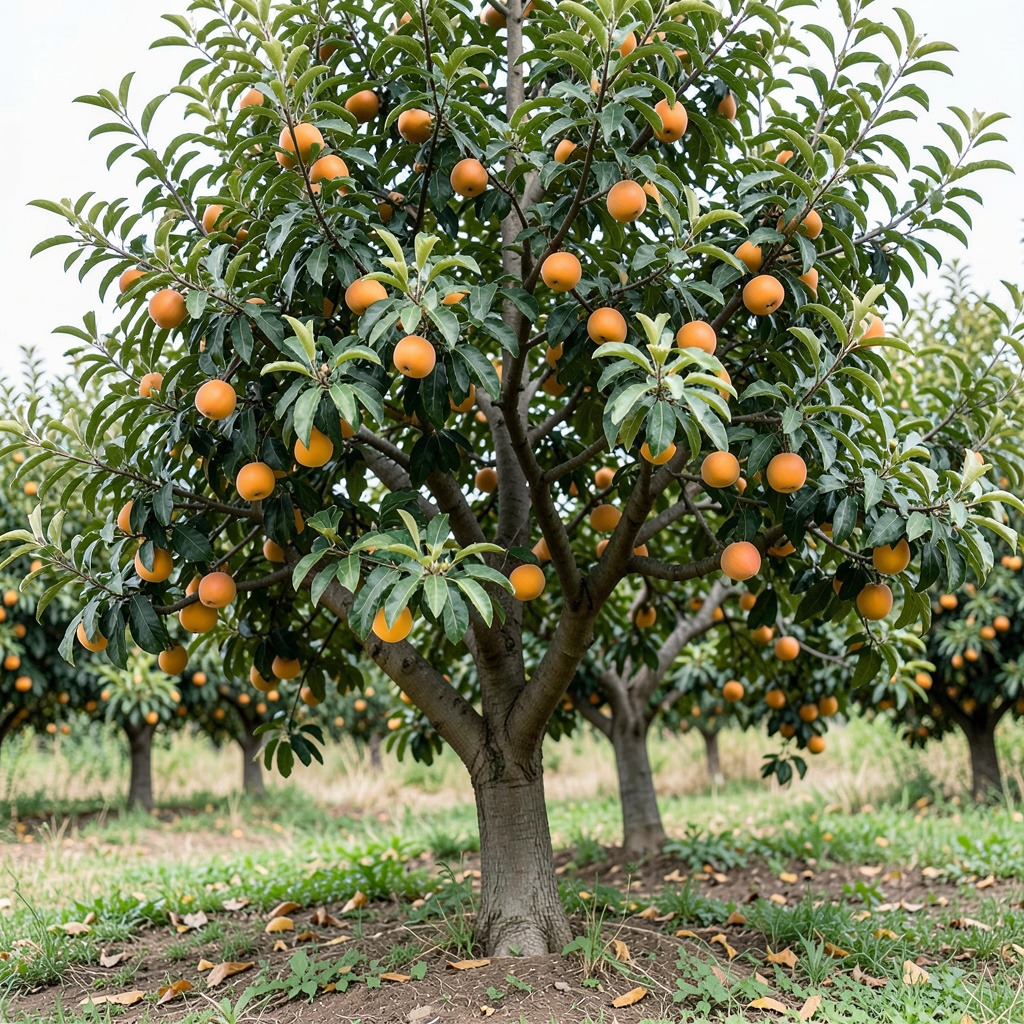
Persimmons come in two primary varieties: astringent and non-astringent. Understanding their differences is crucial for successful cultivation and enjoyment. Here’s a detailed comparison that highlights taste, harvesting techniques, and best culinary uses.
Taste and Texture Differences
- Astringent Persimmons: These varieties, such as Hachiya, are high in tannins when unripe. They must be fully soft to be palatable, offering a rich, sweet flavor with a jelly-like texture once ripe.
- Non-Astringent Persimmons: Varieties like Fuyu can be enjoyed when firm. They have a crisp texture similar to apples, providing a sweet taste without bitterness.
| Type | Taste Profile | Texture |
|---|---|---|
| Astringent | Sweet when soft | Jelly-like, soft |
| Non-Astringent | Sweet when firm | Crisp, apple-like |
Harvesting Techniques for Each Type
Harvesting persimmons requires attention to the type of fruit:
- Astringent Persimmons: Wait until the fruit is soft, usually in late fall. Check for a squishy feel to ensure ripeness.
- Non-Astringent Persimmons: These can be harvested while still firm, typically in early to mid-fall. Look for a bright color and slight give when gently squeezed.
Best Uses in Culinary Applications
Different persimmons lend themselves to various uses:
- Astringent Persimmons: Best for baking, puddings, or drying. Their sweetness enhances desserts when fully ripe.
- Non-Astringent Persimmons: Ideal for fresh eating, salads, or salsas. Their crisp texture adds variety to dishes.
By understanding these distinctions, growers can select the right type of persimmon for their gardens and culinary preferences.
Practical Tips for Planting and Caring for Persimmon Trees
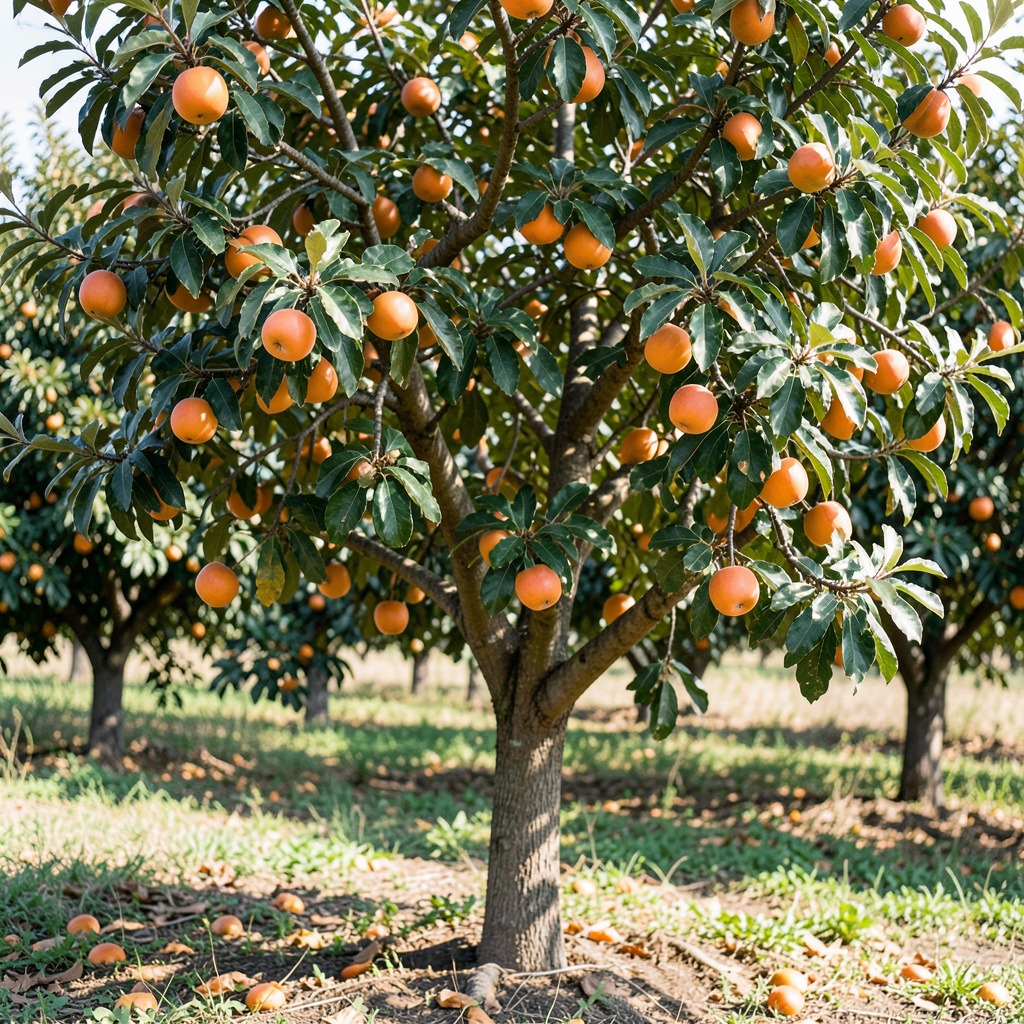
Growing persimmon trees requires attention to detail, from planting to harvesting. Below are actionable tips to ensure your persimmon tree thrives.
Planting Requirements
1. Choose the Right Variety: Select either astringent (Diospyros kaki) or non-astringent (Diospyros virginiana) based on your taste preferences and culinary uses.
2. Site Selection: Plant in a location that receives full sun for at least six hours a day. Ensure good air circulation to prevent disease.
3. Soil Preparation: Use well-drained, sandy loam soil. Persimmons prefer a pH between 6.0 and 7.5. Test your soil and amend as necessary.
Watering and Soil Care
- Watering: Water deeply during dry spells. Young trees need about 1-2 inches of water weekly until established. Reduce frequency as the tree matures.
- Mulching: Apply a 2-3 inch layer of mulch around the base to retain moisture and suppress weeds. Keep mulch away from the trunk to prevent rot.
- Fertilization: Use a balanced fertilizer in early spring. Follow the manufacturer’s instructions for application rates.
Pruning and Harvesting Techniques
- Pruning: Prune in late winter to shape the tree and remove any dead or crossing branches. This promotes air circulation and sunlight penetration.
- Harvesting: Monitor fruit for ripeness. Astringent persimmons are ready when soft, while non-astringent ones should be harvested when firm but slightly yielding.
Checklist for Care
- [ ] Plant in full sun
- [ ] Ensure well-drained soil
- [ ] Water deeply but infrequently
- [ ] Mulch for moisture retention
- [ ] Fertilize in early spring
- [ ] Prune annually in late winter
- [ ] Harvest at the right ripeness stage
By following these guidelines, you can cultivate healthy persimmon trees that yield delicious fruit while mitigating common challenges.
Conclusion: Weighing the Pros and Cons of Persimmon Trees
When considering persimmon trees for your garden, it is crucial to evaluate both the advantages and disadvantages they present. This balanced perspective will help you make an informed decision.
Pros of Persimmon Trees
- Nutritional Benefits: Persimmons are rich in vitamins and antioxidants, promoting health and wellness.
- Aesthetic Appeal: They provide stunning seasonal color changes and attractive fruit, enhancing landscape beauty.
- Variety: Both astringent and non-astringent varieties offer diverse culinary uses and flavors.
- Wildlife Attraction: The fruit attracts birds and beneficial insects, enriching your garden’s ecosystem.
Cons of Persimmon Trees
- Pest Challenges: Persimmons can be susceptible to pests like fruit flies and scale insects, requiring vigilant management.
- Slow Growth: These trees often take time to mature, which may delay fruit production.
- Sensitive to Climate: They thrive best in specific climates and may not perform well in extreme conditions.
Decision Framework for Potential Growers
Reflect on the following questions to assess your suitability for growing persimmon trees:
1. Climate: Does your region support the growth of persimmons?
2. Space: Do you have adequate space for a mature tree and its root system?
3. Maintenance: Are you willing to invest time in pest management and care?
By weighing these factors, you can determine if persimmon trees align with your gardening goals.
Frequently Asked Questions
These quick answers cover the most common questions about this topic, including key details, practical tips, and common concerns.
What are the best conditions for growing persimmons?
Persimmons thrive in well-drained soil with a pH of 6.0 to 7.5. They prefer full sun for at least six hours a day, although they can tolerate partial shade. Ensure the planting site is protected from frost, especially during flowering and fruit set, as this can impact growth.
How do you tell when a persimmon is ripe?
To check if a persimmon is ripe, look for a change in color and a slight softness. Astringent varieties, like Hachiya, should feel very soft to the touch, while non-astringent types, such as Fuyu, can be harvested when they are still firm but show a little give. Ripe persimmons also have a vibrant color, indicating they are ready for consumption.
Can persimmons be grown in containers?
Yes, persimmons can be grown in containers, making them suitable for smaller spaces or patios. Choose a dwarf variety for optimal growth in pots. Ensure the container has good drainage and use high-quality potting soil. Regular watering and fertilization are essential for container-grown trees to thrive.
What are the health benefits of eating persimmons?
Persimmons are packed with vitamins A and C, which support immune function and skin health. They are also rich in dietary fiber, promoting digestive health and aiding in weight management. Additionally, persimmons contain antioxidants that can help protect against chronic diseases.
What pests are common to persimmon trees?
Common pests affecting persimmon trees include aphids, scale insects, and spider mites. These pests can damage leaves and fruit, leading to reduced yields. Regular monitoring and integrated pest management techniques, like using neem oil or insecticidal soap, can help control these pests effectively.
How do you propagate persimmon trees?
Persimmon trees can be propagated through seeds, grafting, or cuttings. Seed propagation involves planting seeds from ripe fruit, while grafting requires joining a scion from a desired variety onto a rootstock. Cuttings can be taken from healthy trees in the spring or summer and rooted in a moist medium.
When is the best time to plant persimmons?
The best time to plant persimmons is in the spring after the last frost or in the fall before the first frost. Spring planting allows the tree to establish roots before the heat of summer, while fall planting gives it a head start for the following growing season. Ensure the soil is warm and workable for optimal growth.
What should readers know about visual aids for identifying ripe vs unripe persimmons?
Visual aids, such as images or charts, can be incredibly helpful in identifying ripe and unripe persimmons. Ripe persimmons typically exhibit a bright orange color and a soft texture, while unripe ones remain firm and often greenish. Using such aids can prevent the disappointment of harvesting unripe fruit and help ensure a successful harvest.