
Real Christmas trees offer a delightful sensory experience and support local economies but require maintenance and have a limited lifespan.
Choosing between a real and an artificial Christmas tree involves understanding the unique benefits and potential drawbacks of each option. This guide will provide a comprehensive comparison to help you make an informed decision for your holiday celebrations.
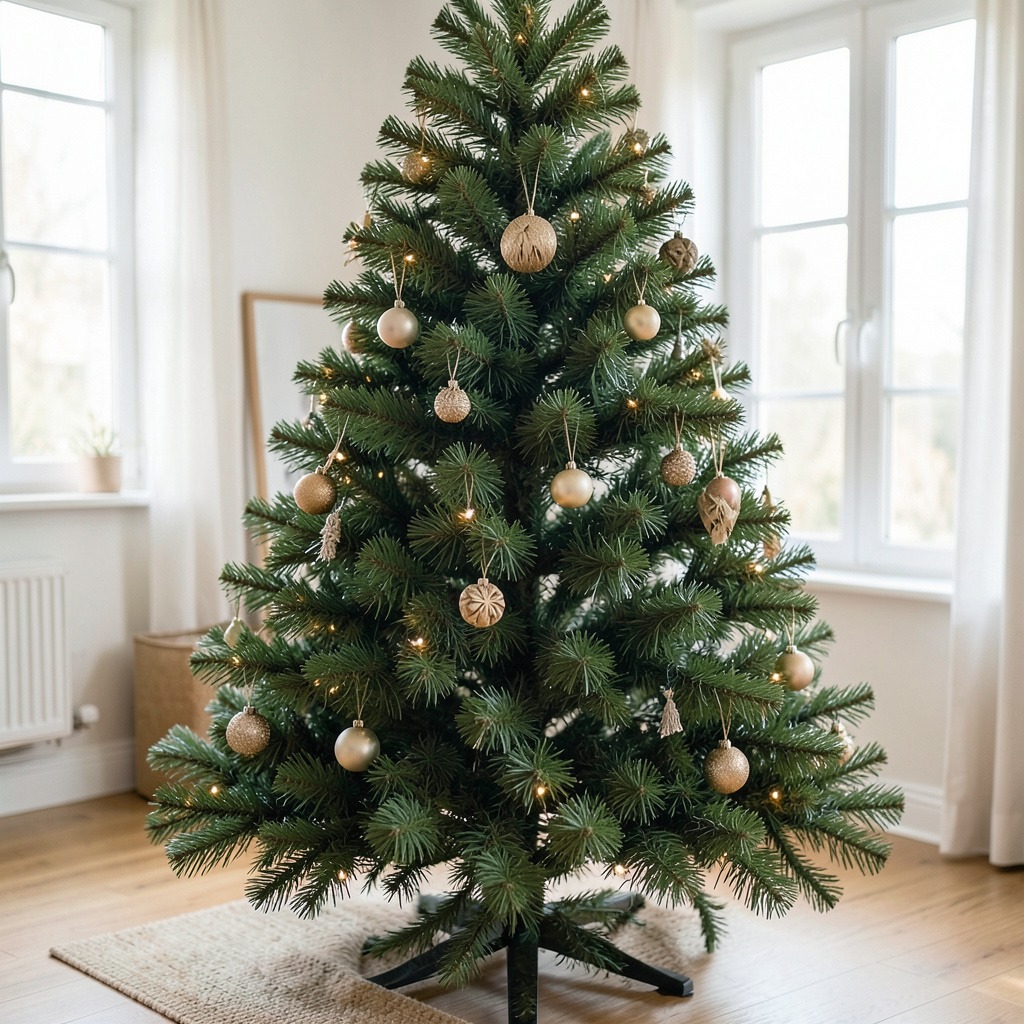
Understanding Real Christmas Trees
Real Christmas trees are live evergreens that are cut and brought into homes during the holiday season. They provide not only a traditional aesthetic but also a sensory experience that many families cherish.
Common Varieties of Real Christmas Trees
Several species of real Christmas trees are popular in the United States. Each variety offers distinct characteristics:
| Tree Type | Characteristics | Scent Profile |
|---|---|---|
| Fraser Fir | Strong branches, excellent needle retention, and a conical shape. | Sweet, citrus-like, pleasant. |
| Noble Fir | Sturdy branches, deep green color, and a beautiful symmetrical shape. | Subtle, fresh, with hints of pine. |
| Balsam Fir | Soft needles, good scent retention, and a dense foliage. | Rich, balsamic aroma. |
| Douglas Fir | Soft, flexible needles, and a bushy appearance. | Sweet, fruity scent. |
| White Pine | Long, soft needles, and a more open appearance. | Fresh, clean, and woodsy. |
The Sensory Experience of Real Trees
Real Christmas trees offer a unique sensory appeal that artificial trees cannot replicate. The fresh, woodsy scent of pine fills your home, creating a festive atmosphere. This aroma has been shown to evoke feelings of nostalgia and comfort, enhancing the overall holiday experience.
Many families associate the smell of real trees with cherished traditions. The act of selecting and cutting a tree can become a cherished family outing, making the experience more meaningful. For example, the ritual of visiting a local tree farm, enjoying hot cocoa, and choosing the perfect tree fosters family bonding and creates lasting memories.
In summary, real Christmas trees are more than just decorations; they represent tradition, sensory delight, and family connection. Each variety brings its own beauty and scent, making the choice of tree an important aspect of holiday celebrations.
Table of Contents
The Advantages of Choosing a Real Christmas Tree
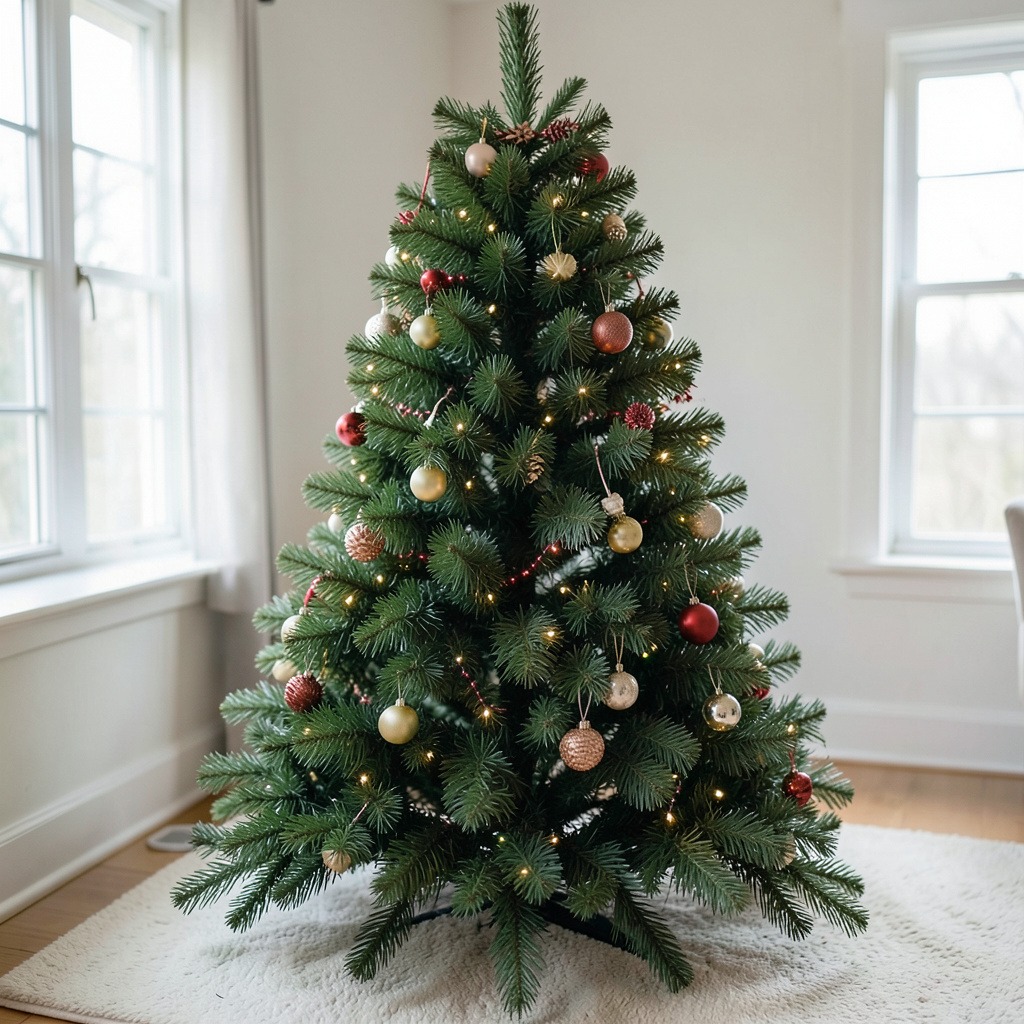
Selecting a real Christmas tree offers unique benefits that enhance the holiday experience. From sensory delights to environmental sustainability, here are key advantages of choosing a live tree.
Environmental and Health Benefits
Real Christmas trees are a renewable resource. They are grown on farms that often practice sustainable forestry. For every tree cut down, a new one is planted, ensuring a continuous cycle of growth.
- Carbon Sequestration: While growing, Christmas trees absorb carbon dioxide, contributing to cleaner air.
- Biodiversity Support: Tree farms provide habitats for wildlife, promoting local ecosystems.
- Recyclability: After the holidays, real trees can be recycled into mulch or compost, reducing landfill waste.
These factors highlight the environmental advantages of real trees over artificial options, which may involve petroleum-based materials and longer-term waste issues.
Emotional and Traditional Value
The act of choosing a real Christmas tree embodies cherished family traditions. Many families engage in the experience of visiting tree farms, creating memories that last a lifetime.
- Sensory Appeal: The smell of fresh pine fills the home, a scent that artificial trees cannot replicate. Over 85% of real tree owners report that this fragrance enhances their holiday atmosphere.
- Family Bonding: Activities like hayrides, hot cocoa, and tree-cutting foster connections across generations. One family recounted their annual tradition of selecting a tree together, which has become a beloved ritual that their children now look forward to each year.
Cost Considerations
While the initial cost of real Christmas trees may be higher than some artificial options, the long-term value can differ significantly.
- Cost Breakdown: A real tree can average around $78, while an artificial one might start at $104. However, real trees support local economies, benefiting small businesses.
- Longevity vs. Experience: Artificial trees may last longer, but the experience of a real tree offers intangible benefits that many families deem priceless.
When weighing the pros and cons of a real Christmas tree, these factors can significantly influence your decision, ensuring that your choice aligns with both your values and traditions.
The Drawbacks of Real Christmas Trees
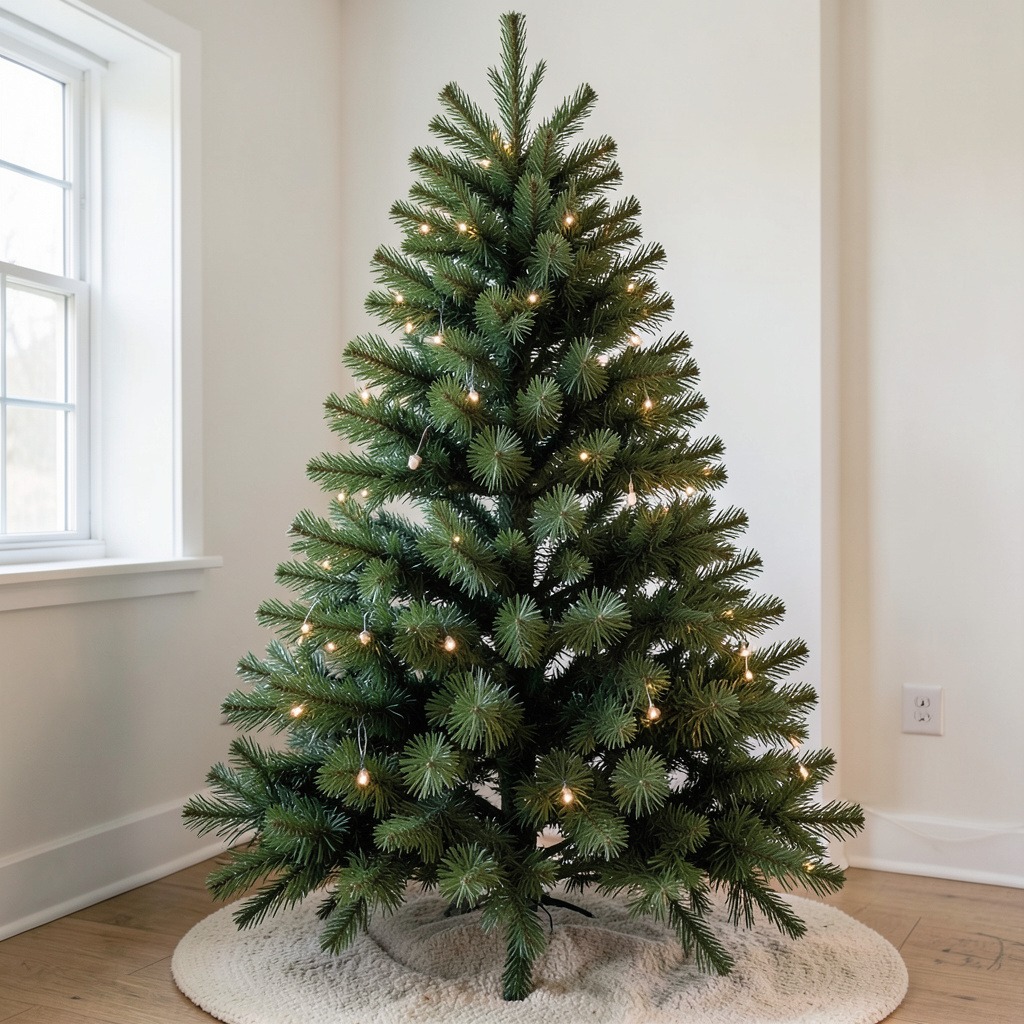
While real Christmas trees provide a unique festive experience, they come with several drawbacks that potential buyers should consider. Maintenance, allergies, and their limited lifespan can impact your holiday enjoyment.
Maintenance Needs and Lifespan
Real Christmas trees require significant care to maintain their freshness and appearance throughout the holiday season. Here are some key maintenance tasks:
- Watering: A real tree can absorb a substantial amount of water, especially in the first week. Check the water level daily and ensure the stand is always filled.
- Placement: Avoid placing the tree near heat sources like radiators or fireplaces, as this can accelerate drying and increase fire risk.
- Clean-up: Dropping needles is a common issue. Regularly vacuuming or sweeping can help keep your space tidy.
Lifespan: Real Christmas trees typically last 4 to 6 weeks when cared for properly. After this period, they can become dry and pose safety hazards.
Allergy and Mess Considerations
Real Christmas trees can trigger allergies for some individuals. Common allergens associated with them include:
- Pollen: Trees can harbor pollen, which may exacerbate respiratory issues.
- Mold: If not properly cleaned, trees can develop mold, particularly in damp conditions.
Additionally, the shedding of needles can create a mess. Regular maintenance can mitigate these issues, but they are worth considering if anyone in your household has sensitivities.
Maintenance Checklist for Real Trees
To simplify caring for your real Christmas tree, consider this checklist:
- [ ] Check water level daily
- [ ] Position away from heat sources
- [ ] Vacuum or sweep needles weekly
- [ ] Inspect for mold or pests regularly
By being proactive in your care, you can enhance your holiday experience while minimizing the drawbacks associated with real Christmas trees.
Comparing Real and Artificial Christmas Trees
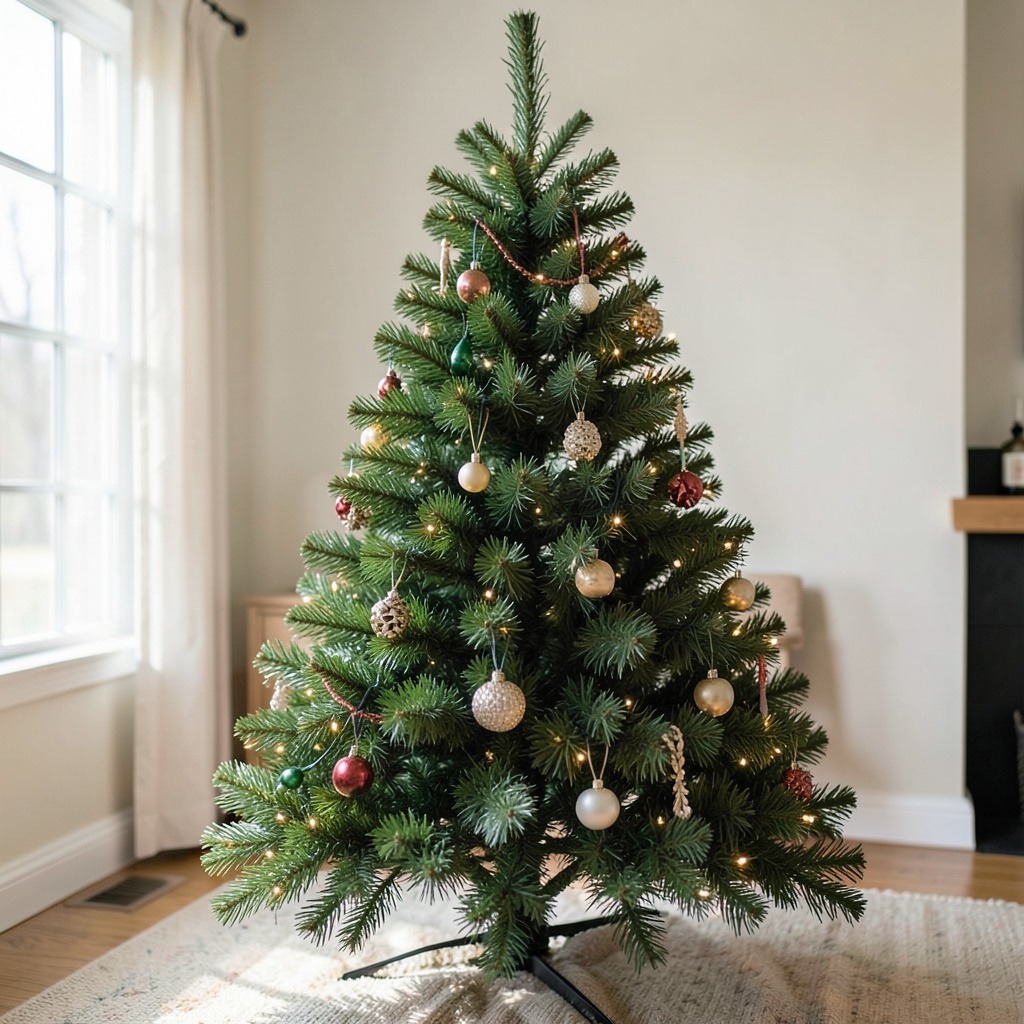
Choosing between a real and an artificial Christmas tree involves several key factors. Each option has its merits and drawbacks, affecting cost, maintenance, and environmental impact. Below is a detailed comparison to help you make an informed decision.
Cost Considerations: Initial vs. Long-term
| Feature | Real Christmas Tree | Artificial Christmas Tree |
|---|---|---|
| Initial Cost | Average of $78 per tree | Average of $104 per tree |
| Longevity | Typically lasts 4-6 weeks | Can last 10-20 years |
| Annual Cost | Replacement each year | No annual replacement costs |
| Cost Over Time | Higher cumulative cost in 5 years | Lower cumulative cost over time |
While real trees may have a lower initial cost, their annual replacement can add up. In contrast, artificial trees require a higher upfront investment but can be cost-effective in the long run.
Environmental Footprint: Which is Greener?
| Feature | Real Christmas Tree | Artificial Christmas Tree |
|---|---|---|
| Sustainability | Renewable resource; often replanted | Made from non-biodegradable materials |
| Carbon Footprint | Generally lower, especially when sourced locally | Higher due to production and shipping |
| Disposal | Can be recycled into mulch | Takes hundreds of years to decompose |
Real Christmas trees, when sourced sustainably, present a smaller environmental footprint than their artificial counterparts. Additionally, they can be recycled, enhancing their sustainability.
Maintenance Requirements
- Real Trees: Require regular watering, placement away from heat sources, and needle cleanup.
- Artificial Trees: Minimal maintenance; primarily need assembly and occasional dusting.
Consider the time and effort you are willing to dedicate to maintenance when choosing your tree type. For families with allergies, it’s crucial to weigh the benefits of a real tree’s scent against its potential allergens.
Final Thoughts on Choosing Your Christmas Tree
Selecting the right Christmas tree is a personal decision influenced by family traditions, lifestyle, and environmental values. Understanding the pros and cons of real Christmas trees can guide your choice.
Making the Right Choice for Your Family
When deciding between a real and artificial Christmas tree, consider the following questions:
- What are your family’s holiday traditions? If selecting a tree together is a cherished activity, a real tree may enhance your experience.
- How important is environmental impact to you? Real trees are renewable resources, while artificial trees can contribute to long-term waste.
- What is your budget? Analyze the initial cost versus long-term use. Real trees may have a lower upfront cost but require annual purchases.
- Do you have allergies? Weigh the natural scent of a real tree against potential allergens it may introduce into your home.
Resources for Tree Disposal and Recycling
After the holiday season, responsibly disposing of your real tree is crucial. Many communities offer recycling programs that turn trees into mulch or compost. Check with local waste management services for available resources. Consider these options:
- Municipal recycling programs: Many towns have designated drop-off locations or curbside pickup during specific periods.
- Local tree farms: Some farms offer recycling services for trees purchased from them.
- Community events: Look for local initiatives that accept trees for chipping or composting.
By reflecting on these aspects and utilizing available resources, you can make an informed decision that aligns with your family’s values and traditions.
Frequently Asked Questions
These quick answers cover the most common questions about this topic, including key details, practical tips, and common concerns.
What are the downsides of having a real Christmas tree?
Real Christmas trees require ongoing maintenance, including regular watering and needle cleanup. They can also trigger allergies due to pollen and mold, which may affect sensitive individuals. Additionally, real trees have a limited lifespan of about 4 to 6 weeks, after which they can become dry and pose fire hazards if not disposed of properly.
Is it worth it to get a real Christmas tree?
Whether a real Christmas tree is worth it depends on personal preferences. Many families cherish the sensory experience and tradition of selecting a live tree, which can enhance holiday memories. However, if convenience and longevity are priorities, an artificial tree may be a better fit.
How long will a real Christmas tree last in a house?
A well-cared-for real Christmas tree can last between 4 to 6 weeks indoors. To maximize its lifespan, keep it well-watered, away from heat sources, and regularly check for dryness. Once it starts dropping needles excessively, it’s time to dispose of it.
Is it better to have a real or fake Christmas tree?
Choosing between a real or fake Christmas tree depends on your values and lifestyle. Real trees provide a unique scent and support local economies, but require more maintenance. In contrast, artificial trees last longer and require less care but may have a larger environmental footprint due to their production and disposal issues.
Real Christmas Tree vs Fake Christmas Tree – Which is Greener?
Real Christmas trees are generally considered greener if sourced sustainably. They are renewable resources, absorb carbon dioxide while growing, and can be recycled after use. Artificial trees, made from non-biodegradable materials, can take hundreds of years to decompose, making them less environmentally friendly in the long run.
What are the best types of real Christmas trees?
Some popular types of real Christmas trees include Fraser Fir, Noble Fir, Balsam Fir, Douglas Fir, and White Pine. Each type offers unique characteristics, such as needle retention, scent, and overall appearance. For example, Fraser Fir is known for its strong branches and pleasant aroma, making it a favorite among families.
How can I keep my real Christmas tree fresh?
To keep your real Christmas tree fresh, ensure it has a constant supply of water. Check the water level daily, as trees can absorb a lot initially. Avoid placing the tree near heat sources, and regularly clean up fallen needles to maintain a tidy space.
Can artificial trees be recycled?
Most artificial Christmas trees are not recyclable due to the materials used in their construction, such as PVC and metal. However, some communities may have specific programs for recycling or repurposing artificial trees. Always check local guidelines for disposal options.