
Smoke trees, known for their unique feathery blooms and colorful foliage, offer both aesthetic benefits and challenges in care, making them popular choices for landscaping but requiring consideration of their maintenance and environmental conditions.
Table of Contents
Smoke trees are visually striking plants that can enhance any garden with their colorful foliage and distinctive fluffy blooms. However, understanding their pros and cons is essential for effective landscaping and maintenance. This guide explores everything you need to know about smoke trees.
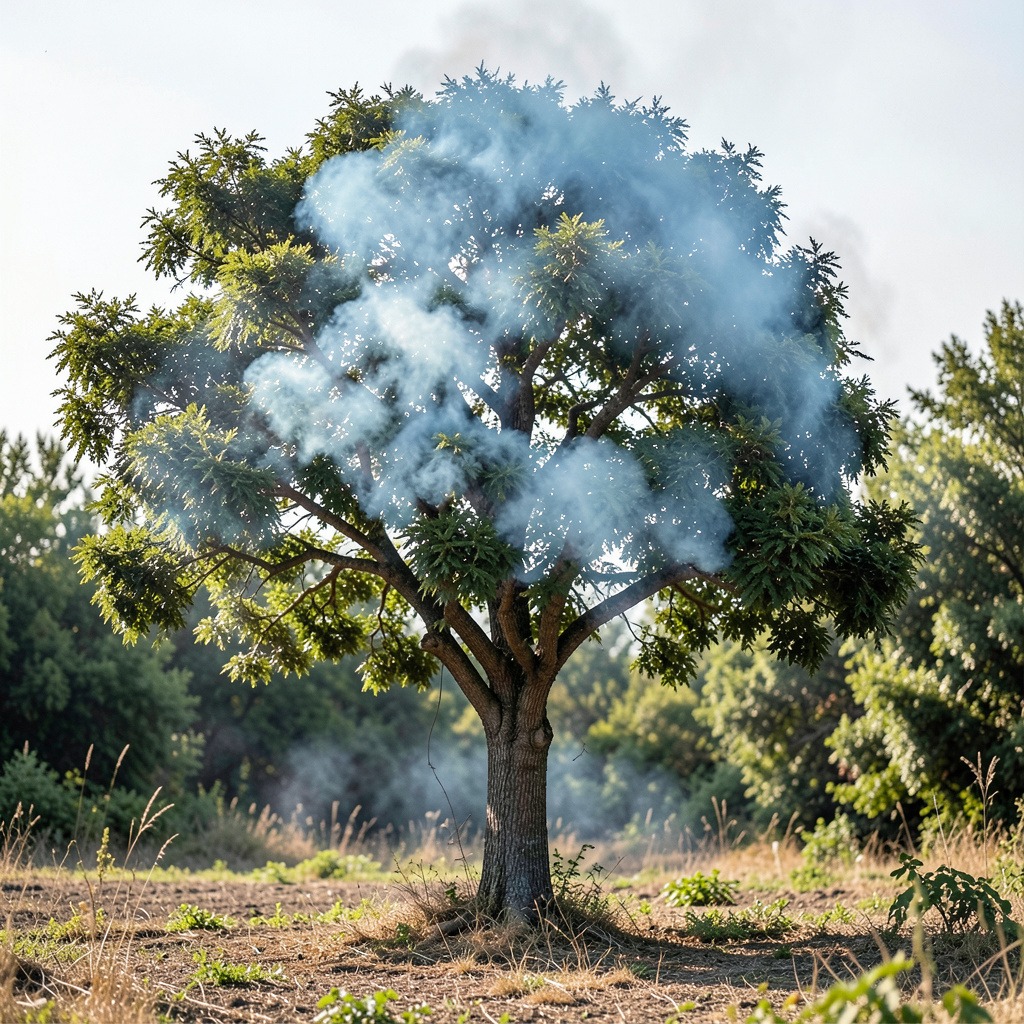
Understanding Smoke Trees: Characteristics and Varieties
Smoke trees are captivating ornamental plants that come in several varieties, primarily Cotinus coggygria and Cotinus obovatus. Each type has unique characteristics and growth habits that influence their suitability for various landscaping needs.
Overview of Smoke Tree Varieties
1. Cotinus coggygria (European Smoke Tree)
- Growth Habit: Deciduous shrub or small tree, typically 10 to 23 feet tall.
- Foliage Color: Deep purple, green, or yellowish-green leaves.
- Flowering: Produces feathery, plume-like flower clusters in late spring to summer.
- Ideal Conditions: Thrives in full sun to partial shade and well-drained soil.
2. Cotinus obovatus (American Smoke Tree)
- Growth Habit: Small to medium tree, reaching heights of 20 to 30 feet.
- Foliage Color: Bluish-green leaves that turn vibrant shades in autumn.
- Flowering: Similar fluffy flower clusters, offering a smoke-like appearance.
- Ideal Conditions: Prefers full sun and can tolerate a variety of soil types, including poorer soils.
Key Characteristics of Smoke Trees
| Characteristic | Cotinus coggygria | Cotinus obovatus |
|---|---|---|
| Height | 10-23 feet | 20-30 feet |
| Leaf Color | Purple, green, yellowish-green | Bluish-green |
| Flower Color | Pinkish-purple | Similar feathery plumes |
| Soil Preference | Well-drained, loamy soils | Tolerates various soil types |
| Sunlight Requirements | Full sun to partial shade | Prefers full sun |
How Different Varieties Adapt to Their Environments
Cotinus coggygria adapts well to urban environments, often thriving in compacted soils and pollution. Its vibrant foliage makes it a favorite for decorative landscaping. In contrast, Cotinus obovatus excels in more rural settings, where it can reach its full height and spread, benefiting from the space.
User testimonials highlight that gardeners appreciate Cotinus coggygria for its dramatic colors, especially during fall, while many favor Cotinus obovatus for its resilience and ability to grow in less-than-perfect conditions.
Comparison Insights
When choosing between the two varieties, consider the following:
- Space: Cotinus obovatus requires more room to grow tall, making it suitable for larger landscapes.
- Aesthetic Preferences: If vibrant fall color is a priority, Cotinus coggygria may be the better option.
- Environmental Tolerance: For challenging urban conditions, Cotinus coggygria often performs better.
By understanding these distinctions, you can effectively select the right smoke tree variety for your garden, enhancing both aesthetics and ecological benefits.
Pros of Smoke Trees in Landscaping
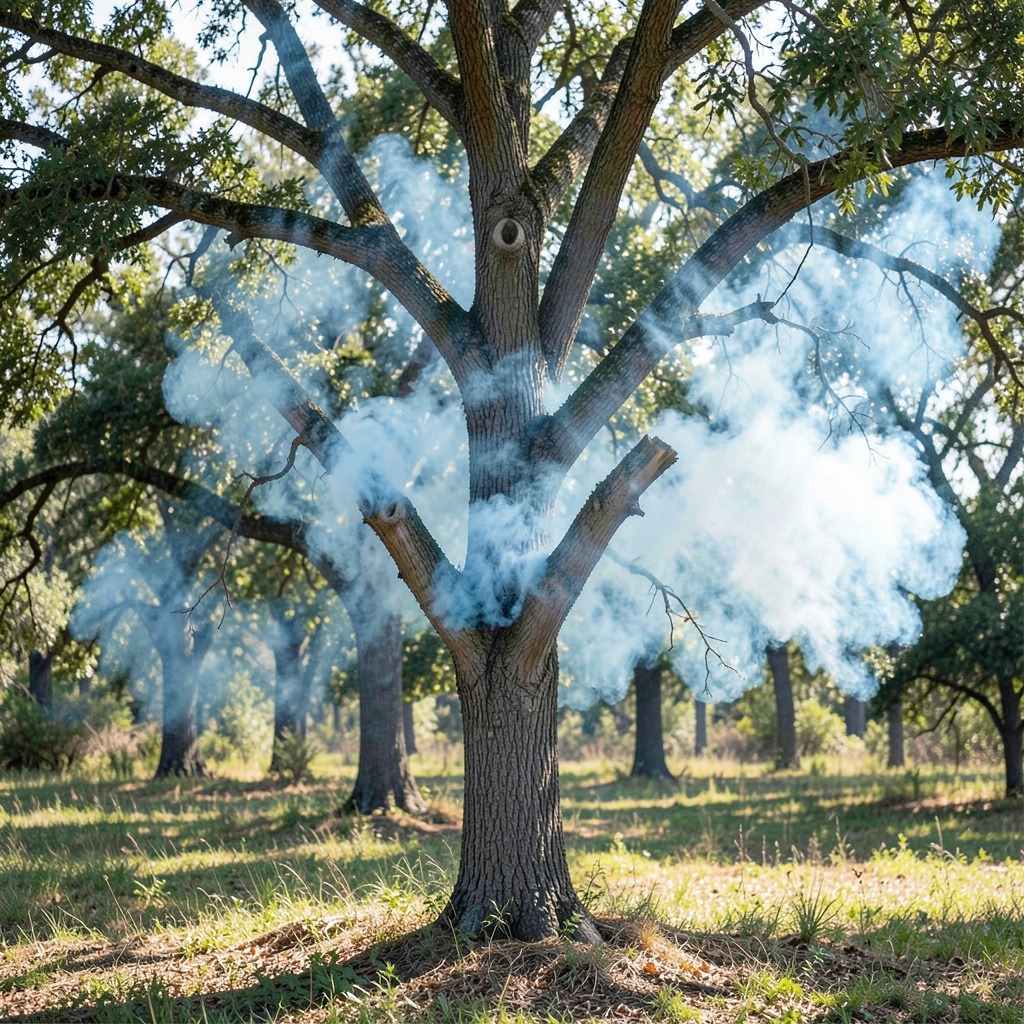
Smoke trees offer unique aesthetic and functional benefits that make them valuable additions to various garden designs. Their striking appearance and seasonal interest enhance any landscape while providing ecological advantages.
Aesthetic Appeal: Colors and Flowers
Smoke trees are celebrated for their vibrant foliage and distinctive flowers. The feathery, plume-like clusters resemble puffs of smoke, creating a visually captivating effect. Notable features include:
- Color Variations: Foliage ranges from deep purple in Cotinus coggygria to bright green in Cotinus obovatus.
- Seasonal Changes: During fall, leaves transform into stunning shades of orange, yellow, and red, adding seasonal interest to gardens.
These characteristics make smoke trees ideal focal points in landscaping, drawing attention throughout the growing season.
Versatile Uses in Garden Design
Smoke trees can serve multiple purposes in garden design. Their adaptability allows for various applications, such as:
- Specimen Planting: Use them as standalone features to create striking visual interest.
- Hedges and Screens: Plant in rows for informal hedges, providing privacy while maintaining an open feel.
- Foundation Planting: Maintain their height with pruning to enhance the aesthetic appeal of building exteriors.
The versatility of smoke trees ensures they fit seamlessly into diverse landscape styles, from contemporary to traditional.
Attracting Pollinators and Wildlife
Smoke trees not only beautify gardens but also support local ecosystems. Their flowers attract various pollinators, including bees and butterflies. This ecological benefit enhances biodiversity in your garden.
Consider the following when planting smoke trees to maximize their ecological impact:
- Plant in Groups: Cluster smoke trees or pair them with other flowering plants to create vibrant habitats.
- Diverse Planting: Include a variety of species in your garden to support different types of wildlife.
By incorporating smoke trees, you contribute to a healthier environment while enjoying their aesthetic appeal.
Cons of Smoke Trees: Challenges and Considerations
While smoke trees offer numerous benefits, they also present specific challenges that potential growers should consider. These include maintenance requirements, susceptibility to pests and diseases, and environmental concerns.
Maintenance and Pruning Requirements
Smoke trees require regular maintenance to thrive. While they are relatively low-maintenance compared to other plants, they still need attention. Here are key considerations:
- Pruning: Trim back overgrown branches to maintain shape and encourage healthy growth. Best done in late winter or early spring.
- Watering: Ensure proper drainage. Overwatering can lead to root rot, while underwatering can stress the plant.
- Fertilization: Use a balanced fertilizer in the spring to promote growth.
Potential Pests and Diseases to Watch For
Smoke trees face threats from specific pests and diseases that can compromise their health. Key issues include:
- Pests: The oblique-banded leafroller can defoliate smoke trees, leading to a withered appearance. Regular inspections are crucial to catch infestations early.
- Diseases: Fungal diseases like verticillium wilt can cause significant damage. Signs include leaf spots and yellowing foliage. Proper soil drainage is essential to prevent these issues.
Checklist for Pest Management:
- Inspect leaves regularly for signs of pests.
- Remove and dispose of infested branches.
- Apply organic insecticides if necessary.
- Maintain healthy soil to reduce disease risks.
Environmental Considerations and Invasiveness
Smoke trees can behave invasively in certain regions. Understanding their growth patterns is vital.
- Growth Habits: Smoke trees can spread rapidly and may outcompete native species. Monitor their growth to avoid unintended spread.
- Ecological Impact: While they attract pollinators, their impact on local ecosystems may vary. Research local regulations before planting, particularly in sensitive areas.
By considering these challenges, gardeners can make informed decisions about incorporating smoke trees into their landscapes.
Best Practices for Planting and Caring for Smoke Trees

Successful planting and care of smoke trees require attention to their specific growth needs. Understanding soil, sunlight, and pruning techniques will enhance their ornamental appeal and longevity.
Ideal Soil and Sunlight Conditions
Smoke trees thrive in well-drained, sandy or loamy soil. They prefer full sun exposure, which maximizes their growth and vibrant foliage. Here are the key requirements:
- Soil Type: Well-drained sandy or loamy soil.
- pH Level: Slightly acidic to neutral (pH 6.0 to 7.0).
- Sunlight: Full sun for at least 6 hours daily.
Watering and Fertilization Guidelines
Proper watering is crucial for smoke tree health. They are drought-tolerant but require consistent moisture during establishment. Follow these guidelines:
- Watering Frequency: Water every 10 to 14 days, more frequently in dry spells.
- Fertilization: Apply a layer of compost in spring to support leaf development and flowering.
- Drainage: Ensure the planting area has good drainage to prevent root rot.
Pruning Techniques for Optimal Growth
Pruning enhances the structure and health of smoke trees. It is best to prune after flowering to avoid disrupting blooms. Consider these techniques:
- Timing: Prune in late winter or early spring.
- Method: Remove diseased or dead branches first.
- Shaping: To maintain shape, selectively prune to control height and promote a fuller appearance.
Seasonal Care Calendar
To ensure optimal growth, follow this seasonal care calendar:
| Season | Task |
|---|---|
| Spring | Apply compost, prune after flowering. |
| Summer | Water regularly; monitor for pests. |
| Fall | Check for diseases and remove fallen leaves. |
| Winter | Prune diseased branches; protect roots in colder zones. |
By adhering to these best practices, gardeners can cultivate vibrant smoke trees that enhance their landscapes while minimizing potential drawbacks.
Comparing Smoke Trees to Other Ornamental Plants
Smoke trees offer unique features that distinguish them from other popular ornamental plants. Understanding these differences can help gardeners make informed decisions regarding their landscaping choices.
Smoke Trees vs. Traditional Ornamental Choices
When comparing smoke trees to traditional ornamental plants, several factors come into play, including aesthetics, care requirements, and growth conditions.
| Feature | Smoke Trees (Cotinus spp.) | Japanese Maple (Acer palmatum) | Flowering Dogwood (Cornus florida) |
|---|---|---|---|
| Growth Rate | Slow to medium (12-24 inches/year) | Slow to moderate | Moderate (24-36 inches/year) |
| Sunlight Requirements | Full sun to partial shade | Partial shade | Full sun to partial shade |
| Aesthetic Appeal | Unique plume-like flowers | Striking leaf shapes and colors | Showy flowers in spring |
| Pest Resistance | Moderate (oblique-banded leafroller) | Low (susceptible to borers) | Moderate (various pests) |
| Maintenance Level | Moderate (pruning needed) | High (requires regular pruning) | Moderate to high |
| Hardiness Zones | Zones 4-9 | Zones 5-8 | Zones 5-9 |
Unique Features of Smoke Trees
Smoke trees stand out due to their distinctive visual appeal. The plumes formed by their flowers create a cloud-like effect, especially during late spring and summer.
- Color Variations: Varieties like ‘Royal Purple’ showcase deep purple leaves, while others exhibit vibrant fall colors, such as oranges and reds.
- Versatile Uses: Smoke trees can function as focal points in gardens, informal hedges, or specimen plants. Their adaptability makes them suitable for various landscape designs.
Alternatives to Consider
While smoke trees are beautiful, there are alternatives that may better suit specific gardening needs.
- Japanese Maple: Offers stunning leaf shapes and colors but requires more care.
- Flowering Dogwood: Provides attractive blooms and seasonal interest but is susceptible to pests and diseases.
- Redbud (Cercis canadensis): Known for its early spring blooms and heart-shaped leaves, it thrives in similar conditions to smoke trees.
Choosing the right ornamental plant depends on your landscape goals, maintenance preferences, and aesthetic desires. Assessing these factors will guide you in selecting the most suitable plants for your garden.
Frequently Asked Questions
These quick answers cover the most common questions about this topic, including key details, practical tips, and common concerns.
Where is the best place to plant a smoke tree?
Smoke trees thrive in full sun, so choose a location that receives at least six hours of direct sunlight daily. They prefer well-drained, sandy, or loamy soil with a slightly acidic to neutral pH. Avoid areas with heavy clay or waterlogged soils, as this can lead to root rot.
Consider planting smoke trees in open spaces where they can grow to their full height without obstruction. They can also serve as focal points in gardens or as informal hedges, providing both beauty and privacy.
What is the lifespan of a smoke tree?
Smoke trees generally have a lifespan of 20 to 30 years with proper care. Factors such as soil quality, sunlight exposure, and maintenance practices can influence their longevity. Regular pruning and pest management can help extend their life and keep them healthy.
When planted in ideal conditions, smoke trees can thrive and provide stunning visual interest for many years.
What problems does Smokebush have?
Smokebush, including both Cotinus coggygria and Cotinus obovatus, can face issues such as pests and diseases. Common pests include the oblique-banded leafroller, which can defoliate the plant. Fungal diseases like verticillium wilt may also affect their health, causing yellowing leaves and decline.
Regular monitoring for signs of pests and maintaining good soil drainage can help mitigate these problems. Early intervention is crucial for maintaining the health of your smoke tree.
Do smoke trees have invasive roots?
Smoke trees are not typically known for having invasive root systems. However, they can spread through suckering, where new shoots emerge from the base of the tree. This can lead to dense growth if not managed properly.
If you’re concerned about potential invasiveness, consider planting smoke trees in areas where they have space to grow without encroaching on neighboring plants.
What is the best soil for planting a smoke tree?
The best soil for smoke trees is well-drained, sandy, or loamy soil. They prefer slightly acidic to neutral pH levels (around 6.0 to 7.0). Good drainage is essential to prevent root rot, so avoid heavy clay soils.
If your soil is not ideal, amend it with organic matter like compost to improve drainage and nutrient availability. This will help your smoke tree establish itself and thrive.
How tall does a smoke tree grow?
Smoke trees can reach heights of 10 to 30 feet, depending on the variety. Cotinus coggygria typically grows between 10 to 23 feet, while Cotinus obovatus can reach heights of 20 to 30 feet.
When planting, consider the space available as well as the desired height for your landscape design. Regular pruning can help control their size and shape.
When is the best time to plant a smoke tree?
The best time to plant a smoke tree is in the spring, after the last frost. This allows the tree to establish its roots before the heat of summer. If planting in fall, ensure there’s enough time for the roots to settle before winter.
Timing your planting correctly will promote healthy growth and help your smoke tree thrive in its new environment.