
Tea tree mulch offers benefits such as moisture retention and weed suppression, but it also has drawbacks, including potential termite attraction and a faster breakdown rate compared to coarser mulches.
Table of Contents
Tea tree mulch, derived from the Melaleuca plant, is a popular choice for gardeners thanks to its unique properties. Understanding both its advantages and disadvantages is essential for making informed gardening decisions that enhance plant health and soil quality.
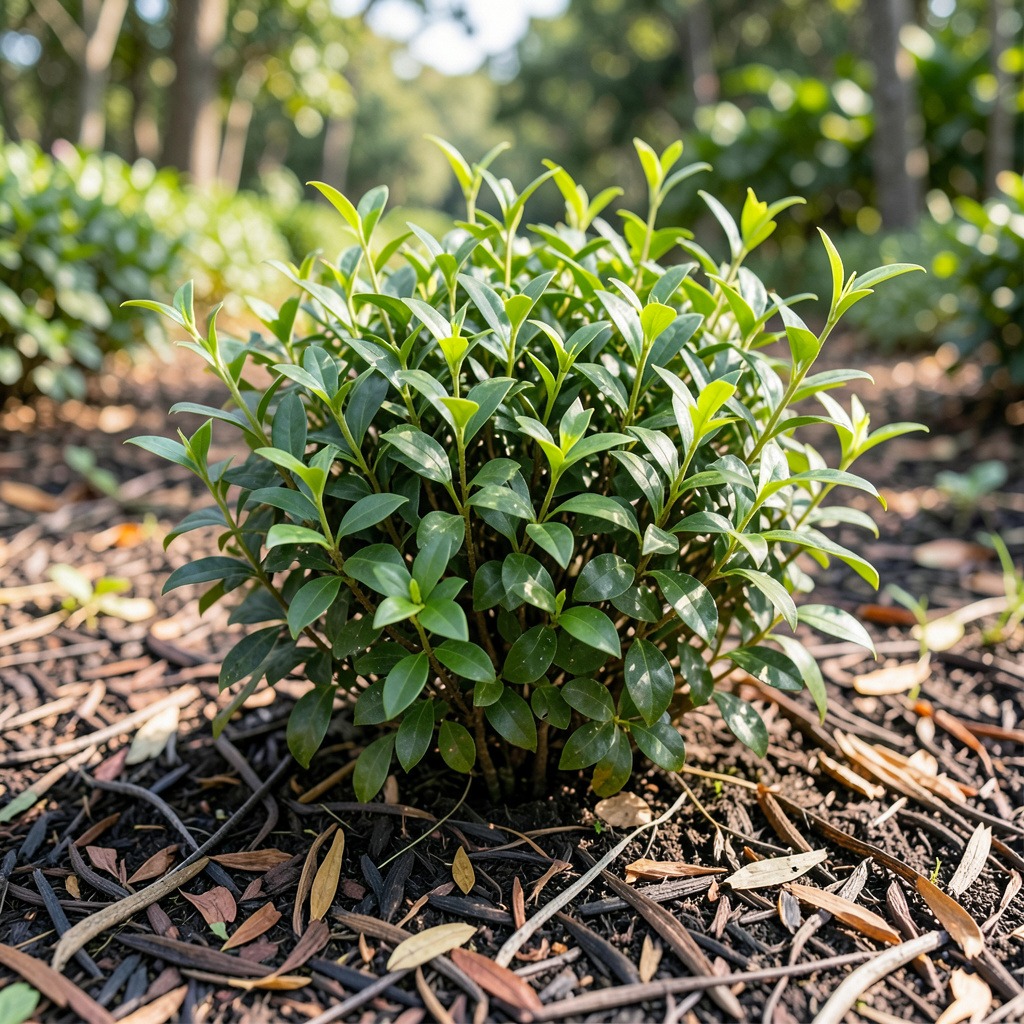
Understanding Tea Tree Mulch
Tea tree mulch is a distinctive organic mulch crafted from the leaves and branches of the Melaleuca plant, specifically Melaleuca alternifolia. It offers several benefits and potential drawbacks that make it a notable choice for gardeners, especially in Australian landscapes.
What is Tea Tree Mulch?
Tea tree mulch is produced from the by-products of tea tree oil extraction. The mulch consists of finely shredded leaves and woody material, which gives it a unique texture and aroma. This mulch retains moisture effectively and helps suppress weed growth, making it a valuable addition to garden beds and pathways.
Origin of Tea Tree Mulch
The production of tea tree mulch originates from sustainable practices in Australia. As tea tree plantations thrive in various regions, the off-cuts and remnants from oil extraction are repurposed into mulch. This process not only reduces waste but also ensures that no trees are harvested solely for mulch, promoting environmental sustainability.
Importance in Gardening
Tea tree mulch plays a vital role in gardening for several reasons:
- Soil Moisture Retention: It helps maintain soil moisture, which is crucial in dry climates.
- Weed Suppression: Its dense structure effectively inhibits weed growth, reducing maintenance efforts.
- Aromatic Qualities: The natural oils in tea tree mulch can deter some pests and fungi, offering additional protection to plants.
- Longevity: Compared to other organic mulches, tea tree mulch breaks down more slowly, requiring less frequent replacement.
Example Scenario: In a garden with native Australian plants, using tea tree mulch can enhance the landscape’s health, providing the necessary moisture retention while minimizing weed competition.
When selecting mulch, consider the specific needs of your garden. For instance, tea tree mulch is best suited for ornamental plantings and pathways, while other types, like sugar cane mulch, may be more appropriate for vegetable gardens due to their rapid decomposition and nutrient addition.
Pros of Using Tea Tree Mulch
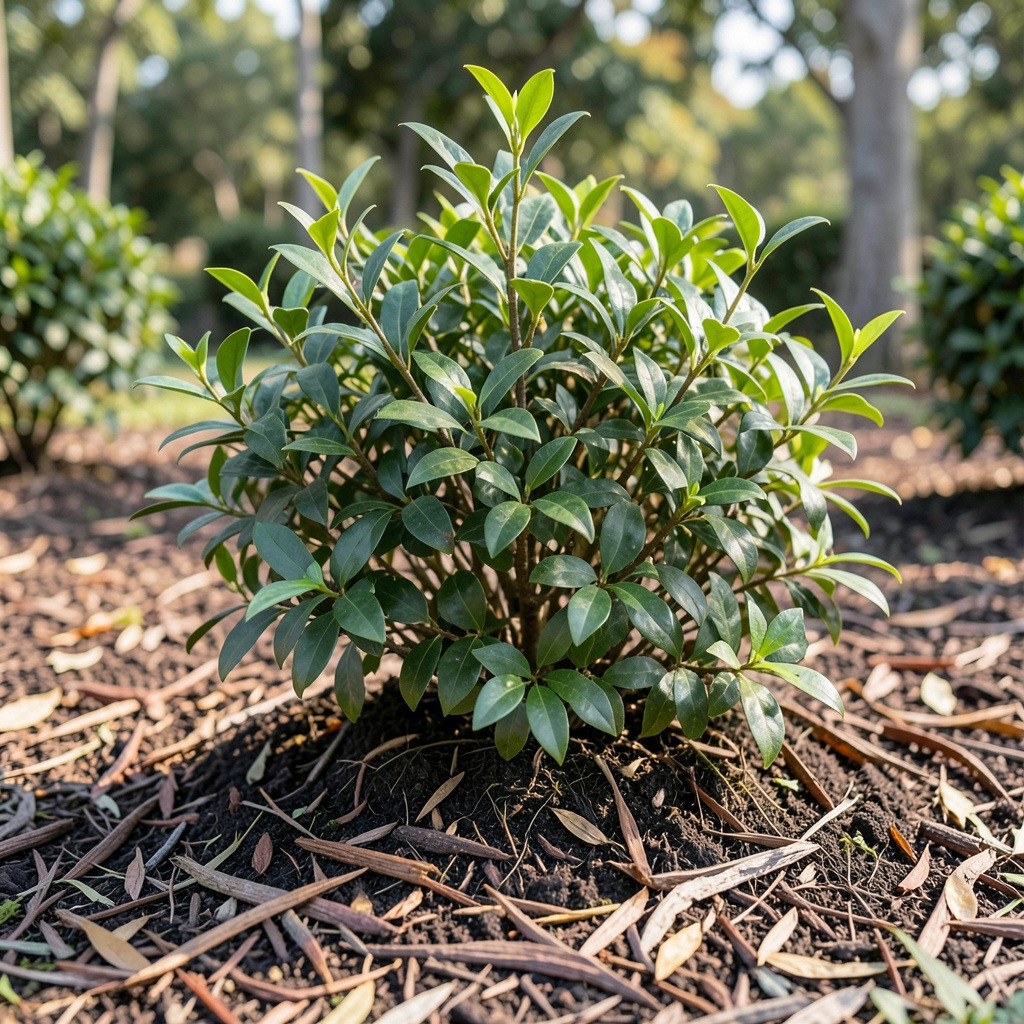
Tea tree mulch offers several advantages for gardeners, particularly in enhancing soil health and plant vitality. Its unique properties make it a popular choice among those looking to optimize their garden environments.
Moisture Retention
One of the primary benefits of tea tree mulch is its ability to retain soil moisture. This characteristic is crucial, especially in regions prone to drought.
- Fact: Tea tree mulch can reduce evaporation from the soil by up to 70%, ensuring that plants receive adequate water.
- Example Scenario: In a garden featuring Australian native plants, applying tea tree mulch around the base of shrubs can significantly help in maintaining soil moisture levels during dry spells. This creates a more stable environment for root growth.
Weed Suppression
Tea tree mulch also excels at suppressing weed growth. By forming a thick layer over the soil, it blocks light from reaching weed seeds.
- Fact: A well-applied layer of tea tree mulch can effectively minimize the competition weeds create for water and nutrients.
- Practical Example: Gardeners who have used tea tree mulch in their flower beds report a noticeable decrease in weed presence, allowing their chosen plants to thrive without the added stress of competition.
Pest Deterrence
Another notable advantage is tea tree mulch’s natural pest-repelling properties. The oils within the tea tree can deter certain pests and fungi.
- Fact: The antimicrobial properties of tea tree oil help protect plants from fungal diseases.
- Example Scenario: A gardener who regularly uses tea tree mulch noticed fewer pest infestations in their vegetable garden. This reduction in pests contributed to healthier plants and a more abundant harvest.
Summary of Benefits
| Benefit | Description |
|---|---|
| Moisture Retention | Reduces soil evaporation, maintaining hydration. |
| Weed Suppression | Blocks light, minimizing weed growth and competition. |
| Pest Deterrence | Contains natural oils that repel pests and fungi. |
By understanding these benefits, gardeners can make informed decisions about using tea tree mulch to enhance their gardening practices.
Cons of Using Tea Tree Mulch
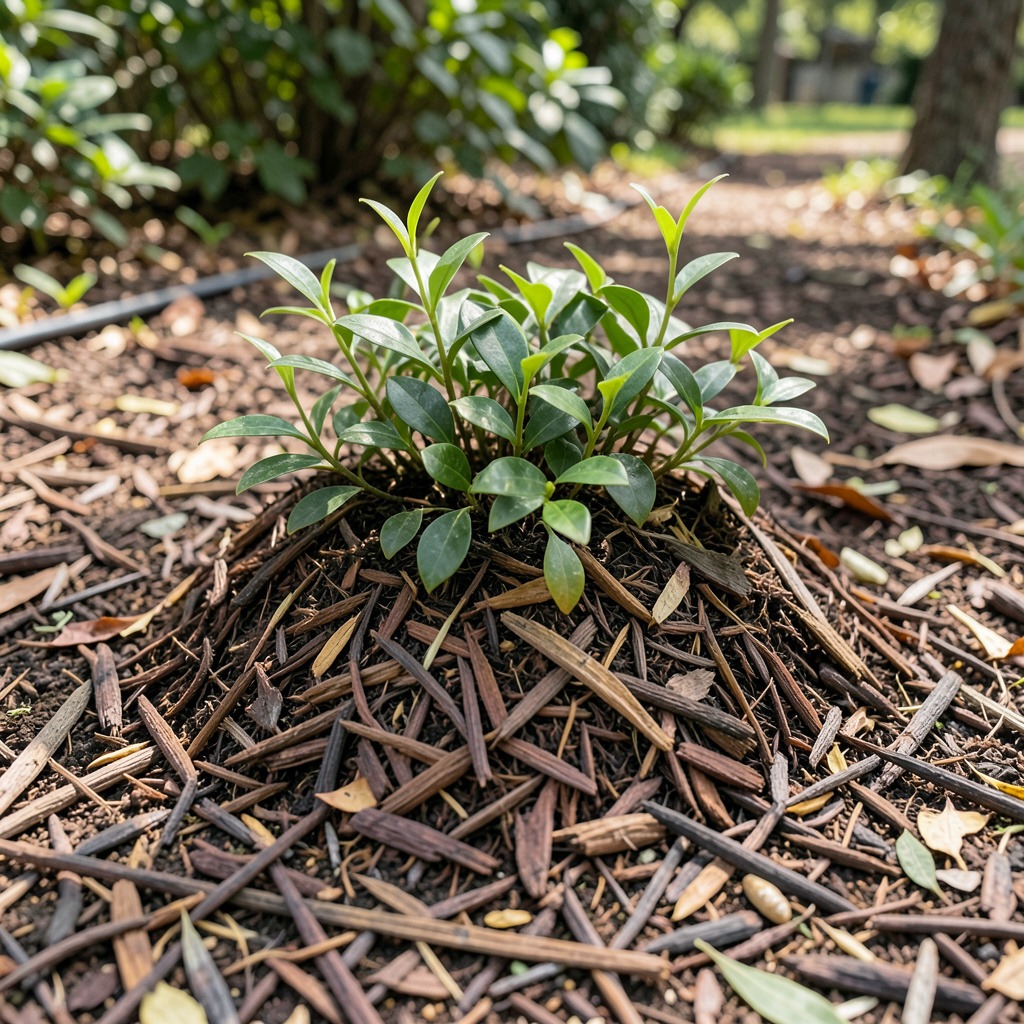
While tea tree mulch has its advantages, it also presents several drawbacks that gardeners should consider. These include its breakdown rate, potential for termite attraction, and suitability for various plant types.
Breakdown Rate
Tea tree mulch has a relatively fine texture, which leads to a quicker breakdown compared to coarser mulches. This rapid decomposition means that gardeners may need to replenish tea tree mulch more frequently.
- Frequency of Replacement: Expect to replace tea tree mulch every 6-12 months, depending on environmental factors.
- Impact on Soil: While breakdown enriches the soil, frequent top-ups can become a maintenance burden.
Termite Attraction
One concern with using tea tree mulch is its potential to attract termites. While it is not a primary food source for these pests, its organic composition can create favorable conditions for infestation.
- Risk Assessment: If you live in a termite-prone area, consider alternative mulches or use tea tree mulch with caution.
- Preventive Measures: Pairing tea tree mulch with barriers, such as metal or treated wood, can help mitigate termite risks.
Suitability for Different Plants
Tea tree mulch may not be suitable for all plant types. While it works well with Australian natives, some garden plants might not thrive in its presence.
- Ideal Plants: Best suited for native Australian plants that are adapted to its properties.
- Less Suitable Plants: Avoid using tea tree mulch around moisture-sensitive or tropical plants that may not benefit from its properties.
Decision Matrix for Mulch Selection
| Mulch Type | Breakdown Rate | Termite Attraction | Plant Compatibility |
|---|---|---|---|
| Tea Tree Mulch | Fast | Moderate | Native plants only |
| Sugar Cane Mulch | Moderate | Low | General garden use |
| Bark Mulch | Slow | Low | Most perennial plants |
Assessing these factors can help you determine if tea tree mulch aligns with your gardening goals. Always match your mulch choice to your specific garden conditions for optimal results.
Comparing Tea Tree Mulch with Other Mulches
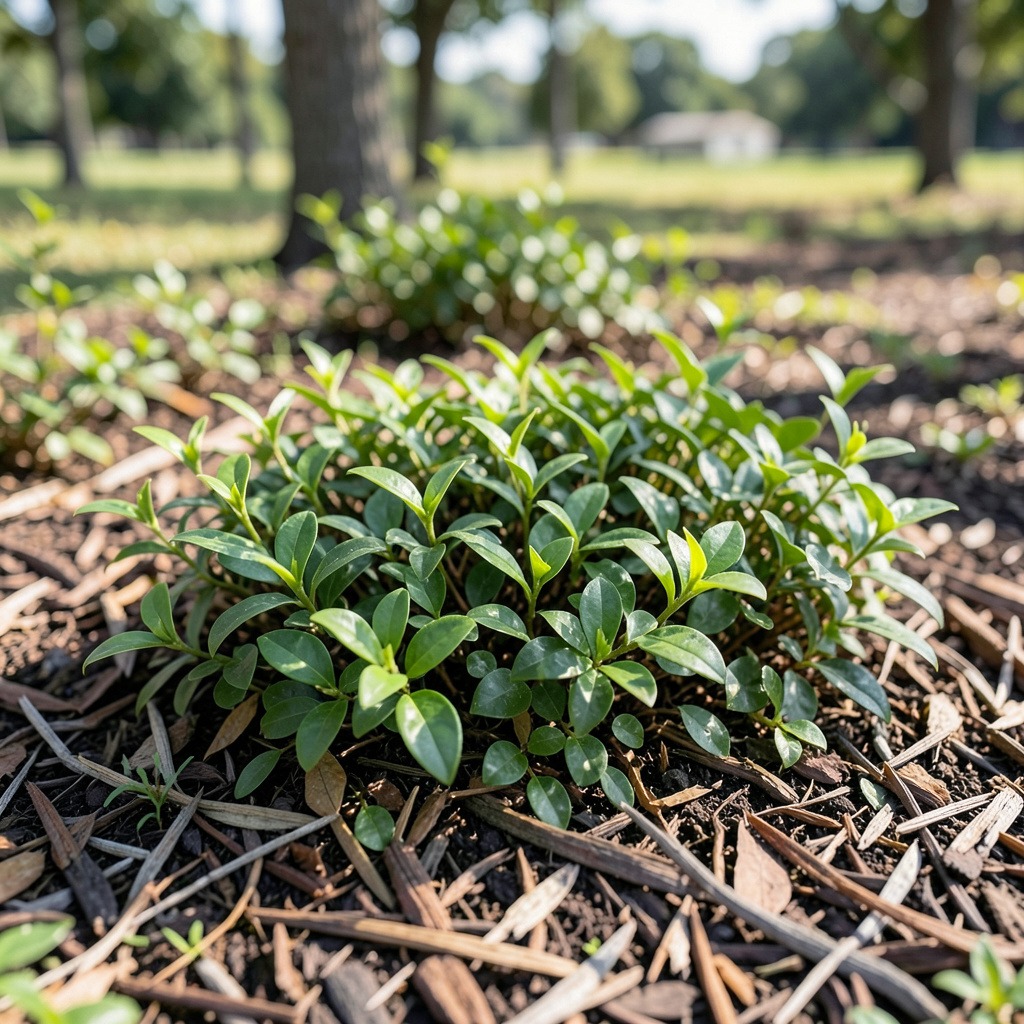
When selecting mulch for your garden, it’s essential to understand how tea tree mulch stacks up against other popular options like sugar cane and eucalyptus. Each type has unique characteristics that can affect soil health, plant growth, and maintenance.
Tea Tree vs Sugar Cane Mulch
| Feature | Tea Tree Mulch | Sugar Cane Mulch |
|---|---|---|
| Breakdown Rate | Fast | Moderate |
| Termite Attraction | Moderate | Low |
| Plant Compatibility | Native plants primarily | General garden use |
| Moisture Retention | Good | Excellent |
| Weed Suppression | Effective | Good |
Advantages of Tea Tree Mulch:
- Contains natural oils that repel pests and fungi.
- Provides good moisture retention, beneficial for native Australian plants.
- Aesthetically pleasing due to its fine texture and distinct aroma.
Disadvantages of Tea Tree Mulch:
- Breaks down faster than sugar cane mulch, requiring more frequent replenishment.
- Moderate attraction for termites, which could be a concern for some gardeners.
Use Case: If you are gardening with native Australian plants, tea tree mulch offers significant benefits. However, if you need a longer-lasting option for general garden use, sugar cane mulch may be preferable.
Tea Tree vs Eucalyptus Mulch
| Feature | Tea Tree Mulch | Eucalyptus Mulch |
|---|---|---|
| Breakdown Rate | Fast | Moderate to Slow |
| Termite Attraction | Moderate | Low |
| Plant Compatibility | Native plants primarily | Diverse plant types |
| Moisture Retention | Good | Excellent |
| Weed Suppression | Effective | Good |
Advantages of Eucalyptus Mulch:
- Slower breakdown rate, reducing the need for frequent top-ups.
- High moisture retention, making it suitable for various plant types.
Disadvantages of Eucalyptus Mulch:
- Can be more aromatic, which may not appeal to all gardeners.
- Some varieties may contain compounds that can inhibit the growth of certain plants.
Use Case: For a diverse garden with various plant types, eucalyptus mulch may be the better choice due to its slower decay rate. However, for native plants specifically, tea tree mulch can provide targeted benefits.
General Comparisons: Coarse vs Fine Mulch
| Mulch Type | Texture | Benefits | Drawbacks |
|---|---|---|---|
| Fine Mulch | Tea Tree | Good moisture retention, rapid breakdown | Requires frequent replacement |
| Coarse Mulch | Eucalyptus, Bark | Slow breakdown, reduced weed growth | May retain less moisture |
Decision Rule: Choose fine mulch like tea tree if your priority is quick moisture retention and pest deterrence, especially for native plants. Opt for coarse mulch if longevity and reduced maintenance are more critical to your gardening style.
Best Practices for Applying Tea Tree Mulch
Applying tea tree mulch correctly can enhance its benefits in your garden. Follow these guidelines to ensure optimal results.
Ideal Depth for Application
For effective moisture retention and weed suppression, apply tea tree mulch to a depth of 5 to 10 centimeters (2 to 4 inches). This depth allows for adequate coverage while preventing soil compaction.
Timing for Mulching
The best time to apply tea tree mulch is in early spring or fall. This timing helps to retain soil moisture during hot months and provides insulation during colder months. Avoid applying mulch in heavy rain, as this can cause uneven distribution and prevent proper settling.
Techniques for Effective Application
1. Prepare the Area: Clear away weeds and debris from the planting area. This step ensures that the mulch can effectively suppress weeds.
2. Moisten the Soil: Lightly water the soil before applying mulch. This promotes moisture retention once the mulch is in place.
3. Spread Evenly: Distribute the mulch evenly across the soil surface. Use a rake to achieve a smooth, uniform layer.
4. Leave Space Around Plants: Ensure mulch does not touch the stems of plants. This prevents rot and allows for air circulation.
5. Check Regularly: Monitor the mulch layer. If it breaks down quickly, replenish it every few months to maintain its benefits.
Application Checklist
- [ ] Clear planting area of weeds and debris.
- [ ] Lightly moisten the soil.
- [ ] Apply mulch to a depth of 5 to 10 cm.
- [ ] Leave space around plant stems.
- [ ] Replenish mulch every few months as needed.
By following these best practices, you can maximize the advantages of tea tree mulch while minimizing potential drawbacks.
Environmental Impact of Tea Tree Mulch
Tea tree mulch offers a range of sustainability benefits, making it a popular choice for environmentally conscious gardeners. Understanding its sourcing and ecological effects is essential for informed gardening practices.
Sourcing and Sustainability
Tea tree mulch is derived from the by-products of tea tree oil production. This means it utilizes residual materials, preventing waste and promoting sustainability. No trees are harvested solely for mulch, which supports eco-friendly gardening.
- Renewable Resource: Sourcing tea tree mulch from plantations ensures a renewable supply.
- Waste Reduction: Utilizing by-products helps reduce landfill waste.
- Low Impact: The production process has a relatively low environmental impact compared to other mulch types that may involve deforestation.
Ecological Benefits
Tea tree mulch not only serves as a protective layer for gardens but also confers various ecological advantages. Its natural properties enhance soil health and support local biodiversity.
- Weed Suppression: The dense layer of tea tree mulch effectively suppresses weeds, reducing the need for chemical herbicides.
- Moisture Retention: It retains soil moisture, which is vital for plant health, especially in arid regions.
- Pest Deterrence: Natural oils present in tea tree mulch can deter certain pests and fungi, promoting a healthier garden ecosystem.
Long-term Soil Health Effects
Using tea tree mulch can have lasting impacts on soil health. As it breaks down, it enriches the soil, contributing to long-term fertility.
- Nutrient Release: As tea tree mulch decomposes, it releases essential nutrients into the soil, enhancing plant growth.
- Soil Structure Improvement: The organic matter improves soil structure, allowing for better aeration and drainage.
- Consideration for Termites: While tea tree mulch can attract termites in some regions, its benefits often outweigh this potential drawback. Regular monitoring can mitigate termite issues.
When choosing mulch types, consider the specific needs of your garden. For example, if you prioritize moisture retention and pest deterrence, tea tree mulch may be the ideal choice.
User Testimonials on Tea Tree Mulch
Gardeners who have used tea tree mulch share a variety of experiences. Their feedback highlights both the advantages and challenges of using this organic material in gardening.
Positive Experiences
Many gardeners praise tea tree mulch for its numerous benefits. Here are some common positive feedback points:
- Aromatic Appeal: Users enjoy the pleasant fragrance that enhances the garden atmosphere.
- Moisture Retention: Several gardeners report improved soil moisture, noting that tea tree mulch effectively reduces evaporation.
- Weed Suppression: Many have found that tea tree mulch significantly lowers weed growth, allowing their plants to thrive.
- Pest Deterrent: Some testimonials highlight its success in repelling pests, particularly due to the natural oils in the mulch.
Example: One gardener observed that their native Australian plants flourished after switching to tea tree mulch, noting less weed competition and healthier growth.
Challenges Faced
While there are many positives, some gardeners face challenges with tea tree mulch:
- Cost Consideration: A few users mention that tea tree mulch can be more expensive than other options.
- Termite Attraction: Some gardeners have reported issues with termites, particularly in specific regions. Regular monitoring is recommended.
- Slow Decomposition: A couple of gardeners noted that while the slow breakdown is beneficial for longevity, it may take longer for nutrients to become available to plants.
Example: A gardener shared their experience of dealing with termite activity after using tea tree mulch, highlighting the importance of inspecting the garden regularly.
Overall Satisfaction
Overall, satisfaction levels vary among users of tea tree mulch:
- High Satisfaction: Many loyal users appreciate the benefits and continue to use tea tree mulch in their gardens.
- Mixed Reviews: Some users express mixed feelings, balancing the benefits against challenges like pest attraction and cost.
- Comparative Preference: A few gardeners prefer combinations of mulches, using tea tree mulch for specific areas while opting for alternatives like sugar cane mulch elsewhere.
Example: One gardener stated, “I love using tea tree mulch around my native plants. However, I mix it with sugar cane mulch for my vegetable beds to minimize pest issues and costs.”
These testimonials provide a balanced view, showcasing both the strengths and weaknesses of tea tree mulch in gardening.
Conclusion: Making the Right Choice
Choosing the right mulch for your garden can significantly impact its health and appearance. Tea tree mulch offers both advantages and disadvantages that gardeners should carefully consider.
Key Takeaways
- Pros of Tea Tree Mulch:
- Excellent for moisture retention, reducing the need for frequent watering.
- Natural oils help deter pests and fungi, promoting healthier plants.
- Long-lasting, reducing the frequency of replacement.
- Cons of Tea Tree Mulch:
- Potential attraction of termites, which can harm wooden structures nearby.
- Higher initial cost compared to other mulch types like sugar cane.
- May not be suitable for all plant types due to its coarse texture.
Final Recommendations
When deciding if tea tree mulch is right for your garden, consider the following:
- Plant Type: If you are focusing on Australian natives, tea tree mulch can enhance their growth. However, it may not be ideal for delicate or non-native plants.
- Environmental Conditions: In areas with high moisture needs, tea tree mulch excels. For drought-prone regions, its moisture retention capabilities are beneficial.
- Pest Management: If pest attraction is a concern, weigh the benefits of its pest-deterring properties against potential termite issues.
Checklist for Choosing the Right Mulch
- Assess Your Garden’s Needs: Determine if moisture retention or pest control is a priority.
- Evaluate Plant Compatibility: Ensure the mulch type aligns with the specific plants in your garden.
- Consider Environmental Impact: Look for sustainable options that contribute positively to your garden’s ecosystem.
By following this decision-making framework, you can confidently choose mulch that meets your gardening goals while maximizing benefits and minimizing drawbacks.
Frequently Asked Questions
These quick answers cover the most common questions about this topic, including key details, practical tips, and common concerns.
What is the healthiest mulch to use?
The healthiest mulch depends on your garden’s specific needs. Organic mulches, such as tea tree, sugar cane, and bark mulch, enrich the soil as they decompose. Tea tree mulch is particularly beneficial for moisture retention and pest deterrence due to its natural oils. However, for vegetable gardens, sugar cane mulch may be preferable as it breaks down quickly, adding nutrients to the soil.
Is tea tree a good mulch?
Yes, tea tree mulch is a good option for many gardens, especially those featuring Australian native plants. It effectively retains moisture and suppresses weeds. Its natural oils also help deter pests and fungi. However, it may not be suitable for every plant type, particularly those sensitive to moisture levels.
What mulch should I avoid?
Avoid mulches that can attract pests or inhibit plant growth. For instance, black plastic mulch can prevent water and air from reaching the soil. Additionally, some coarse mulches, like certain types of pine bark, can create a barrier that retains too much moisture for sensitive plants. Always consider your garden’s specific needs when selecting mulch.
What is the 3-3-3 rule for mulch?
The 3-3-3 rule suggests applying mulch to a depth of three inches, keeping it three inches away from plant stems, and replenishing it every three months. This practice helps maintain moisture, prevents rot, and ensures that the mulch remains effective in suppressing weeds and regulating soil temperature.
Is tea tree mulch good for Australian native plants?
Yes, tea tree mulch is particularly well-suited for Australian native plants. Its moisture-retaining properties and pest-repelling natural oils benefit these plants, which are adapted to the local environment. Using tea tree mulch can enhance growth and reduce competition from weeds, making it an excellent choice for native gardens.
How often should I replace tea tree mulch?
You should replace tea tree mulch every 6 to 12 months, depending on environmental conditions and how quickly it breaks down. Regularly checking the mulch layer will help you determine when to replenish it. Keeping the mulch fresh ensures optimal moisture retention and weed suppression.
Can tea tree mulch attract pests?
Tea tree mulch can attract termites due to its organic composition, although it is not a primary food source. If you live in a termite-prone area, consider using it cautiously. Regular inspections and pairing it with barriers can help mitigate any pest issues while still enjoying the benefits of tea tree mulch.