
Teak wood is renowned for its durability, natural resistance to decay, and aesthetic appeal, but it is expensive and requires regular maintenance.
Teak wood is a popular choice for furniture and construction due to its unique properties. While it offers significant benefits like durability and resistance to moisture, potential buyers must also consider factors such as cost and maintenance requirements.
Understanding Teak Wood
Teak wood is renowned for its durability and strength, making it a favored material for various applications. Its unique characteristics and historical significance contribute to its ongoing popularity.
What is Teak Wood?
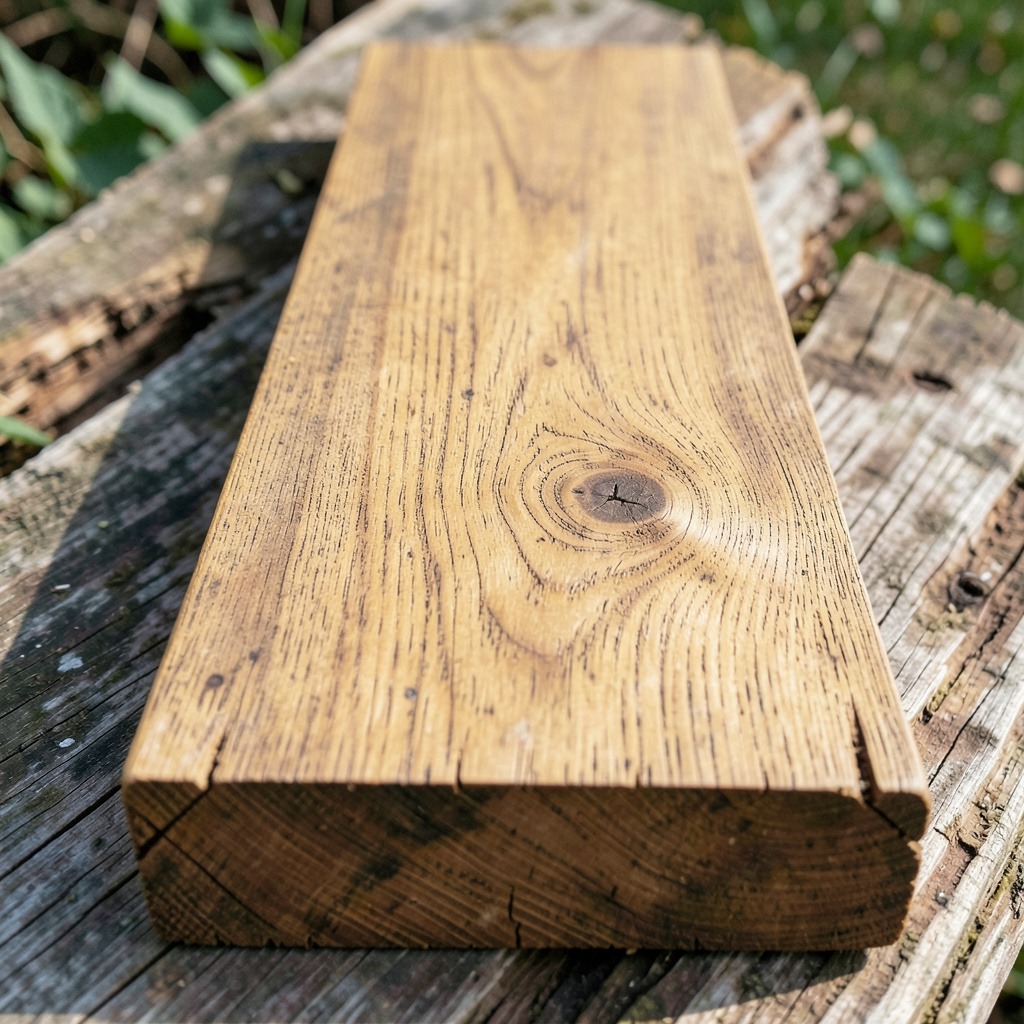
Teak wood, scientifically known as Tectona grandis, is a tropical hardwood native to Southeast Asia. It is characterized by its rich golden-brown color and straight grain. The wood contains natural oils that provide resistance to moisture, insects, and decay. This makes teak an ideal material for outdoor furniture and marine applications.
History and Origin of Teak
Teak has a long history, particularly in shipbuilding. Ancient civilizations utilized it to construct sailing vessels due to its exceptional durability and water resistance. Historical records reveal that teak was highly valued in ancient India and Southeast Asia for its strength and beauty. Today, it remains a popular choice not just for furniture but also for flooring and decorative veneers.
Properties of Teak Wood
Teak wood’s properties make it suitable for both indoor and outdoor use. Here are some key attributes:
- Durability: Teak is known for its longevity. It can last decades with proper care, often outlasting other wood types.
- Water Resistance: The natural oils in teak repel water, making it less prone to warping or rotting.
- Aesthetic Appeal: Its warm color and fine grain enhance the visual appeal of any project.
- Low Maintenance: Teak requires minimal upkeep. It can be left untreated to weather naturally or oiled to maintain its original hue.
When considering teak wood for your projects, weigh these properties against potential drawbacks such as cost and sourcing regulations. Understanding these factors will guide your decision on whether teak is the right choice for your needs.
Table of Contents
Advantages of Teak Wood
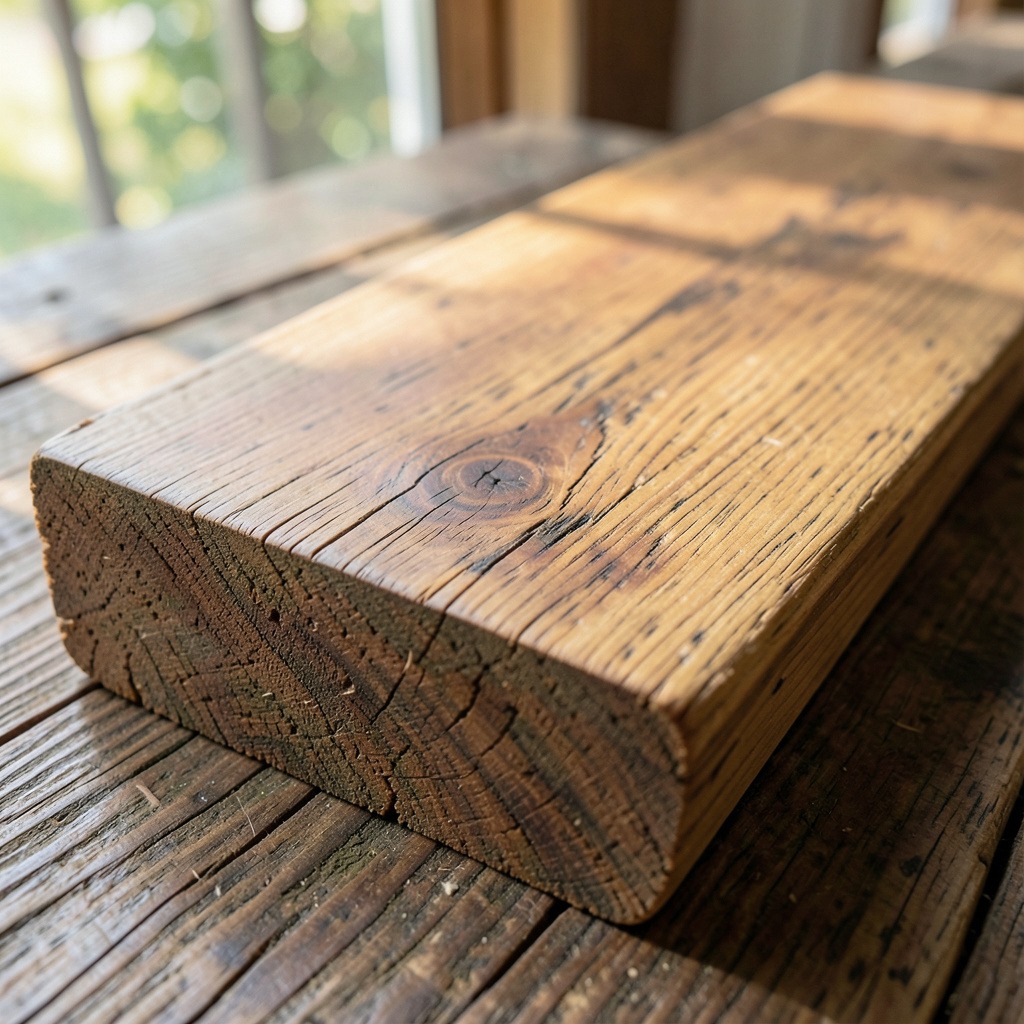
Teak wood offers numerous benefits that make it a popular choice for various applications. Its durability, natural resistance to decay, and aesthetic appeal are key factors for many buyers.
Exceptional Durability
Teak is known for its exceptional durability. This hardwood can withstand harsh weather conditions, making it ideal for outdoor furniture. For instance, teak garden benches can endure rain, snow, and sun without significant wear. Its longevity often surpasses that of other woods, leading to fewer replacements over time.
- Lifespan: Teak can last 50 years or more with proper care.
- Strength: It resists cracking and warping, ensuring structural integrity.
Natural Resistance to Rot and Insects
Teak wood contains natural oils that provide outstanding resistance to moisture, rot, and insects. This characteristic is particularly valuable for applications in marine environments. Boat builders frequently choose teak for decks and fittings due to its ability to resist decay in wet conditions.
- Moisture Resistance: Teak can repel water, reducing the risk of warping.
- Insect Resistance: The wood’s natural oils deter termites and other pests.
Aesthetic Appeal and Versatility
Teak wood is renowned for its rich, golden-brown color and smooth grain. Its visual appeal makes it a favorite for both indoor and outdoor furniture. Many homeowners appreciate its ability to blend with various design styles, from traditional to modern.
- Versatile Applications: Common uses include outdoor dining sets, patio furniture, and indoor cabinetry.
- Visual Characteristics: Teak develops a silver-grey patina over time if left untreated, which many find attractive.
Practical Applications of Teak Wood
Teak’s durability and aesthetic qualities lead to its widespread use in various applications:
- Outdoor Furniture: Dining tables, loungers, and benches benefit from its weather resistance.
- Boat Building: Frequently used for decks and interior fittings due to its moisture resistance.
- Flooring: Teak is popular for high-end flooring options that require durability.
When considering teak wood, weigh these advantages against potential drawbacks such as higher cost and sourcing regulations. Understanding how these factors influence your decision will ensure you choose the right material for your specific needs.
Disadvantages of Teak Wood
While teak wood boasts numerous advantages, it is essential to consider its drawbacks. Key limitations include high cost, maintenance requirements, and sourcing challenges. Understanding these factors can significantly influence your purchasing decision.
High Cost of Teak
Teak wood is one of the most expensive types of lumber available. Its high price stems from several factors:
- Slow Growth: Teak trees take 20 to 25 years to mature before they can be harvested. This slow growth contributes to scarcity and high demand.
- Transportation Costs: While teak is more abundant in specific regions such as Southeast Asia, the cost of shipping it to other parts of the world inflates prices.
- Investment Consideration: Buyers should evaluate the long-term value of teak against alternatives. For instance, while cheaper woods may initially save money, they often require more frequent replacement.
Maintenance Requirements
Teak wood, while durable, does require maintenance to retain its appearance and longevity, particularly in outdoor settings:
- Regular Oiling: To maintain its golden hue, teak should be oiled periodically. Without this, it will weather to a silver-gray color, which some may find unattractive.
- Cleaning: Regular cleaning is necessary to prevent dirt and grime buildup. This can be as simple as using mild soap and water.
- Protection from Elements: In harsh climates, additional protective measures may be needed to prevent mold and discoloration.
Sourcing and Availability Issues
The environmental impact of teak harvesting presents another concern. Sustainability practices vary widely, affecting the legality and ethical implications of sourcing teak:
- Deforestation Risks: Some teak is harvested unsustainably, leading to deforestation and habitat loss. It’s crucial to choose suppliers who comply with environmental regulations.
- Availability Fluctuations: The market for teak can be volatile, with availability changing based on global demand and environmental policies. This can lead to sudden price increases or limited stock.
When considering teak wood for your project, weigh these disadvantages against its benefits. Cost, maintenance, and sourcing issues can significantly affect your overall satisfaction and investment in teak products.
Comparing Teak Wood to Alternatives
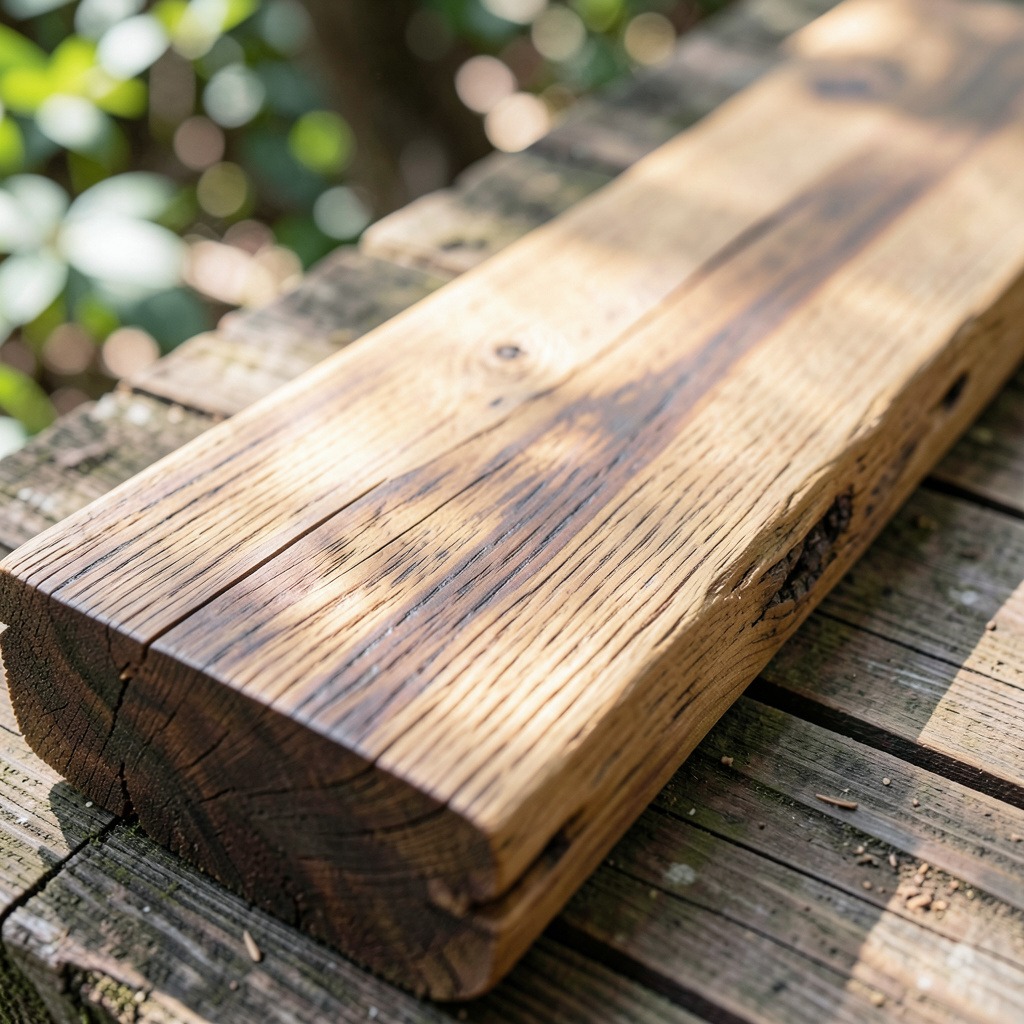
When evaluating teak wood, it’s important to consider how it stacks up against other popular woods such as oak and pine. Each wood type has distinct characteristics that affect durability, cost, maintenance, and suitability for different applications.
Teak vs. Oak: A Comparative Overview
| Feature | Teak Wood | Oak Wood |
|---|---|---|
| Durability | Highly durable; resistant to moisture and pests | Durable but can be prone to rot without treatment |
| Cost | Generally more expensive due to supply constraints | Moderately priced, more widely available |
| Maintenance | Low maintenance; natural oils protect it | Requires regular sealing and maintenance |
| Appearance | Rich, warm tones that age gracefully | Distinct grain patterns; can darken over time |
| Applications | Ideal for outdoor furniture, boats, and high-end interiors | Commonly used for flooring, furniture, and cabinetry |
Teak vs. Pine: Pros and Cons
| Feature | Teak Wood | Pine Wood |
|---|---|---|
| Durability | Extremely durable; resists rot and insects | Less durable; prone to scratches and dents |
| Cost | Higher initial cost; a long-term investment | Budget-friendly; lower upfront cost |
| Maintenance | Minimal maintenance required; can weather naturally | Requires regular treatment to extend lifespan |
| Appearance | Deep golden-brown color; elegant finish | Light color; can take stains well |
| Applications | Best for outdoor use, high-end projects | Suitable for indoor furniture and budget projects |
Choosing the Right Wood for Your Project
When deciding between teak, oak, and pine, consider the following scenarios:
- For Outdoor Furniture: Teak is superior due to its weather resistance and low maintenance.
- For Budget-Friendly Indoor Projects: Pine offers an economical solution. While it requires more care, its affordability makes it a popular choice.
- For High-End Interiors: Oak provides a classic look but may need additional care to maintain its integrity.
Understanding these differences can guide you in selecting the right wood for your specific needs. Evaluate your project’s requirements, budget, and desired longevity to make an informed decision.
Practical Maintenance Tips for Teak Wood
Caring for teak wood is essential to maintain its beauty and longevity. Regular maintenance ensures that your teak furniture or fixtures remain durable and visually appealing.
How to Oil Teak Wood
Oiling teak wood enhances its natural color and protects it from the elements. Follow these steps for effective oiling:
1. Choose the Right Oil: Use a high-quality teak oil specifically designed for outdoor use.
2. Clean the Surface: Remove dirt and dust with a soft cloth or brush before applying oil.
3. Apply the Oil: Use a clean, lint-free cloth. Apply the oil in the direction of the grain.
4. Let It Soak: Allow the oil to penetrate for 15-30 minutes.
5. Wipe Off Excess: Remove any surplus oil to prevent a sticky finish.
6. Frequency: Oil every 3-6 months, depending on exposure to sunlight and weather conditions.
Cleaning Teak Wood Furniture
Regular cleaning is crucial to preserve teak’s appearance and prevent buildup. Here’s how to do it:
- Use Mild Soap: Mix mild soap with water. Avoid harsh chemicals.
- Scrub Gently: Use a soft bristle brush or sponge to scrub the surface.
- Rinse Thoroughly: Rinse with clean water and dry immediately with a soft cloth.
- Frequency: Clean every few months or more often if used outdoors.
Best Practices to Extend Teak’s Lifespan
To ensure your teak wood lasts for decades, adhere to these best practices:
- Store Properly: If possible, store teak furniture indoors during harsh weather.
- Avoid Direct Sunlight: Use umbrellas or covers to shield outdoor furniture from prolonged sun exposure.
- Inspect Regularly: Check for signs of wear, such as cracks or discoloration, and address issues promptly.
- Use a Teak Protector: Consider applying a teak protector to minimize weathering and maintain color.
By following these maintenance routines, you can extend the life of your teak wood while keeping it looking its best.
Environmental Impact and Sustainability of Teak Sourcing
Teak wood offers notable advantages, but its sourcing raises significant environmental concerns. Understanding these issues is crucial for informed purchasing decisions.
Understanding Sustainable Teak Sourcing
Sustainable teak sourcing involves harvesting practices that minimize environmental impact. Key factors include:
- Certification: Look for teak certified by organizations like the Forest Stewardship Council (FSC). This ensures the wood is sourced from responsibly managed forests.
- Plantation vs. Natural Forests: Teak grown in plantations can reduce the pressure on natural forests. Plantations are often more sustainable, as they can be managed for long-term growth and biodiversity.
Impact of Overharvesting
Overharvesting of teak has led to significant ecological damage. Key impacts include:
- Deforestation: Unsustainable logging practices contribute to habitat loss and biodiversity decline.
- Erosion: Removing trees destabilizes soil, increasing the risk of landslides and reducing water quality in nearby waterways.
Consumers should be aware of these consequences when purchasing teak products.
Regulatory Changes and Their Effects
Recent regulations aim to combat illegal teak trade and promote sustainability. Important changes include:
- Export Restrictions: Some countries have implemented strict controls on teak exports to prevent illegal logging. This impacts availability and price.
- Sourcing Transparency: New laws require companies to disclose the origin of their teak wood, enabling consumers to make informed choices.
When selecting teak wood, consumers should consider the source and look for products that comply with these regulations. This not only supports sustainable practices but also helps protect valuable ecosystems.
By prioritizing sustainably sourced teak, buyers can enjoy the benefits of this durable wood while minimizing their environmental footprint.
Conclusion: Is Teak Wood Right for You?
Teak wood is a premium choice for various applications due to its durability, aesthetic appeal, and resistance to moisture. However, its cost and specific maintenance requirements can influence your decision. Understanding these factors is crucial before making a purchase.
When to Choose Teak Wood
Teak wood is ideal for:
- Outdoor Furniture: Its natural oils resist moisture and insects, making it perfect for patios and decks.
- High-End Interiors: Teak’s rich color and fine grain enhance the beauty of indoor spaces.
- Marine Applications: Used in boats and yachts, teak withstands harsh marine environments.
Assessing Your Project Needs
Consider the following checklist to evaluate if teak wood suits your project:
- Durability: Do you need wood that withstands weather and wear?
- Budget: Can you afford the higher upfront cost of teak compared to alternatives?
- Maintenance: Are you willing to regularly oil or seal the wood to maintain its appearance?
- Environmental Concerns: Are you sourcing teak from sustainable suppliers?
Final Thoughts
Teak wood offers unmatched qualities but comes with trade-offs. Weigh its advantages against your project requirements. For instance, if you prioritize longevity and beauty in outdoor settings, teak is a strong contender. Conversely, if budget constraints are significant, consider alternatives like eucalyptus or cedar, which may provide decent performance at a lower cost.
Frequently Asked Questions
These quick answers cover the most common questions about this topic, including key details, practical tips, and common concerns.
What are the downsides of teak wood?
Teak wood, while highly durable, has several downsides. Its high cost is a significant barrier, as it is one of the most expensive types of lumber available. Additionally, teak requires regular maintenance to retain its golden hue; without oiling, it will weather to a silver-gray color that some may find less appealing. Lastly, sourcing teak can raise environmental concerns, particularly if it is not harvested sustainably.
What wood is better than teak?
While teak is often regarded as the gold standard for outdoor furniture, alternatives like eucalyptus, mahogany, and cedar can be better choices depending on your needs. Eucalyptus is more affordable and still offers good durability and resistance to moisture. Mahogany provides a rich color and fine grain for indoor use, while cedar is lightweight, aromatic, and naturally resistant to rot, making it suitable for outdoor applications.
What happens if you don’t oil teak?
If you don’t oil teak wood, it will gradually lose its rich golden color and develop a silver-gray patina. This change occurs as the wood weathers due to exposure to sunlight and moisture. While this natural aging process does not affect the structural integrity of the wood, it may be visually unappealing to some. Regular oiling helps preserve the original color and provides added protection against the elements.
Which is better, oak or teak?
Teak generally outperforms oak in terms of durability and moisture resistance. It is ideal for outdoor furniture and marine applications due to its natural oils. However, oak is often more affordable and widely available, making it a popular choice for indoor furniture. Oak has a distinct grain and can be stained or finished in various ways, while teak requires less maintenance but comes at a higher price point.
When should you oil teak wood?
Teak wood should be oiled every 3 to 6 months, depending on its exposure to sunlight and weather conditions. If the teak is used outdoors, more frequent oiling may be necessary to maintain its color and prevent drying or cracking. Regular inspections can help determine when oiling is needed, ensuring the wood remains in optimal condition.
How to maintain teak wood?
To maintain teak wood, regularly clean it with mild soap and water to remove dirt and grime. After cleaning, apply a high-quality teak oil to enhance its color and protect it from the elements. This oiling process should be done every few months to keep the wood looking its best. Additionally, store teak furniture indoors during extreme weather to prolong its lifespan.
What are the common problems with teak wood?
Common problems with teak wood include discoloration if not properly maintained, potential cracking or splitting due to lack of moisture, and the risk of mold growth in humid conditions. Additionally, sourcing teak from unsustainable practices can lead to legal and ethical concerns. Regular maintenance and responsible sourcing can mitigate these issues significantly.