
The banyan tree offers numerous benefits, including medicinal uses and ecological importance, yet it also has drawbacks such as invasive roots and potential health risks.
The banyan tree, a symbol of wisdom and endurance, is celebrated for its vast ecological and medicinal benefits. However, it also presents challenges, particularly regarding its invasive nature and health implications. This article explores the pros and cons of this remarkable tree.

Overview of the Banyan Tree
The banyan tree, scientifically known as Ficus benghalensis, is a prominent feature in various cultures, especially in India. Renowned for its expansive canopy and unique growth characteristics, this tree holds significant cultural and ecological importance.
Unique Features of the Banyan Tree
The banyan tree is distinguished by its remarkable aerial roots. These roots grow downwards from its branches and, upon reaching the soil, can develop into additional trunks, supporting the tree’s vast canopy. This unique adaptation allows the banyan tree to spread over large areas, making it a visually striking element in its environment.
- Longevity: Banyan trees can live for centuries, with some specimens known to be over 250 years old.
- Size: They can grow to become some of the largest trees in the world, providing extensive shade and shelter.
Cultural Significance in India
In India, the banyan tree is revered. It is often associated with wisdom and longevity, featuring prominently in folklore and mythology. Traditionally, these trees serve as gathering spots for communities, offering shade and a place for social interactions.
- Symbolism: The banyan tree represents immortality in Hindu culture, often linked to the concept of eternal life.
- Medicinal Uses: Various parts of the tree, including its leaves and roots, are utilized in Ayurvedic medicine, showcasing its significance beyond aesthetics.
Ecological Role as a Keystone Species
As a keystone species, the banyan tree plays a vital role in its ecosystem. It supports numerous species of birds, insects, and other wildlife, creating a biodiverse habitat.
- Habitat Creation: The expansive branches and dense foliage provide shelter for various animals.
- Soil Health: The tree’s roots help prevent soil erosion and enhance soil fertility.
Incorporating banyan trees into your landscape can promote ecological diversity. If you’re interested in cultivating this remarkable tree, consider planting Banyan Tree Seeds or Saplings to contribute to both your garden and the environment. Check Price on Amazon.
Table of Contents
Health Benefits of the Banyan Tree
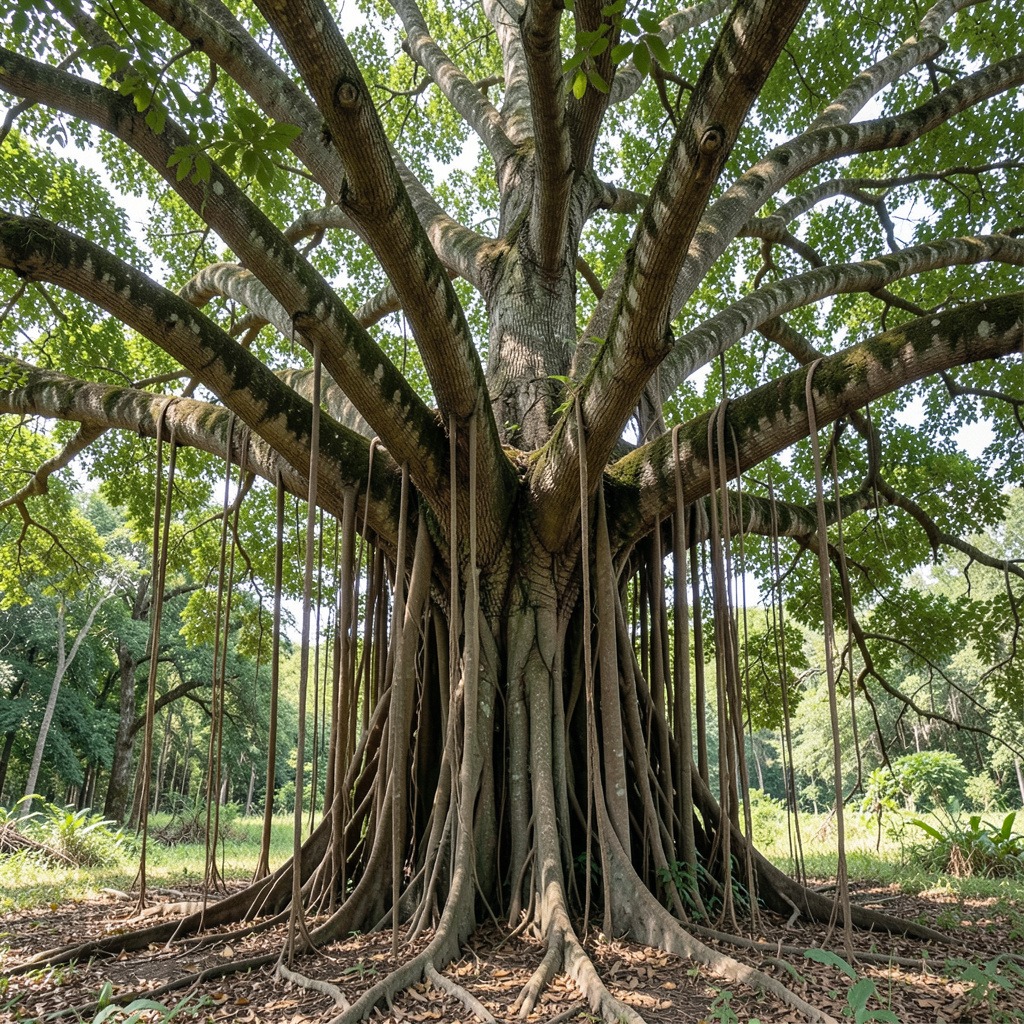
The banyan tree, scientifically known as Ficus benghalensis, offers a range of health benefits through its various parts, including leaves, bark, and roots. These components have been utilized in traditional medicine, particularly in Ayurveda, for centuries.
Uses in Traditional Ayurveda
In Ayurveda, the banyan tree is revered for its holistic health benefits. Different parts of the tree are used to address various ailments:
- Leaves: Known for their astringent properties, banyan leaves are often used in poultices to treat skin irritations and wounds.
- Bark: The bark is commonly employed for its anti-inflammatory effects, making it beneficial for conditions like arthritis.
- Roots: Banyan roots are utilized to manage digestive issues and promote overall gut health.
Anti-Diabetic Properties
The banyan tree demonstrates potential anti-diabetic effects. Studies suggest that extracts from the tree’s roots may help regulate blood sugar levels. This is particularly relevant for individuals managing diabetes. Case studies indicate improved glycemic control among users of banyan root extracts, highlighting its role in diabetes management.
Anti-Inflammatory Effects
Banyan tree bark exhibits significant anti-inflammatory properties. This makes it useful for treating conditions such as arthritis and joint pain. The bark can be prepared as a decoction or powder to alleviate inflammation.
Benefits Overview
- Skin Health: Treats irritations and wounds.
- Joint Health: Alleviates arthritis symptoms.
- Blood Sugar Regulation: Supports diabetes management.
Incorporating banyan into daily health routines can be straightforward. For those interested in cultivating this valuable tree, consider planting Banyan Tree Seeds or Saplings to enrich your garden and health practices. Check Price on Amazon.
Side Effects and Health Risks
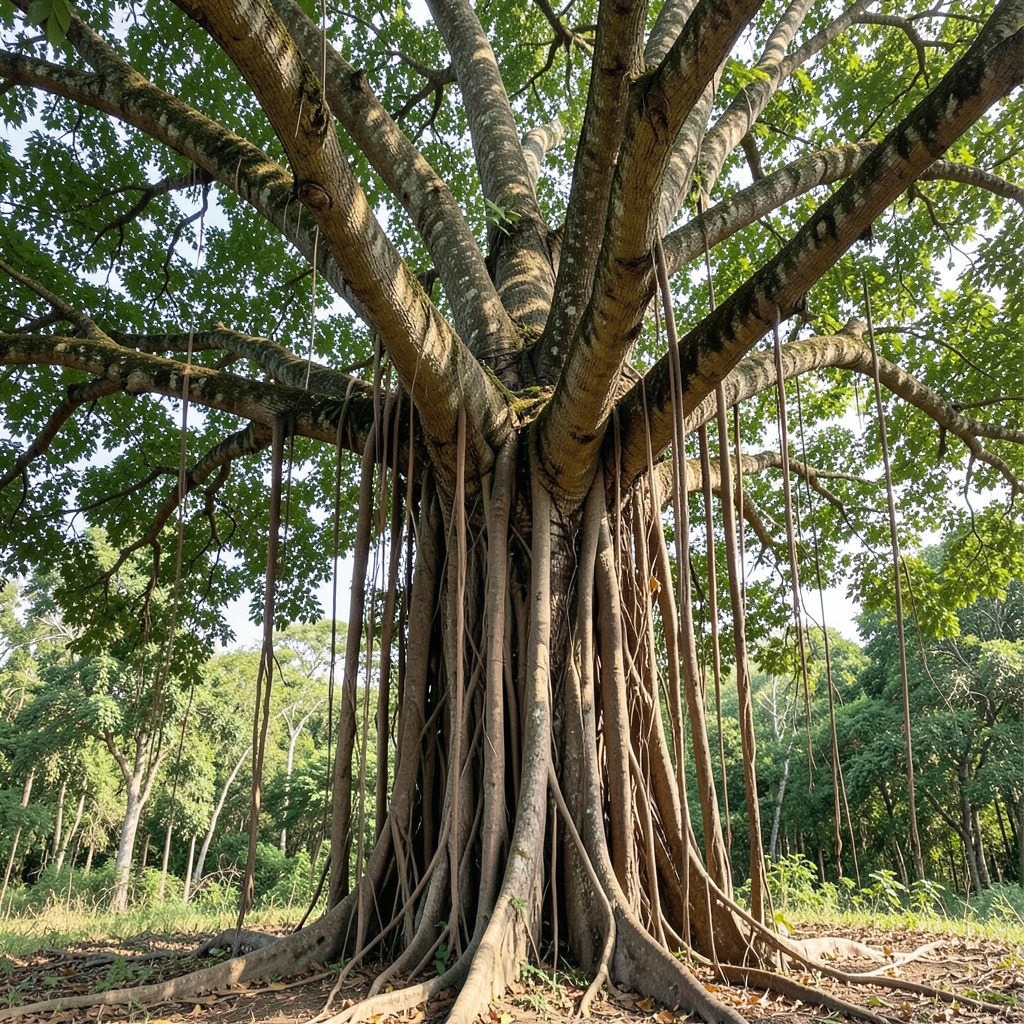
While the banyan tree offers numerous health benefits, it also presents potential risks. Users should be aware of side effects and precautions associated with its use.
Common Side Effects
The banyan tree can cause several side effects, particularly when used in excess. Potential side effects include:
- Allergic Reactions: Skin rashes or respiratory issues can occur in sensitive individuals.
- Gastrointestinal Issues: Some users report stomach discomfort or diarrhea after consumption.
- Dizziness: High doses may lead to feelings of dizziness or lightheadedness.
It’s important to monitor your body’s response when using banyan products.
Precautions for Use
Before incorporating banyan into your health regimen, consider the following precautions:
- Consult a Healthcare Provider: Always discuss with a healthcare professional before starting any new treatment, especially if you have existing health conditions or are pregnant.
- Start with Small Doses: When trying banyan for the first time, begin with small amounts to gauge your tolerance.
- Avoid in Specific Conditions: Those with allergies to figs or latex should avoid banyan, as it may trigger unwanted reactions.
Interaction with Other Medications
Banyan may interact with certain medications. Be cautious if you are taking:
- Blood Sugar Medications: Banyan can lower blood sugar levels, potentially enhancing the effects of diabetes medications.
- Anticoagulants: If you are on blood thinners, consult a healthcare provider, as banyan may affect clotting.
Checklist for Safe Use
- [ ] Consult a healthcare provider.
- [ ] Start with small doses.
- [ ] Monitor for allergic reactions.
- [ ] Be cautious of interactions with medications.
Incorporating banyan into your health routine can be beneficial, but safety should always come first. If you’re interested in cultivating this plant, consider using Banyan Tree Seeds or Saplings to enrich your garden. Check Price on Amazon.
Invasive Nature of Banyan Tree Roots
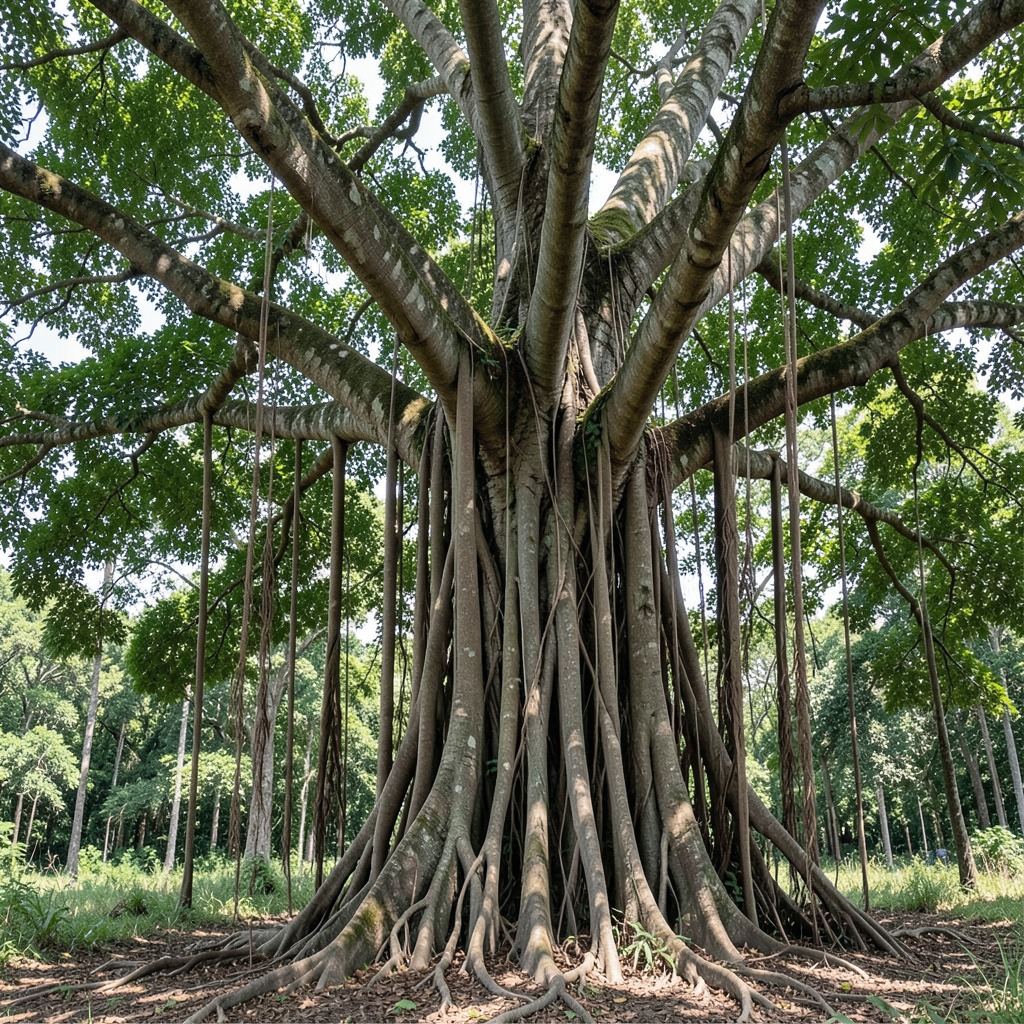
Banyan tree roots can become invasive, posing challenges to nearby structures and ecosystems. Understanding their growth habits is crucial for homeowners considering planting this majestic tree.
Understanding Invasive Roots
Banyan trees develop extensive root systems that can spread widely. These aerial roots descend from branches and can take root in the soil, forming additional trunks. This unique growth allows the tree to expand its canopy but can also lead to complications.
- Root Growth: Aerial roots can reach significant lengths and may penetrate foundations, sidewalks, or other structures.
- Spread: The roots can spread over several acres, making them unsuitable for small residential plots.
Impact on Surrounding Structures
The invasive nature of banyan roots can negatively impact nearby buildings and infrastructure.
- Foundation Damage: Roots can crack foundations, disrupt plumbing, and lift sidewalks.
- Soil Stability: While banyan roots stabilize soil in natural settings, their uncontrolled growth can lead to localized erosion or destabilization of urban landscapes.
Managing Banyan Trees in Urban Areas
Homeowners must carefully consider their options before planting banyan trees. Here are some guidelines to follow:
- Distance: Plant banyan trees at least 30 feet away from structures to minimize root interference.
- Regular Maintenance: Monitor root growth and prune as necessary to prevent encroachment on foundations.
- Consultation: Engage with an arborist to assess the suitability of planting a banyan tree in your area.
By understanding the potential impacts of banyan roots, homeowners can make informed decisions that balance the tree’s beauty and ecological benefits with practical considerations.
Growing and Caring for Banyan Trees
Banyan trees, known scientifically as Ficus benghalensis, thrive in specific conditions that support their growth and longevity. Proper care ensures that these majestic trees provide ecological benefits while minimizing any potential invasiveness.
Ideal Growing Conditions
To successfully grow a banyan tree, consider the following conditions:
- Sunlight: Full sun to partial shade is ideal. Aim for at least six hours of sunlight daily.
- Soil: Well-draining soil rich in organic matter promotes healthy growth. A mix of loamy soil with compost works well.
- Watering: Regular watering is essential, especially during dry spells. Ensure the soil remains moist but not waterlogged.
- Temperature: Banyan trees prefer warm climates and can tolerate temperatures between 70°F and 100°F.
Care and Maintenance
Regular care is crucial for the health of banyan trees. Follow these maintenance tips:
- Pruning: Trim excess growth to maintain shape and reduce weight on branches. This also encourages better air circulation.
- Fertilization: Use a balanced fertilizer during the growing season to provide essential nutrients.
- Pest Management: Monitor for pests like scale and aphids. Apply organic pesticides when necessary.
- Root Management: To prevent invasive roots, consider planting banyan trees in large containers or designated spaces away from structures.
Sustainable Practices for Harvesting
If using parts of the banyan tree for medicinal or cultural purposes, adhere to sustainable harvesting practices:
- Harvesting Guidelines: Only take what you need to ensure the tree remains healthy. Avoid overharvesting leaves or roots.
- Seasonal Timing: Harvest during the dry season when the tree is not actively growing to minimize stress.
- Local Regulations: Be aware of any local regulations regarding the harvesting of banyan tree parts to protect biodiversity.
By implementing these guidelines, you can enjoy the benefits of banyan trees while minimizing their disadvantages.
Frequently Asked Questions
These quick answers cover the most common questions about this topic, including key details, practical tips, and common concerns.
Is it good to keep a banyan tree at home?
Keeping a banyan tree at home can be beneficial, as it is known for its air-purifying qualities and aesthetic appeal. However, consider the space available, as banyan trees can grow large and develop extensive root systems. They thrive in warm climates and require ample sunlight and moisture.
If you have a small garden or live in an urban area, it might be better to grow a banyan tree in a large container to manage its size and root spread.
Are banyan tree roots invasive?
Yes, banyan tree roots can be invasive. The tree’s aerial roots can extend far and may penetrate foundations, sidewalks, and other structures. This growth allows the tree to spread its canopy but can lead to damage in urban settings.
To minimize issues, plant banyan trees at least 30 feet away from buildings and regularly monitor root growth. Pruning can help manage their spread.
What is so special about banyan trees?
Banyan trees are unique due to their extensive aerial roots and large canopies, which can provide significant shade. They are considered sacred in many cultures, particularly in India, symbolizing wisdom and longevity.
Ecologically, banyan trees serve as keystone species, supporting diverse wildlife and enhancing soil health. Their medicinal properties are also significant, as various parts are used in traditional Ayurvedic medicine.
When is the best time to plant a banyan tree?
The best time to plant a banyan tree is during the spring or early summer when temperatures are warm and rainfall is more frequent. This allows the tree to establish roots before the harsher conditions of winter.
Ensure that the soil is well-draining and enriched with organic matter. Regular watering during the initial growth phase is crucial for successful establishment.
What are the side effects of using banyan tree products?
While banyan tree products offer health benefits, they can also have side effects. Common issues include allergic reactions, gastrointestinal discomfort, and dizziness, especially with high doses.
To minimize risks, start with small amounts and consult a healthcare provider before using banyan products, particularly if you have existing health conditions or are pregnant.
How does the banyan tree compare to other medicinal plants?
The banyan tree is unique among medicinal plants due to its extensive use in Ayurveda and its versatile applications. Unlike many other medicinal plants, all parts of the banyan tree—leaves, bark, and roots—are utilized for various health benefits.
In comparison to other trees, such as neem or tulsi, banyan is particularly valued for its anti-inflammatory and anti-diabetic properties, making it a powerful addition to holistic health practices.
What are alternatives to using banyan for health issues?
If you’re considering alternatives to banyan tree products, look into other Ayurvedic herbs like neem, ashwagandha, or tulsi. Each of these plants has its unique health benefits, such as anti-inflammatory and immune-boosting properties.
Always consult a healthcare professional before switching or combining herbal treatments to ensure safety and efficacy based on your individual health needs.